Skip to content

Two Gentlemen in Verona, Part II: The Gardens which Beguiled Us

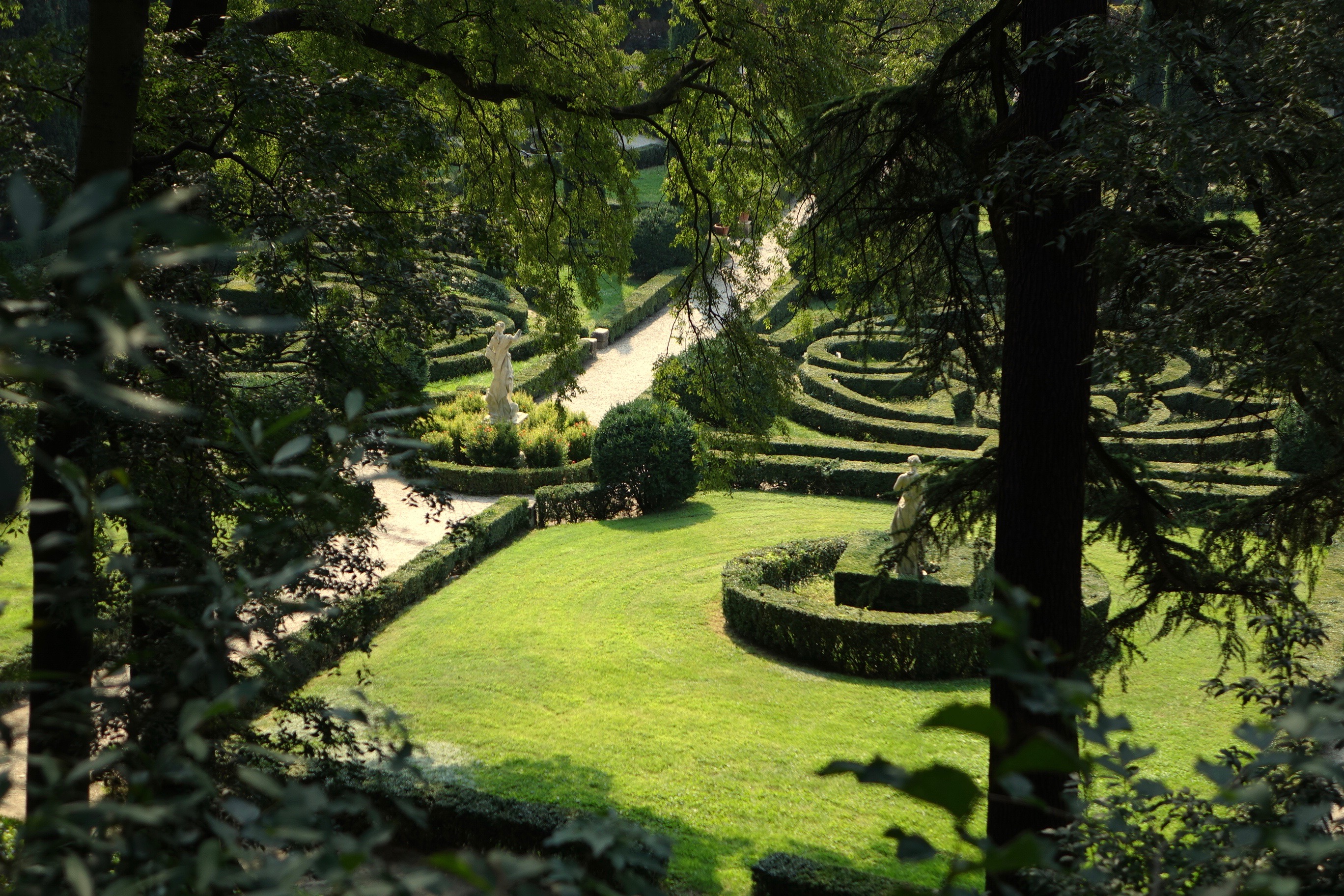
It’s funny. When I think back to my first encounter with Verona, some 17 years ago in the prime of my youth, touring from one art historical Italian treasure to another, I can remember very little of the city. I remember the balcony purported to be that of Shakespeare’s fictional Juliet, and the street where I purchased my first Burberry scarf. I remember the relief which blue skies and a bustling living city afforded after 10 days or so ensconced in the fog-filled fantasy land of Venice. But I remember little of the stunning streets and grand piazzas which dominated this most recent reconnaissance with Verona. But of all the highlights I remember with absolute clarity, despite the passing of the years, it is the wonder of the Giardino Giusti, arguably the best Renaissance garden in all of Italy.

DSC08024DSC07966DSC07967DSC08038DSC08030DSC08023DSC08012

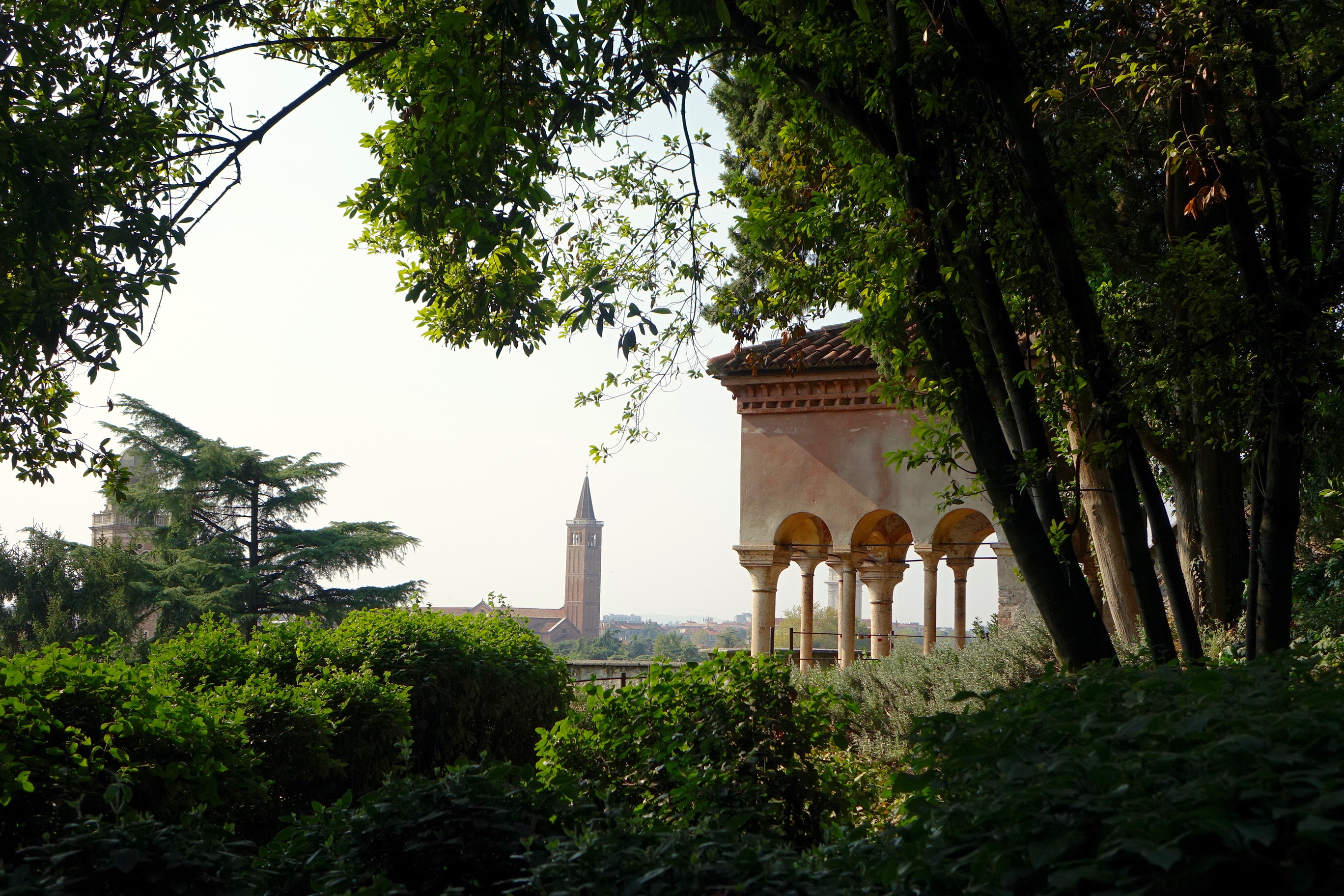
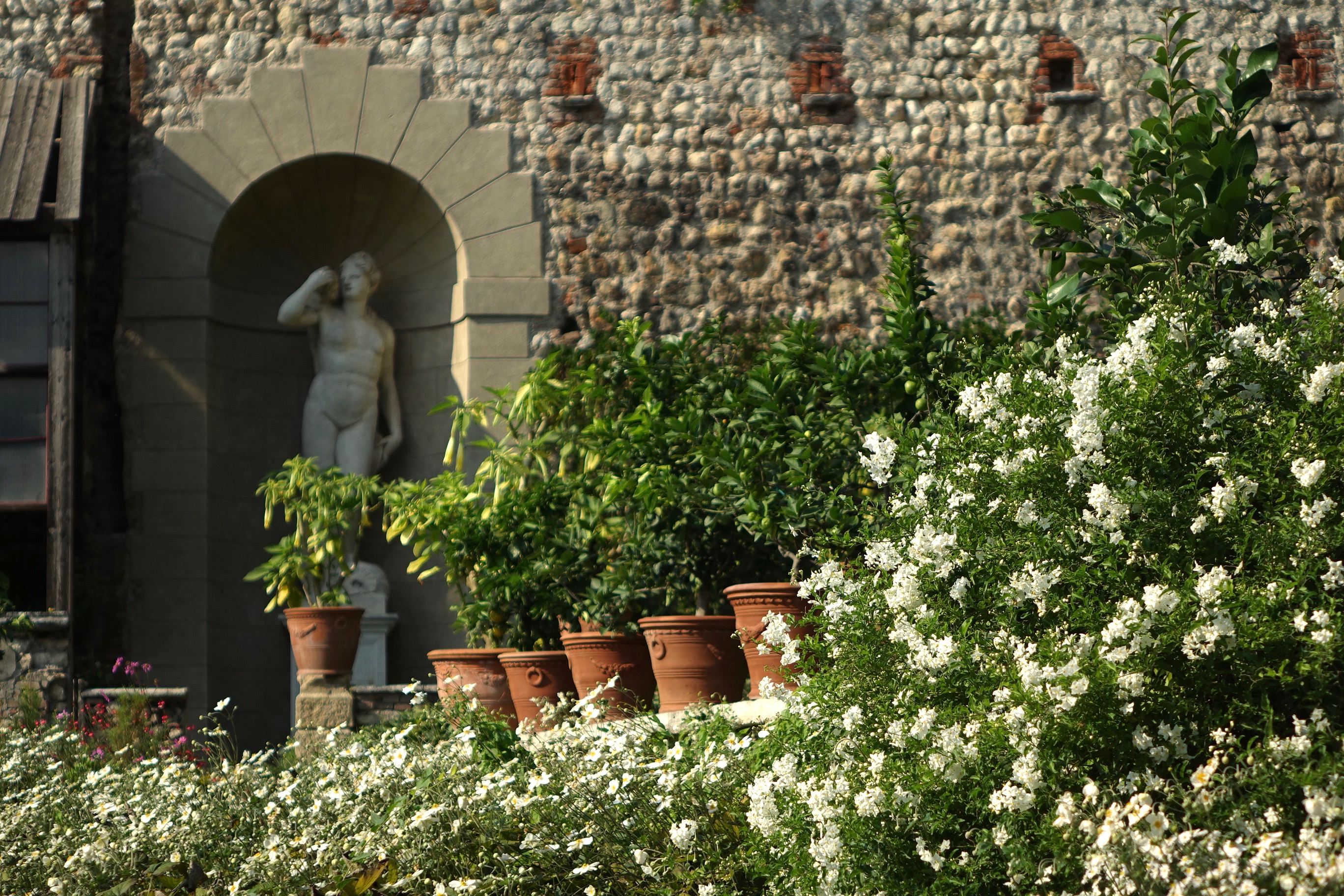
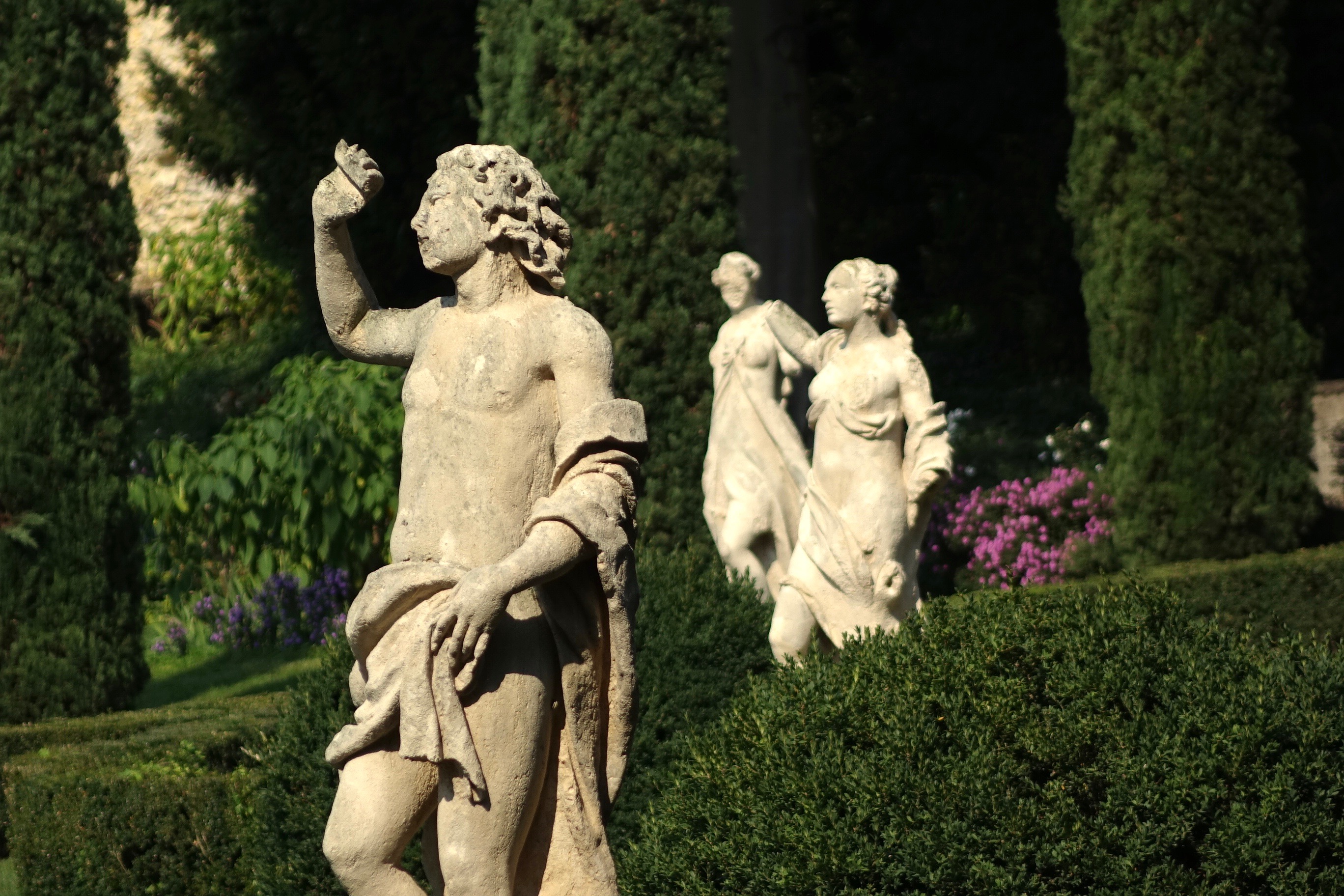
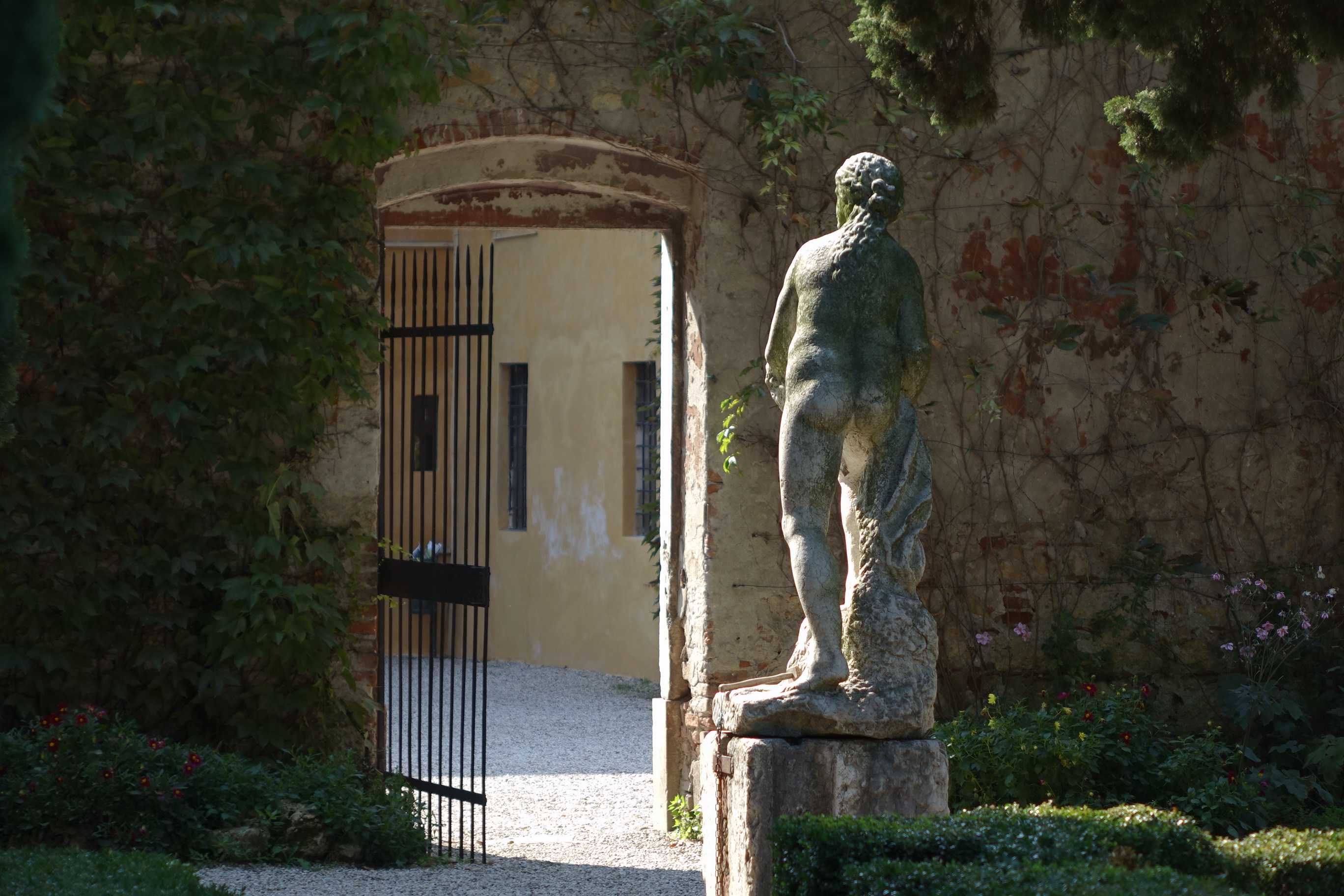
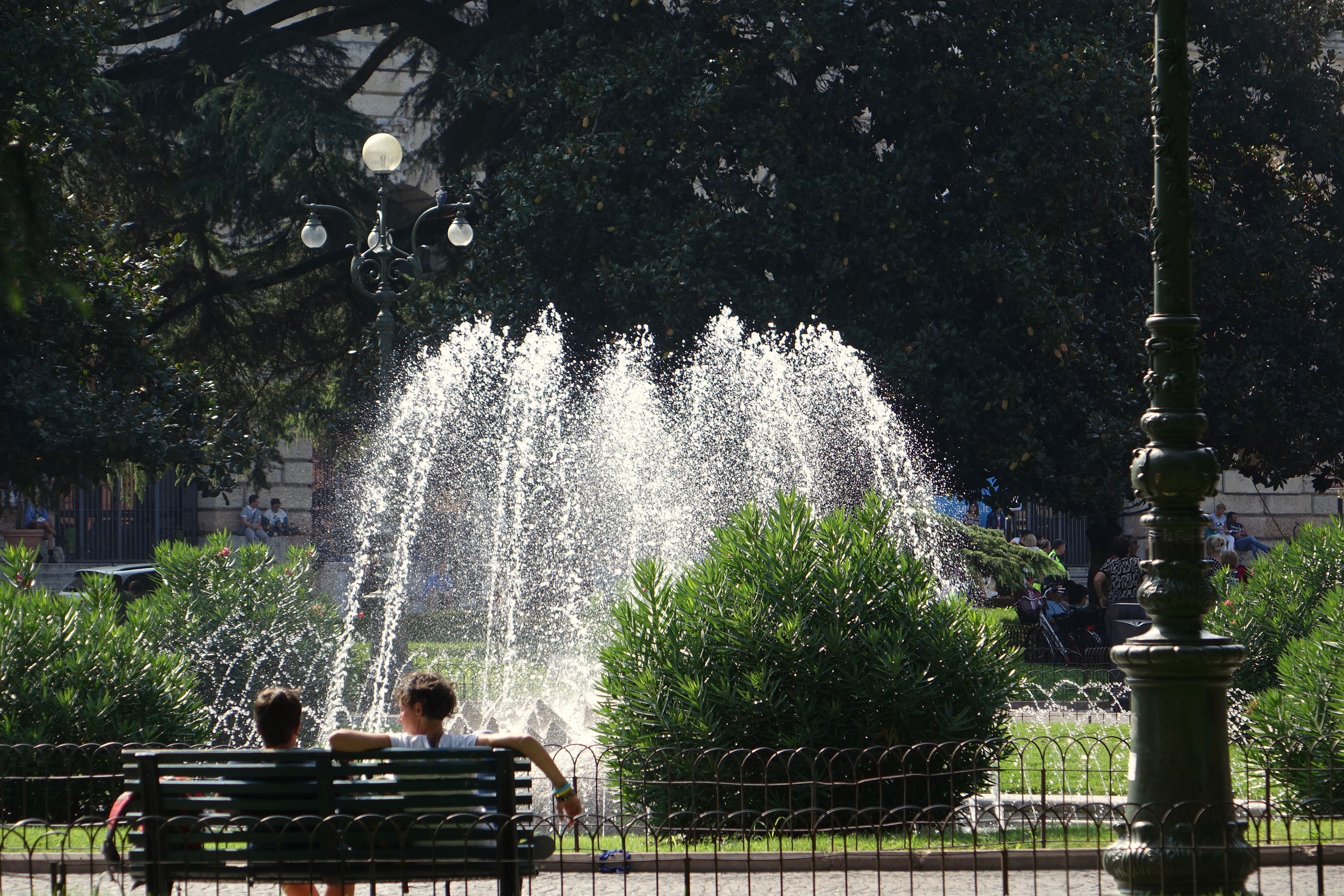
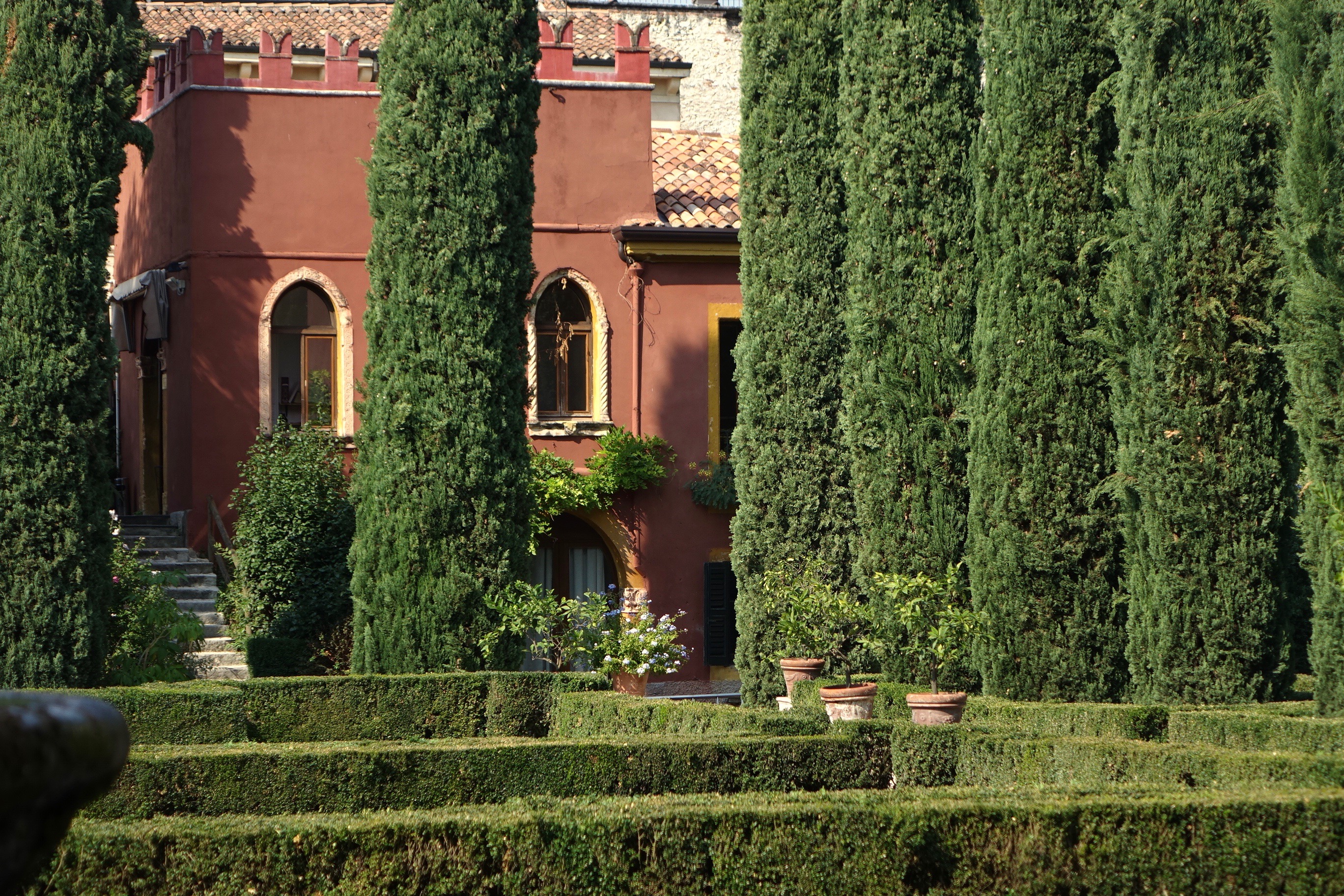
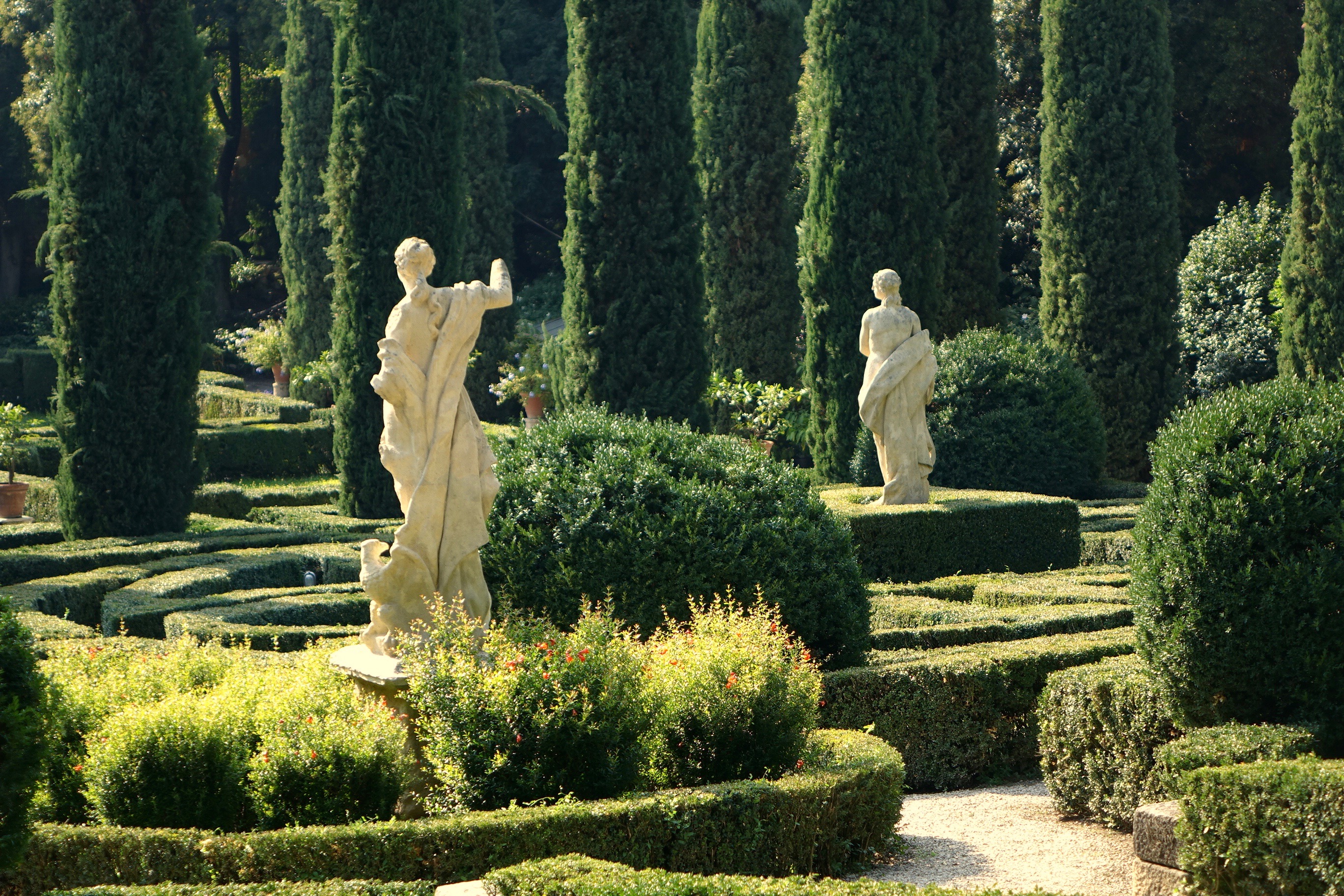
Just beyond the bustling centre, housed between the Mannerist walls of the Giusti palace and the higher hilltops of the upper gardens, the Giardino Giusti is a place of almost mystical quality. With perfectly trimmed box-hedge mazes and prim parterres punctuated by moss-covered statues from the ancient realms, the Giusti gardens is at once a Lewis Carroll wonderland as it is a perfect example of the Renaissance style. A sense of perfectly manicured order provided by sweeping central paths and cypress tree-bordering is yet tempered by the pure poetry which comes of patios lined by potted cypress trees and half-hidden structures such as the rose-pink colonnaded belvedere, which affords the most unbeatable view over the labyrinth of hedges and collections of ancient statuary.
DSC08028DSC08033DSC08058DSC08032DSC08055DSC08020DSC07977

In fact it was in that same belvedere where my fondest memory of Verona was born. There, in 2001 in the autumn sunshine, my friends and I picnicked on fresh pesto and salumi, with a little wine, and some recitals to accompany the scene. Is it possible to ever beat such epiphanaic perfection? I don’t think I ever have. But this visit to the Giardino Giusti was just as I remembered it – a memory in no way diluted by the joy of my return, to a paradise garden which remains, for me, the highlight of any visit to Verona.

DSC08026DSC07982DSC08002DSC07953DSC08000DSC07951DSC07998

© Nicholas de Lacy-Brown and The Daily Norm, 2001-2018. Unauthorised use and/or duplication of the material, whether written work, photography or artwork, included within The Daily Norm without express and written permission from The Daily Norm’s author and/or owner is strictly prohibited.

Two Gentlemen in Verona, Part I: The Streets which Ensnared Us

Don’t accuse me of being repetitive. It’s not my fault that Italy is such a beautiful country. But if I’ve gone on about the beauty of Rome, of Bologna, of Sicilia, of Siena, who can blame me? Charm oozes from their every cobble and paint-flaking wall, from the tolling of cathedral bells and the trickling of their ancient fountains. And now I have another stunner to add to the set of Italian cities which are quite frankly spectacular: Verona.

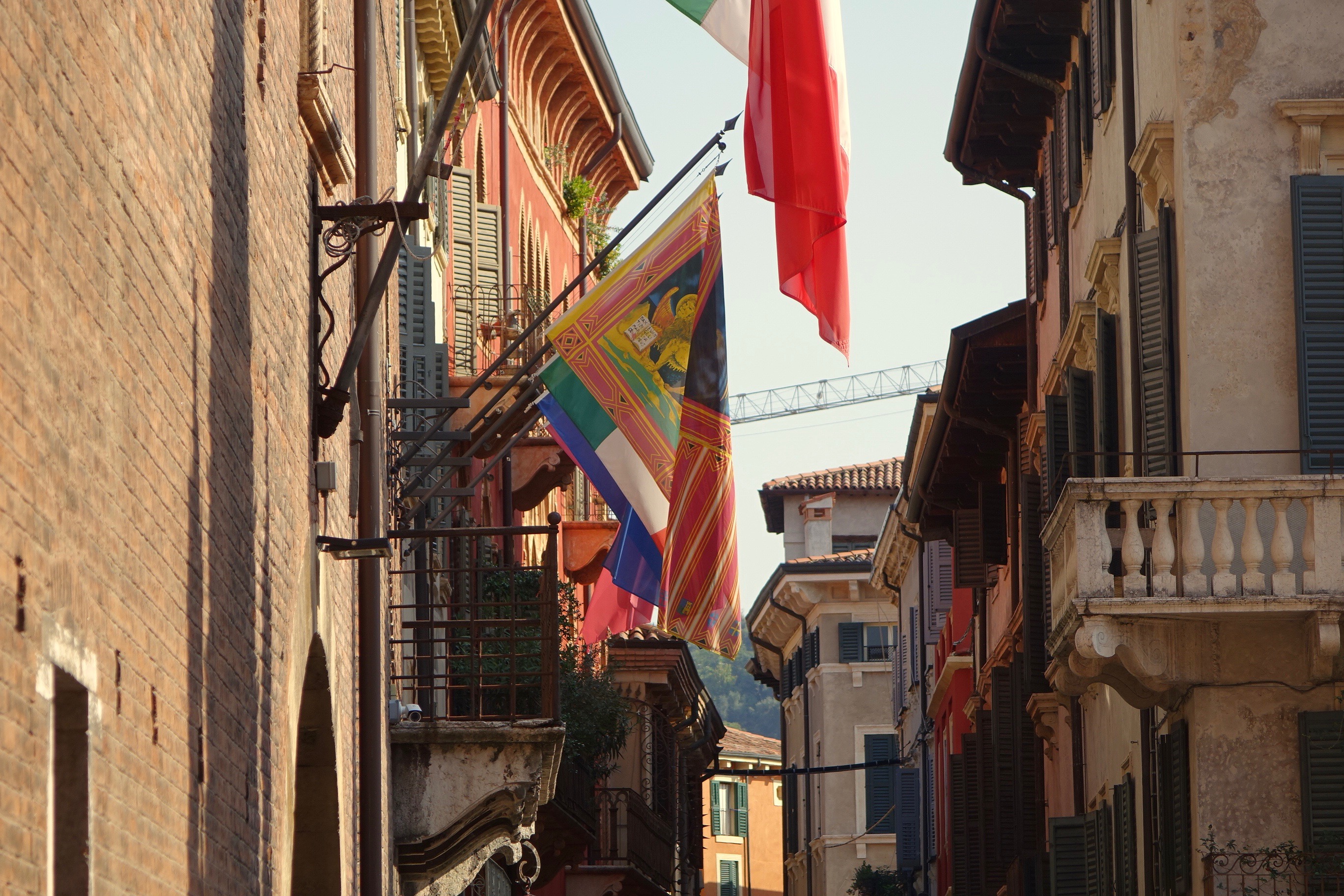
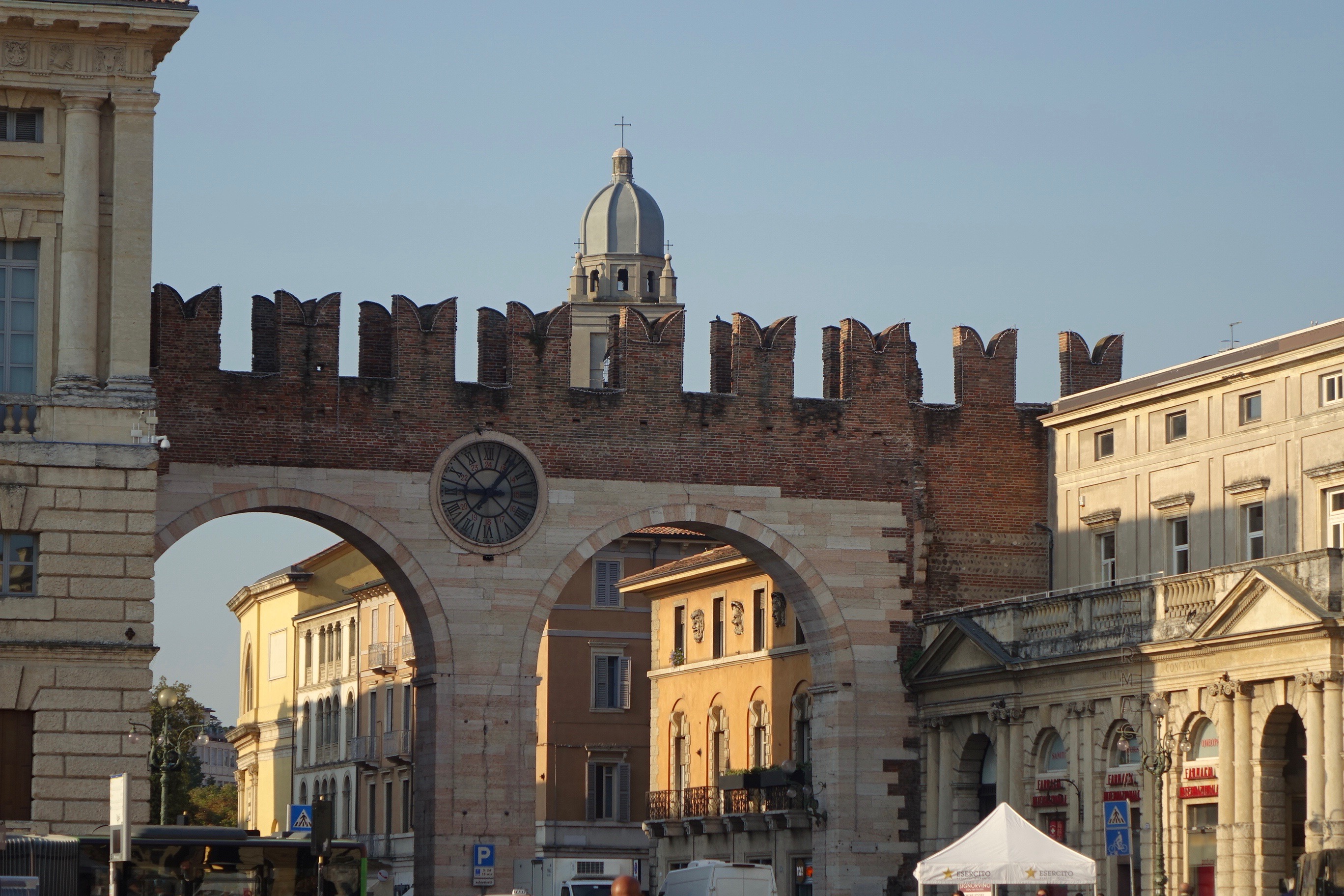
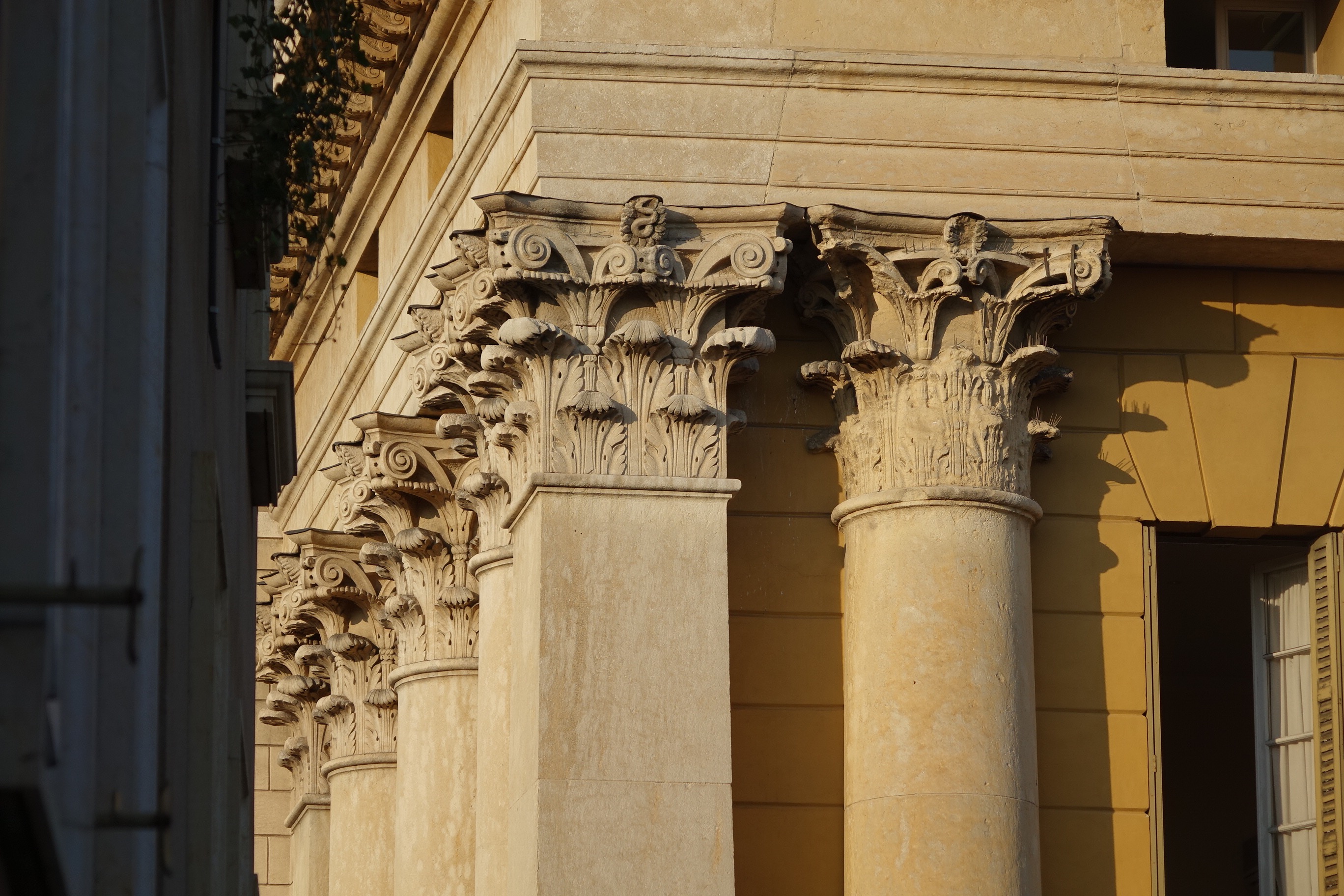
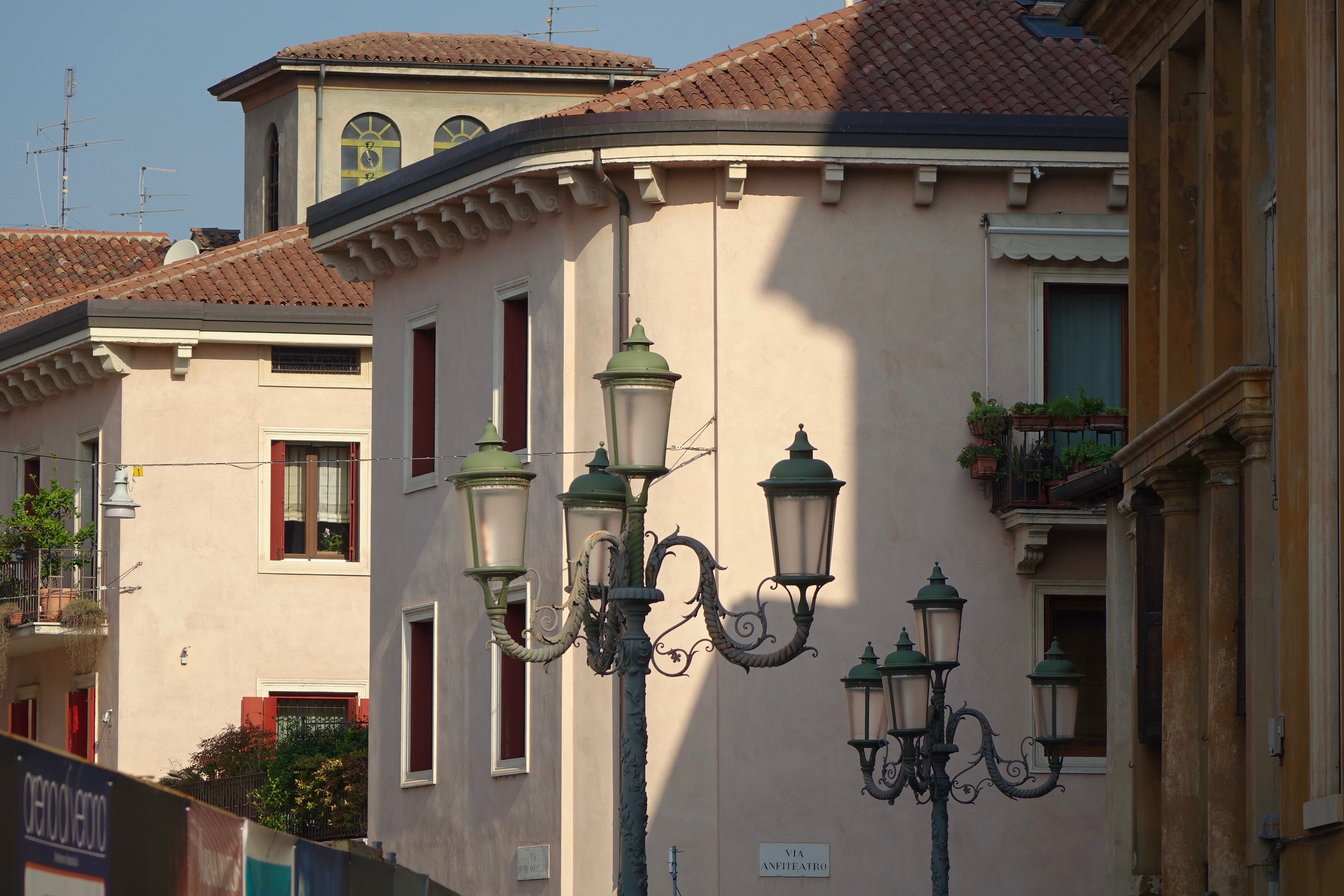
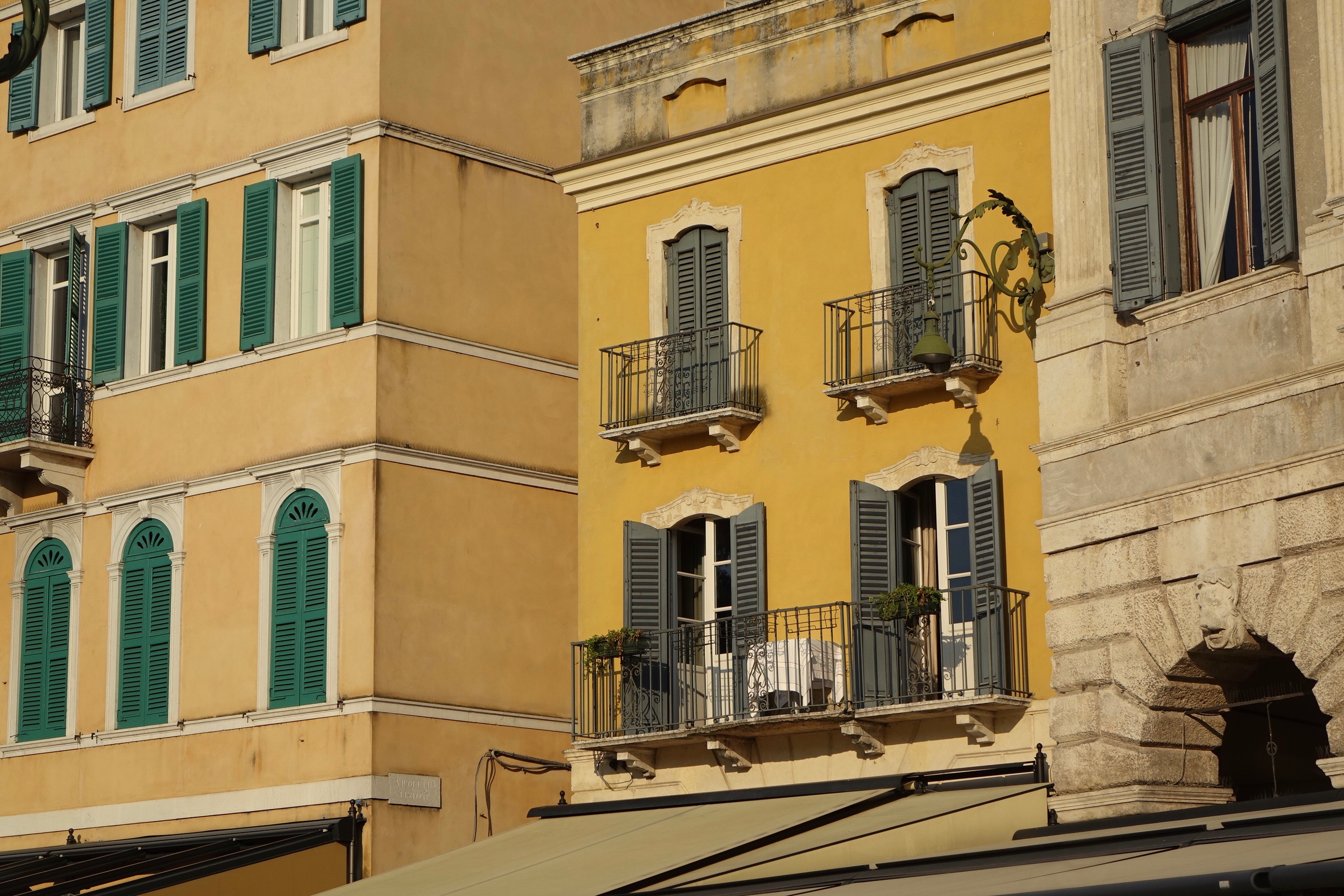
DSC08644DSC07811DSC08190DSC08177DSC07695DSC08422DSC08631DSC08474DSC08626DSC08621DSC08188DSC08132DSC08421

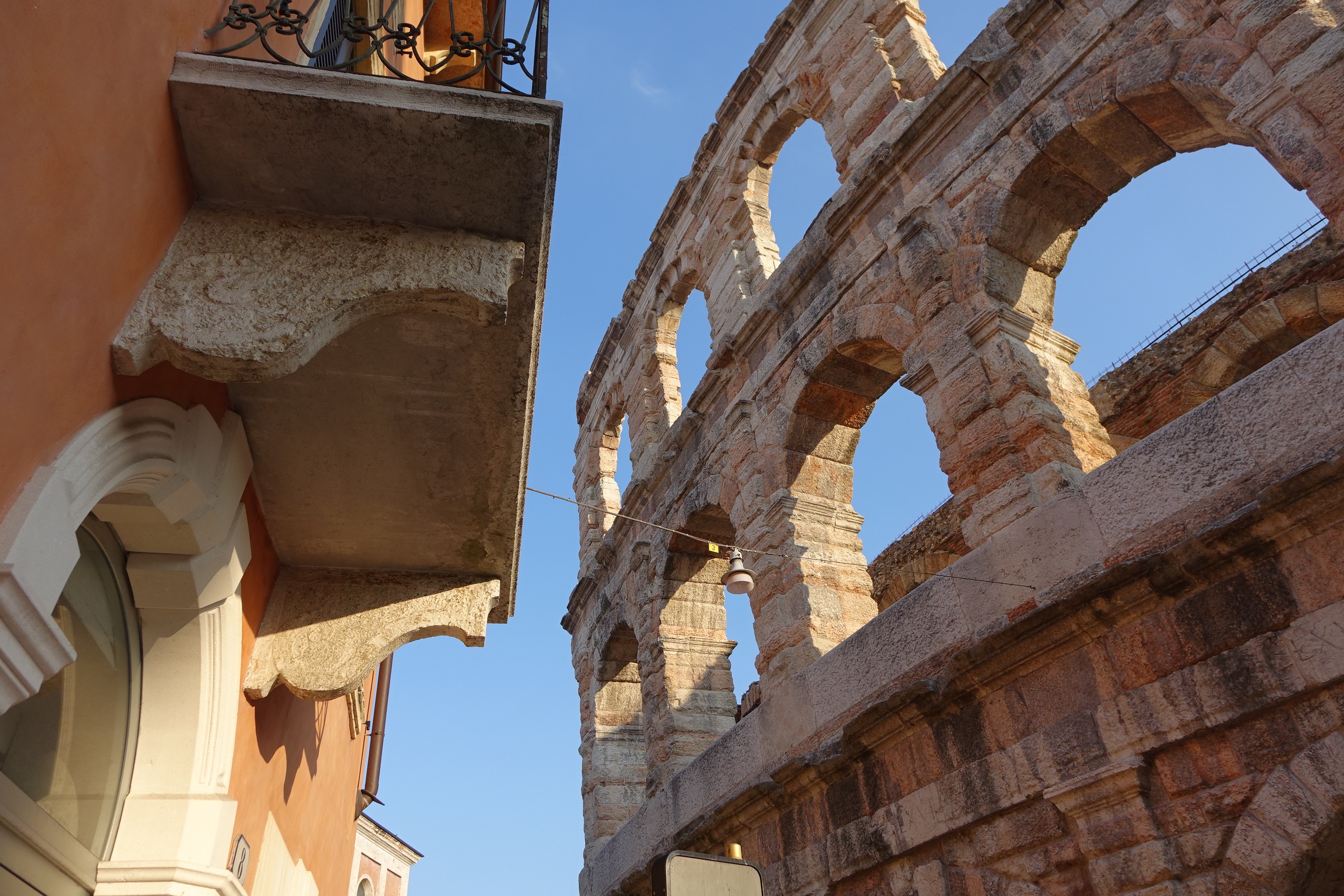
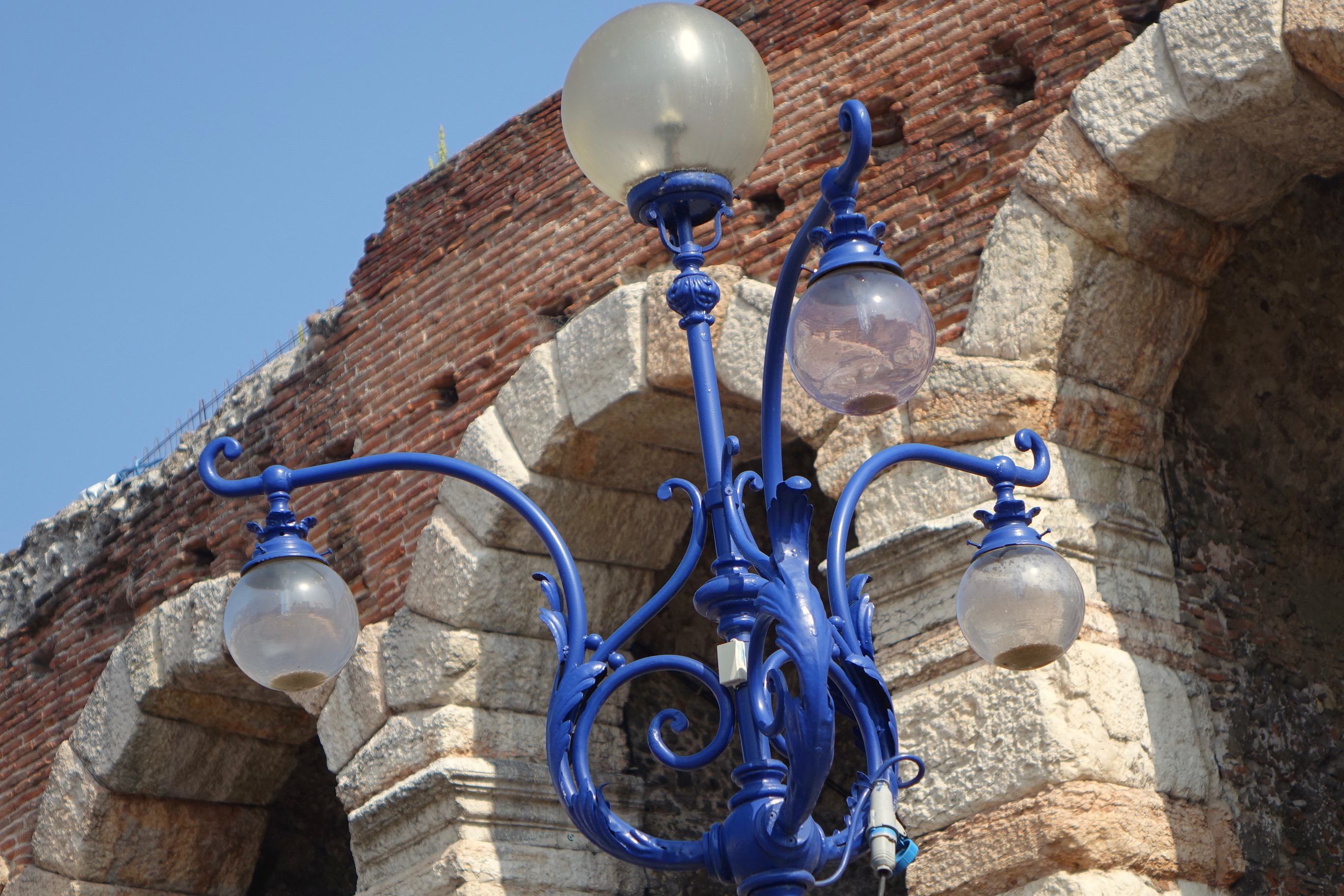
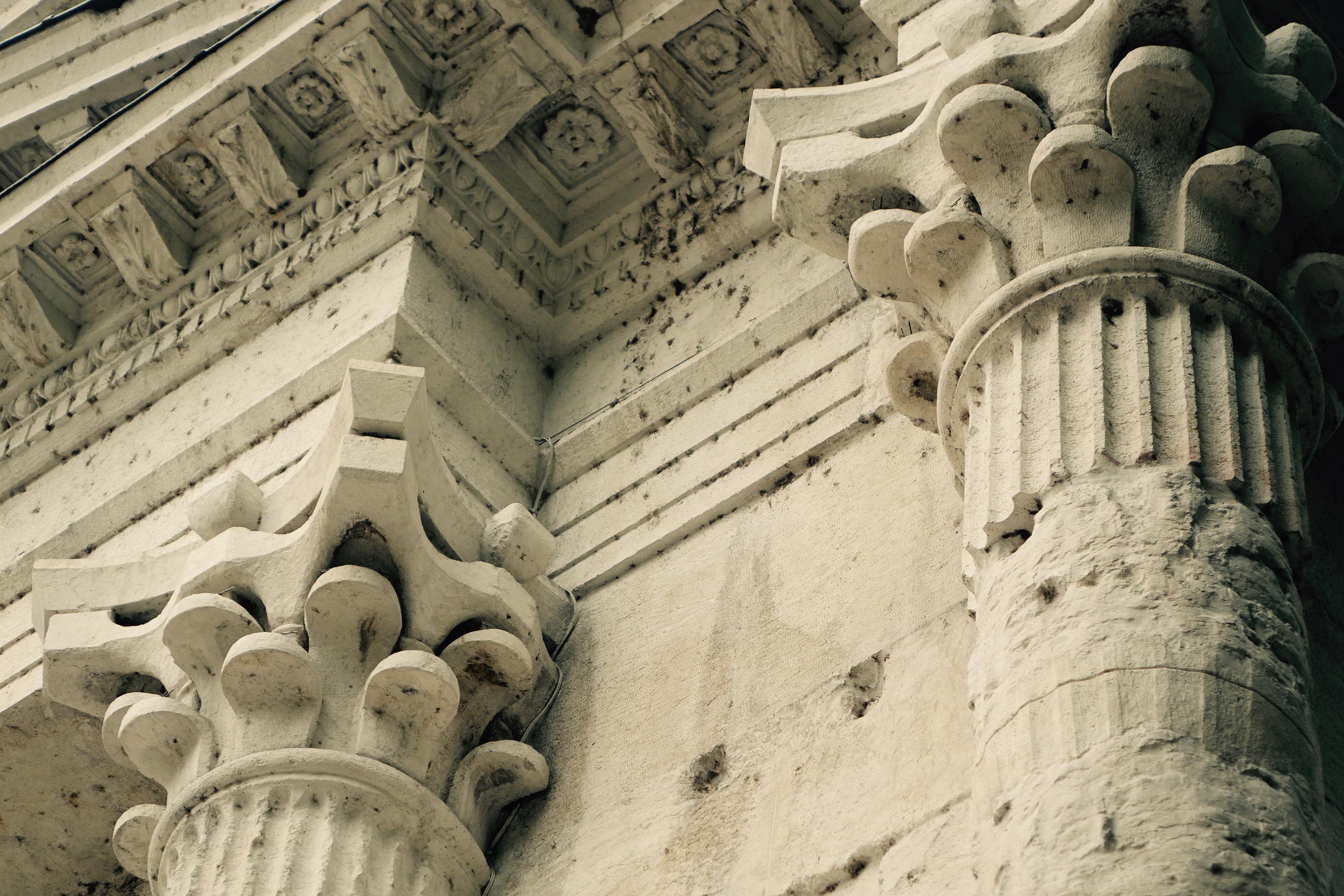
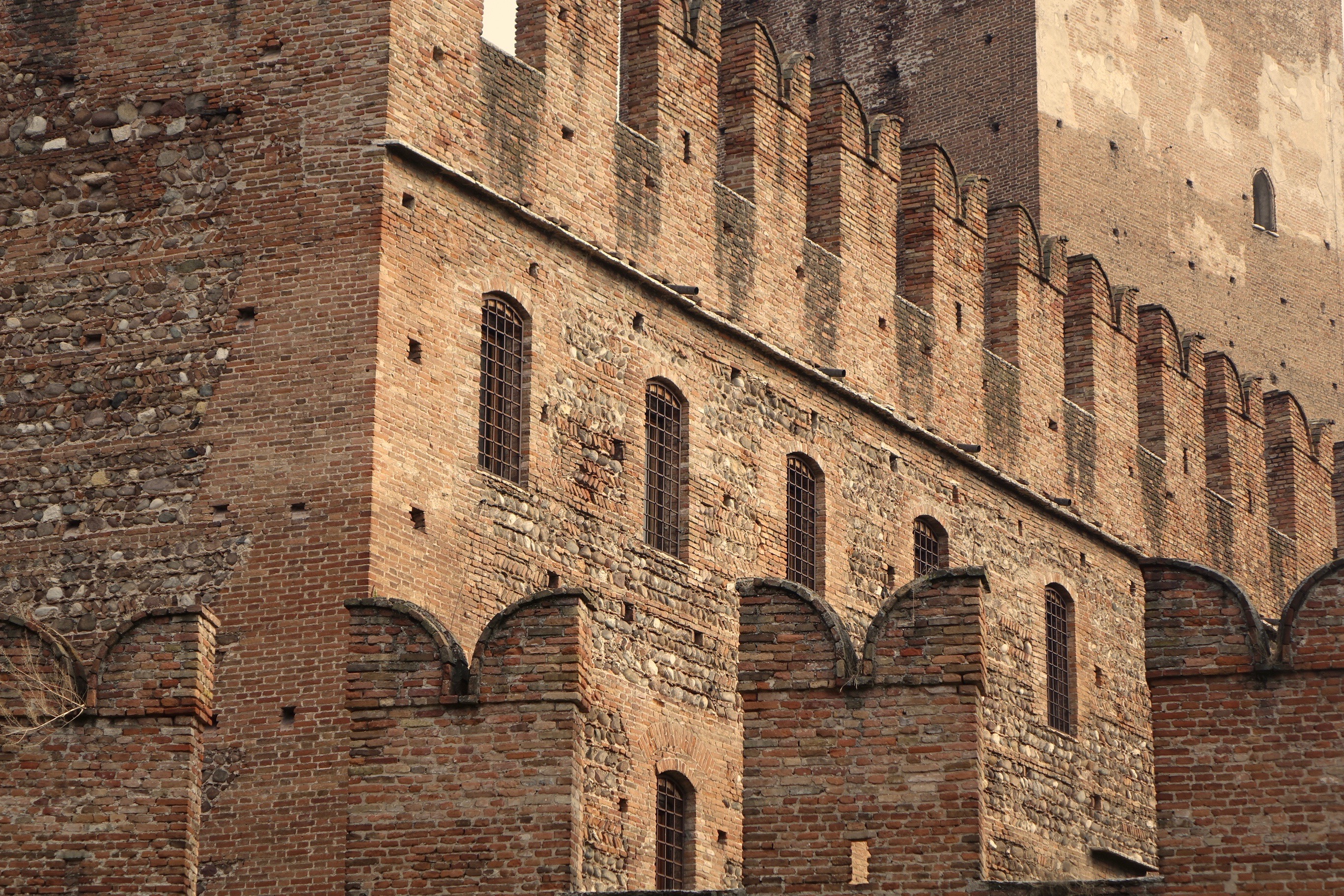
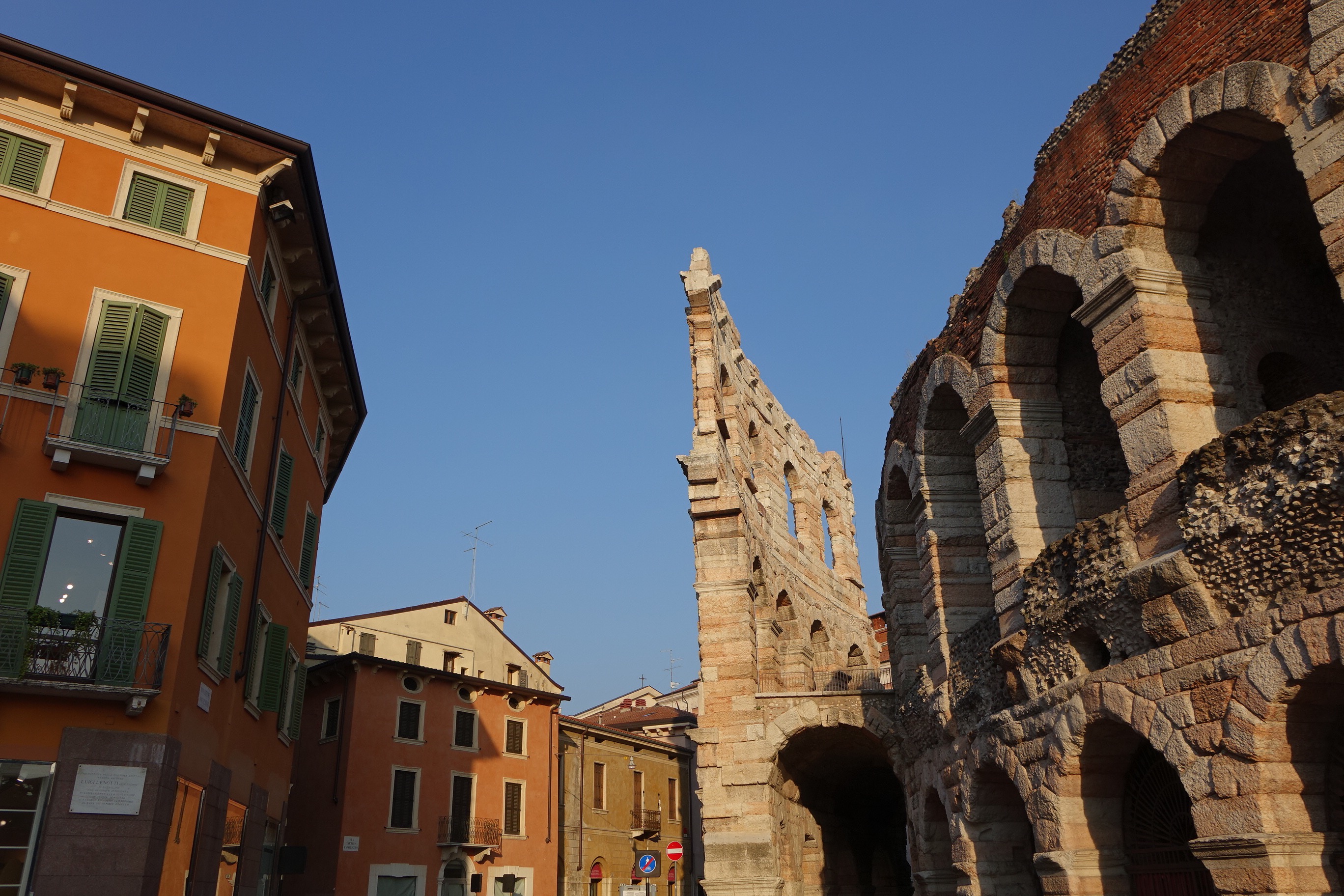
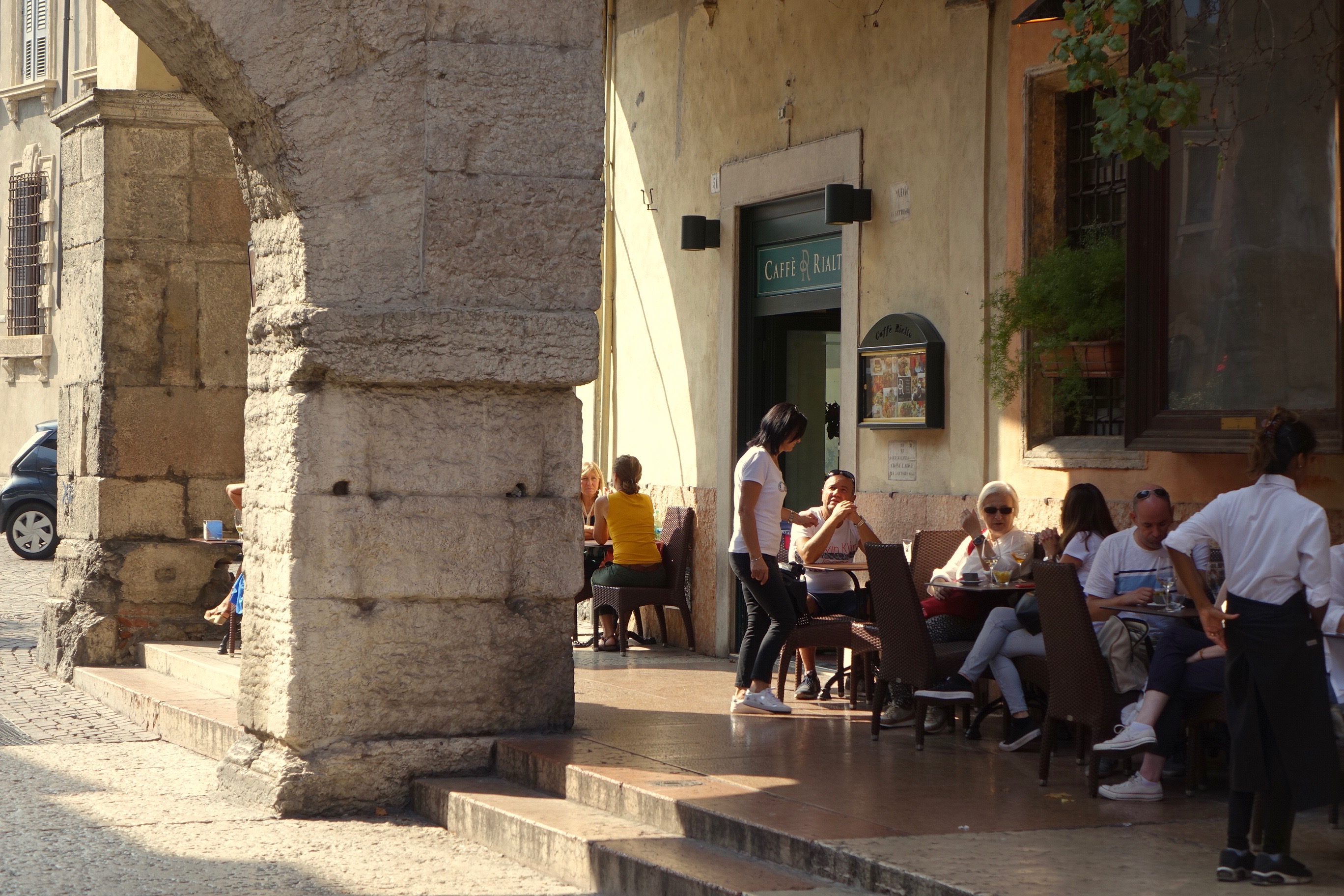
In fair Verona, where we lay our scene, two Gentlemen arrived in the golden light of a creamy sunset to an apartment overlooking the imposing walls of the ancient Roman arena, and knew that they had entered a new Elysium; a city perfectly compact but wide in impact, whose ancient charm extends far beyond the Renaissance but back to the splendid time of the Emperors, whose grand triumphal arches and magnificent arenas characterise the city to this day.

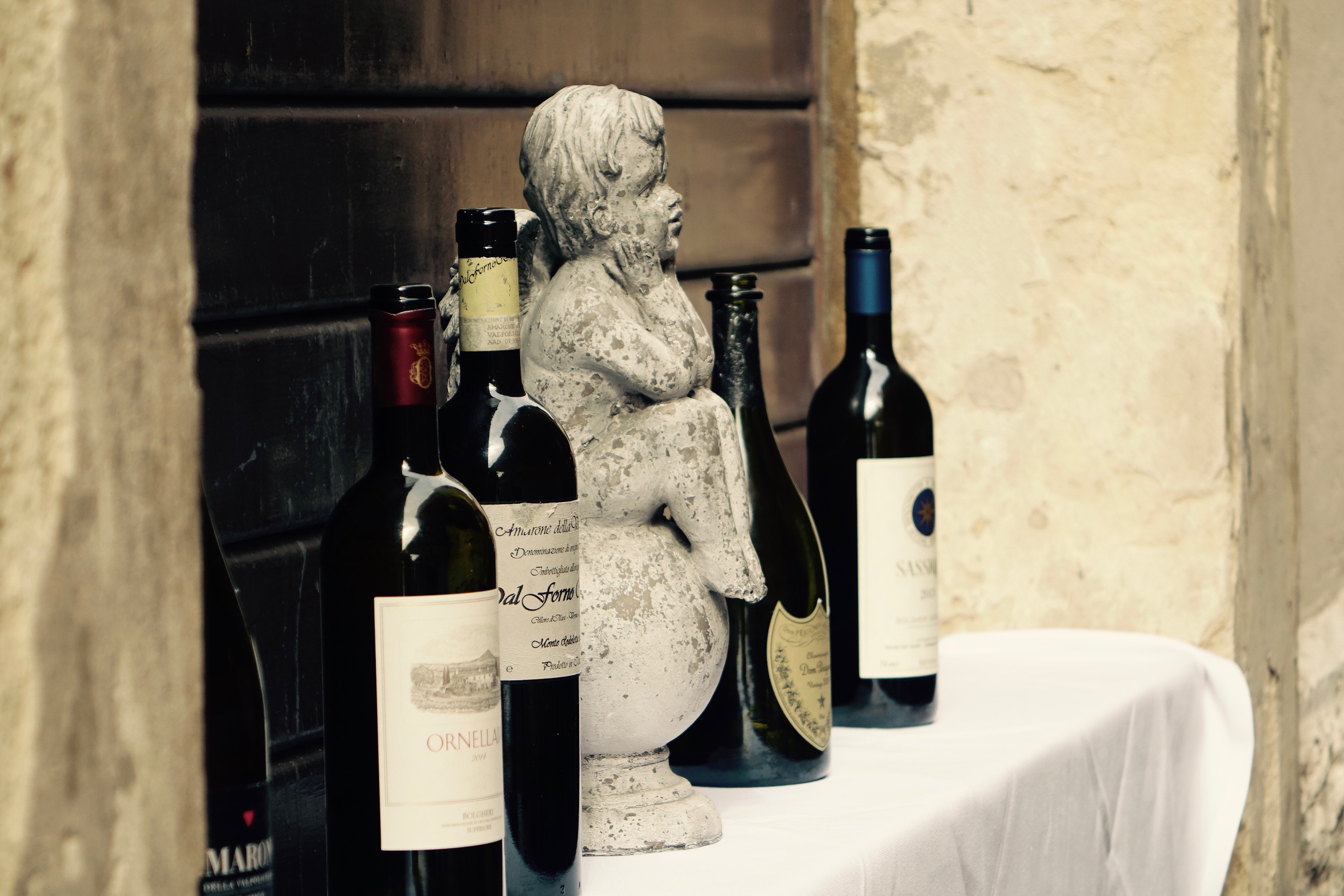
The city which ensnared William Shakespeare and inspired the greatest love story ever known has now caught these two Gentlemen inside it’s luxurious web. But if we are prey to its abundance of good food, splendid piazzas, quaint little cobbled streets and cases of the most velvety Valpolicella wine, then I say: catch me web, I’m hanging around for more.

DSC07652DSC08641DSC08622DSC08431DSC08637DSC07783DSC08185DSC07768DSC08152DSC08061

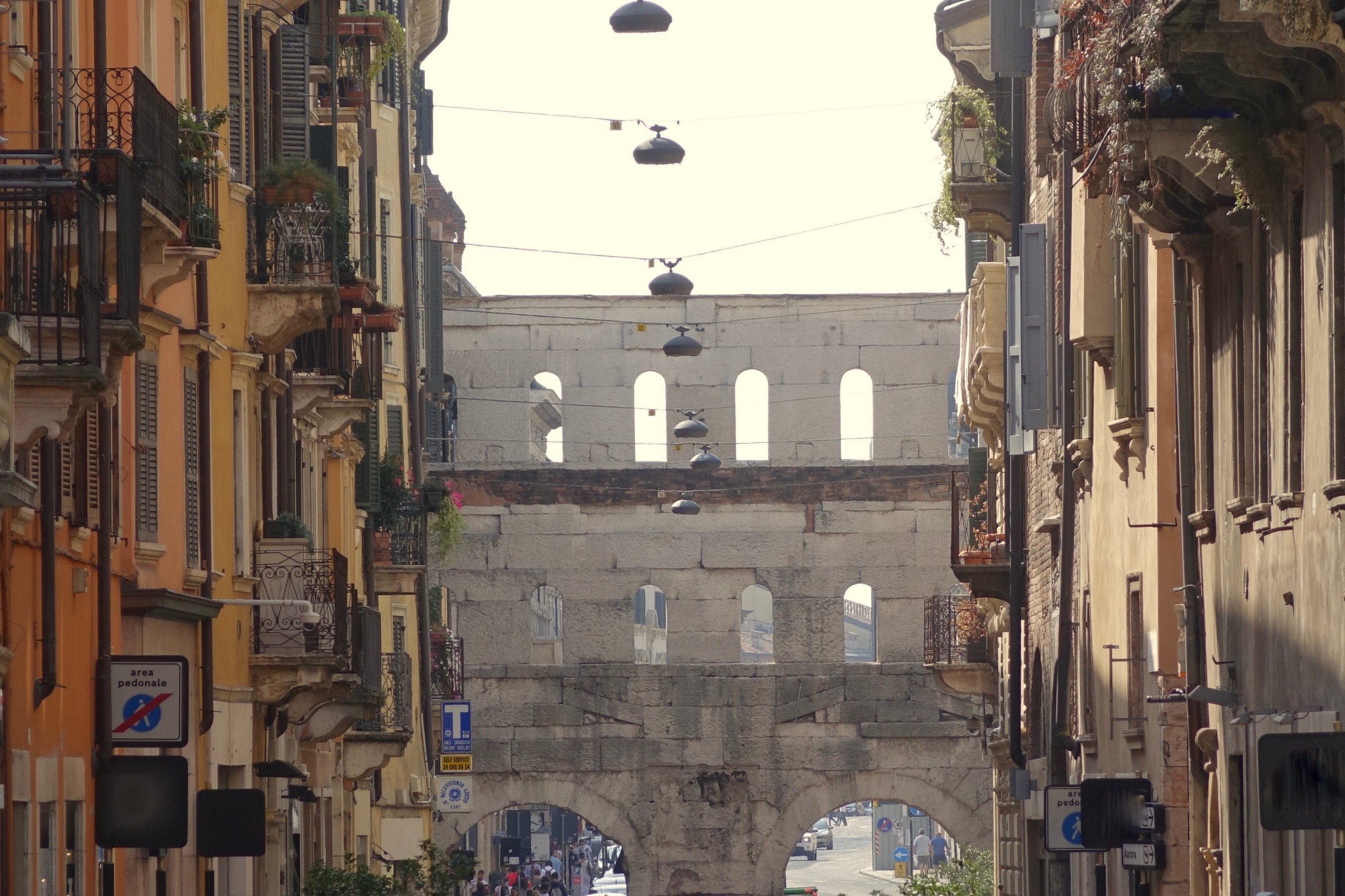
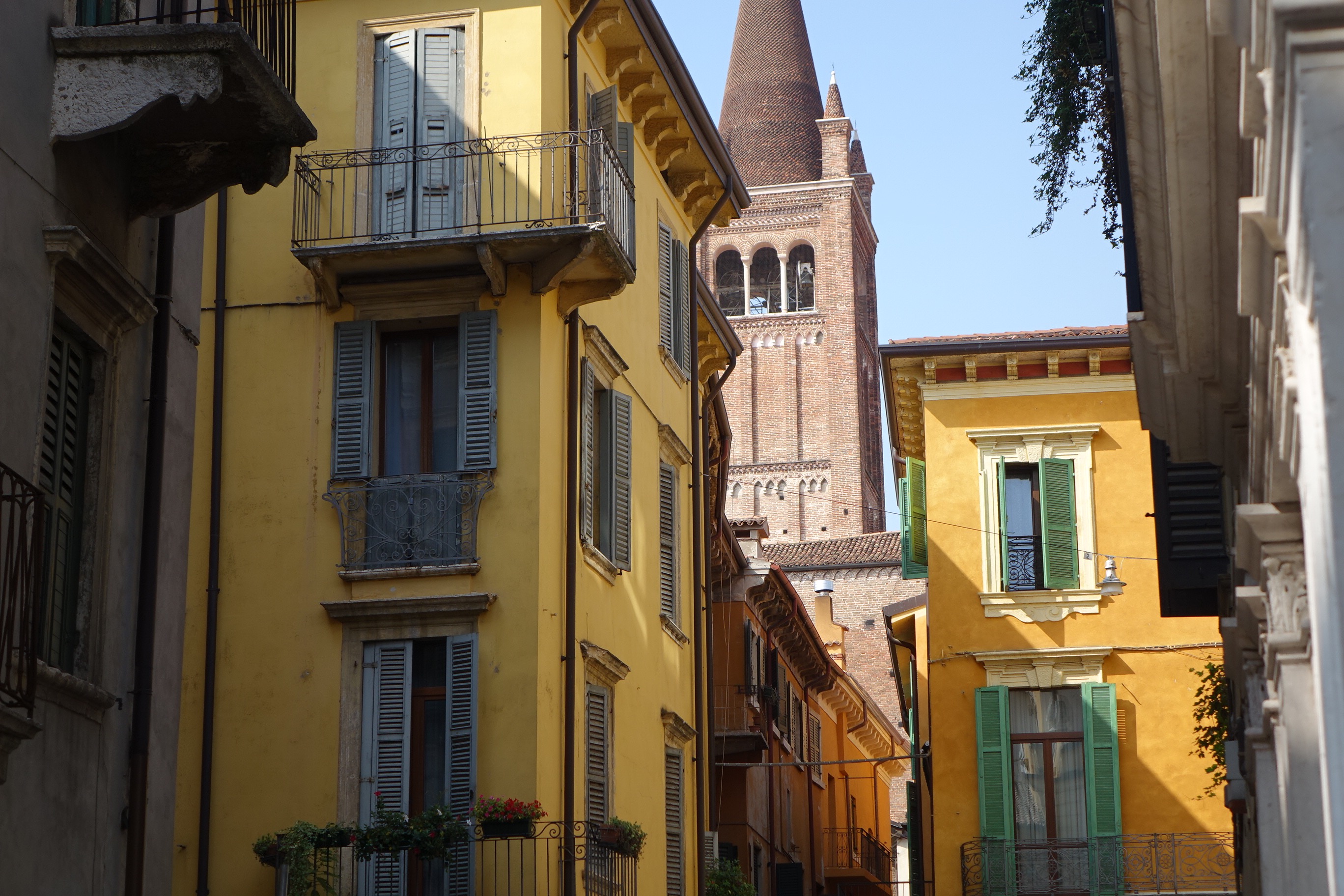
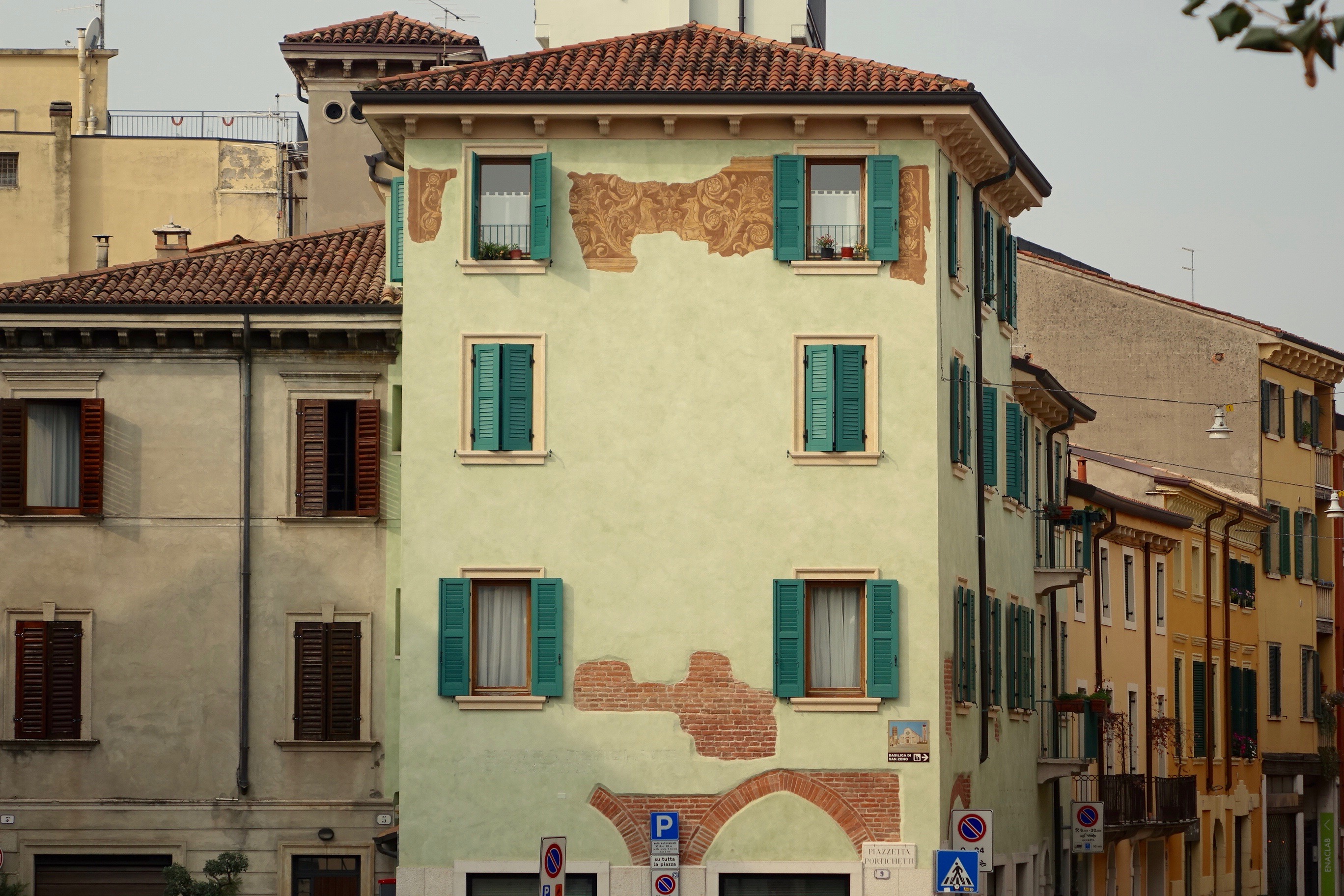
The Daily Norm’s new Veronese adventure starts in the sumptuous streets which inject the city with such a cosmopolitan buzz. They are the pulsing veins which carry a continuous and energetic stream of lifeblood around a city whose very existence burns with the vivacity of an aperol spritz, but which conversely exudes something of the tranquility of a lazy Sunday everyday.

The ancient marble pavements which run throughout Verona have been polished to a fine gloss by the millions of feet who have trod them throughout history. In places you can even see grooves marked by carts over millennia of history. Today, those same shiny roads glitter with the veritable glow of cake-filled patisseries and chic fashion outlets. Verona is, after all, a city in which to see and be seen; where sparks of romance resonate everywhere as tourists and locals alike take inspiration from the fabled Romeo and his Juliet. 

DSC07685DSC07653DSC07634DSC07663DSC07566DSC07649DSC08142DSC07810DSC08411DSC08642DSC08424DSC07835DSC08483DSC07639DSC07558

A trip to Verona doesn’t require an itinerary. Just walk, explore, and waft amongst the little streets which wind like arteries across the packed historical core of this great city. From one end to another, your stroll will lead you to all the monuments and majestic sights any guidebook will require you to see. But in the meantime, the streets will give you the best Veronese experience of all: one of cafes and couture, of people perambulating and history unfurling.

This post is in made in homage to those wonderful streets of Verona. At points, of course, those streets widen into the most perfect of piazzas – the real gems around which they wind. But there’s time yet for the piazzas, which will be explored in their turn. 

© Nicholas de Lacy-Brown and The Daily Norm, 2001-2018. Unauthorised use and/or duplication of the material, whether written work, photography or artwork, included within The Daily Norm without express and written permission from The Daily Norm’s author and/or owner is strictly prohibited.

My urban balcony garden: One year on

It’s become something of a tradition to share a few photos of my favourite garden sanctuary. For my urban balcony garden, adjoined to the London apartment I call home, is still my pride and joy, and one of my favourite places to indulge in a little R’n’R.

DSC06834DSC07505DSC07519DSC07513DSC06842DSC07501DSC06841DSC07507DSC07497

One year ago, almost to the day, I posted views of my balcony, newly regrown after our return to London from Mallorca required the recreation of our garden from scratch. One year on, my balcony is flourishing once again, but not with a further year’s growth. For after one of the worst winters on record, my balcony was ravaged by severe frost and decidedly inclement conditions. I lost my geraniums, my grasses, and very almost my adored brugmansia. By June of this year, those plants which had survived by a whisper were only growing small shoots, and the leafy flurries which followed were then attacked in turn by a decidedly roasting summer, and all the insects and diseases which accompany near-tropical conditions.

DSC07543DSC07500DSC07511DSC07502DSC07503DSC07499DSC07498DSC06839

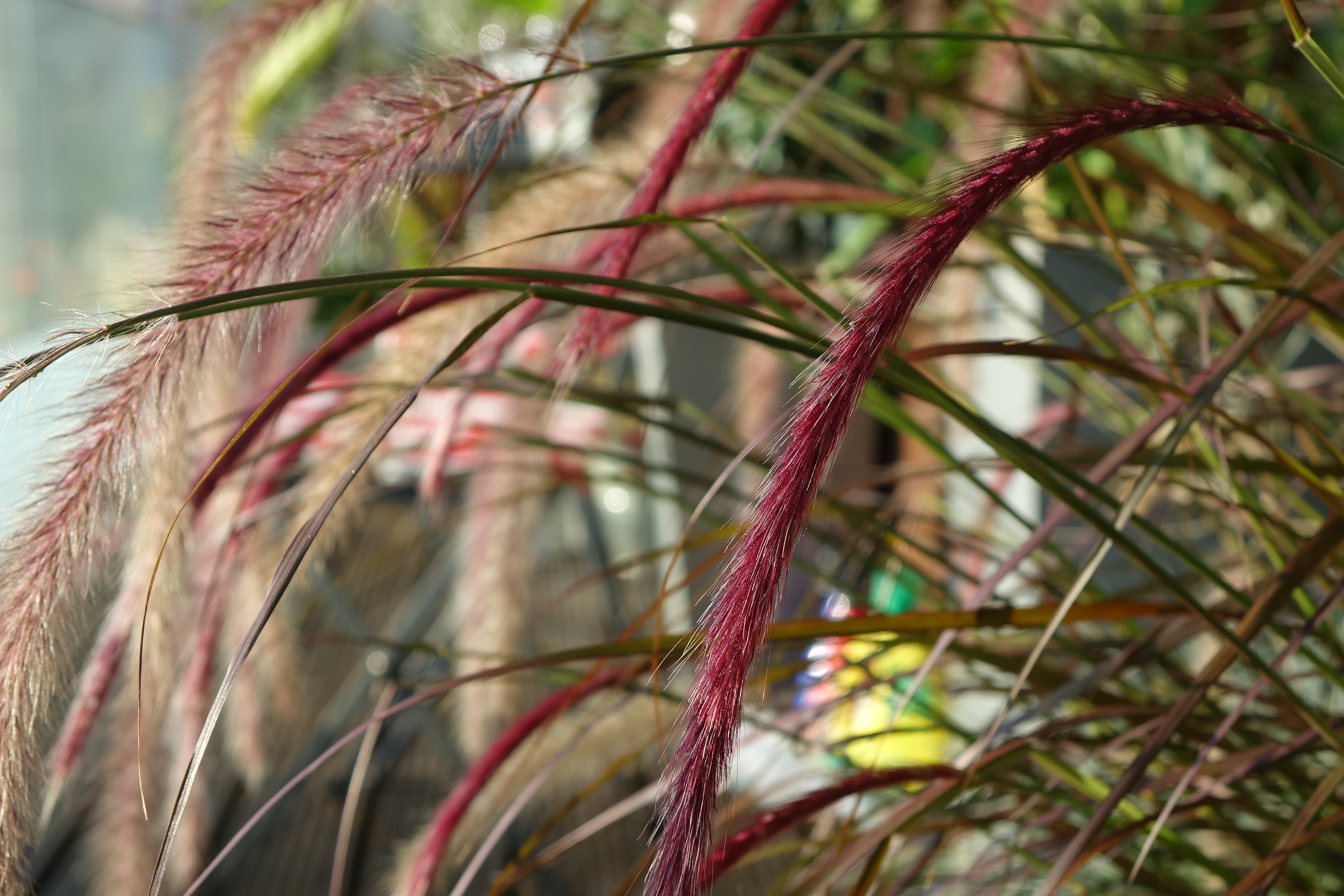
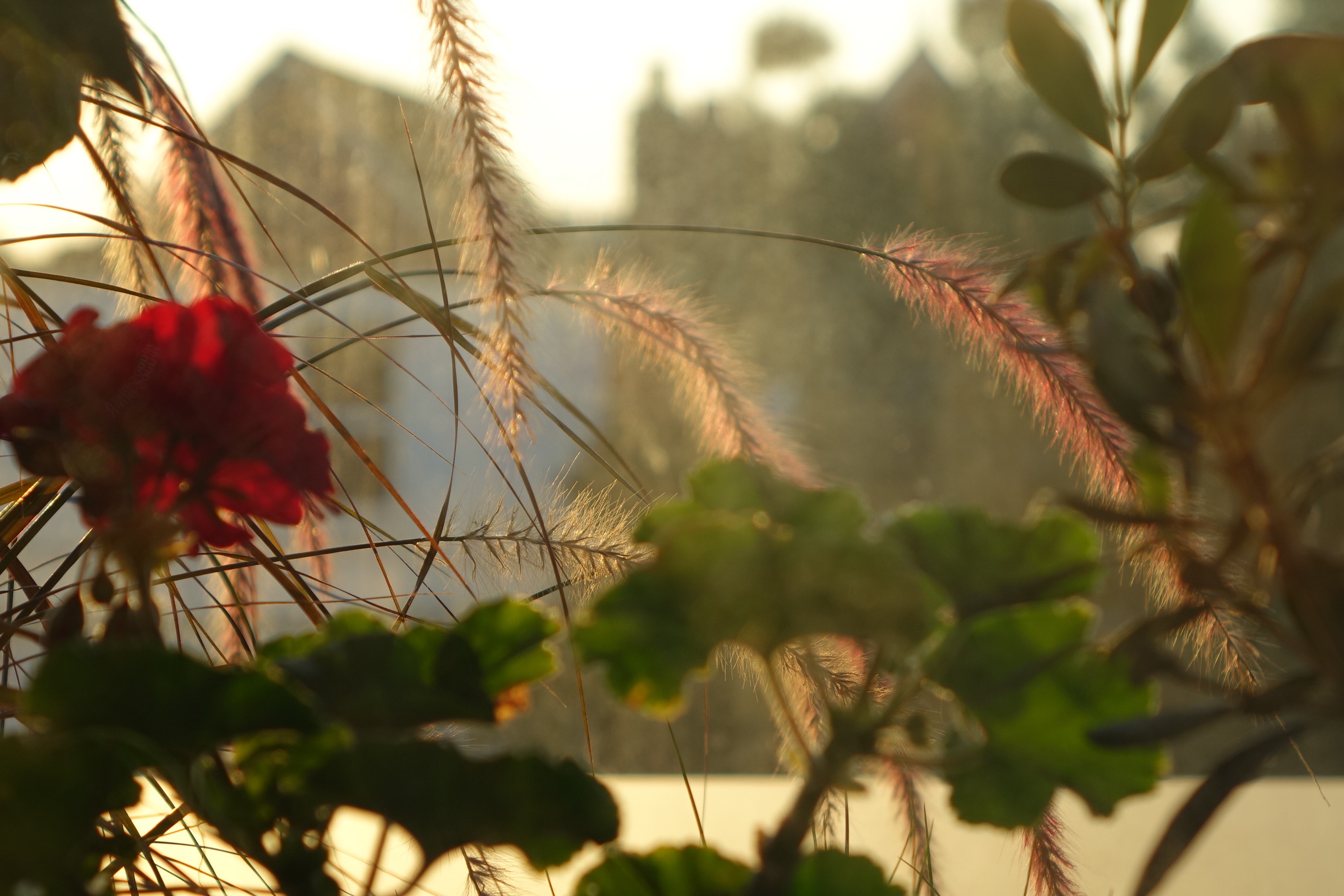
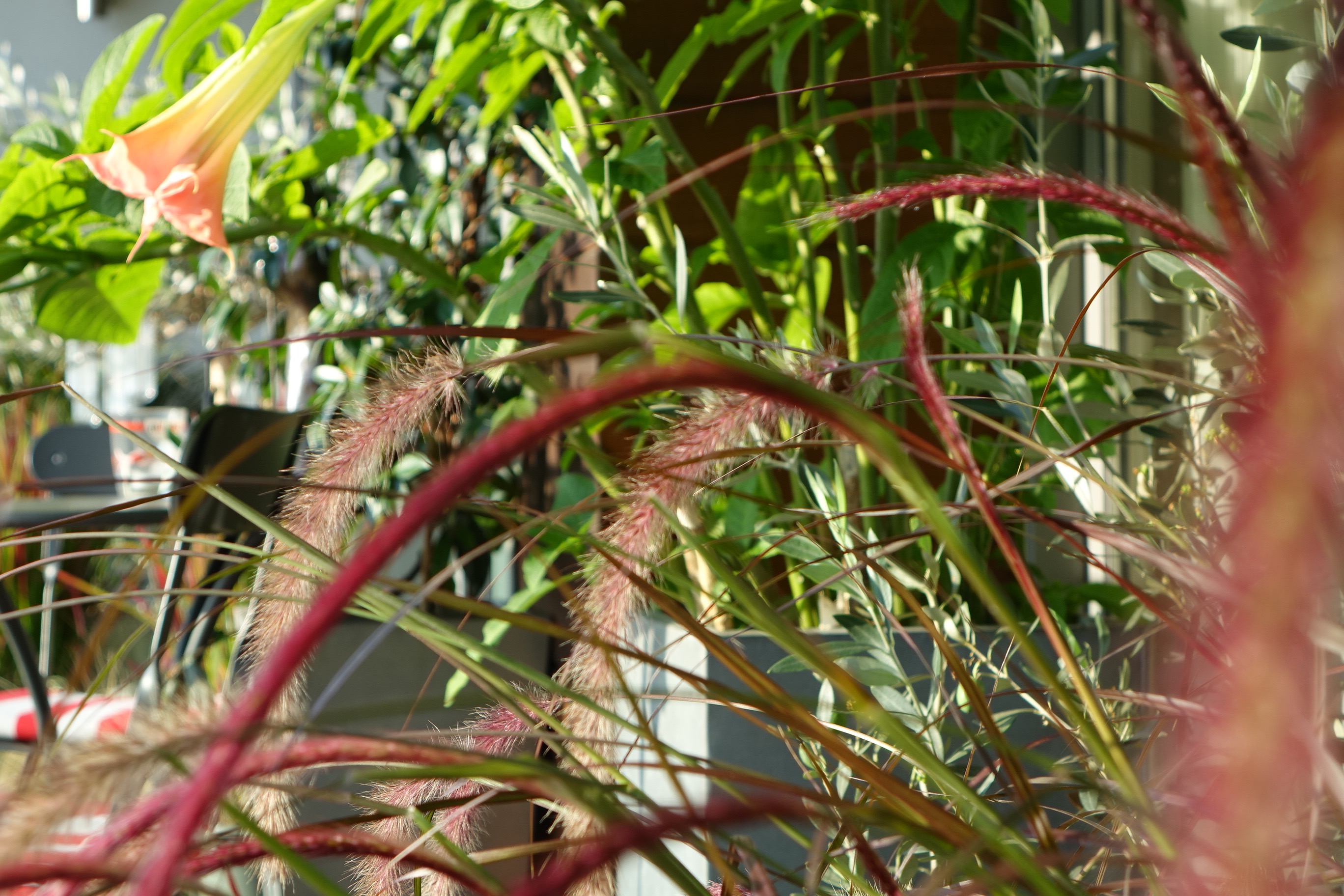
Now, in September, things have finally settled down. The plants, twice ravaged, have found peace and have engaged in a period of harmonious regrowth. Grasses of deep reds and chocolate browns are growing beautiful seed pods fluffy like squirrel tails, while geraniums create splashes of brighter red in amongst a sea of green. And after a very hard year and a near-death experience, my favourite peachy brugmansia is finally bearing fruit – or flowers I should say – those sublimely perfumed melon-sized flowers which cause passers by to stop in the street. We’ve had a mere handful so far, but things are looking good for a late summer spurt. So I’m keeping my fingers crossed for an Indian Summer, and a winter which is very slow in coming.

© Nicholas de Lacy-Brown and The Daily Norm, 2001-2018. Unauthorised use and/or duplication of the material, whether written work, photography or artwork, included within The Daily Norm without express and written permission from The Daily Norm’s author and/or owner is strictly prohibited.
Breakfast at La Baita

Autumn is a love-hate time for me. On the one hand, I relish the new spectacle of fiery colours transforming the landscape from green lushness to a wealth of auburn warmth. On the other, I bemoan the passing of my favourite season of Summer, and the conclusion of my sun-drenched travels, which feel as though they have ended before they even begun. But in this latter respect, I have an antidote, right around the corner from my London home; a place where I can go and feel every inch as though I am back on holiday, surrounded by the vivacity of the Sicilian spirit, and food to match the very best Italian fare: La Baita on Clapham Common.

Located at the very centre of the Common, alongside the grand Victorian bandstand after which the cafe is named, from a distance you would assume La Baita is your bog-standard park cafe selling bacon butties and ice cream. However the Italian name signifies that this cafe is more than your British norm. Rather, run by Sicilians and southern Italians with a true passion for the food of their great nation, it is a fantastic little eatery with food so good that I have never found an Italian restaurant in London to beat it.

Clapham Bandstand

Breakfast at La Baita (2018© Nicholas de Lacy-Brown, pen on paper)

Whether it be because of the fine food, the passionate staff, or the beauty of its parkland surroundings, La Baita has become our “local” in every sense of the word. Some weekends we even go twice a day! So it felt only natural that over our last few visits, I should capture the cafe’s terrace in my sketchbook, at the season’s leafy best. After all, it won’t be long before those leaves have fallen ground-wards, and the terrace of La Baita becomes paved with a transient crispy carpet of auburn gold.

© Nicholas de Lacy-Brown and The Daily Norm, 2001-2018. Unauthorized use and/or duplication of the material, whether written work, photography or artwork, included within The Daily Norm without express and written permission from The Daily Norm’s author and/or owner is strictly prohibited. For more information on the artwork of Nicholas de Lacy-Brown, visit http://www.delacybrown.com 
London, Rediscovering My City: Into the Wimbledon Wilderness

It’s been well over a year since I first discovered Wimbledon Common, despite its location but a few tube stops down from my humble abode. But even then, our walk straight through the wilderness did not betray the full extent of rurality (is that a word?!) which is retained in this mid-urban idyll. A recent revisit changed all that. Dragging my visiting mother in turn, we wandered back into Wimbledon Common to discover anew a bucolic enclave mere miles from one of the world’s most developed capital cities.

DSC07478DSC07484DSC07495DSC07455DSC07496DSC07477

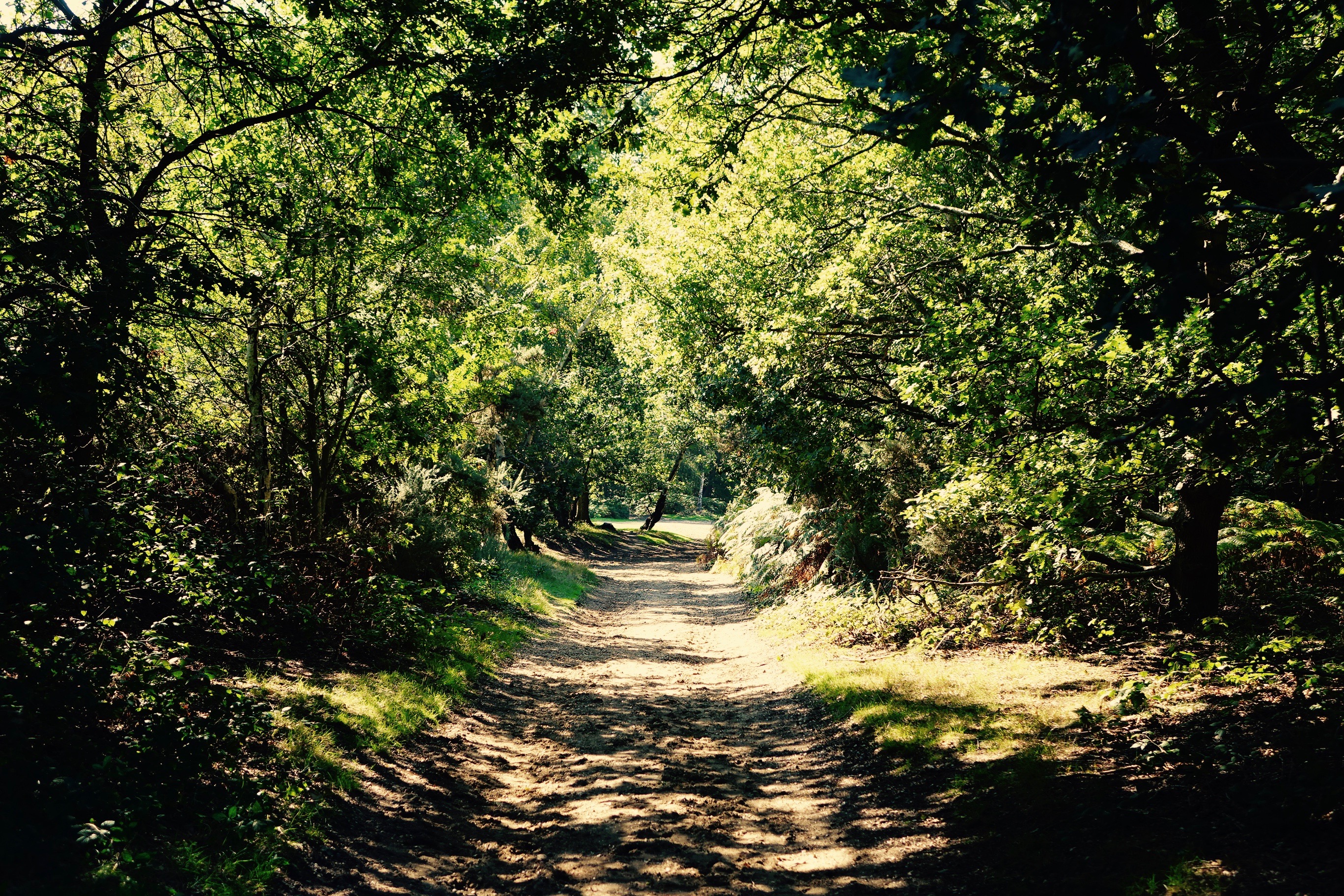
Taking random turnings off the horse-beaten paths, we found ourselves delving deeper into denser forest, whose clearings became scarcer as bounteous ferns filled the forest floor, and nettles and wild berries crept up in between them. It was one of those late summer days that dreams are made of… The sun was tempered by a honeycomb filter and tree trunks were spattered intermittently with the resultant golden light.

DSC07458DSC07479DSC07463DSC07482DSC07487

We got ourselves lost quite successfully and could have imagined that London was another country away were it not for our sudden emergence onto a neatly trimmed golf course in the middle of all this beauty. While not exactly detracting from the aesthetics, angry pompous golf fanatics did not take kindly to our pausing on their path to take photos and admire the scenery. The photos in this post are thus a fingers-up to their absurd pomposity, and a nod to the nature which, after all, dominates their frolics and makes them a mere oddity, secondary to the glory of the landscape.

DSC07494DSC07488DSC07466DSC07473DSC07462DSC07465

Eventually we found our way out and back into Wimbledon Village where afternoon tea awaited. We may have loved the hours we spent disconnected from all civilisation, but were nonetheless grateful that urbanity never lay too far from reach… were it not for mobile phone connectivity, we may well have never found our way out of that forest jungle!

© Nicholas de Lacy-Brown and The Daily Norm, 2001-2017. Unauthorized use and/or duplication of the material, whether written work, photography or artwork, included within The Daily Norm without express and written permission from The Daily Norm’s author and/or owner is strictly prohibited. 

My Travel Sketchbook: Ancient Rubble in Jerez Cathedral

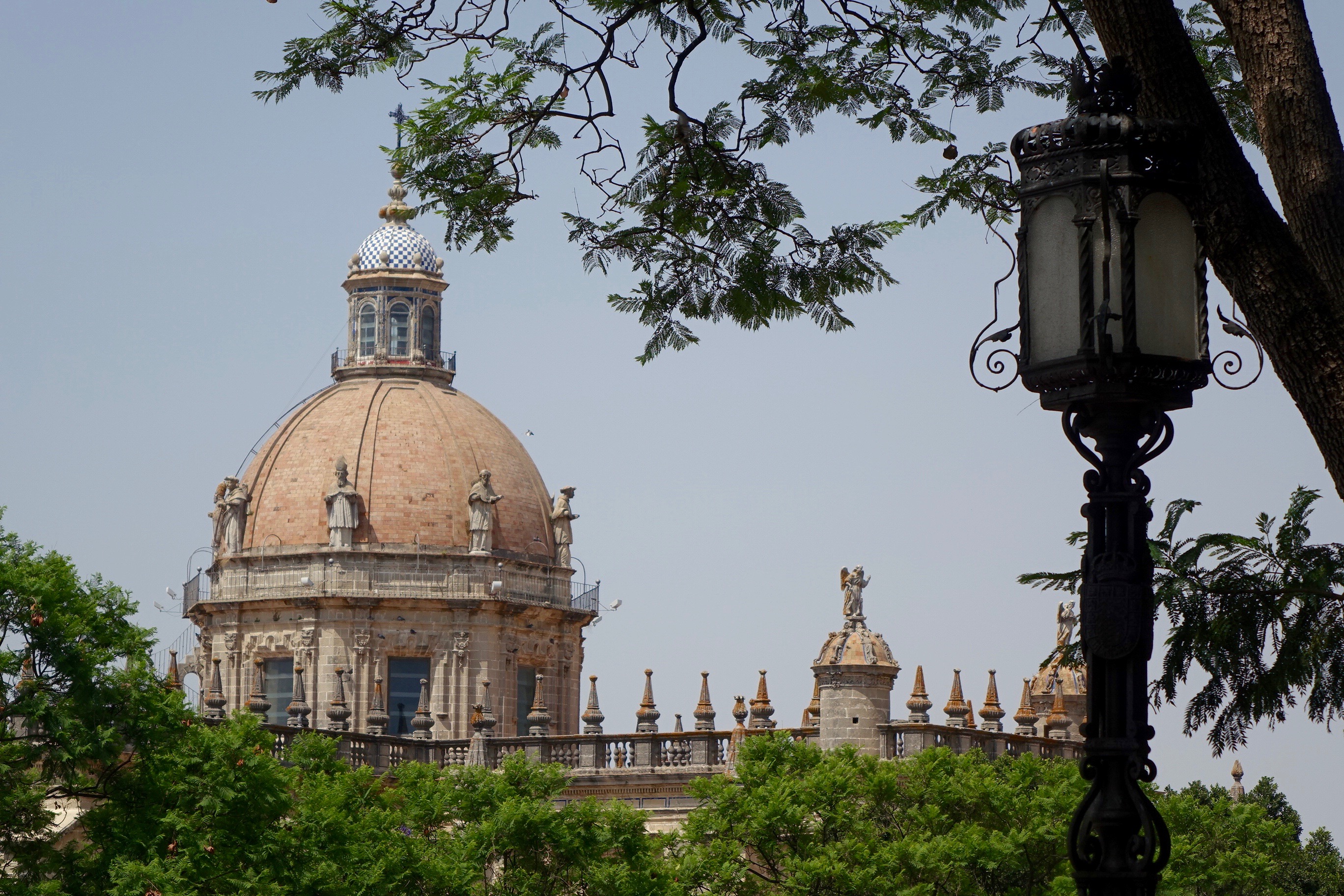
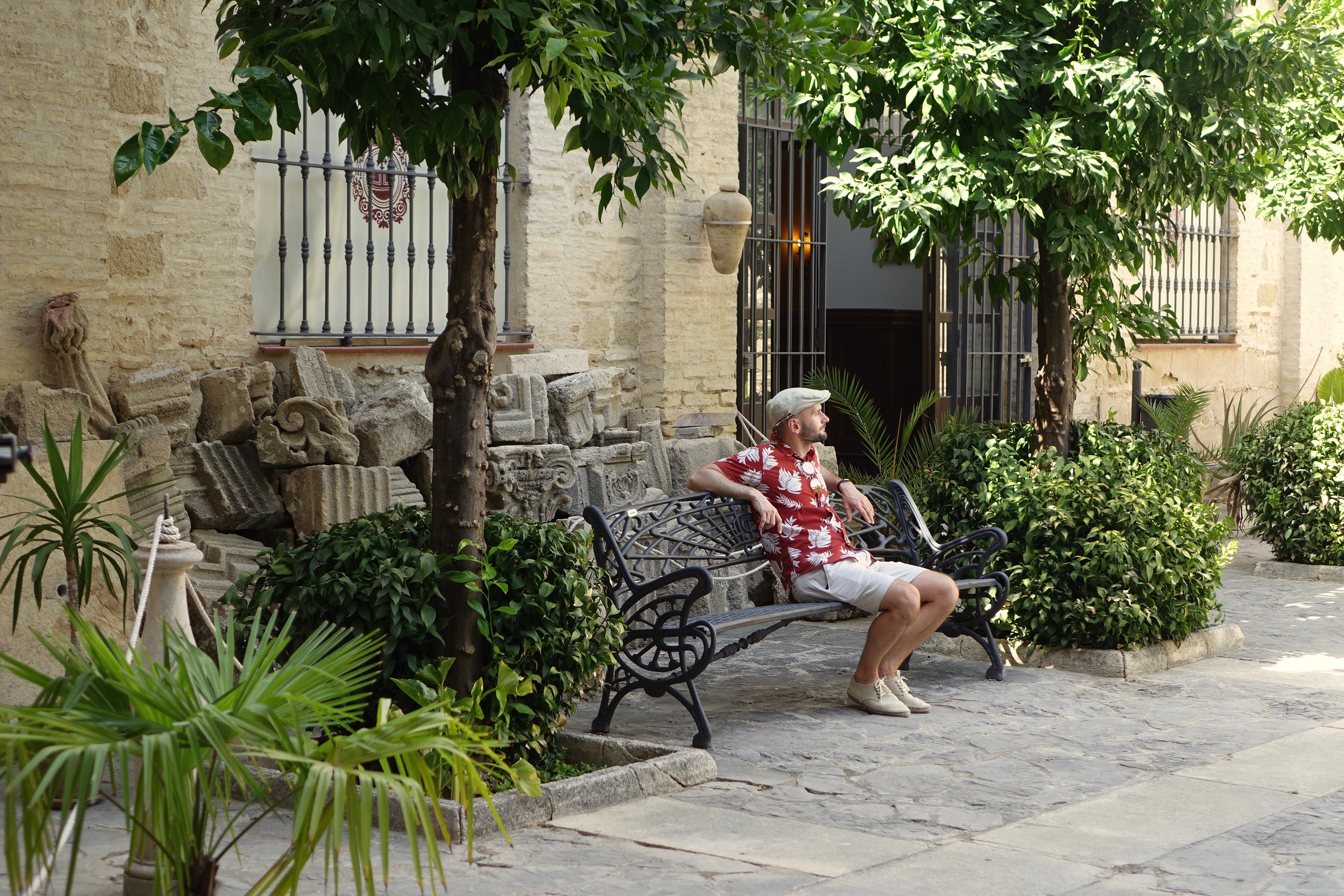
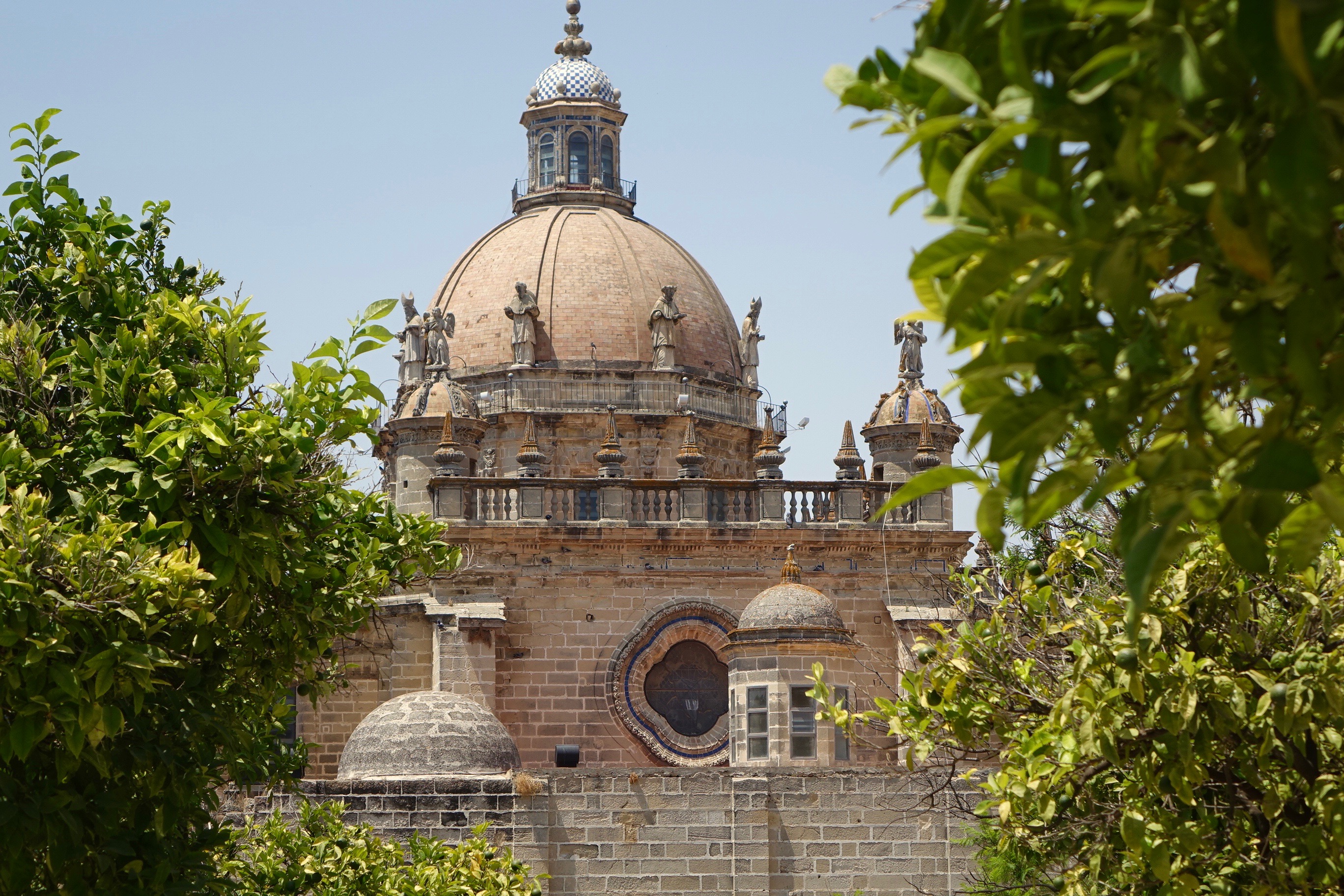
Having dusted off the pages of my travel sketchbook twice now this summer, once in Crete and again in Cadiz, I was on a roll, and it felt only natural that I would get drawing again once we had arrived in Jerez. However, while a natural choice for a sketch might have been the impressive baroque dome of the city’s Cathedral, rising over the skyline, or perhaps a barrel or three at one of Jerez’s famous bodegas, my attention was caught by a pile of ancient rubble looking rather abandoned in a corner of some sunny cloisters, hidden at the back of the Cathedral.

I can’t tell you how the rubble came to be in the Cathedral, nor exactly how ancient it is, but the splendid mix of lines and angles, dimensions and textures was a real temptation for me, and I set to work almost immediately, taking great care over the shadows cast and the rough texture remaining from these once fine architectural elements.

Jerez Ruins

Ancient Rubble, Jerez de la Frontera (©2018 Nicholas de Lacy-Brown, pen on paper)

The result is a sketch which shows very little of Jerez itself, but certainly captures something of the historically rich, often dilapidated fabric of this beautiful Andalucian city. And for that reason alone, it seems like an appropriate note on which to end this series on Cadiz and Jerez… until Southern Spain beckons again. It won’t be long in coming.

© Nicholas de Lacy-Brown and The Daily Norm, 2001-2018. Unauthorized use and/or duplication of the material, whether written work, photography or artwork, included within The Daily Norm without express and written permission from The Daily Norm’s author and/or owner is strictly prohibited. For more information on the artwork of Nicholas de Lacy-Brown, visit http://www.delacybrown.com 

Compendium // Jerez > Temples of Faith

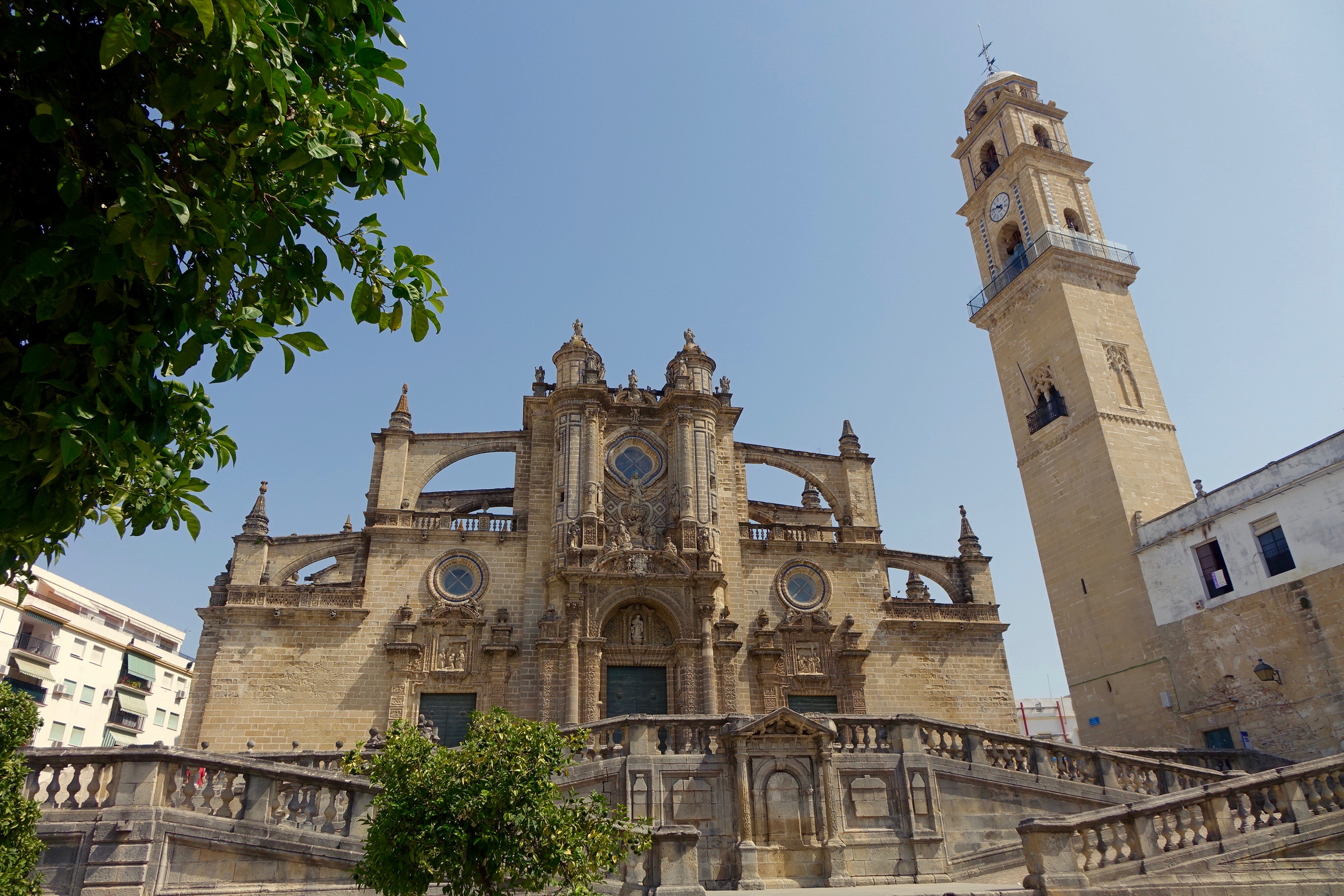
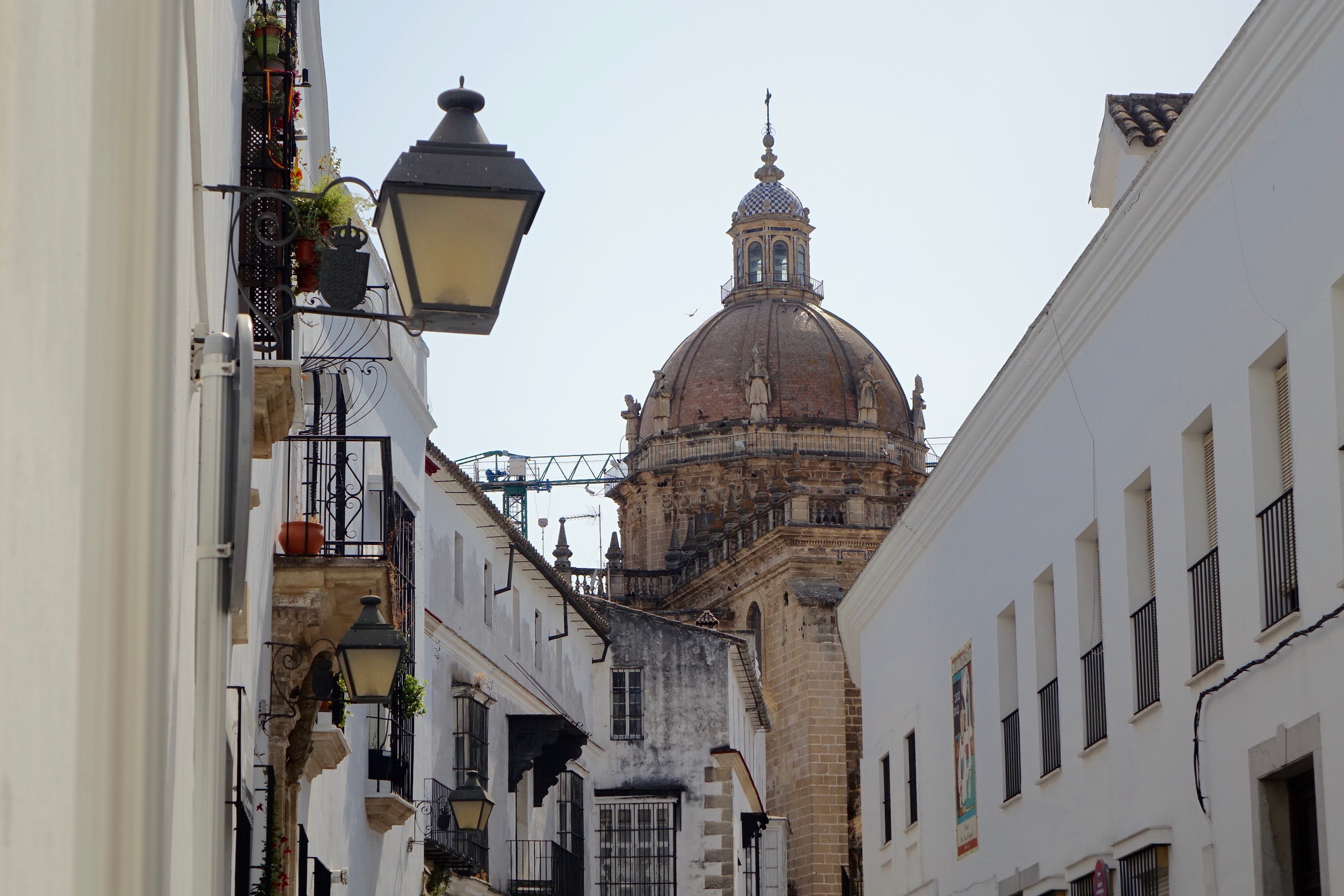
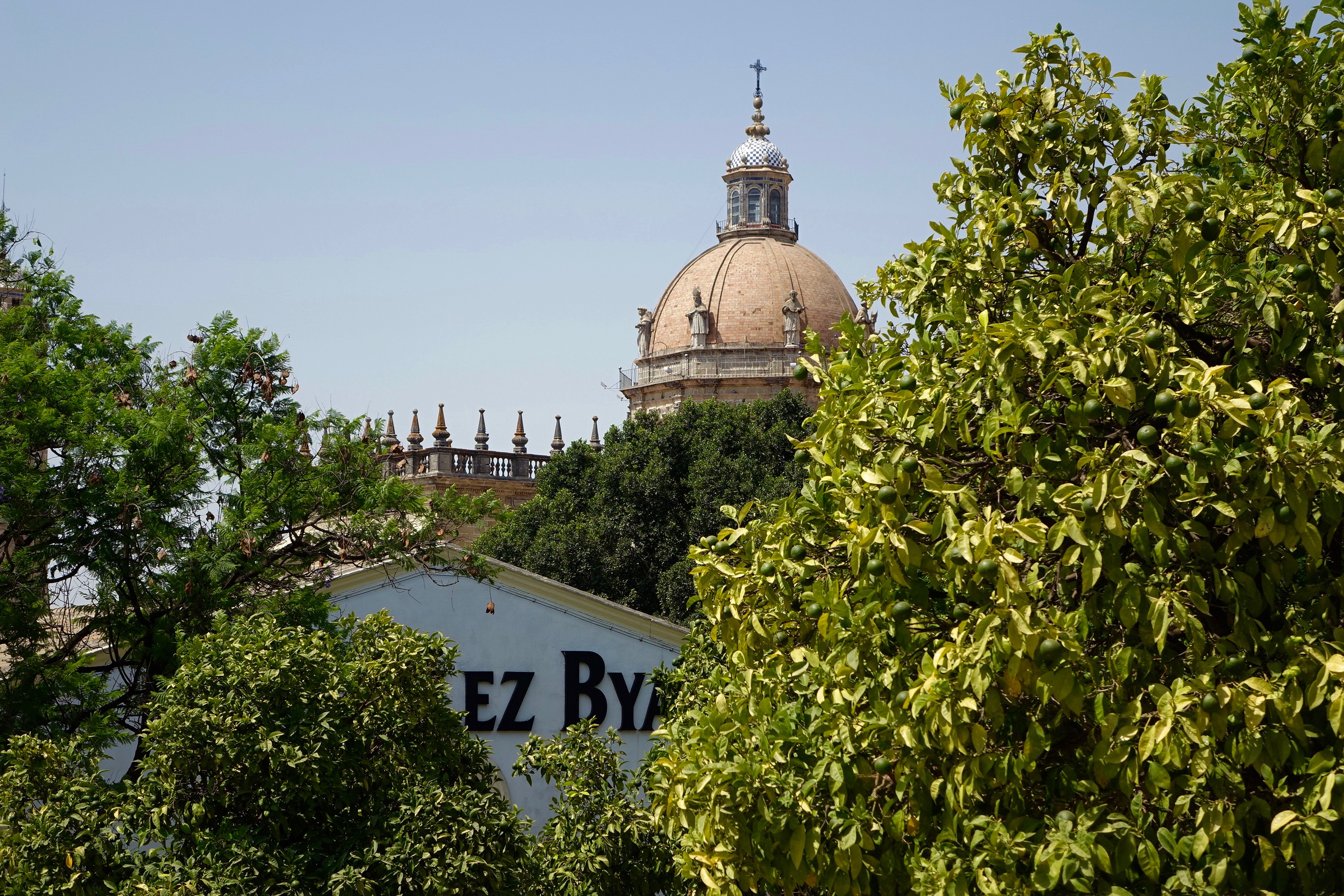
Never far from Jerez’s Temples of Sherry are places of worship of a different kind. Despite being characterised by a very definite Islamic influence, Jerez’s skyline is  dominated by the many majestic Catholic buildings which have come to define the city. Chief amongst them is the monumental Cathedral, reached via a large sweeping staircase and combining both Baroque and Renaissance features. The interior is extravagantly decorated akin to many such cathedrals all over Spain, and its mighty Dome, centered over the main transept, is embellished with glorious bas-reliefs of the Evangelists and can be seen for miles around.

Jerez Cathedral

DSC06489DSC06504DSC06481DSC06499DSC06472DSC06522DSC06483DSC06512DSC06494DSC06516

But Jerez’s Cathedral is chief amongst many Catholic masterpieces peppered throughout the city, and had we not spent such a disproportionate time lolling joyfully in sherry bodegas and accompanying wine bars, we might have been able to visit extravagant church aplenty.

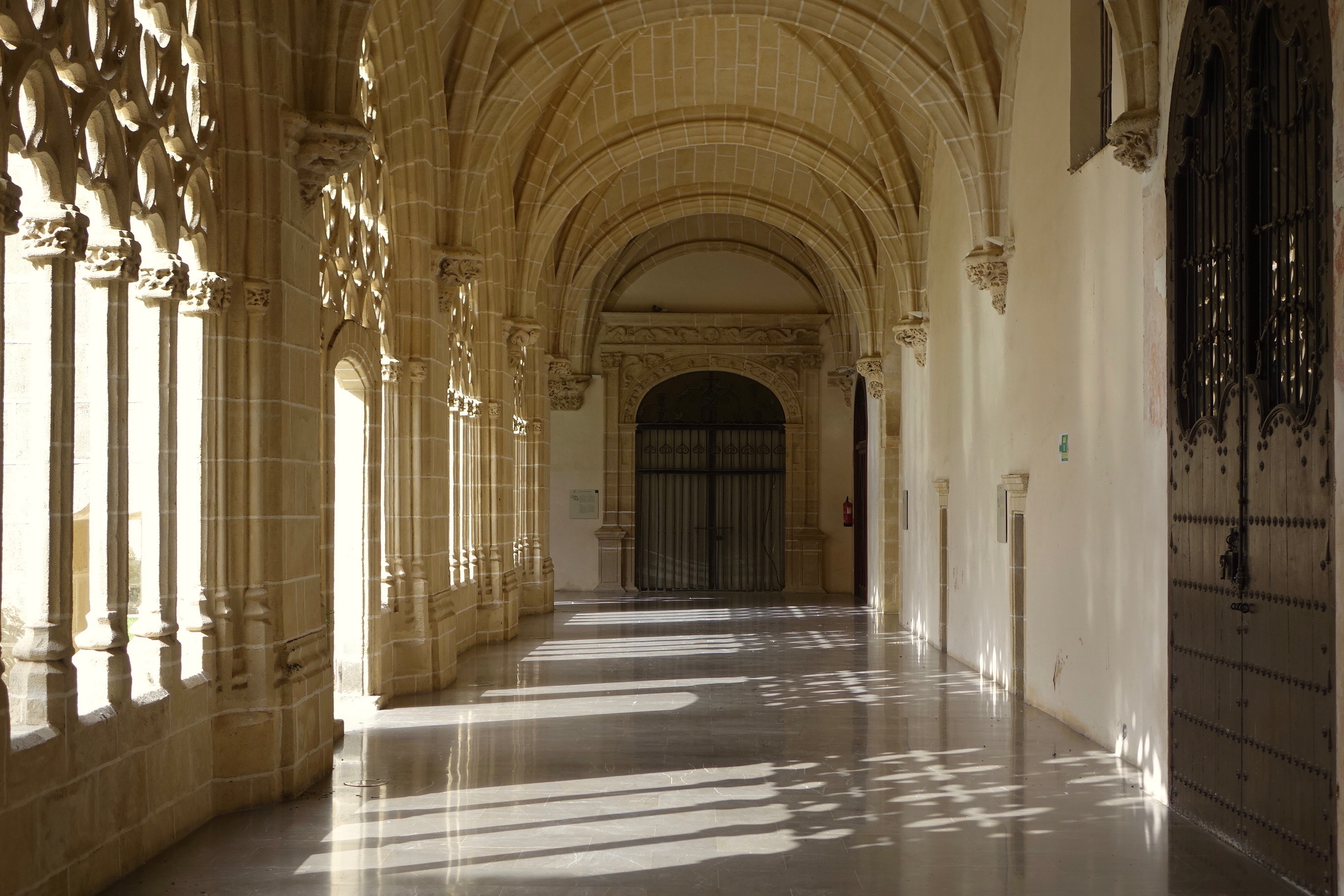
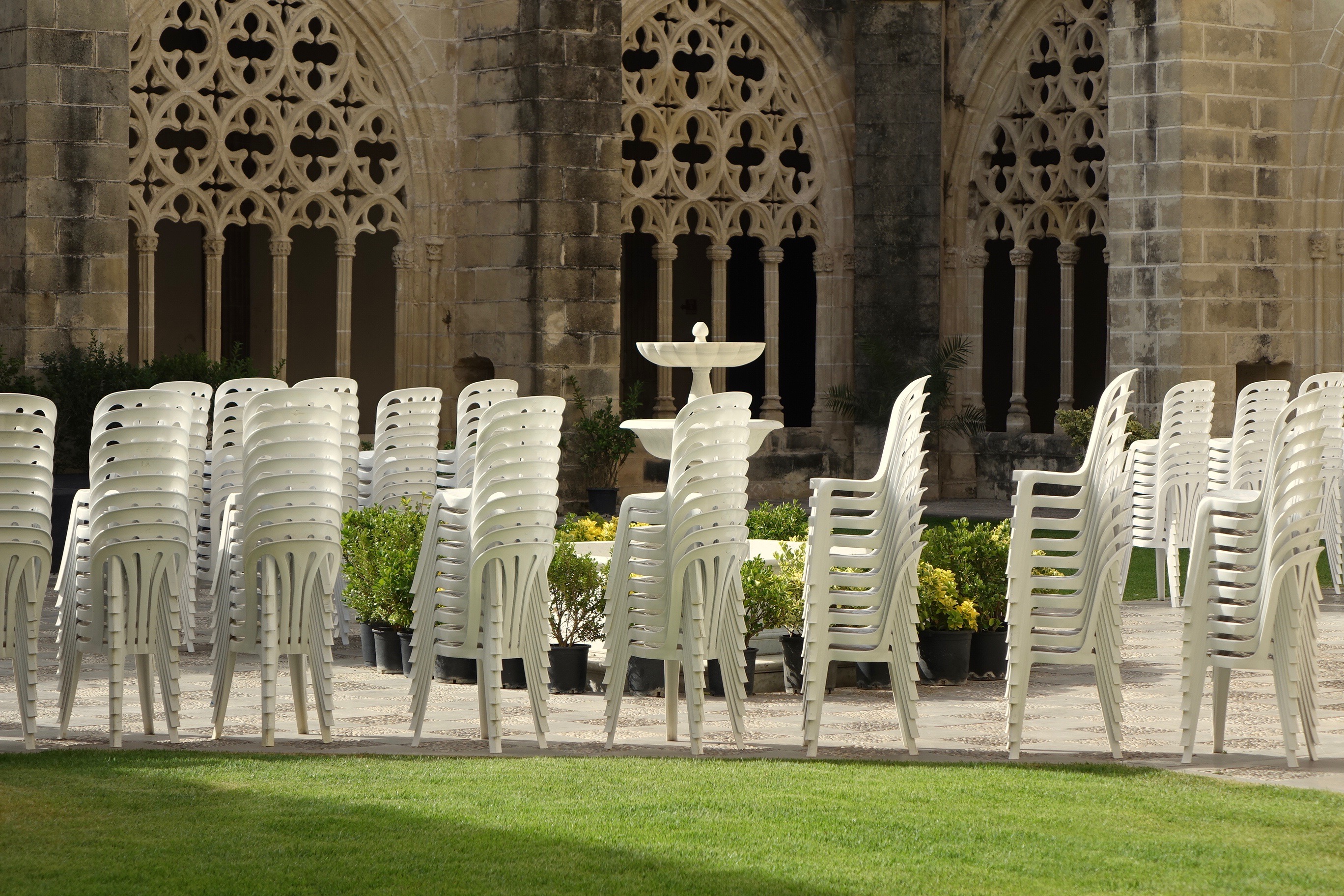
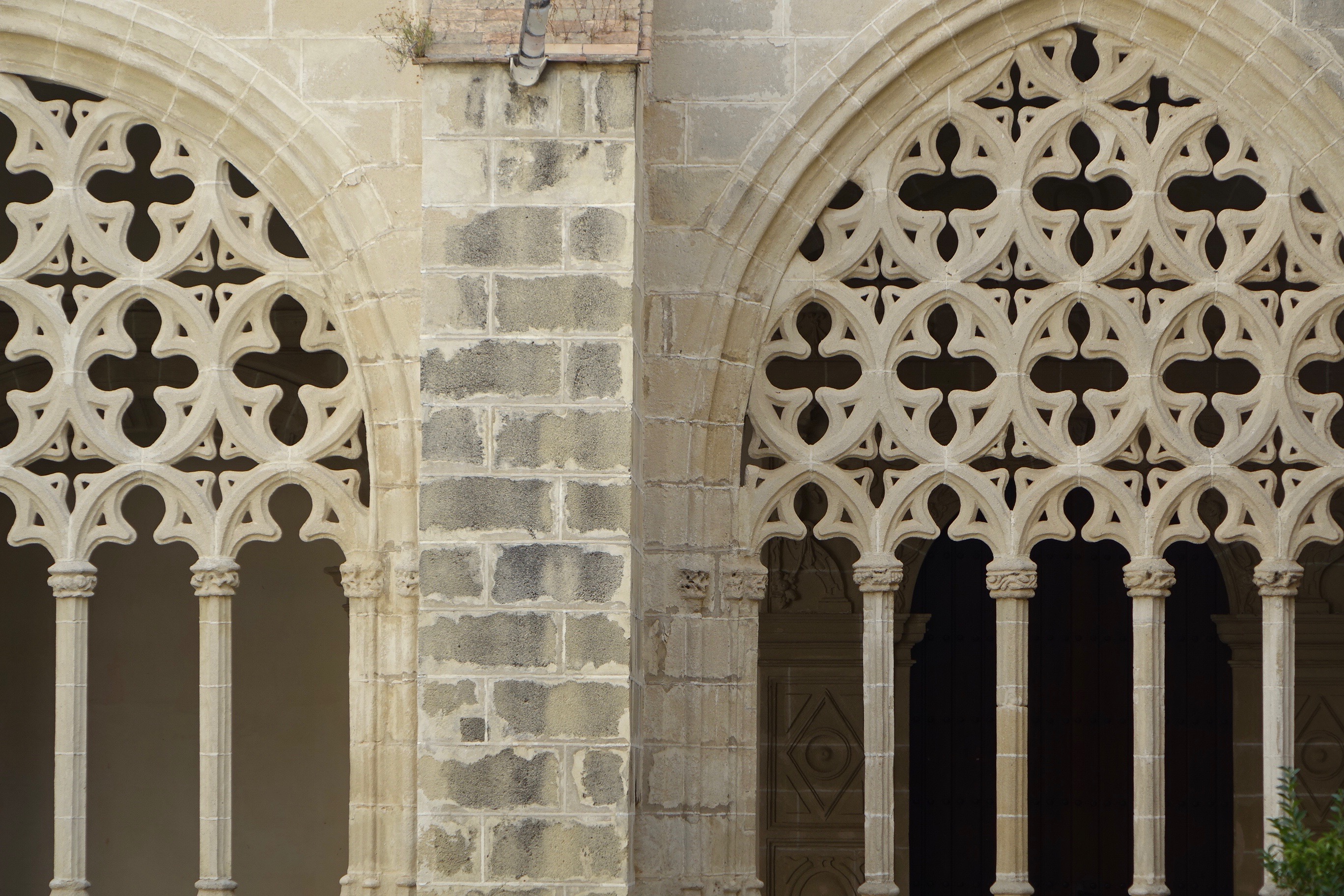
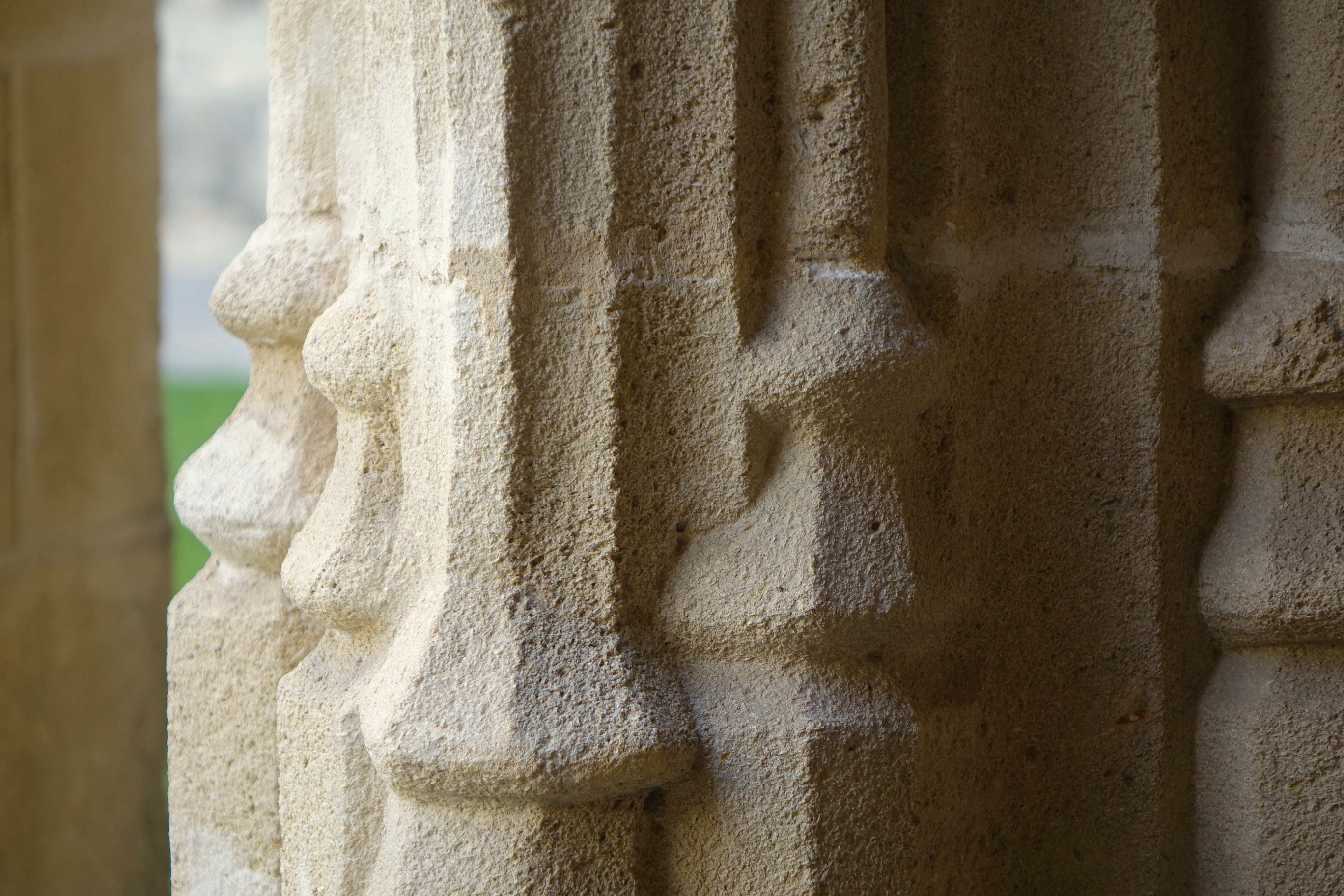
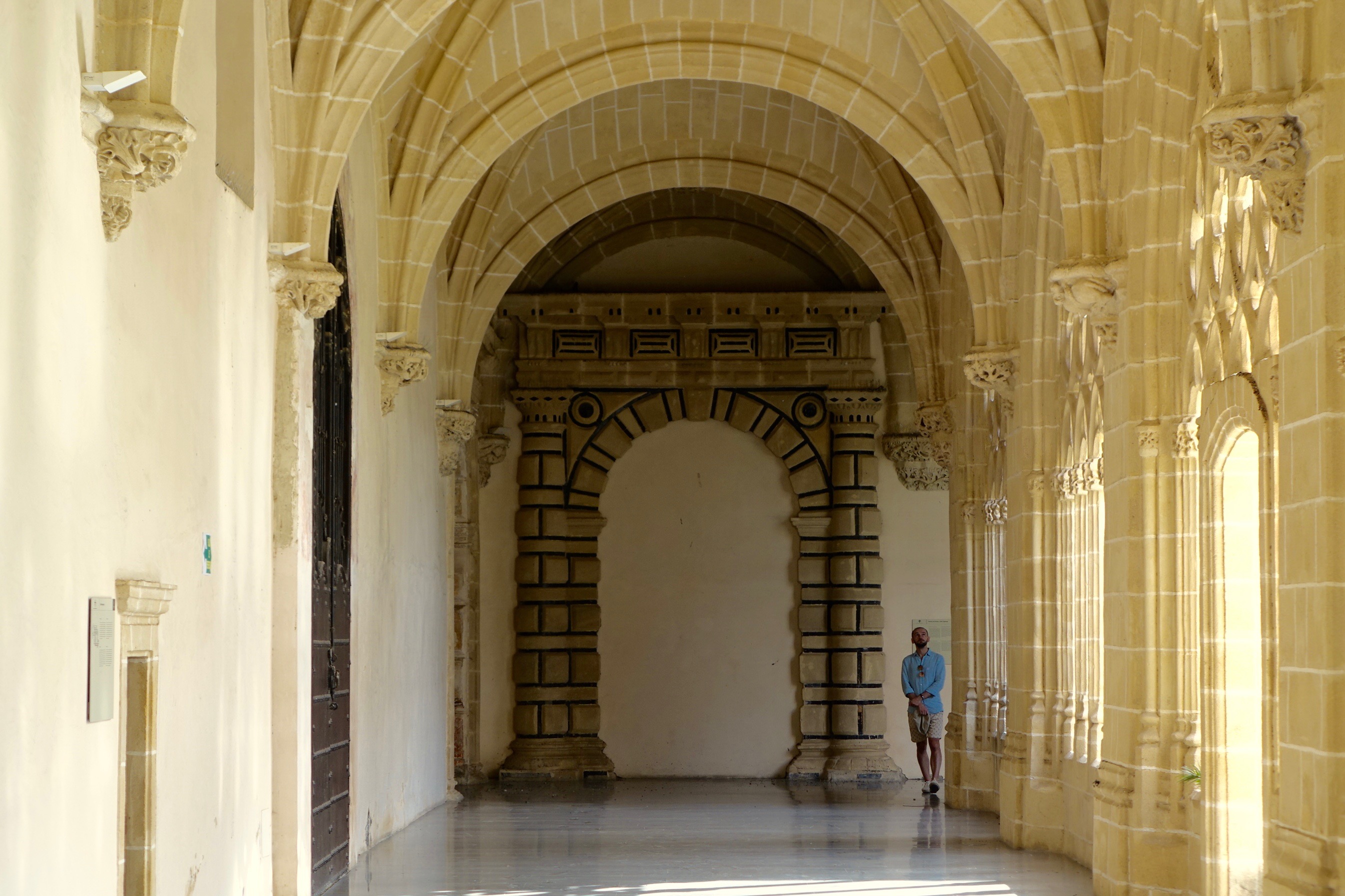
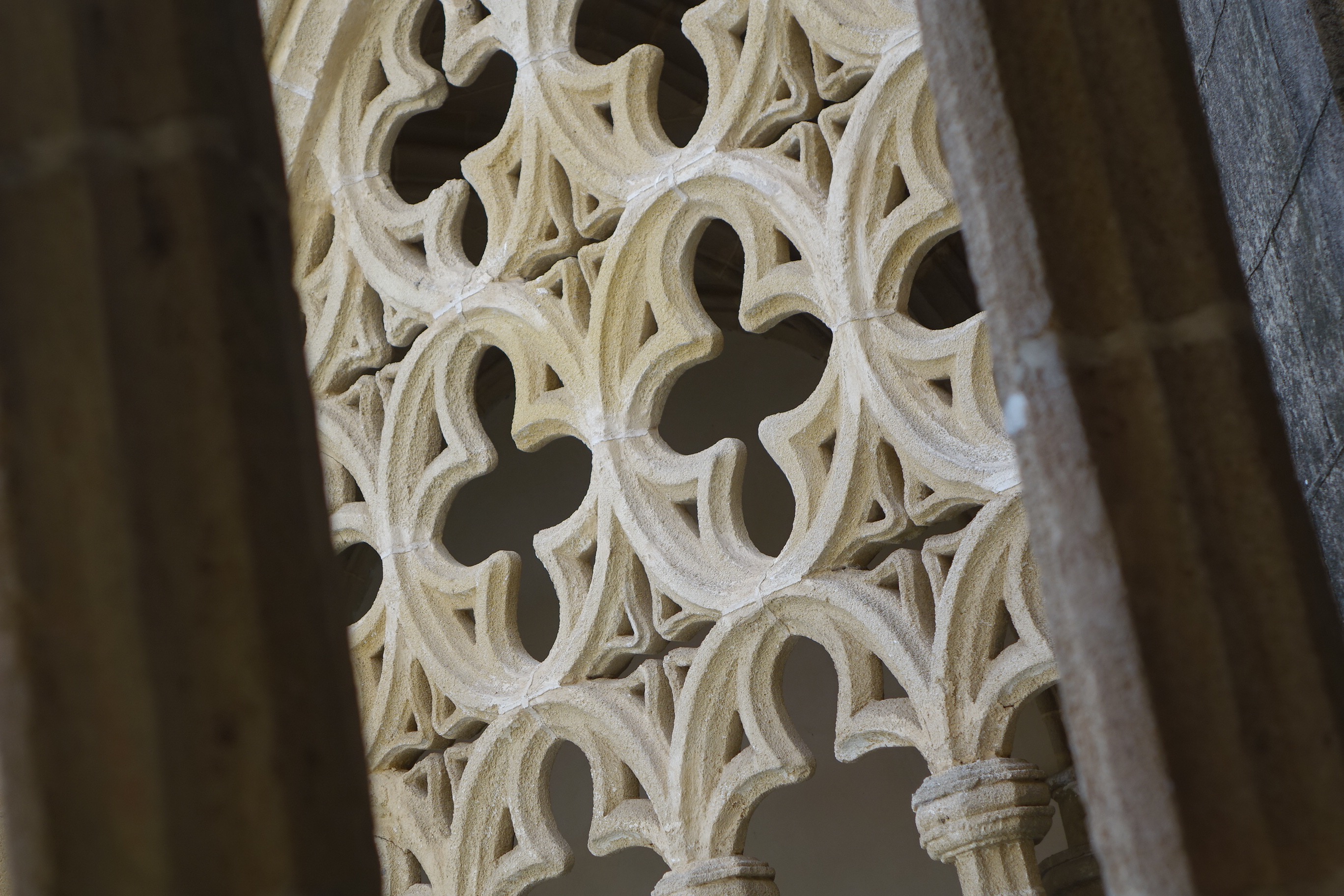
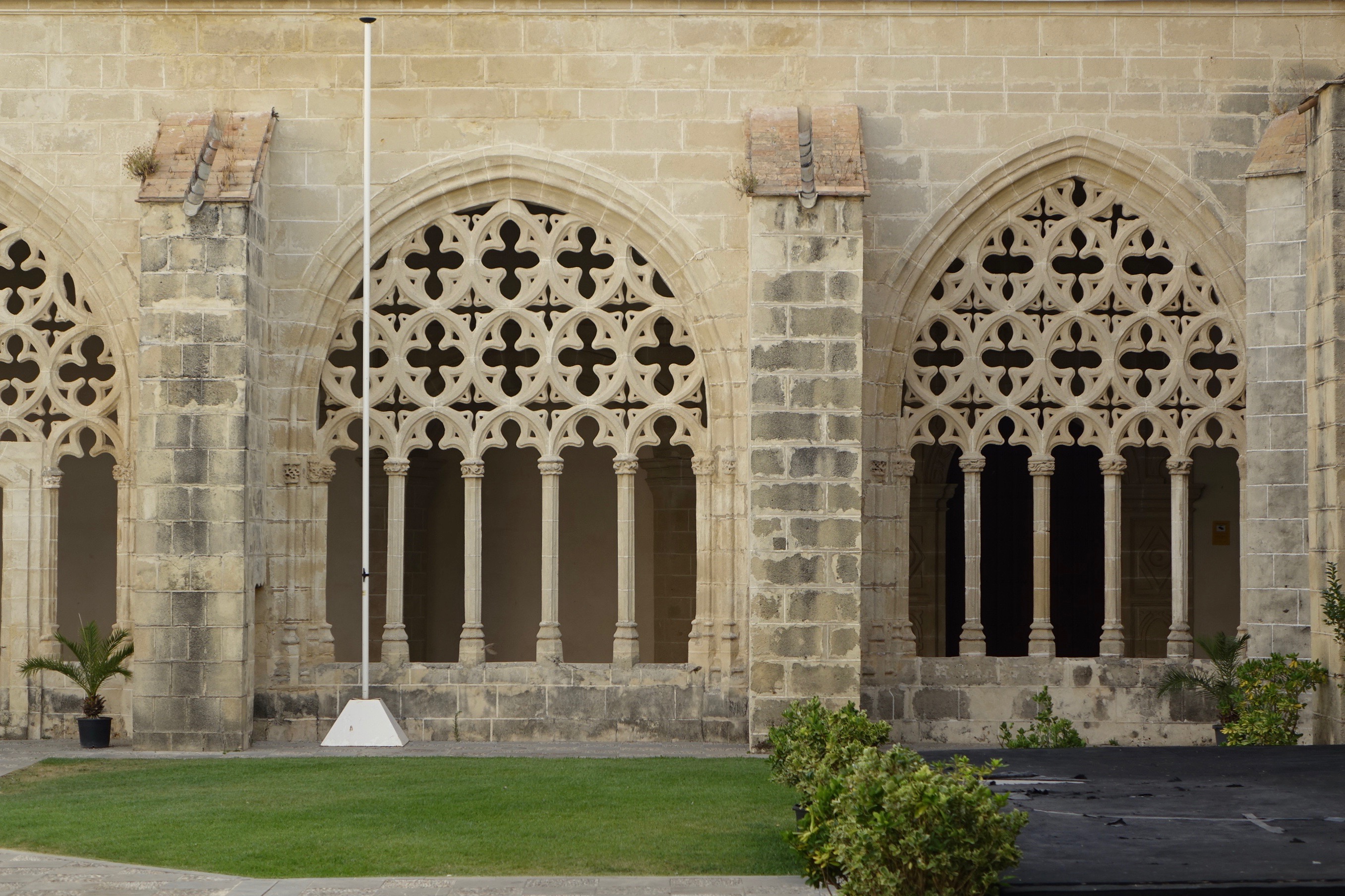
One highlight we did get to, and well worth the mention, were the serene Cloisters of Santo Domingo. With their perfectly balanced gothic arches framing a courtyard garden today used for events and performances, the cloisters offered a peaceful and cool retreat from the heat and bustle of Jerez and were, in many ways, more beautiful to behold than the Cathedral. While recent events meant that the central garden was full of piles of plastic chairs, for me and my camera, these chairs became a feature of artistic interest in themselves, adding interest to my snapshots of this most harmonious of catholic buildings.

The Cloisters of Santo Domingo

DSC06621DSC06622DSC06627DSC06609DSC06611DSC06623DSC06604DSC06608DSC06607

And with free entrance to boot, what better retreat for an aching head once the sherry tastings are over and out? 

© Nicholas de Lacy-Brown and The Daily Norm, 2018. Unauthorised use and/or duplication of the material, whether written work, photography or artwork, included within The Daily Norm without express and written permission from The Daily Norm’s author and/or owner is strictly prohibited.

Folio // Jerez > Sherry Streets and Shady Squares

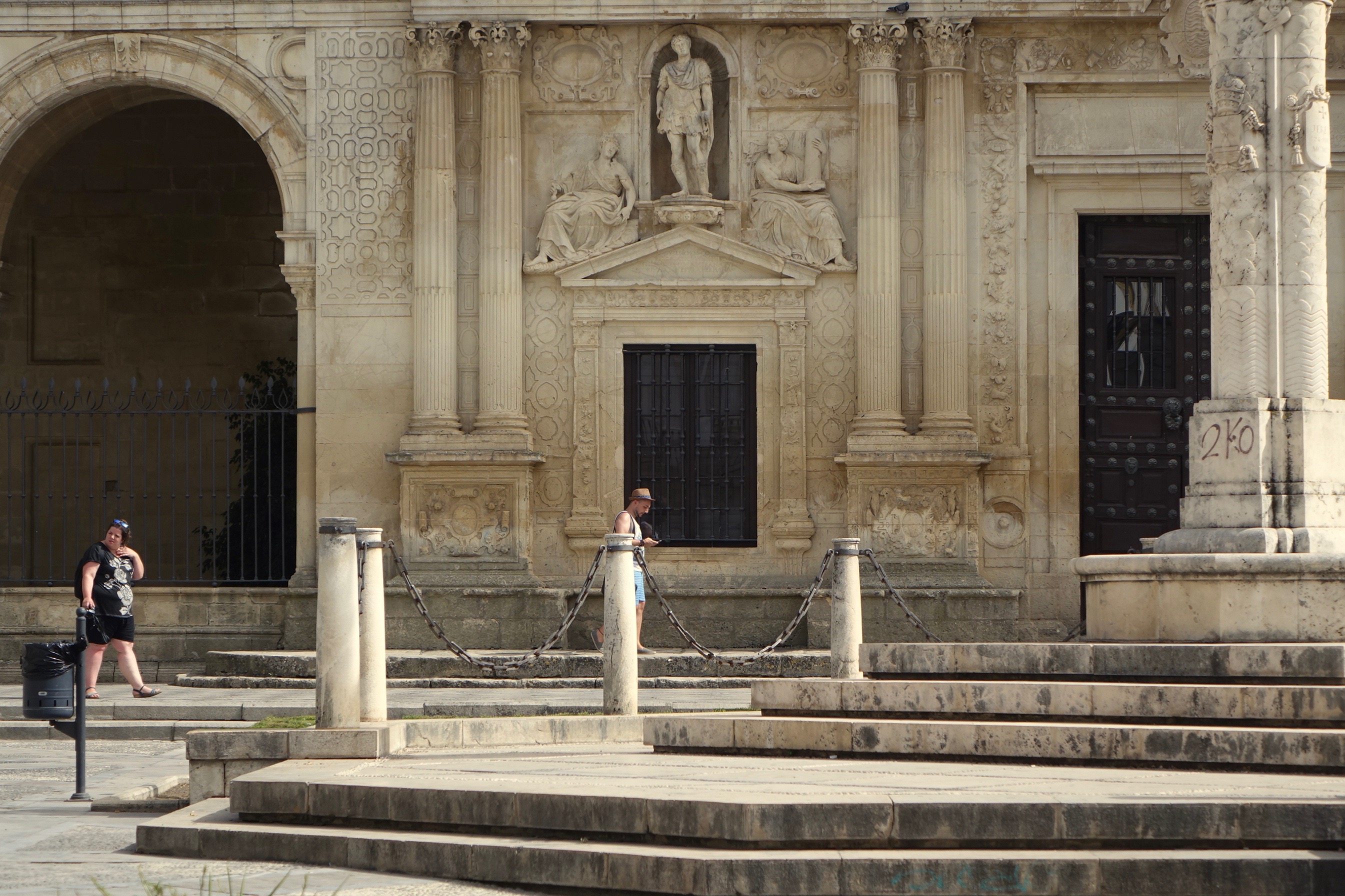
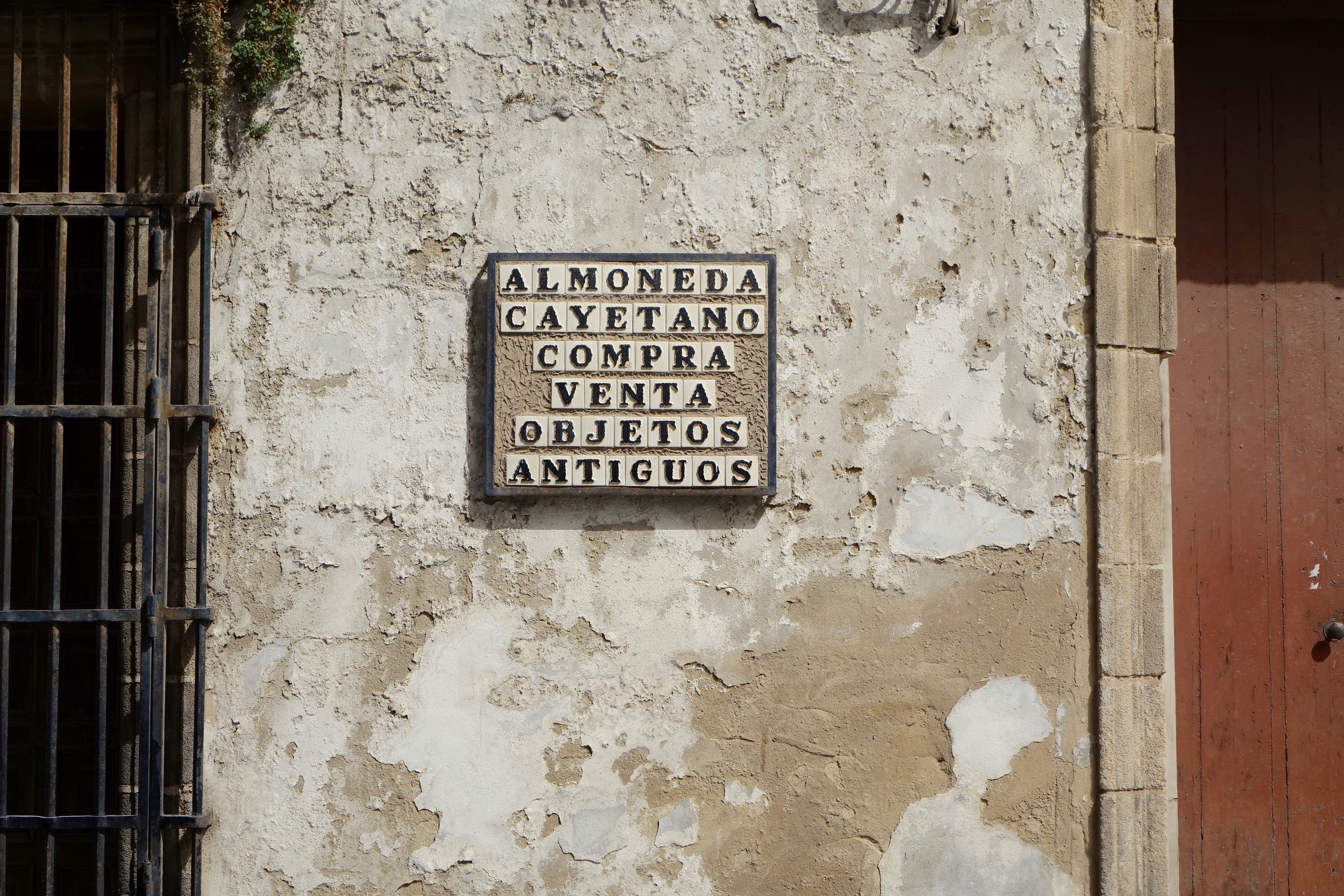
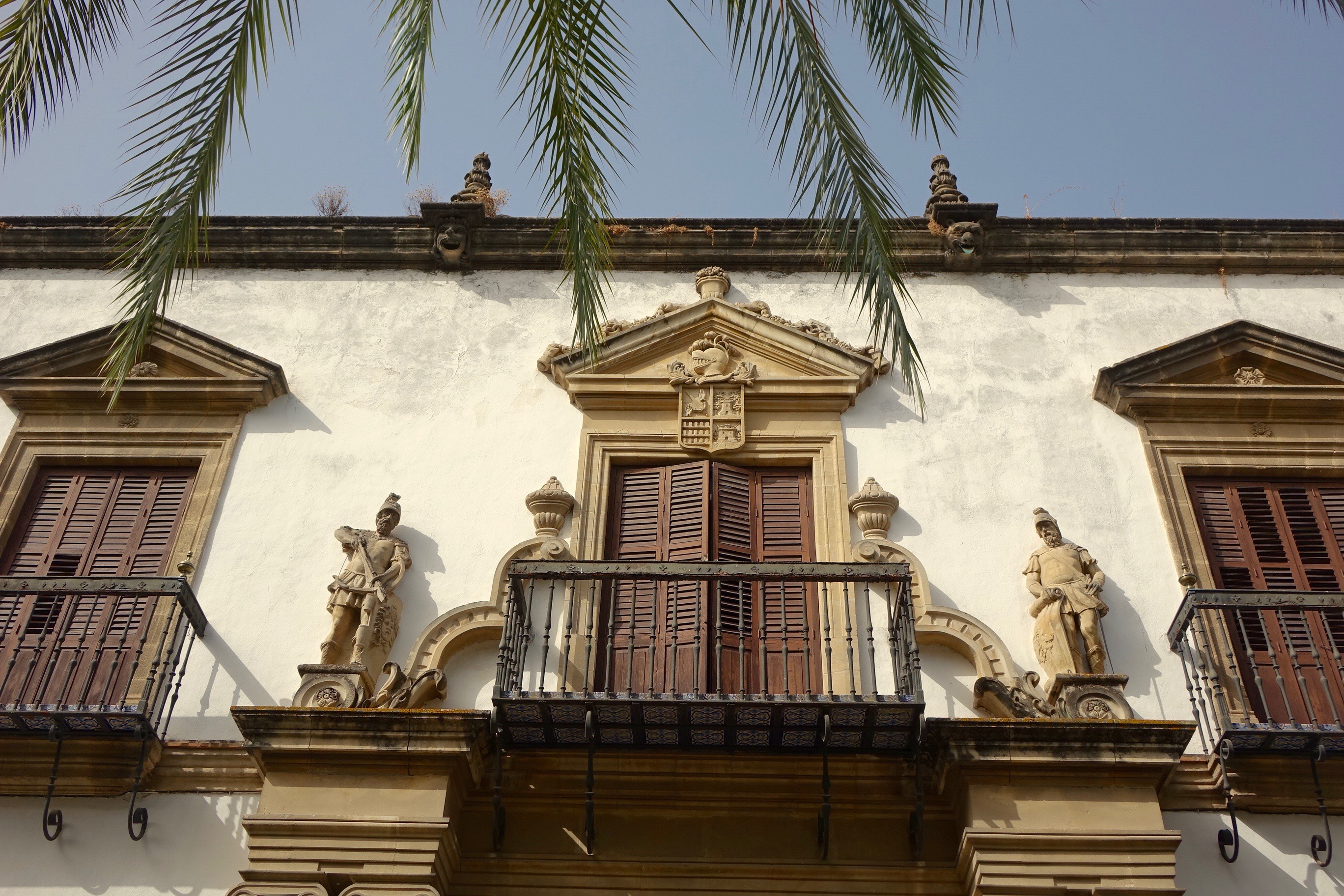
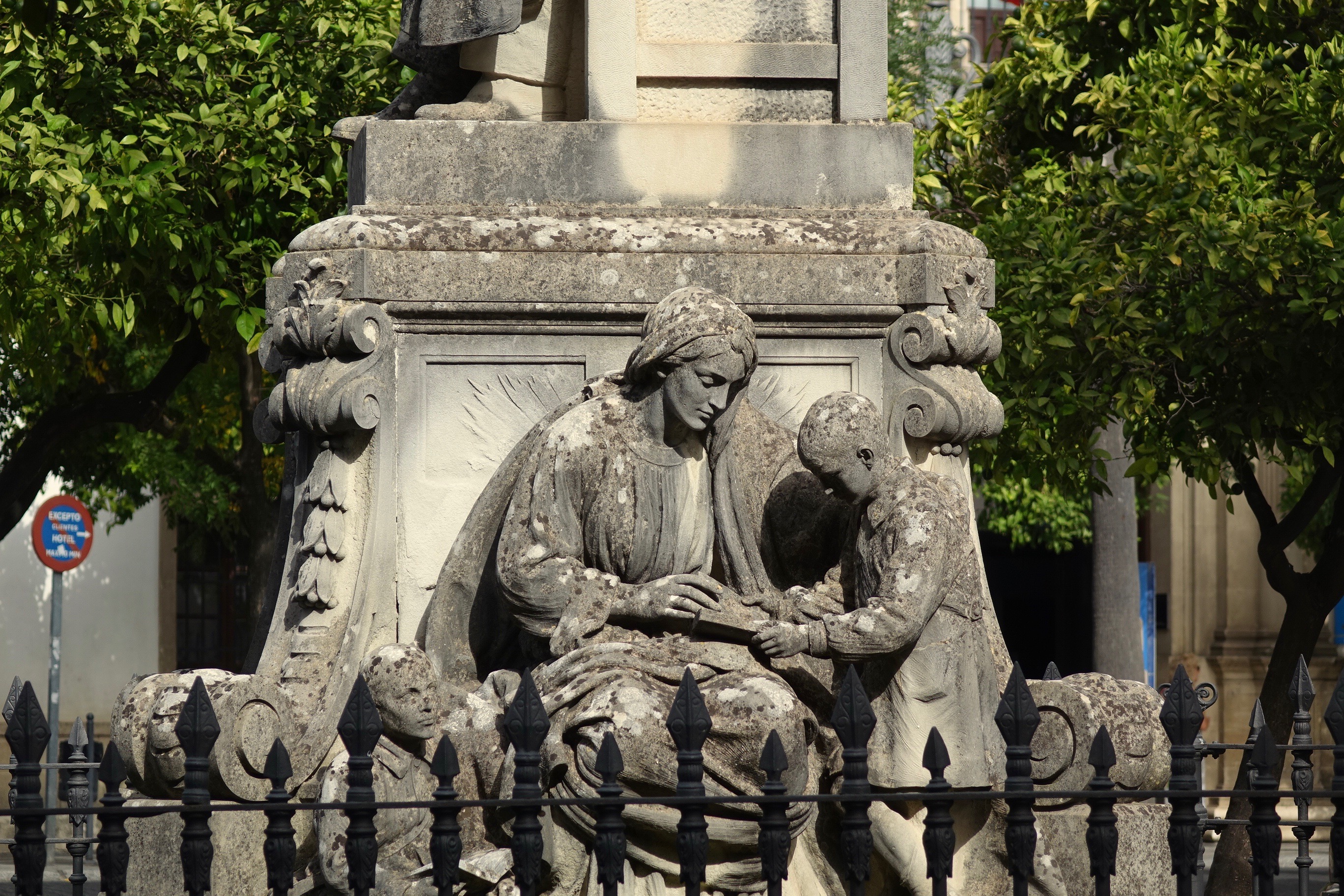
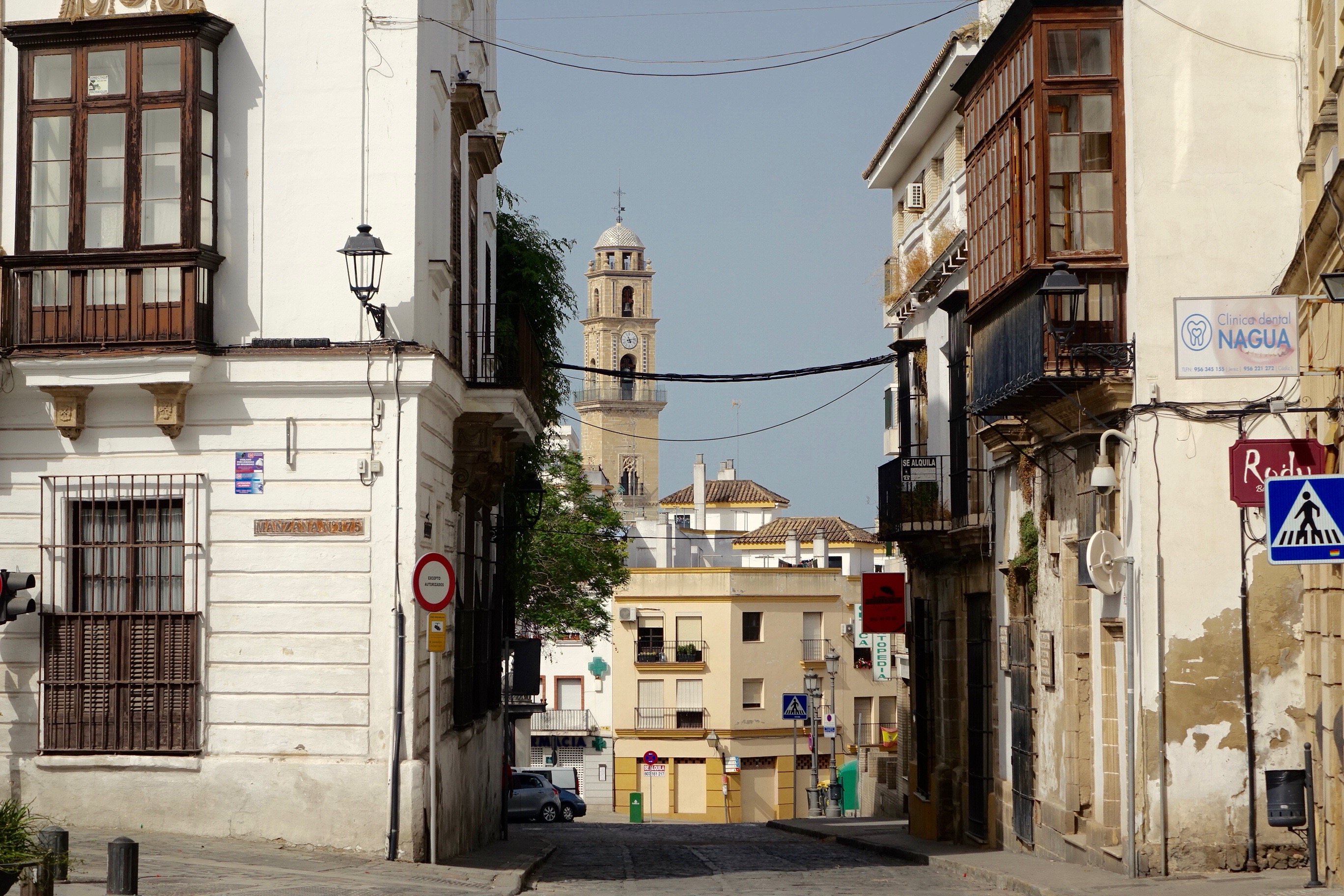
My second Folio presents Jerez, city of squares and fountains, cobbled streets and cosy quaint cafes. Few visitors to the city would deny that it is perfectly picturesque. Jerez conveys so much of what we tourists have come to think of as the archetype Spanish city that I wonder how it came to be that Jerez falls under the shadow of Seville, Cordoba and Granada. Such is the result of a region whose cities are each, in their own way, a spectacle. It’s like when you have an art gallery with walls crammed floor to ceiling with gems – there are so many masterpieces there, that you miss out on most in order to concentrate on just one or two.

DSC06796DSC06786DSC06662DSC06590DSC06674DSC06669DSC06544DSC06640DSC06638DSC06584

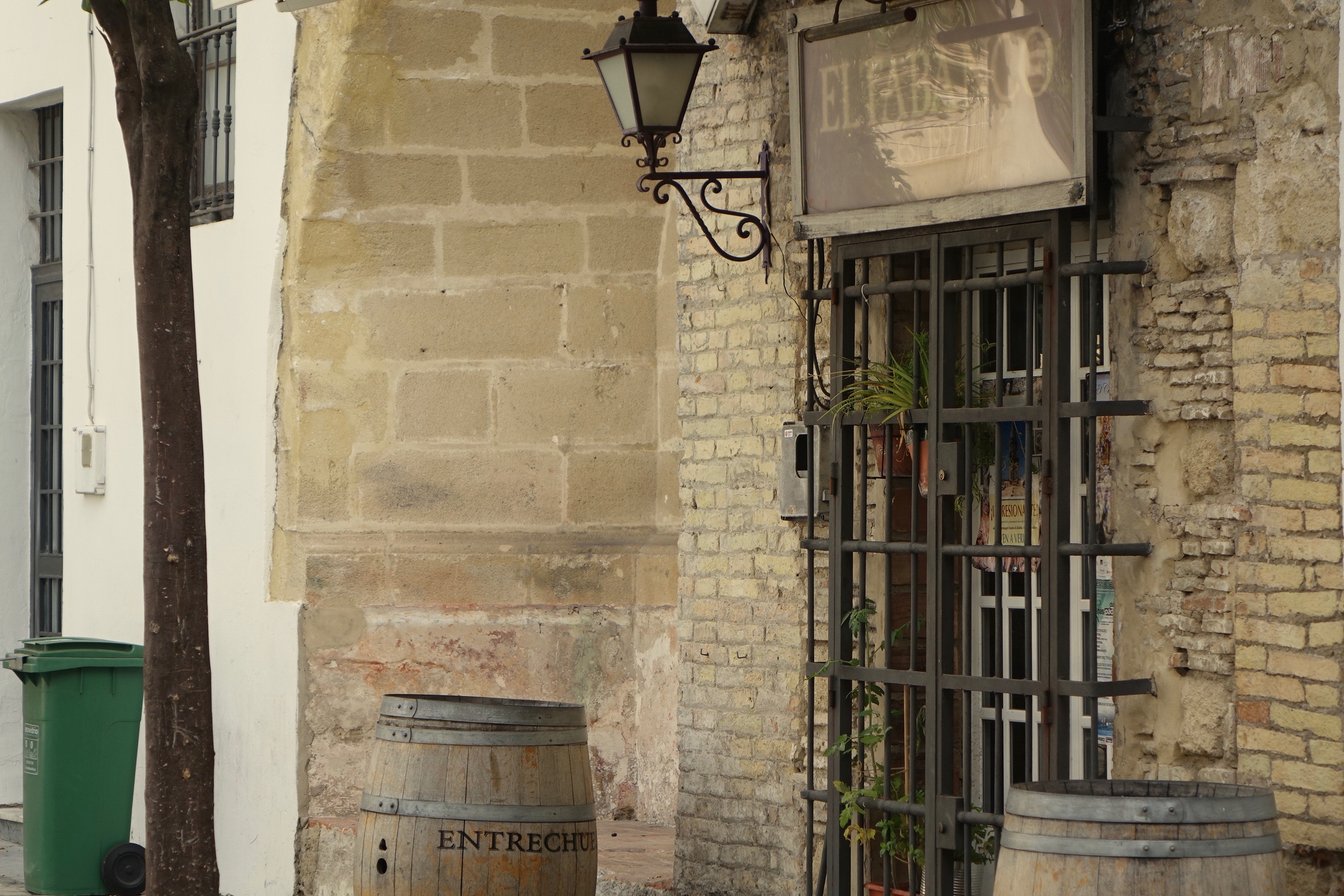
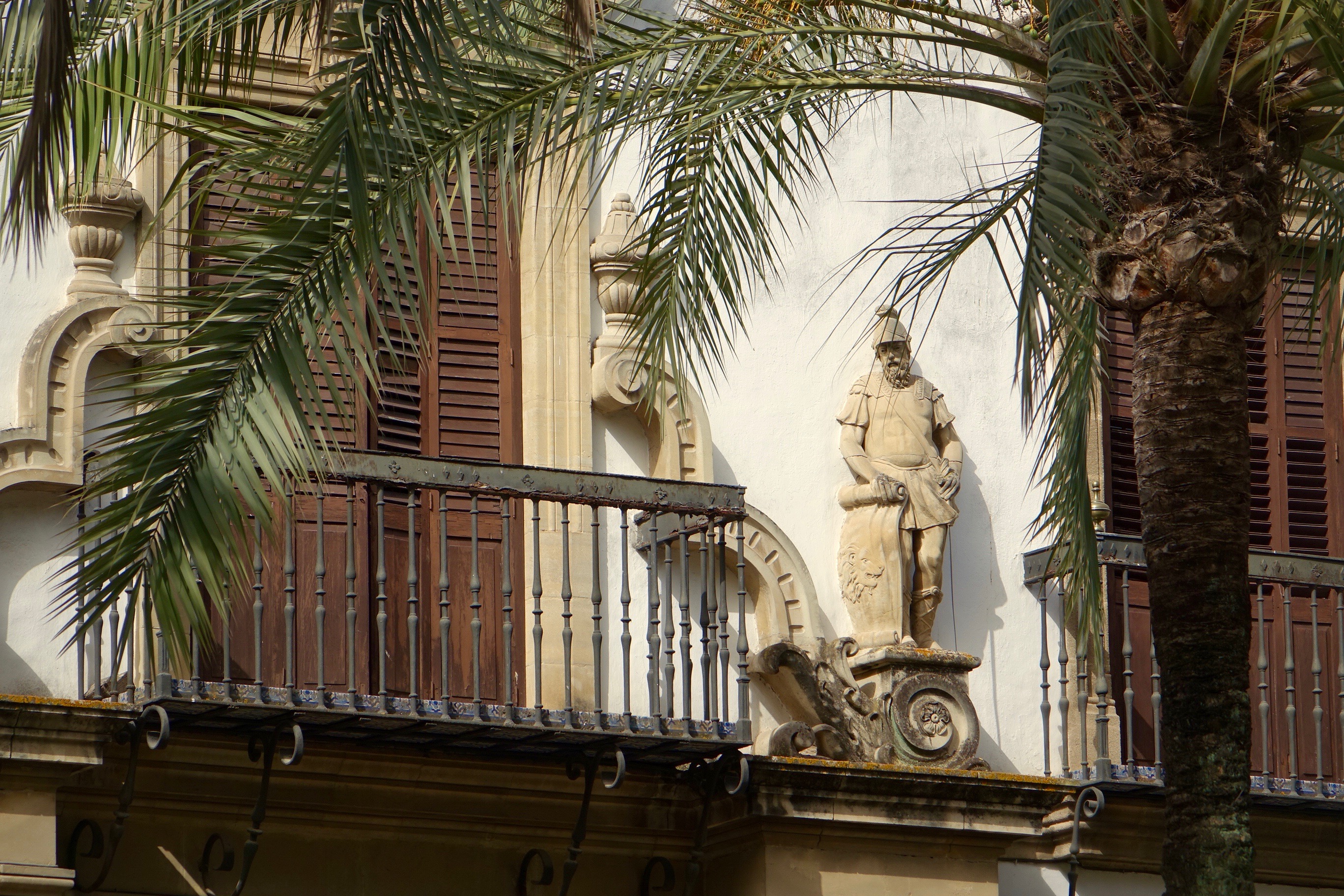
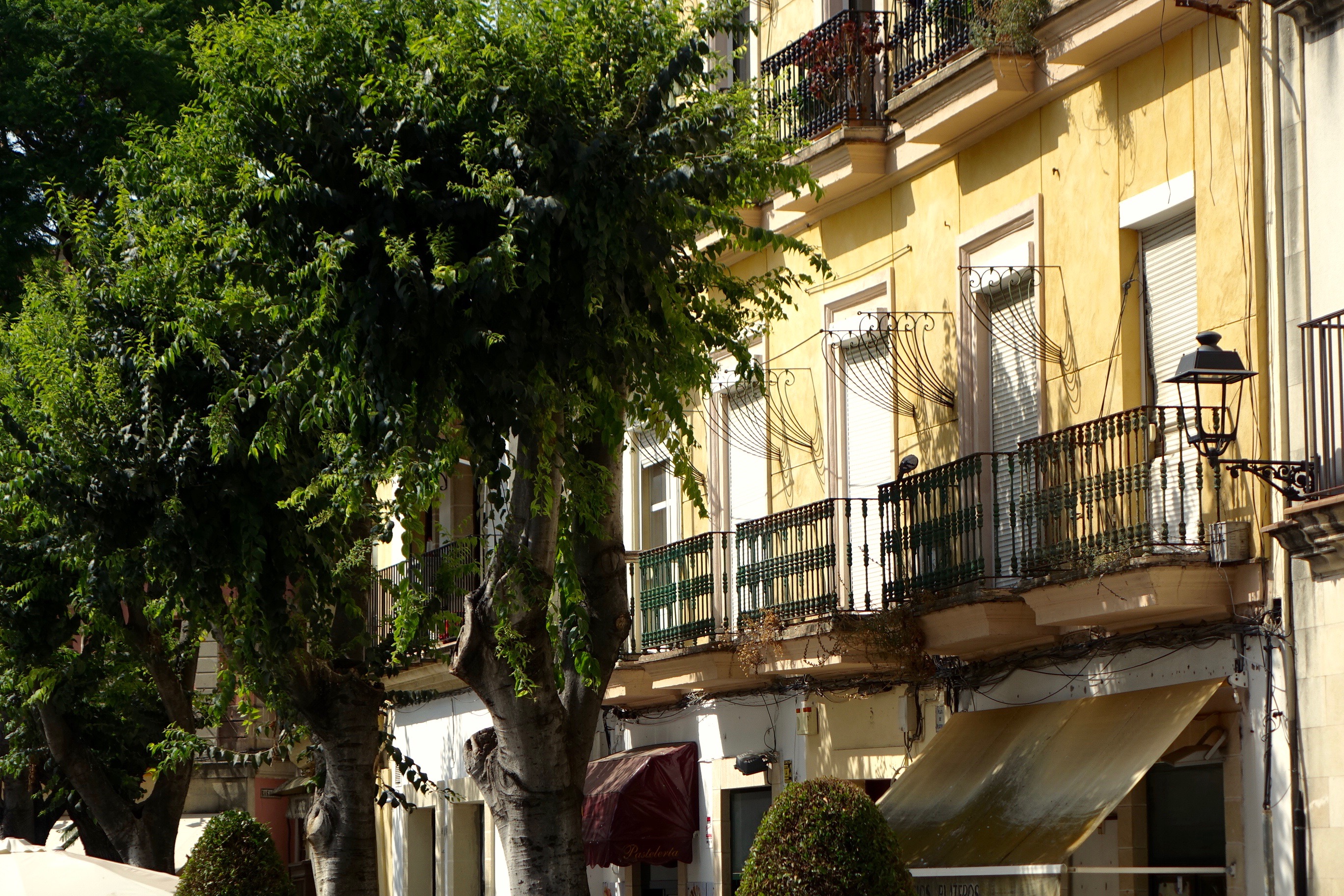
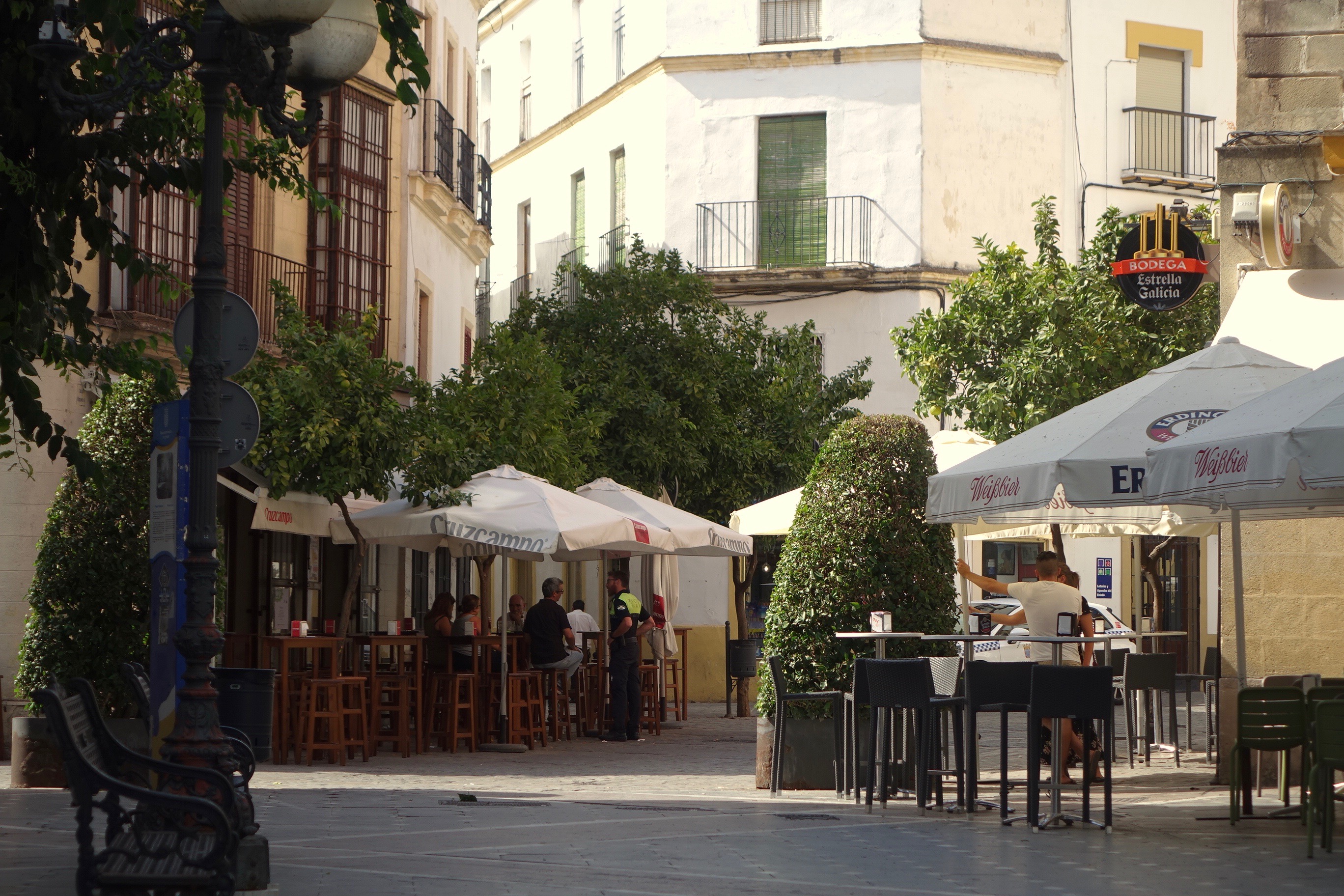
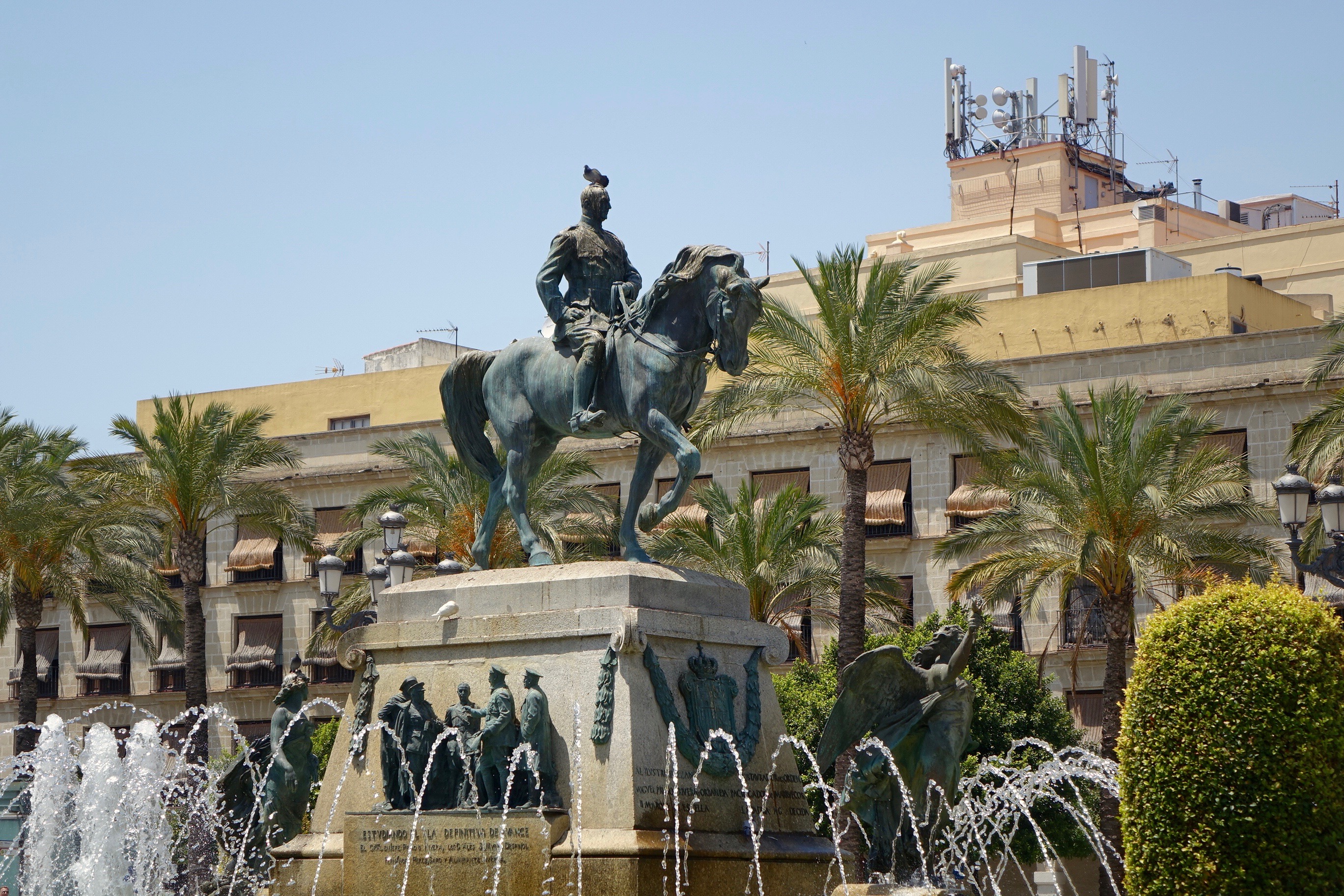
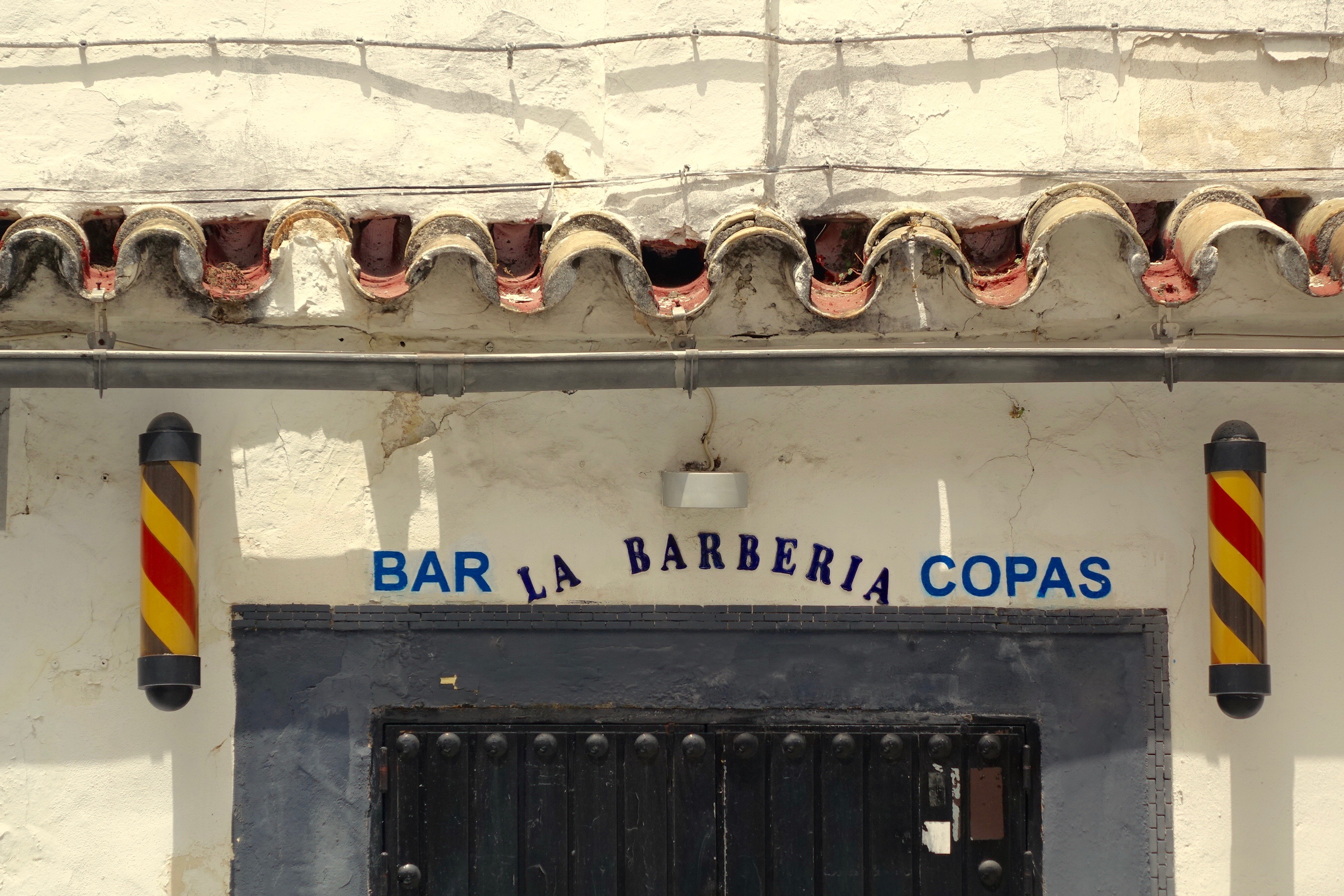
Determined that Jerez would be our focus on this occasion, we lost no time in exploring its consistently beautiful alleys and avenues. Cluttered with sherry-barrel bar tables, cafe umbrellas seeking in vain to keep out the heat, souvenir shops spilling onto sidewalks exhibiting polka dots aplenty, Jerez is nevertheless a city whose every facet appears to be perfectly ordered and camera ready. Building facades do not just crack – they age gracefully like a fading Hollywood star, while alongside them, sprawling palm tree leaves fan languidly and frame each image with their tropical elegance. In wide avenues, shops give way to wrought iron benches and potted flowers, while lamp posts twist and curve with avant garde excellence, and fountains compete with one another, sploshing and splashing their way across the city’s grandest squares.

DSC06586DSC06552DSC06631DSC06642DSC06587DSC06659DSC06658DSC06646DSC06649DSC06680

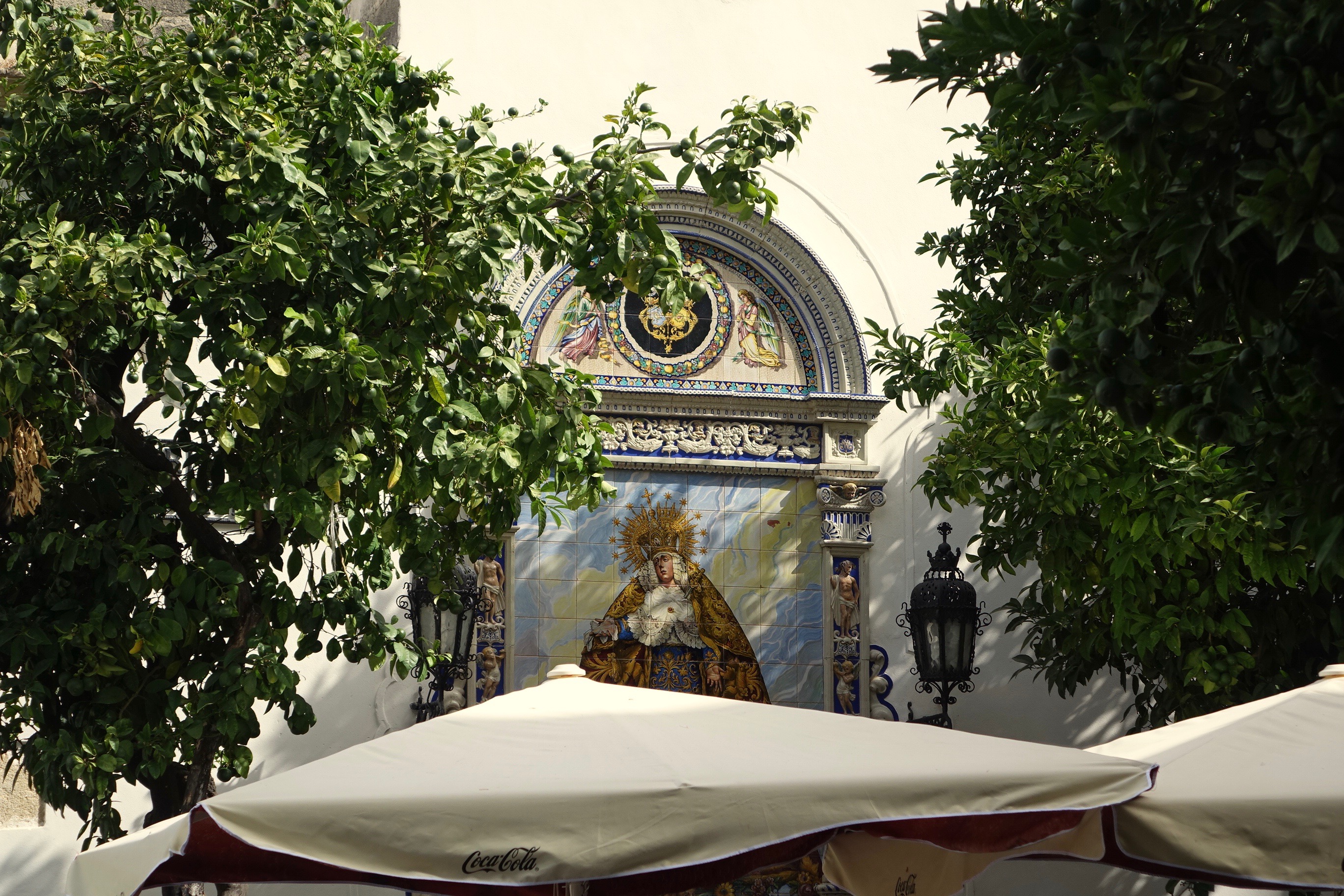
Jerez is a city built largely in beige. It is not terribly green, but instead its attraction translates from the sunny disposition of its golden facades and ancient marble finishings. Wandering from one square to the next, you will stumble across colonnades befitting the Florentine Renaissance, and extravagant Catholic iconography worthy of Rome. All this will run alongside the simplest of neighbourhood tapas bars, where flamenco guitarists play emotionally in the corner over lunch. Tired, lazy, but elegant in its languor, Jerez in the summer is a city which reflects its own sunshine; a place whose excesses of daytime heat are transmitted into the passion of its dance and music by night, and in the deep amber sparkle of its Sherry at all hours.

DSC06536DSC06794DSC06792DSC06553DSC06787DSC06666DSC06652DSC06585DSC06541DSC06532

© Nicholas de Lacy-Brown and The Daily Norm, 2018. Unauthorised use and/or duplication of the material, whether written work, photography or artwork, included within The Daily Norm without express and written permission from The Daily Norm’s author and/or owner is strictly prohibited.

Folio // Jerez > El Alcázar y su entorno

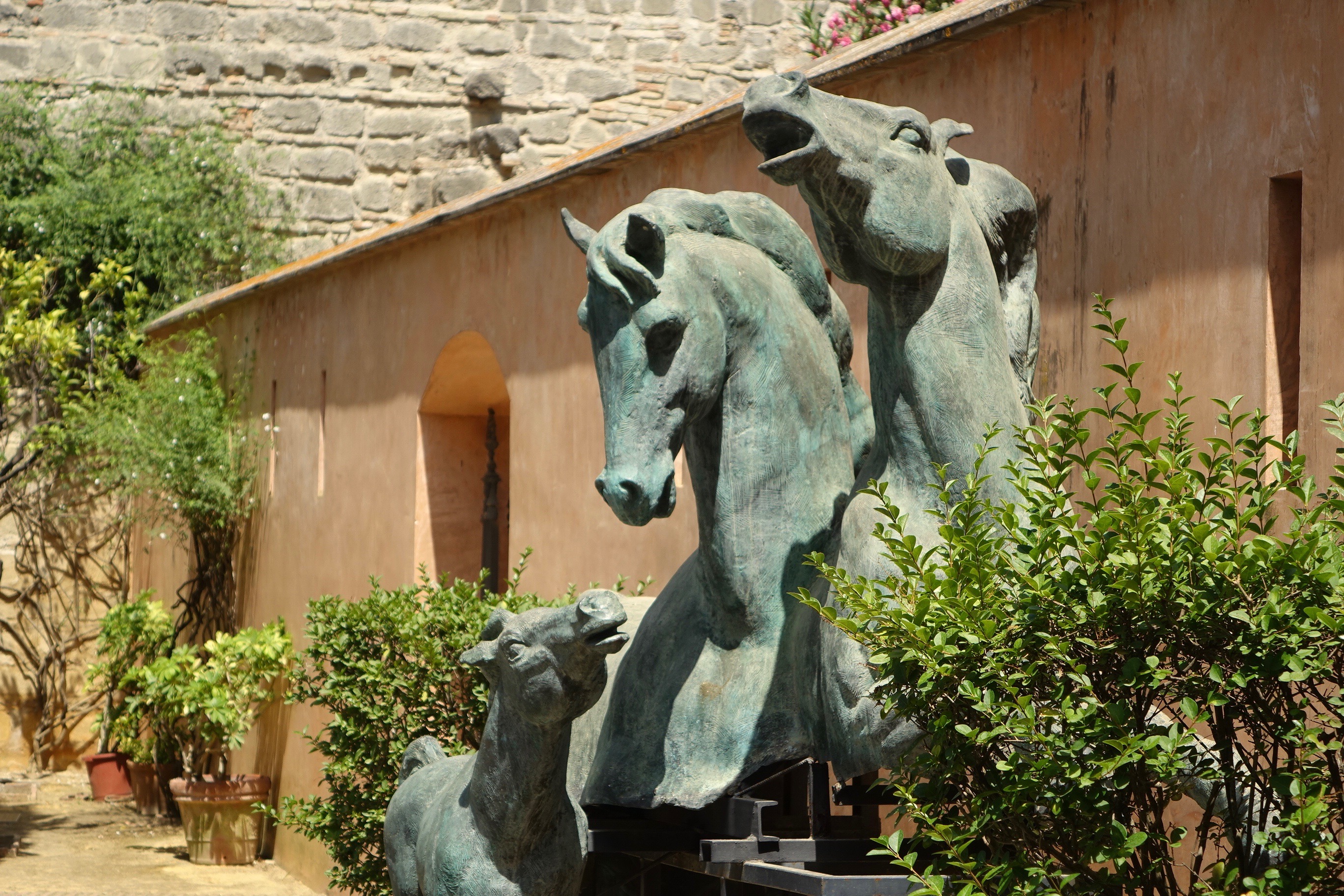
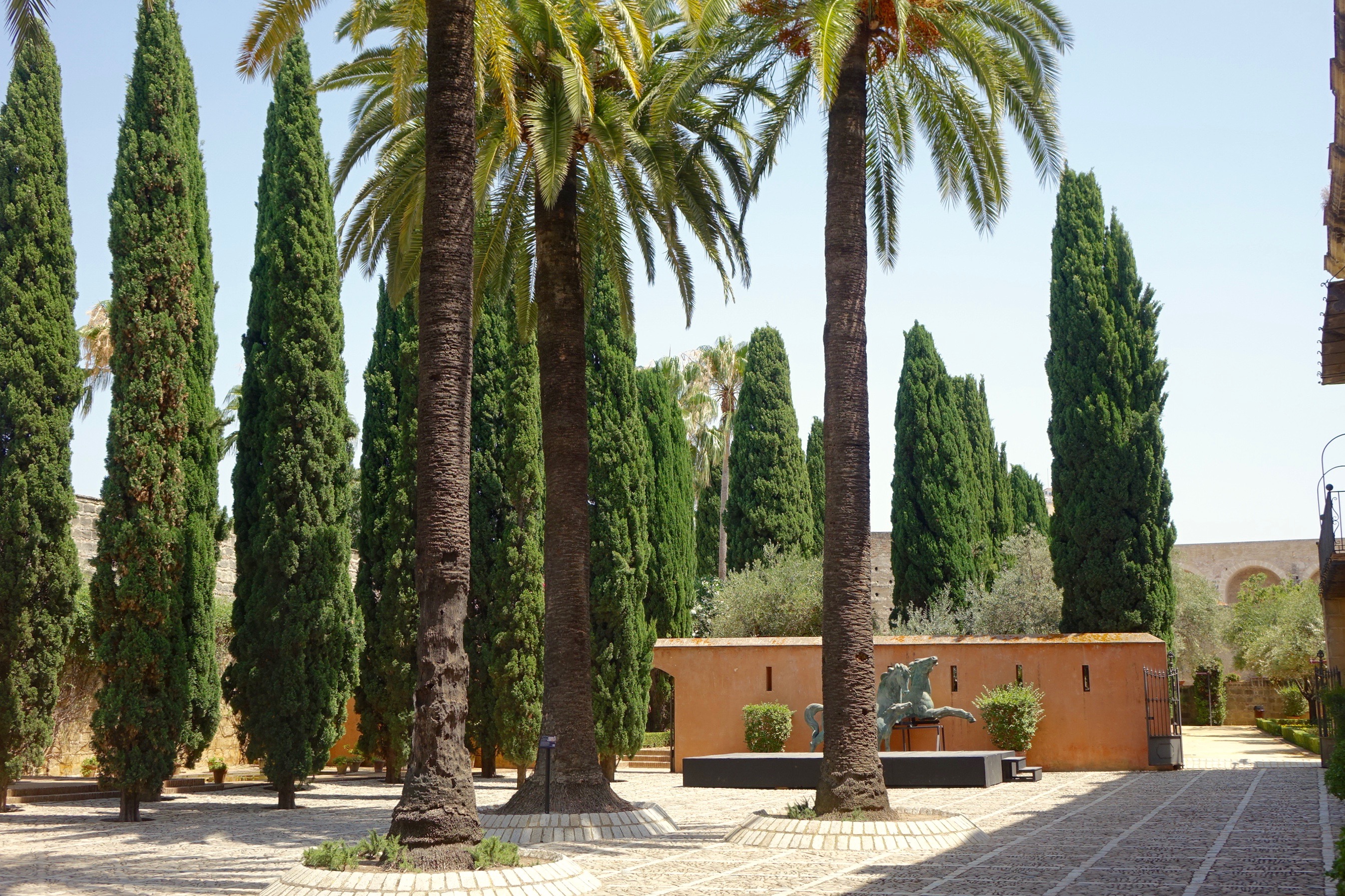
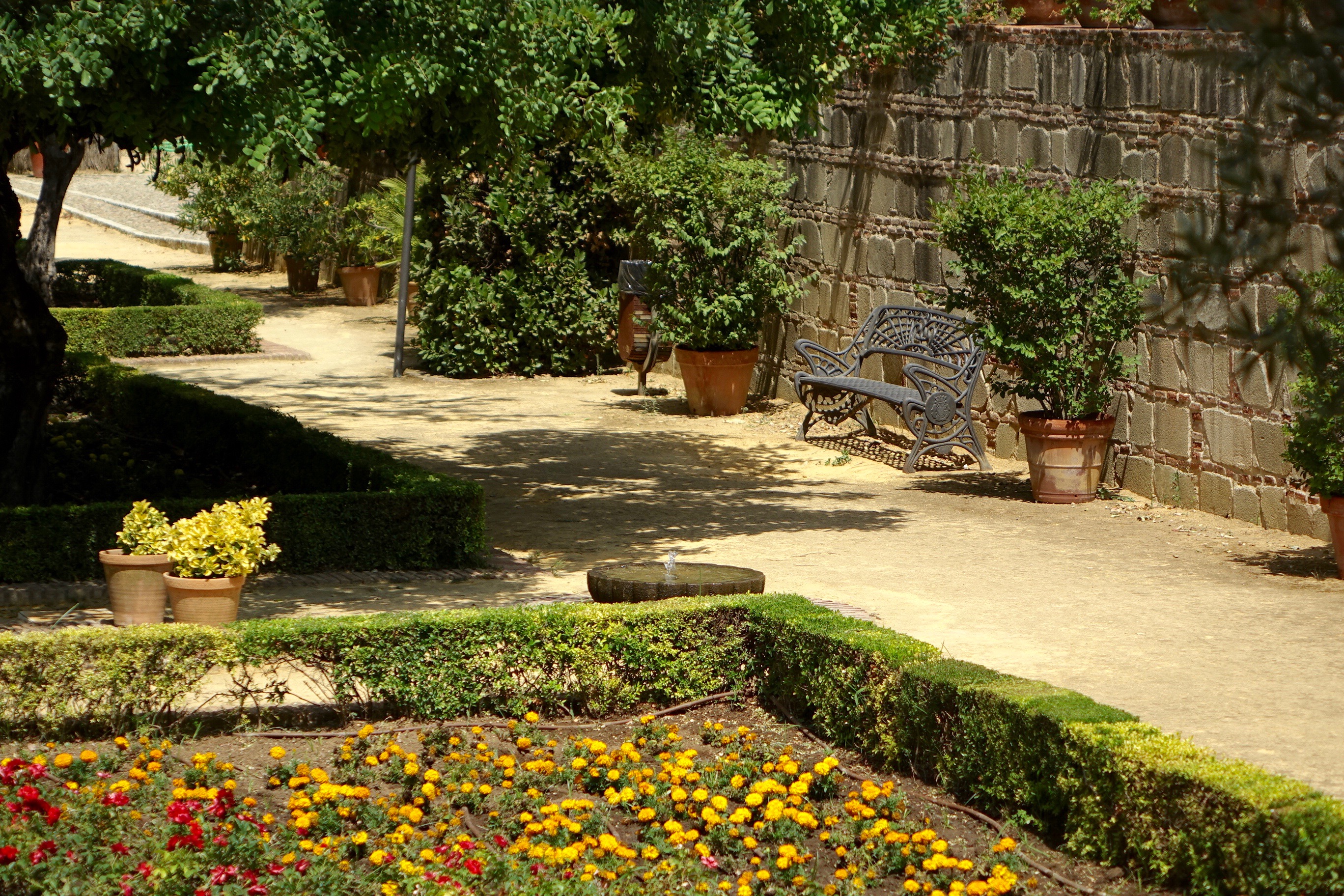
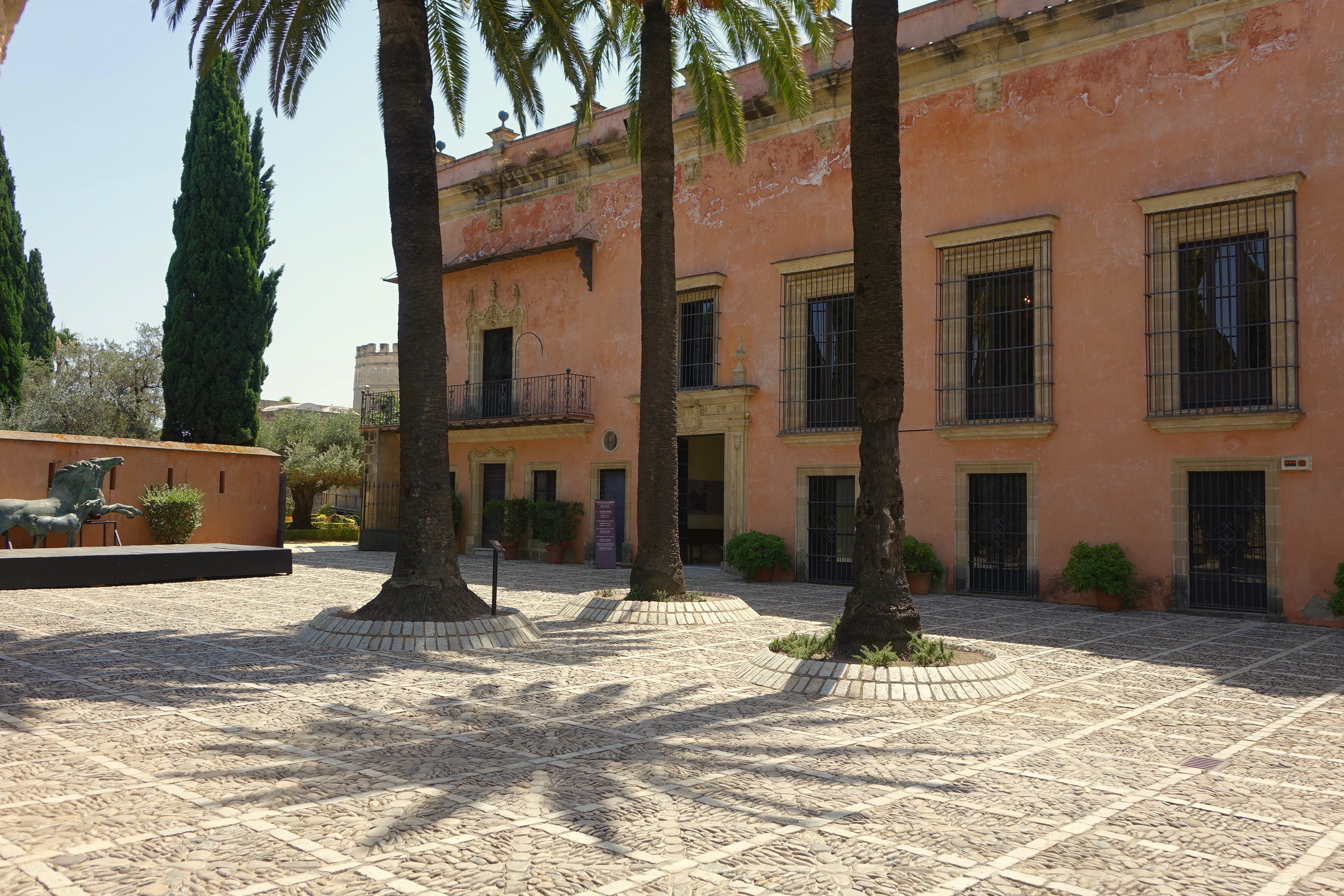
In putting together something of a Folio of images which capture the spirit of Jerez de la Frontera – the city of our current focus of The Daily Norm – I struggled to limit these to a single post. For lovers of Spain (like me), and in particular the visceral, emotionally impactful region of Andalucia (especially me), Jerez is a true exemplar. With its sherry bars, flamenco tablas, white washed houses and cobbled streets filled with barrel bar tables, grand fountains and grander women fanning themselves in the balmy shadows, a single shot from Jerez could be a postcard image for the whole region. So with the need to split my Folio in two, this first selection focuses in on the Alcázar and its surroundings. 

DSC06526DSC06461DSC06439DSC06427DSC06420DSC06451DSC06389DSC06373DSC06358DSC06437

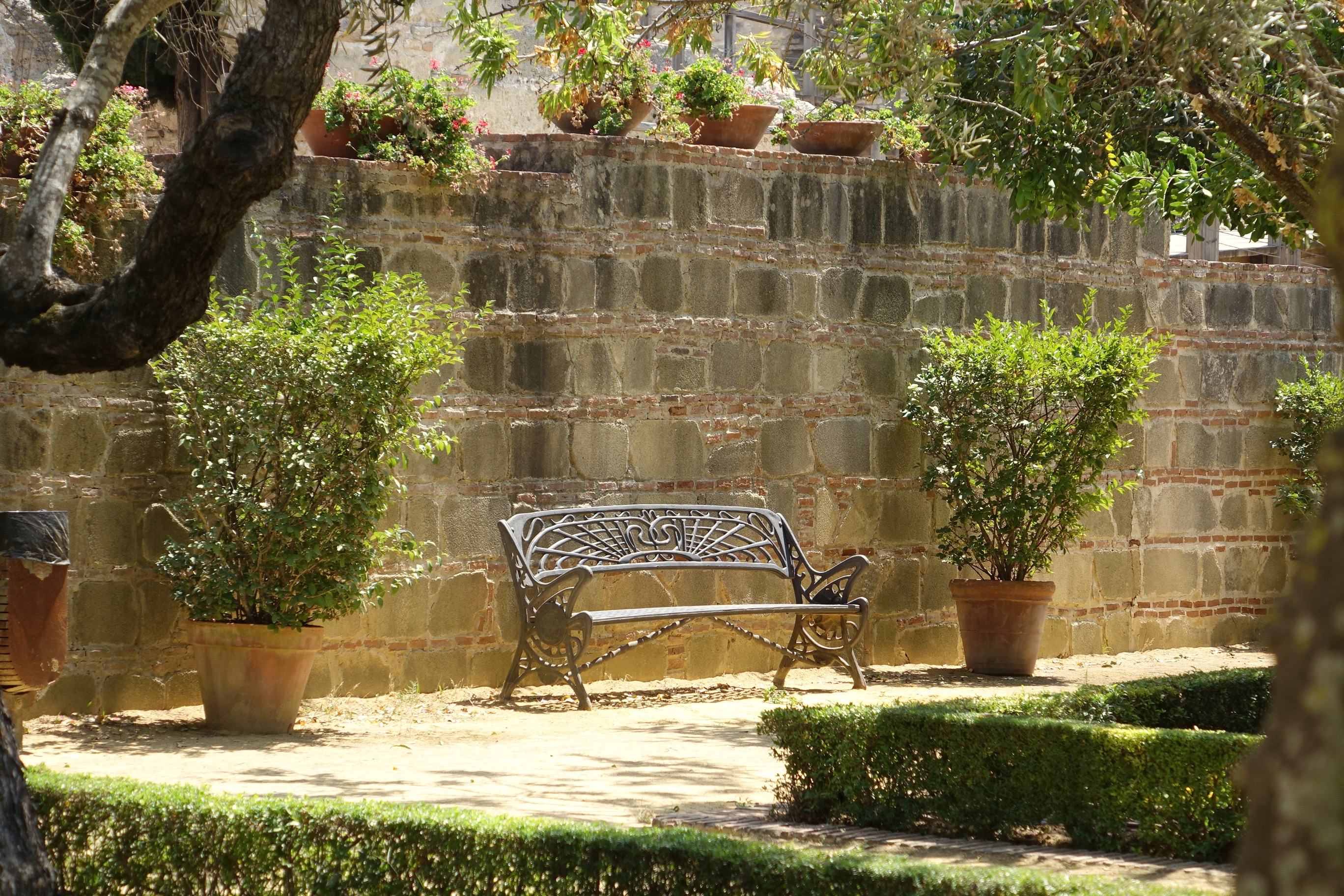
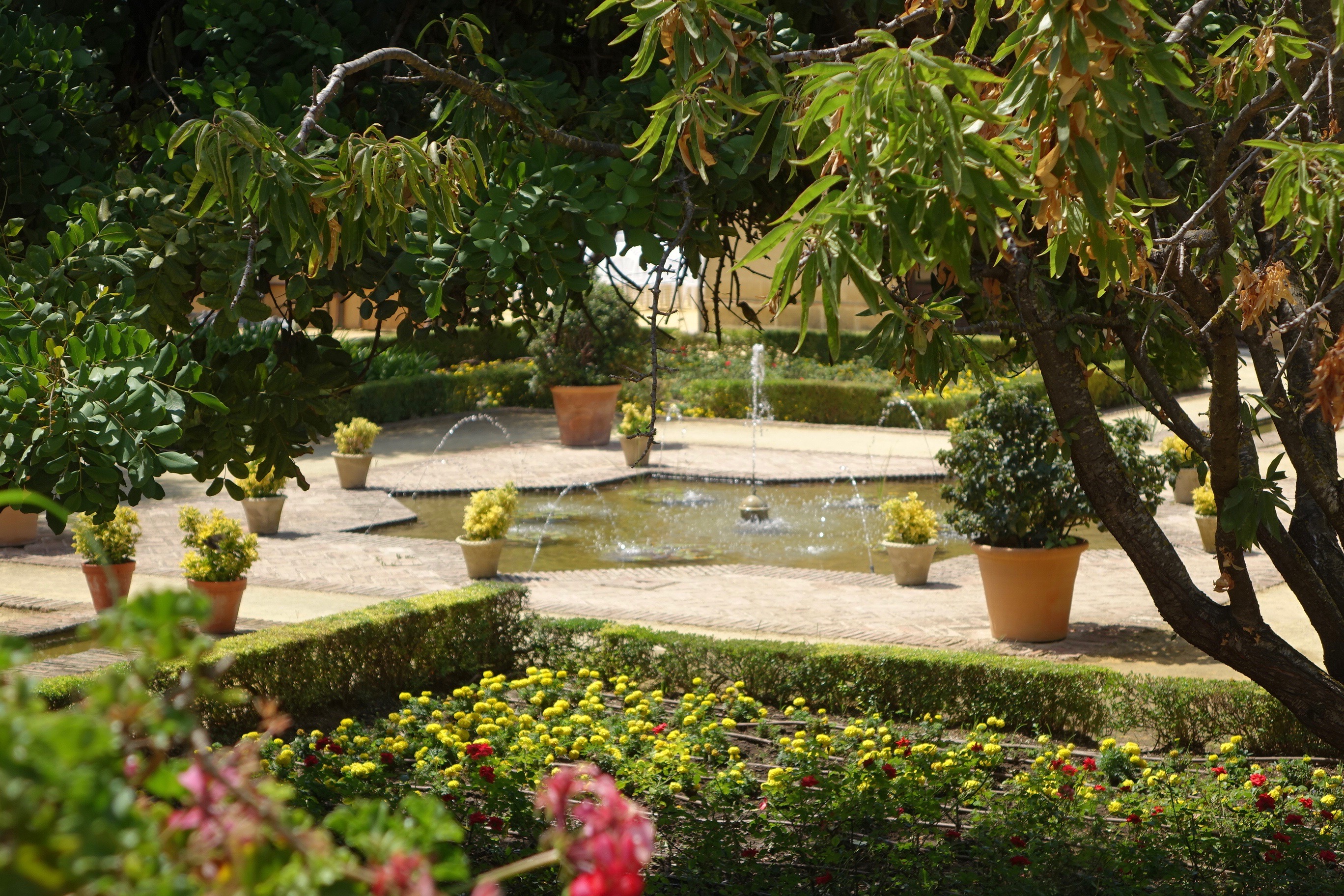
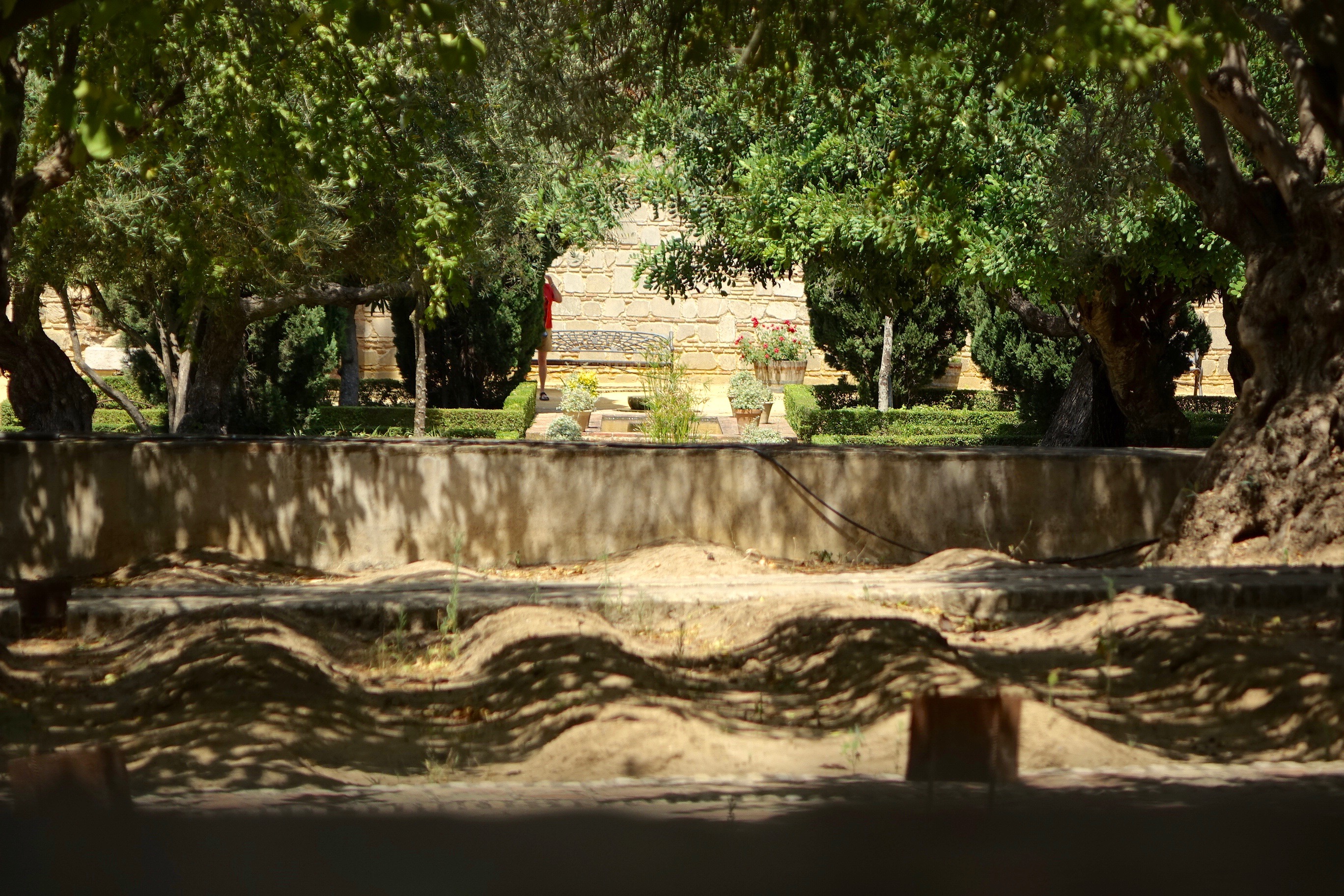
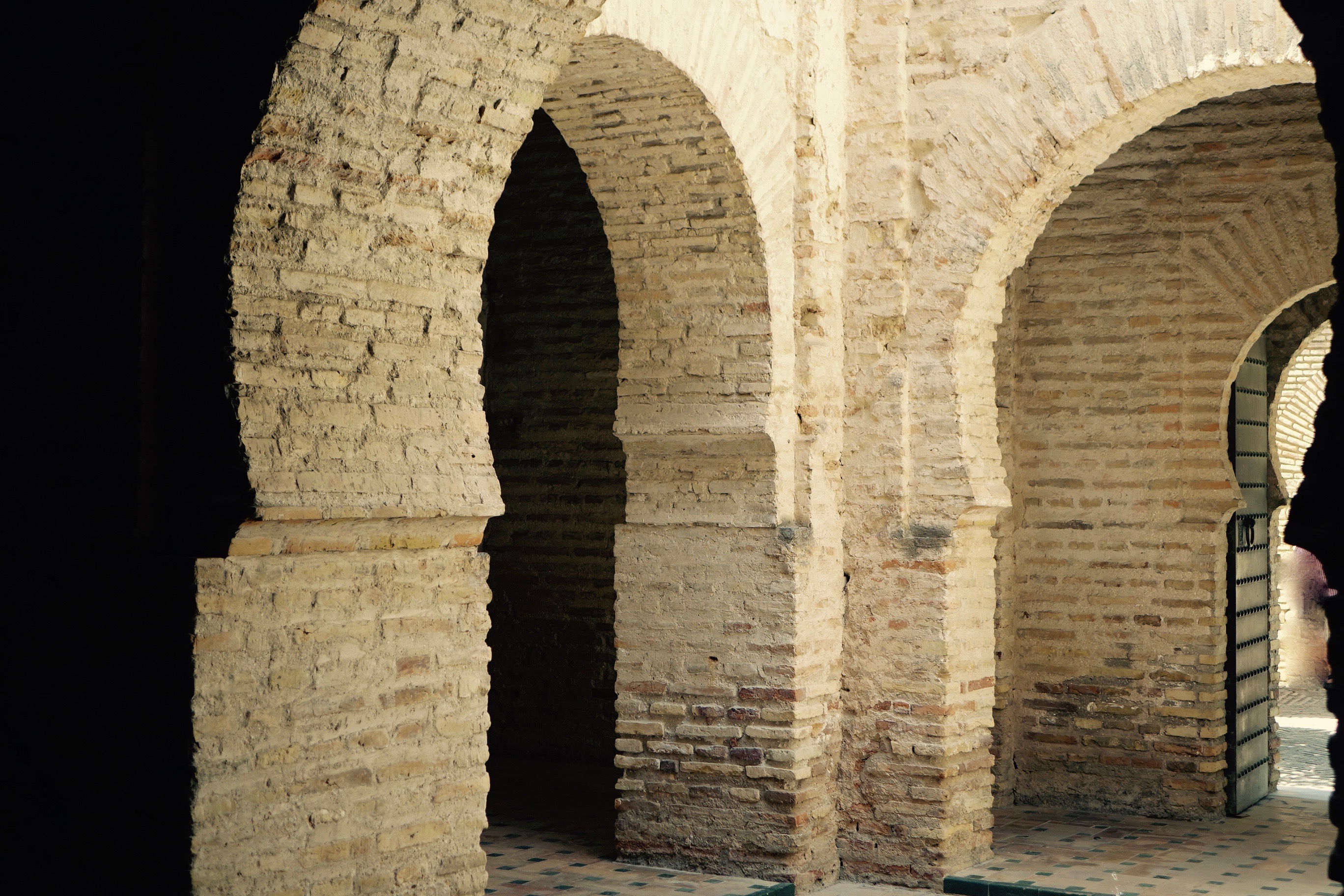
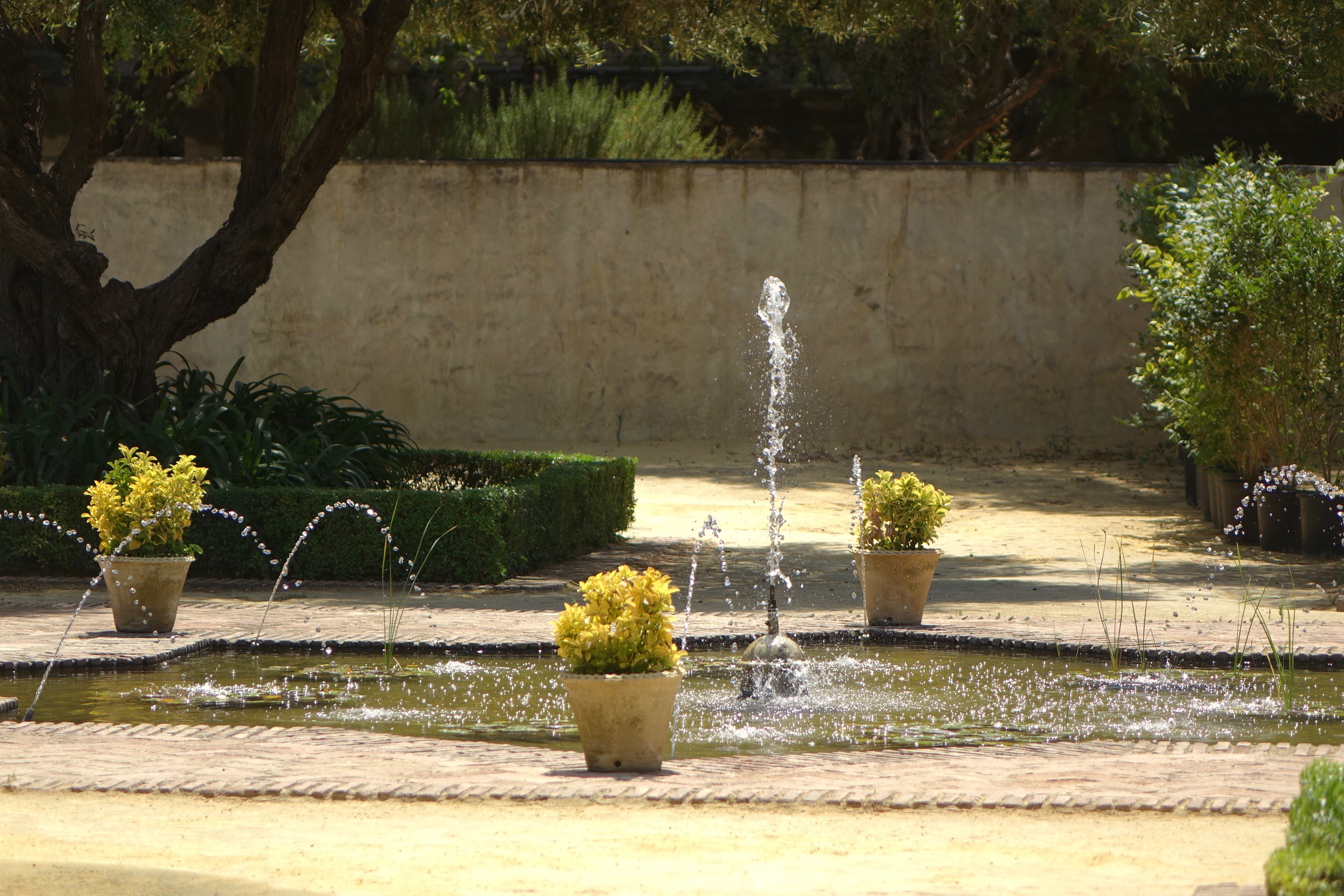
Any Andalucian city worth its salt will have an Alcázar or similar memorial to the region’s spectacular Moorish past. Rising in the 11th century, the Alcázar of Jerez bears all of the hallmarks of the time of Al Andaluz, with its horseshoe arches, trickling floor-level fountains, and a garden shaded with citrus trees and perfumed by jasmine. As per the intention of its Moorish creators, the gardens of these Arabic palaces are always the highlight of any visit, inviting the visitor into a slice of paradise on earth. Yet even this garden could not entice us in the 40+ degrees heat which coincided with our visit. No comfort could be found in the shade of those poor burning orange trees. We sought solace instead in the cavernous ancient baths with their blissfully darkened interiors and cool stone walls. 

DSC06353DSC06397DSC06352DSC06365DSC06383DSC06407DSC06403DSC06399DSC06440DSC06525

Heat aside, there is no doubting the beauty of Jerez’s Alcázar. Being relatively simple in design and largely rebuilt, it is no match for the glories of Granada’s Alhambra, but it resonates with a similar atmosphere of tranquility and meticulous balance. Beyond its fortress walls, the ancient city unfolds, and intoned in the same butterscotch colours, Jerez’s great gothic Cathedral rises spectacularly into ever-blue skies, while just beyond, against a landscape of patchwork fields and windmills, the great weather vane of the nearby Gonzalez Byass bodegas tells of another fortress for the modern age, built of row upon row of French and American oak barrels, containing that priceless nectar: sherry. 

DSC06473DSC06385DSC06446DSC06387DSC06395DSC06442DSC06361

© Nicholas de Lacy-Brown and The Daily Norm, 2018. Unauthorised use and/or duplication of the material, whether written work, photography or artwork, included within The Daily Norm without express and written permission from The Daily Norm’s author and/or owner is strictly prohibited.
Compendium // Jerez > Temples of Sherry

From Cádiz, we move (not so swiftly) on to Jerez de la Frontera, a city a mere 30 minute drive from Cádiz, yet falling under no shadow but its own in the notoriety stakes. For Jerez is a city with its own story to tell, not least in respect of the alcoholic beverage which very much put the city on the map and which is named after an Anglicisation of Jerez itself – Sherry. While inherently synonymous with its deeply authentic Andalucian feel, by its flamenco tablas and its famous dancing horses, few can deny the starring role which the city’s globally-recognised fortified wine has to play. Indeed, upon alighting at Jerez’s decorative blue and white tiled station, the first thing we saw beyond the train platforms was a large pile of sherry barrels, while in the air, every so often, we were greeted by the unmistakable waft of wine-soaked oak.
DSC06785DSC06749DSC06737DSC06757DSC06729DSC06733DSC06707DSC06695

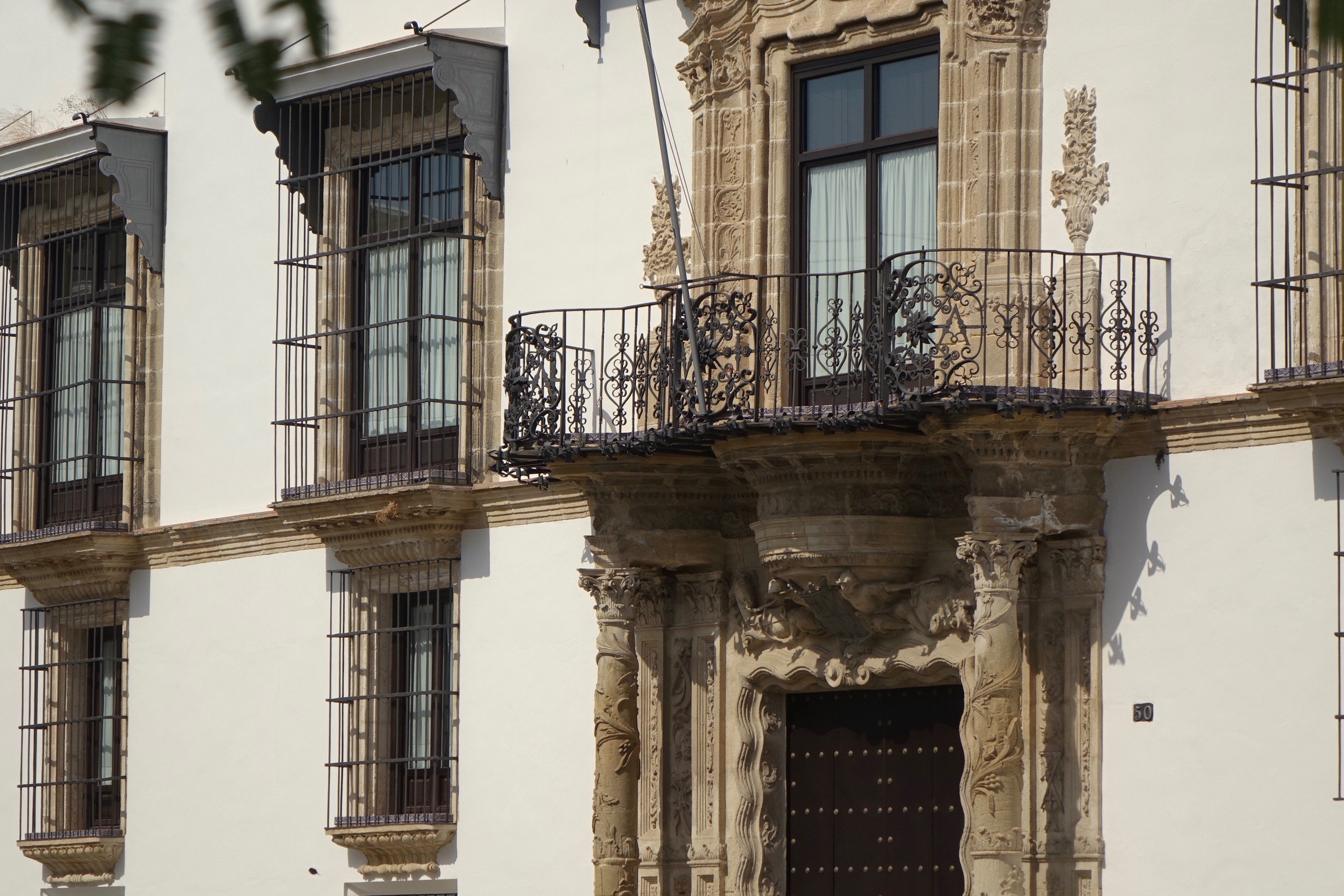
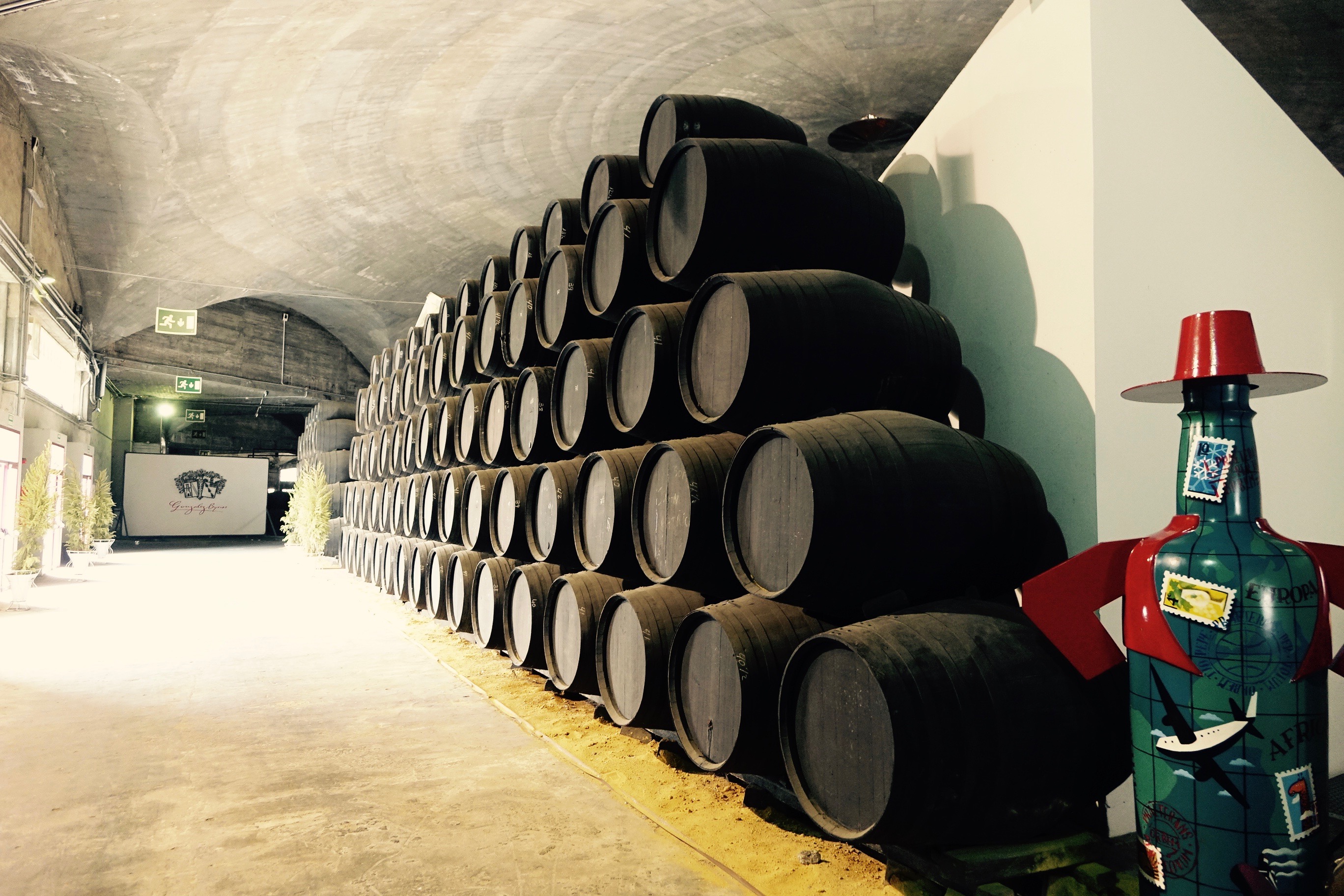
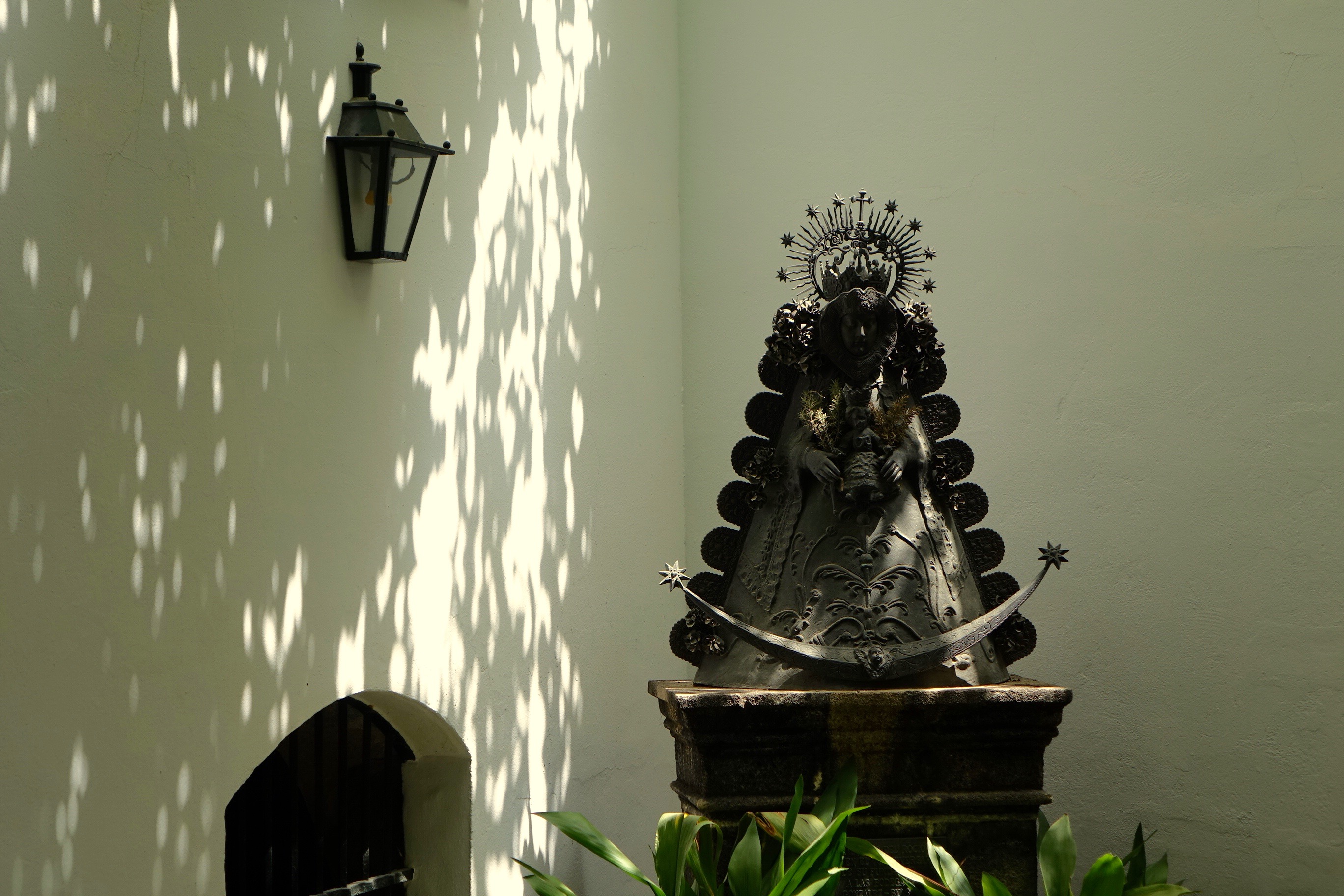
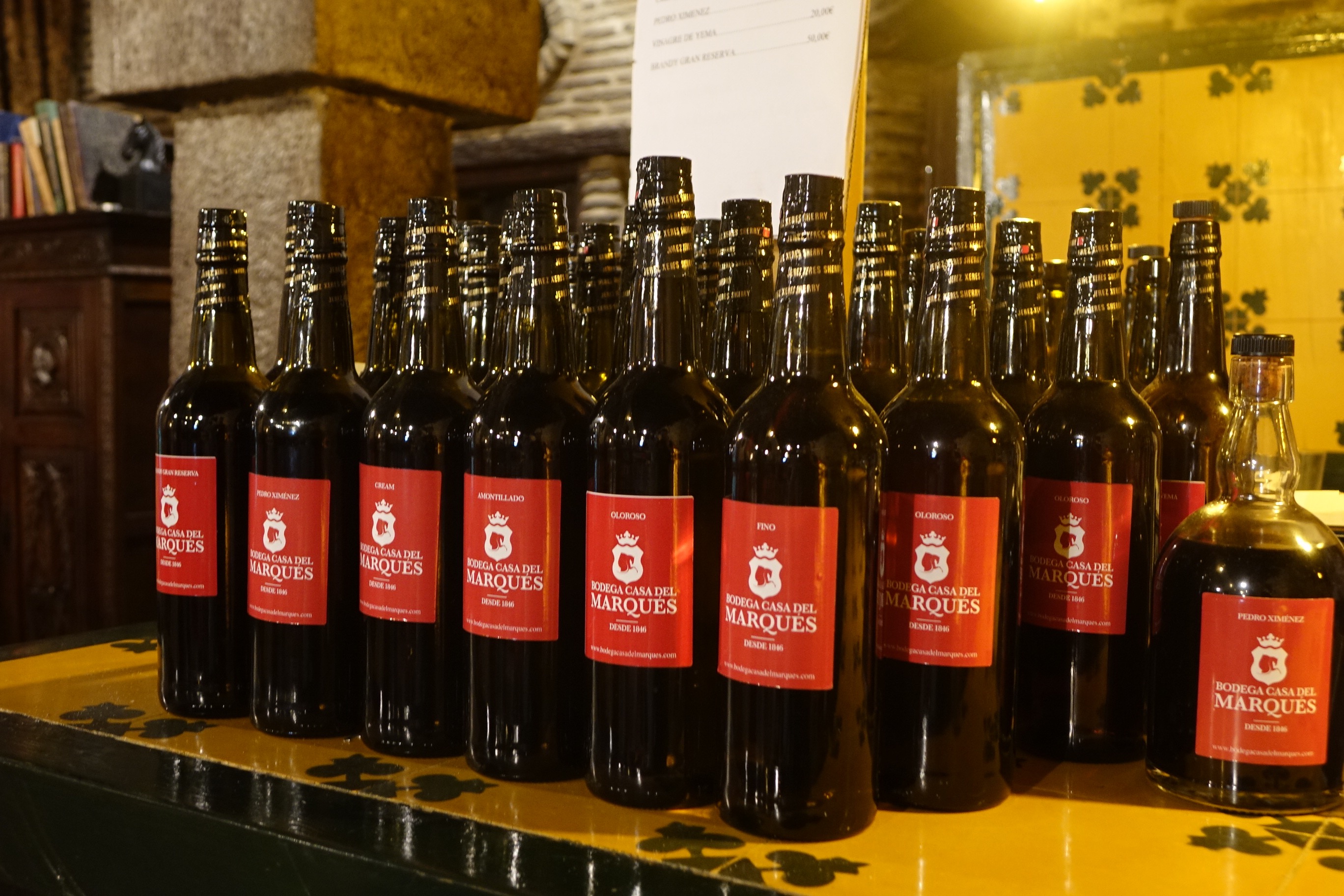
Our visit to Jerez coincided with searing, desperately intense heat. It was like an inferno, and no shade nor fountain could provide relief from the roasting thrust of temperatures in the mid-40s. Yet relief was to be had, in the dark shady vaults and cellars of the sherry houses and ancient bodegas peppered all over town, providing additional temptation to spend several hours indulging in the city’s favourite nectar. While our first taste of the amber wine was the homemade brand – Bodega Casa del Marques – whose bodega adjoined our hotel (the Casa Palacio Jerezana) and where we had a very special one-to-one tasting with the proprietor on the night of our arrival, the second encounter was with easily the most recognisable sherry brands of them all – Tio Pepe.

DSC06570DSC06720DSC06706DSC06727DSC06724DSC06739DSC06736

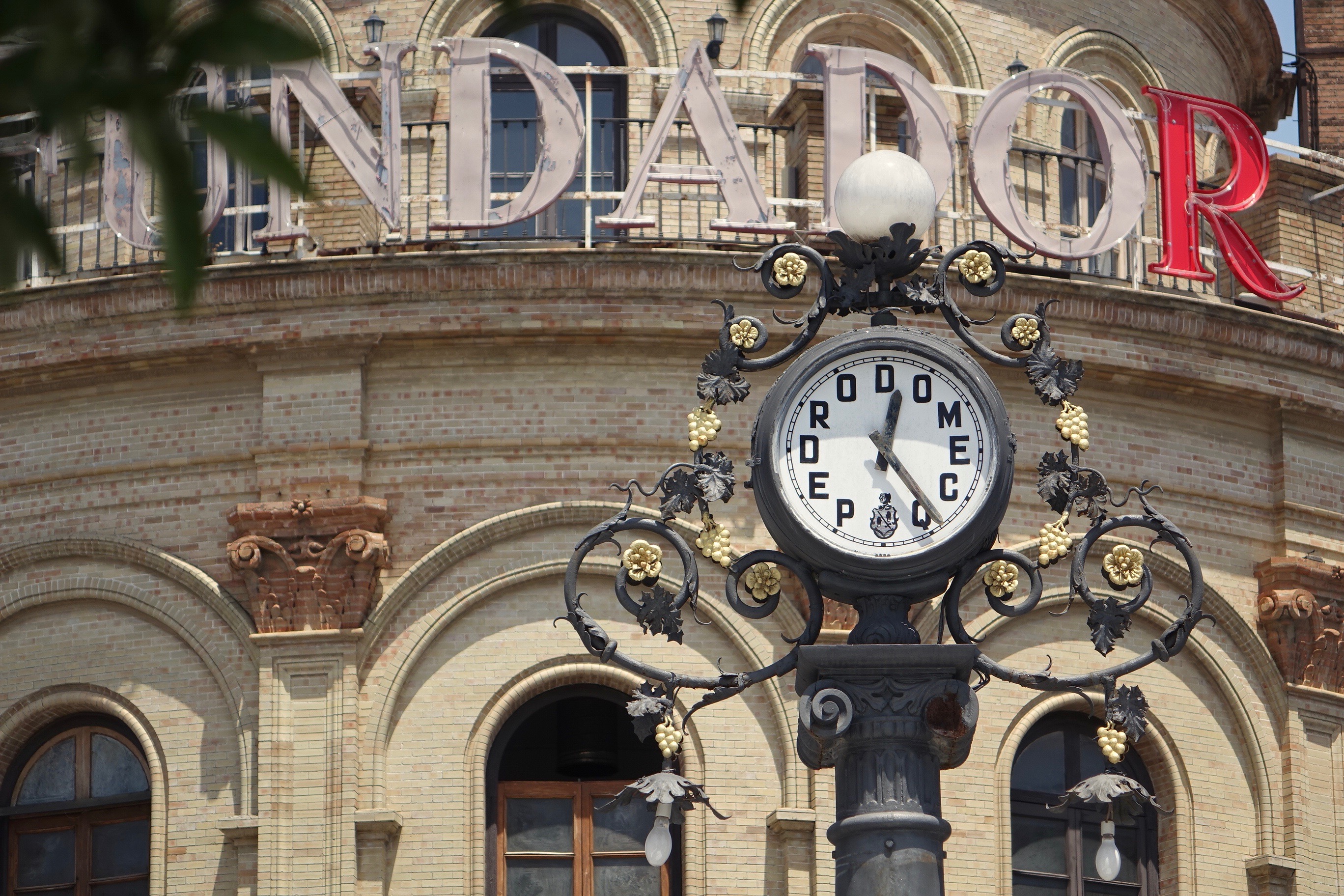
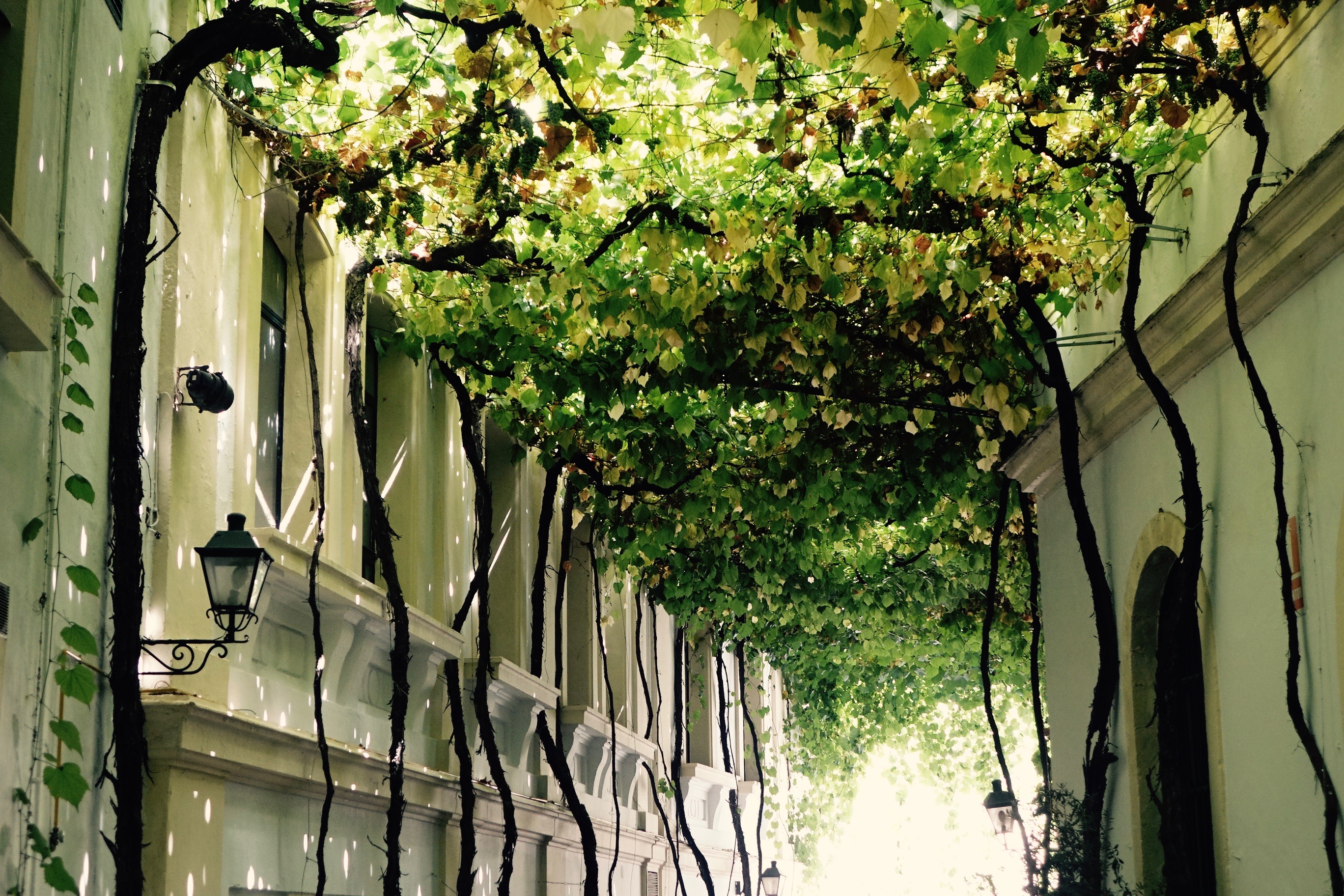
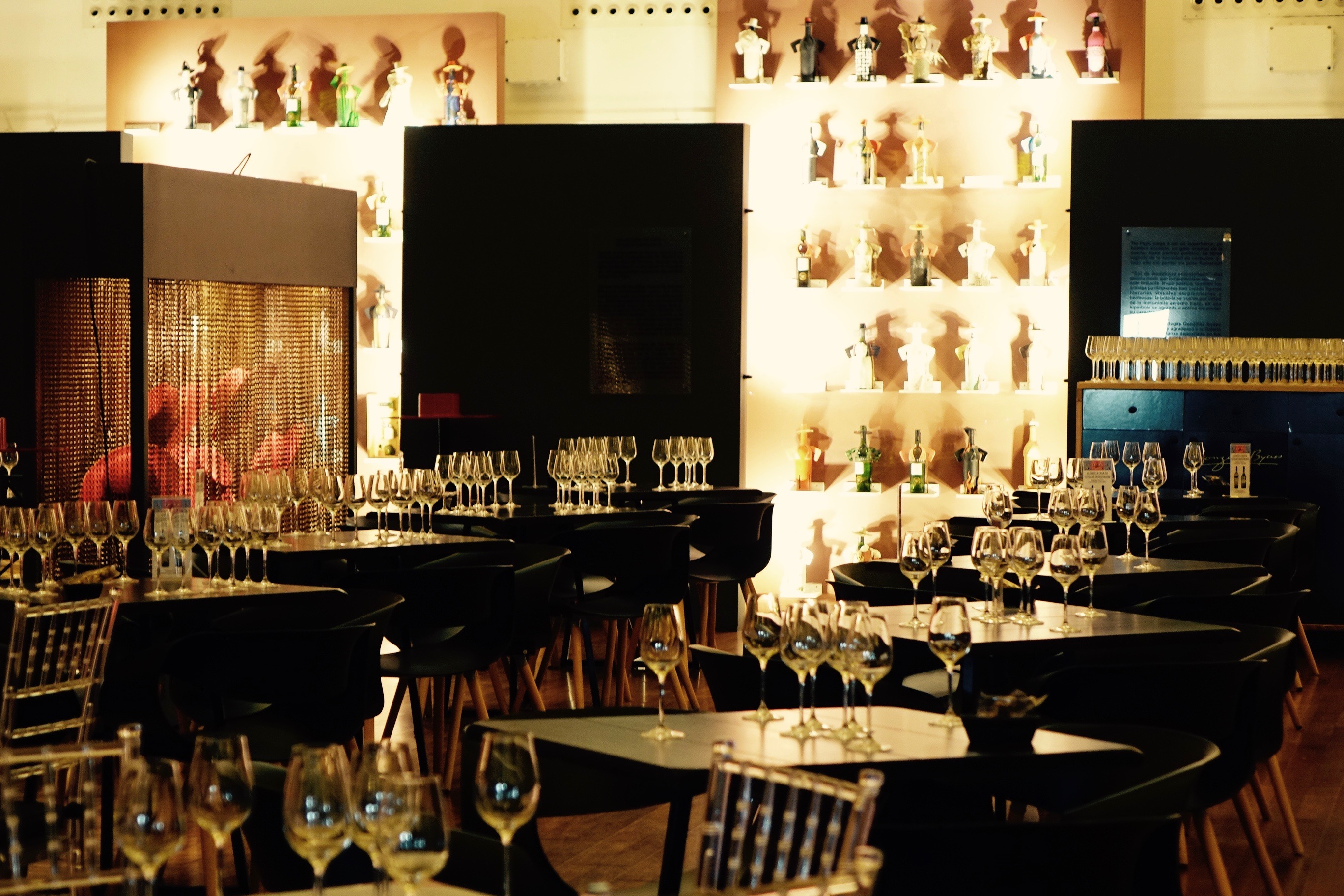
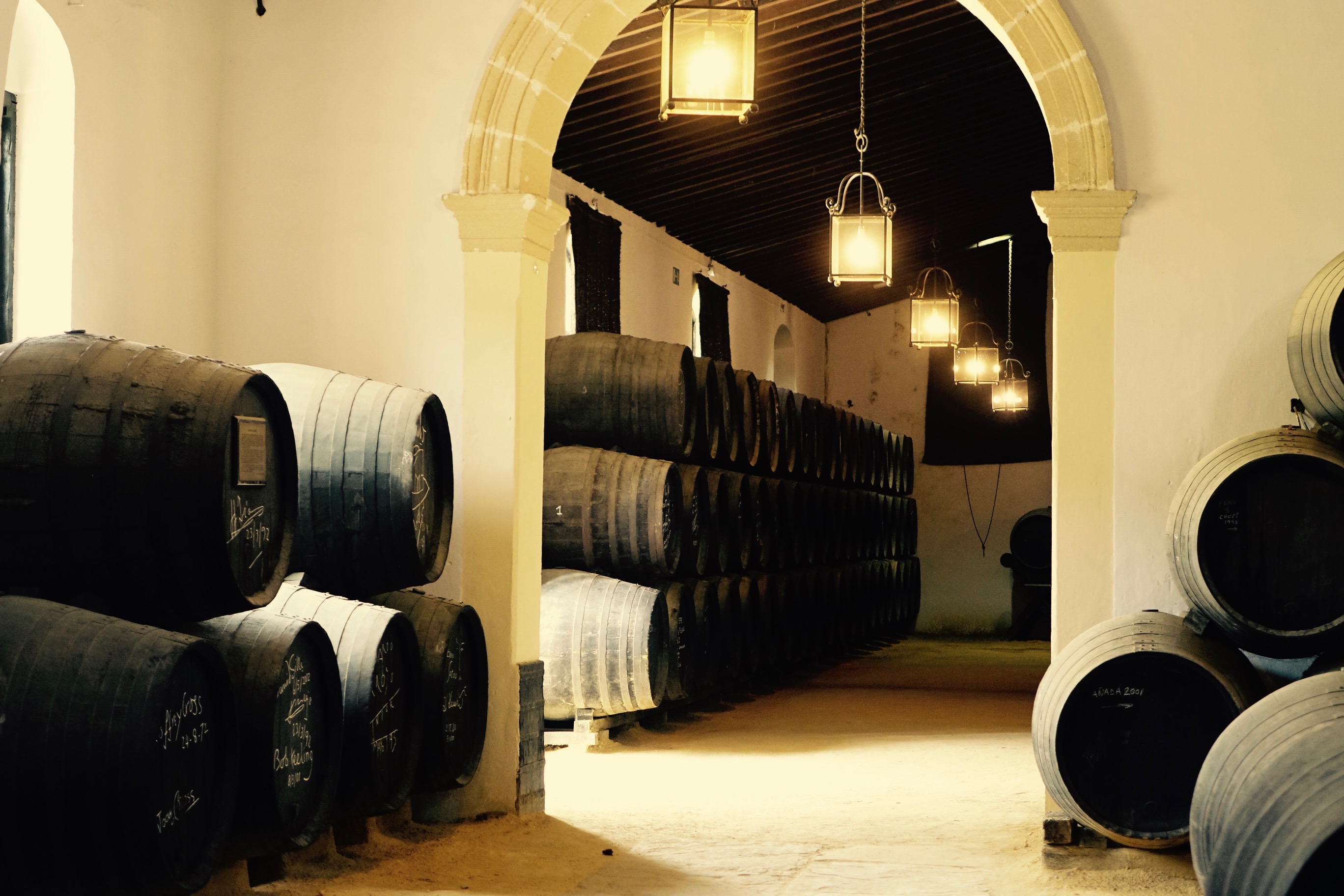
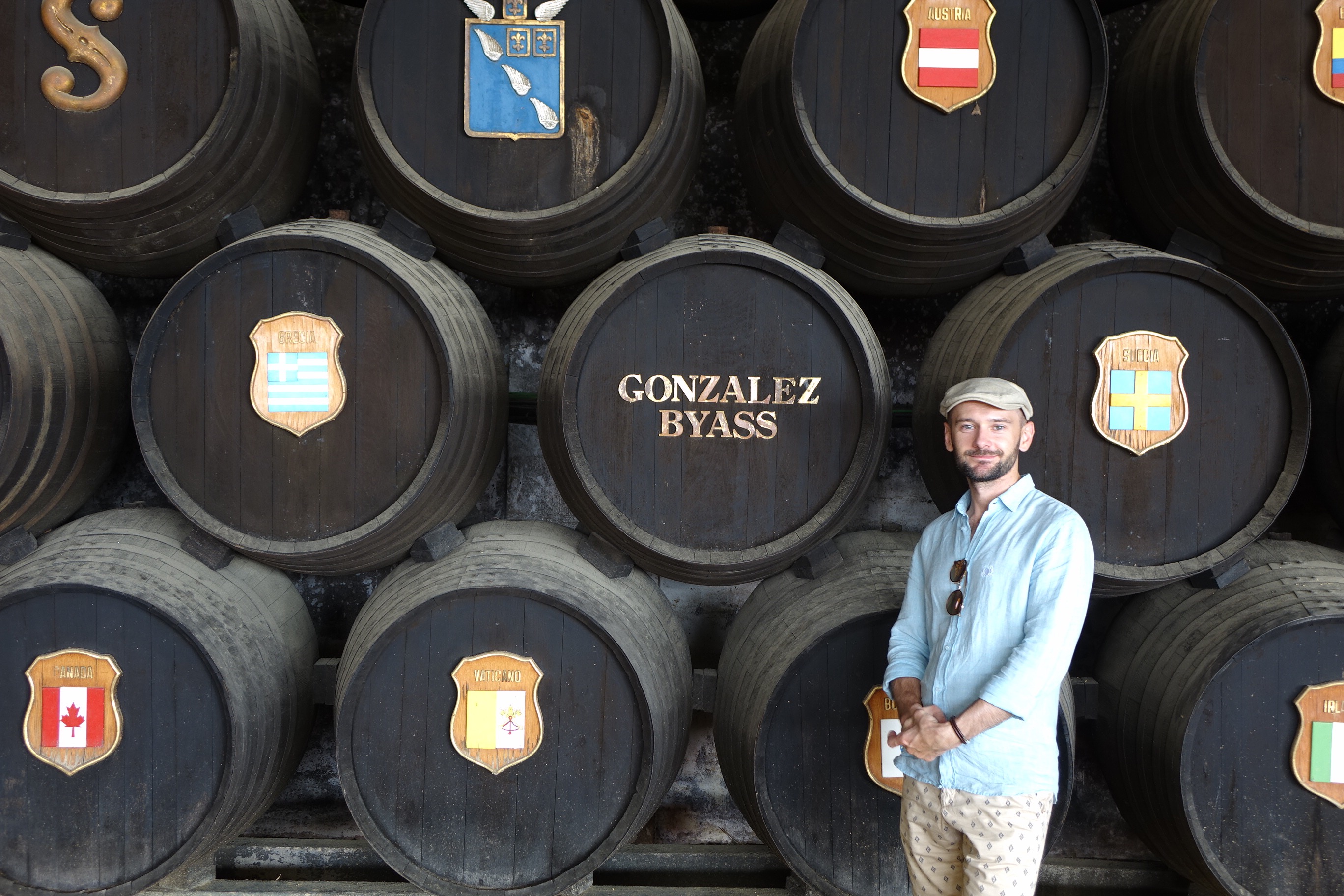
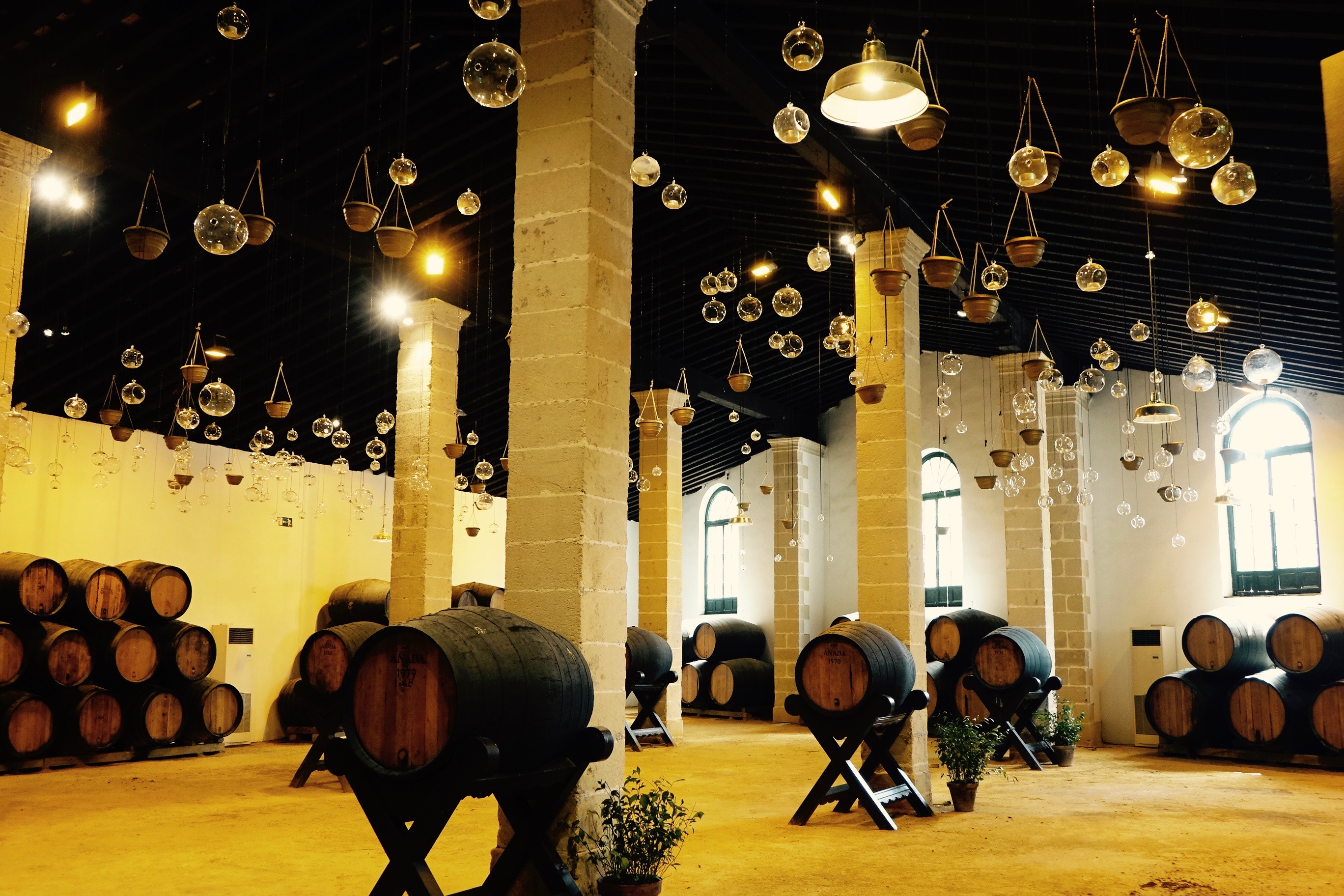
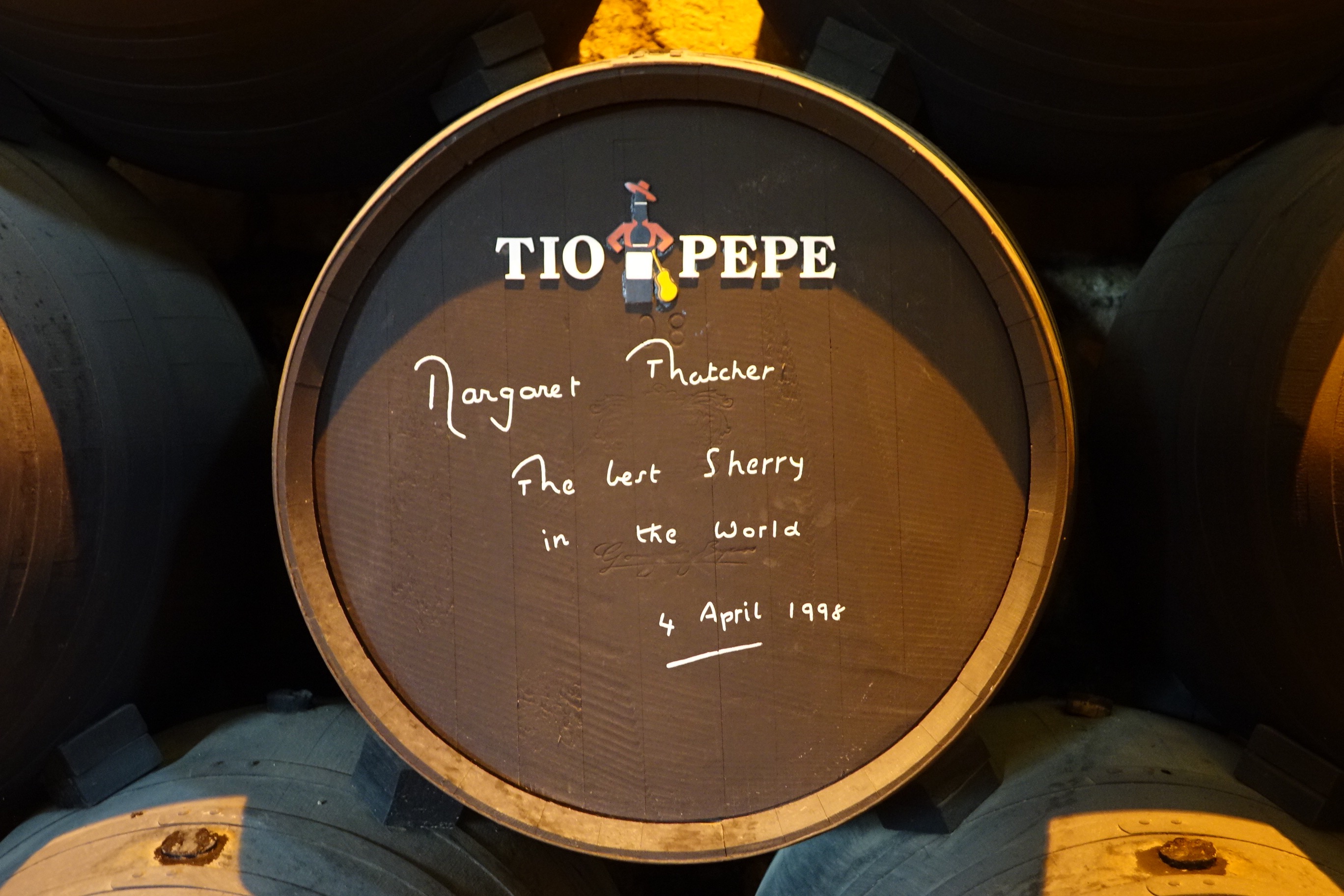
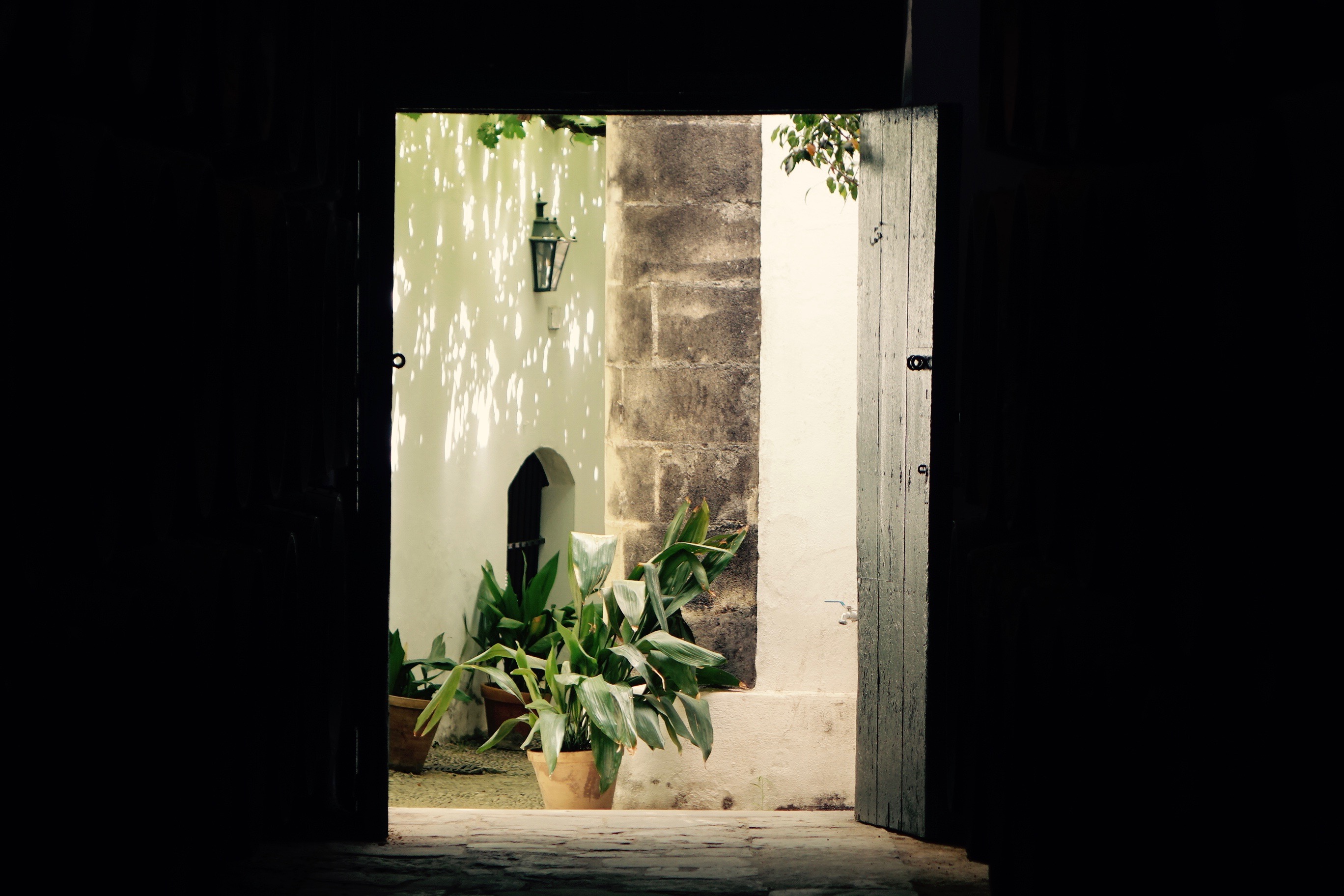
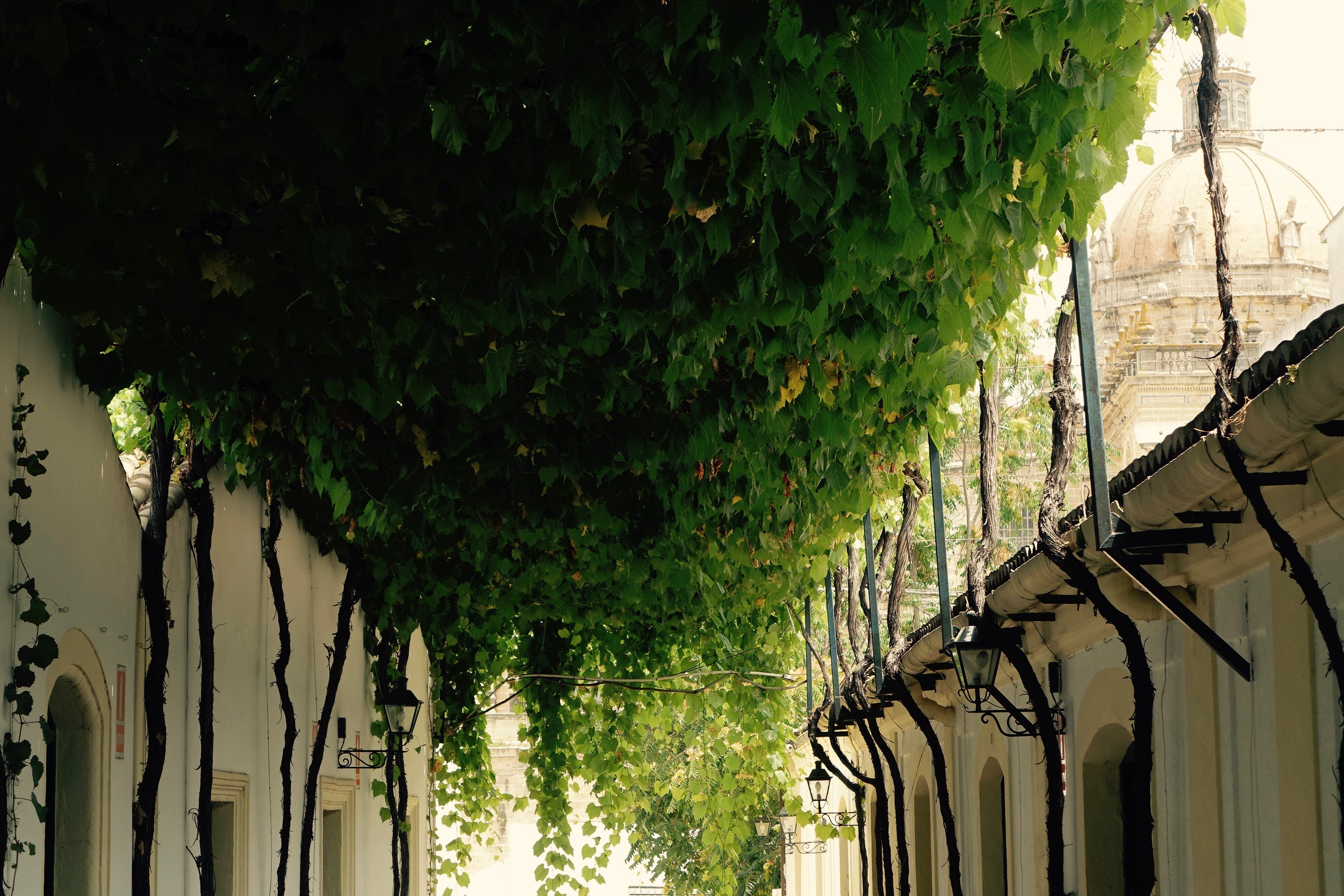
With its charismatic logo, a bottle decked in red sombrero, matching jacket and guitar, Tio Pepe is just as common on a supermarket shelf in London as it is in Jerez. But in the Bodegas of Gonzales Byass (proprietors of the brand), we were able to appreciate like never before the scale of this global operation. Stretching across acres of land in the very centre of the city, the bodega tour (which owing to distance covered included a ride on a Tio Pepe-red trenino) was an education for even the most familiar of sherry connoisseurs. From mammoth vaults storing countless hundreds of wine-stained barrels, to shady courtyards covered with vines, the Bodega exhibited something of the unreal in its atmosphere of calm but industrious production imbued with a winey perfume and a debonnair flair. There was also plenty of proof that we were not alone in visiting this flagship bodega – barrels signed by countless celebrity visitors were in evidence across the site, including the signature of Margaret Thatcher, Prince Philip and Jean Cocteau.

DSC06783DSC06732DSC06760DSC06742DSC06743DSC06754DSC06746

A sherry connoisseur I cannot claim to be, so the tasting at the tour’s climax, with its introduction to the different grades of dry Finos and Manzanilla, complex Amontillado and Oloroso, rounded and nutty Palo Cortado and sweet Cream and Pedro Ximénez, was a true highlight. Dangerous though. Intoxicated by the heady mix of sherry varieties, the passage through the gift shop to the exit proved to be a taxing experience, something which had no doubt been planned by the tour organisers. But now that I am back in London, that swiftly purchased bottle of Palo Cortado has the immediate and tangible power to transform us back to those delightfully cool, intoxicating bodegas. The must-do destination of any visitor to Jerez. 

DSC06564DSC06762DSC06711DSC06688DSC06701DSC06681DSC06569

© Nicholas de Lacy-Brown and The Daily Norm, 2018. Unauthorised use and/or duplication of the material, whether written work, photography or artwork, included within The Daily Norm without express and written permission from The Daily Norm’s author and/or owner is strictly prohibited.