Skip to content

Posts tagged ‘Review’

Art in London (Part 1): Calder’s Mobiles

London is alive with some truly exciting artist retrospectives at the moment, each of them tending to focus on a particular aspect of their creative output. In the National Gallery, the portraiture of Goya is the focus of a major show, and likewise in the National Portrait Gallery where Giacometti and his drawings are the stars. Meanwhile, over the river in Tate Modern, a retrospective of Alexander Calder focuses on the works which surely made him famous…sculptures which dance, perform and are always on the move: his mobiles. 

It’s strange to imagine a world where the mobile, that innocuous moving collection of animals and stars hanging above every respectable baby cot, did not exist. But it was Calder who actually invented this type of sculpture, long before it ever became a favourite of the child’s bedroom, and in doing so Calder showed himself to be one of the first ever proponents of performance art, something which is now such a staple of contemporary art spaces across the world.

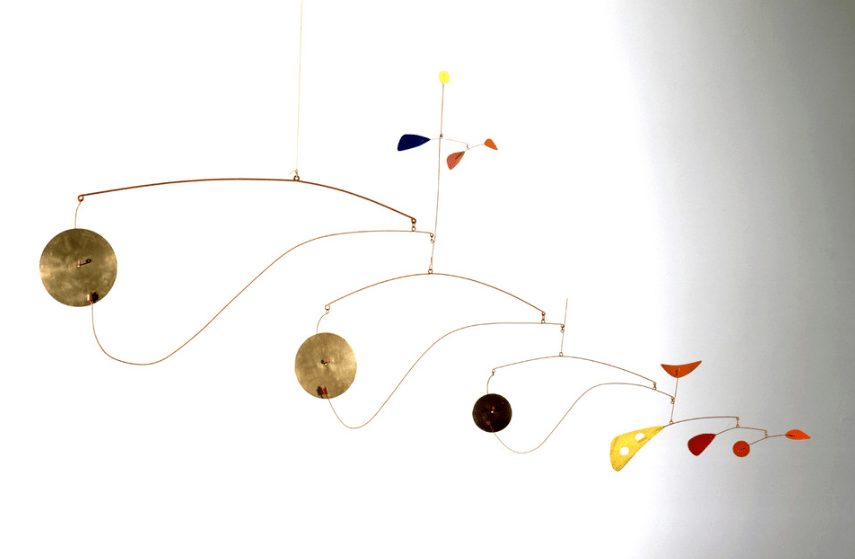
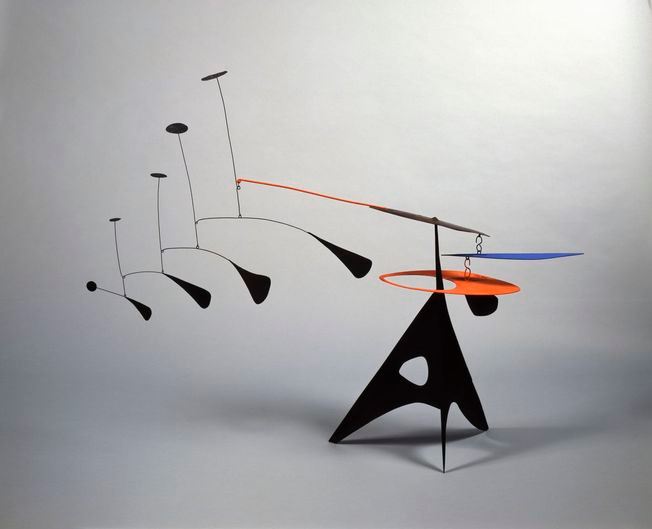
Mobile2

Triple Gong, 1948 (© 2015 Calder Foundation, New York / DACS, London)

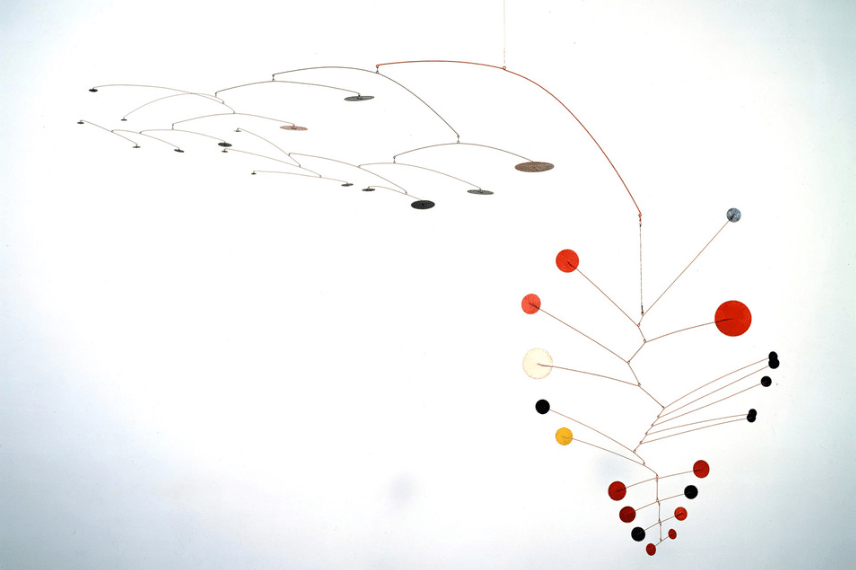
Untitled

Untitled, 1963

Mobile3

Gamma, 1947 (© 2015 Calder Foundation, New York / DACS, London)

In creating the mobile, Calder was looking for a work which moved, and evolved. At first his moving sculptures were controlled, either in the form of puppets which would perform in his own Calder Circus Shows (the likes of which were visited in Paris by some of the biggest names of the 20th century art world), or those carefully choreographed by a series of connected motors and pulleys. But the true mobile, the freely moving construction based on a series of shapes, wires and strings, was created in response to Calder’s desire to free abstraction, and for the bold shapes and colours which he had seen in the likes of Mondrian’s tightly structured geometric works to move about without constraint.

And so were born the sculptures for which Calder became synonymous, and which have cropped up in some of the most culturally enriched open public spaces in the world, including here in Palma de Mallorca, and of course that sensational mobile left by Calder himself by the poolside at the Colombe d’Or Hotel in St. Paul de Vence.

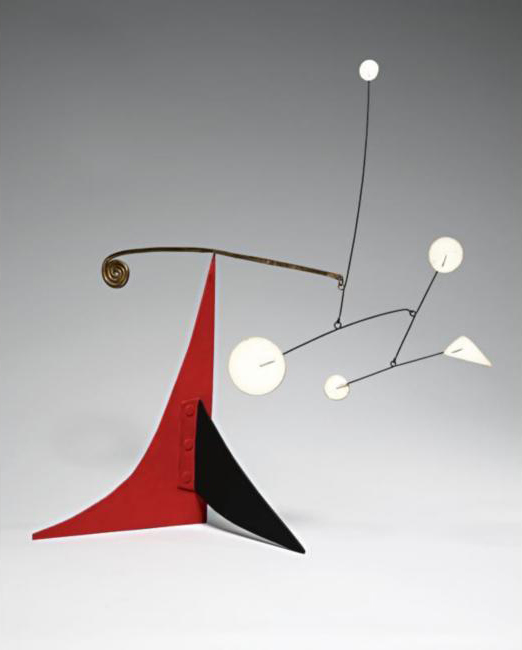
Calder5WhiteBrassSpiralalexandercalder12Standing mobile

For me, ever so fascinated by the mobiles of Calder, this was truly an exquisite show. I wandered between the mobiles entranced by the poetry in their movements; by the constant slow flow and turns of the wire arms whose many delicate branches create an ever changing and unpredictable dance. And beyond the mobiles, the secondary most beautiful vision were the shadows created on the walls, themselves moving, creating the most beautiful abstract art, albeit free and transitory as Calder would have wished.

It’s a unique opportunity to see so many of Calder’s greatest works in one place, and to understand the revolutionary journey, from canvas to moving mobiles, which prompted him to create these most oscillatory of sculptures.

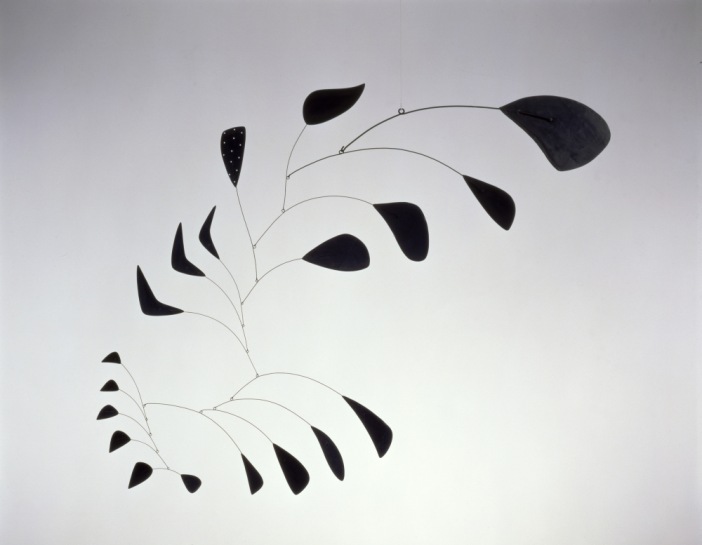
calderverticalfoliage

Vertical Foliage 1941(© 2015 Calder Foundation, New York / DACS, London)

Mobile 4

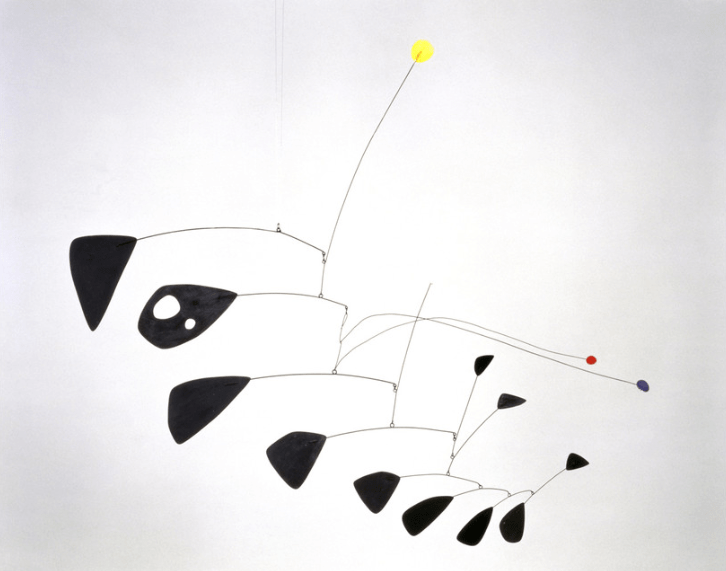
Mobile1

Antennae with Red and Blue Dots, 1953 (© 2015 Calder Foundation, New York / DACS, London)

Alexander Calder, Performing Sculpture is on at Tate Modern, London, until 3 April 2016.

On the trail of S’Arxiduc (Part 2): Monestir de Miramar

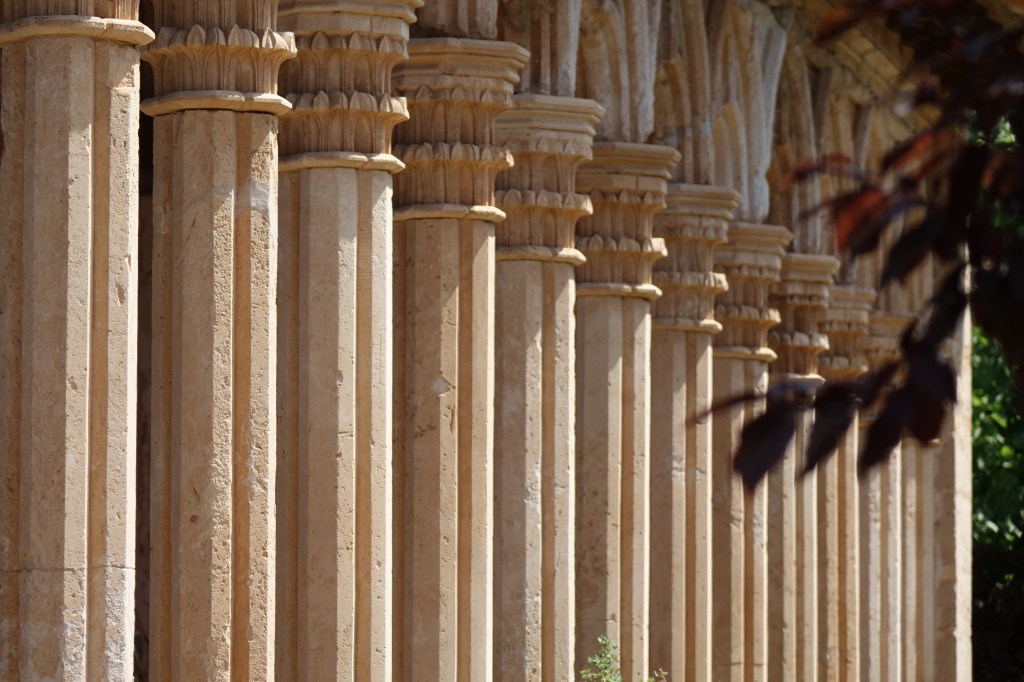
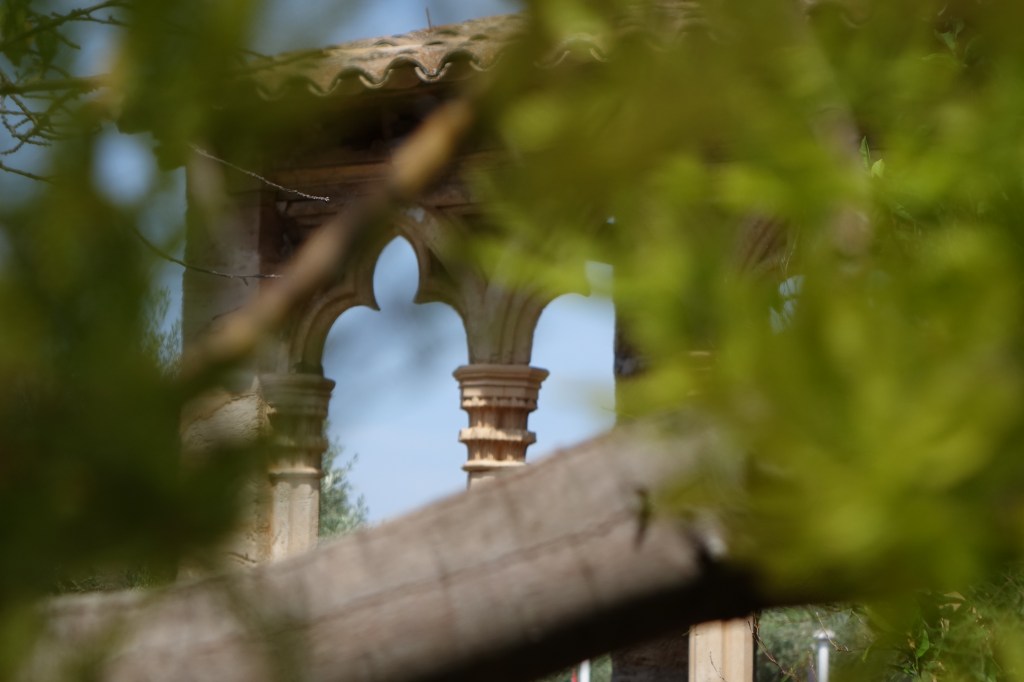
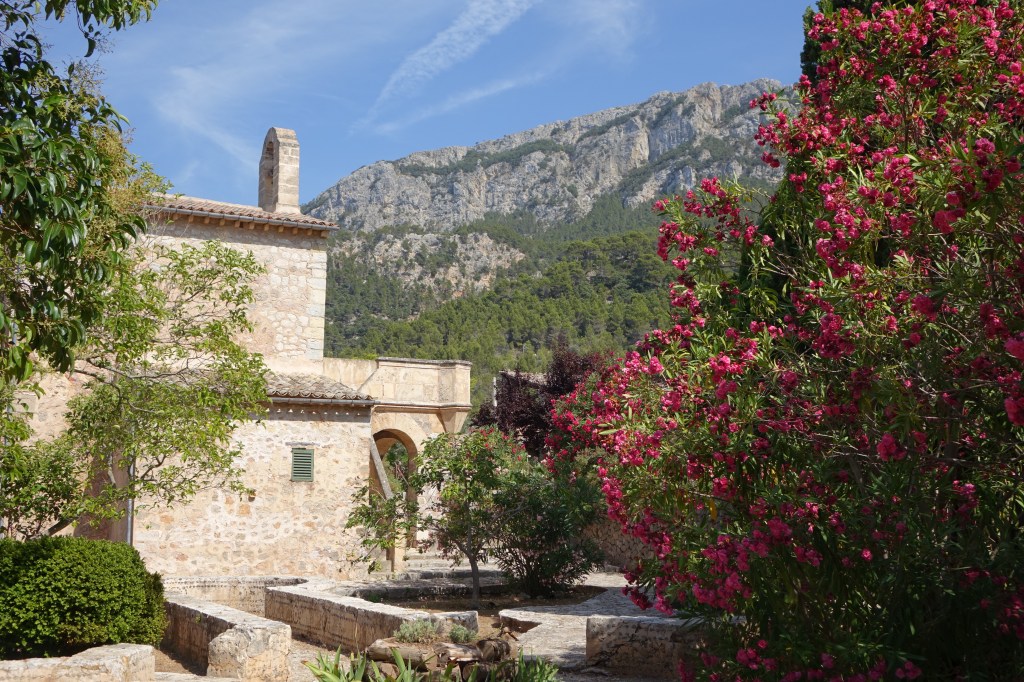
Following on from our visit to Son Marroig, our tour of the Deia coast on the trail of S’Arxiduc, the Archduke Ludwig Salvador, took us back towards Valldemossa and to the Miramar Monastery. Contrary to the name, there is very little left of the 13th Century monastery which once stood on the site, other than one length of what must have been a stunning cloister, now to be found almost floating amidst a garden full of flowers. However what was left of the monastery was purchased by the Archduke in 1872 when he fell head over heels in love with the coast, and there he converted the site into another of his great coastal houses.

The old monastery, the house an its gardens

DSC00206 DSC00217 DSC00353 DSC00250 DSC00226 DSC00202 DSC00218 DSC00264 DSC00356 DSC00262

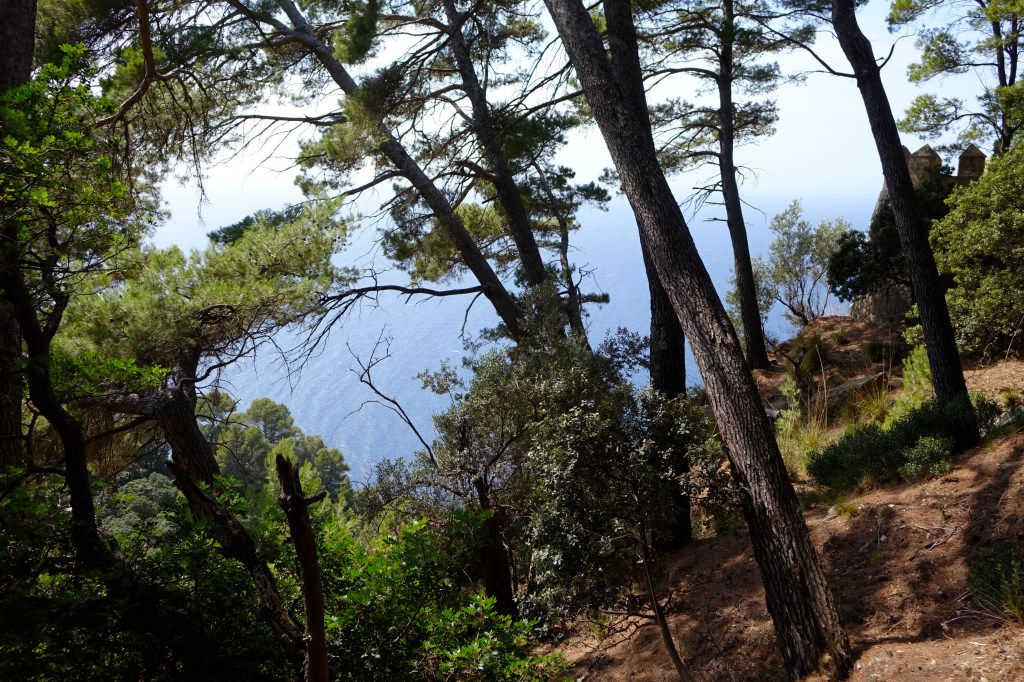
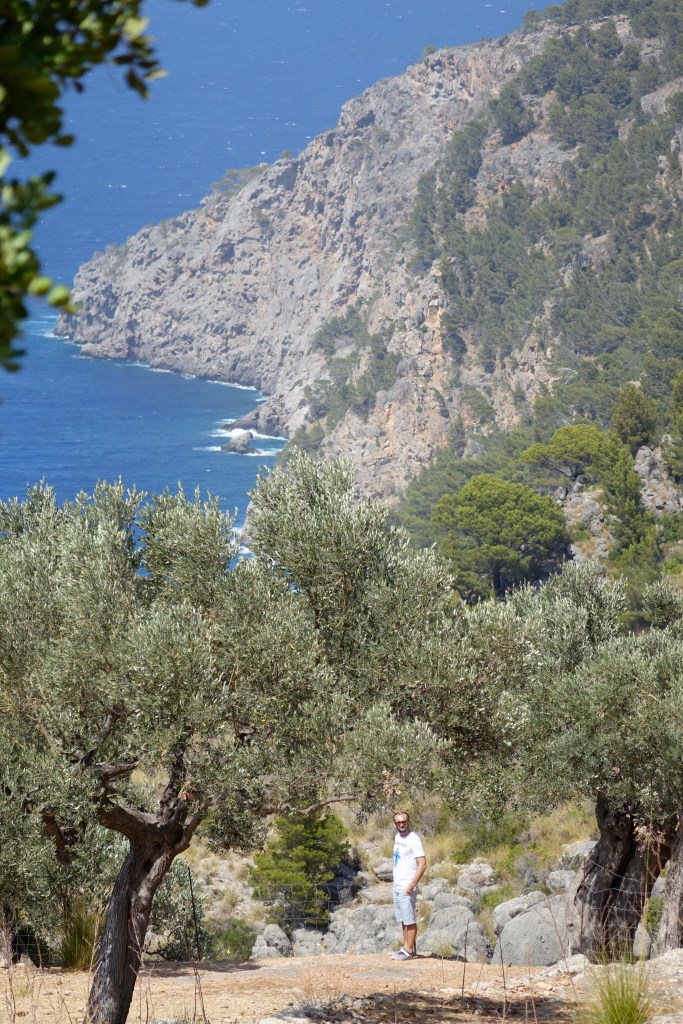
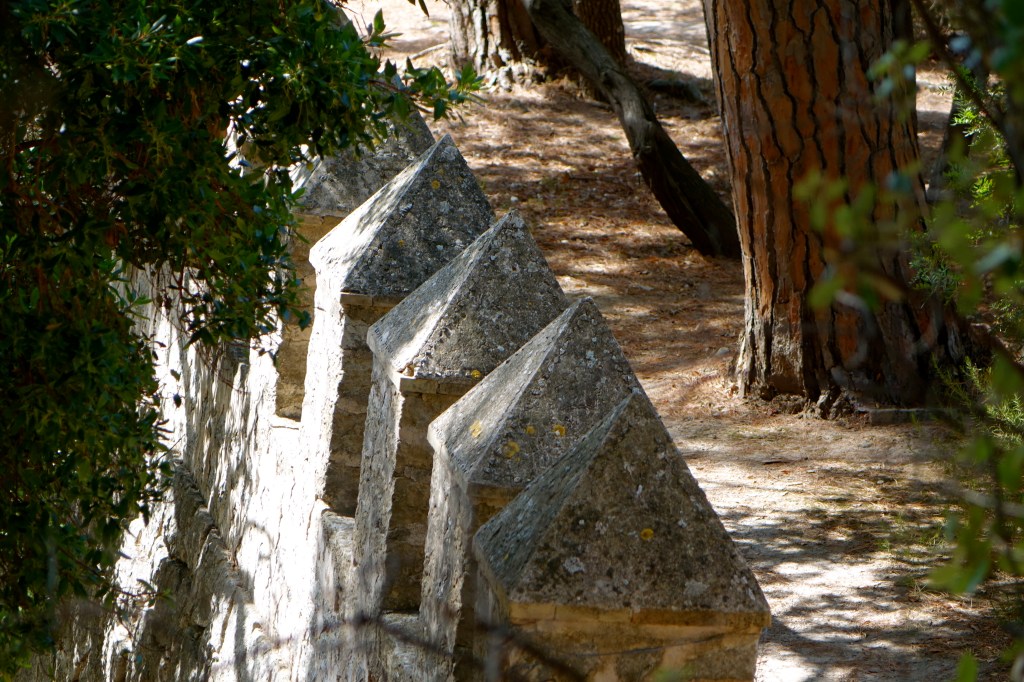
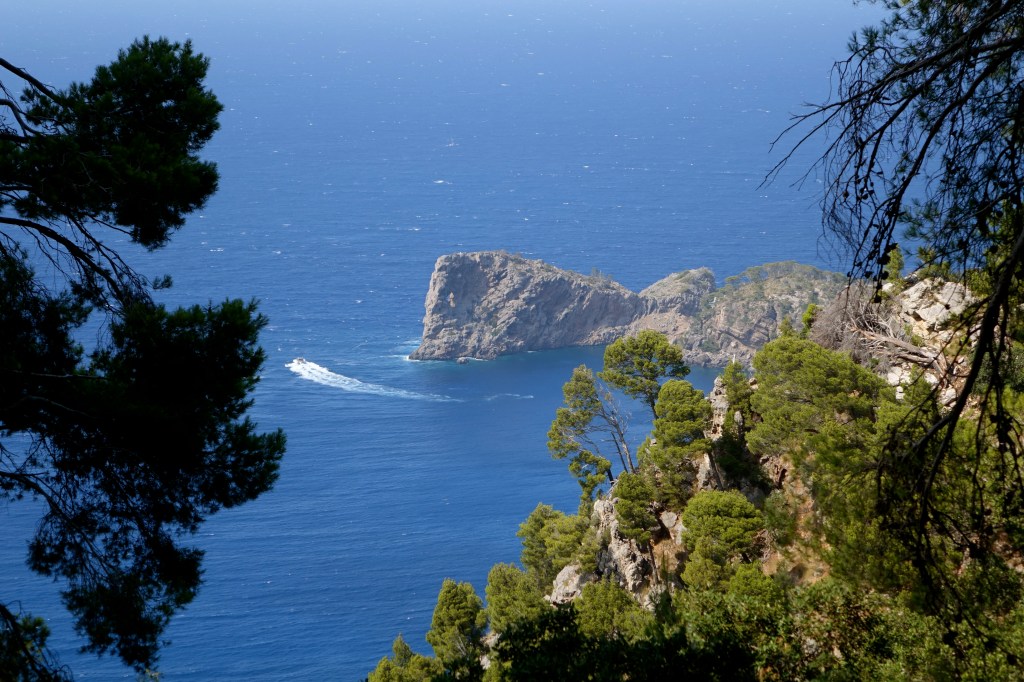
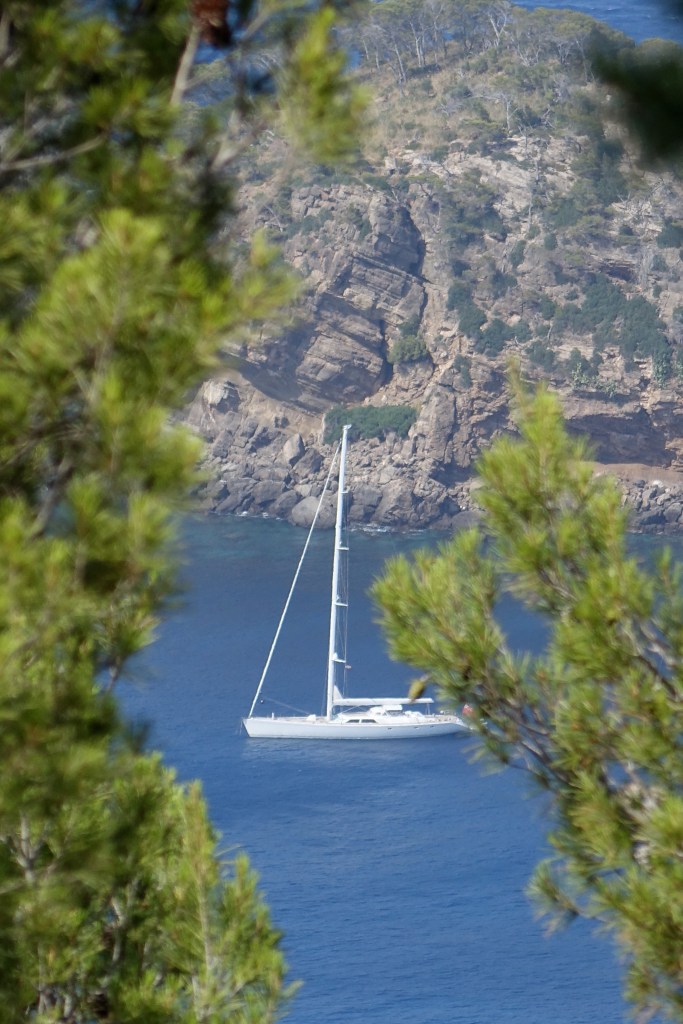
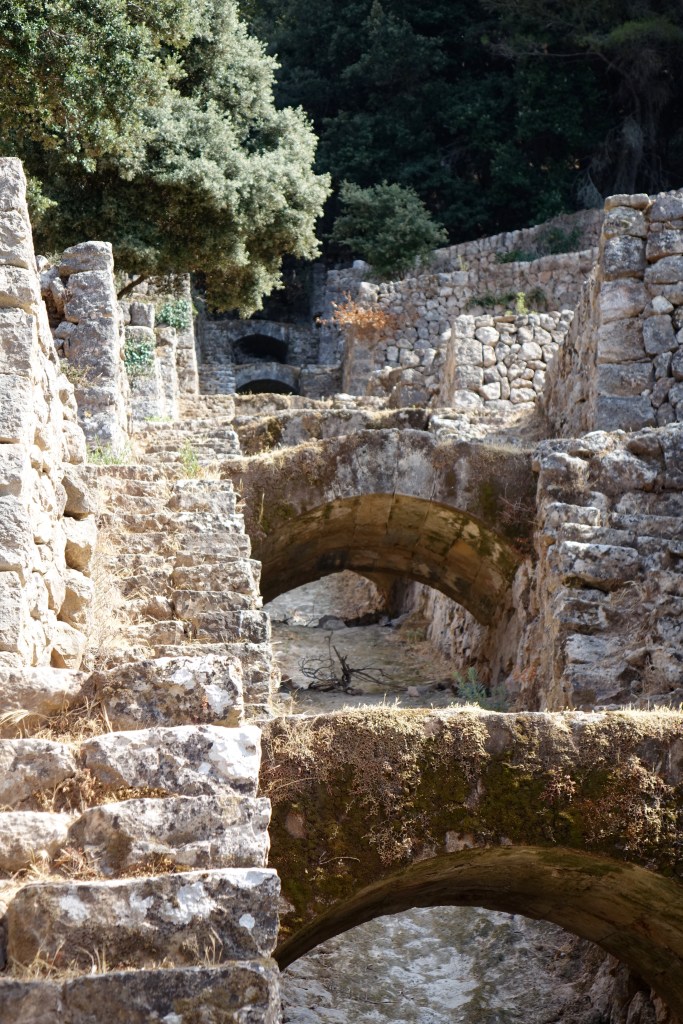
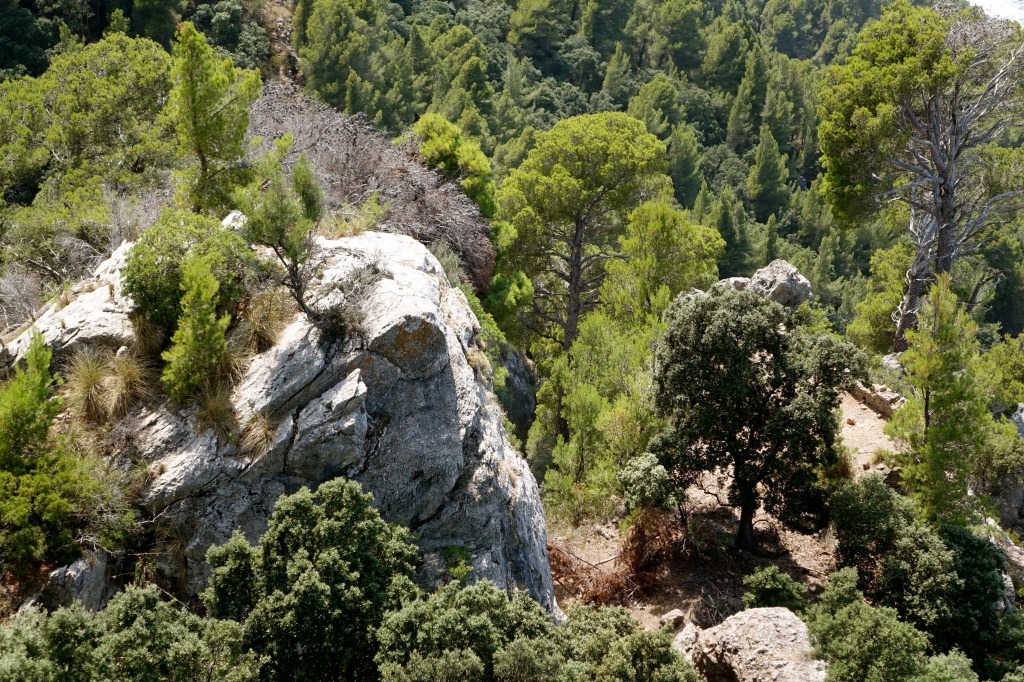
Today the main attraction of the house is undoubtedly the gardens and land which surround it. As the Archduke himself declared: “Without doubt no other place on earth deserves with more reason the name Miramar”. And on this count, I could not disagree, for just beyond the more formal gardens which surround the ancient chapel and old cloister remains, extensive land takes the visitor all the way to a cliff edge which benefits from utterly breathtaking views over to Son Marroig and the stunning emerald sea below. From there, the grounds lead on to a mysterious Italianate pool, and beyond a series of canals and mills which appear to be left over from the ingenious reign of the Moors whose engineering innovations managed to tame this otherwise uninhabitable land long before the Archduke arrived.

Views and aspects of the land beyond

DSC00324 DSC00350 DSC00276 DSC00316 DSC00319 DSC00335 DSC00348 DSC00345 DSC00212 DSC00328 DSC00308 DSC00303 DSC00292 DSC00287

It is not at all hard to appreciate why the Archduke fell so in love with this incredible strip of coastline, and it is thanks to him that much of the coast today remains unspoilt and unashamedly beautiful for us all to enjoy today.

All photos and written content are strictly the copyright of Nicholas de Lacy-Brown © 2015 and The Daily Norm. All rights are reserved. Unauthorized use and/or duplication of the material, whether written work, photography or artwork, included within The Daily Norm without express and written permission from The Daily Norm’s author and/or owner is strictly prohibited.

Mallorca’s ultimate eden: The Son Viscos Bed & Breakfast

Many may smirk when the inhabitants of paradise complain, but even we locals of Mallorca know when enough is enough. And having lived now for almost two months of temperatures in excess of 35 degrees, every so often, one just has to get away from it all. Nothing extreme mind you – I’m not talking the 20 degrees drop which a visit to London may entail, but rather a drive up into the stunning Tramuntana mountains where, at night at least, the air is notably fresher than city life in Palma and sumptuously comfortable. And as this very hot weather happened to coincide with my 32nd birthday (yesterday!) it seemed like the perfect excuse to treat ourselves a little, and book a little night away in a cooler, lusher paradise.

The location we chose could not have been more perfect. Located in the footfalls of the Tramuntana in the valley which gives the magical town of Valldemossa its name, the Son Viscos Bed and Breakfast was like a home from home, but we’re talking the kind of home which only the most avid readers of interior design magazines could wish for.

Interiors of the Son Viscos

DSC00407 DSC00374 DSC00413 DSC00507 DSC00369 DSC00510 DSC00424 DSC00372 DSC00373 DSC00381 DSC00367

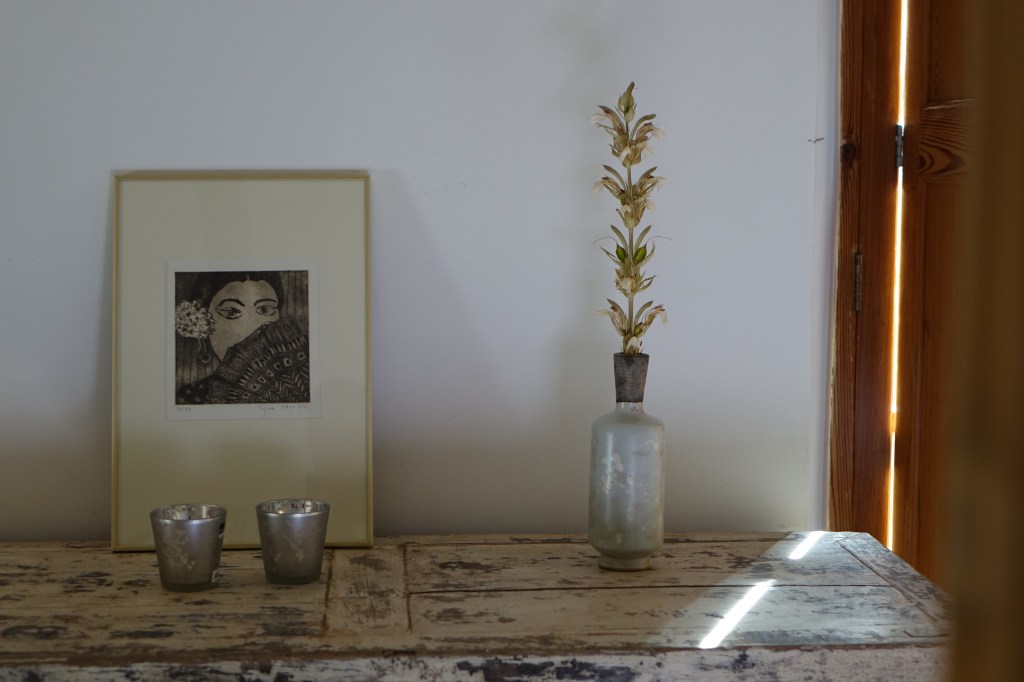
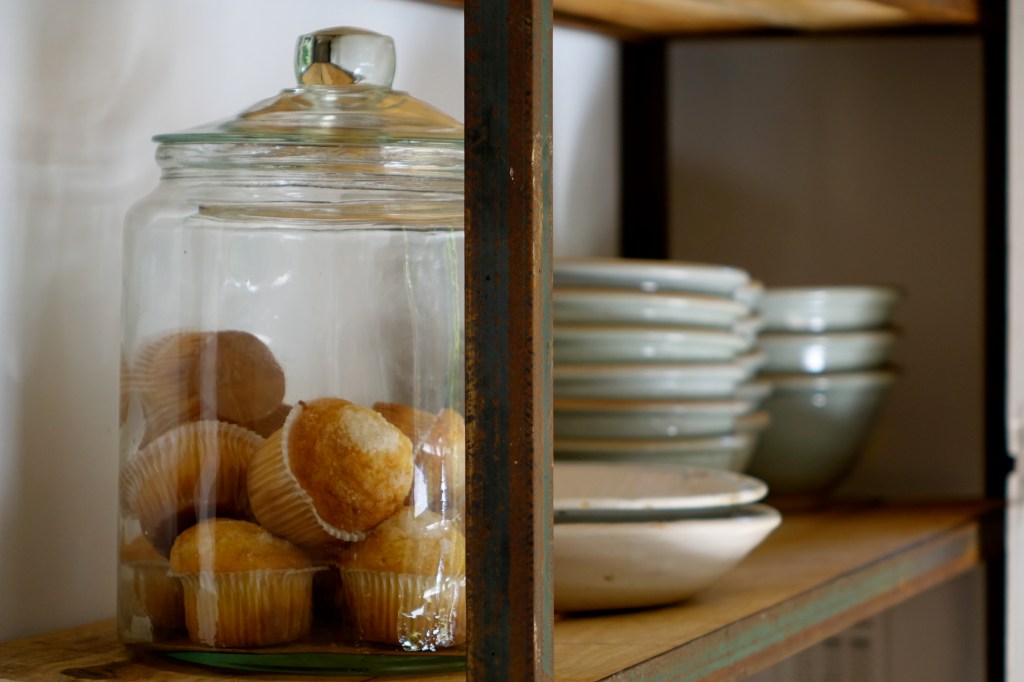
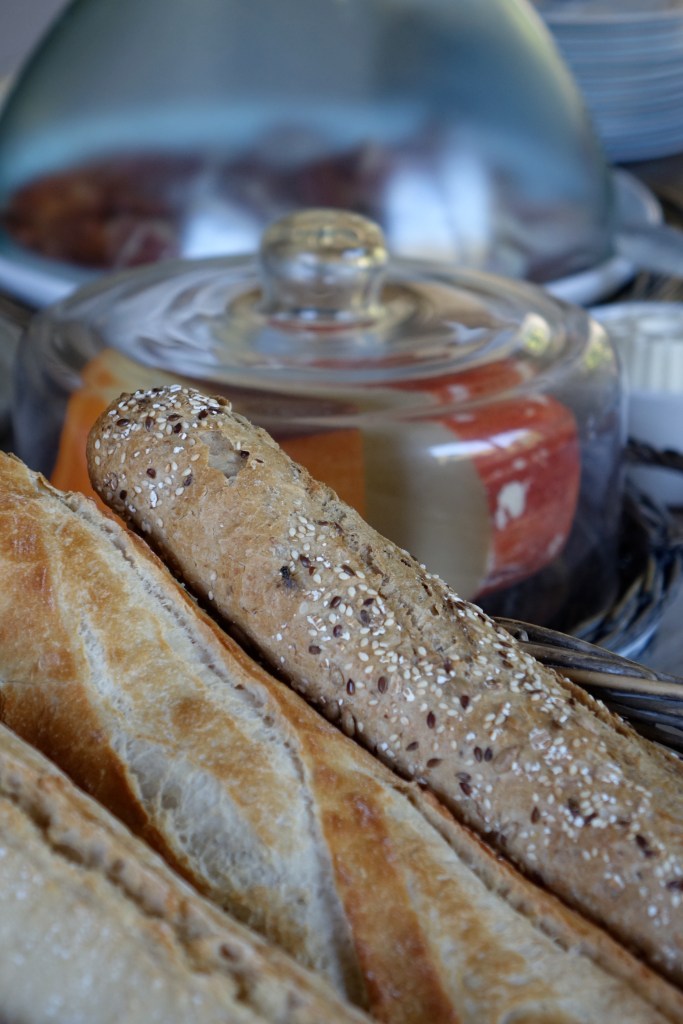
Owned by the proprietors of the popular interior design store, Mosaic, located in cool Santa Catalina in Palma, the Son Viscos hotel is a euphoria of design harmony, with understated muted tones and natural woods offsetting perfectly amongst carefully chosen rustic antiques and ceramic items. The west-facing kitchen, which was flooded with light in the afternoon, and filled with a bounteous feast of the freshest breakfast produce in the morning, was the beating heart of a guesthouse which maintained all of the characteristics of the most welcoming of family homes.

The Son Viscos garden

DSC00389 DSC00533 DSC00398 DSC00396 DSC00388 DSC00485 DSC00382 DSC00434

Our room, the Menta suite, offered the very best of comfort with a lavish but pared down minimalist wooden four poster bed, together with haphazardly placed original art, design arm chairs and super soft towels. Flooded with light from an ample terrace, the room boasted enviable views of the Valldemossa monastery, and benefited from all of the freshness of the lush mountains opposite.

And it was precisely that fresh air which so loving nurtured us as we settled down for our night at the Son Viscos, finally able to escape the suffocating heat which had tampered with our dreams for months. Waking enlivened and refreshed, we had yet more pleasures to discover, for opposite the Son Viscos, the hotel’s extensive grounds extended to sun dappled woods hugging the side of the valley, and included fresh water streams, ancient moorish mills and even a dainty stone bridge which had more than survived the tests of time.

The Son Viscos’ sumptuous grounds

DSC00618 DSC00535 DSC00588 DSC00566 DSC00486DSC00549 DSC00521 DSC00532 DSC00550 DSC00586 DSC00580 DSC00579 DSC00525 DSC00612 DSC00600

The Son Viscos hotel was frankly an experience in a million, for its meticulously conceived design, its perfectly bucolic location, and for the sheer welcoming comfort it offered. As I sit here now, back in hot Palma, recounting my time there I long to return. Something tells me it won’t be long.

All photos and written content are strictly the copyright of Nicholas de Lacy-Brown © 2015 and The Daily Norm. All rights are reserved. Unauthorized use and/or duplication of the material, whether written work, photography or artwork, included within The Daily Norm without express and written permission from The Daily Norm’s author and/or owner is strictly prohibited.

Festival of colour: The Summer Exhibition 2015

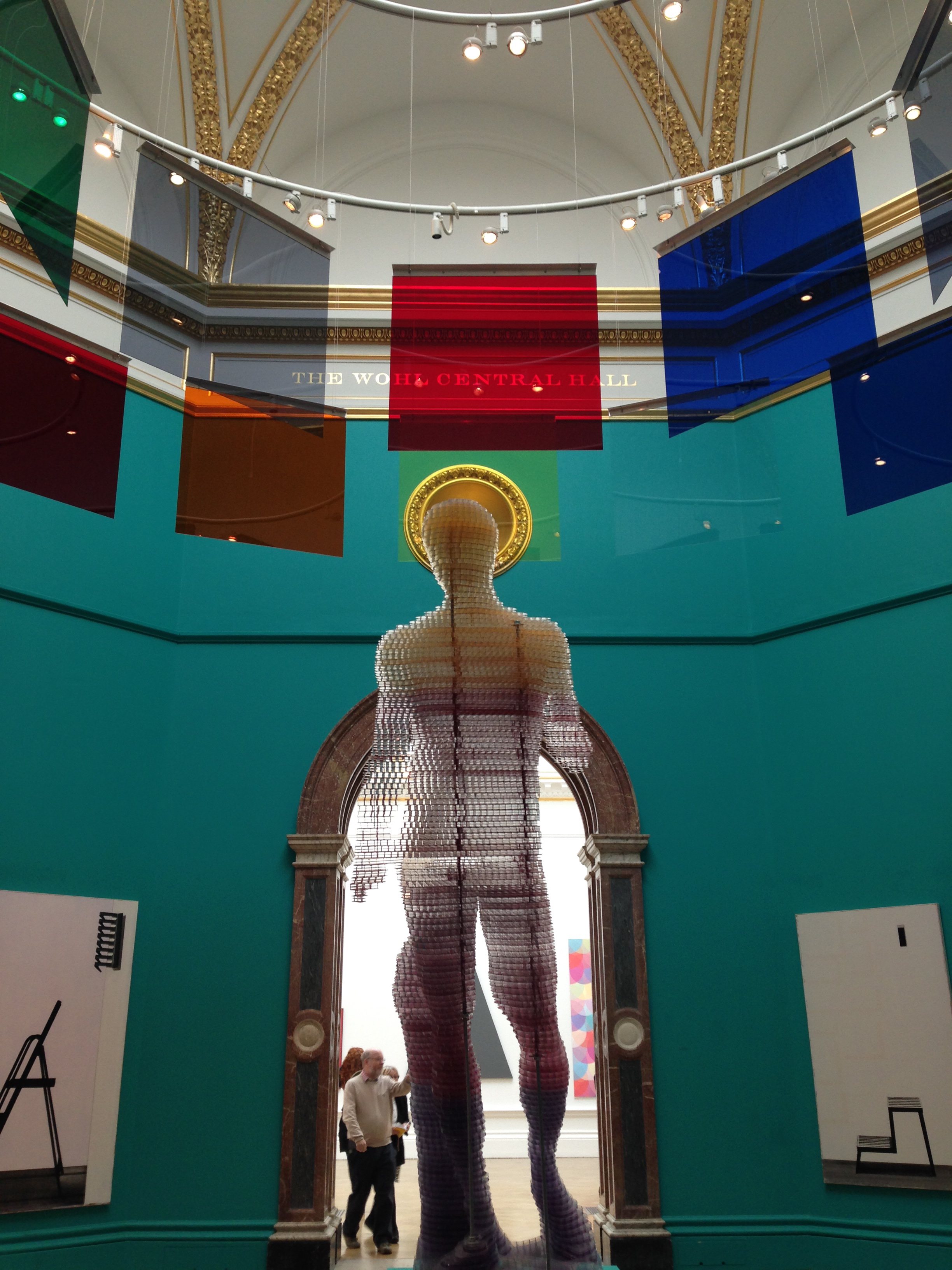
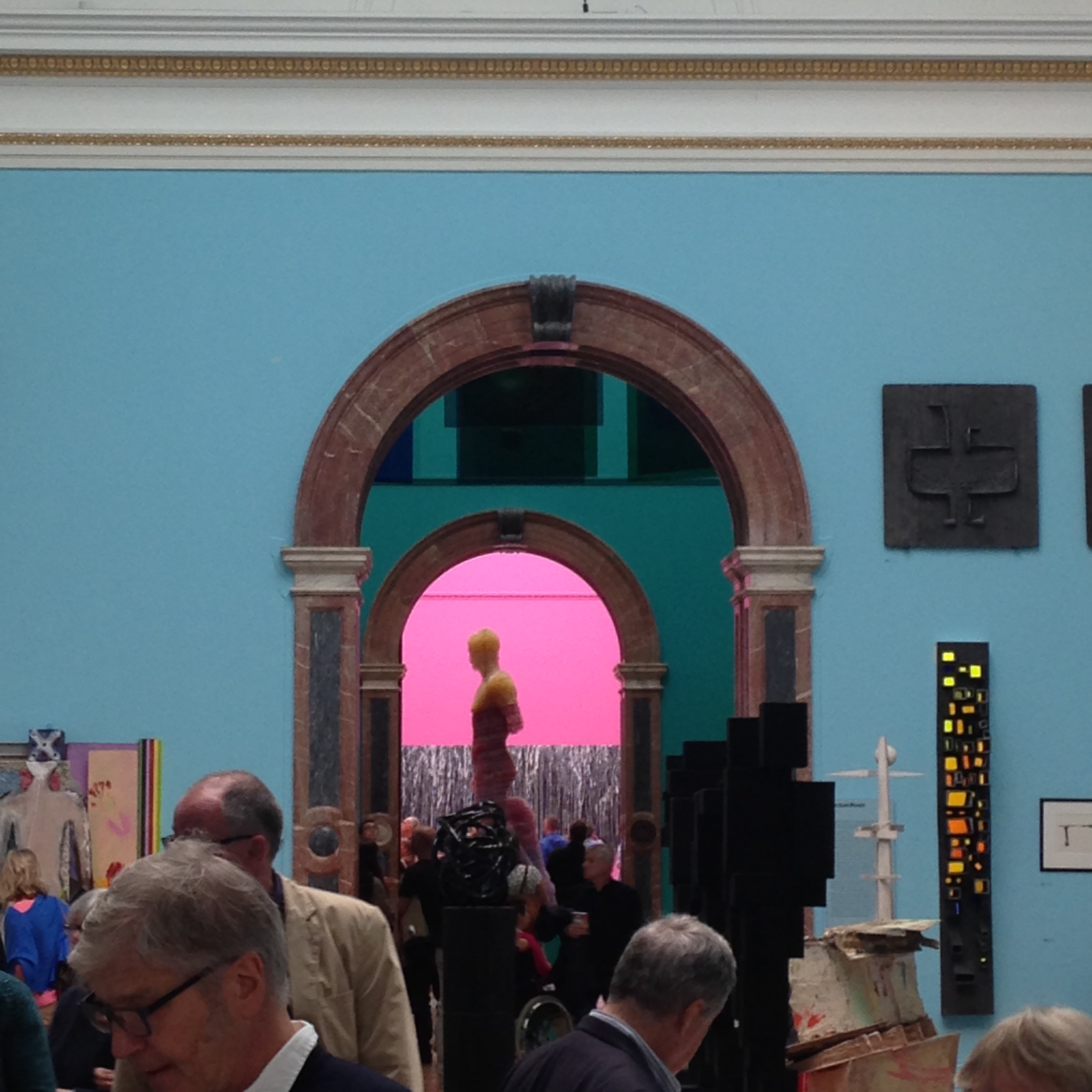
There’s nothing quite like the rejuvenating power of bright, unapologetic colour to lift the spirits amidst an atmosphere of grey, and this is no more so than in London where, on a recent visit, the skies were characteristically gloomy and very un-summery. Heading therefore towards this year’s Summer Exhibition at the Royal Academy of Arts therefore brought with it the promise of some element of seasonal rejuvenation, even if it could not improve the weather. But this year’s show, the 247th in the Academy’s history, did not just flush us with the spirit of summer, but with a festival of colour, never before seen at the annual show in such quantities.

IMG_3977

The reason for this panoply of colour is surely its chief curator, Michael Craig-Martin RA, whose work is famous for its blocky poster-print colours with exact outlines and pop-art motifs. With such an artist in charge, there was no way this show was going to be boring, and any doubts as to the fact were quickly swept away at the entrance to the RA, whose usually beige monochrome staircase had been transformed into a riot of multicoloured stripes in an installation by Jim Lambie.

IMG_3979 IMG_3982 IMG_3973 IMG_4010

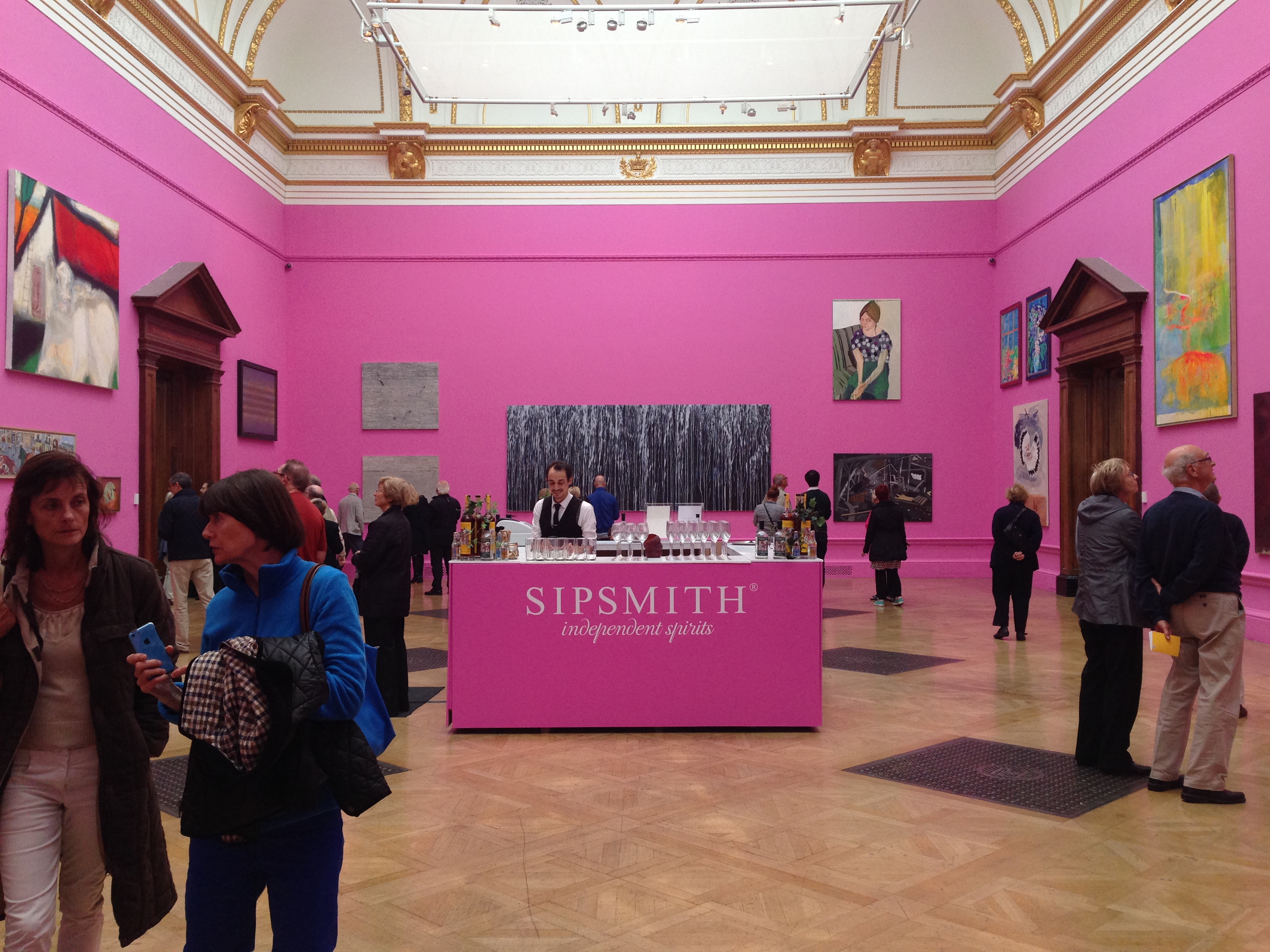
For those who dared climb what felt like a staircase of moving molten colour, a further punch of colour lay in wait in the form of the first three galleries, painted in bold magenta, blue and turquoise as a magnificently energised backdrop to a surprisingly fantastic selection of works. I never saw those lofty galleries look so rejuvenated, nor did I ever enjoy a Summer Exhibition with as much enthusiasm and high praise. For after years of continuous disappointment and what always seemed to be a relentless recycle of the RA cronies, at last we were presented with a show crammed with unapologetically figurative works, with paintings which exhibited actual talent (Tracey Emin’s usual crappy scrawls excepted), where superb print works were given a rightfully more prominent hang, and architectural models were actually interesting.

IMG_3983 IMG_3990IMG_3989IMG_3992

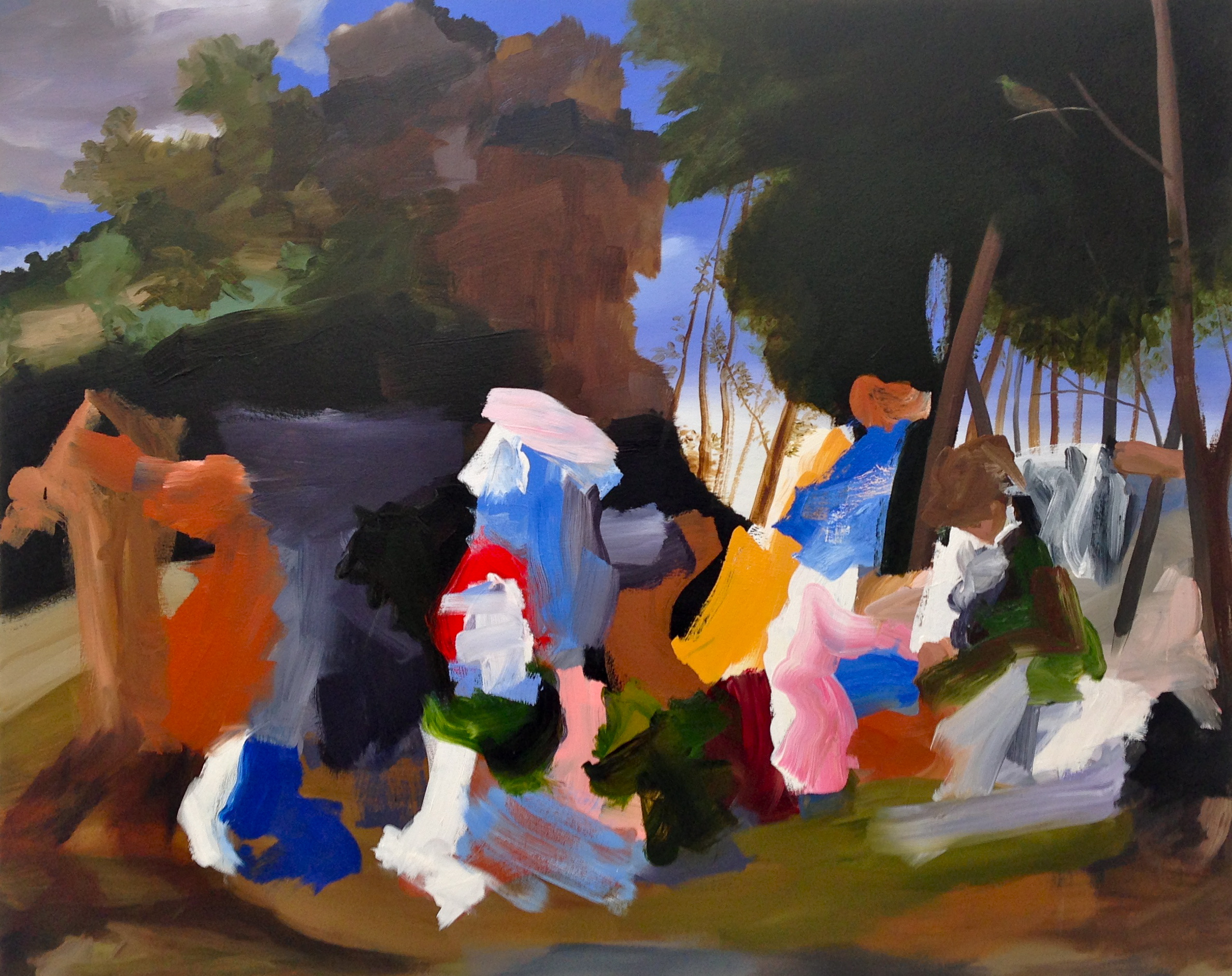
Here we had paintings of places and cities, of streets you could walk in, of portraits you could empathise with, and where there was abstract, it was playful and bold – accessible and expertly conceived. In one room, a superb tapestry portrait by Grayson Perry (Julie and Rob) could have stolen the show, but was well accompanied by a gallery of moving, inspirational works such as Elise Ansel’s brilliant take on Bellini and Titian (Feast of the Gods II) – another riot of colour (above, top).

IMG_4025

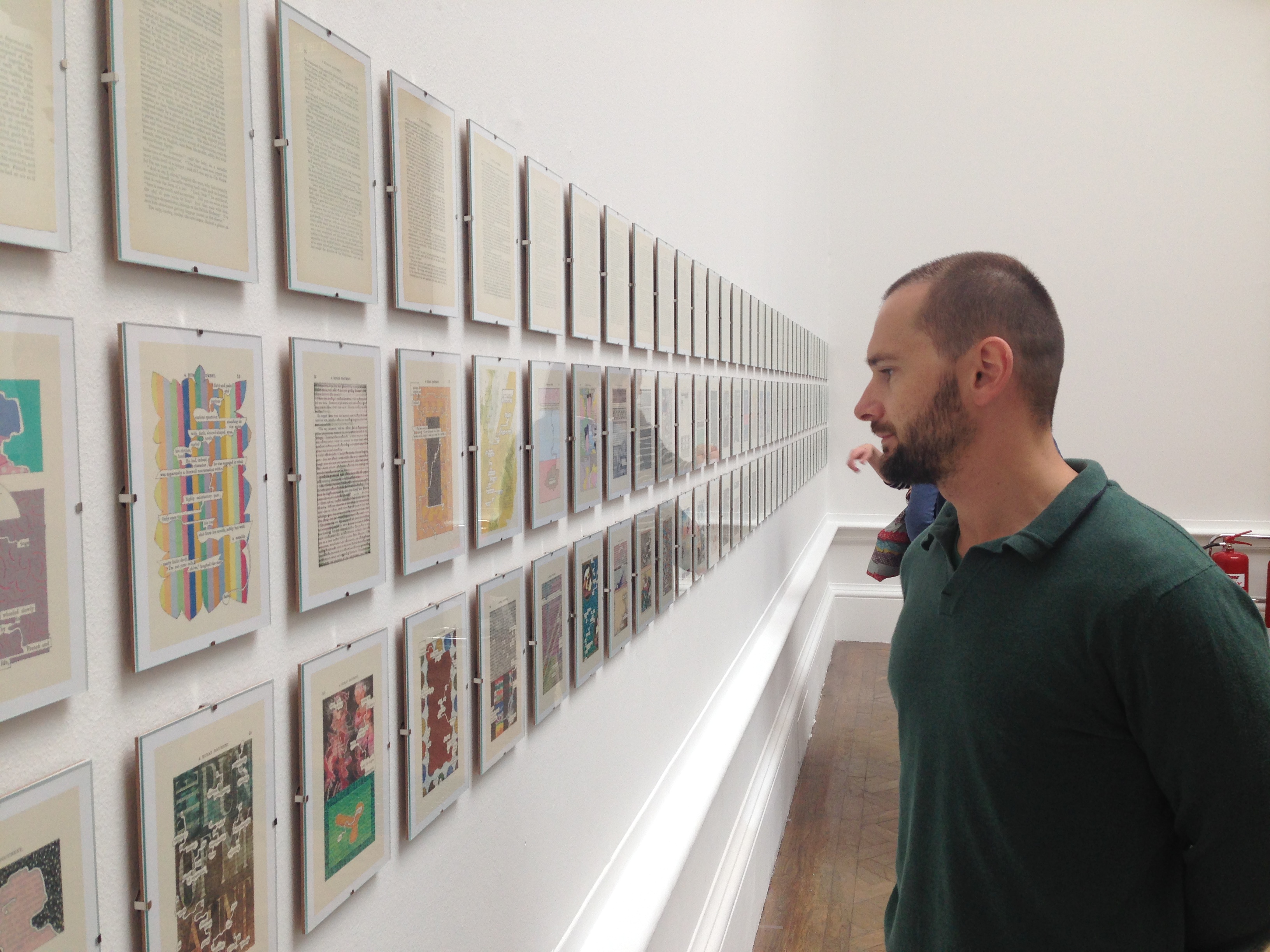
Considering the multiple works in Tom Phillips’ “A Humument”

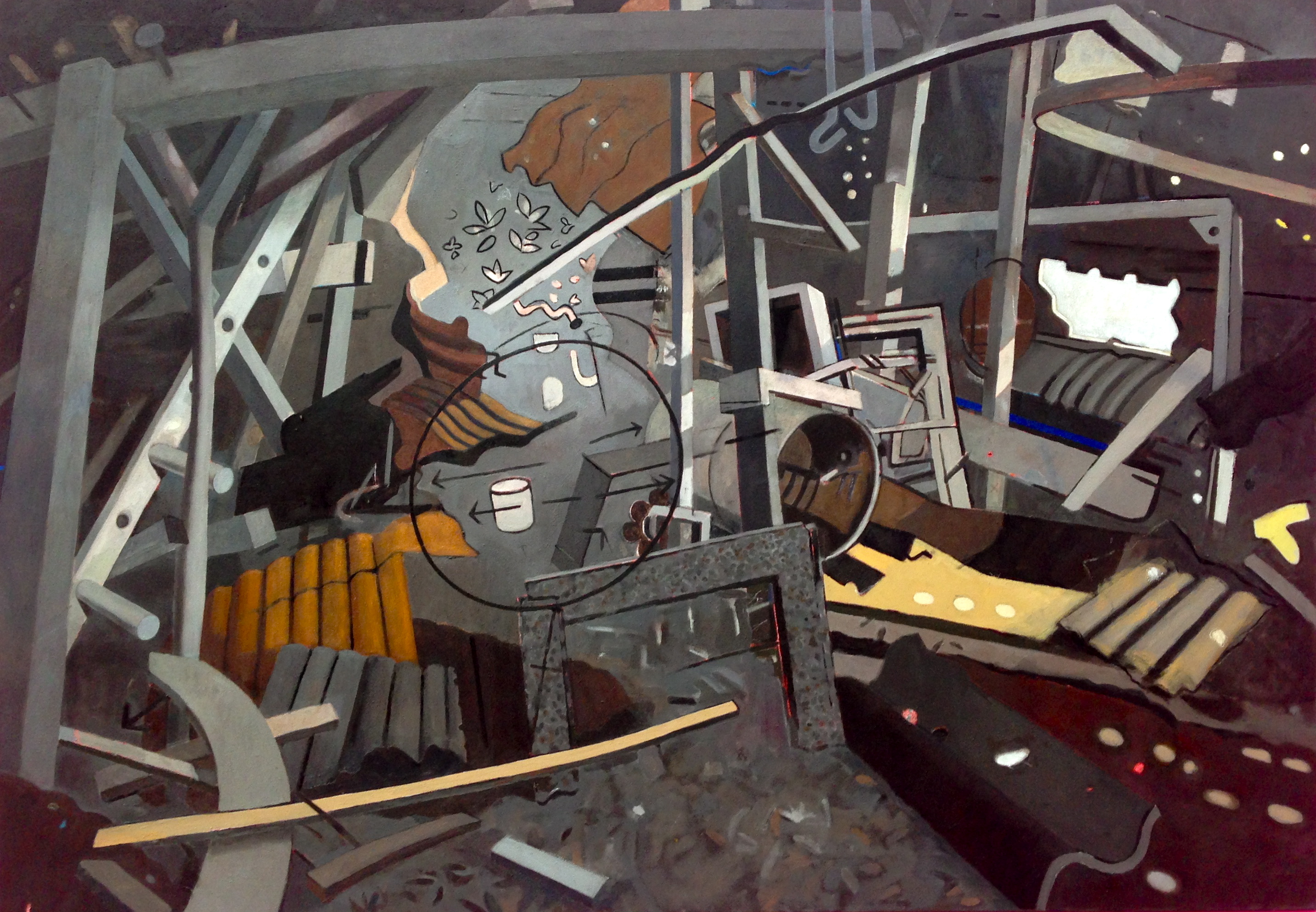
So many works pronounced that the arrogant age of contemporary art installations and badly conceived “paintings” is dead, from the many offerings of an RA favourite, Stephen Chambers, to the last gallery entirely devoted to the doodles of Tom Phillips, whose work A Humument, involves the almost total recreation of a long lost novel thanks to his reillustration and reinterpretation of every page. And by way of confirmation that this new re-emergence of a classical pictorial style is both correct, and beloved, an already abundant array of red dots was already evident, despite the early days of the exhibition’s season.

IMG_4018 IMG_4016 IMG_4011 IMG_4020

For those disappointed by past Summer Exhibitions, this one is not to be missed – it will change your mind for sure. The Summer Exhibition shows at the Royal Academy, London until 16th August 2015.

2014: My year in photos

It has become something of a tradition on The Daily Norm to spend the last day of the year looking back at photos capturing the 364 days before it, reflecting on all of the splendid and captivating sights which have made up the year. And perhaps more than any other that has gone before, 2014 has been a year which the camera has loved. For when I look back at my photos of the last 12 months, I am met with an overwhelming body of diverse and beautiful shots which encapsulate a year overflowing with incredible sights and experiences.

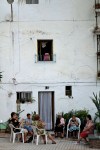
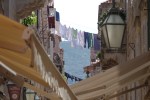
I count myself very lucky to have seen and experienced all that has passed in a single year. From the quaint dark streets of Barcelona in February, my travels took me to the incredibly unique medieval citadel of Dubrovnik, the jaw-droppingly beautiful Amalfi Coast (including Positano, Ravello and Capri), the inspiringly-vertiginous mountain town of Ronda in Southern Spain, the vine-rich planes of coastal Tuscany, the floral festival of Pilar in Zaragoza, and the much applauded Czechoslovakian beauty that is Prague. And travels asides, it was the year when I held my first solo art exhibition in 6 years – a huge amount of work which dominated the first half of the year, but a wonderfully satisfying artistic and commercial success which will mark out this year as a creatively significant one.

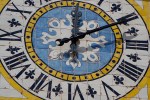
The famous clock of Capri's main piazza

The ultimate ripples, Palma de Mallorca

Paradise on earth - Capri

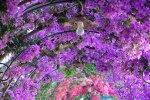
Floral walkway, Positano

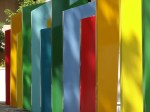
Colour profile, Marbella

Grape harvest in Castagneto Carducci

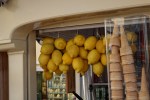
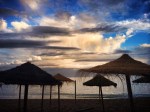
Beach umbrellas, Positano

However, appearances can be misleading, and when I look back on these photos, in particular those taken while travelling around Europe, I remember those holidays as escapes into unreality, moments of happiness snatched and nourished in between a stark reality which was becoming more and more difficult to endure. Once my exhibition was over, I found myself faced with a career which failed to inspire me, a city which made life a daily grind, and my partner feeling increasingly depressed for the same reasons. And it was this realisation, and a very unique opportunity that came from it, which triggered perhaps the most significant of all experiences that 2014 brought: our move to Mallorca. A life changer on so many levels; a bundle of new experiences which have only just begun.

And so it is sitting here in sunny Mallorca that I make this review, delightedly gathering up my memories of the year full of the positivity which has accompanied our move to a new life in Spain. Fast forward 365 days, and I look forward to telling you all about it.

Happy New Year to you all!

All photos and written content are strictly the copyright of Nicholas de Lacy-Brown © 2014 and The Daily Norm. All rights are reserved. Unauthorized use and/or duplication of the material, whether written work, photography or artwork, included within The Daily Norm without express and written permission from The Daily Norm’s author and/or owner is strictly prohibited.

Conscience and Conflict: Pallant House explores British Artists and the Spanish Civil War

As the year draws to a close, it is only natural to look back on the highs and lows, and to review everything a little. When it comes to exhibitions, I wouldn’t say that 2014 was necessarily the strongest of years in the UK. I was left a little disappointed by a number of exhibitions I attended, especially at the Royal Academy and Tate Britain. However that is not to say that there were not a number of sure hits. My top 5 exhibitions of the year (in no particular order) have to include the Matisse Cut-outs at Tate Modern, Malevich at Tate Modern, Egon Schiele at the Courtauld, and Rembrandt at the National Gallery. But for the final of the 5, one further exhibition has managed to squeeze into my year’s hit-list, just before 2014 expired: Conscience and Conflict: British Artists and the Spanish Civil War at the Pallant House Gallery in Chichester.

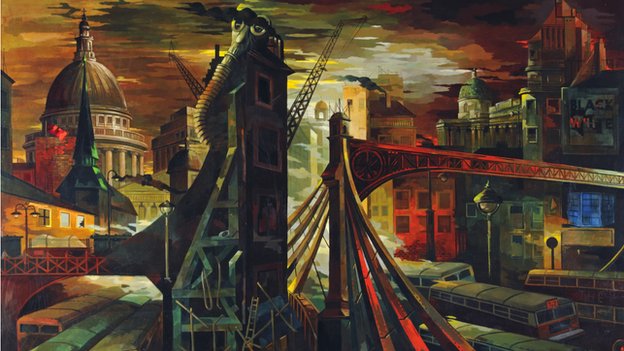
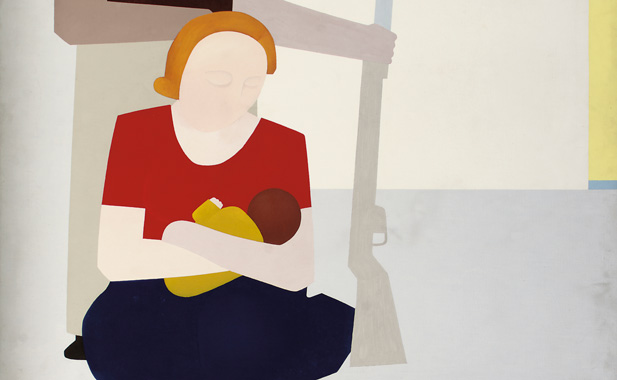
As far as modern world history goes, the Spanish Civil War is too often overshadowed by the longer, larger Second World War that followed it. But none can underestimate the significance of this conflict which, in effect, lasted decades beyond the cessation of fighting, and not least because this was one conflict where the Fascists won the war, right on the doorstep of democratic civilisation. And it was this fear – the very real concern that fascism might win at a time when two major fascist dictators were already installed in Germany and Italy, and when a greater world conflict seemed more than likely – that inspired the artistic reaction amongst British Artists that is the focus of this excellent exhibition.

Frank Brangwyn: For the relief of women and children in Spain (1936-7), detail

Frank Brangwyn: For the relief of women and children in Spain (1936-7), detail

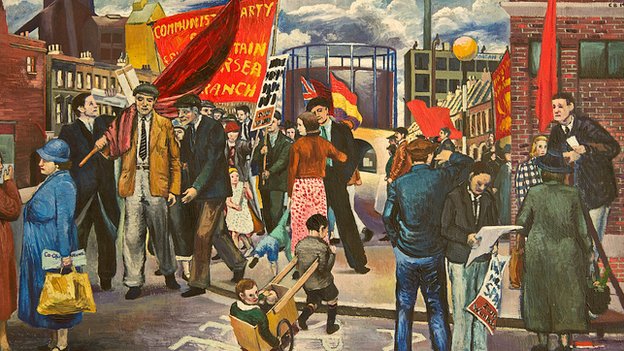
Clive Branson, Demonstration in Battersea (1939)

Clive Branson, Demonstration in Battersea (1939)

Merlyn Evans, Distressed Area (1938)

Merlyn Evans, Distressed Area (1938)

Walter Nessler, Premonition (1937)

Walter Nessler, Premonition (1937)

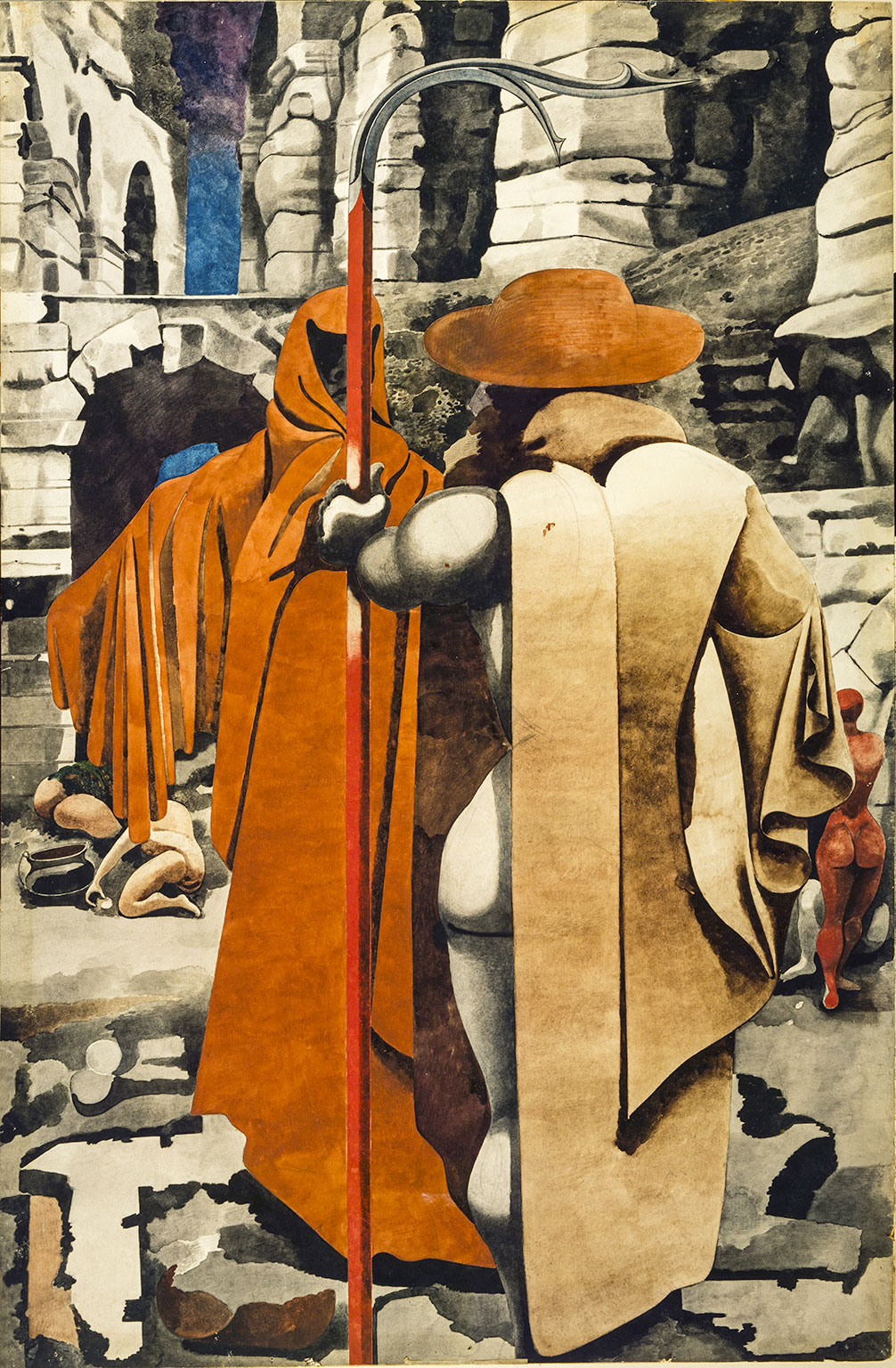
Edward Burra, The Watcher (1937)

Edward Burra, The Watcher (1937)

Stanley William Hayter, Paysage Anthropophage (Man-eating landscape) (1938)

Stanley William Hayter, Paysage Anthropophage (Man-eating landscape) (1938)

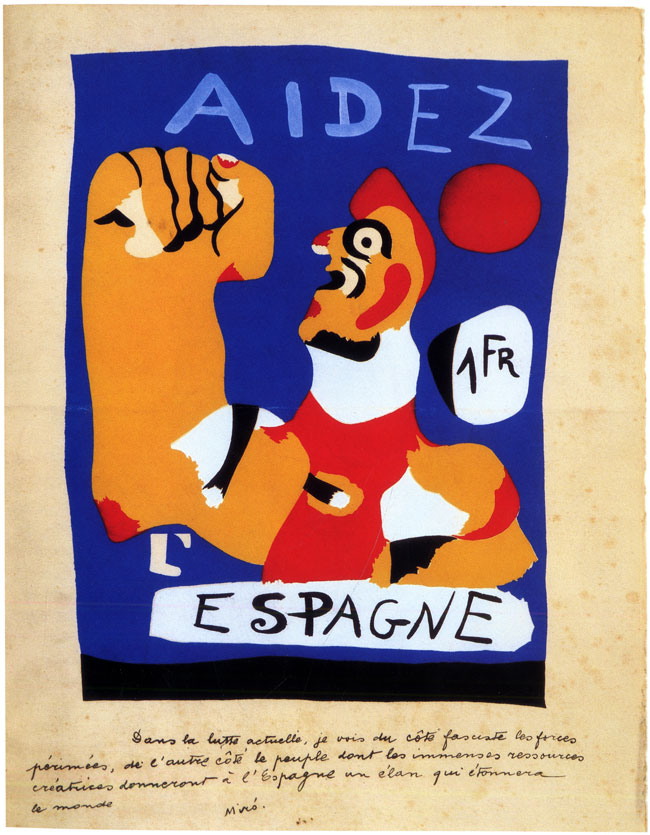
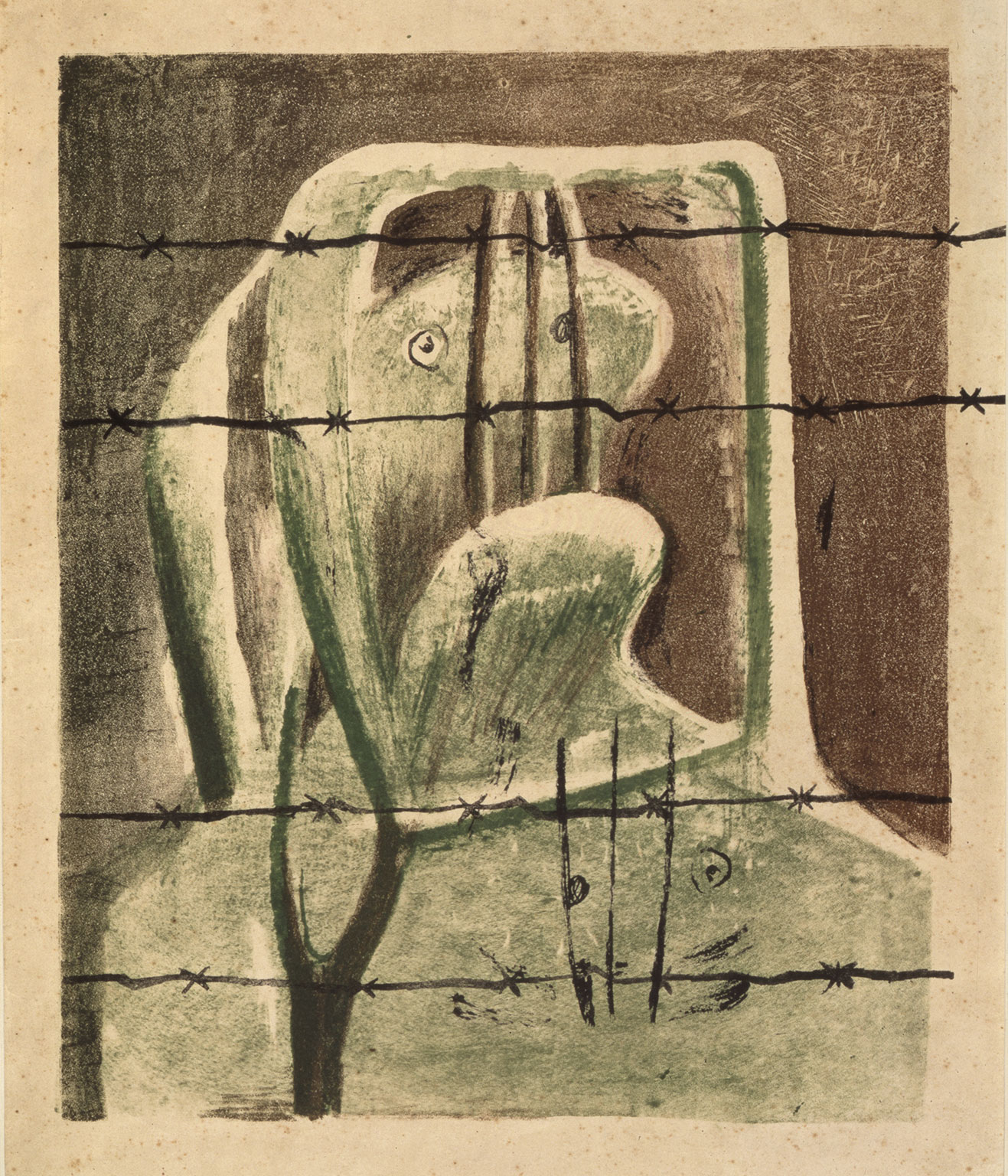
For British Artists between 1936-9 were reacting not just to the horrors of the war, often with surreal images (Edward Burra’s brilliant watercolours being a prime example), destroyed landscapes (Merlyn Evans), and distraught victims (Henry Moore and Picasso), but also to the innate frustration that the British Government had adopted a non-interventionist policy. This felt like utter madness when the fascist leaders of Europe were actively intervening in the Fascist cause, and caused artists of Britain to uprise, creating brilliant propaganda posters supporting the Republican Cause and, ultimately, fighting in the war themselves.

Pablo Picasso, Weeping Woman (1937)

Pablo Picasso, Weeping Woman (1937)

John Armstrong, Invocation (1938)

John Armstrong, Invocation (1938)

Alastair Morton, Spanish Civil War (1939)

Alastair Morton, Spanish Civil War (1939)

Joan Miro, Aidez L'Espagne (Help Spain) (1937)

Joan Miro, Aidez L’Espagne (Help Spain) (1937)

Henry Moore, Spanish Prisoner (1939)

Henry Moore, Spanish Prisoner (1939)

So this is an exhibition of posters and of paintings, all sharing the high tensions and morbid premonitions of the time. How apt, for example, was Walter Nessler’s Premonition in 1937, in which he imagined London suffering the same bombardment as had destroyed the Basque town of Guernica only weeks before. How right he was, for only 3 years later, his imagined landscape would become a stark reality for Blitzed London. Those tensions are also brilliantly played out in posters such as Brangwyn’s For the Relief of Women and Children in Spain, which uses the catholic imagery of Mary to emphasise the war’s human plight, especially amongst Spanish Children, and of course in Picasso’s Weeping Woman, painted at the same time as the most famous of all reactions to the war, Guernica, and which makes for a sensational focus of this exhibition.

Conscience and Conflict has only 6 weeks to go, but it’s a truly brilliant exhibition, and if you can’t make it your last favourite of 2014, make it your first of 2015. The exhibition closes on 15th February 2015.

Intelligent Insight: Grayson Perry – Who Are You?

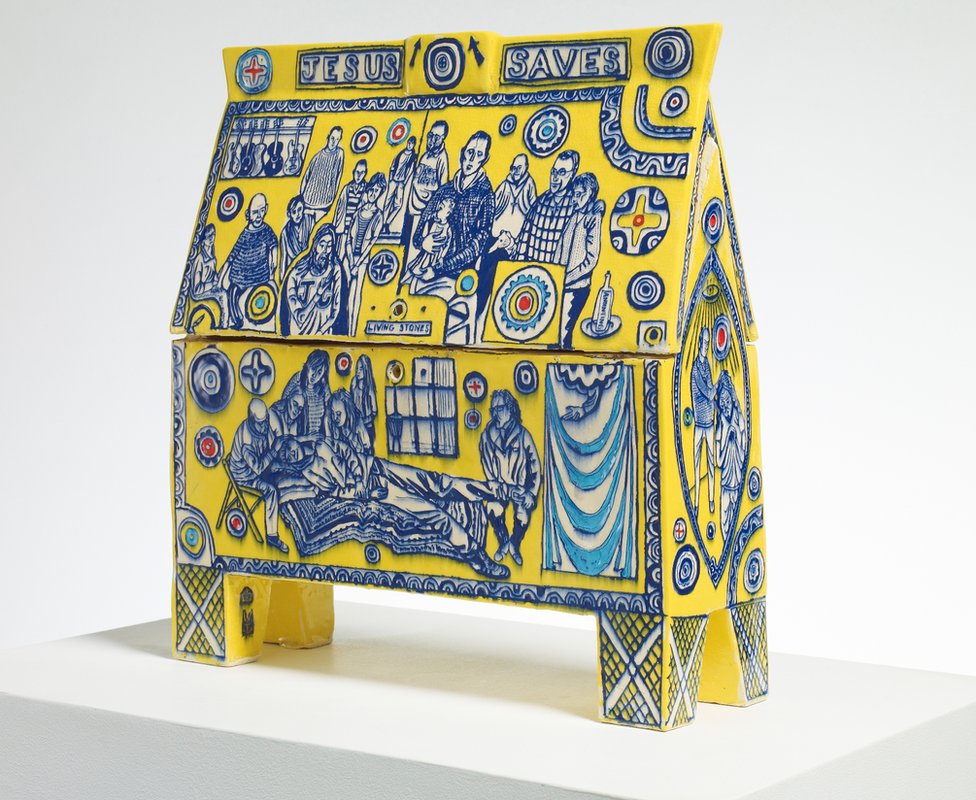
Following on from his superb show, Tomb of the Unknown Craftsmen at the British Museum in 2010 is the latest collection of brilliantly insightful works by artist and craftsman Grayson Perry. This time fitting seamlessly into the collection of the National Portrait gallery, peppered throughout the museum therefore encouraging visitors on a kind of magical mystery your through the space, Perry’s new exhibition, Who are You? once again shows that Grayson Perry is one of the most intelligent artists of our times. Made in conjunction with a series of channel 4 documentaries reflecting on a series of individuals each struggling with some particular facet of their individuality, these “portraits” are very appropriately located within the hallowed halls of the London’s temple of portraiture. Ranging from etching to tapestry, enamel portrait to glazed pottery, they show Perry at his adroit best. But beyond the skilled execution of these works is the messages they so sensitively and intelligently portray. 

Line of Departure (2014 © Grayson Perry)

Line of Departure (2014 © Grayson Perry)

Jesus Army Money Box (2014 © Grayson Perry)

Jesus Army Money Box (2014 © Grayson Perry)

The Earl of Essex (2014 © Grayson Perry)

The Earl of Essex (2014 © Grayson Perry)

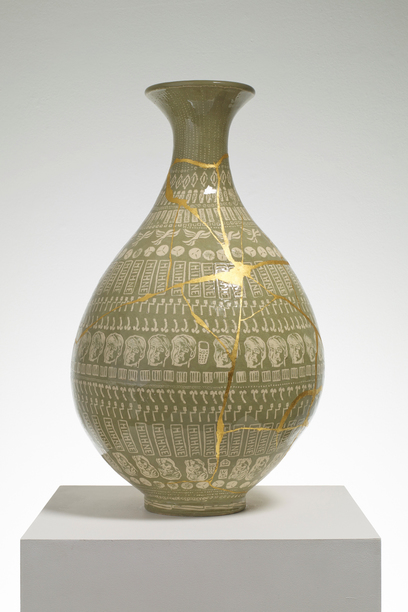
The Huhne Vase (2014 © Grayson Perry)

The Huhne Vase (2014 © Grayson Perry)

In mounting the show, Perry tells how he chose sitters who were each on some kind of identity journey. People who had changed religion or gender, physical or mental facilities, lost status or belonging to a group who are actively trying to change the way others see them. Thus Perry presents a vase representing the fall from grace of politician Chris Huhne, who was imprisoned for perjury after asking his wife to take the blame for a speeding offence he had committed. The vase shows his image and that of his car registration plate repeated over and over like the tire tracks of his car. It was smashed and pieced back together again in gold demonstrating Huhne’s downfall but also the fact that his new fragility in a world dominated by generic status figures will make him a richer more complex individual. There too Perry gives us a miniature enamel portrait hidden away in glass cases with others far older. It portrays XFactor star Rylan Clark as the Earl of Essex because, as Perry says, celebrity is the aristocracy of the day. 

But amongst my favourites was the Ashford Hijab, a brilliantly drafted black, white and red design on a silk scarf (appropriately) illustrating the draw of Islam for young white middle aged women who are sick of consumer culture and sexualised scrutiny of women and seek instead the comparative calm and integral values of Islam. So it shows one woman leading her family towards Mecca, her hijab being the metamorphosis of a road which in turn transforms from the outlet shopping centre of consumer culture from which she flees. Brilliant. 

The Ashford Hijab (2014 © Grayson Perry)

The Ashford Hijab (2014 © Grayson Perry)

Memory Jar (2014 © Grayson Perry)

Memory Jar (2014 © Grayson Perry)

I also loved Memory Jar, the vase sensitively portraying the effects of Alzheimer’s on a couple, as the disease ravages the mind of one man leaving his wife deprived not only of his personality and mental functions, but also destroying their shared memories. As Perry says, two people are the guardians of their shared memories. Once one person goes, so does the poignancy of the memories, and in depicting this he shows a kind of demon cutting up the family photos of the couple also reflected on the vase. It’s a stunning piece. 

And of course mention has to go to Comfort Blanket, a huge banknote tapestry representing everything that is so intrinsic to British culture and which makes the country such a stable, lawful, integral place, drawing people from all over the world. Of course fish and chips looms large, as well as words like “fair play” and “Posh and Becks”. Everything on it was so English I stood in awe at how masterfully Perry had managed to capture the essence of an entire nation in one tapestry. It also felt particularly poignant for me, an Englishman, as I prepare to leave England to move overseas in only a few days time. 

Comfort Blanket (2014 © Grayson Perry)

Comfort Blanket (2014 © Grayson Perry)

Grayson Perry: Who are You? is showing at The National Portrait Gallery until 15 March 2015. Entrance is free.

Es Baluard: A fine way to enjoy lunch

While Northern Europe starts to edge ever so slowly towards the onset of Autumn, with leaves starting to litter the streets, and the mornings and evenings already getting darker, down in the fine sheltered waters of the Mediterranean, it’s still very much the height of summer, and in fact for some places, the temperatures in September are even exceeding what was enjoyed in July and August. Mallorca, prime island of the Balearics, is chief amongst those places enjoying an extended summer, and when I ventured out there only a week ago, the temperatures were roasting. They were so hot in fact that our many plans to stroll around the thriving Metropolis of the island’s capital, Palma, and its wide expansive port were quickly ditched in favour of the cooler options. And as cool goes, it doesn’t get much better than Es Baluard.

Es Baluard is in fact a superb contemporary art museum set within the Sant Pere bastion, part of the Renaissance wall that surrounded the city of Palma until the beginning of the 20th Century. Perhaps because of its outer stone casing, or perhaps because of the chic concrete and glass renovation masterfully fitted within these old ramparts ten years ago, Es Baluard is certainly a chillier hangout, with comfortable inside temperatures which leave you decisively less flustered, leaving you with energy to browse the excellent permanent collection which includes only the Spanish greats, such as Miro and Picasso. 

Es Baluard and its surroundings

DSC07897 DSC07887 DSC07894 DSC06240 DSC07910 DSC07888 DSC07912 DSC07889

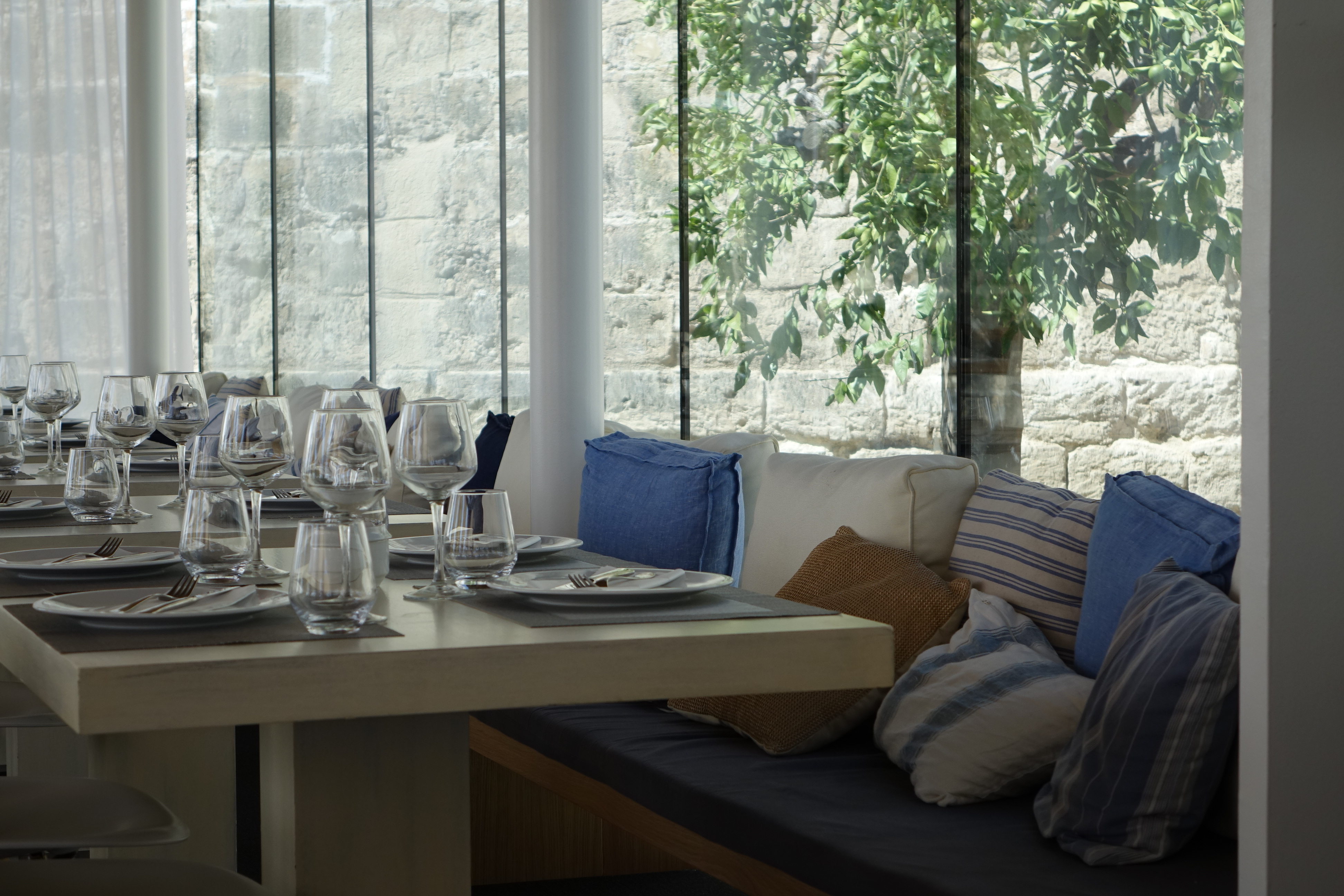
But when the sun is hot, but you still want to benefit from the ultimate in views of Palma’s extensive waterfront, from Bellver Castle across to the city’s magnificent cathedral, you need to head to the super chic café-restaurant attached to the Southern-most wall of the Es Baluard complex. With a broad terrace criss-crossed with shade from a line of well-appointed shade sales, you can choose to lounge out adjacent to those winning views in comfy basket chairs, a cocktail or a cup of tea in hand. Meanwhile, next in line, a cluster of simple wooden dining tables mark the more formal dining spot, with perfectly polished wine glasses glinting in the sun, and contemporary white seating reflecting the style and period of art residing in the building next door. Finally behind these tables, there’s a separate dining area, all encased in a glass cube containing further tables and a little sofa runner packed with cushions showcasing the best in handmade Mallorcan fabrics.

Es Baluard’s well-appointed terrace restaurant

DSC07900 DSC07906 DSC07903 DSC06240 DSC07905 DSC07898 DSC07902 DSC06232

It’s not my intention in this photo essay to talk to you about the food, but rather the extol the virtues of the location and design of this great Mallorcan eatery. However, rest assured that the food is every bit as good as the restaurant’s design, and their trendy lounge soundtrack a perfect accompaniment as you chill besides the seaside. Thinking that I have now extolled those virtues enough, I think it’s time to sign off and let you enjoy the photos. Until next time.

All photos and written content are strictly the copyright of Nicholas de Lacy-Brown © 2014 and The Daily Norm. All rights are reserved. Unauthorized use and/or duplication of the material, whether written work, photography or artwork, included within The Daily Norm without express and written permission from The Daily Norm’s author and/or owner is strictly prohibited.

Prague (Part 3): Buddha-Bar Chic and delectable places to eat

When a city trip is turning into something of a damp squib and you’ve realised you should have brought a winter coat despite its being late summer, sometimes all you need is a little luxury to make things right again. When the squares and museums are packed to the rafters with no-budge tourists and the cafes are full of larger-lout British stag parties, it’s the escape to the finer side of things that will put a smile back on your face. And so it was, when my partner and I ventured recently to Prague in the Czech Republic, that ever optimistic of having a happy holiday experience, we were able to turn round the somewhat disappointing experience of an ever so cold, damp weekend in tourist-packed Prague into two nights of luxurious hedonism, thanks to the hotel where we were staying, and some of the great restaurants we were lucky enough to find during the trip.

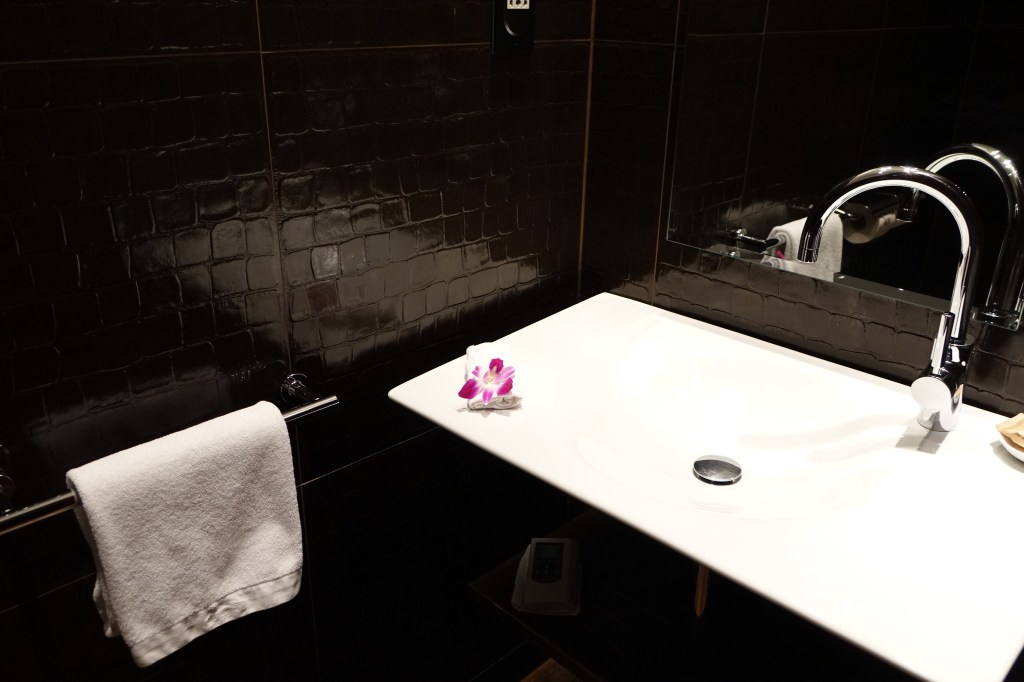
Our hotel of choice was the 5 star Buddha Bar hotel situated a few minutes from the centre of Prague’s Old Town. Being what it suggests on the tin – a concept hotel with a strongly oriental-influenced twist – it was an unusual choice for us. We love chic little boutique hotels, but I would usually go for something that at least resembled the local culture. But Buddha Bar are a long established brand that stands for the quintessence of cool: of dark chic surroundings, of sumptuous self-indulgent luxuries, all pulled together by the classic asian-inspired lounge-bar melodies of the famous Buddha bar soundtrack. Consequently when I discovered that there was a hotel of the brand so well situated in Prague, and probably half the price what a 5 star would cost in capital cities elsewhere, I was seduced and decided to take the plunge into the orient. And I’m so glad we did.

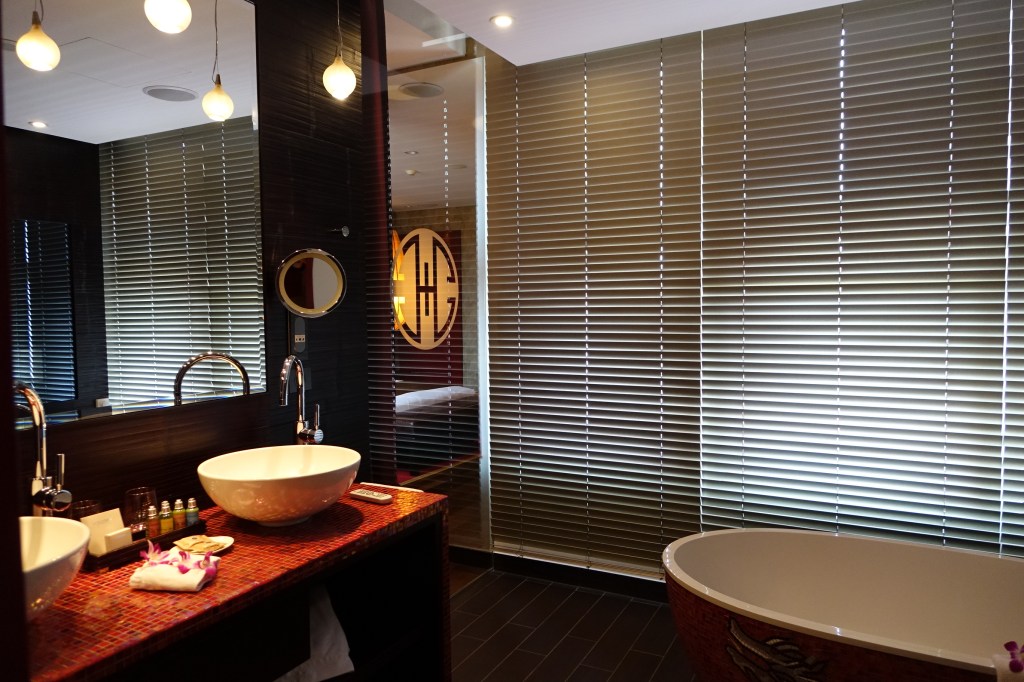
Our room at the Buddha Bar Hotel

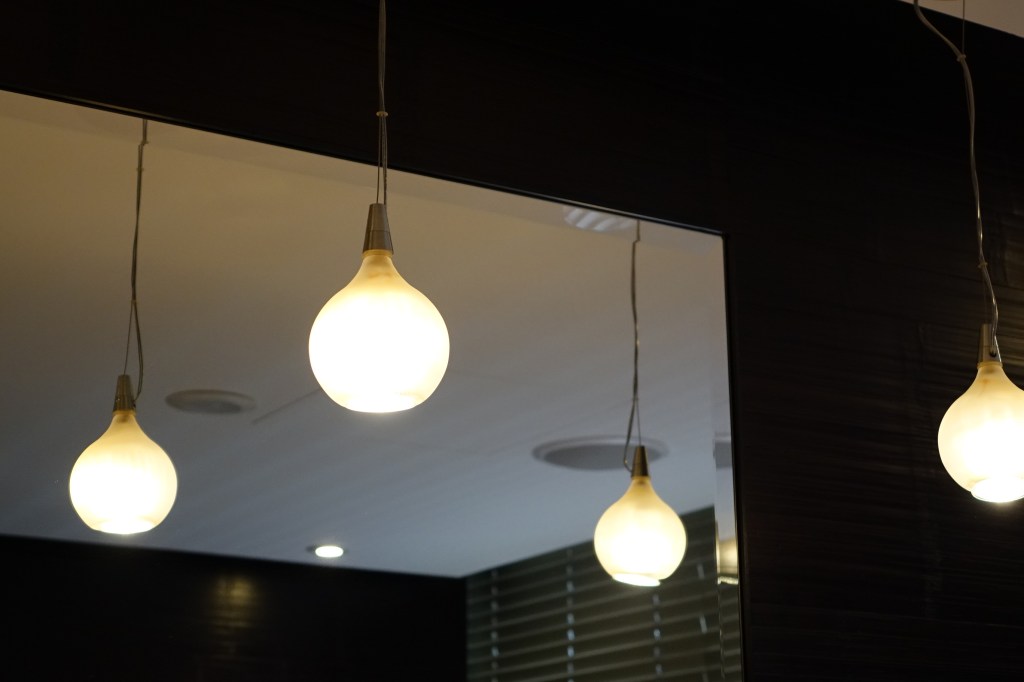
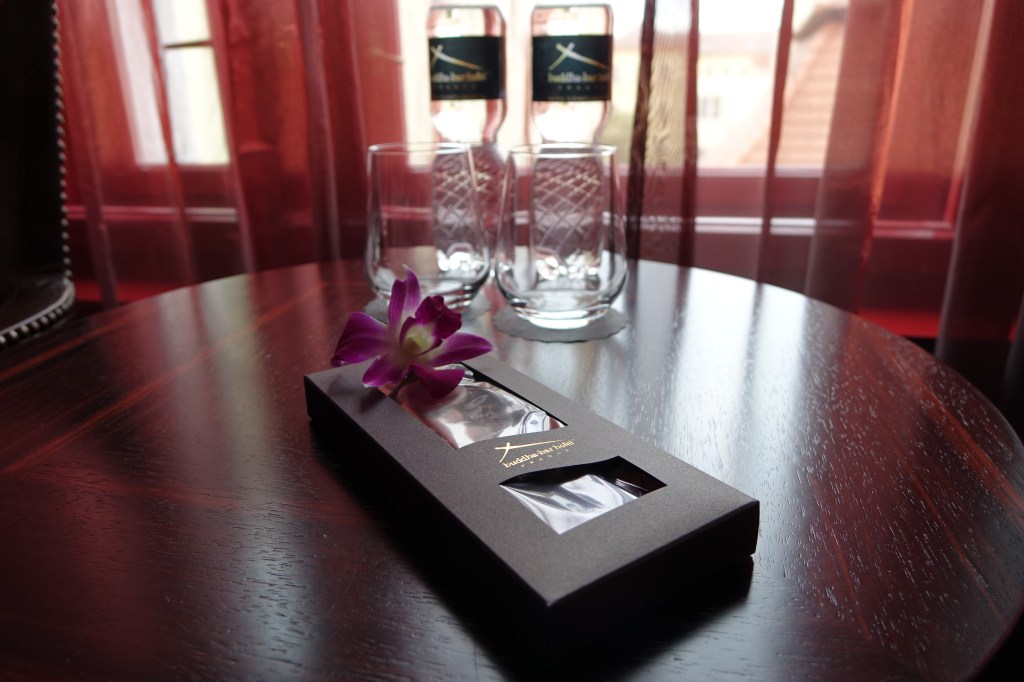
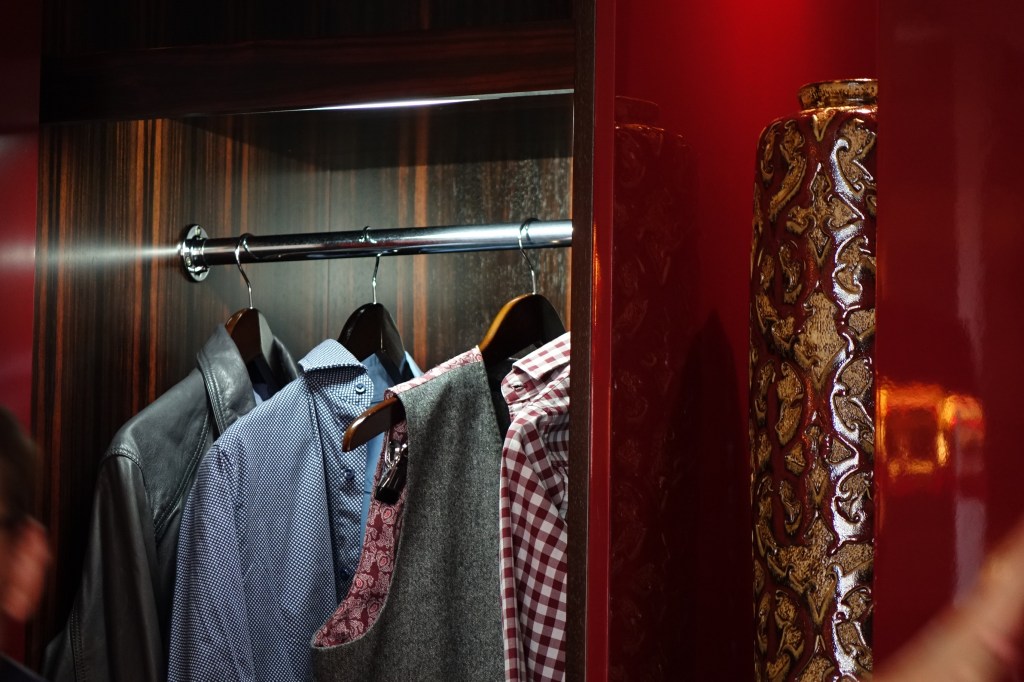
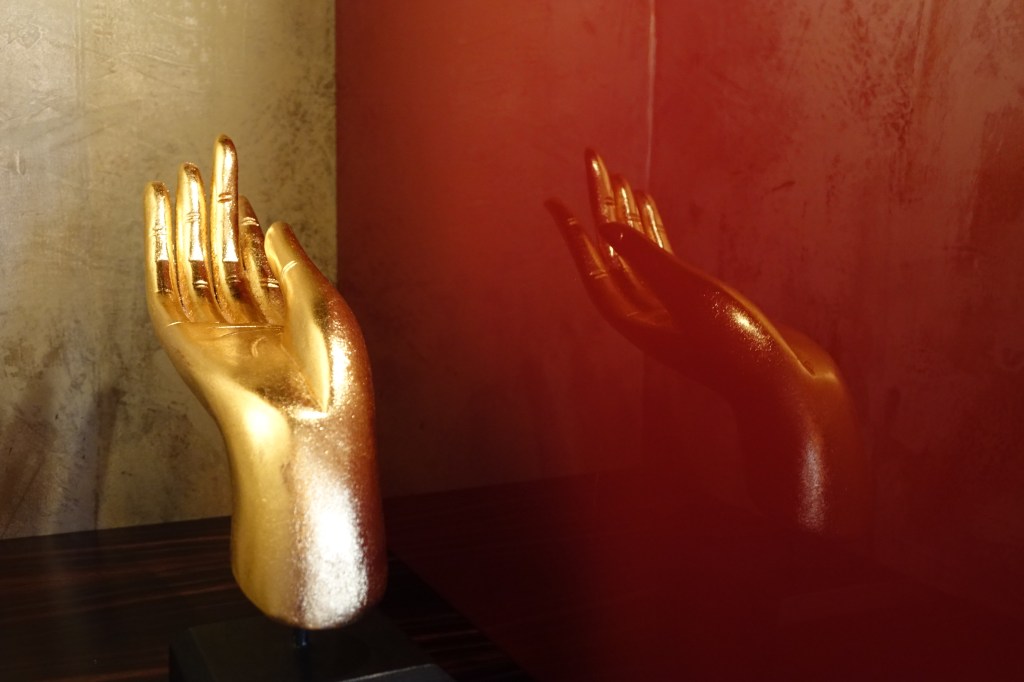
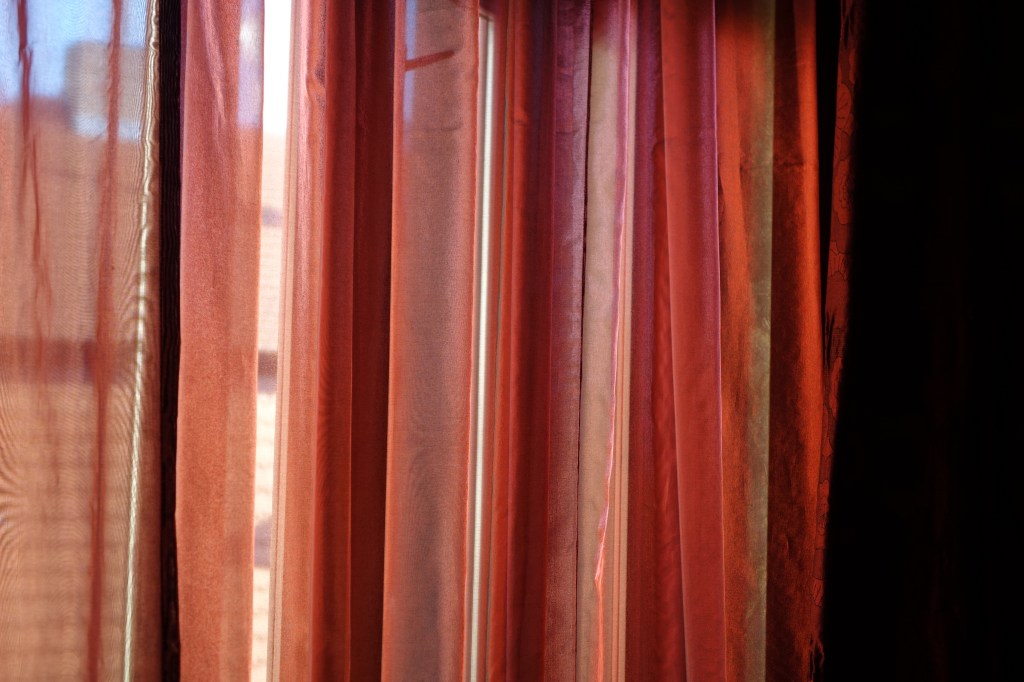
DSC06289 DSC06299 DSC07342 DSC06284 DSC06287 DSC06297 DSC06309 DSC06281 DSC06308 DSC06270 DSC06271 DSC06306 DSC06268 DSC07332 DSC06280

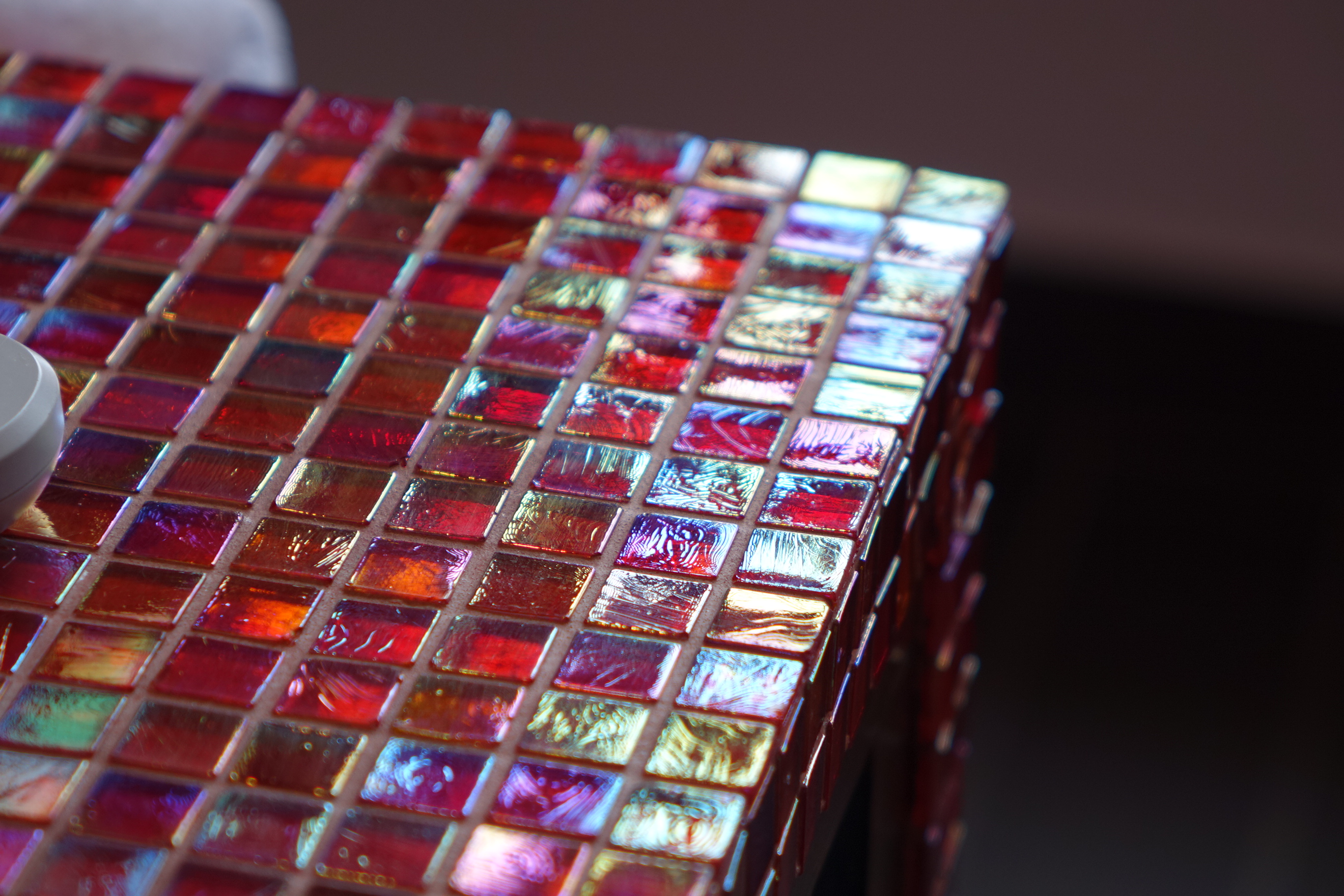
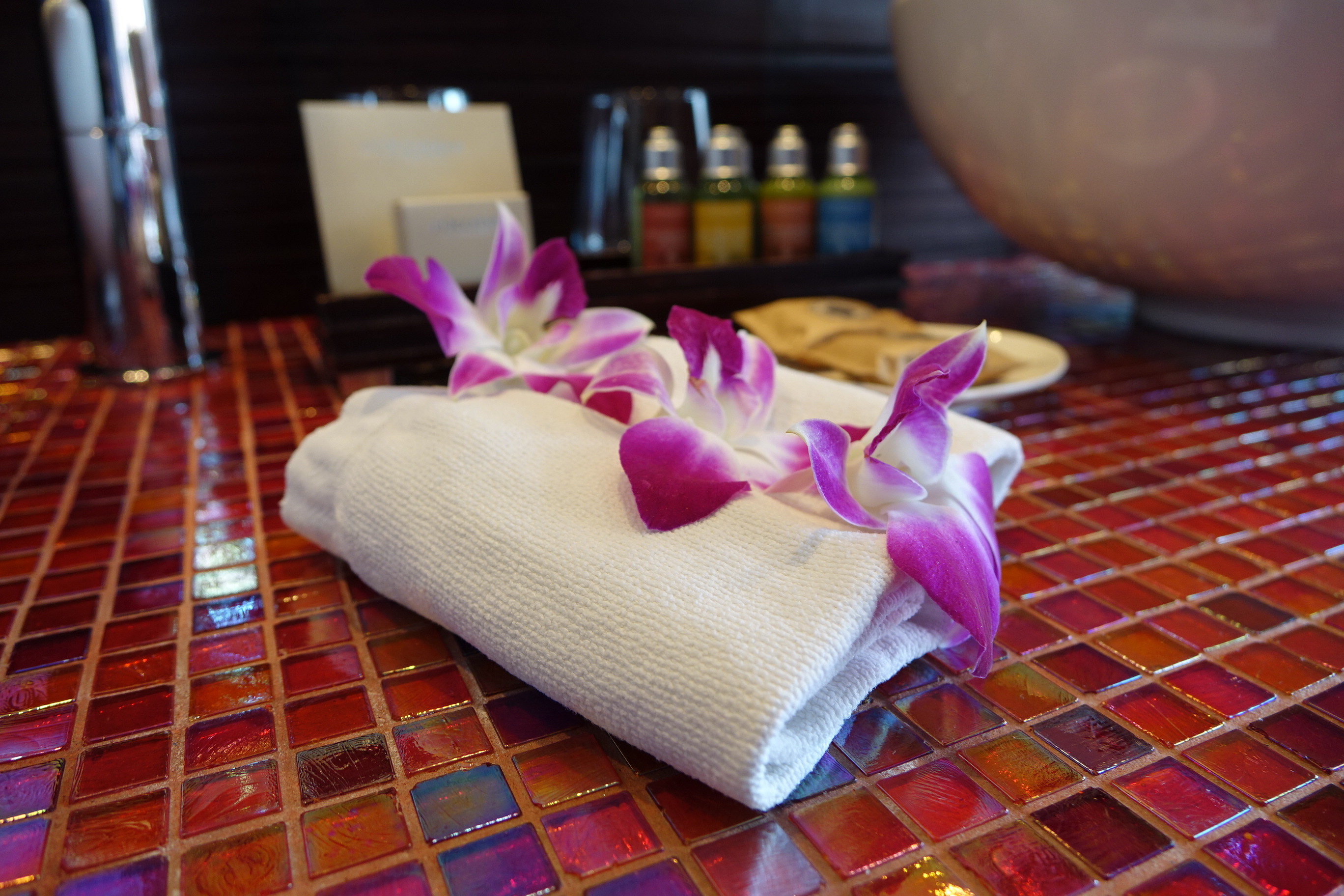
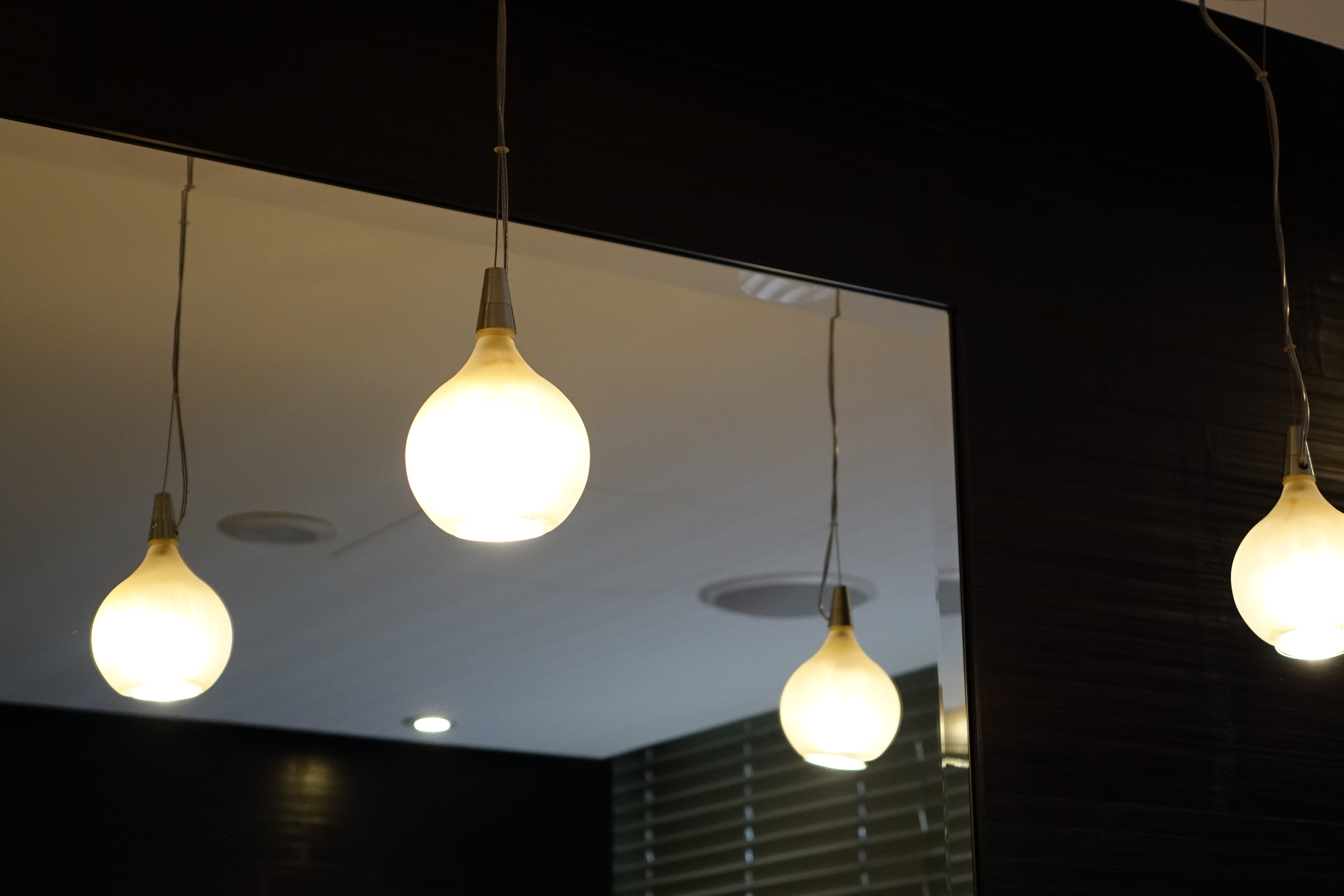
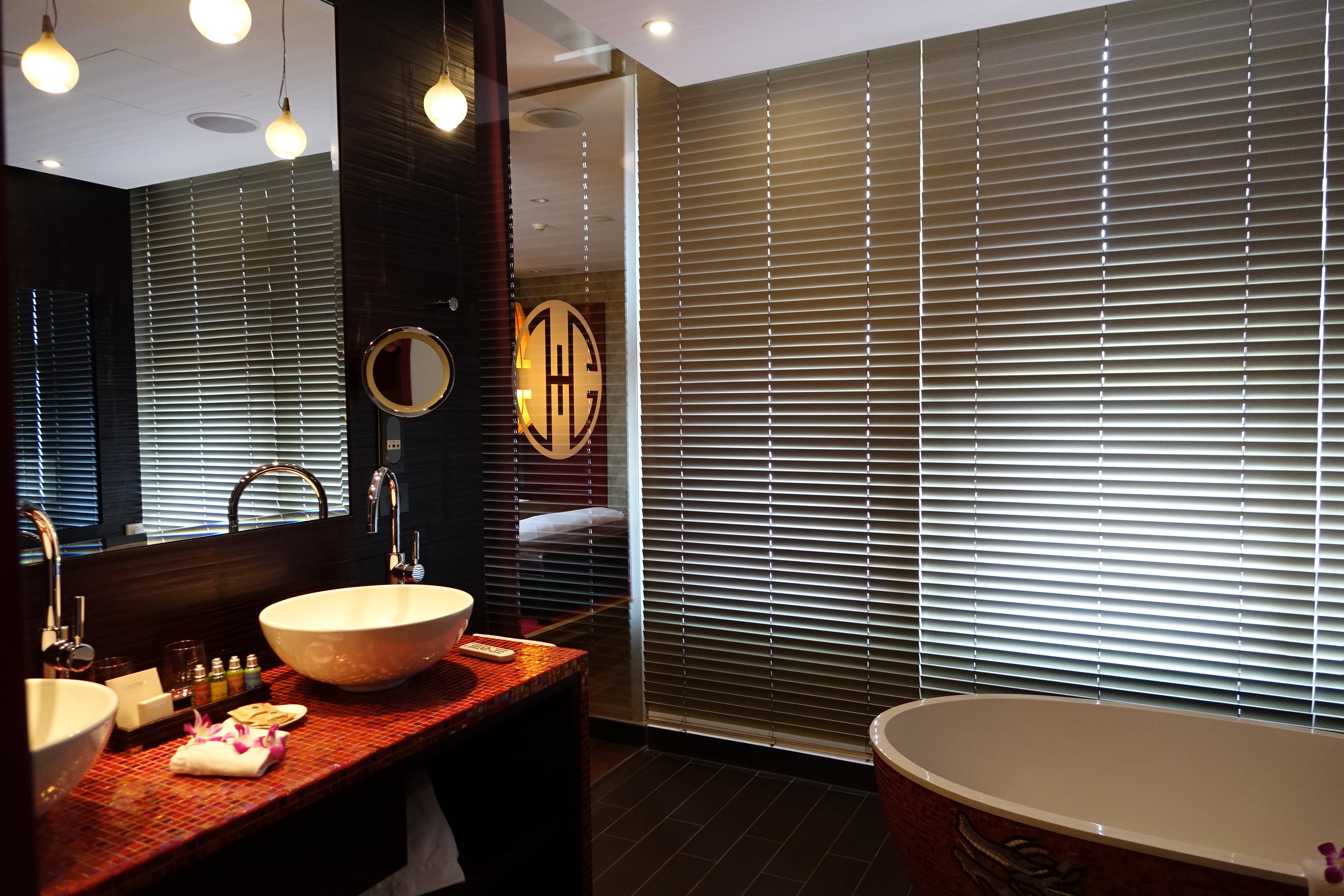
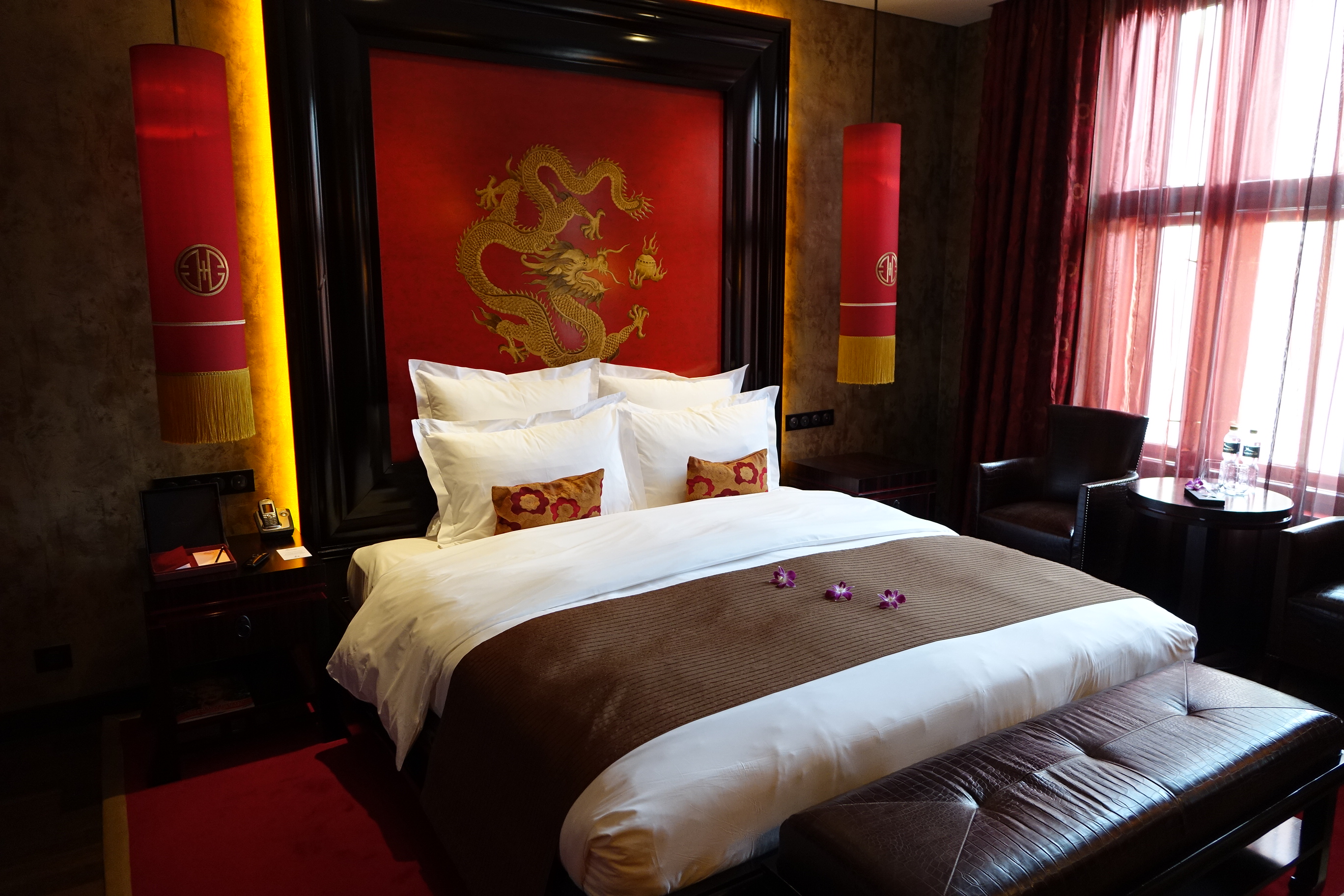
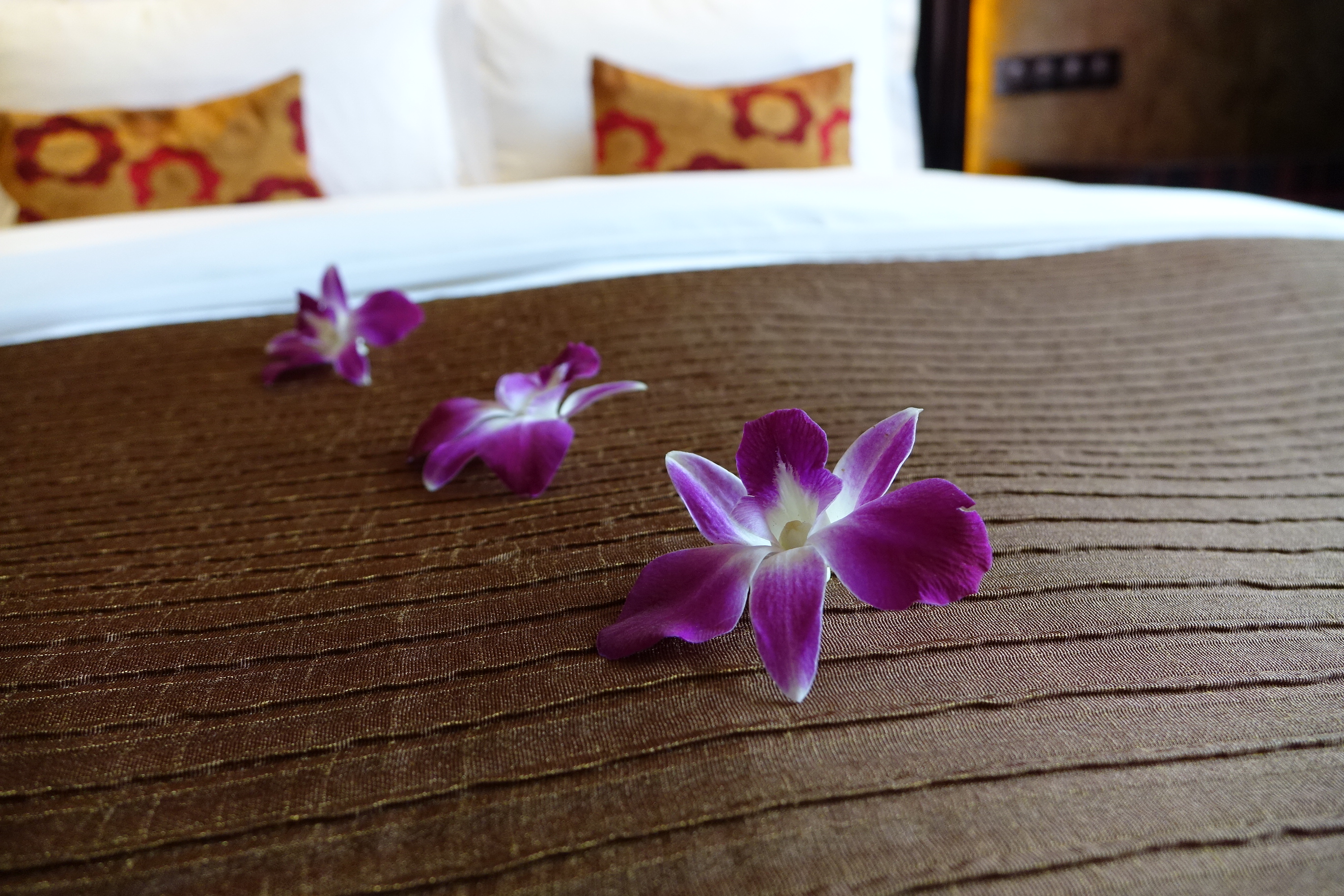
In our luxuriously pampered room, every detail had been taken care of. On the wall, a Bang & Olufsen TV pumped out a selection of Buddha Bar groves through expertly mastered surround sound speakers extending to all parts of our room. In our extensive bathroom, a free standing bath benefitted from its own dedicated TV, floor to ceiling windows overlooking Prague, and remote controlled electric blinds should you prefer a little privacy from amongst your bubbles; while the his and hers sinks were accompanied by a panoply of l’Occitane branded bath products. In the bedroom, an indulgently soft bed was plied high with luxurious throws and cushions, while beside it, a seating area already came fully stocked with gifts of chocolate and a complementary cocktail each – the perfect antidote to the tourist scrum outside. Meanwhile, across the room, on the surfaces and alongside notes and information booklets, little fresh orchids had been delicately placed – the height in attention to detail, which followed through to the whole hotel experience.

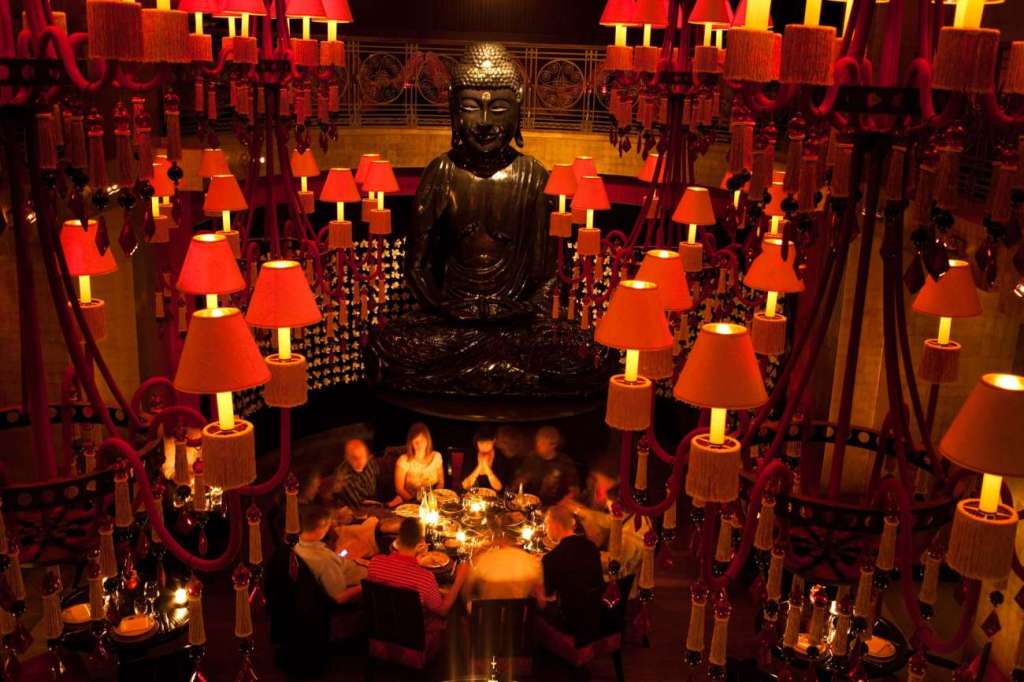
For beyond our room, the hotel of course enjoyed its own Buddha Bar restaurant, a large cavernous place camped up with a huge oversized golden Buddha around which densely candlelit tables glittered in an otherwise dark and seductive atmosphere. We enjoyed an abundance of creative sushi whose innovative flavour combinations buzzed and zinged in a way that the bog standard California role could never hope to replicate. Meanwhile upstairs, a daily breakfast combining buffet treats and a choice of hot dishes always came accompanied with a glass of chilled prosecco. Now that’s my kind of breakfast.

The Buddha Bar restaurant – images courtesy of www.buddhabarhotelprague.com
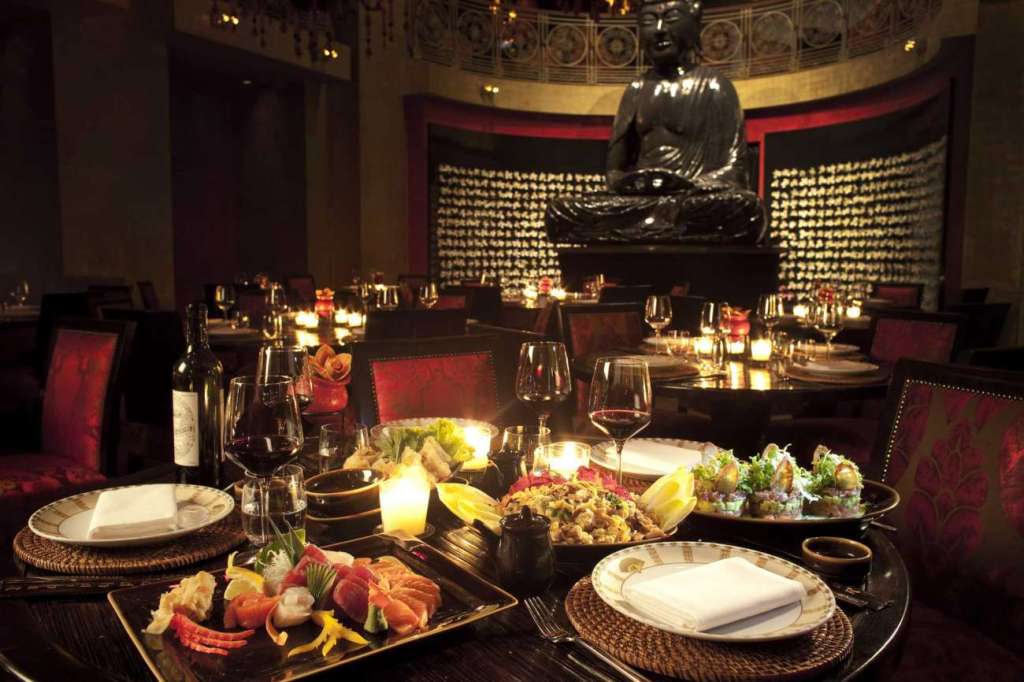
buddha-bar-restaurant-gal-11-1300x867 buddha-bar-restaurant-gal-06-1300x867

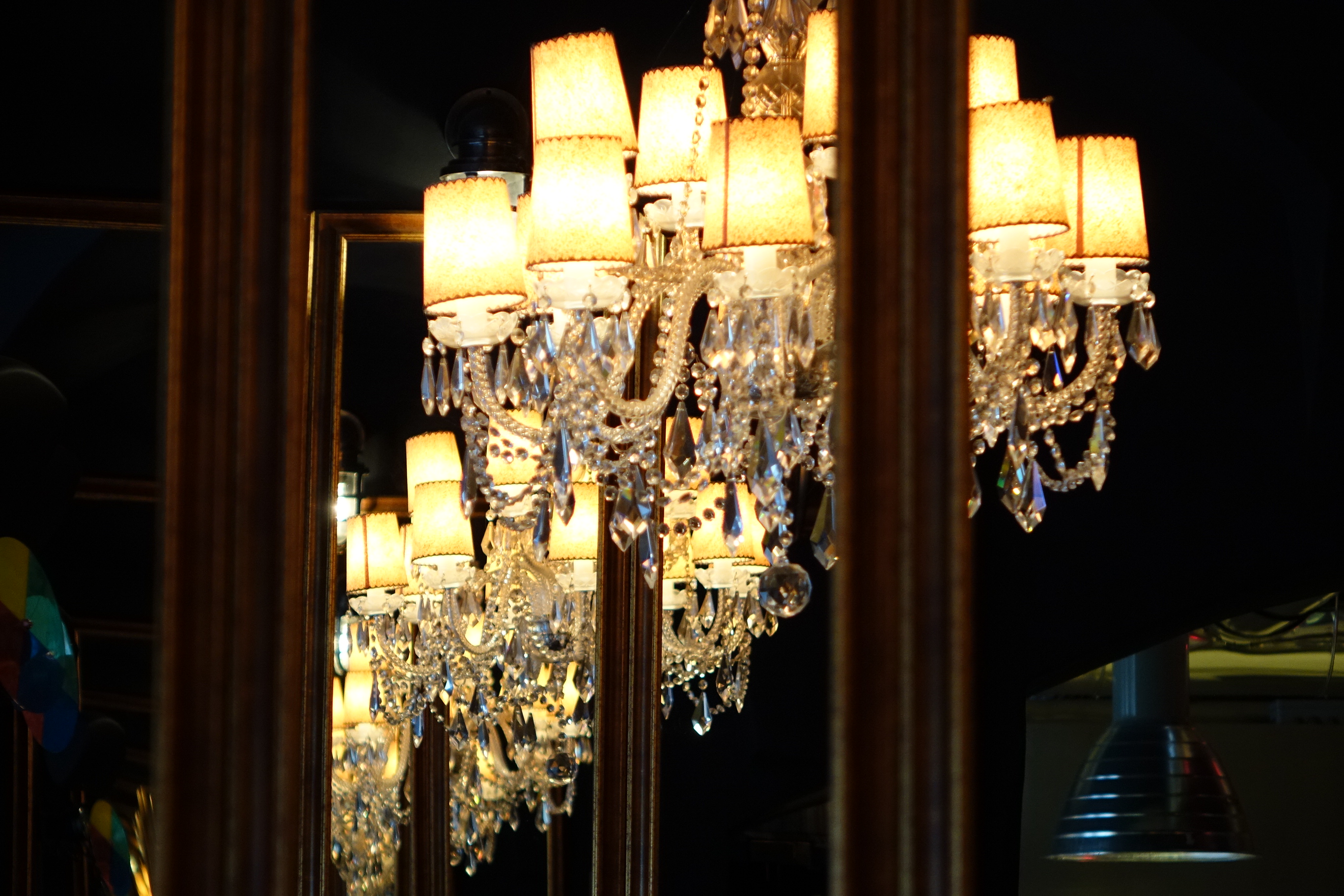
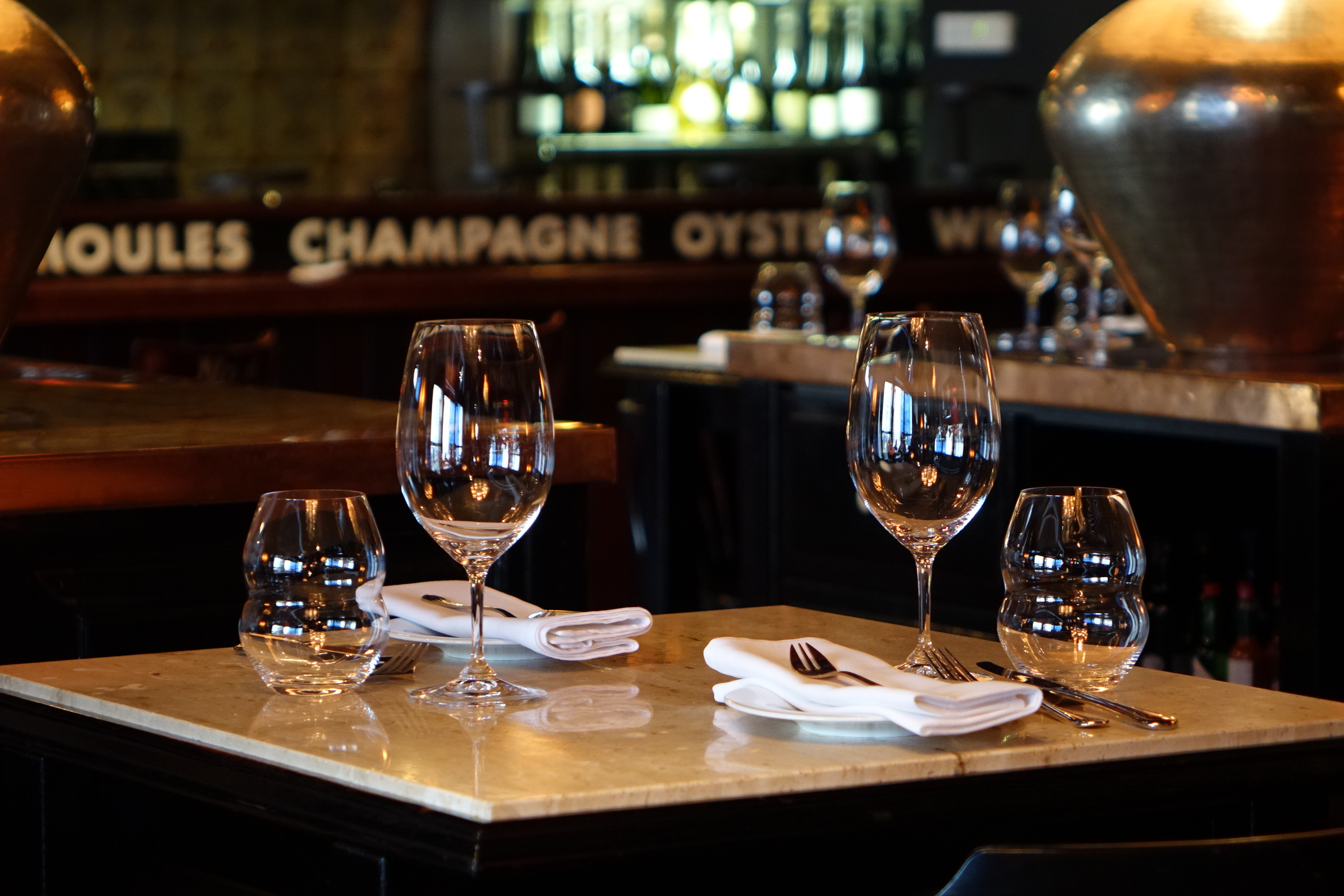
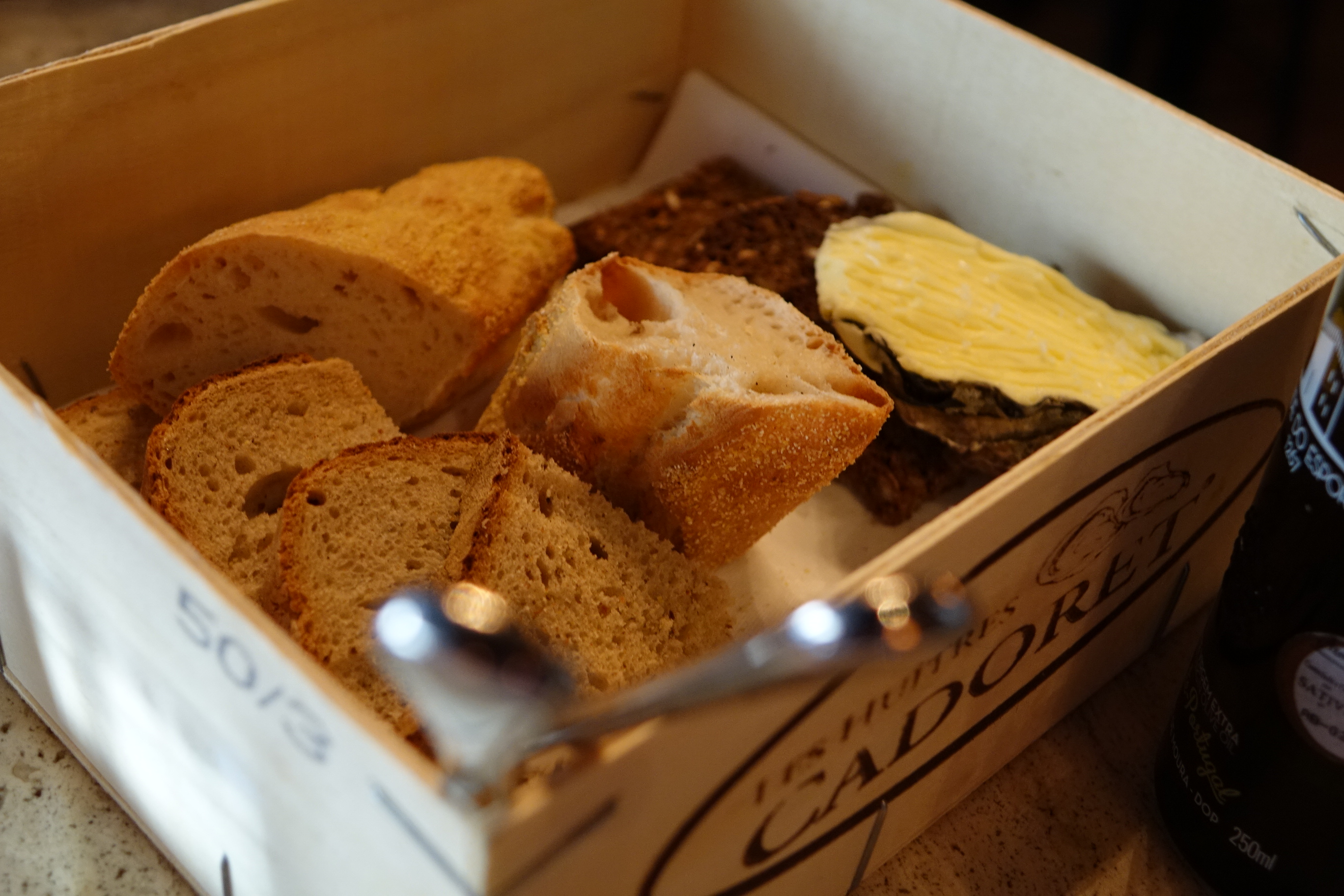
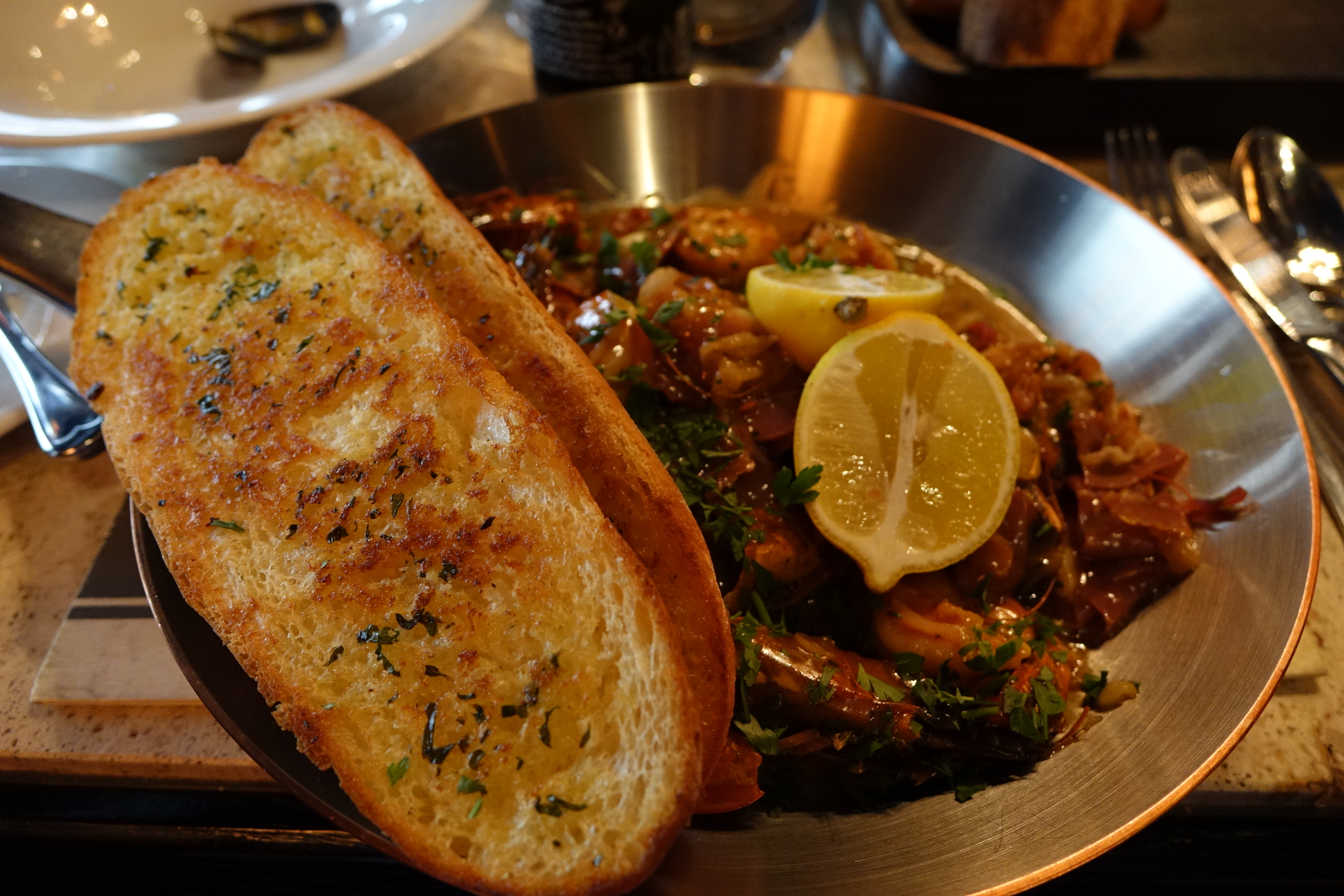
But of course we had to leave the hotel sometimes, and when sightseeing got too much, we managed to find two equally exquisite restaurants in which to enjoy the classier side of life. The first, a discovery quite by accident, was Zdenek’s Oyster Bar, an exceptionally chic little place, filled with brass fittings and lamps made from champagne bottles, that more closely resembled an upmarket Parisian bistro than a traditional Czech eatery. Being as Prague is very much inland, we were at first sceptical of a seafood restaurant in the heart of the city, but our doubts were put to rest by a main of succulent grilled prawns in a creamy sweet peppery rich sauce, with buttery toasted brioche served to be dipped into the tasty liquor. Never have I lavished so enthusiastically over a dish of prawns. I was completely won over on the one dish alone, let alone the other details which made the meal so special – an oyster shell filled with creamy salted butter; delicious crisp local white wine, and steaming muscles each ripe and juicy and a joy to eat.

Zdenek’s Oyster Bar

DSC06341 DSC06347 DSC06343 DSC06350 DSC06344 DSC06349

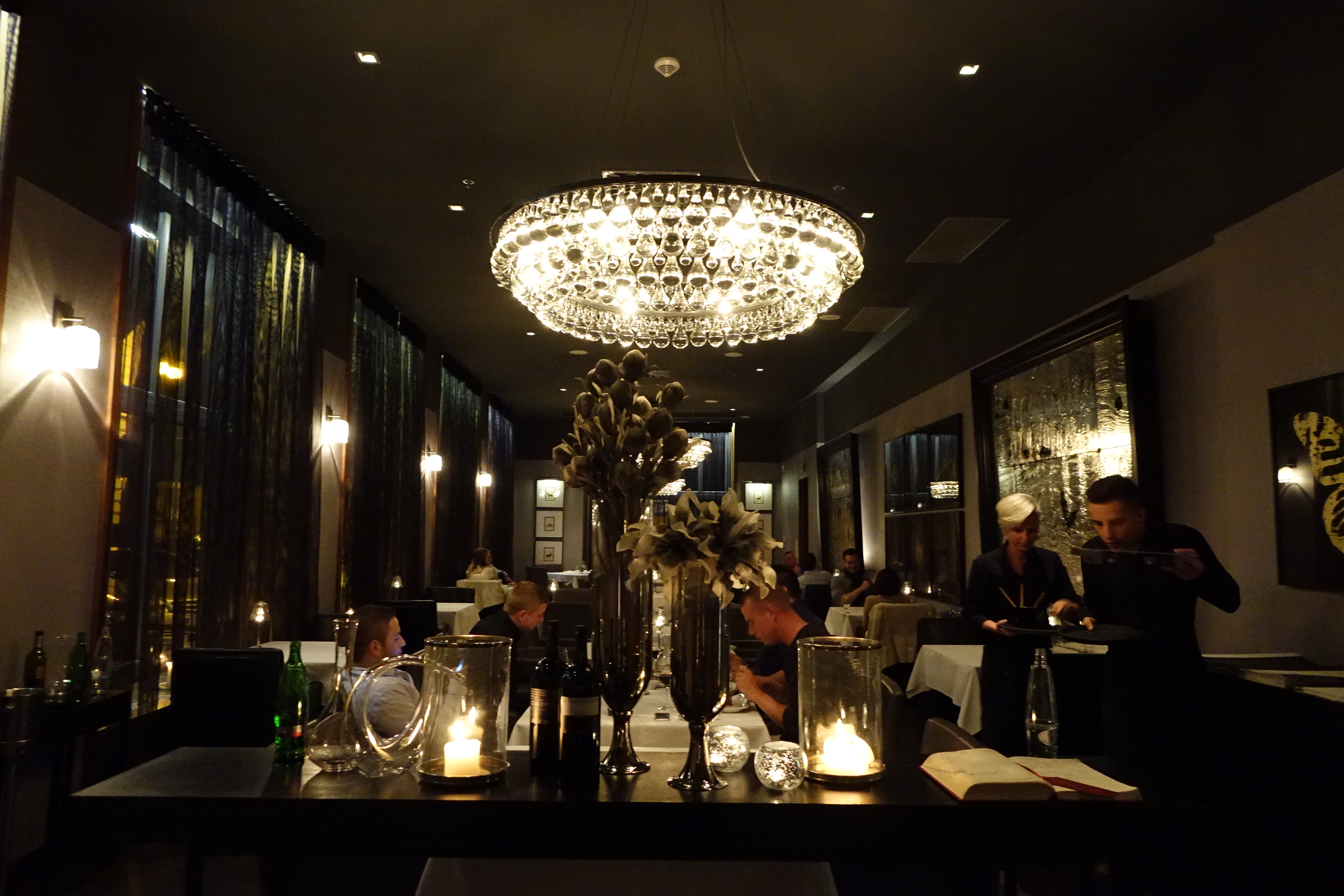
The second of our restaurant successes was likewise a departure from the Czech theme – this time George Prime Steak, which was less traditional steak house than a high class boudoir decked out with highly polished chrome and black lacquer interiors all made to sparkle with modern chandeliers and low lighting. The only real nod to America was the extensive Californian wine list, one of which we enjoyed to the full, despite the waiters leaving the bottle on a far away table and then neglecting to refill our often empty glasses. But they can be forgiven – for the real star of the show was the steak. We opted for fillet which, they told us, was fried in temperatures so hot that it immediately caramelised the outside into a rich sweet crust – a delectable exterior encasing soft tender flesh. It was almost certainly one of the best steaks I have ever eaten.

My only drunken picture of George Prime Steak’s opulent interior…

DSC07316

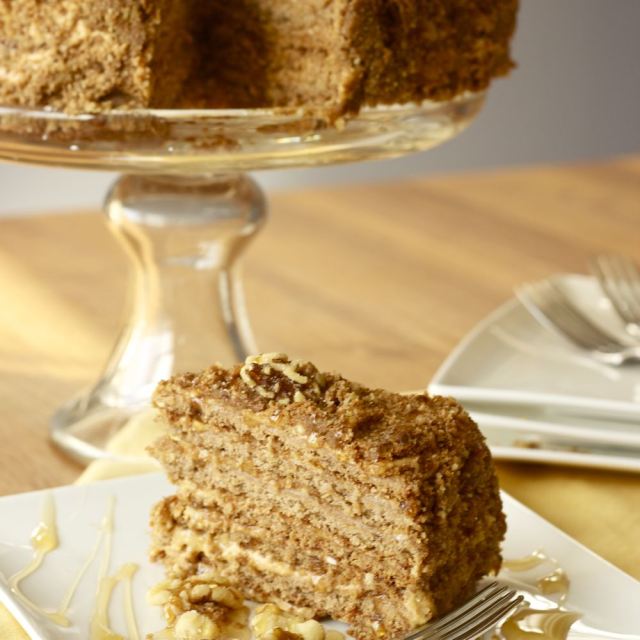
But we were in the Czech republic after all, and my final nod of this post has to go to what must be my favourite aspect of Prague gastronomy – the multi layered Czech honey cake “Medovnik”. Without looking at a recipe, I can only guess that this cake comprised thin layers of honeyed sponge interlaid with a honey and gently spiced gingery, cinnamon cream. Oh it was truly to die for, hence why I must have eaten around 5 slices before the trip was out. Now that really was worth fighting the tourist scrum for.

and that honey cake to die for

medovnik

All photos and written content are strictly the copyright of Nicholas de Lacy-Brown © 2014 and The Daily Norm. All rights are reserved. Unauthorized use and/or duplication of the material, whether written work, photography or artwork, included within The Daily Norm without express and written permission from The Daily Norm’s author and/or owner is strictly prohibited.

Perfect in every way: Caperuza Bistro, Marbella

It’s very rare that you will ever get to enjoy a restaurant meal when every single dish is completely perfect. Even when I’ve had the most delicious high end tasting menus, there’s always been at least one dish which hasn’t quite hit the mark. But in the completely unassuming new little restaurant, Caperuza Bistro, which by complete coincidence is located a mere 100 metres from my home in Marbella, I recently had a dinner which was just that: perfect in every way.

The restaurant is small (just one small room with an open plan kitchen facing onto the narrow old town Calle Aduar) and perfectly formed. With a small team of staff, you get a friendly smile and attentive home-spun service right from the first moment of entering, while cosy candlelight makes the otherwise contemporary interior feel authentic and comfortable. The menu is said to work like tapas, although in reality, it’s more like a tasting menu than tapas, because the restaurant, considerate of the need to savour the complex flavours and stunning presentation of each dish, serve dishes one by one, so that every element can be enjoyed and you never feel overwhelmed (as is so often the problem with the traditional tapas format).

DSC04033

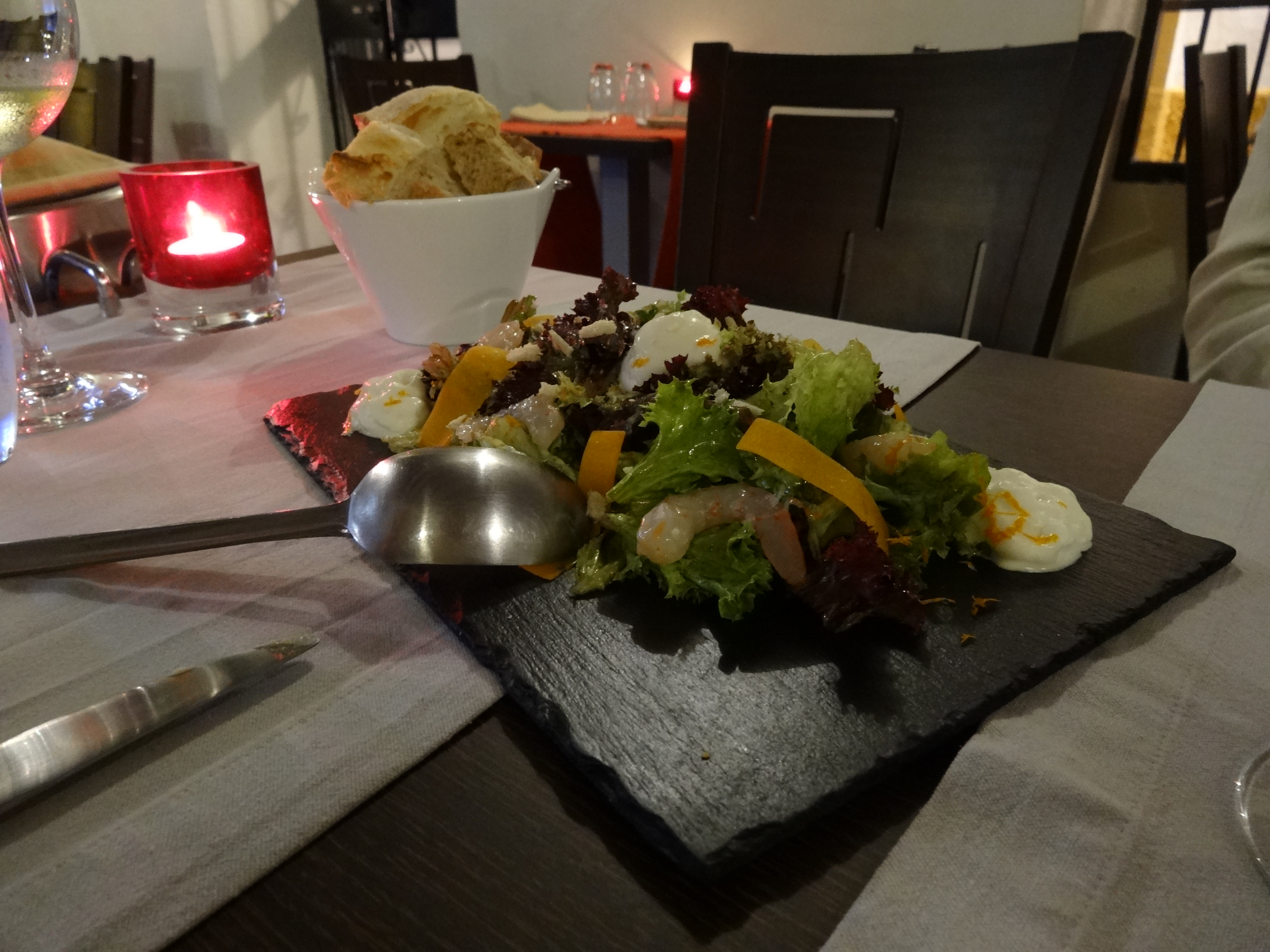
On the recommendation of the amiable waitress, we went for 6 dishes each shared between the three of us. The dishes were served consecutively, with perfect timing and small but adequate pauses between each. We started with a salad of super fresh raw prawns in a smokey foam with sensationally seasoned leaves dressed in orange and what I think was soy. The balance was so delicately and expertly executed that every taste bud in my mouth was tantilised. I can still remember every satisfying flavour now. It was a sensation that was to continue.
DSC03915

Our second dish was a chicken liver pate, beautifully presented in little glass jars with wafer thin bread. While the pate was rich and creamy, it was not overdone. The portion was a perfect size and the elegant crunch of the bread a perfect accompaniment.
DSC03916

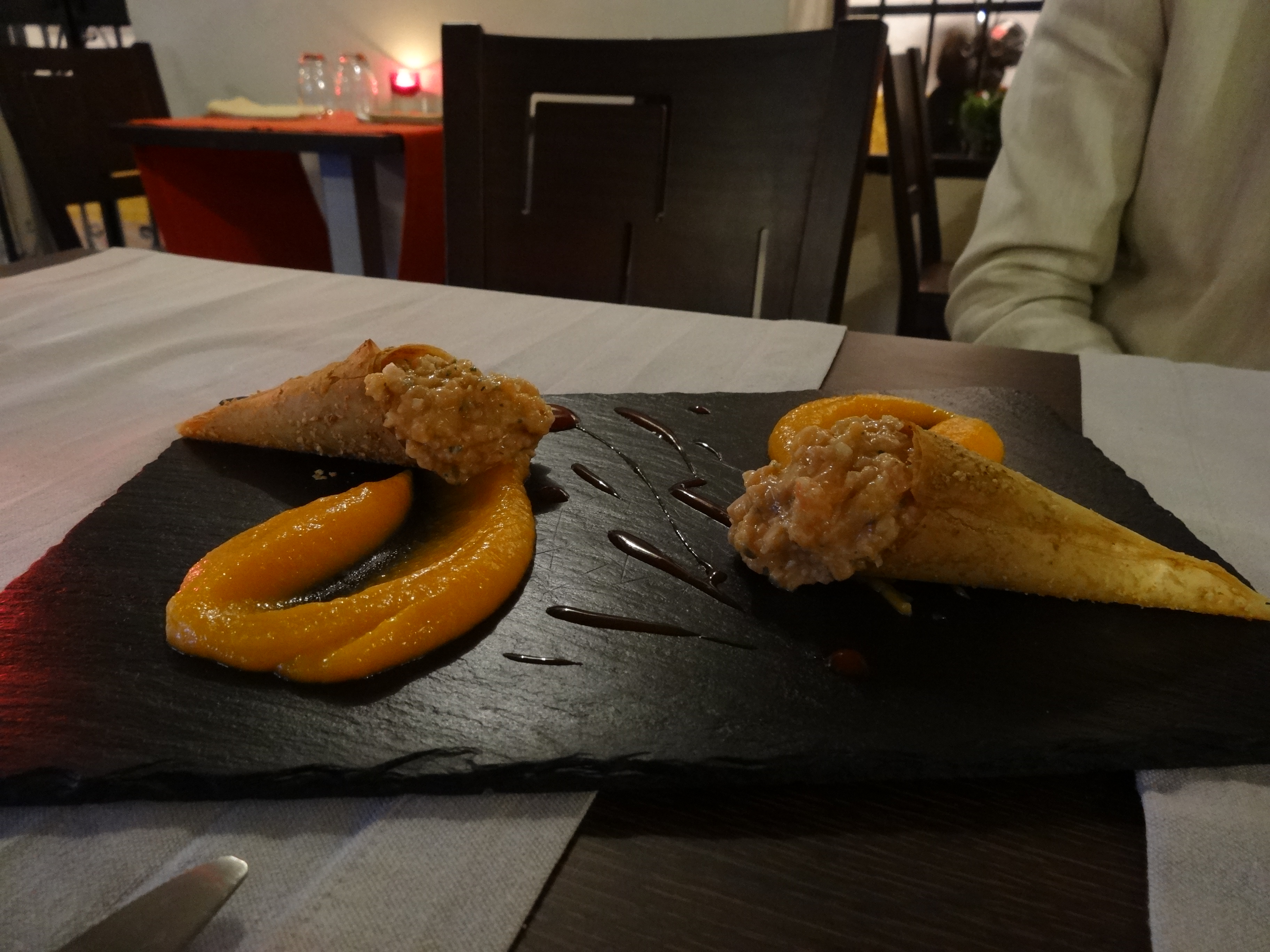
Onto a dish of salmon tartar, spilling out of little crunchy cornets draped over an unforgettable ginger and carrot purée. Balance, balance, balance – this place had it all, with this dish another prime example which lasted but seconds before we finished it up – all washed down with the delicious bottle of Rueda chosen for us by the dedicated staff.

DSC03917

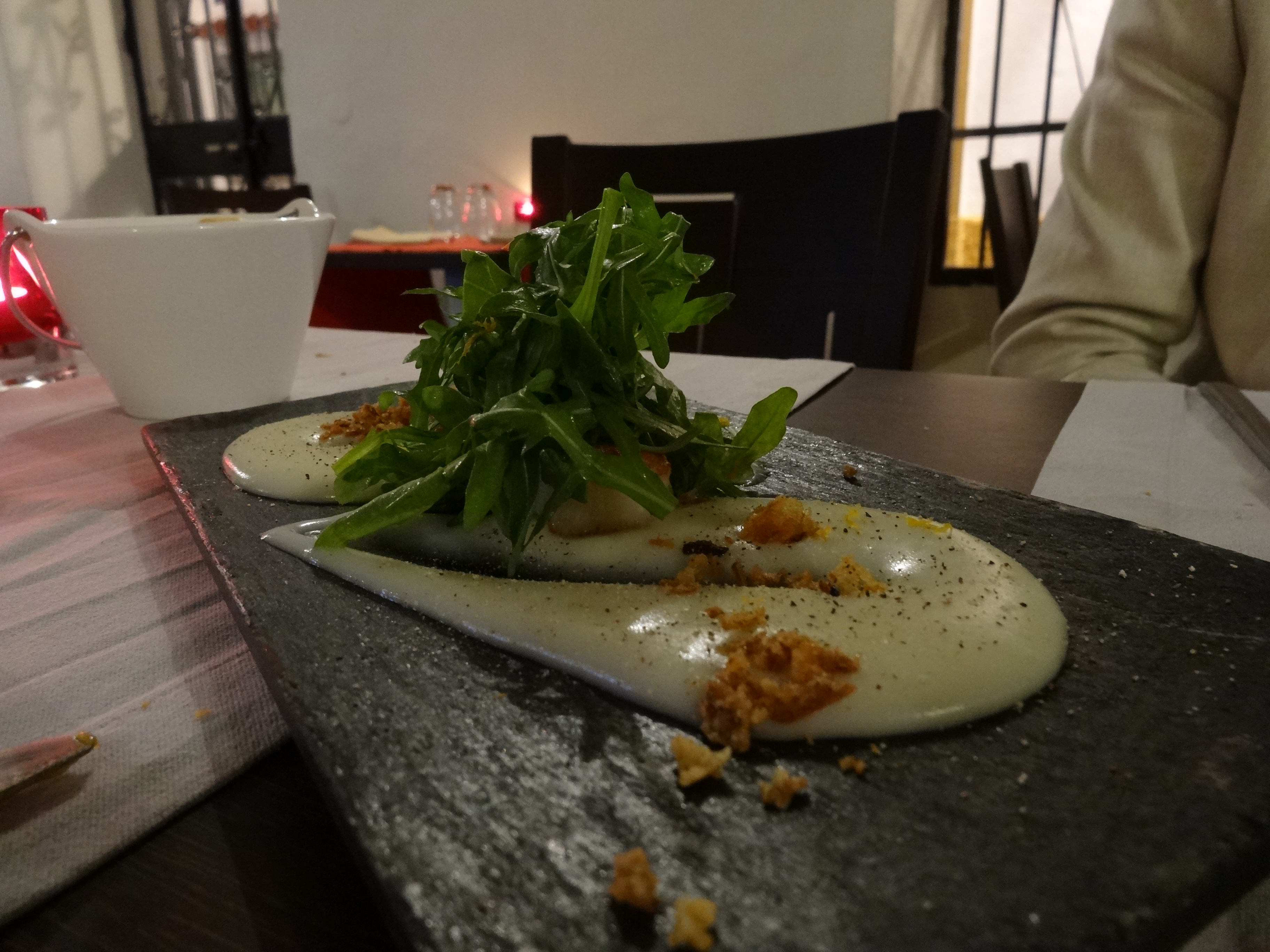
Could it get any better? Why yes, for up next was a dish of scallops hiding within another ample helping of seductively seasoned rocket salad whose peppery bitterness contrasted perfectly with an exquisite lemon and potato puree which brought the lemon groves of Sorrento alive in my mouth. Such freshness of flavour was countered only by the sweet and delicious caramelisation of the scallops. My only complaint – that this dish did not go on forever.

DSC03918

Thankfully, what I now consider to be the best dish of all was still to come. A dish of sweet sticky vermicelli noodles, with juicy big prawns, toasted almonds and garlic. I can’t tell you how delicious this dish was, nor properly communicate just how well the crunch of the almonds contrasted with the silky noodles, and how the delicate shellfish stock had caramelised into a golden sweet pasta sauce. Oh sensational.

DSC03919

Finally we dug into an equally successful dish of asian inspired duck served with a little creamy peanut puree. Need I say more about the excellence of this cuisine? (I forgot to take a photo of that one!)

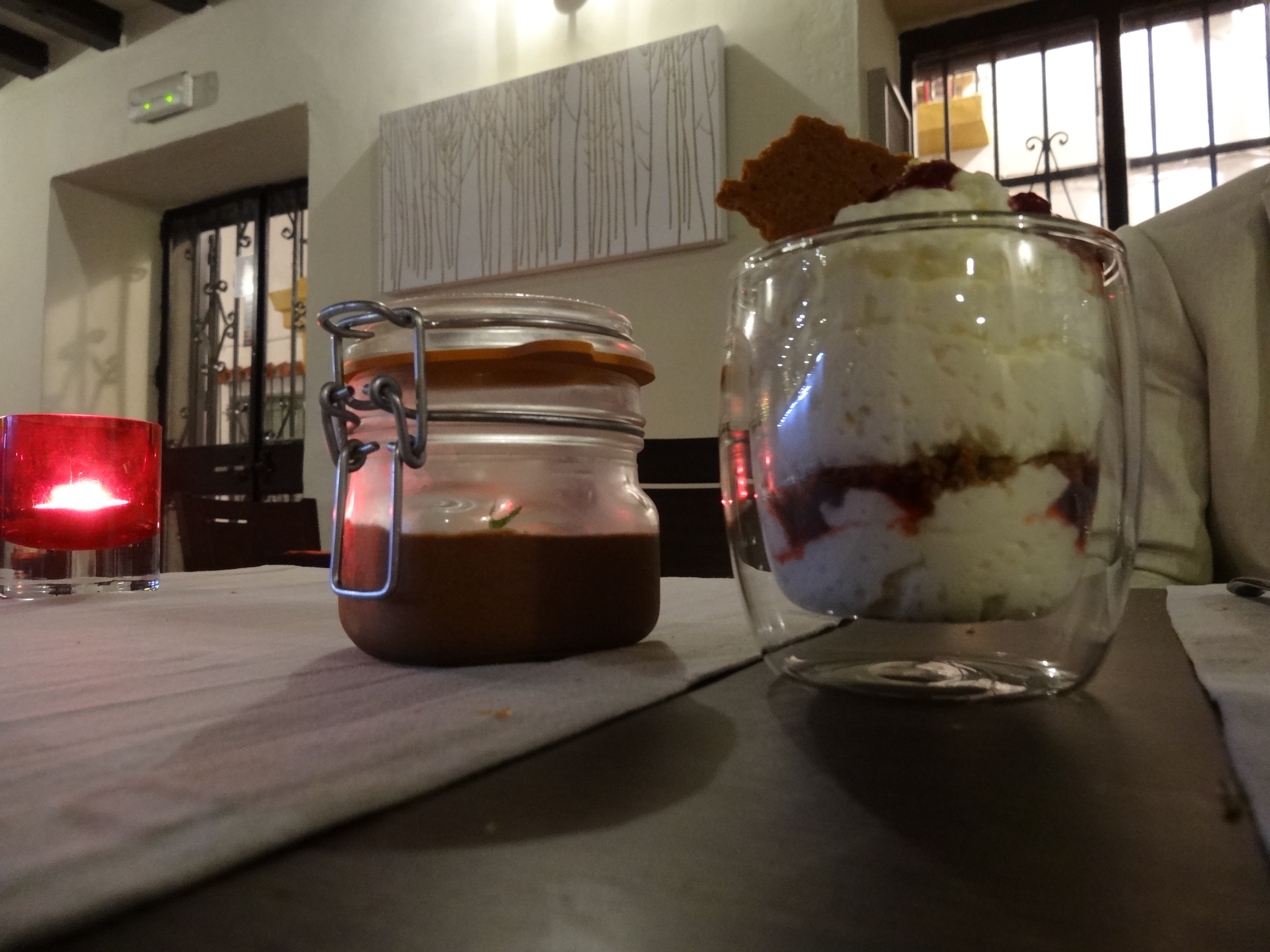
Well yes actually, because dessert was to follow. And just when we thought the mains could never be beaten, along came a cheesecake mousse – I mean for god’s sake, can life get any better than this? Puffy little clouds of the most satisfyingly delicious mousse served with a little buttery biscuit on the side. And then there was the super fresh pineapple sorbet with a creamy smooth mango soup. I was in heaven.

DSC03920 DSC03922

My only hope now is that this little restaurant, which is relatively understated and slightly off the tourist track, remains open to serve this sensational cuisine for a long time to come. The quality of the food was out of this world, and simply could not have been anticipated from the outside of the restaurant, nor from the menu whose prices were so reasonable that one wonders how the restaurant can make any profit at all. But take advantage of those while you can, because if the chef continues cooking this well, they’re bound to rise fairly swiftly in turn.

Caperuza Bistro is at 22 Calle Aduar in the Old Town (Casco Antiguo) of Marbella, Spain. Tel: (+34 951 395 593)