Skip to content

Posts from the ‘Photography’ Category

A Cretan Odyssey | Part 4 – Nymph Beach and other wonders

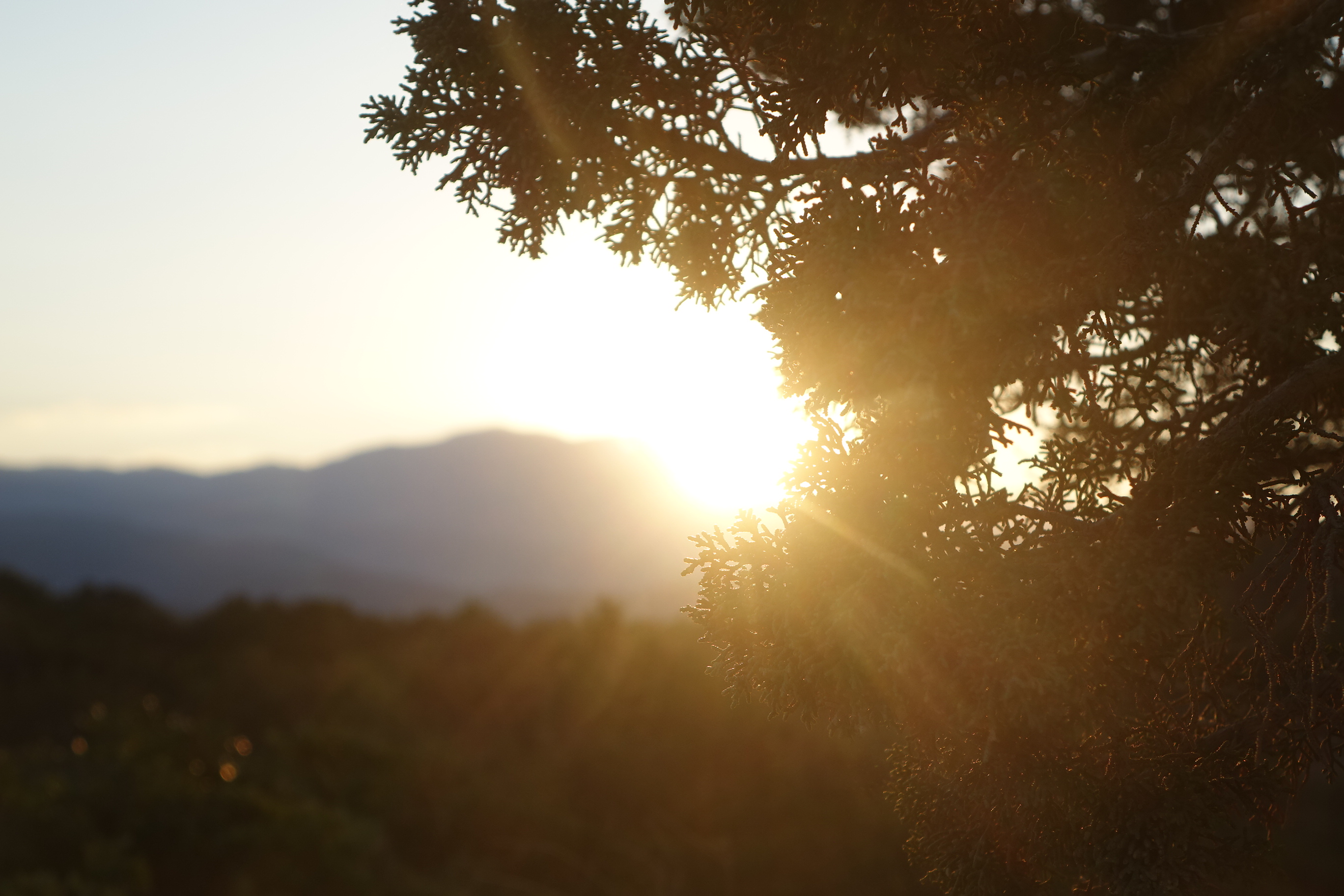
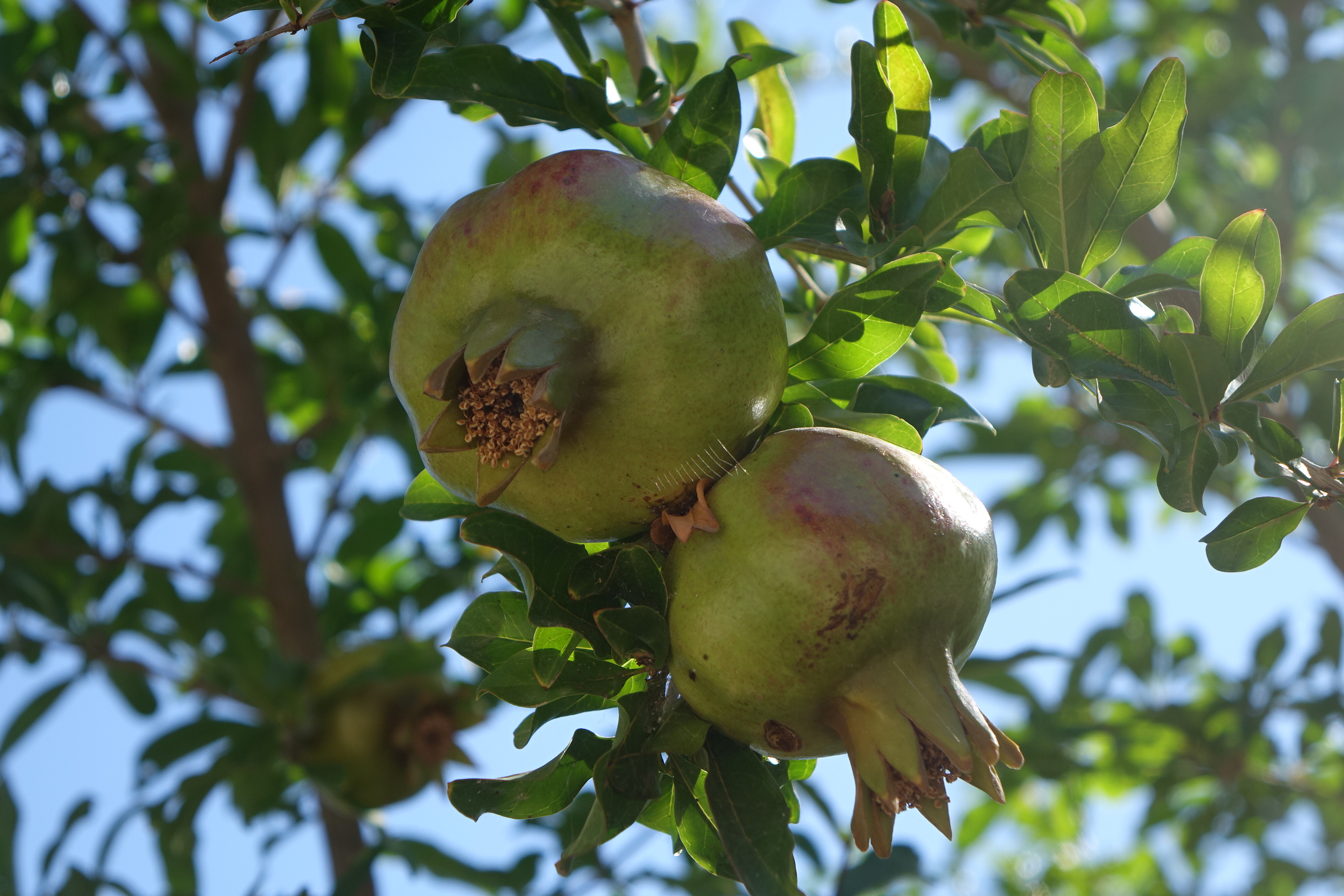
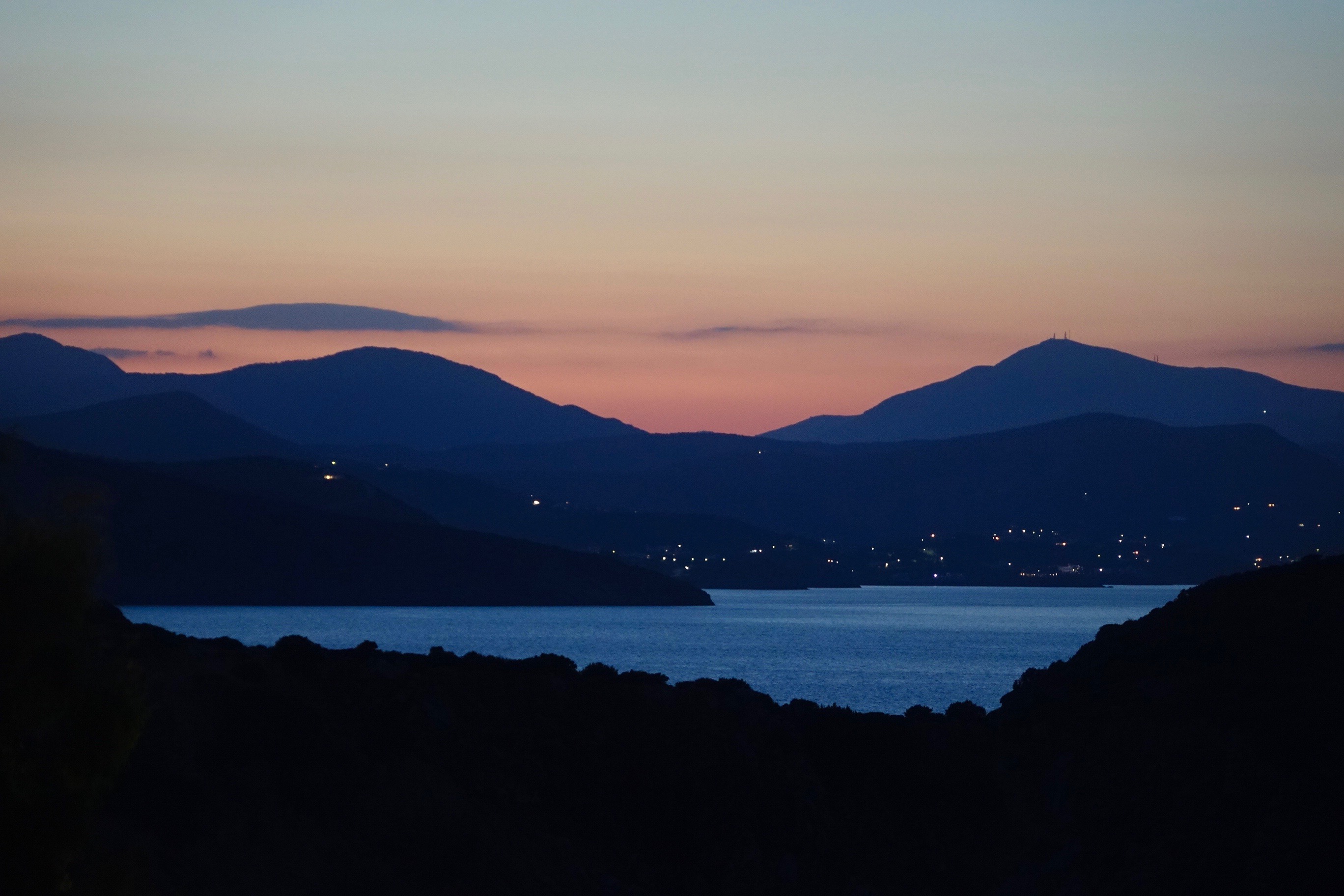
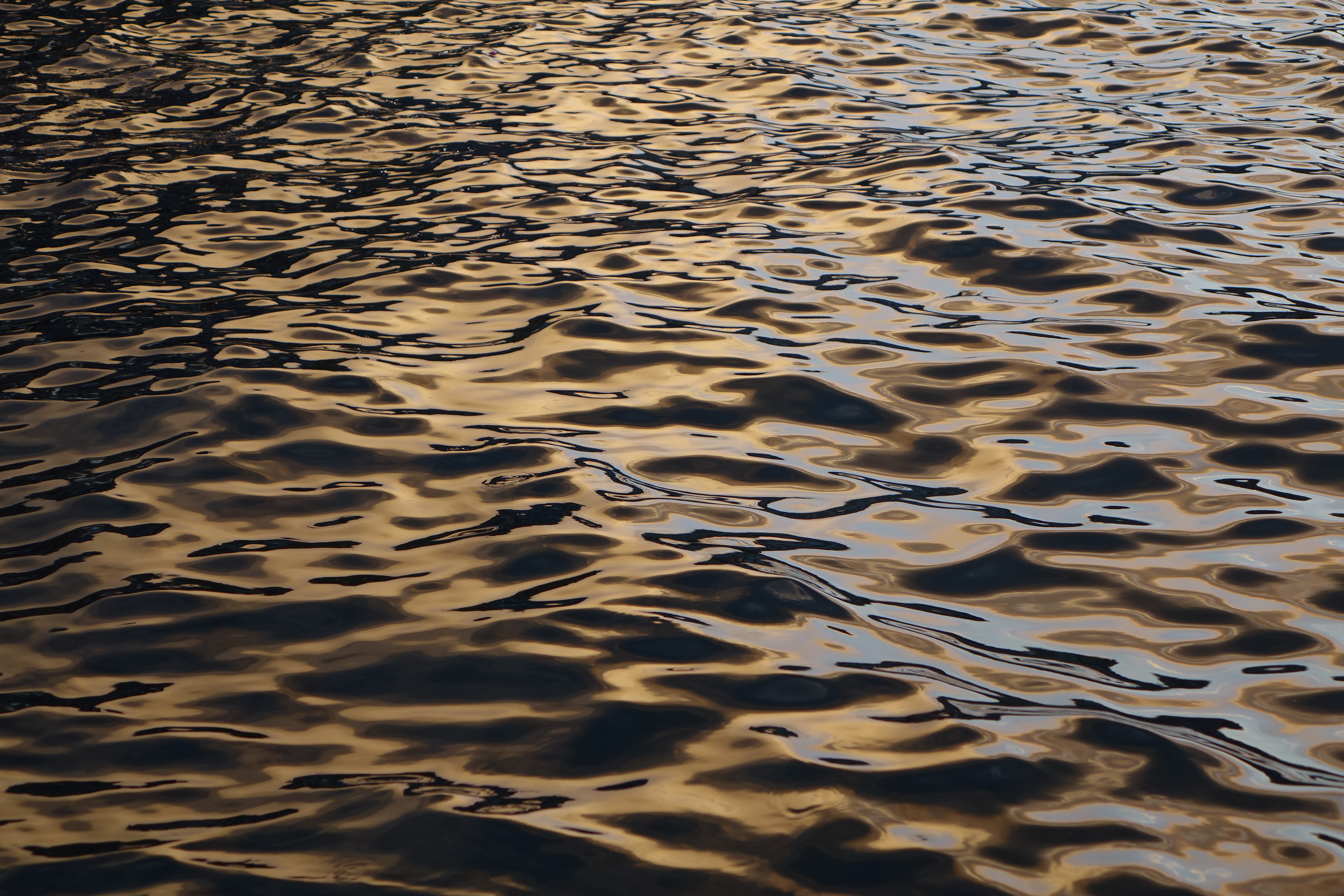
When we had had our fill of our perfectly proportioned, utterly private pool (when that was possible – it actually amounted to being dragged away by the fear that we might otherwise be addressed as the kind of philistine pool-huggers who see nothing of the countries they visit on holiday) we only had to stroll 5 minutes down a little lemon and pomegranate tree lined lane to get to the beach. And what a beach it was. Utterly secluded, populated only by the small number of guests from a nearby hotel, a walk some 10 metres along the shingle shore meant complete privacy in waters as clear as Evian. We became accustomed to visiting the beach both first thing in the morning and in the dying light of day. On both occasions there was a tangible magic to the place as the sun, either in its rise or its descent, sent golden sparkles bouncing across the mirror-like waters. It felt mystical, as though Apollo, god of music and harmony, were present.

DSC04956DSC05016DSC05080DSC04334DSC04999DSC04963DSC04347

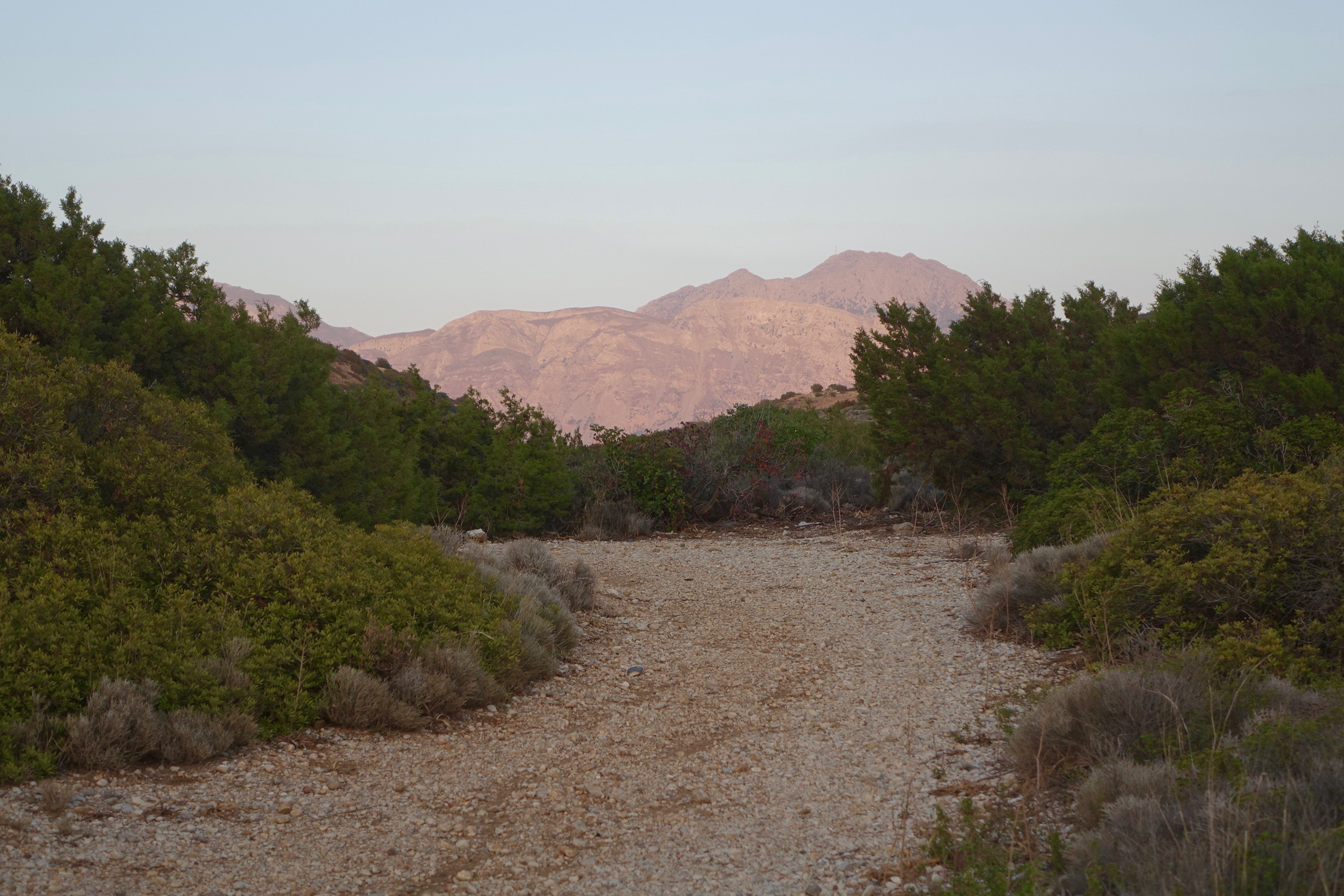
Characterised by its rocky promontory, the beach was cosy, enclosed, a safe harbour from winds and an utterly magical place to be. But the mere presence of that promontory had our explorer’s curiosity peeked, and it wasn’t long before we started expiring the cliff tops, an entire plateau covered with olive trees and harsh stones, an ancient biblical landscape tinged with the gold of the Cretan sunshine. We trekked through the landscape, unsure what we would find as the cliffs undulated down to the sea. What we never expected to discover was another beach. This one caught between the dramatic overlap of rocky outcrops and descending hills.
DSC05039DSC04988DSC05032DSC05027DSC05010DSC04328DSC04326

The beach was perfect. It was completely private. Not a sole around, no one in sight, apart from the mystery of a lone towel abandoned on the shore. That mystery was solved a few minutes later as a lady, perfectly toned, wonderfully naked, appeared on the horizon and glided steadily towards the shore. As she approached the edge of the beach she rose from the water, the sparkling sea sliding off her perfectly tanned and silky skin, and she reclined upon that same towel, almost oblivious to our presence. This was no human. Surely this was a nymph, so perfectly was her body adjusted to the molten waters of the bay.

DSC04975DSC04993IMG_1696DSC04323DSC05026DSC05053DSC04342

We strongly felt that we had entered some kind of mystical place when we swam out away from the shore and came face to face with towering craggy cliffs backlit by the descending sun. Once again Apollo’s touch was here, and when we turned back to shore, no sign remained of the nymph, as though the apparition of her fleeting presence had dissipated into the heady evening air. But we never doubted her existence. Nor the magical moment of our visit to what we now know as Nymph Beach. I won’t tell you where it is. Only that it exists, ripe for discovery by those curious enough to find it.

© Nicholas de Lacy-Brown and The Daily Norm, 2018. Unauthorised use and/or duplication of the material, whether written work, photography or artwork, included within The Daily Norm without express and written permission from The Daily Norm’s author and/or owner is strictly prohibited.

A Cretan Odyssey | Part 3 – The Paradise Pool on Mirabello Bay

The weather in Crete was peculiar for the summertime. We basked in sunshine most of the time, but always looming close by, like the sword of Damocles threatening to unload itself on our holiday, were dark clouds foretelling of dramatic thunder. Perhaps we should not have been surprised – Crete is the birthplace of Zeus after all, so why shouldn’t he be able to throw a thunderbolt or two down on his homeland, just for reasons of pure nostalgia? Hugging Poseidon’s coast seemed to protect us from Zeus’s sport, but as we drove deeper into the mountains, our encounter with storms was guaranteed. It was under one such dramatic downpour, and having traversed the island from Chania in the West to Agios Nikolaos in the East, that we arrived into the lush, humid valley of our new location near Istron. What we found there may have been wet (but perfumed by the utterly, verdantly fresh fragrance characteristic of post summer rain), but as we arrived at our villa and home for the remainder of our holiday, we knew that we had arrived in paradise.

IMG_1409DSC05067DSC04517DSC04386DSC04363DSC04498DSC04884IMG_1541IMG_1711IMG_1231

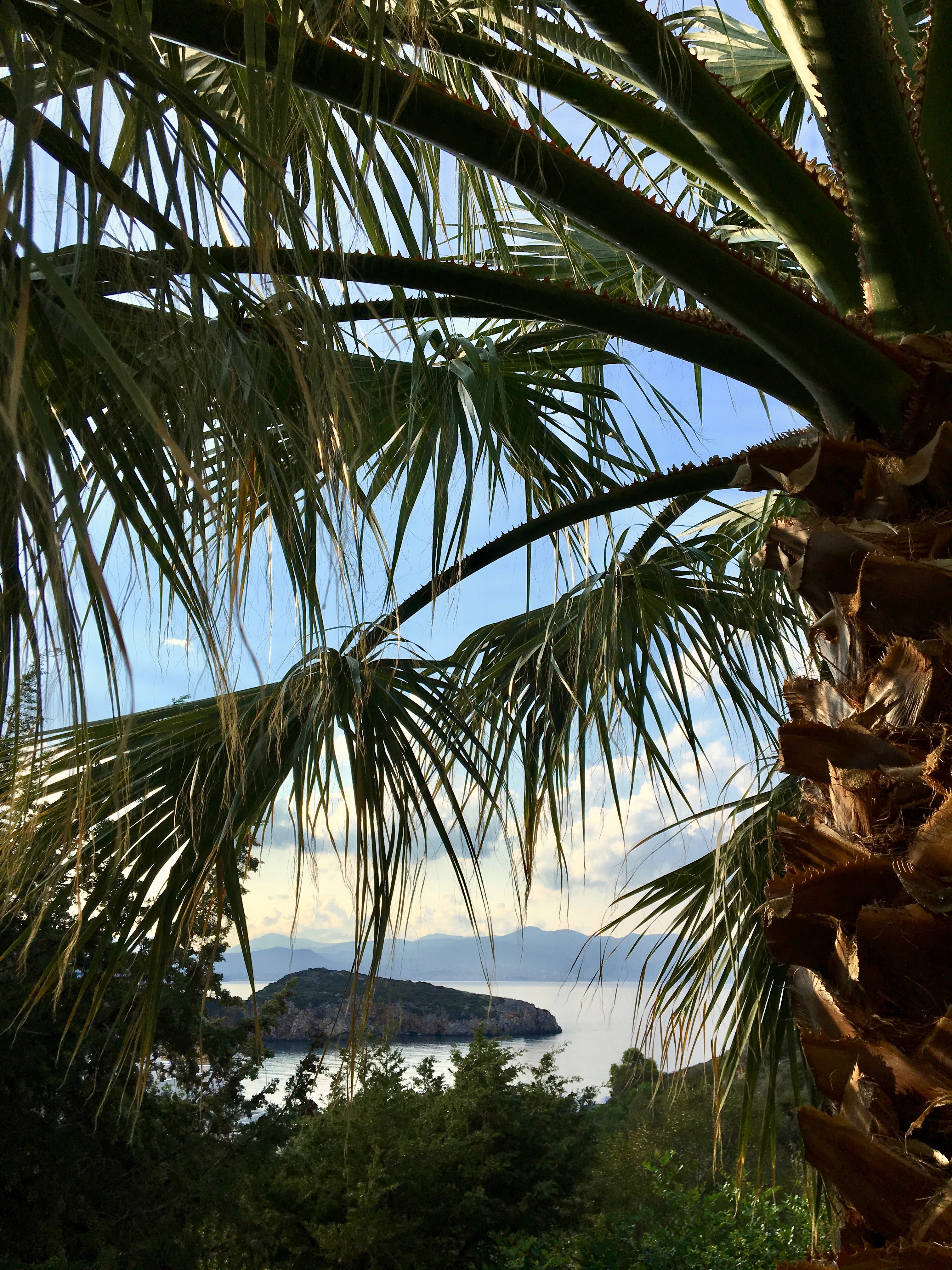
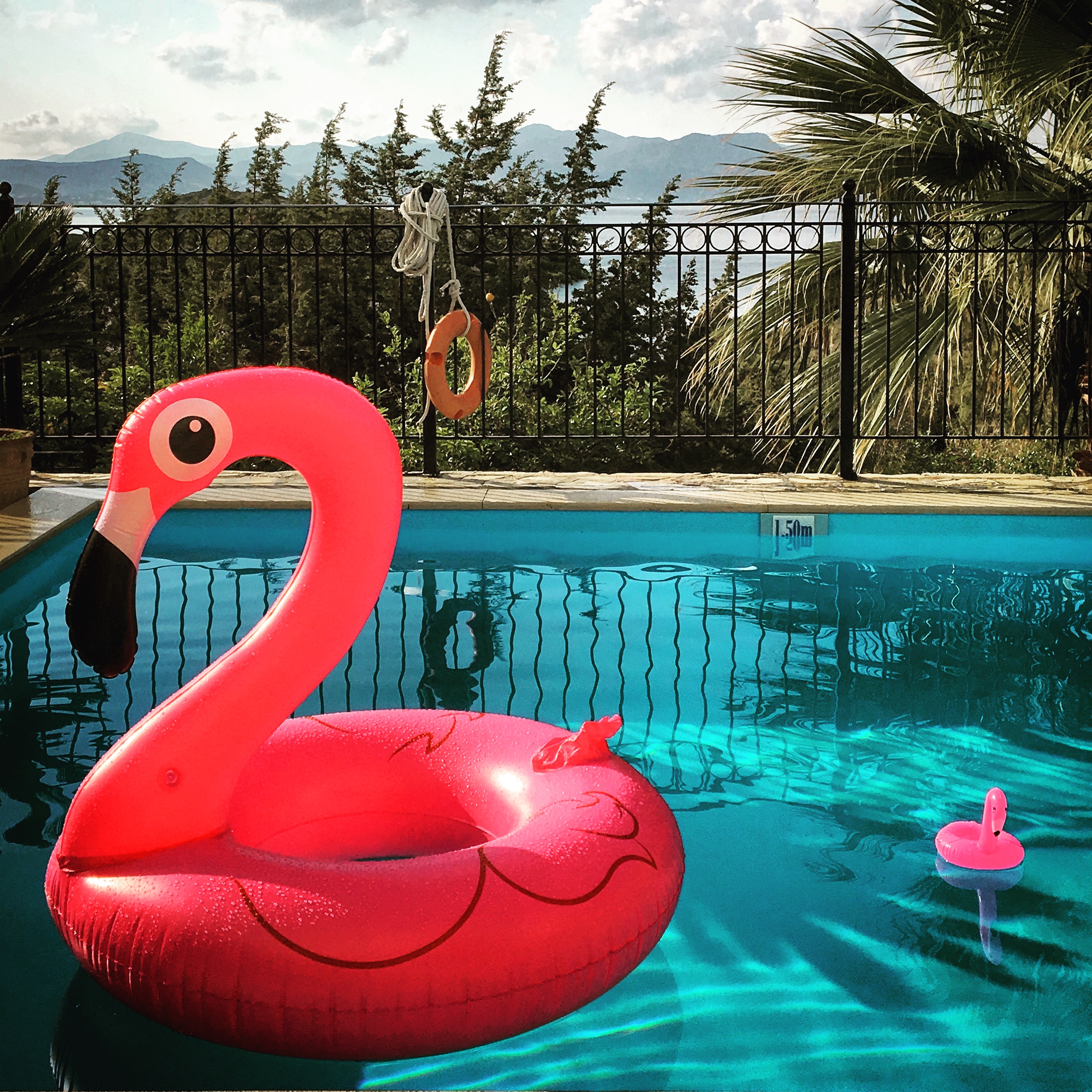
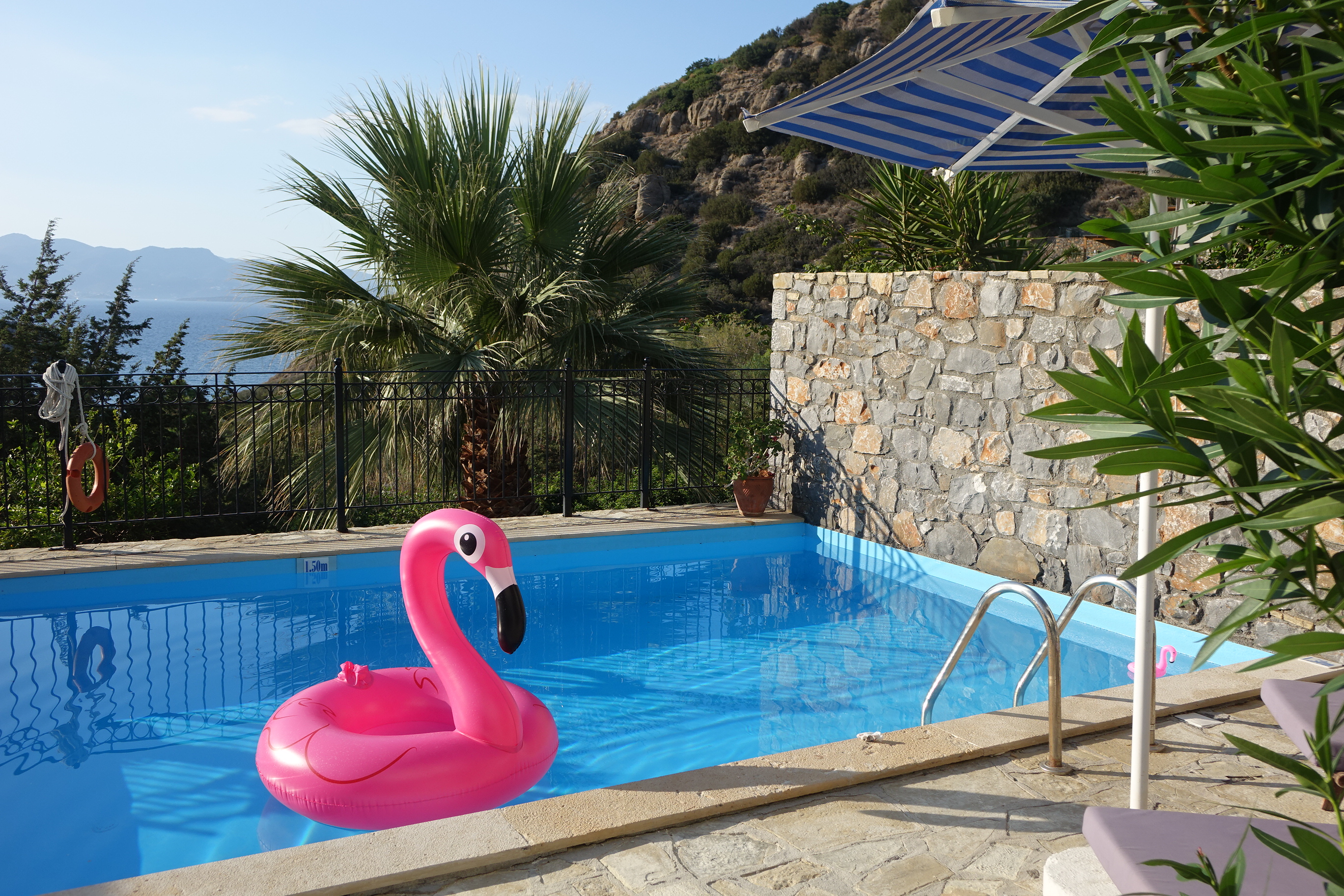
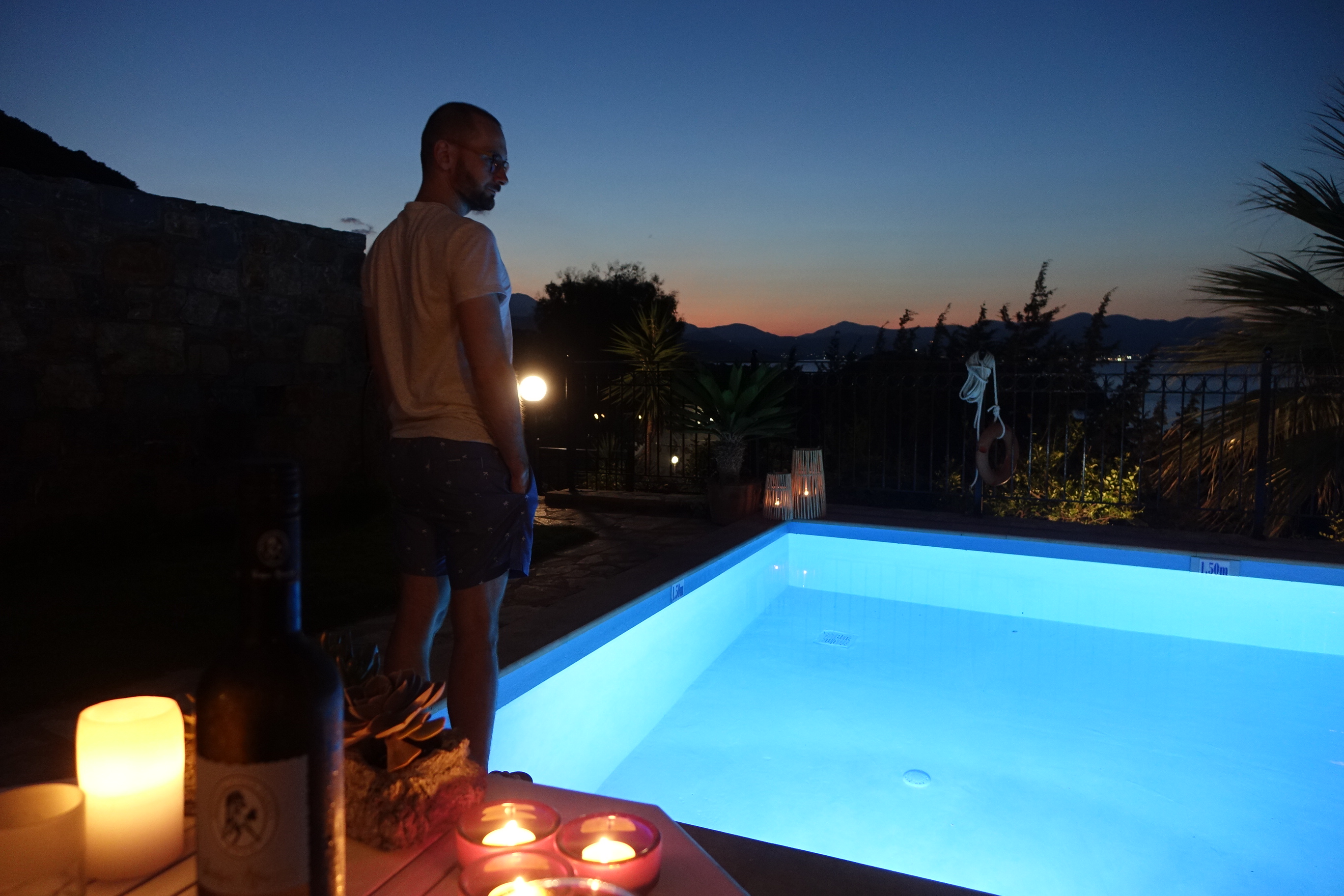
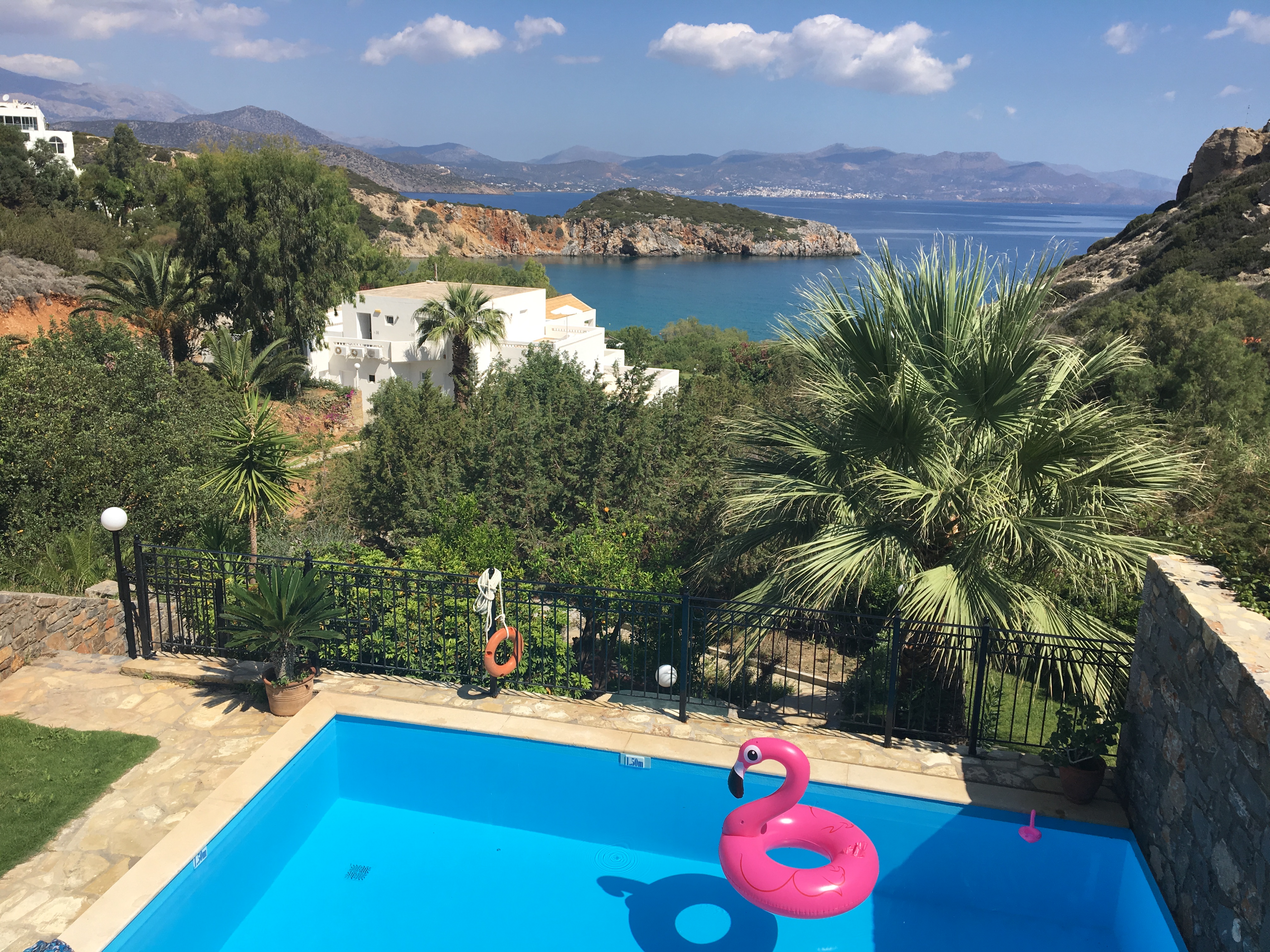
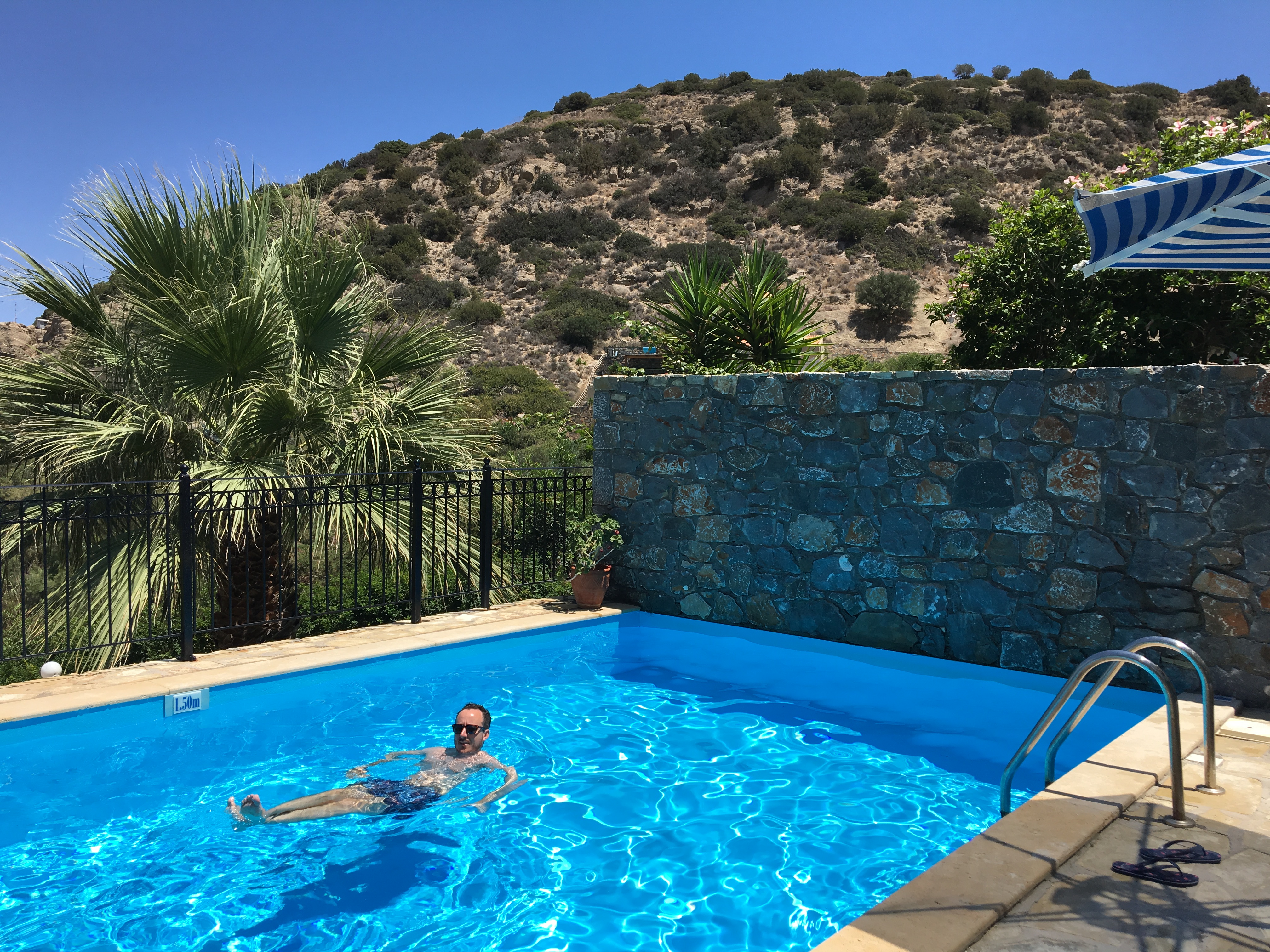
A little self-contained house on two floors with lounges upstairs and down looked onto the most incredible views over Mirabello Bay. There was an indication of other villas nearby, but the lush vegetation meant we felt utterly secluded in this mountainous Elysium… and as we were to learn, the nearby villas were sparsely occupied. But best of all was our pool. 4 by 6 metres of joyous, turquoise happiness all to ourselves. We could swim by day, we could swim by night. It was like a painting by Hockney come alive for our sole and exclusive enjoyment.

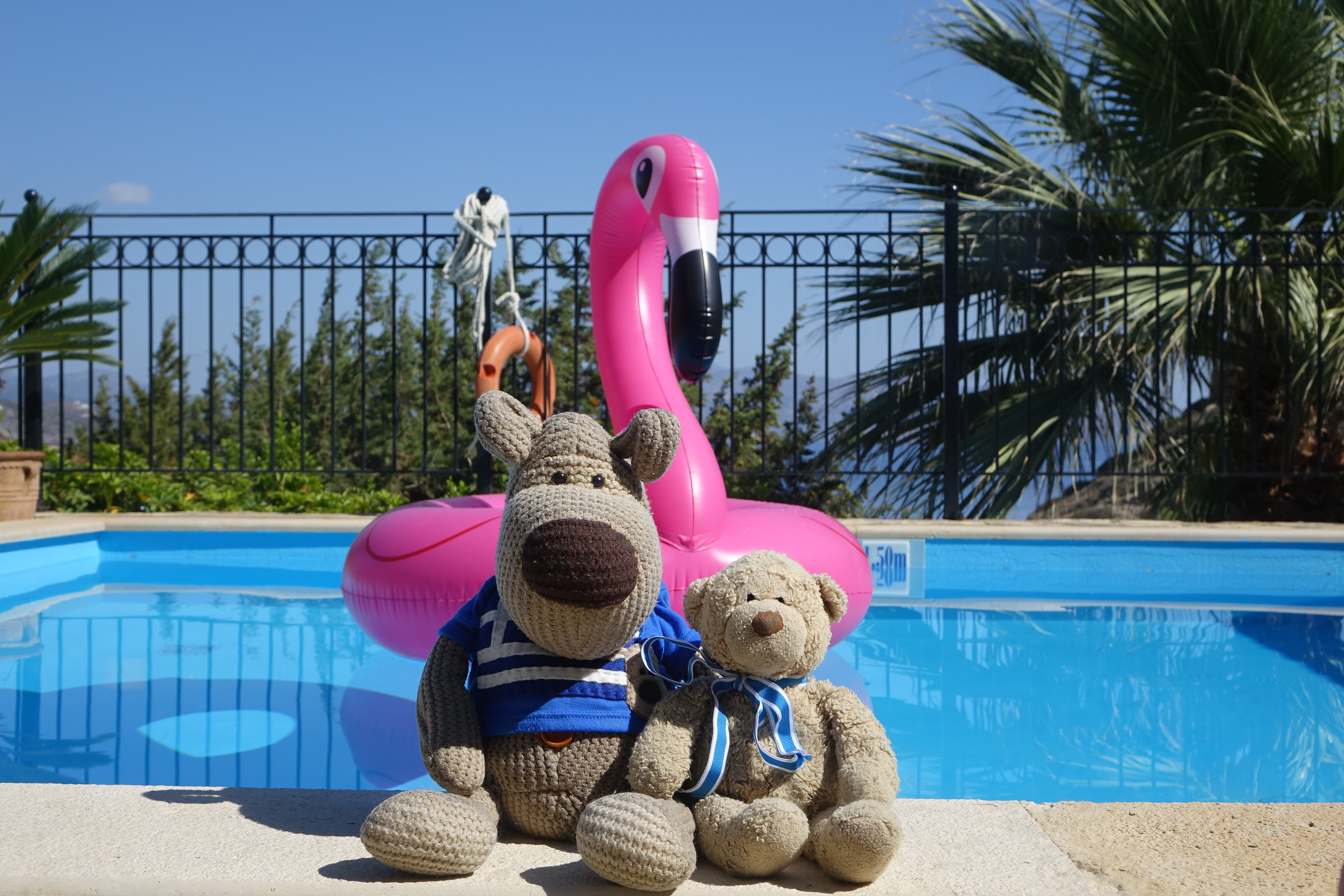
Before we could even unpack our beachwear, we inflated our must-have flamingo inflatable, as well as his baby (niftily designed to hold a drink). Ian Flemingo, as he became known, was a welcome point of additional colour in a landscape which we gazed over in awestruck wonder every morning, lunch, night, dusk and dawn during the four days that followed. And when we had had enough of our pool (not that we ever truly could), it was a mere 5 minute stroll down the lane to the private beach of the swanky hotel in whose grounds our villa was located. The beach, like the valley, was like a mythical paradise to behold…but more about that another day. 

IMG_1333DSC05071DSC04533DSC04943DSC05063DSC04931DSC04922DSC04866DSC04929

In the words of Coldplay, this was para…para…paradise, and the dazzling, sparkling cerulean rectangle of happiness that was our pool played centre-stage. 

© Nicholas de Lacy-Brown and The Daily Norm, 2018. Unauthorised use and/or duplication of the material, whether written work, photography or artwork, included within The Daily Norm without express and written permission from The Daily Norm’s author and/or owner is strictly prohibited.

An Extraordinary British Summer, Part 2: Provençal luncheon, Sussex setting

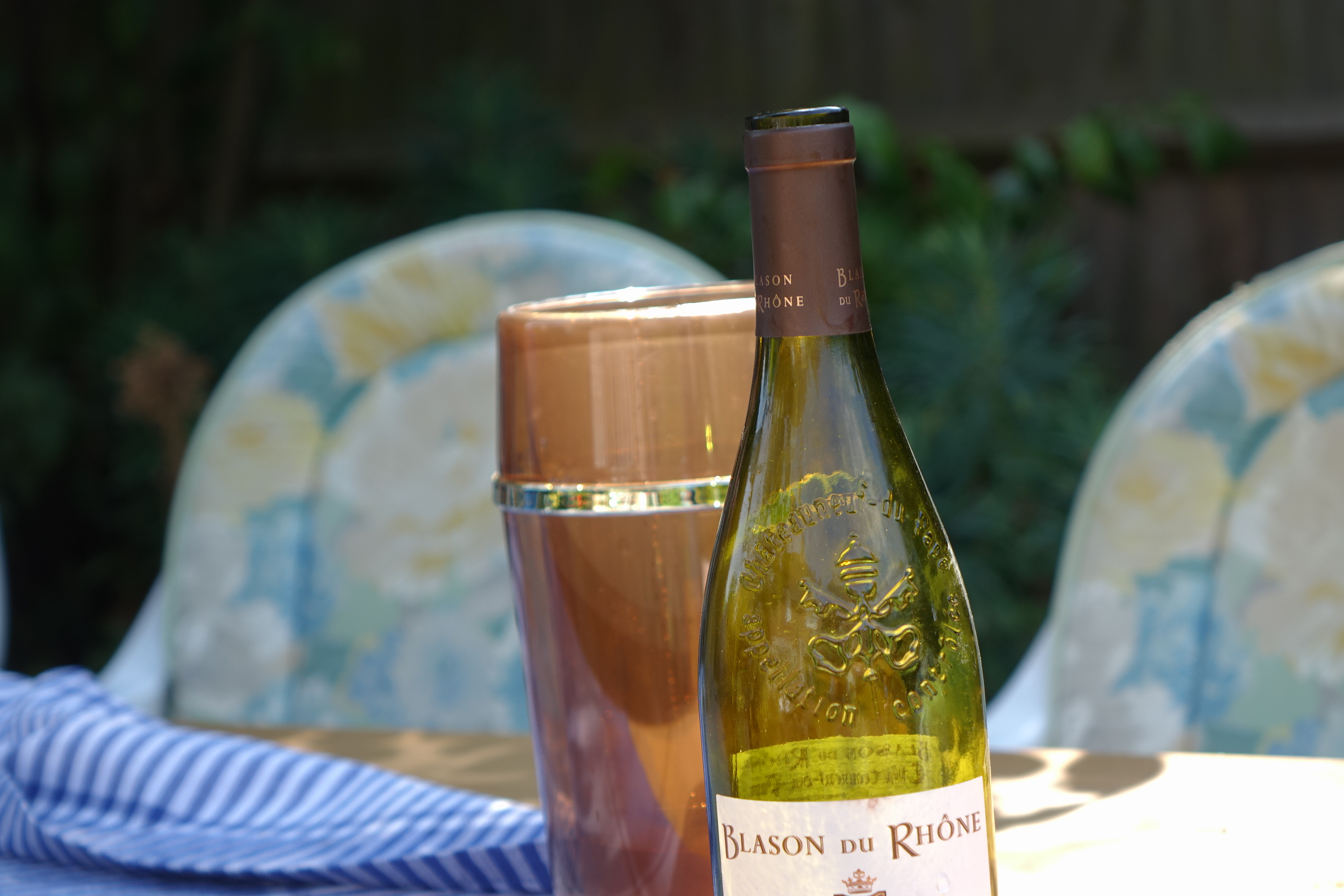
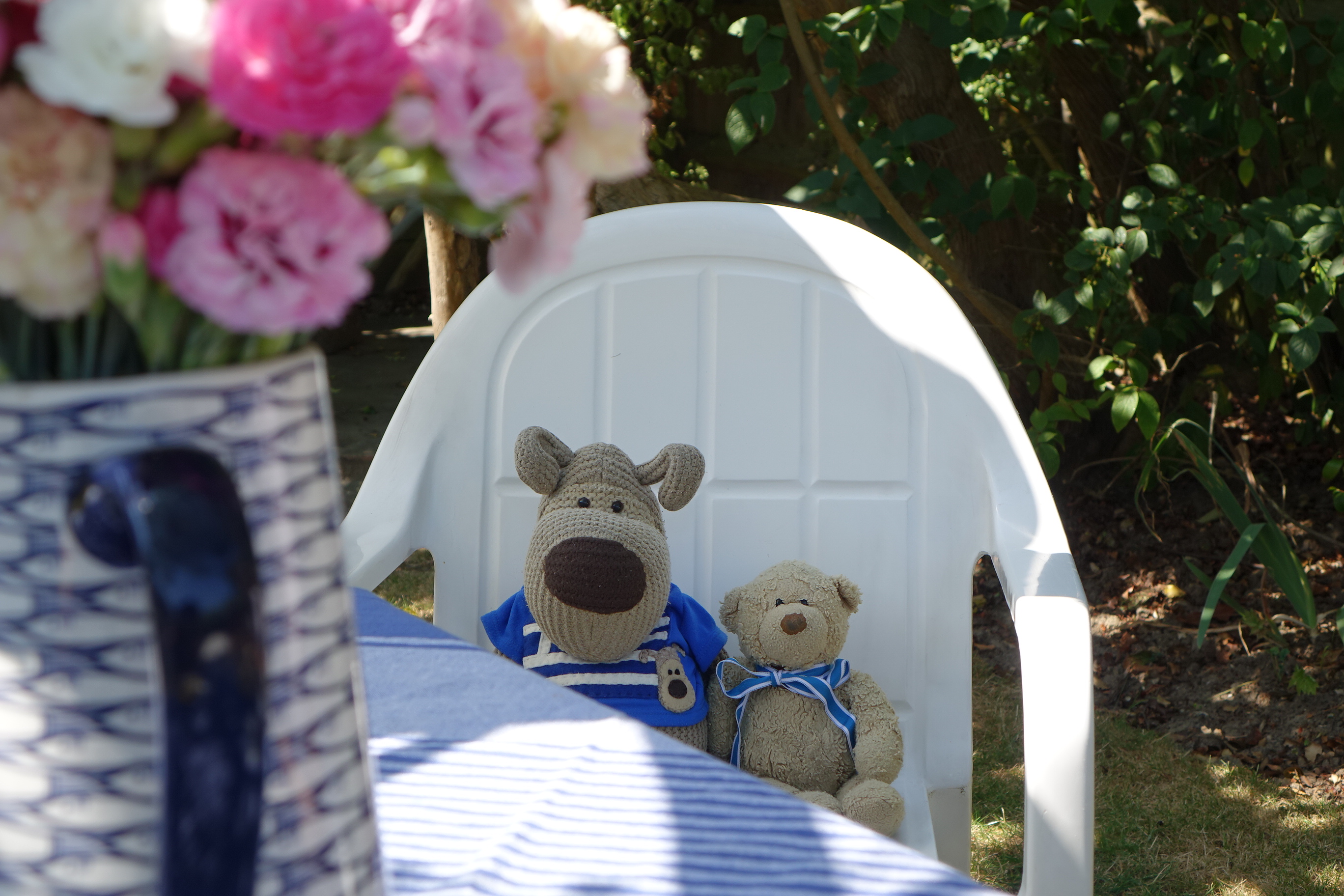
Everyone dreams of those typical Provençal scenes – the rustic wooden table, set out under the dappled shade of a bounteous fig tree, chairs collected from all over the house set around the table as a miscellaneous collective of dissonant styles, and upon the table pitchers of wine, large bowls of salads and platters loaded with fruits and meats set down in waiting for a large family gathering…Such was the idyll we created last weekend, but not in Provence. In England, where the country’s best summer in decades continues to bring smiles of sun-inspired joy across all four corners of the Kingdom.

DSC05337DSC05440DSC05314DSC05415DSC05352IMG_2021DSC05478DSC05368DSC05418DSC05360

For me, the heady mix of sunshine and a lush flower-filled English country garden, is one of the very best ways to enjoy the summer. My childhood memories are full of nostalgic reflections on summer picnics on the lawn, the feel of grass between my toes, the smell of lavender wafting in the wind, the sensation of stone paths baked by the sun (I think I must have deleted the memories of the rainfall which inevitably dogged other days – who needs to remember those?). So on those occasions when the English summer bears fruit, I head to my childhood garden where the flowers still grow abundantly, and the family can still gather despite the many years that have gone by.

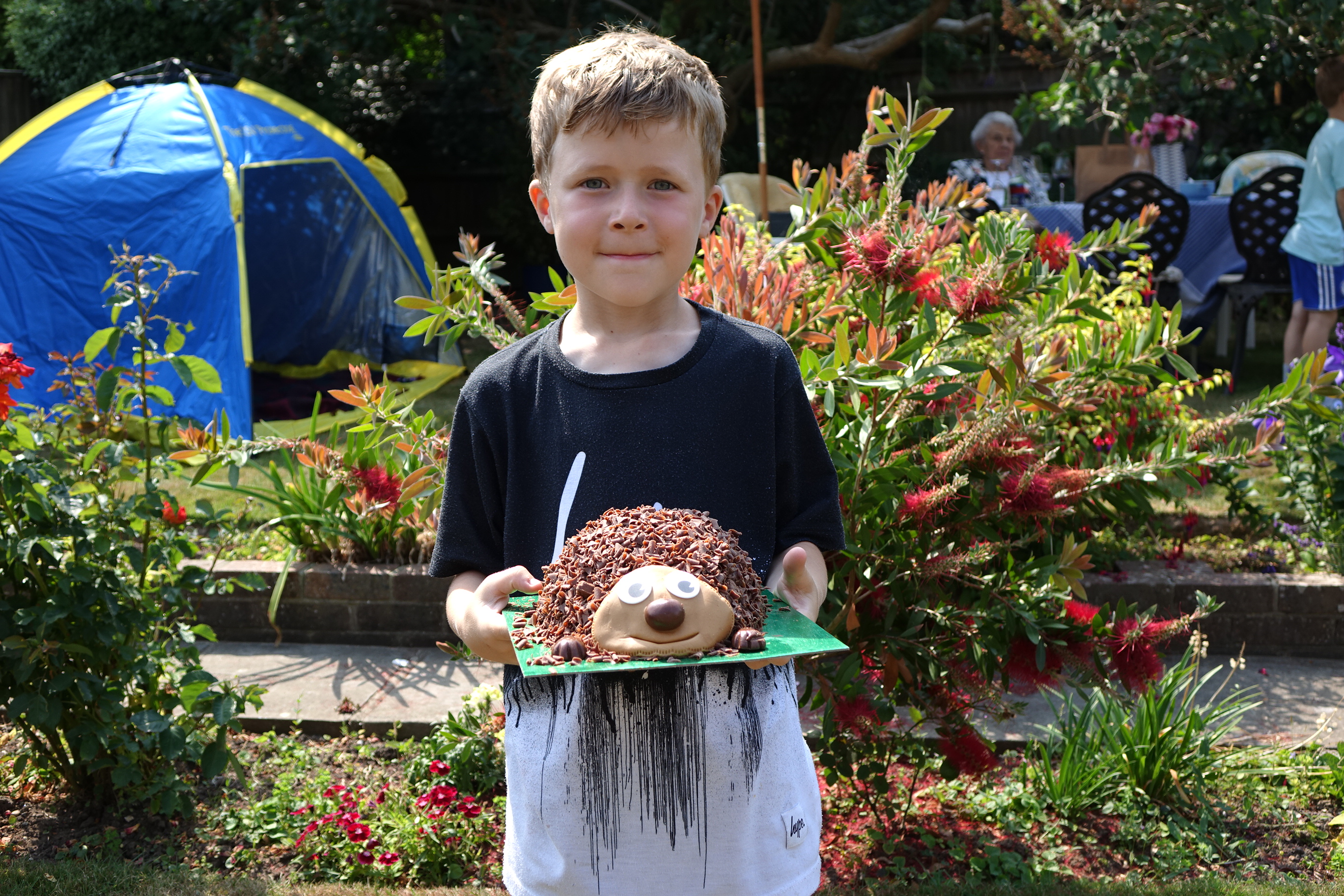
So all things combined, and with my family now double the size what it was in my childhood, my homage to the English summer was a table laid under an iris tree, freshly cut flowers hung overhead so their perfume imbued the air during a lunch of barbecued meats and elaborate Mediterranean style salads. The wine, of course, was flowing, and as my birthday fast approaches, a first cake and early presents were enjoyed to mark an occasion perfectly fitting for this fine English summer. And as befits a luncheon more Mediterranean than British, our afternoon was spent at the seaside, where the waters of the South Coast are easily as warm as Spain’s.

DSC05488DSC05312DSC05475DSC05445DSC05333DSC05308DSC05428DSC05417DSC05320

Vive the English summer! Long may it continue.

© Nicholas de Lacy-Brown and The Daily Norm, 2001-2018. Unauthorised use and/or duplication of the material, whether written work, photography or artwork, included within The Daily Norm without express and written permission from The Daily Norm’s author and/or owner is strictly prohibited.

An Extraordinary British Summer, Part 1: Glyndebourne

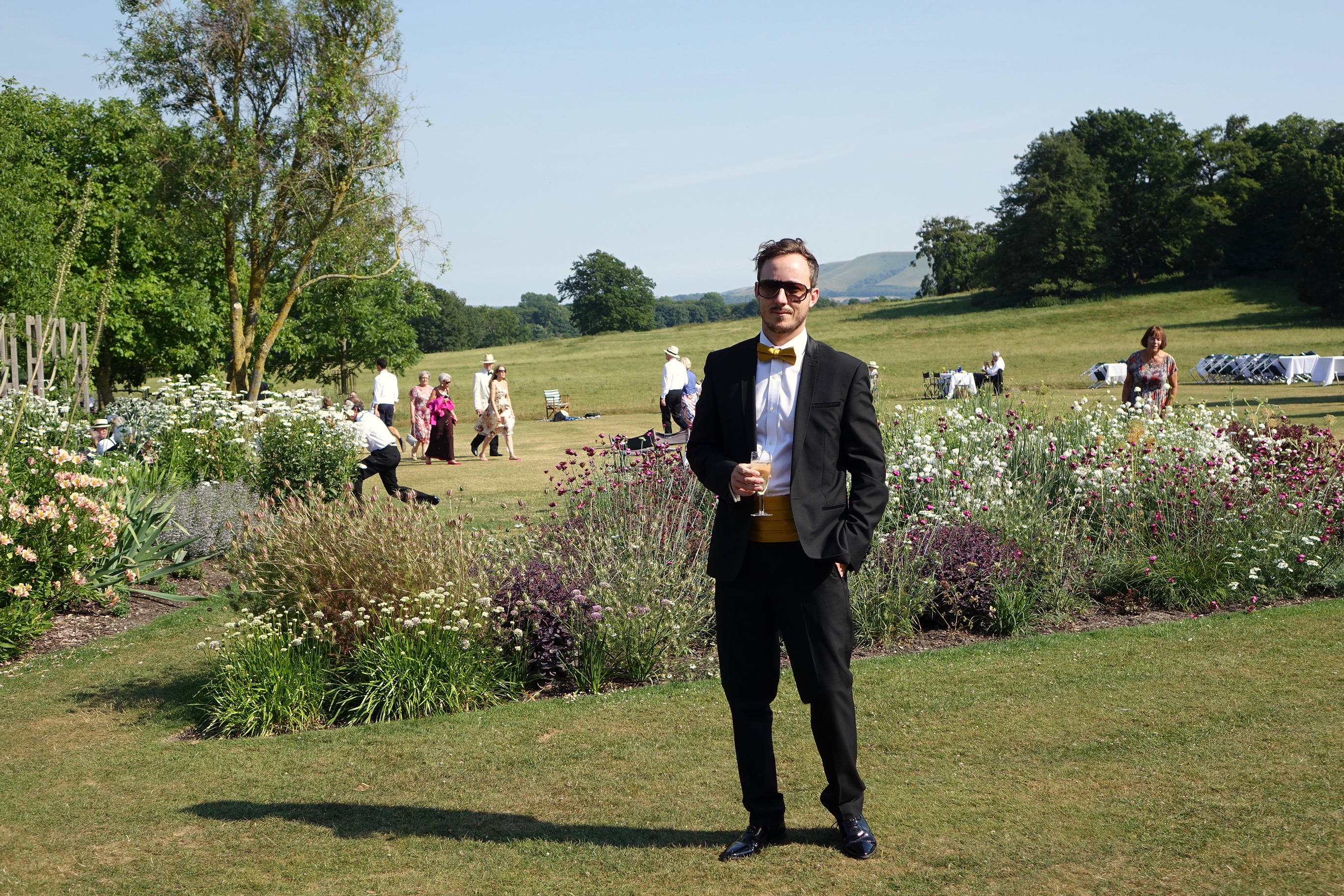
I have been to Glyndebourne, the wonderfully bucolic Sussex opera house, many times. Yet I have never, ever enjoyed the kind of idyllic summer weather which is promised by all the archetypal postcard shots. Many a year I have struggled to pin down a picnic blanket in ferocious blustery winds, cowered in marquees to avoid sudden rain showers, or taken refuse in the covered balconies of thered-bricked opera house building. This year couldn’t have been more different. For we are enjoying an exceptional summer in England, with a sustained period of heat the likes of which has not been seen for decades. Just reward, one might say, for a hellish winter that saw snow storms in March and a cancellation of Spring, but another sign that the world’s weather has all gone a bit mad.

DSC05166DSC05188DSC05223DSC05190DSC05231DSC05219DSC05202DSC05186DSC05216

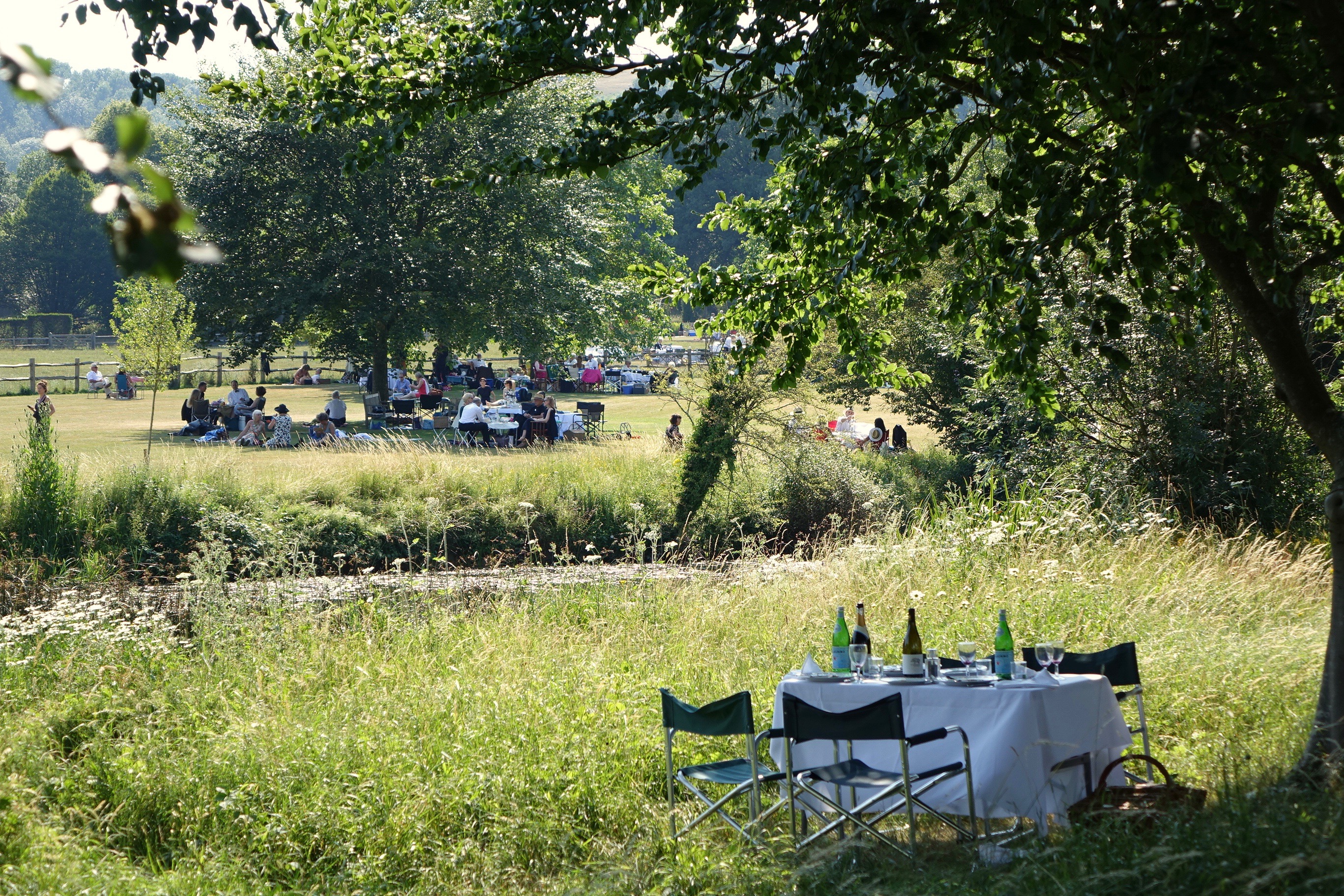
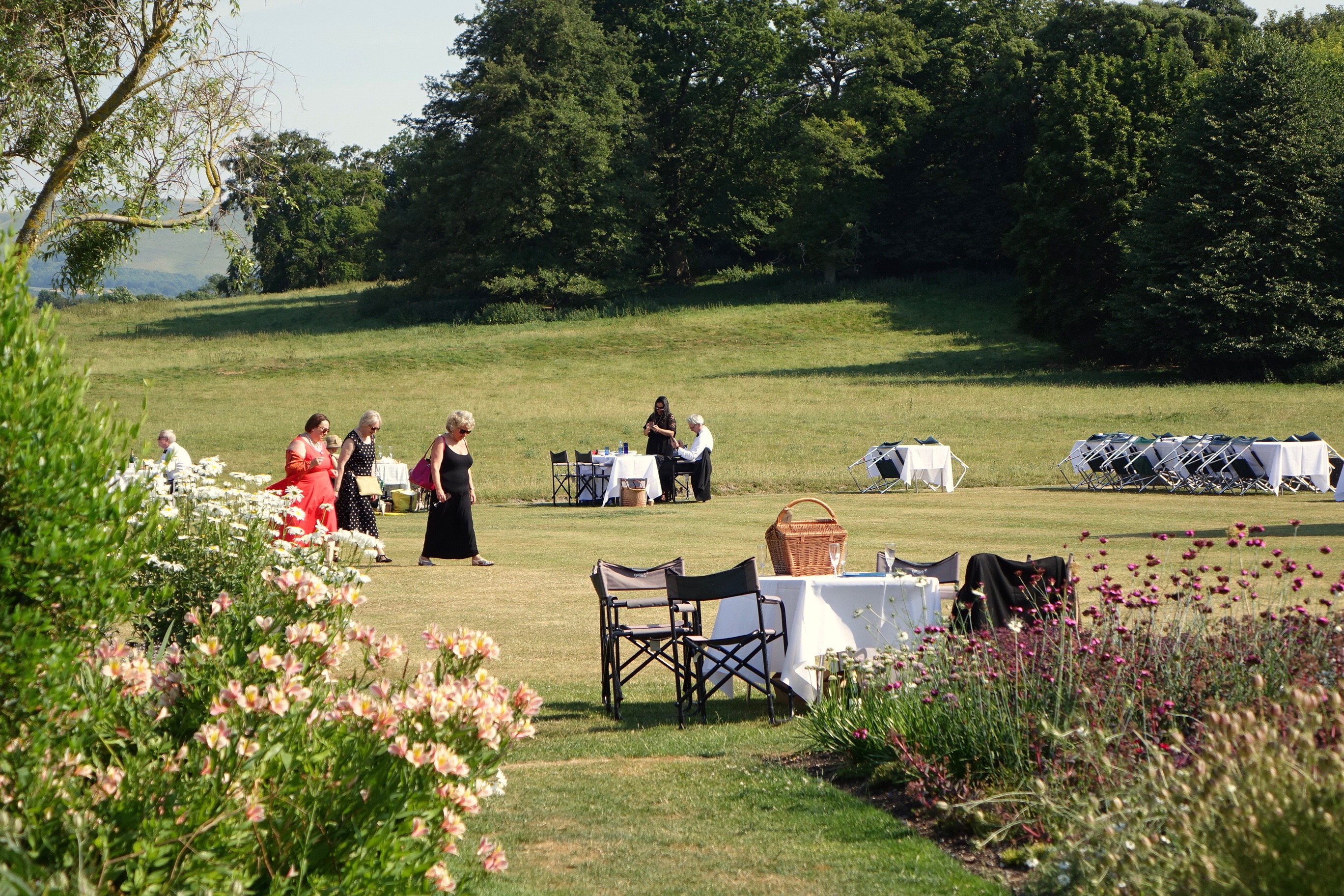
So finally this was the year for the sunny Glyndebourne picnic which I have long been pursuing like a Templar Knight seeking out the Holy Grail. While the concept of donning a dinner jacket in 30 degrees was far from pleasant, we were at least able to benefit from the shade of drooping willows and the light breeze rolling off green Sussex hillsides. In fact the weather was easily good enough to picnic in style, and we went all out – gone was the bobbled blanket in favour of foldable furniture, a Mallorquín tablecloth and fine china tea cups, all setting the scene for a lakeside picnic which beat the very best of Glyndebourne idylls.

DSC05212DSC05178DSC05235DSC05193DSC05234DSC05183DSC05213DSC05225DSC05198DSC05209DSC05185

As for the opera – Pelleas et Mélisande by Debussy – it offered a suitably dreamlike fantasy whose imagery could have come straight out of a painting by the Pre-Raphaelites. Known for its highly symbolic qualities, the narrative was not always one which could be easily followed, but Debussy’s score – at times elegantly impressionistic and at others dramatically Wagnerian – was so exquisitely moving that all one had to do was sit back and enjoy the waves of rousing orchestral crescendo wash over you like water crashing over the eager Sussex shoreline.

Best of all was the the moment when the curtain fell, and we wandered out into gardens still lit by a sky tinged pink from a recently departed sunset. The heat of the sun was now dissipated and a fresher yet balmy breeze enticing us to enjoy the Sussex landscape in this most pleasant of summer hours. If only the British summer was always like this.

DSC05285DSC05259DSC05244DSC05294DSC05255DSC05257DSC05295

© Nicholas de Lacy-Brown and The Daily Norm, 2001-2018. Unauthorised use and/or duplication of the material, whether written work, photography or artwork, included within The Daily Norm without express and written permission from The Daily Norm’s author and/or owner is strictly prohibited.
A Cretan Odyssey | Part 2 – Chania’s Labyrinth

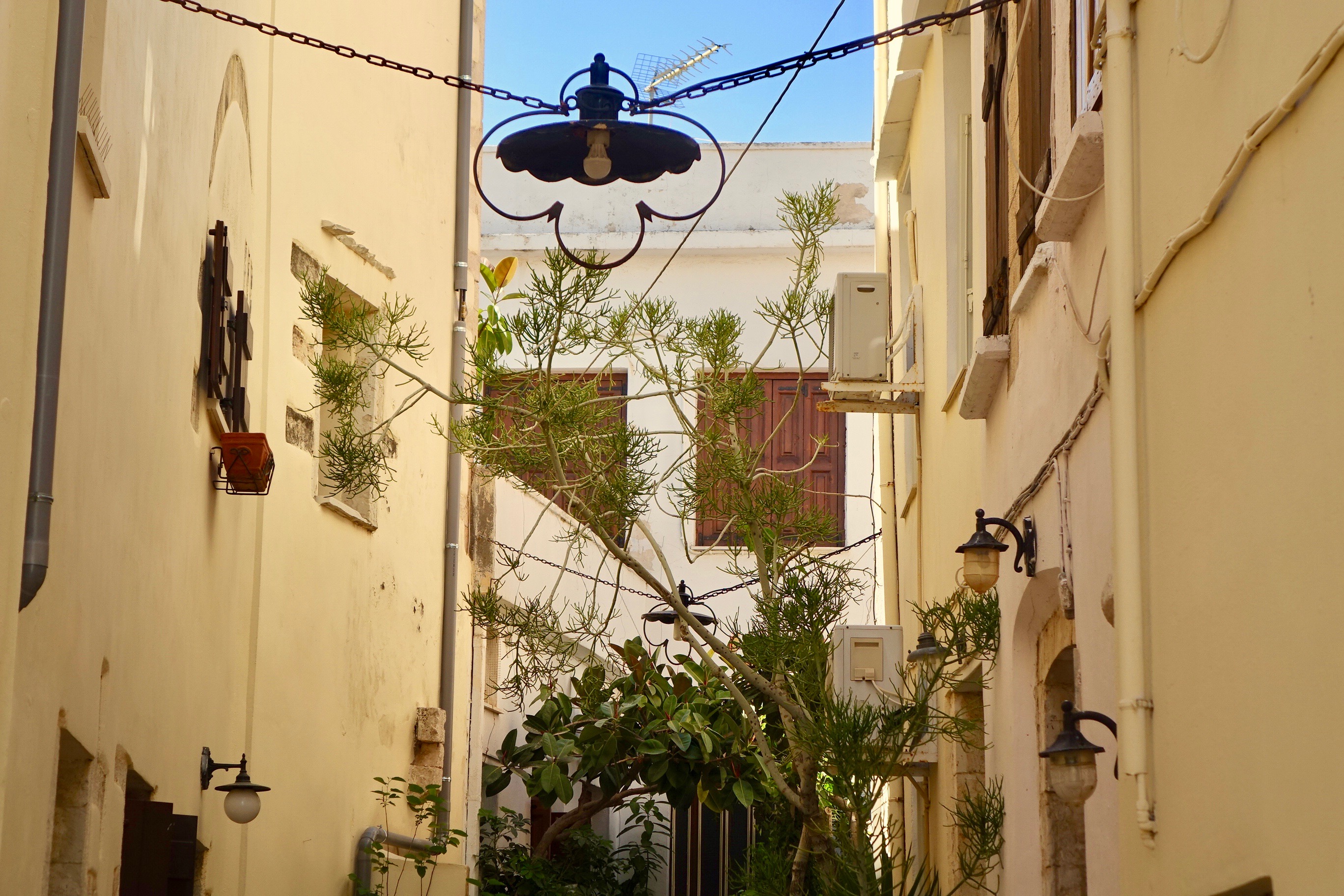
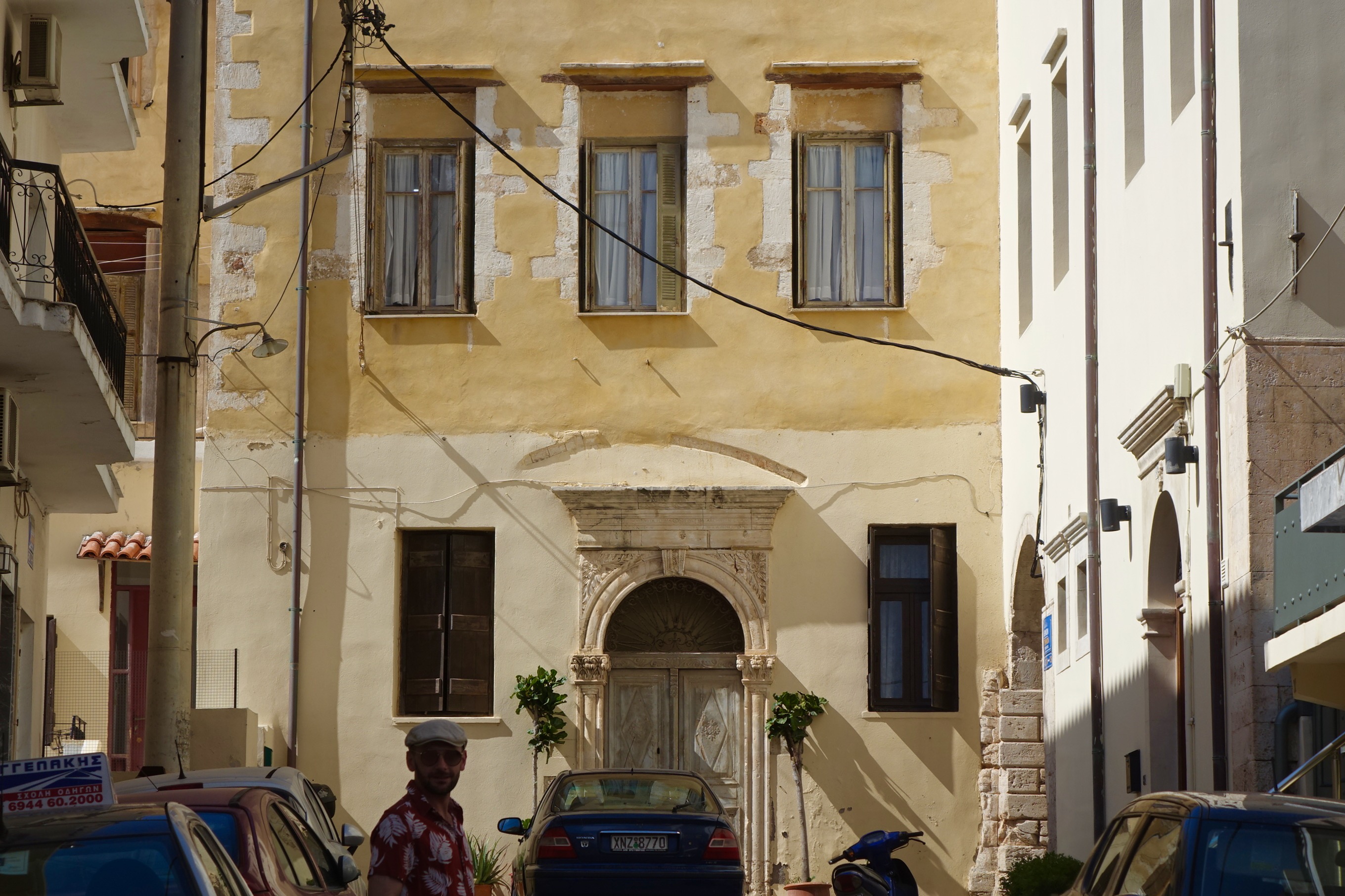
Crete is an ancient land. Its very rocks breathe a thousand tales of nymphs and satyrs, of the birth of Zeus and the anger of Pasiphaë. But the most famous tale of all is spun from the endless twists and turns of the renowned labyrinth, built by master craftsman Daedalus to house the bloodthirsty Minotaur, bastard son of King Minos’ queen. There, somewhere in the labyrinthine grounds of the great Palace of Knossos, Ariadne spun her thread to lead Theseus out of the complex maze, but only after his bravery put the Minotaur to death. Today, there remain many theories about exactly what shape the labyrinth might have taken; some even suggest it was the Palace of Knossos itself. However, one things is certain in modern day Crete: head to the utterly quaint, twisting and convoluted streets of Chania’s old town, and you will feel like you have found the ancient relics of Daedalus’ mastery.

DSC04208DSC04244DSC04200DSC03789DSC03780DSC03768DSC04196DSC04223DSC04210DSC03764

We adored Chania. How could it be otherwise? With cosy little streets, strung with canopies of the pinkest bougainvillea, offset against yellow, blue and dusky pink houses and white-edged cobbled streets, it is a town of picture-perfect quality. Everything about the archetype of postcard Greece is embodied here: the bright blue rickety wooden chairs set outside cafes and tavernas serving Greek salad on blue and white checked table clothes, wine in terracotta pitchers, and lazy cats strewn languidly across the streets in the afternoon sun. Unlike many places which have fallen foul of the ravages of tourism, Chania has upped its game. Its shops and restaurants are positively up-market; there is a real feeling of Capri town or the Amalfi Coast about this town. And our unbroken record of finding perfect eateries, night after night, only confirmed the consistent quality of the place.

DSC03760DSC04214DSC04237DSC04228DSC03765DSC04218IMG_1107DSC03779DSC03767

So while Chania’s true highlight may be its dazzling Venetian harbour, just behind the front line of seaside houses, this maze of quaint alleyways will ensnare with equal charm. This is one labyrinth to enthusiastically get lost in. 

© Nicholas de Lacy-Brown and The Daily Norm, 2018. Unauthorised use and/or duplication of the material, whether written work, photography or artwork, included within The Daily Norm without express and written permission from The Daily Norm’s author and/or owner is strictly prohibited.

A Cretan Odyssey | Part 1 – Chania’s Venetian Harbour

You’ll excuse the long absence of The Daily Norm from your inboxes and browsers: We’ve been on an adventure; an Odyssey if you like, to the birthplace of Zeus and the land of the entrapped Minotaur, haunt of Olympian gods and roaming mystical beasts. For as the year rolls on and the summer reaches a glorious pinnacle, our 2018 travels continue – we’re off to the delectable Greek island of Crete.

Laced with mythological connotations, imbued with the smell of wild oregano, and jangling to the sound of wild goats and the sea which swishes upon its mammoth mountainous coastline, Crete is one of the longest continuously inhabited and historically relevant of all European destinations, as well as one of the Southernmost located. Yet for our summer holiday, it provided all of the luxuries, the aesthetics and the charm that could possibly be required of a modern holiday. Daily Norm readers: I welcome you, to Crete.

DSC04256DSC04122DSC03899DSC03896DSC04061DSC03900DSC03887DSC04264DSC04261

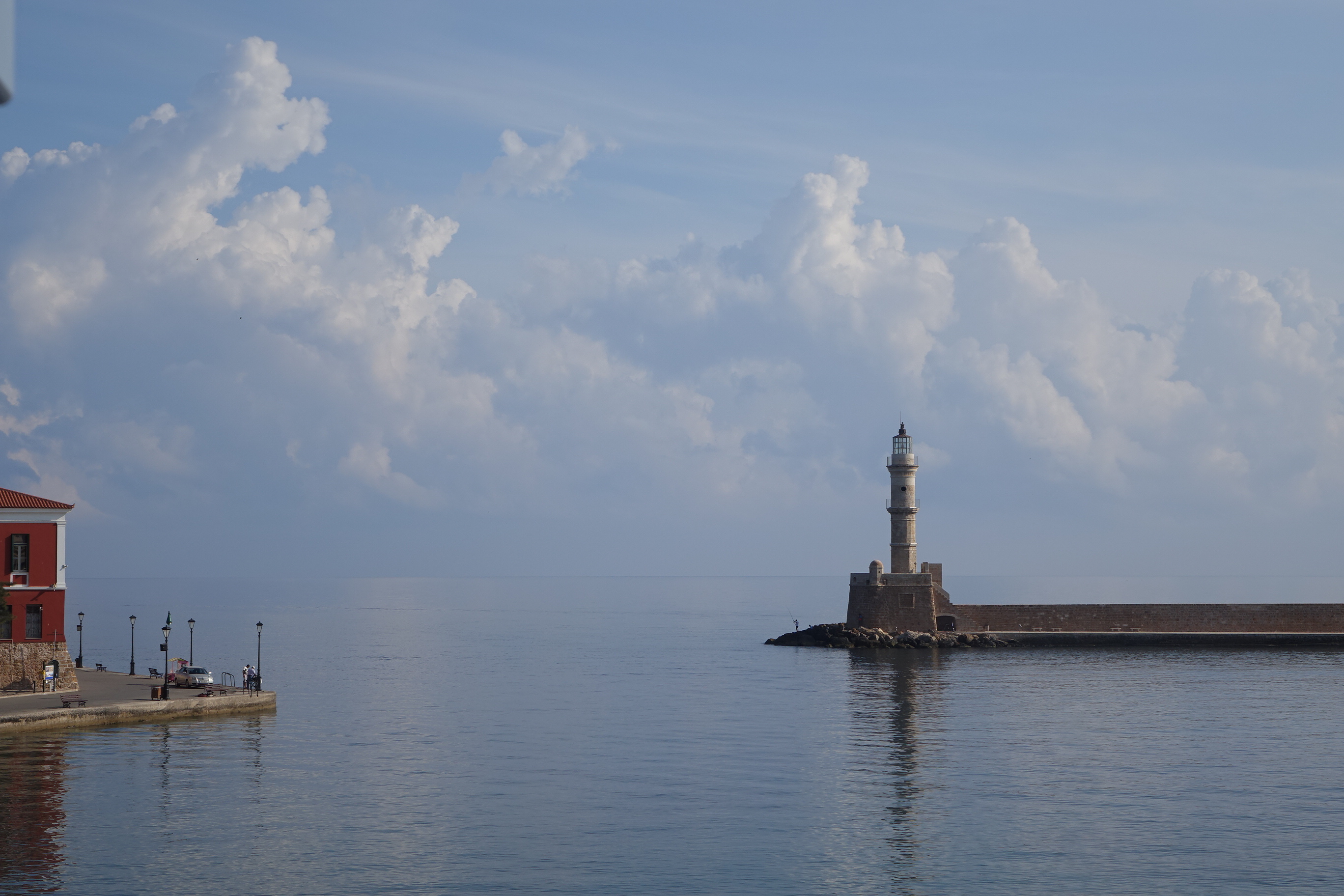
We start our adventure in Crete’s second city: Chania. Sprawling along the coast on the North-Western side of the island, Chania doesn’t feel like a city at all when you’re nestled inside the ancient walls of its richly-encircled old town. The sensation is one of a quaint little village, with picturesque roaming streets winding steadily down to a waterfront which is the beating heart of the city.

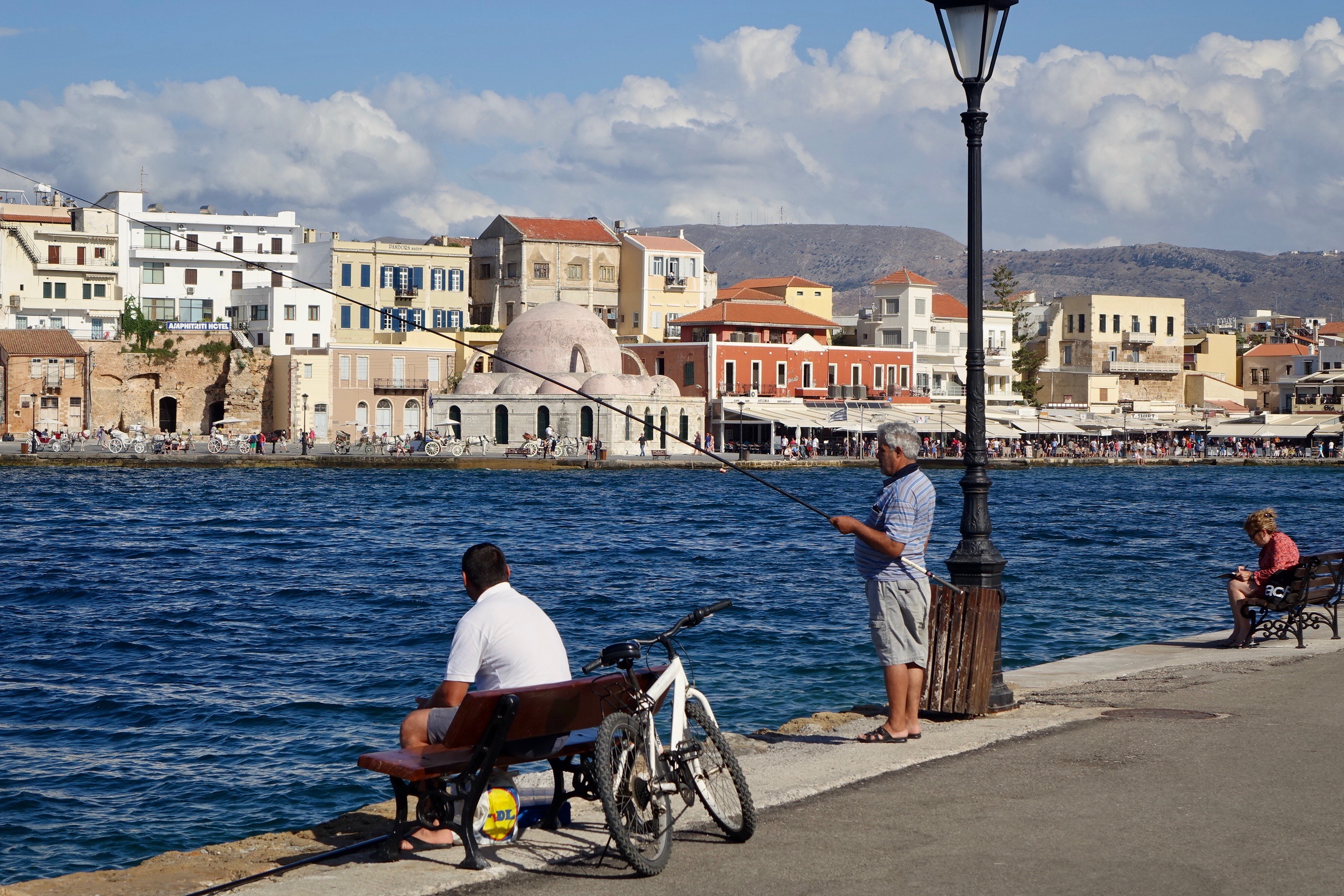
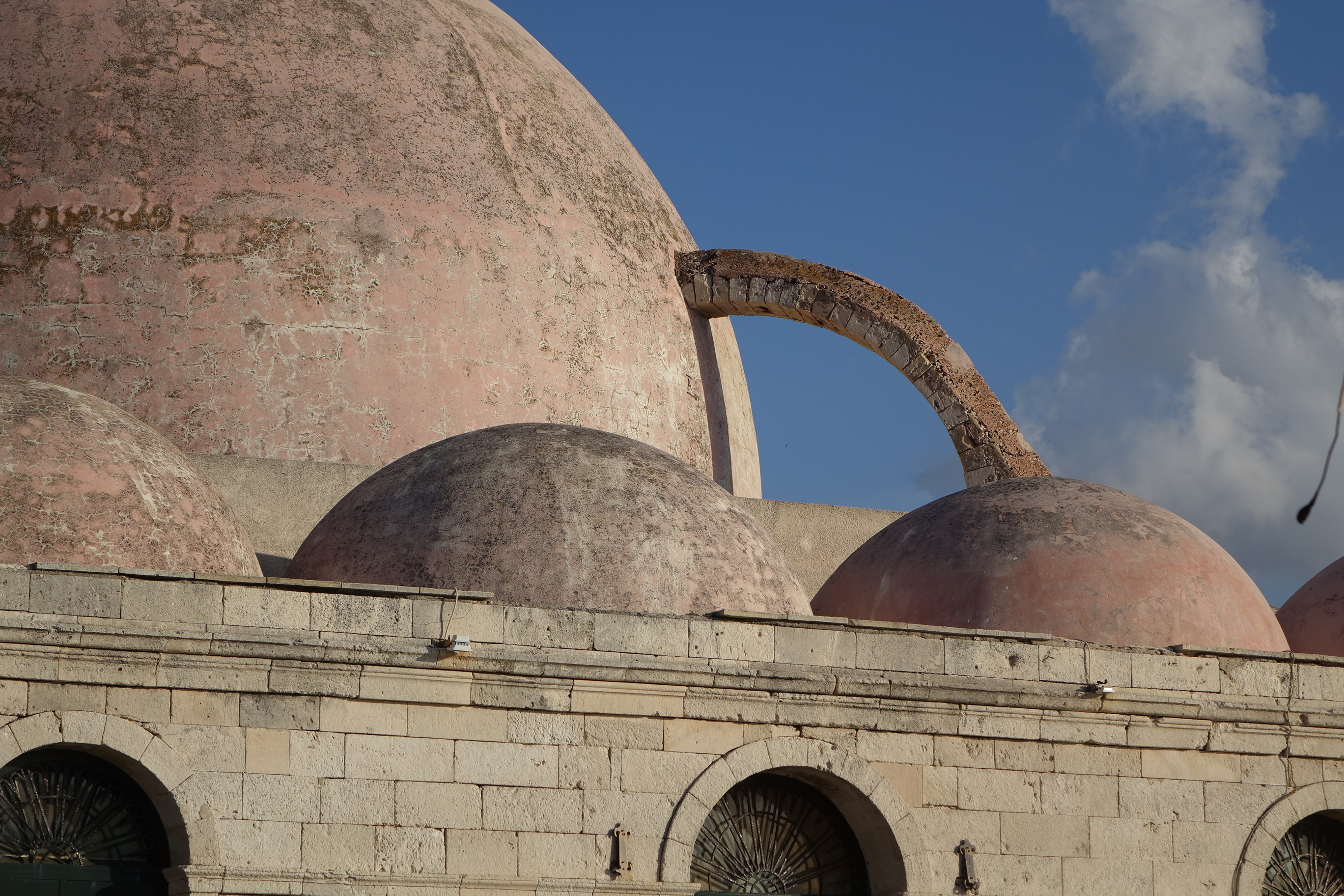
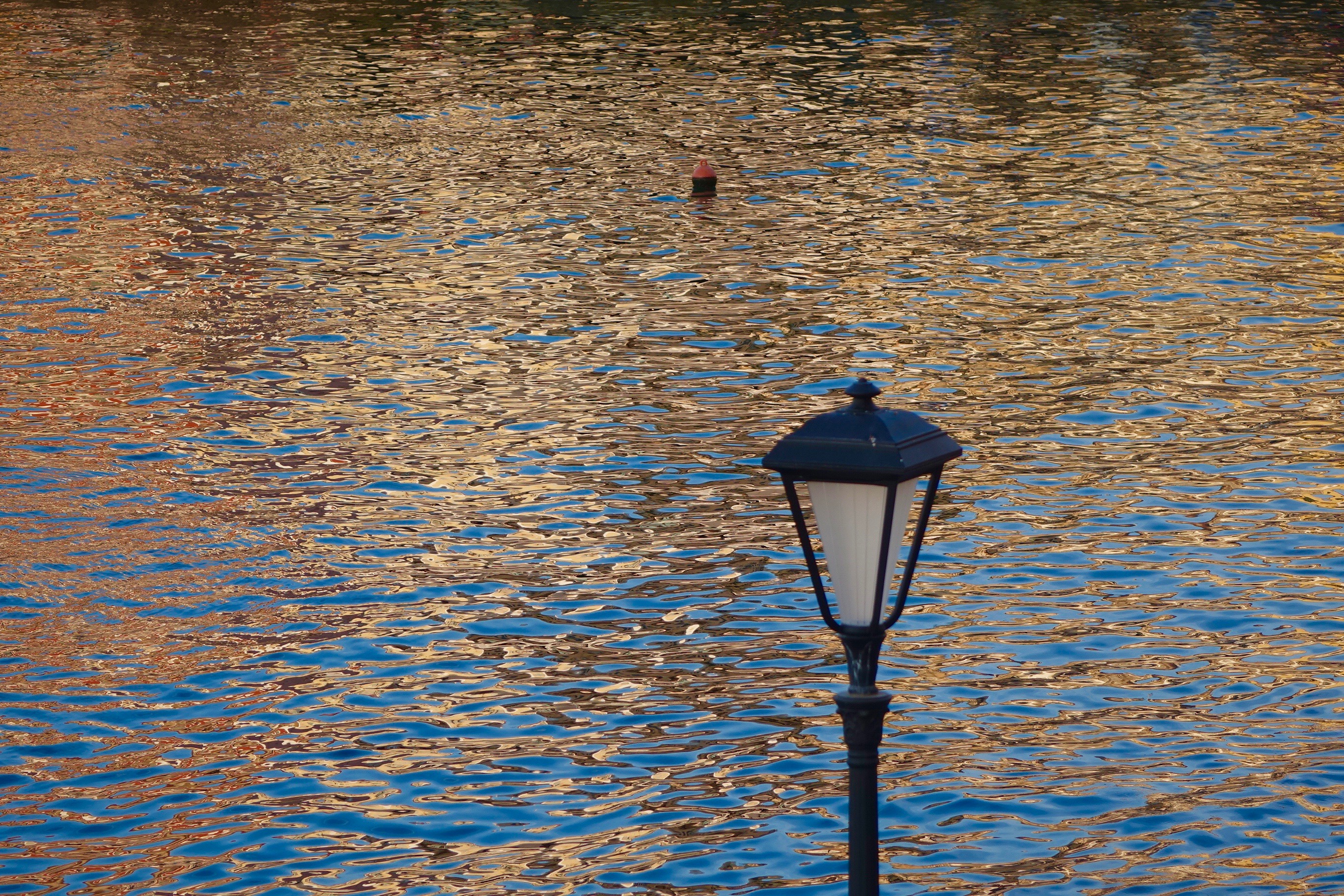
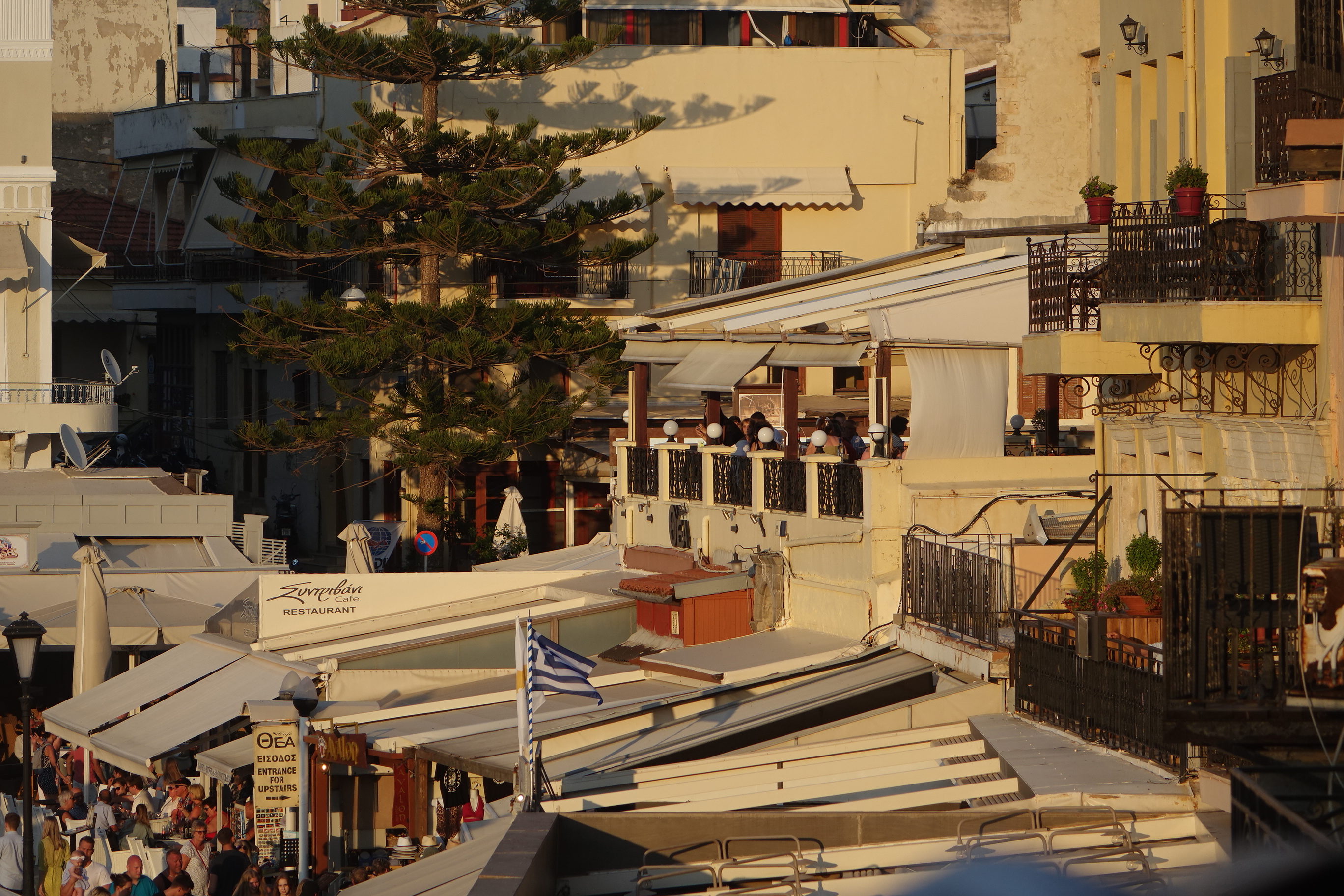
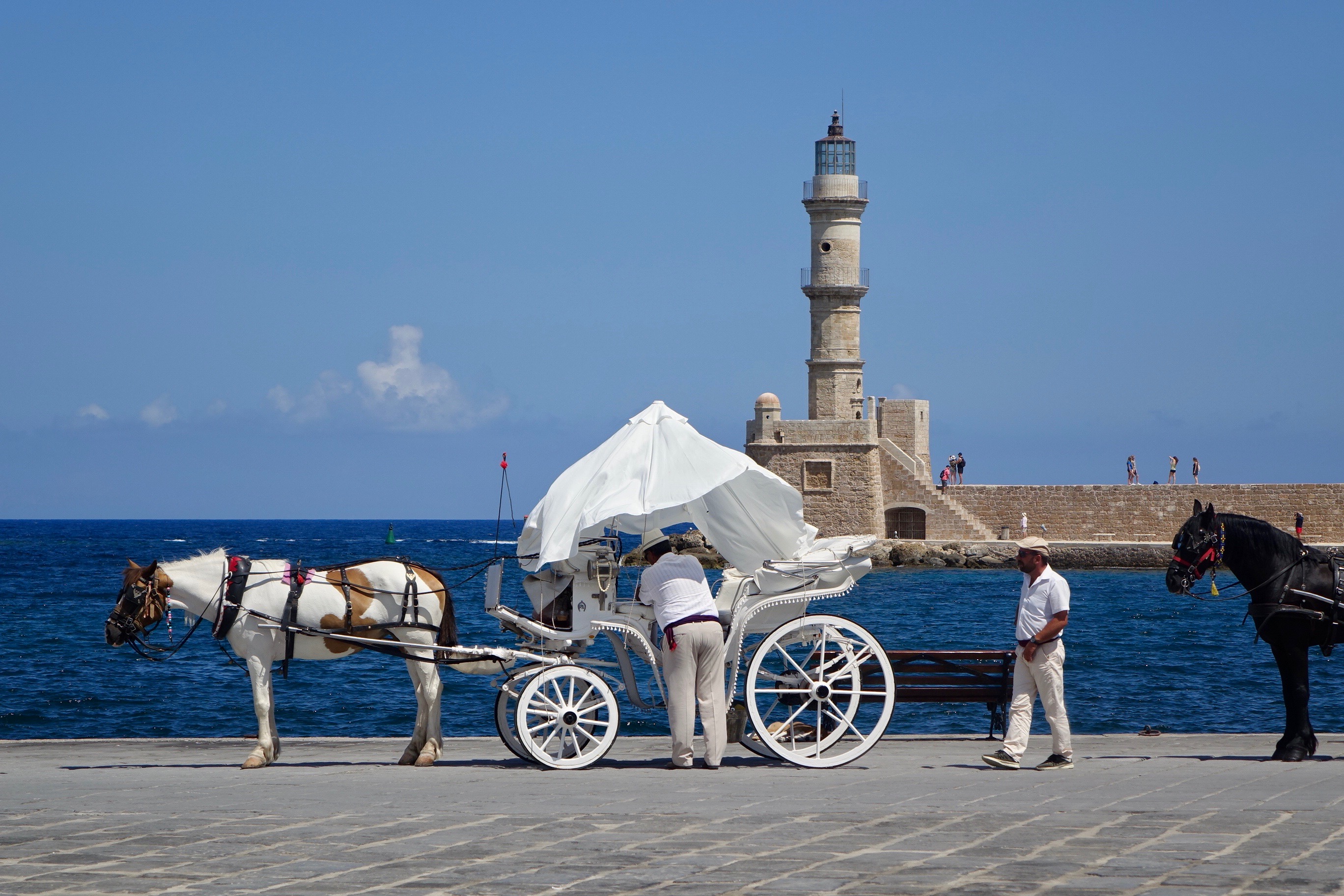
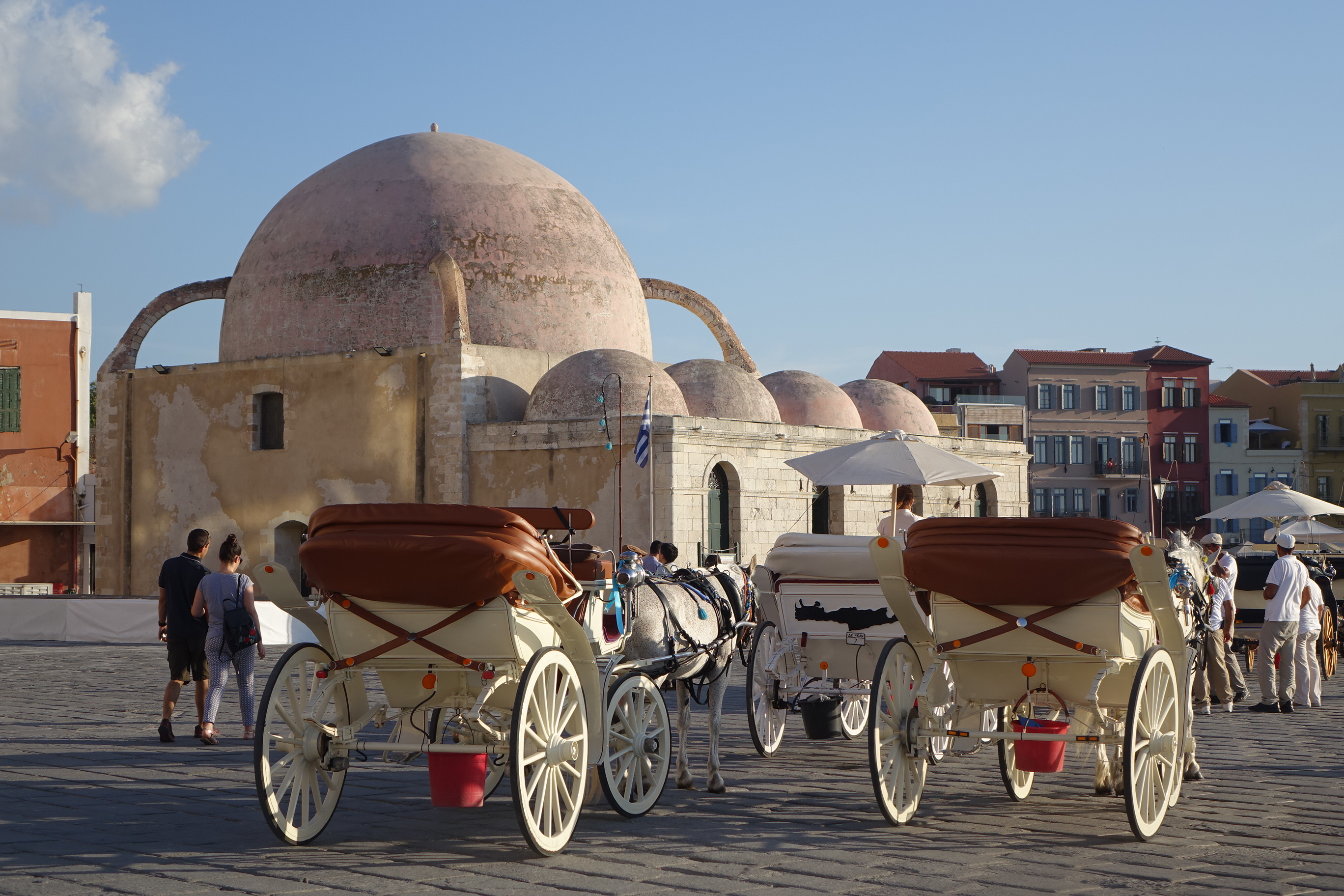
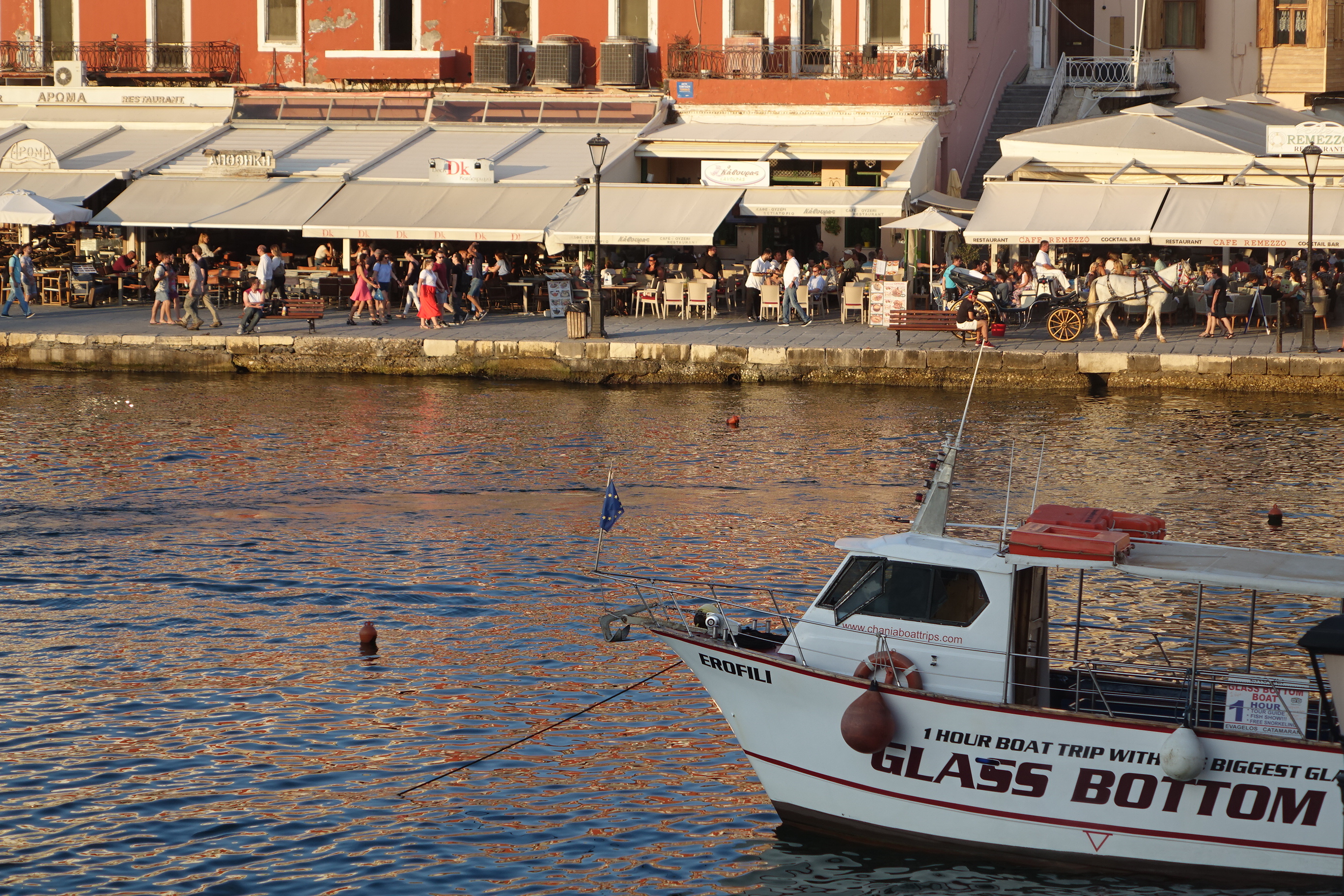
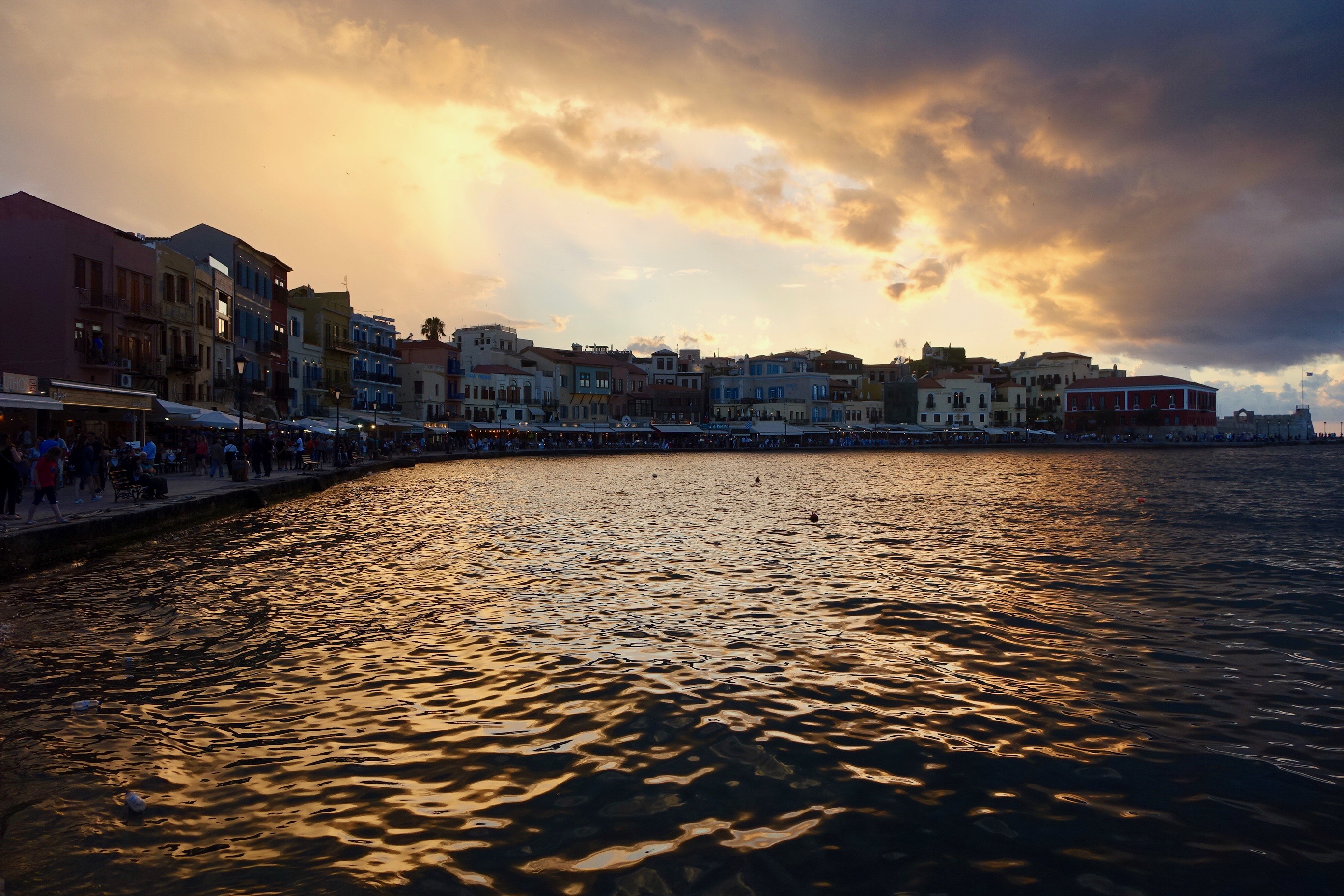
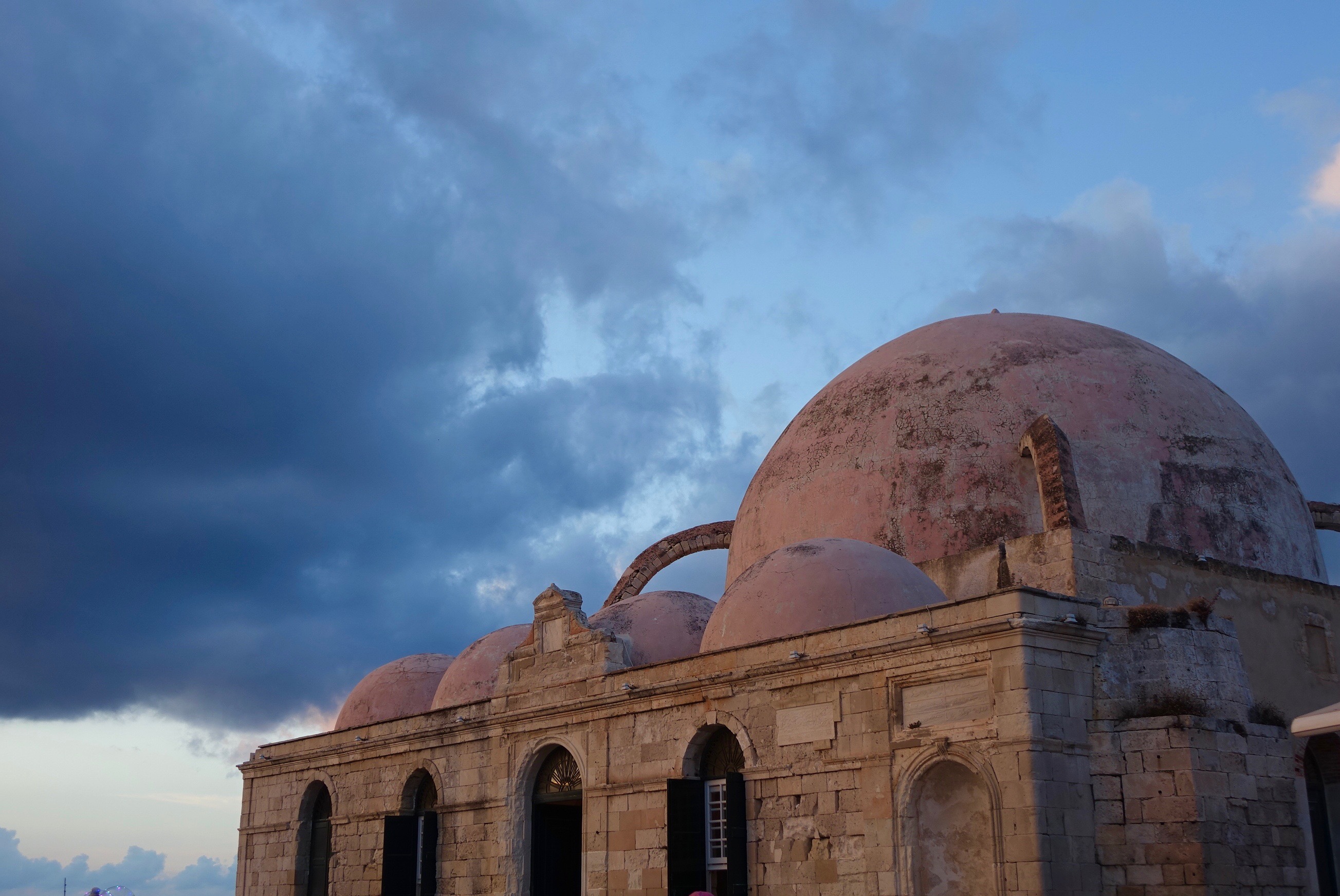
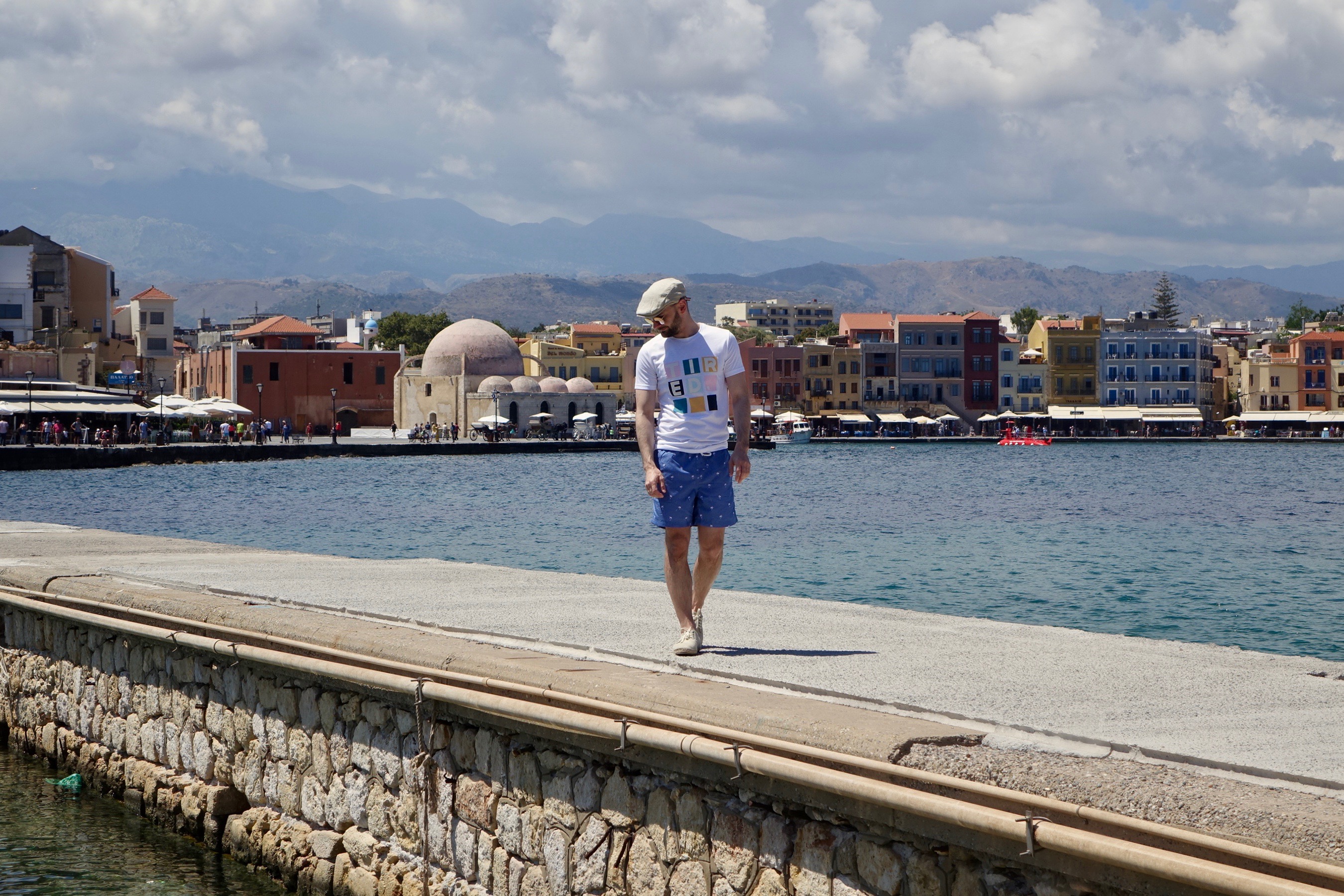
This harbour, so called Venetian because of time of its construction under the dictate of La Serenissima, is understandably the focal point for the city. It is alive at all hours with the bustle of its bars and restaurants whose collective unity beguiles the visitor with a harmonious panoply of sun-drenched little buildings hugging the shore. It is a waterfront which sparkles and ripples as water bounces off the crystal clear sea and makes fun of the straight lines adjacent, and a place imbued with a historical ambience translated through the presence of ancient stone houses and cobbled pavements. But pulling focus on the harbour is undoubtedly the Küçük Hasan Pasha Mosque, a leftover from Ottoman rule, and which today looks like a perfectly balanced candy-pink blancmange which turns ever so butterscotch in the golden evening sun. 

DSC04268DSC04257DSC03885DSC04133DSC03834DSC03897DSC04095DSC04168DSC03892DSC03869DSC04279DSC04255

We were lucky: our hotel room enjoyed the most stunning balcony views over this harbour, affording us the opportunity to revel in the changing faces of Chania’s ancient heart as it metamorphosed from slow and sleepy morning village to a bustling evening spectacle whose lights sparkled across the deep inky waters. We saw its colours dance vividly in the morning sun, and bathed in the golden light of early evening. And we breathed the deliriously fresh seawater perfume which pervaded the entire harbour, morning till night.

Chania’s Venetian harbour was the perfect way to commence our Cretan Odyssey, promising great things were in store from this island of plenty.

DSC03931DSC04278DSC04251DSC04093DSC04100DSC04247DSC04188DSC04142DSC04117DSC04161DSC04054DSC04156DSC03924

© Nicholas de Lacy-Brown and The Daily Norm, 2018. Unauthorised use and/or duplication of the material, whether written work, photography or artwork, included within The Daily Norm without express and written permission from The Daily Norm’s author and/or owner is strictly prohibited.

Compendium // Porto > The secret side of a garden city

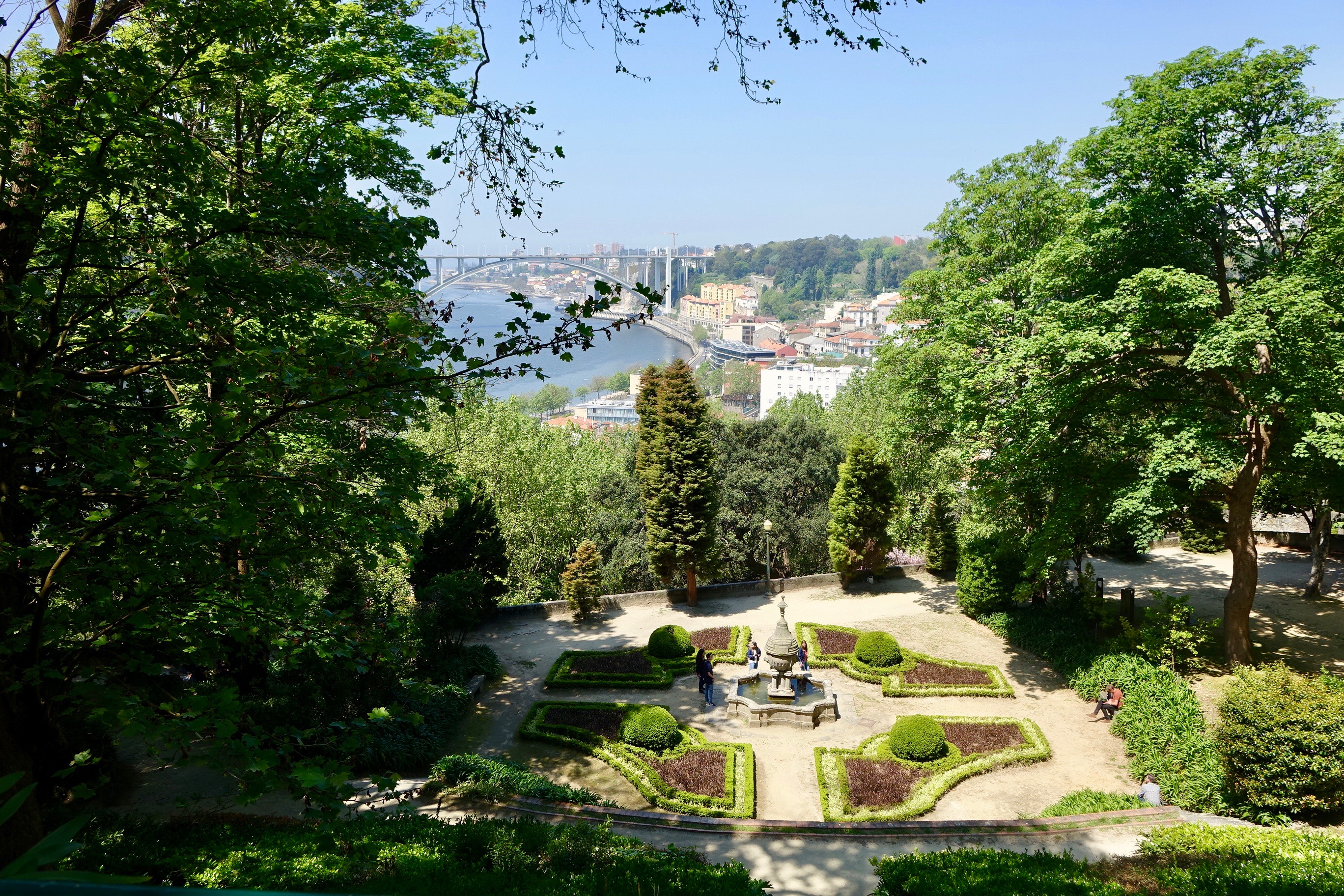
It’s hard not to get comfortable in among the wash of blue and white tiles and the swill of a good sweet port served alongside them, but to rest on ones laurels in Porto is to miss out on one of the city’s best kept secrets: its gardens. Though not obvious from the heart of the Ribeira, even when the city is seen from the rooftops, it’s remarkable how frequently this densely packed city is punctuated by an exquisite green space. And in fact Porto’s gardens not only provide respite from the bustle of the centre: they also provide the perfect viewing platform from which to admire the city… in utmost tranquility.

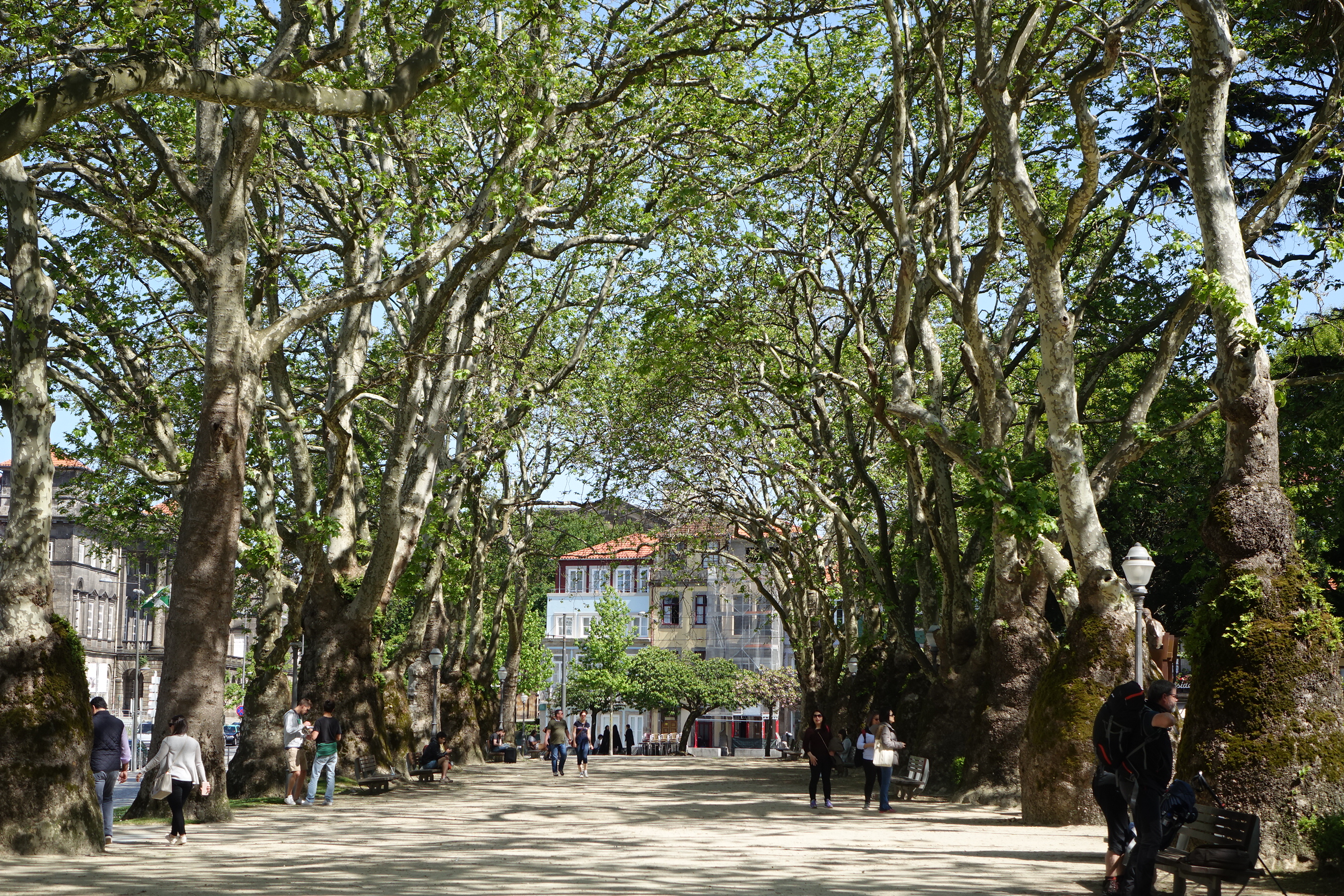
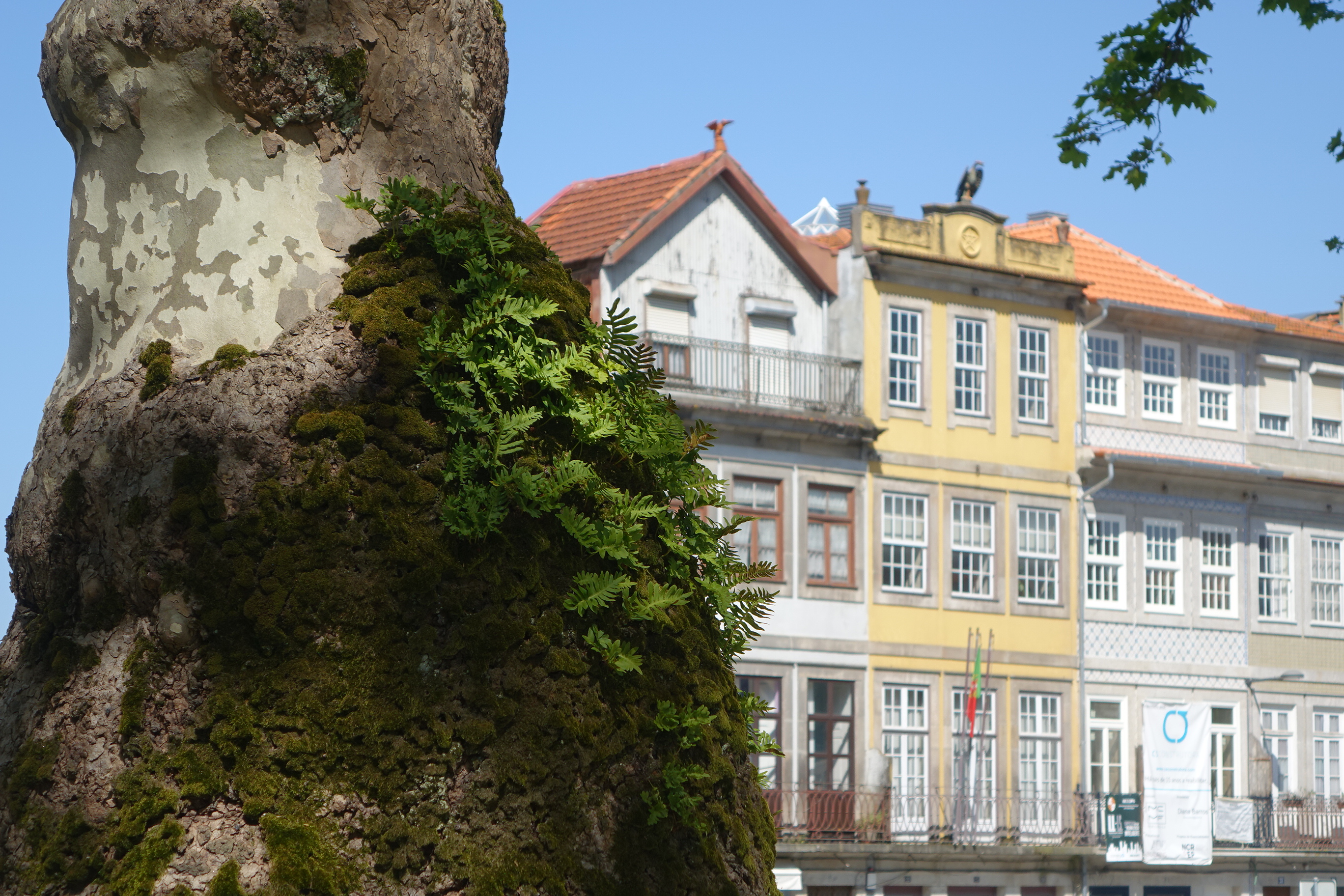
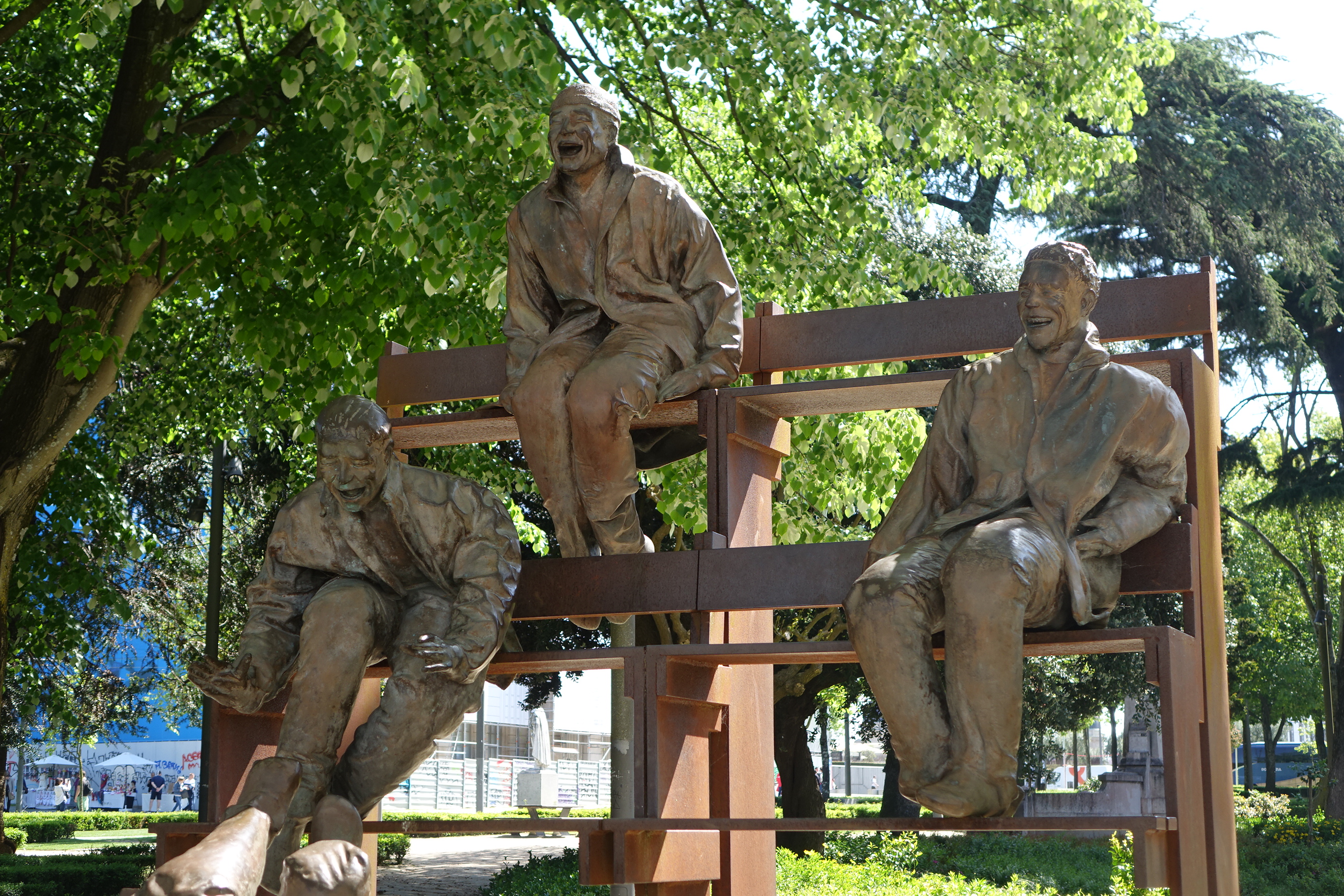
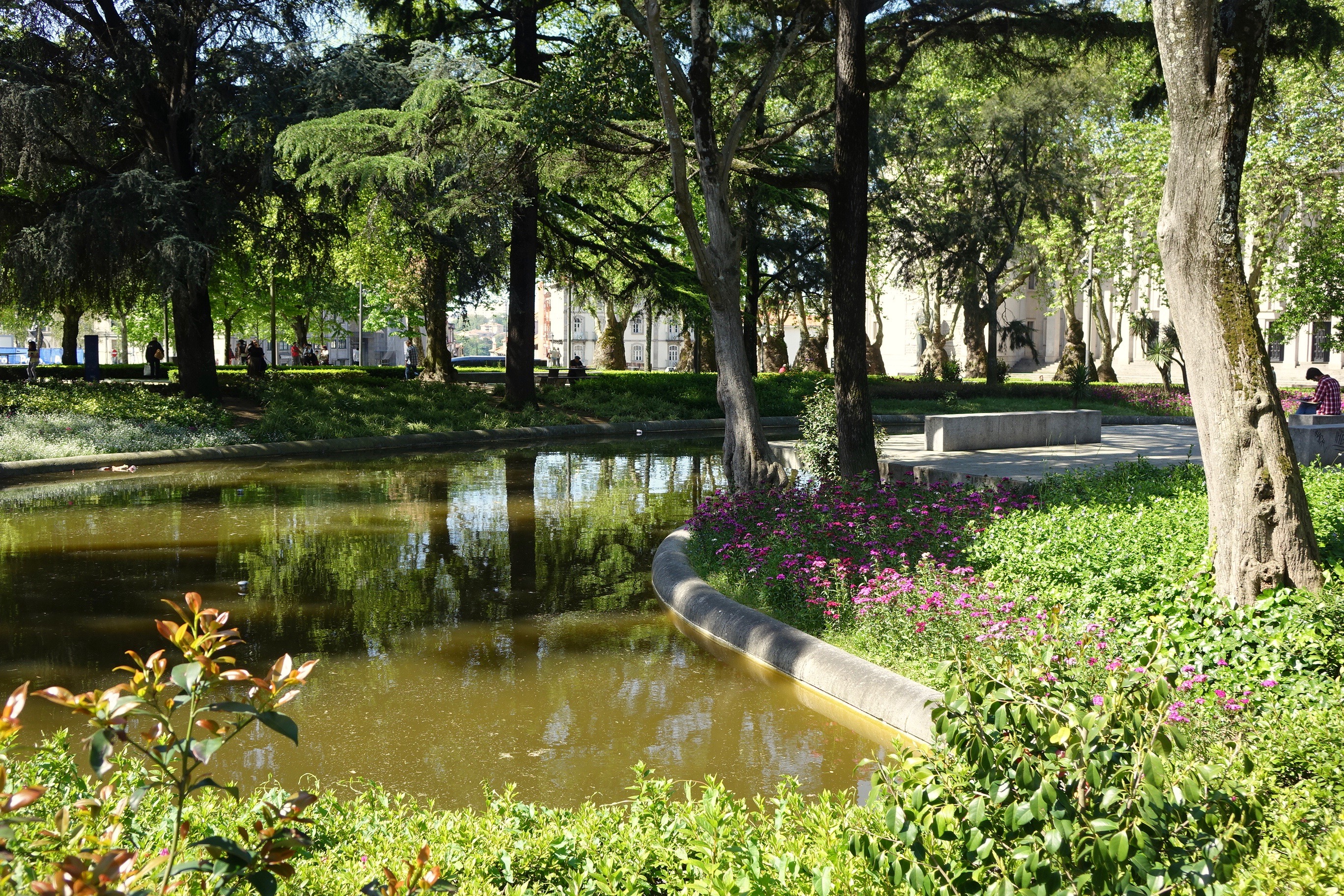
The first garden on my list is the Jardim da Cordoaria. Nestled in between some of Porto’s principle sights – the blue tiled Igreja das Carmelitas and the tall, narrow Torre dos Clérigos, the Cordoaria gardens provide an oasis of calm in the city centre. There, an avenue of what look like birch trees but which seem to grow out of huge almost deformed trunks sets the scene for a garden which is dappled with filtered sunlight and which benefits from a very tranquil pond surrounded by perfectly placed benches. The park is not only peppered with pretty pink flowers and curving meandering paths: it is also a veritable outdoor art galley, filled with amusing sculptures depicting groups of men in conversation or at play. They make a perfect little selfie spot… for those so inclined.

Jardim da Cordoaria

DSC03146DSC03149DSC03136DSC03137IMG_9976DSC03143DSC03130

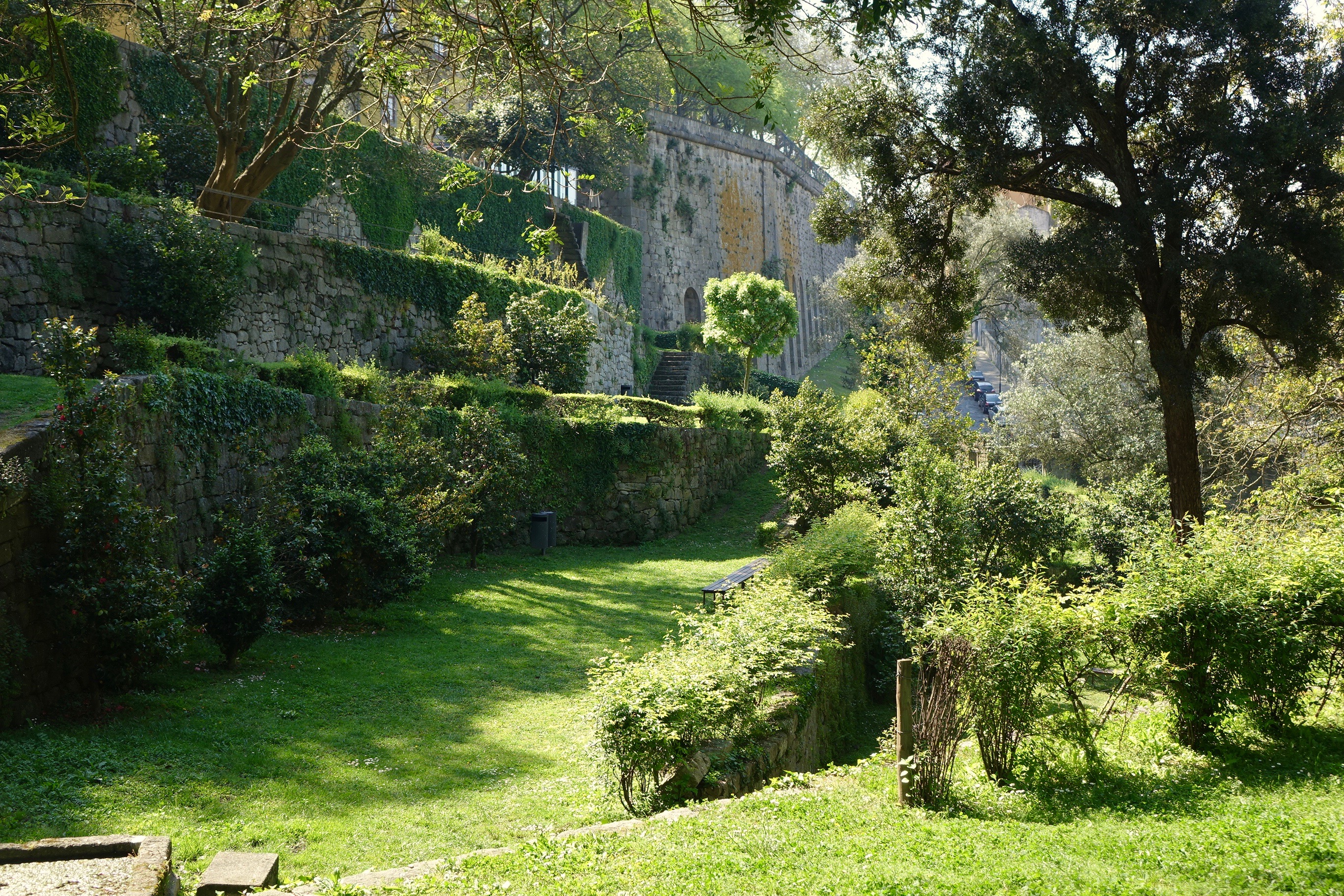
Next up in the garden which satisfies every element of the kind of magical secret garden you long to find in childhood dreams: the Jardim das Virtudes. Literally lining the sloping sides of a masterfully terraced valley, blink and you will miss the discrete entrance to this garden which only starts to come into view when you enter the verdant valley. Once down there, what opens up is a place of spiritual magnitude, with seemingly deserted moss-covered fountains managing only the most meagre trickle into green ponds, while all around, stone walls, topiary and wild flowers give the garden the impression of carefully constructed desertion. And best of all, look between overhanging boughs and around mighty tree trunks and you will be treated to beautiful views over the Duoro river.

Jardim das Virtudes

DSC03573IMG_0136DSC03589DSC03576DSC03588DSC03604DSC03593DSC03578

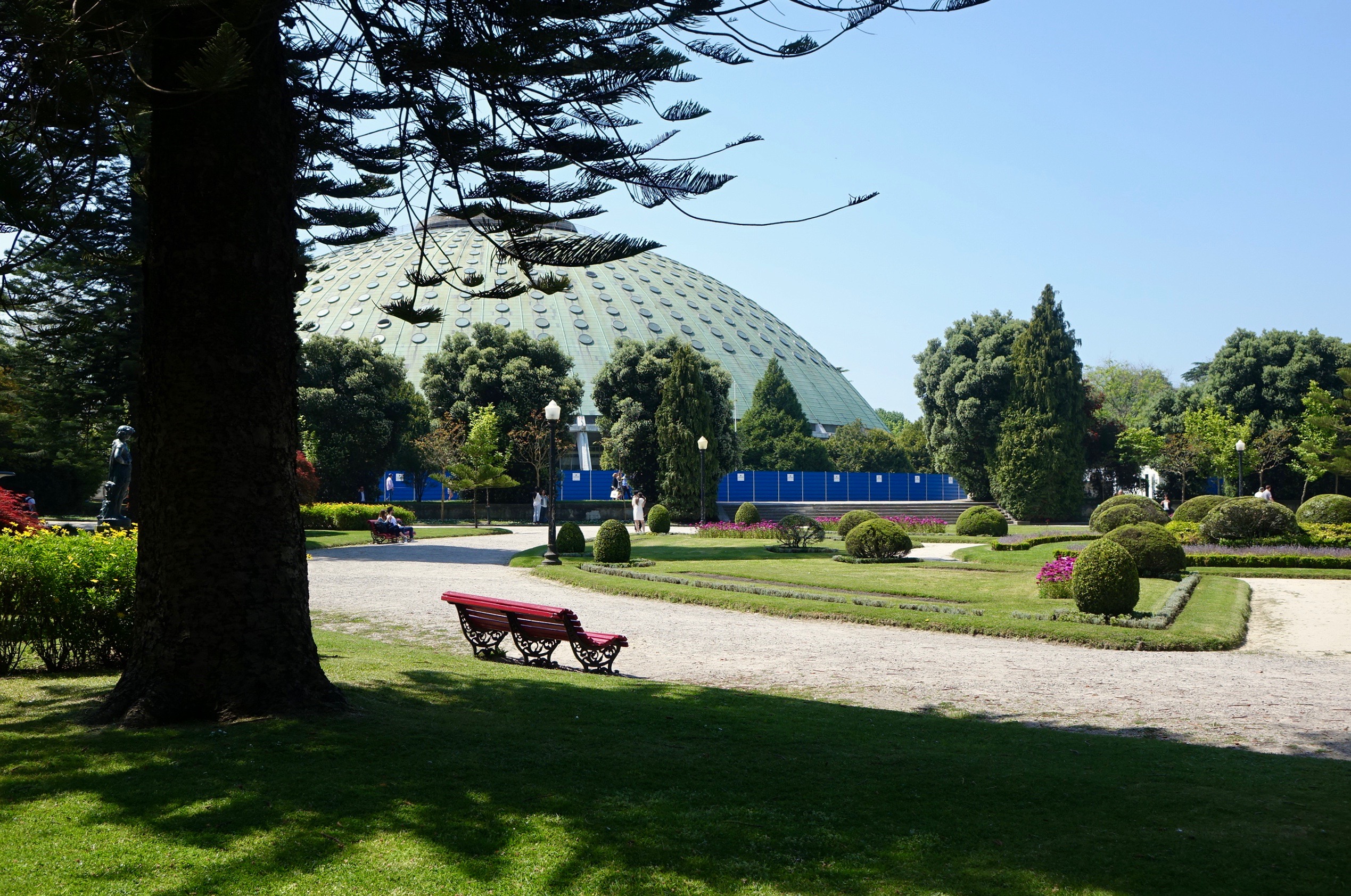
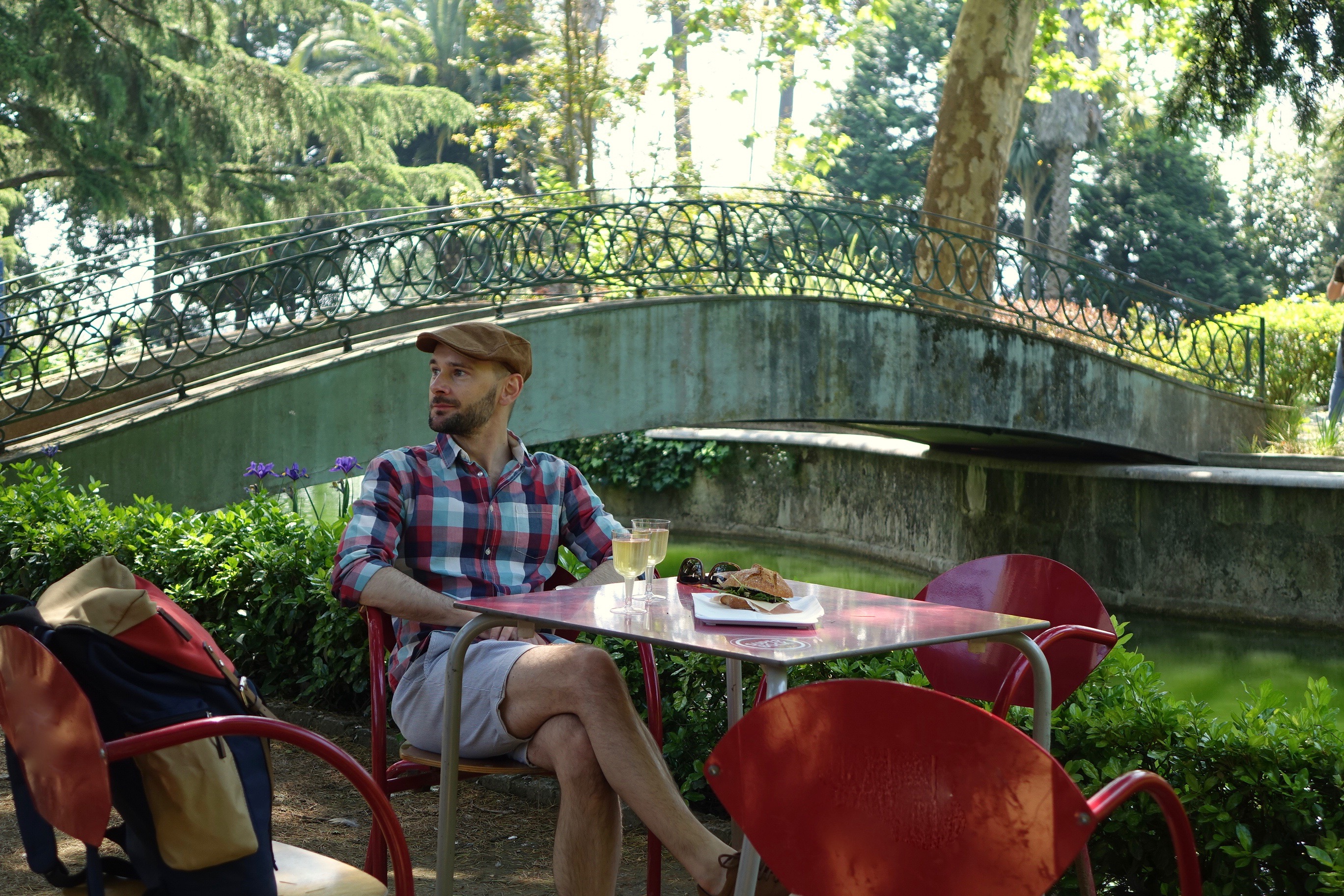
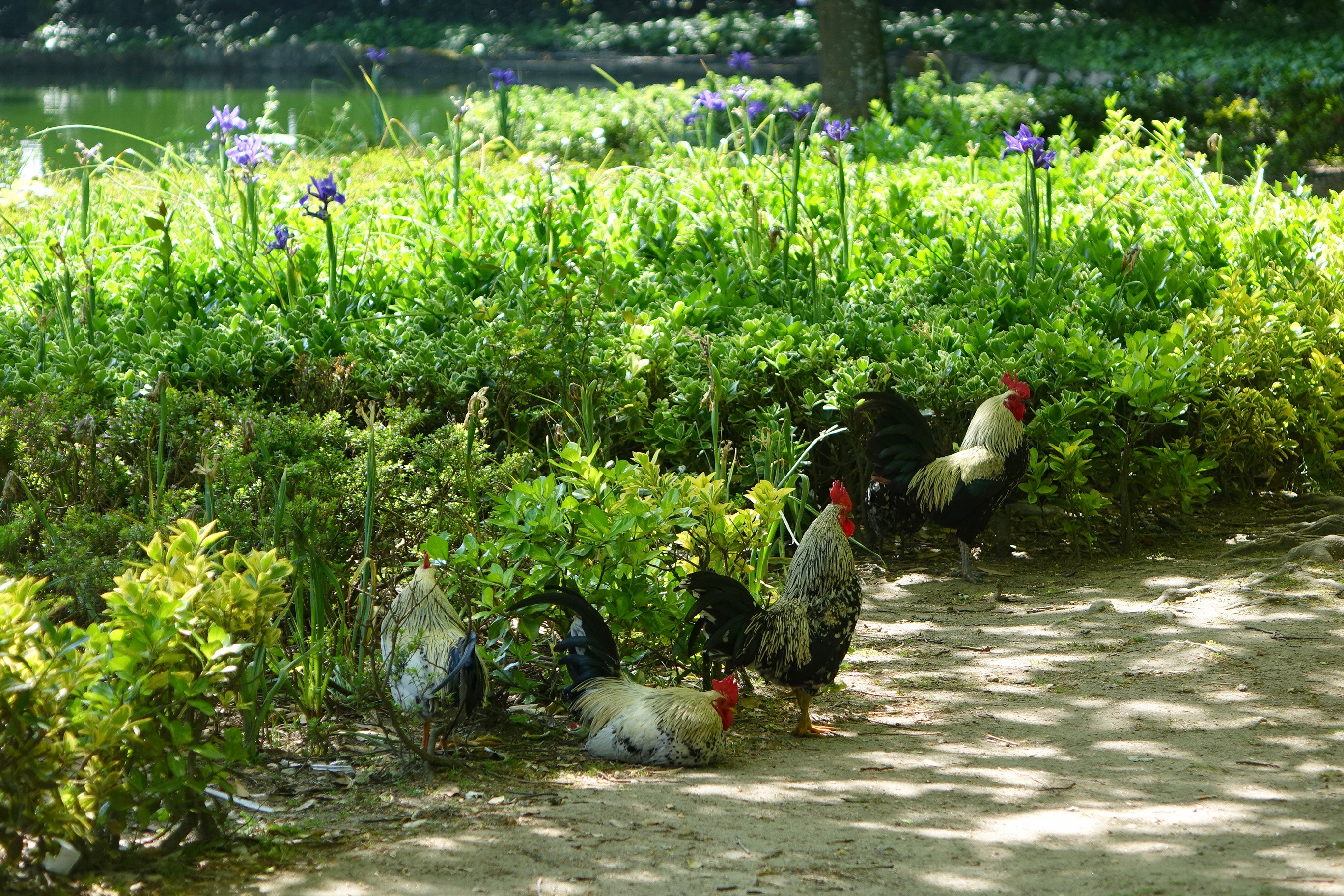
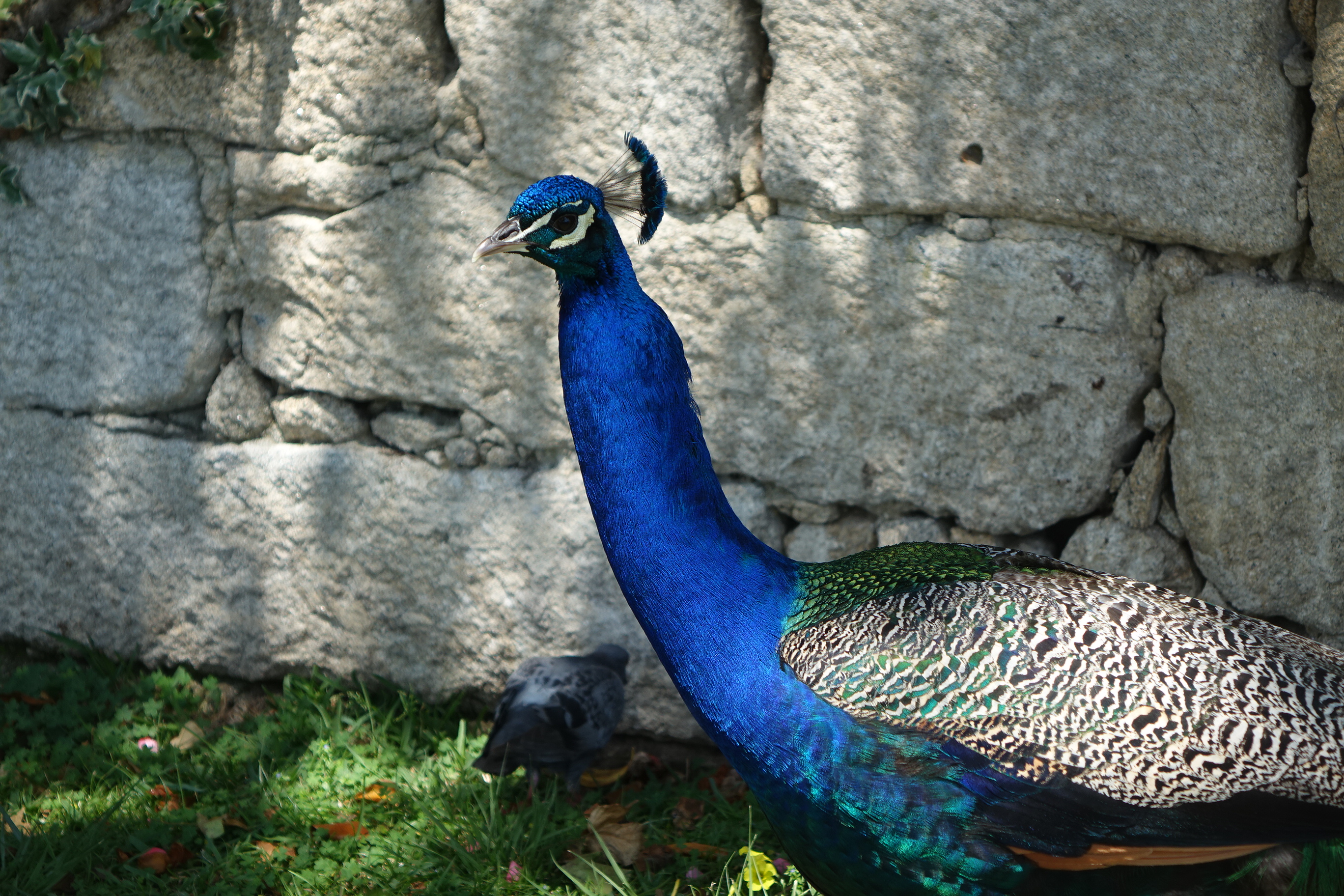
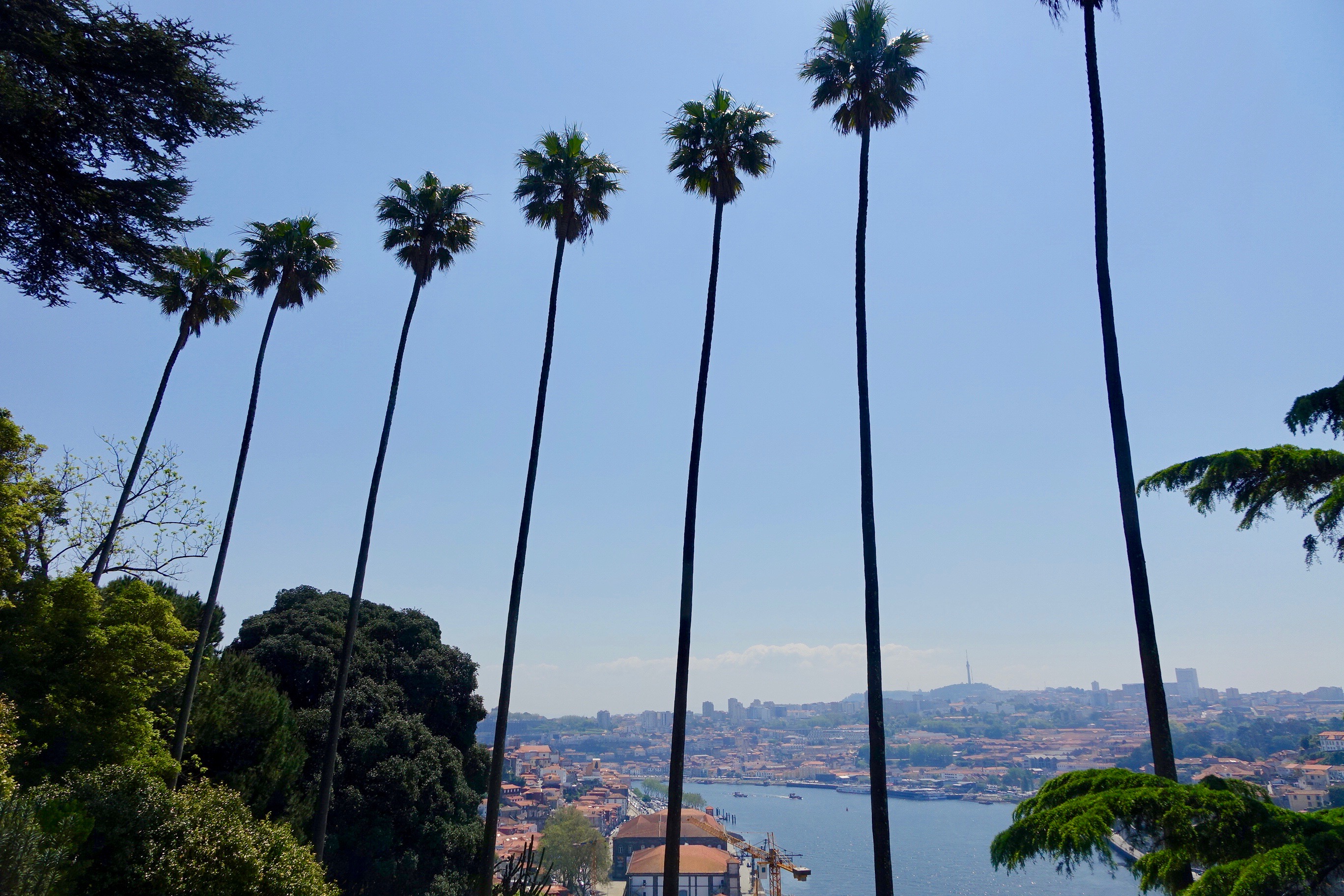
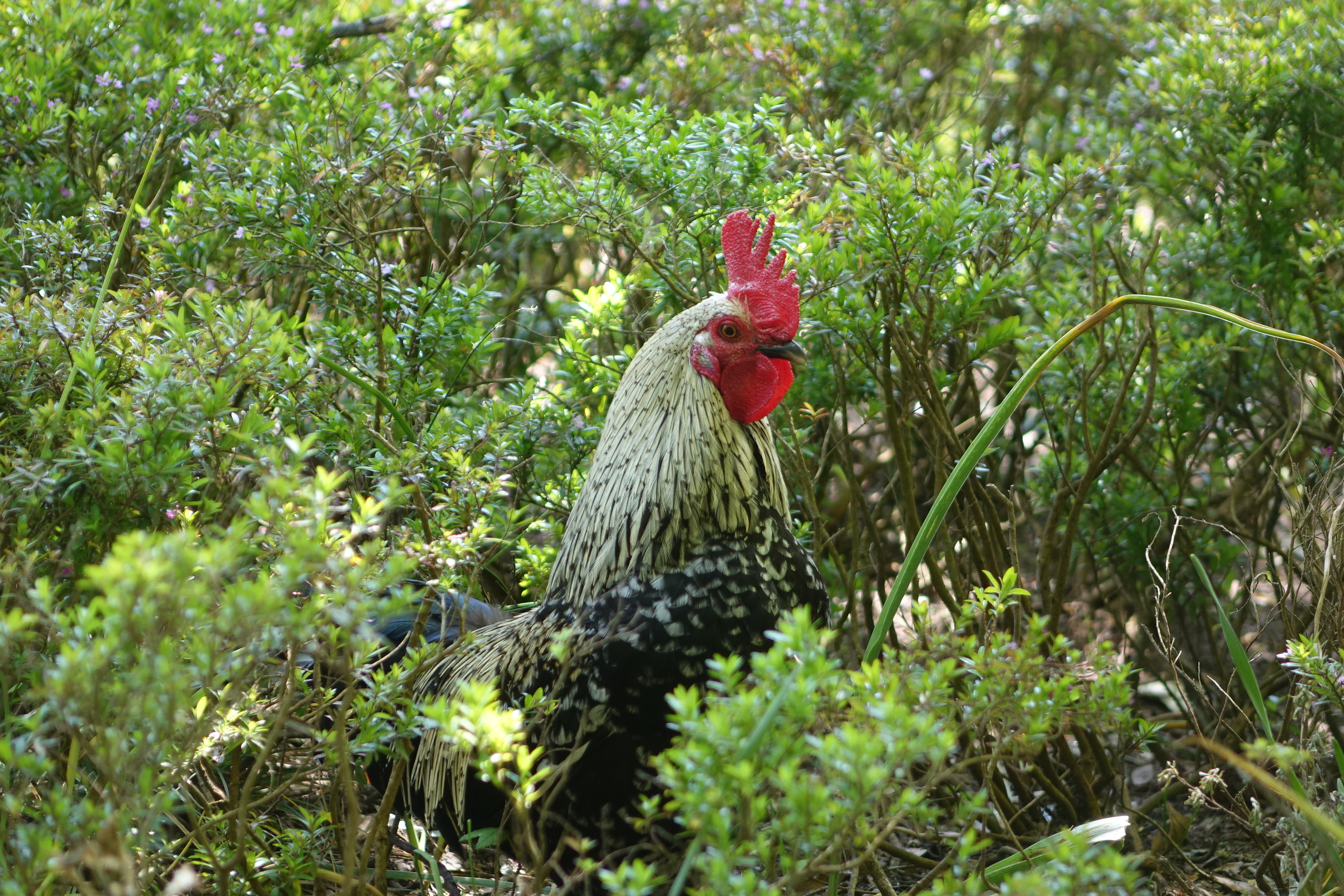
Down the road from the Virtudes gardes is the biggest and perhaps the most impressive garden of them all – the Jardim do Palácio de Cristal. Because here, the visitor with time of their hands (which we sadly lacked) will be treated to not one but a whole handful of differing garden styles and topography, each sharing unbeatable views over Porto’s rooftops and the breathtaking Duoro as it widens on its way down to the sea. In these gardens, asides from a peculiar flying saucer-style construction at its centre, you will see nature at its manicured best, with knot gardens and tropical palms swaying in the breeze, a cafe next to a Monet style waterlily pond and bridge, and roaming free, peacocks and cockerels who defy any form of control on the extravagance of their coats of many colours.

Jardim do Palácio de Cristal

DSC03616DSC03620DSC03636DSC03656DSC03626DSC03668DSC03670DSC03651DSC03654DSC03644DSC03660DSC03632

My final tip would be to leave yourself time to explore these gardens and sink stupendously within their atmosphere of mesmerising stupor. It’s the only way to really experience a garden at its best, leaving thoughts of city life and travel far, far behind.

© Nicholas de Lacy-Brown and The Daily Norm, 2018. Unauthorised use and/or duplication of the material, whether written work, photography or artwork, included within The Daily Norm without express and written permission from The Daily Norm’s author and/or owner is strictly prohibited.

Folio // Porto from the Rooftops

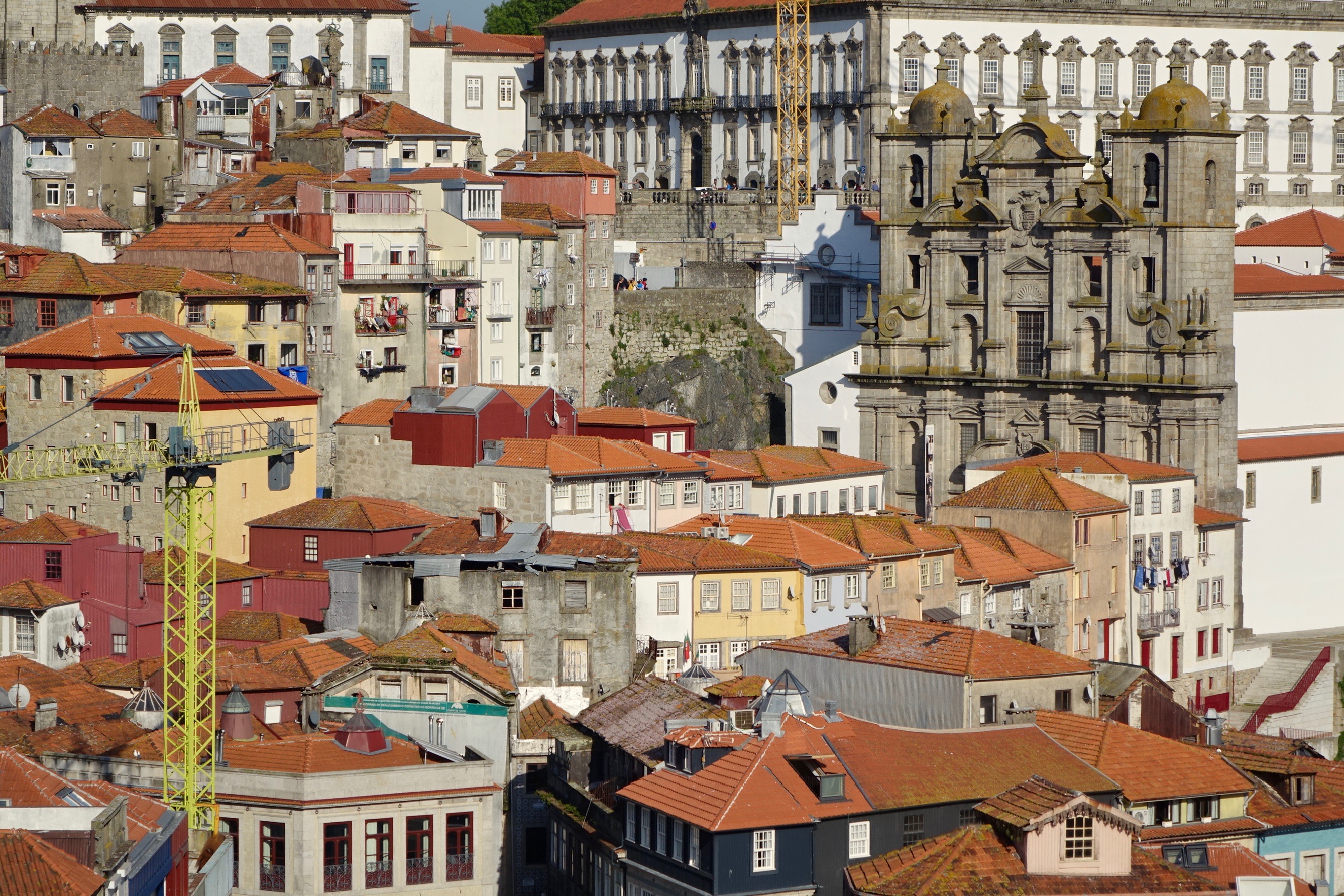
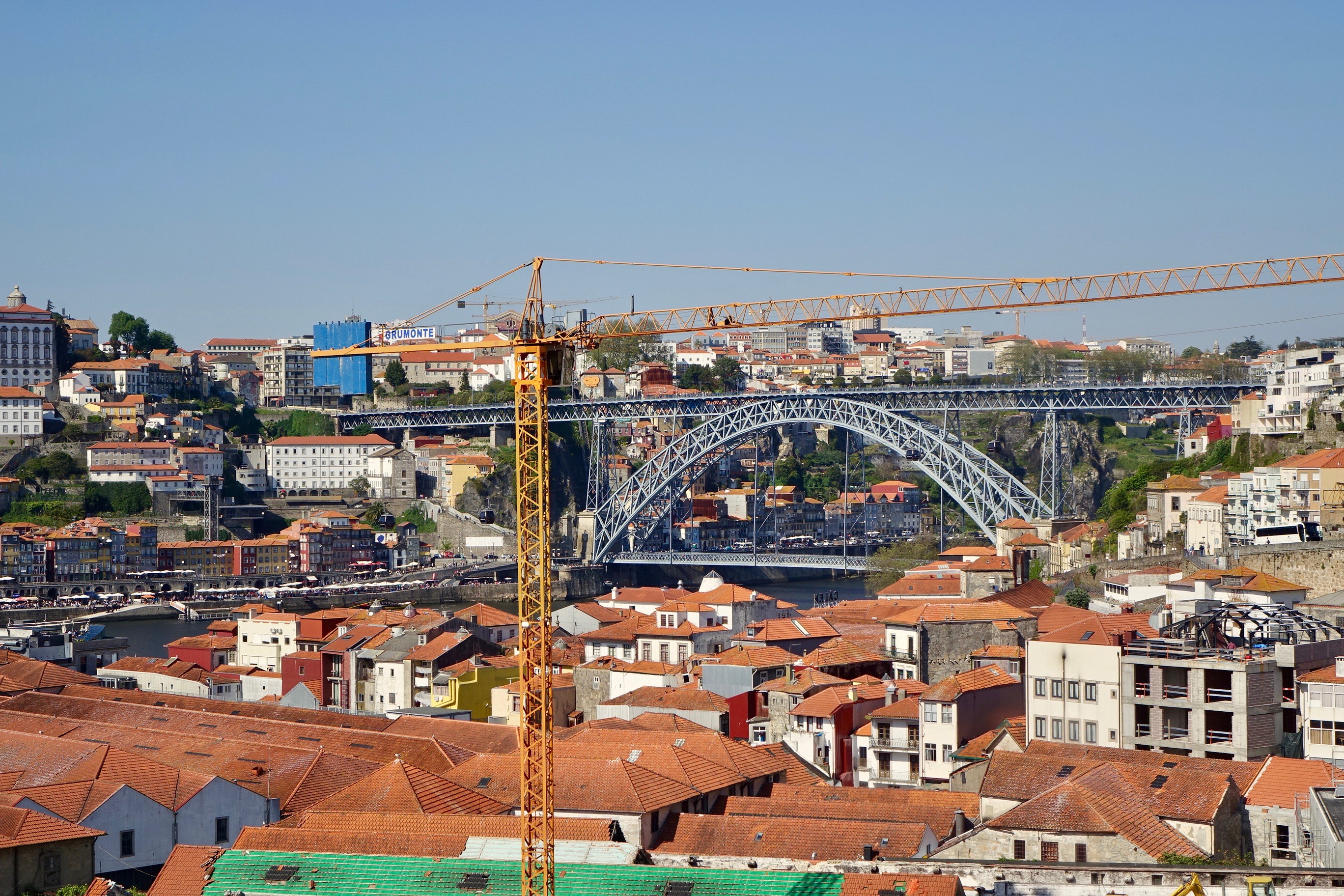
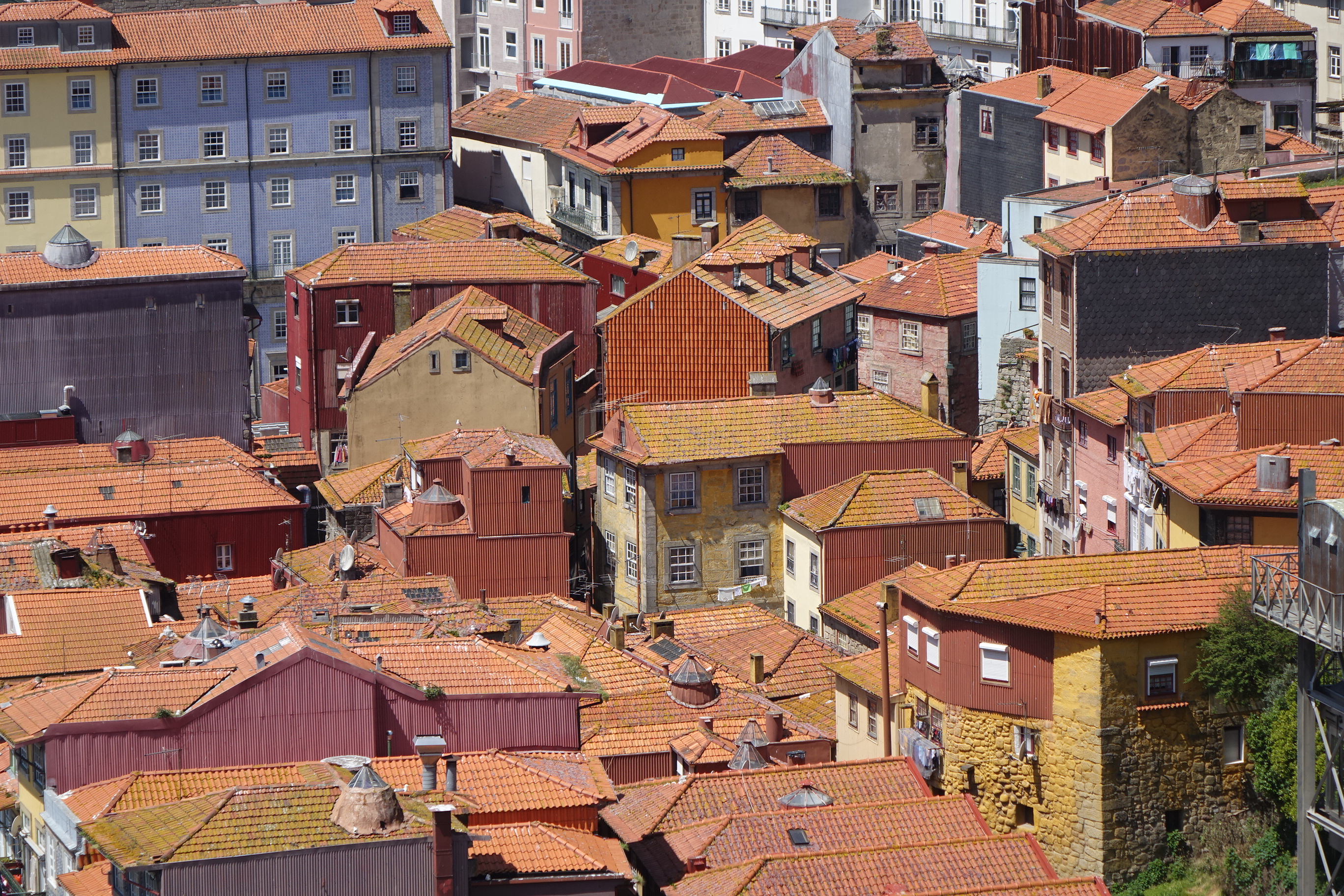
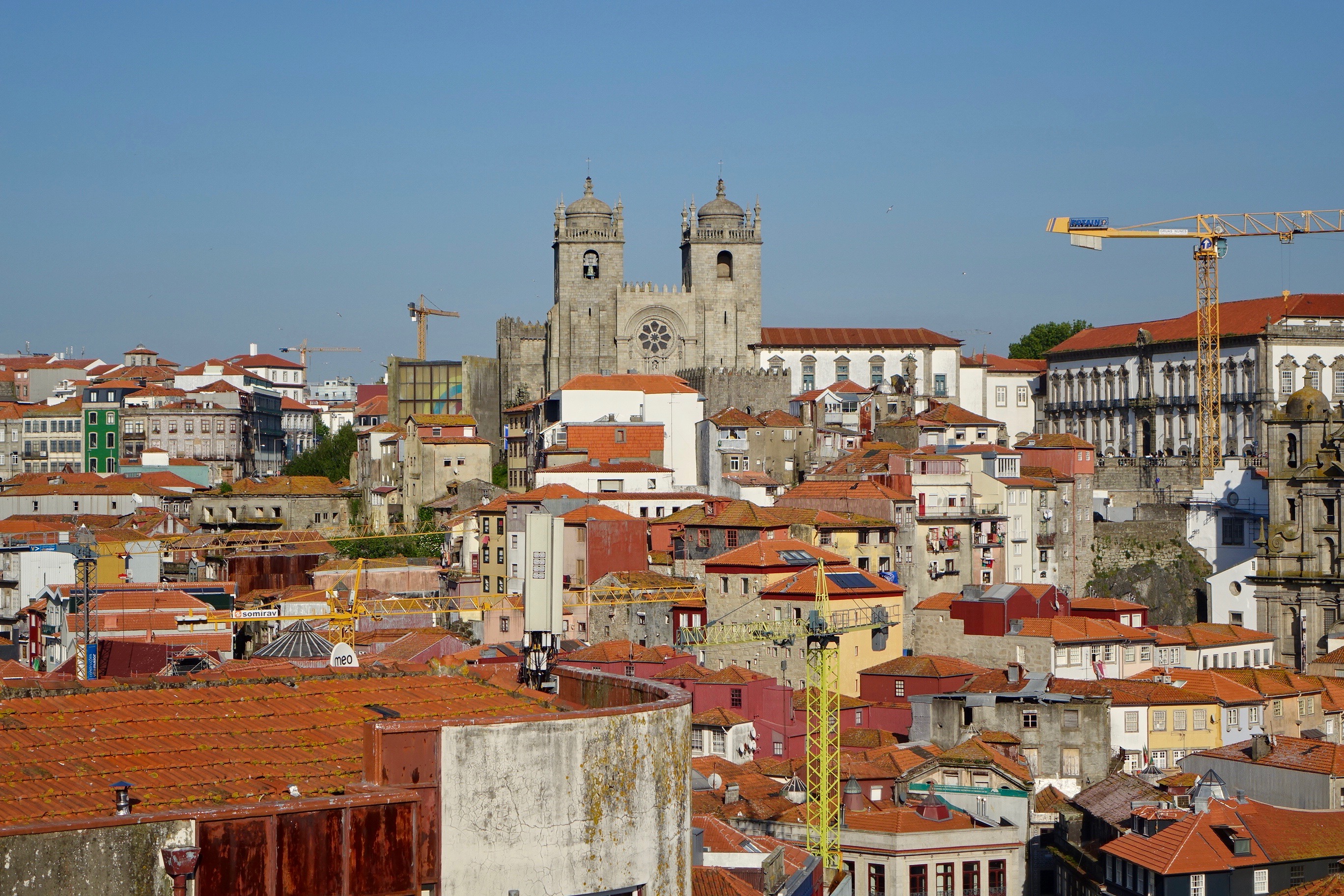
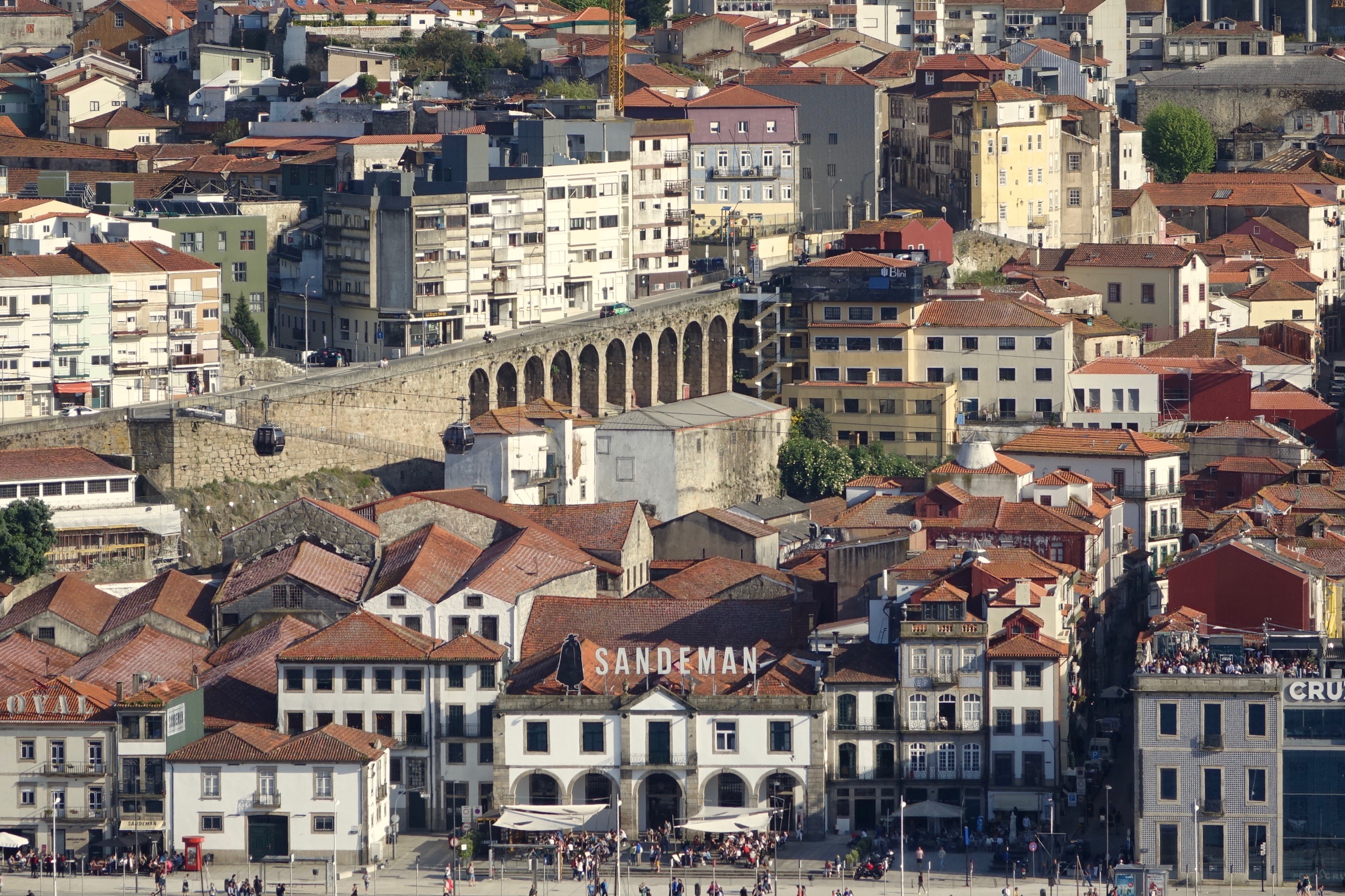
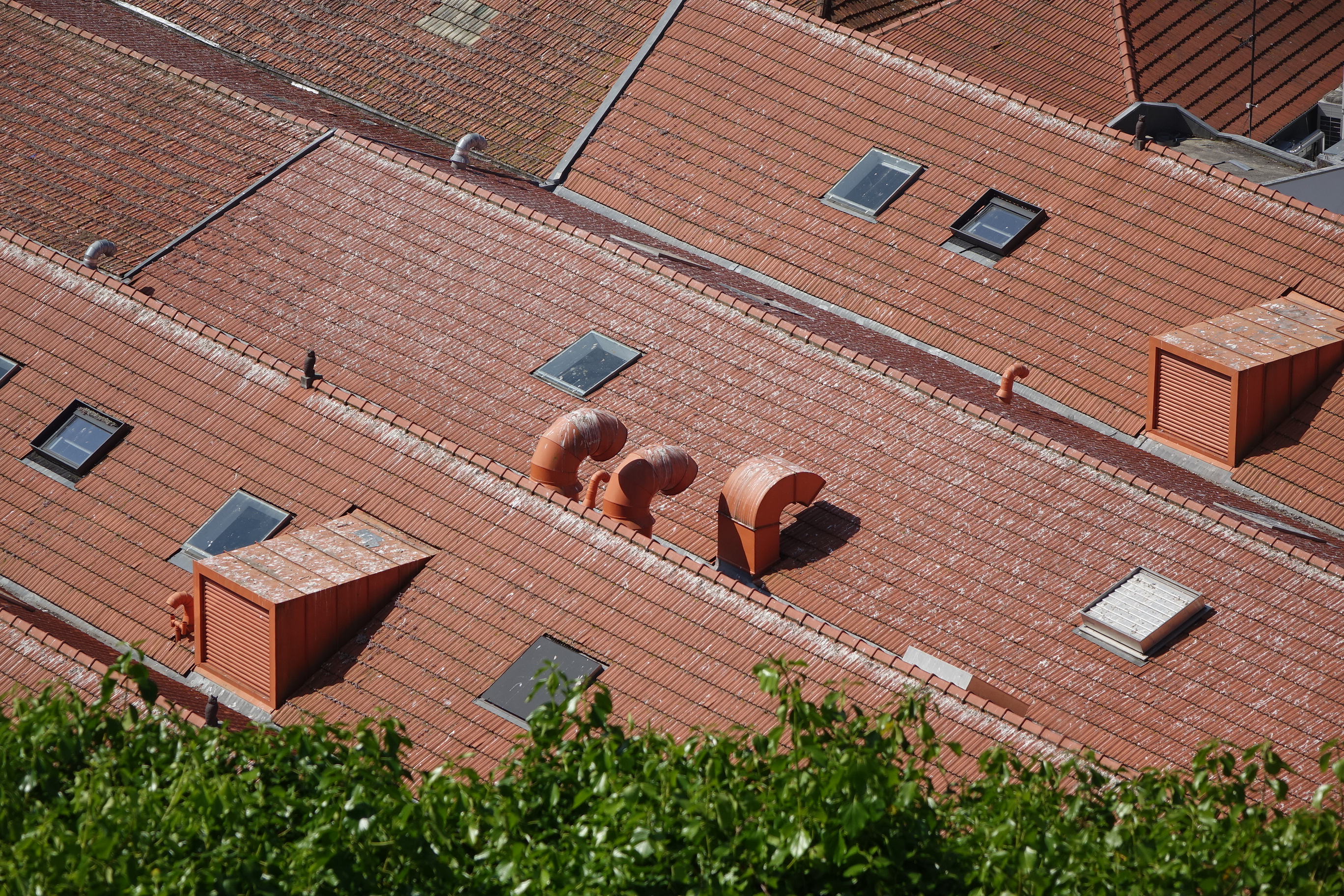
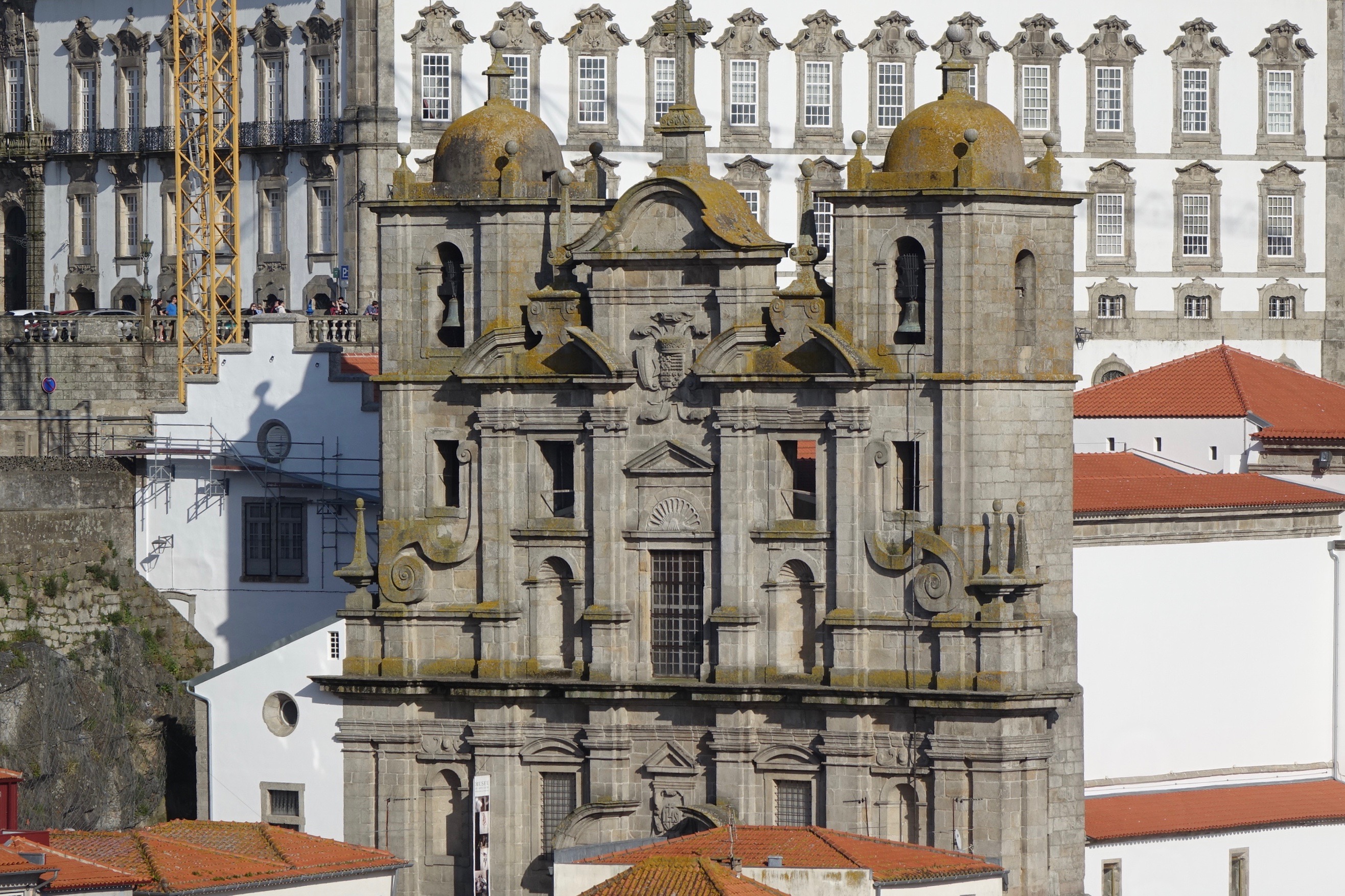
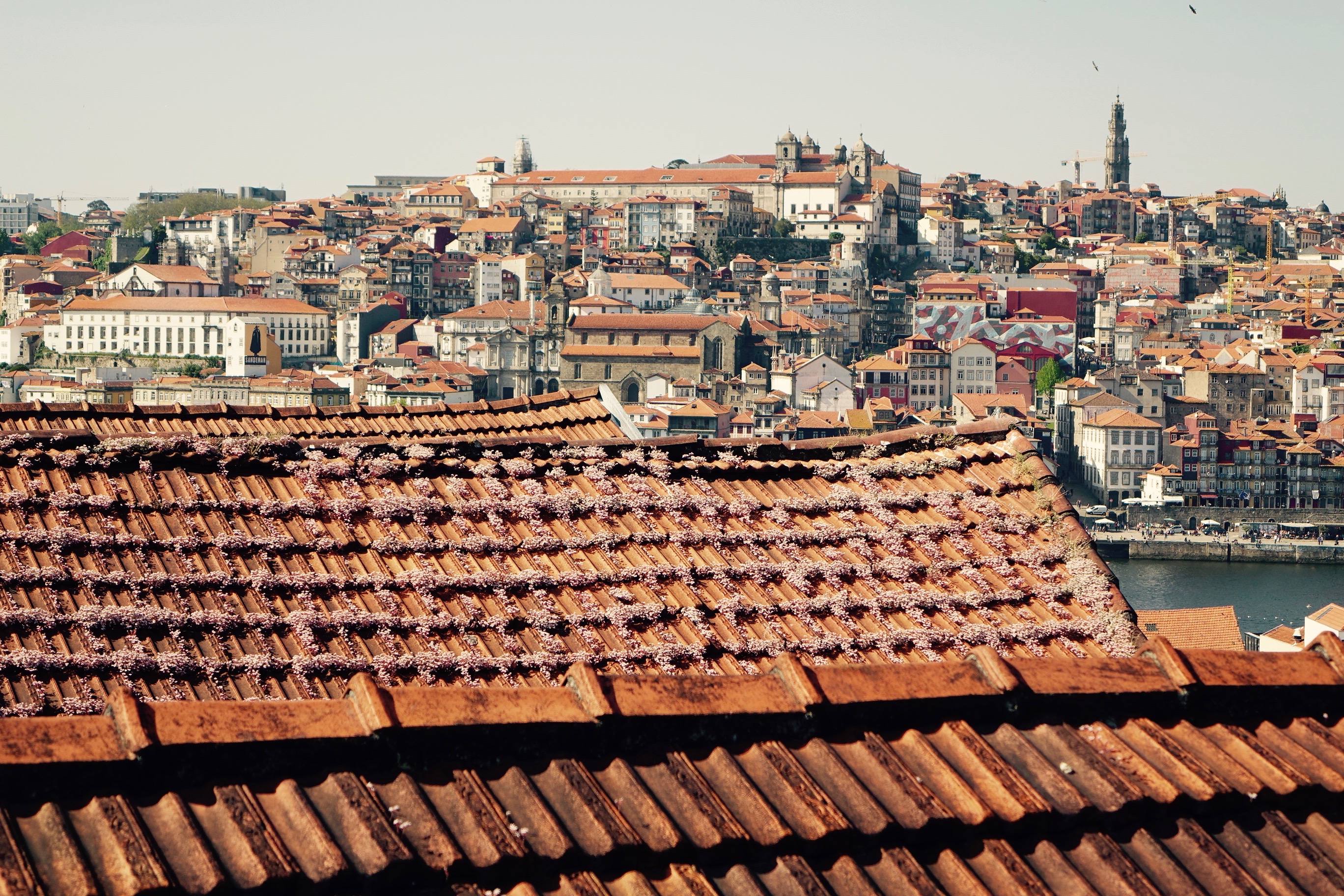
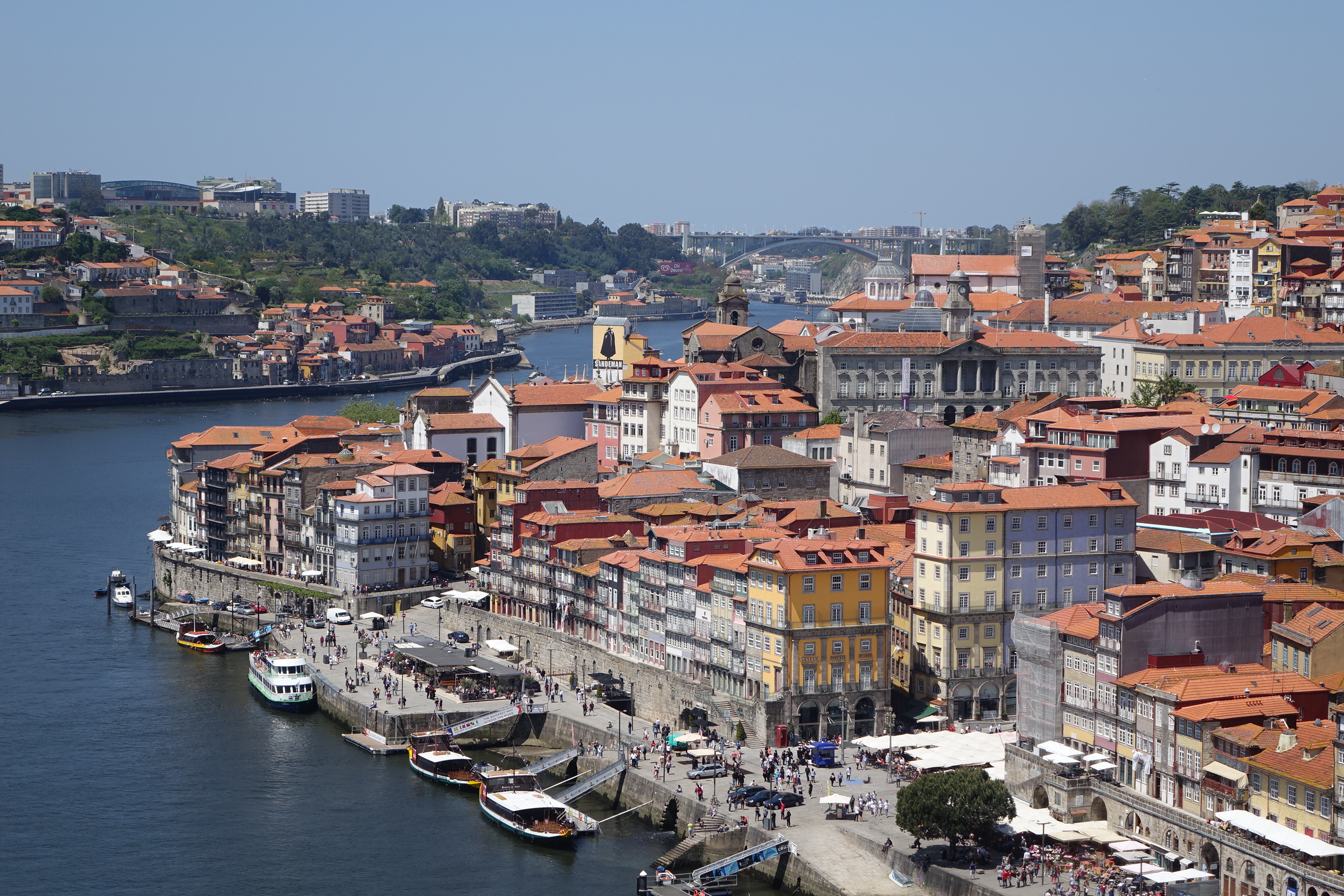
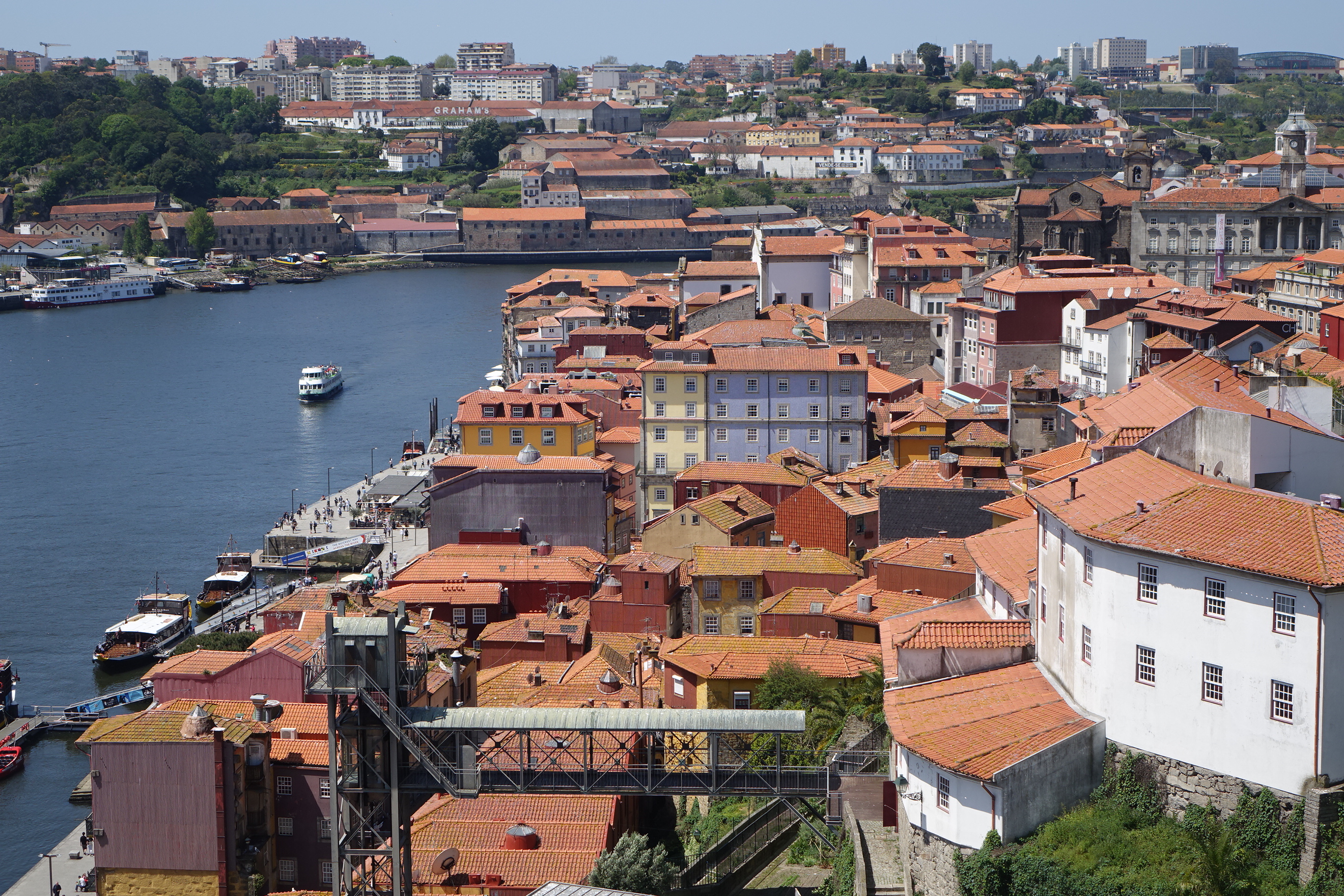
When I look through my photos of Porto, one thing really stands out, even more than the blue and white ceramics which embellish the houses – the rooftops. Swathes of terracotta dominate my photographic collection, and as many will know, I do like a good rooftop, especially when offset by the colours which inherently characterise southern Europe. Porto is no exception for a city resplendent in colour, but what it has more than your average city is a most unusual topography – one which rises and falls over undulating hills so that, even if you’re not climbing up towers and high stories, you can benefit from the most glorious views of warm red roofs and green bushy treetops.

DSC03507DSC03410DSC03257DSC02961DSC03095DSC03501DSC03066DSC02959

This little collection of rooftop photos enjoys a variety of angles, from the Miradouro de Vitoria, an almost hidden street which suddenly opens up into a splendid view over the Ribeira and across to the cellars of the Vila Nova de Gaia, and the spectacular square outside the Sé Cathedral, to the stunning vistas afforded by the Ponte Dom Luís Bridge, and from the heady heights of the dominating Torre dos Clérigos. There, laid out before us, rooftops seemed to jostle for space, vying for light light trees in a forest. And in that forest, cranes seems to rise above the city like new shoots of spring – a sign perhaps that Porto is itself enjoying a new regrowth, as it repairs and reinvents itself in response to its renewed popularity.

DSC03502IMG_0221DSC03505DSC03272DSC03500DSC03249DSC02933DSC02962

© Nicholas de Lacy-Brown and The Daily Norm, 2018. Unauthorised use and/or duplication of the material, whether written work, photography or artwork, included within The Daily Norm without express and written permission from The Daily Norm’s author and/or owner is strictly prohibited.

Compendium // Porto > Port tasting in the Vila Nova de Gaia

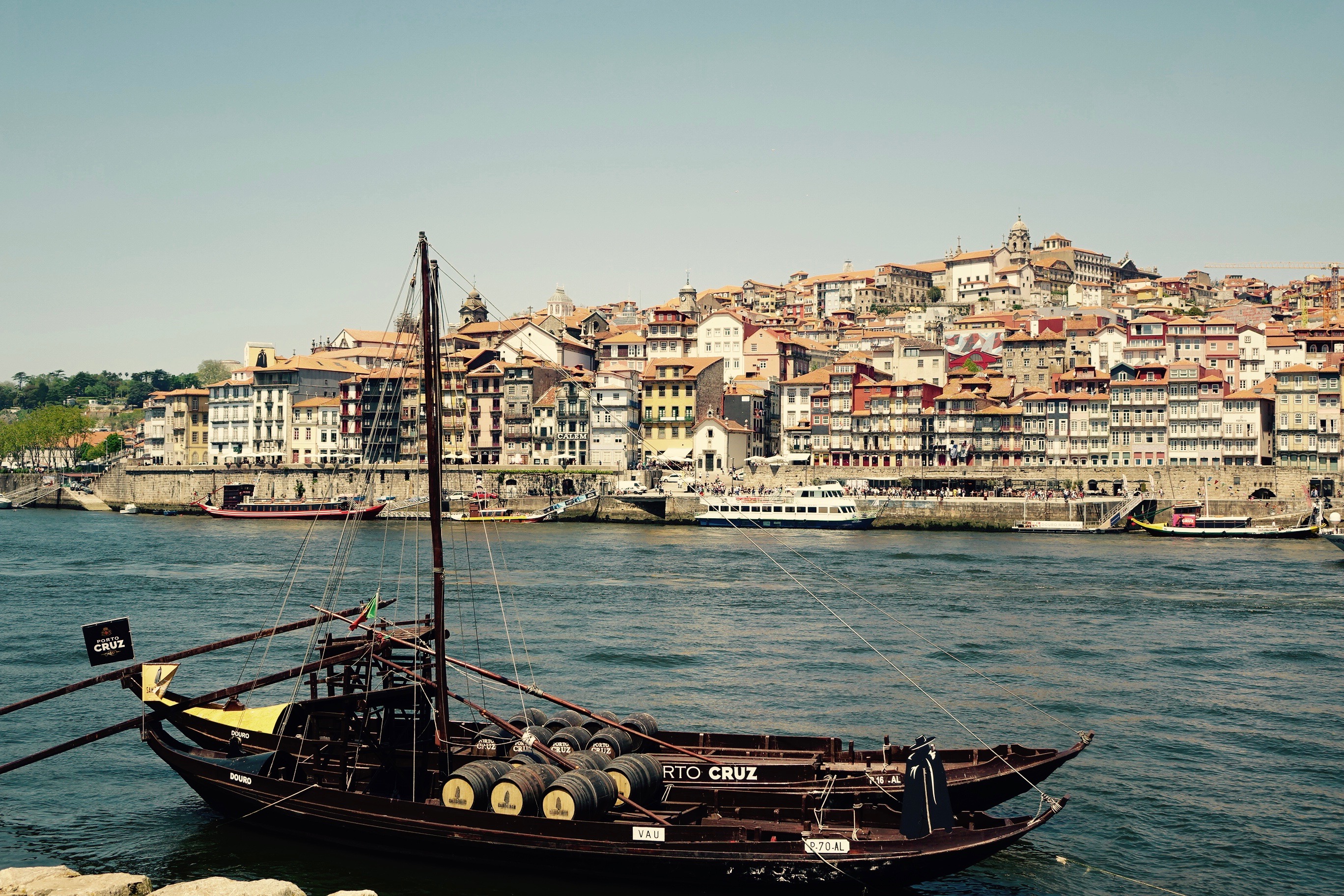
It is a truth universally acknowledged that you cannot go to Porto without tasting the port. It would be like going to York without a trip to Betty’s, or indeed to Champagne without a glass of the bubbly stuff. So having crossed the Duoro river over the mighty Dom Luís Bridge, you will find yourself ideally located to wet your taste buds with the sweet and delectable nectar which has maybe made Porto the favourite haunt of the Olympian gods. For in the Vila Nova de Gaia, the quaint riverside zone bang opposite Porto’s Ribeira, you will find the air filled with the subtle perfume of oak barrels soaked with wine, as you wander past the headquarters of practically every of the most important Port manufacturers in the world.

DSC03430image1DSC03355DSC03323IMG_0085DSC02785DSC03376

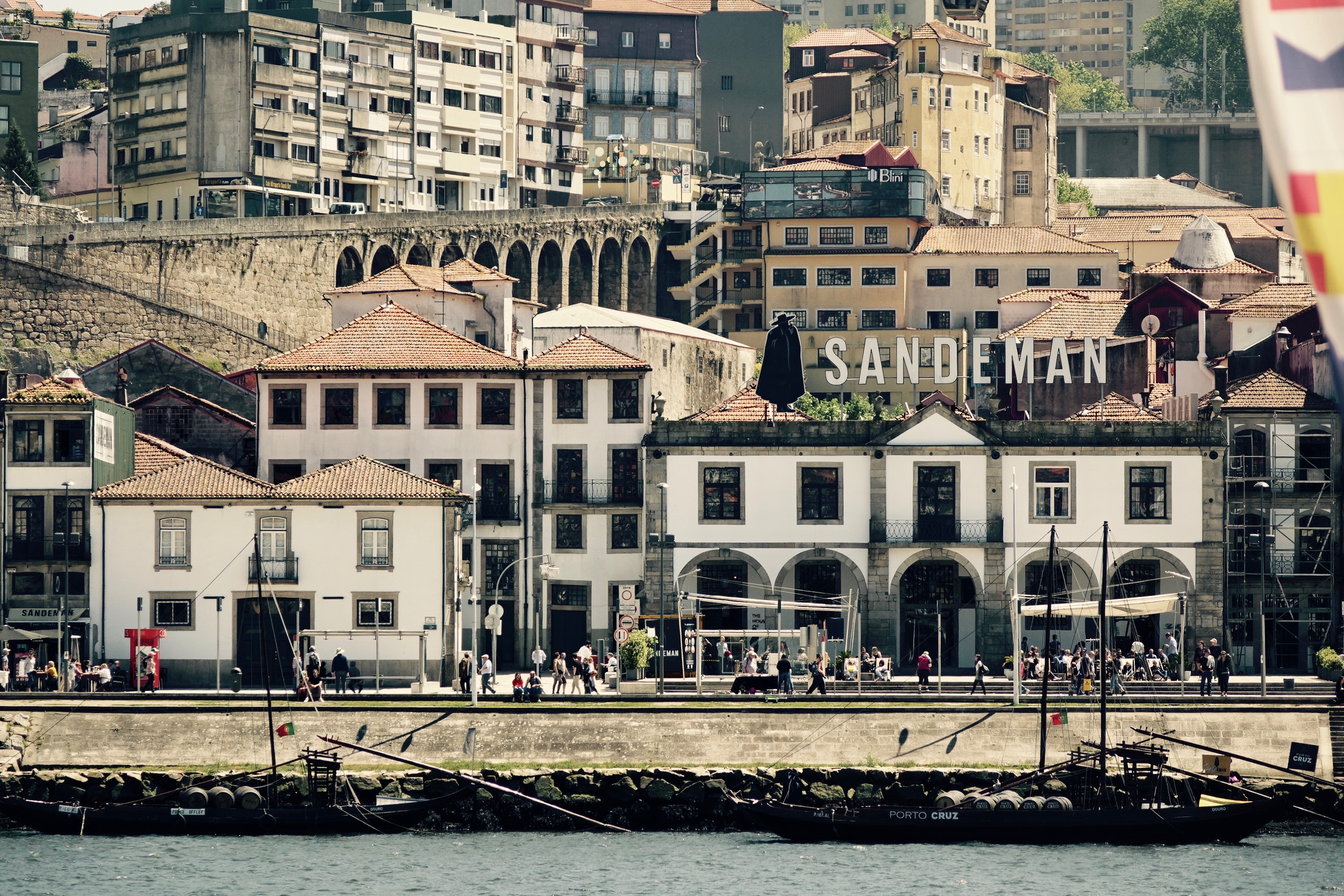
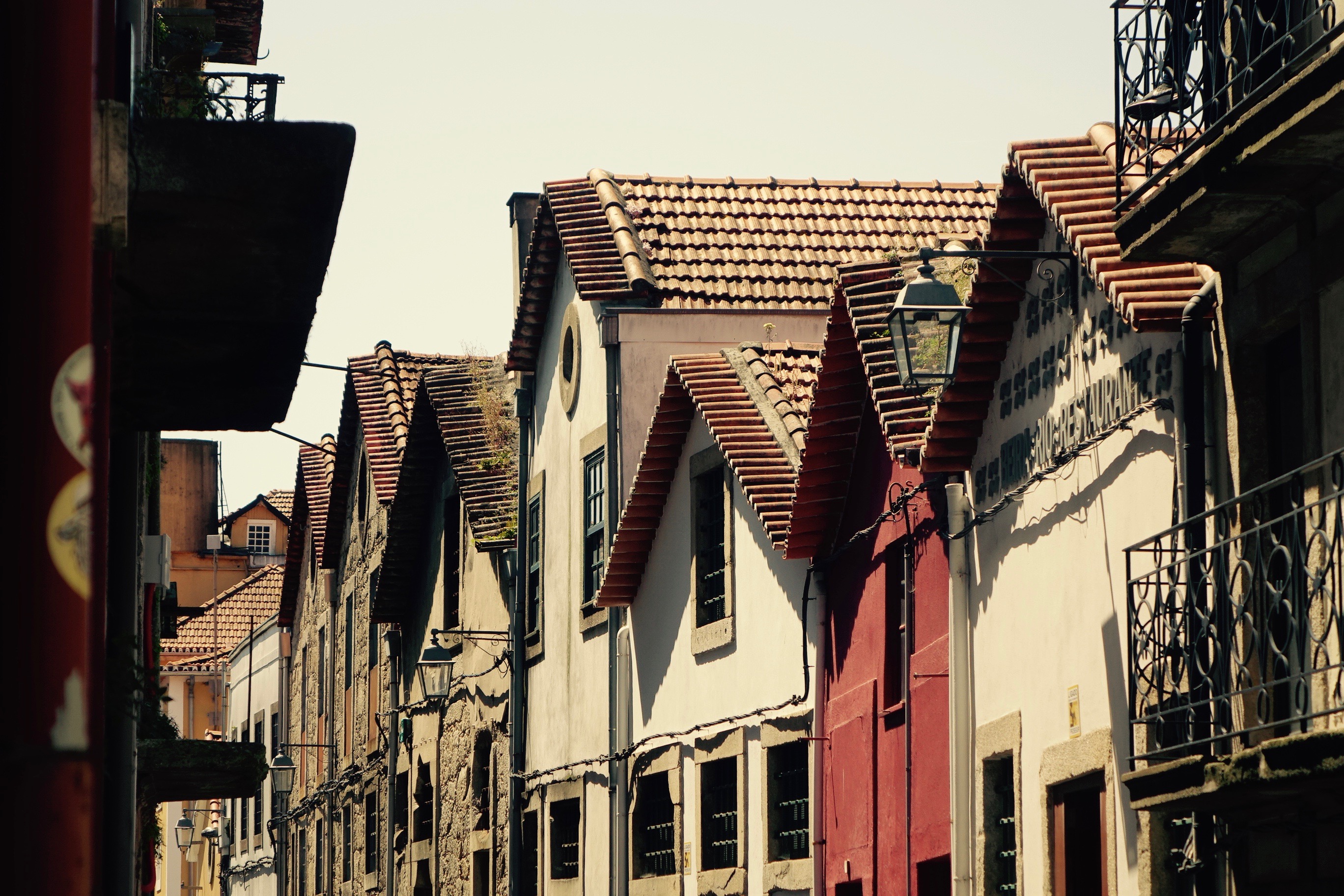
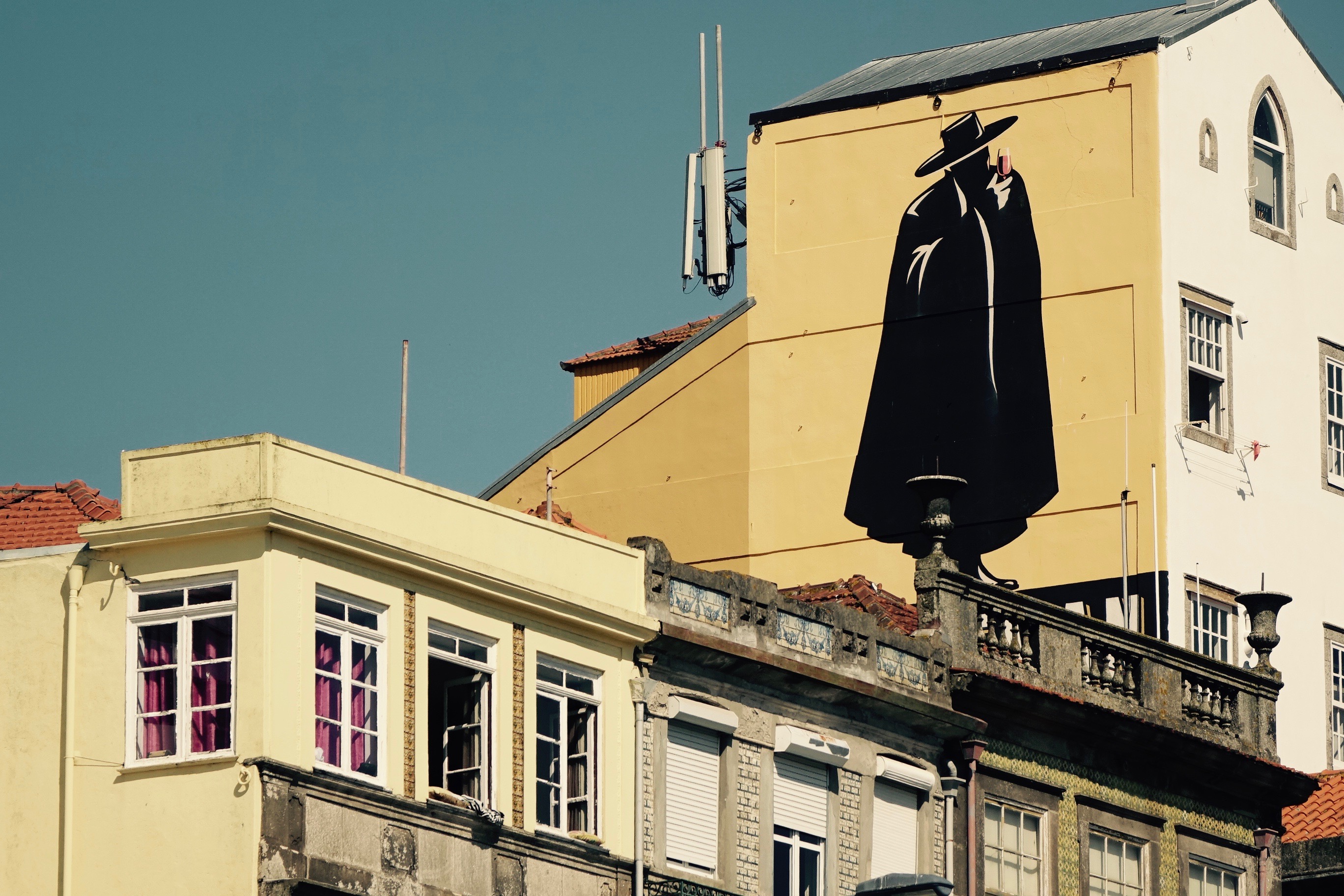
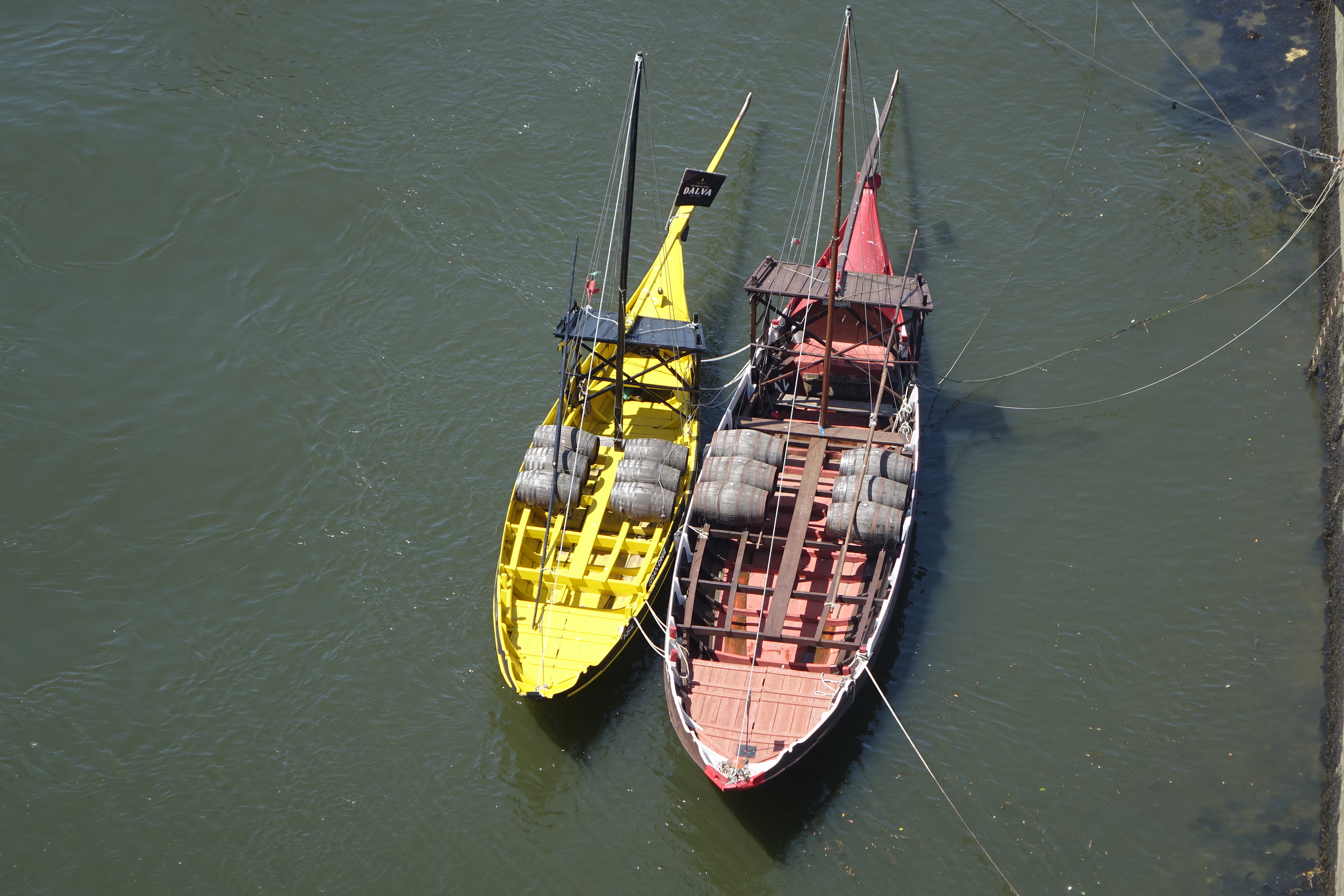
Walking away from the bustling quayside, where boats carrying barrels of port from the vineyards up the Duoro valley can still be seen (probably more for show, but still…), you will find yourself in narrow little streets filled with port showrooms and cellars. Look up, and the large illuminated lettering of each port house exhibits the most famous names in port: Graham’s, Ramos Pinto, Fonseca, Porto Cruz… they’re all there for the tasting. But being mildly patriotic, we decided to head to one of the most famous British-founded brands, and one which today still wears the seal of approval of the British royals: Taylor’s.

IMG_0086DSC03386IMG_0057DSC03364DSC03391DSC03374DSC03419

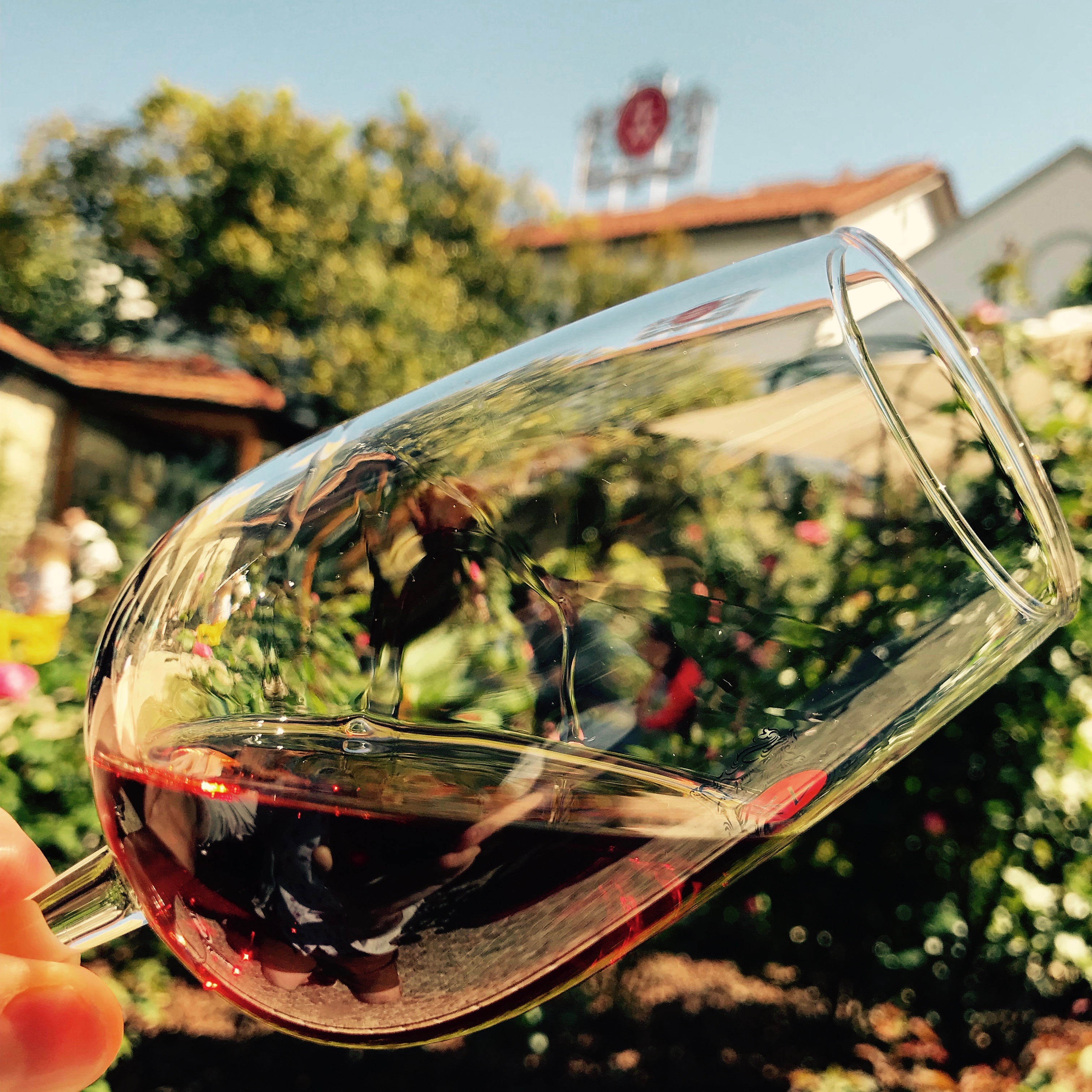
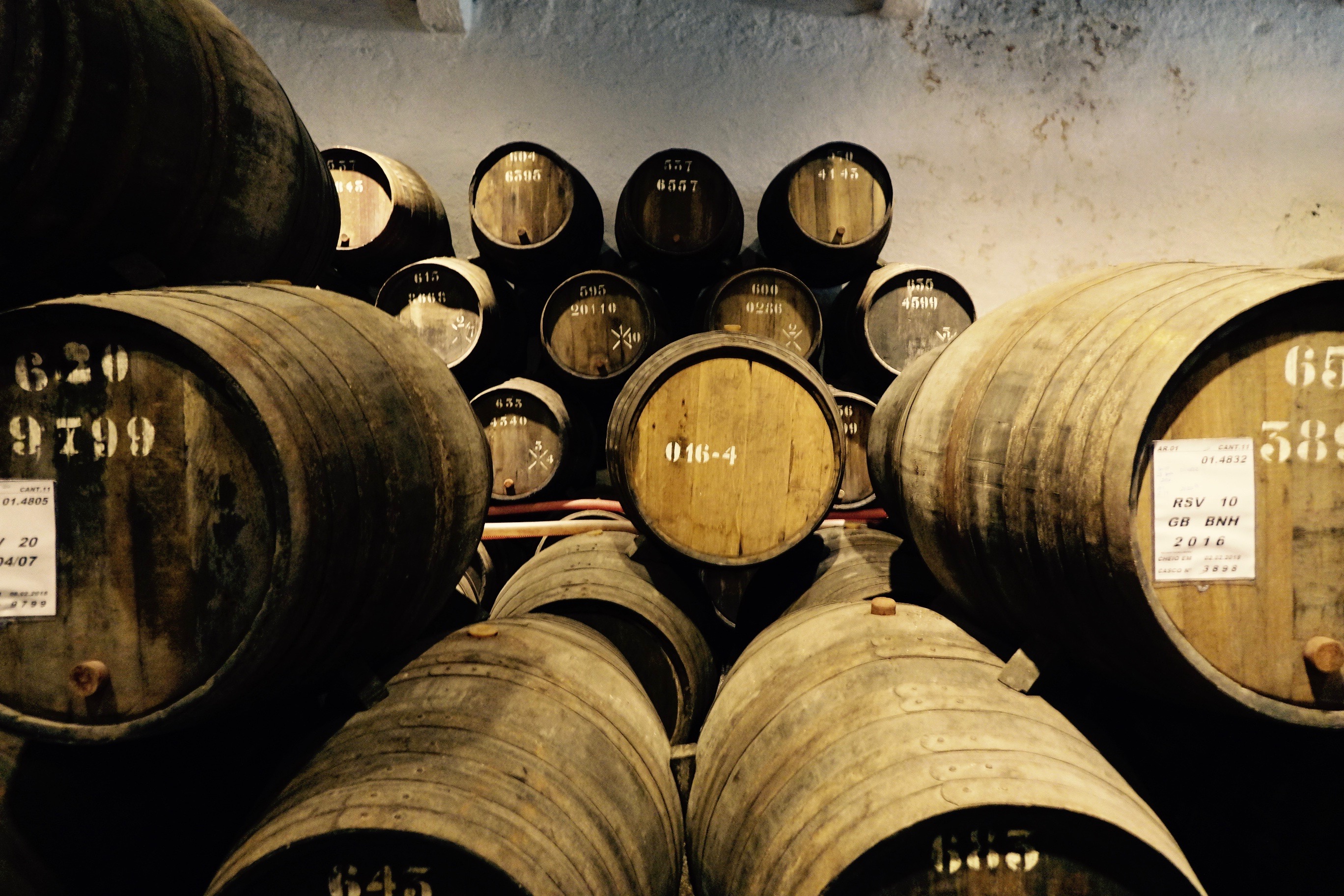
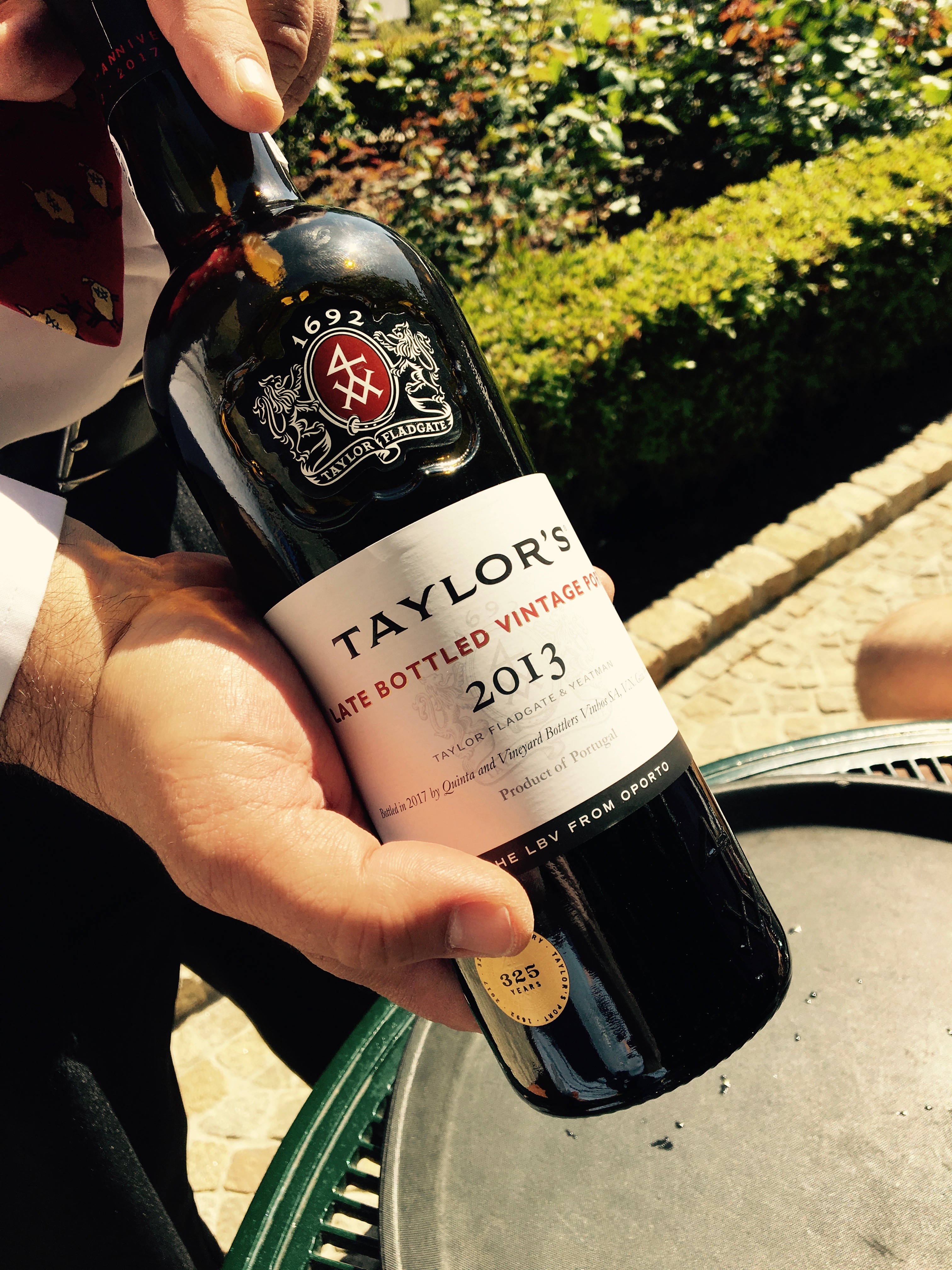
Walking into Taylor’s was bit like visiting a colonial embassy. It felt very British, very sophisticated, but with all the hallmarks of a much hotter climate: plush gardens, a vine dappled courtyard with a tricking fountain, all traversed by peacocks walking haughtily around their dominion. Inside we were given a very handy self-toured audio guide which led us through a vast vault filled on all sides with barrel upon barrel of the famous fortified wine, and the heady scent of fermenting grapes. Past the barrels, a state of the art exhibition taught us more about port than we can ever have wished to know: I can now tell you the difference between a tawny and a late bottled vintage; why tawny’s are honey coloured and standard port red, and the traditions which accompany the human-trod grape harvesting process.

DSC03335DSC03388DSC02855IMG_0177DSC03429DSC03422DSC03412

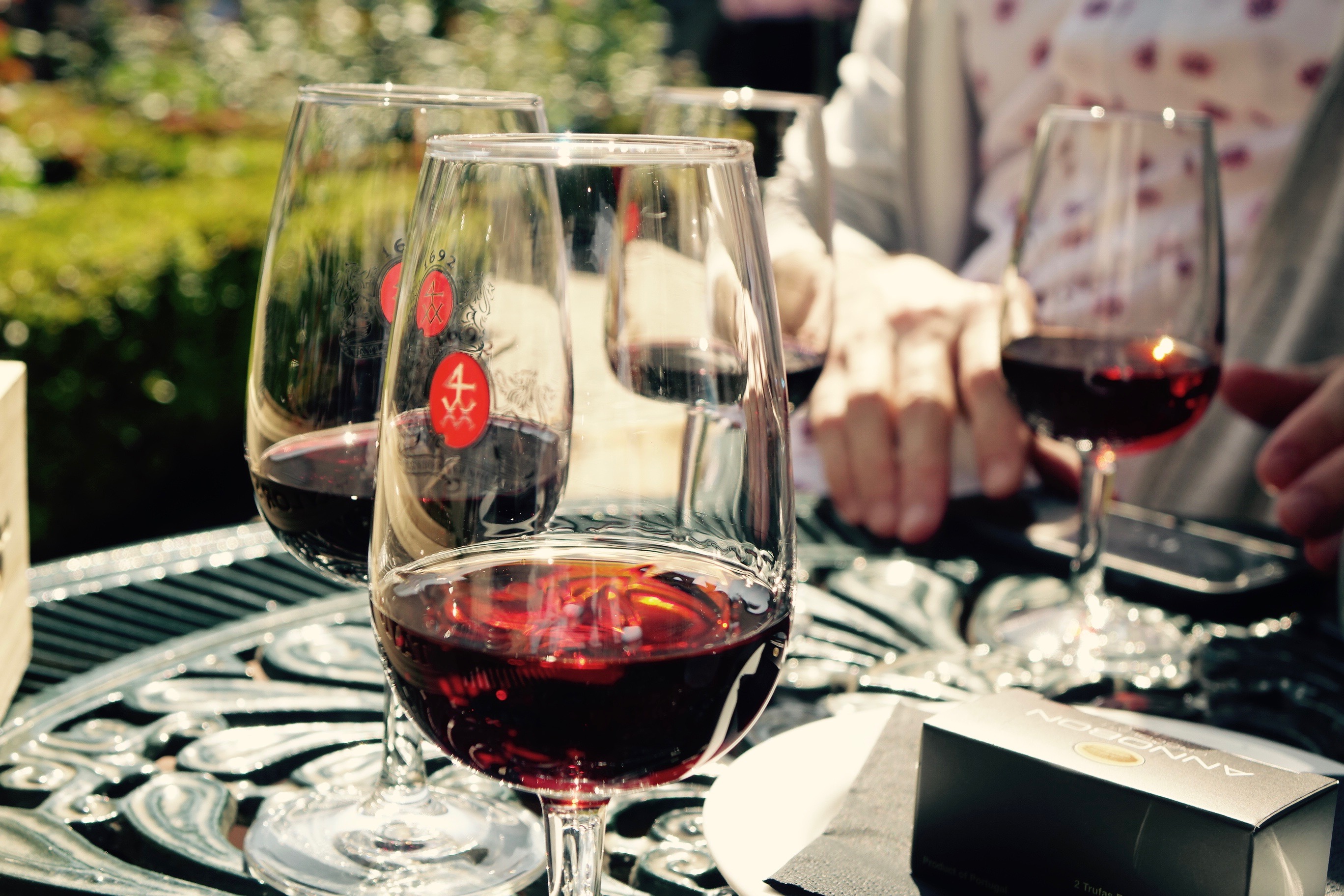
All more interesting than it sounds, although the real treat came at the tasting, enjoyed in the heavenly surroundings of a perfectly tamed box-hedged garden alive with the scent of roses and accompanied by the solemn call of those same majestic peacocks. Served with chocolate truffles picked to perfectly balance the rich syrupy nectar served to use by a manicured waiter, we could quite easily have closed our eyes and followed those gods back to Olympus. Naturally we could not leave without buying a bottle of our favourite: the 20 year old tawny. And whenever it is opened the heady scent will remind me of that moment in Porto’s winey paradise – a treat not to be missed. 

© Nicholas de Lacy-Brown and The Daily Norm, 2018. Unauthorised use and/or duplication of the material, whether written work, photography or artwork, included within The Daily Norm without express and written permission from The Daily Norm’s author and/or owner is strictly prohibited.
Compendium // Porto > Traversing the Duoro

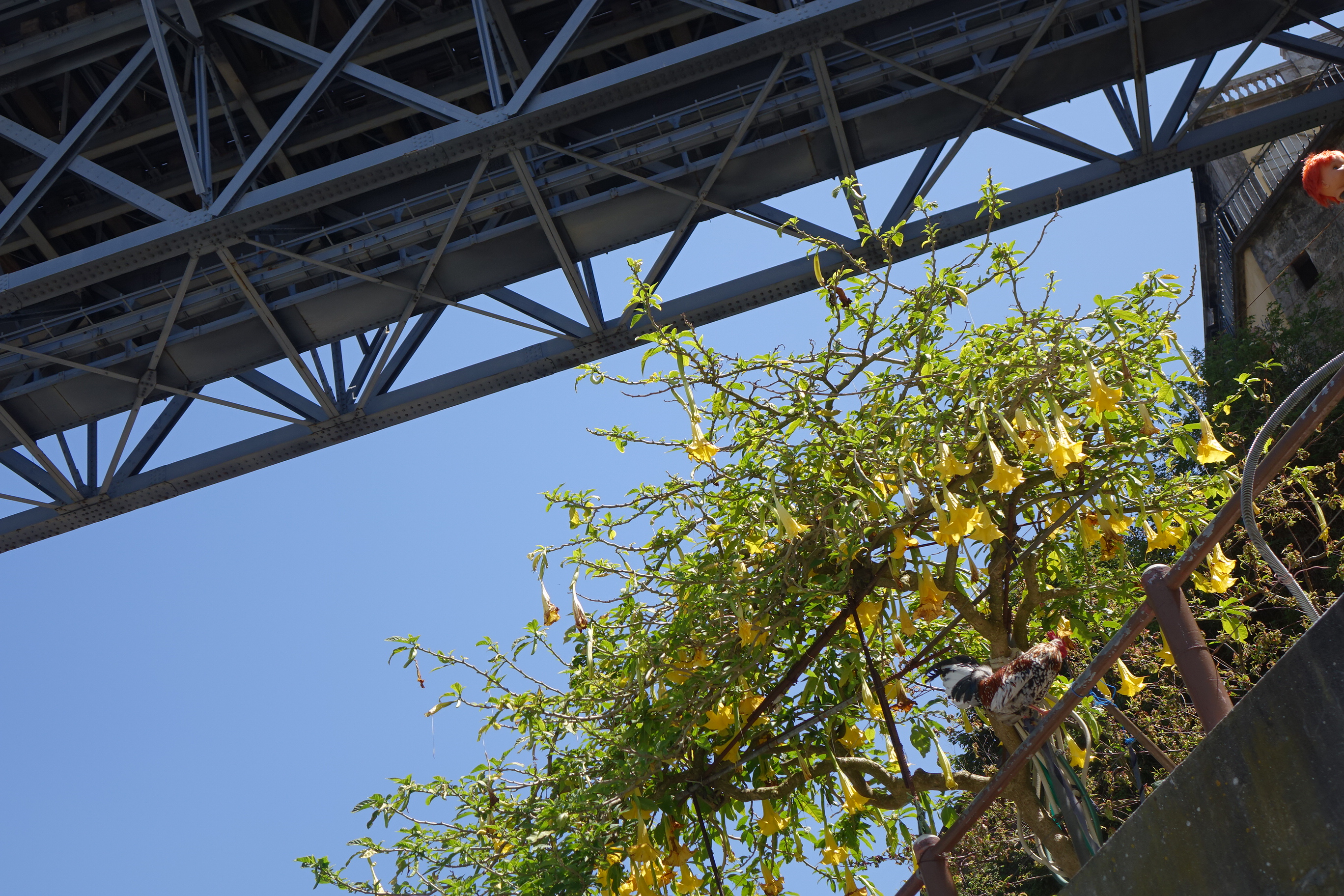
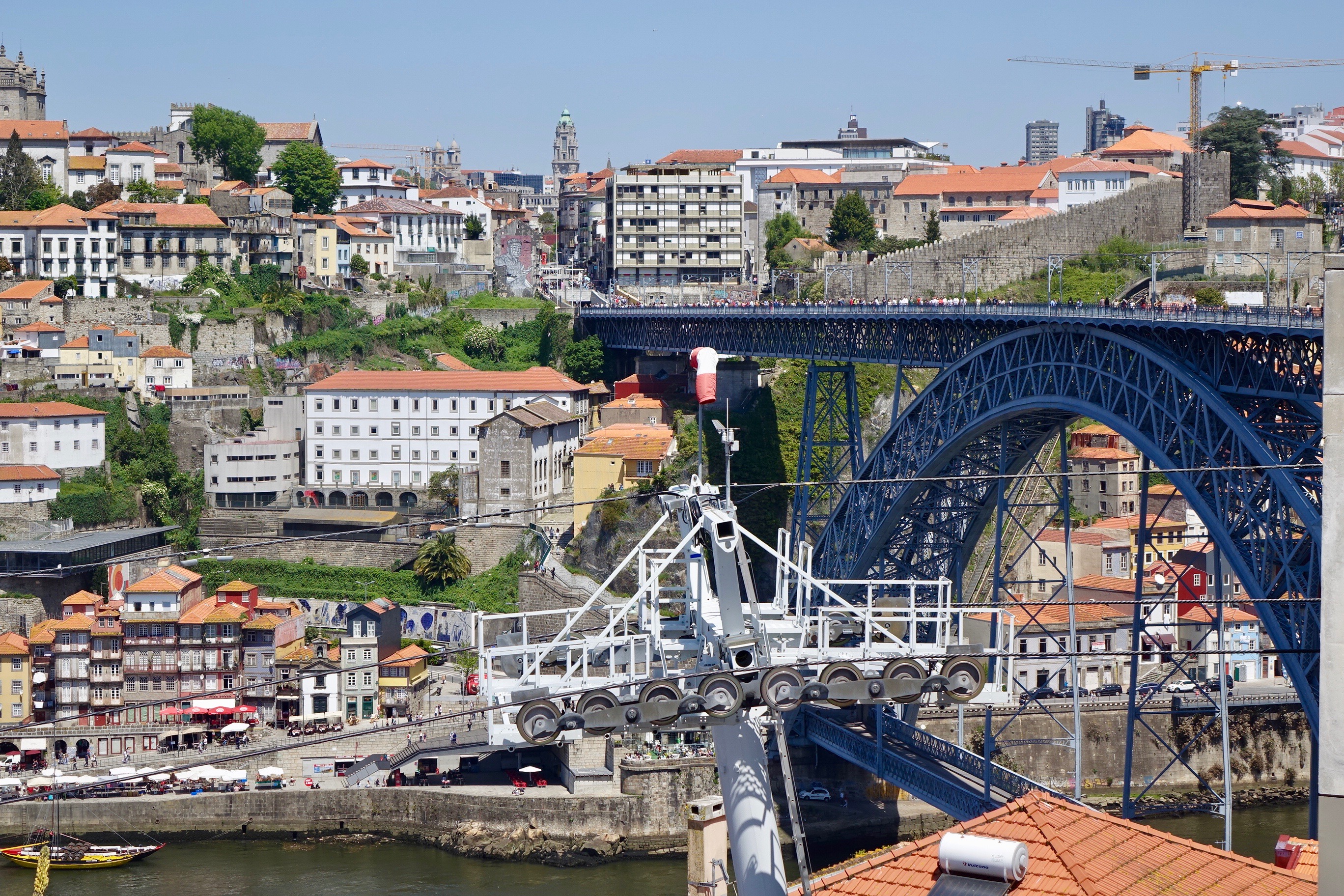
While it may have to beat off competition from ample bottles of port, a rolling city geography and ceramic tiled houses, the Ponte Dom Luís I, aka the Bridge of Luis I, is the undisputed icon of the city of Porto. Extending across the Duoro river with a mighty 172 metre span and a boasting a double decker construction allowing trains to rumble across the top and cars to take the lower road (pedestrians can enjoy both routes), Porto’s bridge is the ultimate way to cross the river which otherwise splits the city in two.

While many assume that the 1886 iron construction was the work of the legendary Gustave Eiffel, it was in fact the design of one of Eiffel’s chief disciples, Théophile Seyrig, Eiffel’s single-story idea having been previously rejected owing to the rapidly expanding city demographic. At the time, it was the widest bridge ever to have been constructed. Today, it may have lost that epithet, but it remains one of the most recognisable bridges in Europe.

DSC03267DSC03280DSC03257DSC03325DSC03273DSC03254DSC03249DSC02793

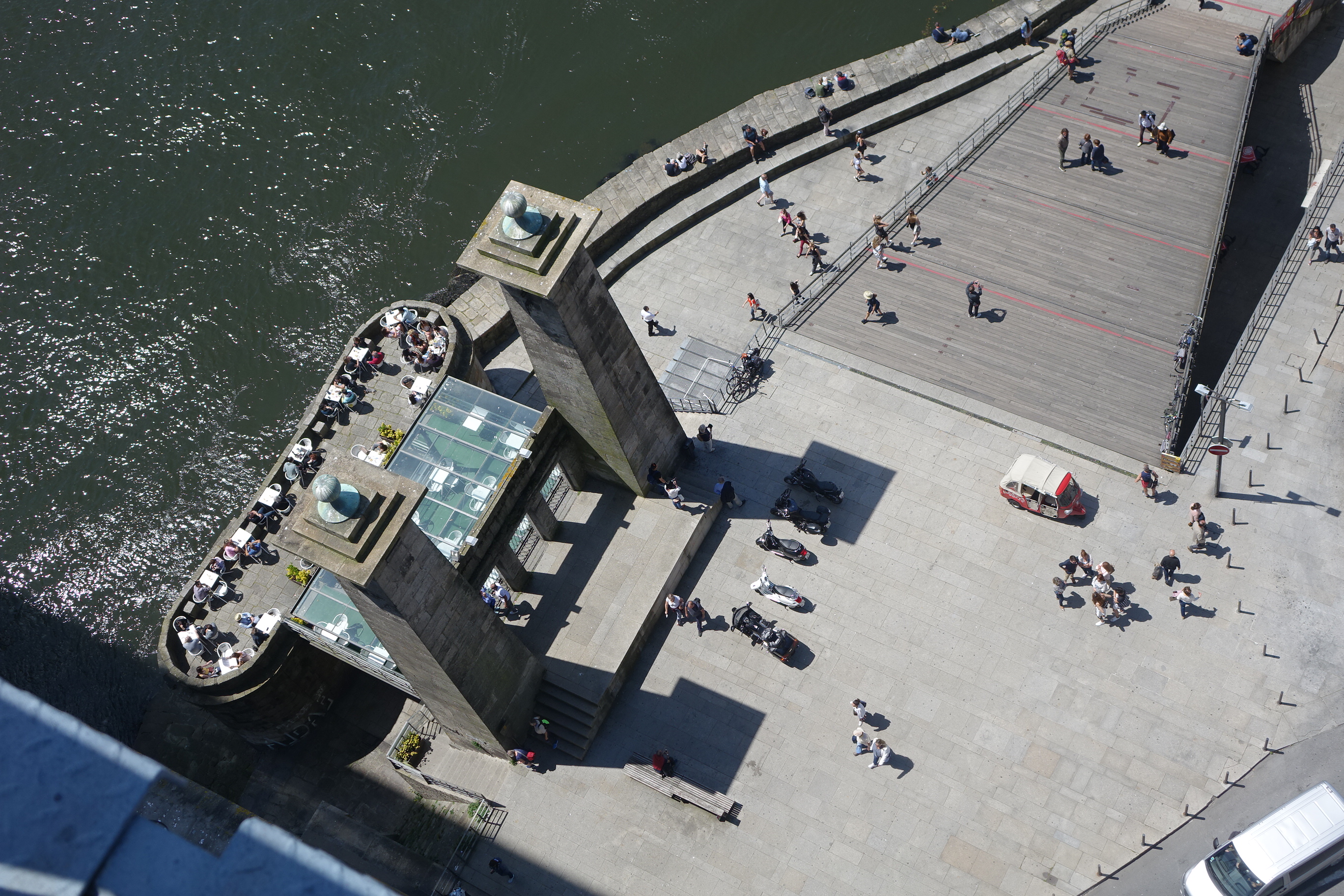
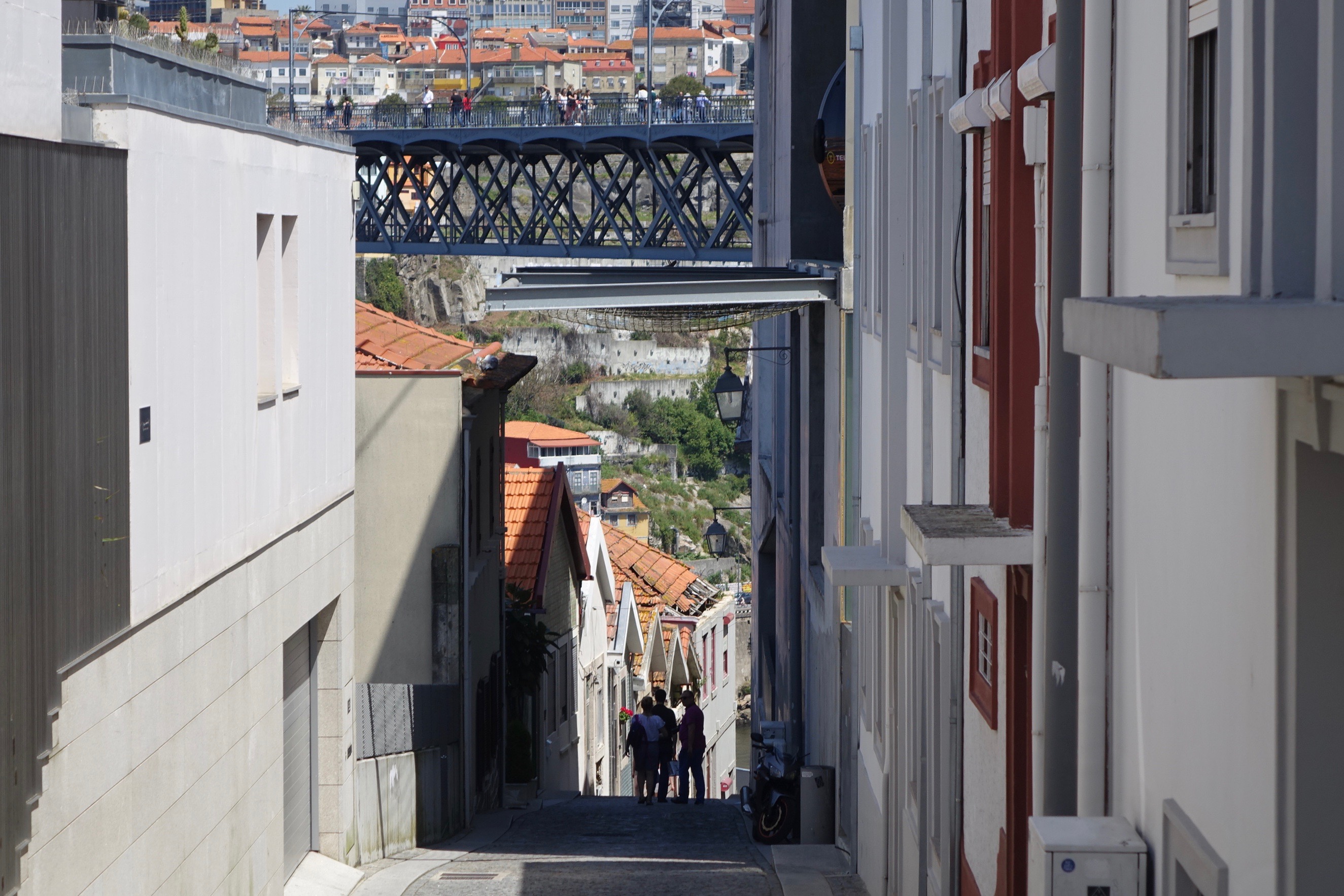
After exploring the wonderful region of the Ribeira, next on your list should be a visit to the Dom Luis bridge which will not only provide you with some stunning rooftop views of Porto, but also take you across to the Vila Nova de Gaia region of the city, where the all important Port houses are to be found. While pedestrians can choose between the upper or lower decks, the latter being reached pretty easily from the riverbank of the Ribeira, we opted for the somewhat more vertiginous upper deck, this being reached by walking in a straight line from the wonderful tile-covered central train station. I’m not a vertigo sufferer, but I have to admit that from up there, my arms turned a little shaky as I extended my camera over the side of the bridge to capture the beautiful views it affords of the city.
But as these photos will demonstrate, those both enamoured and feared of heights should opt for the Ponte Dom Luís I – ultimate icon of Porto and the undisputed platform from which to see the city. And so long as you head over the bridge from the Ribeira to the Gaia, you can rest assured that a glass of ruby coloured port will be waiting for you on the other side. 

IMG_9850DSC03315DSC03312DSC03259DSC03302DSC03286DSC03289DSC03258DSC02790

© Nicholas de Lacy-Brown and The Daily Norm, 2018. Unauthorised use and/or duplication of the material, whether written work, photography or artwork, included within The Daily Norm without express and written permission from The Daily Norm’s author and/or owner is strictly prohibited.