Skip to content

Compendium // Cádiz > Ascending Santa Cruz Cathedral

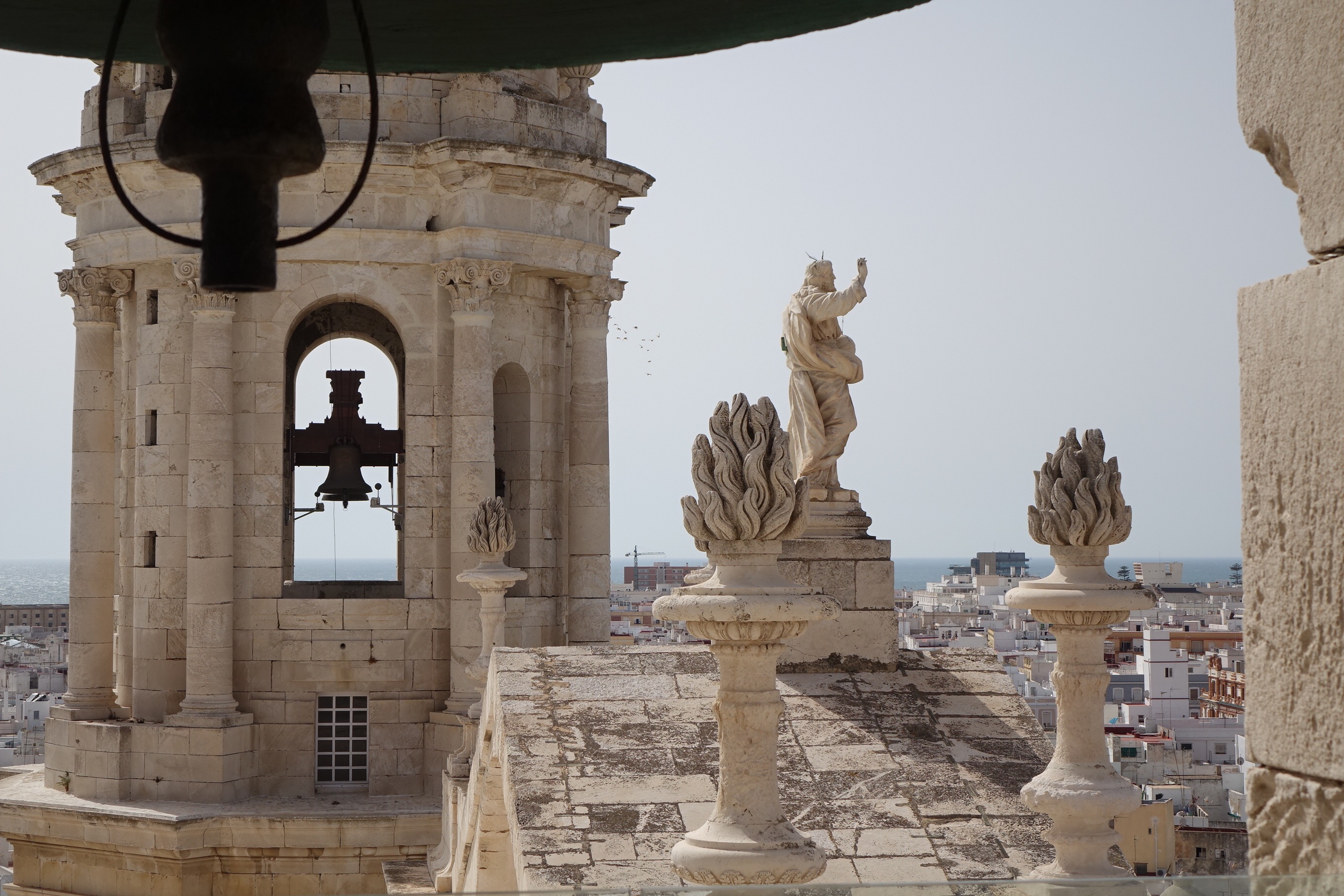
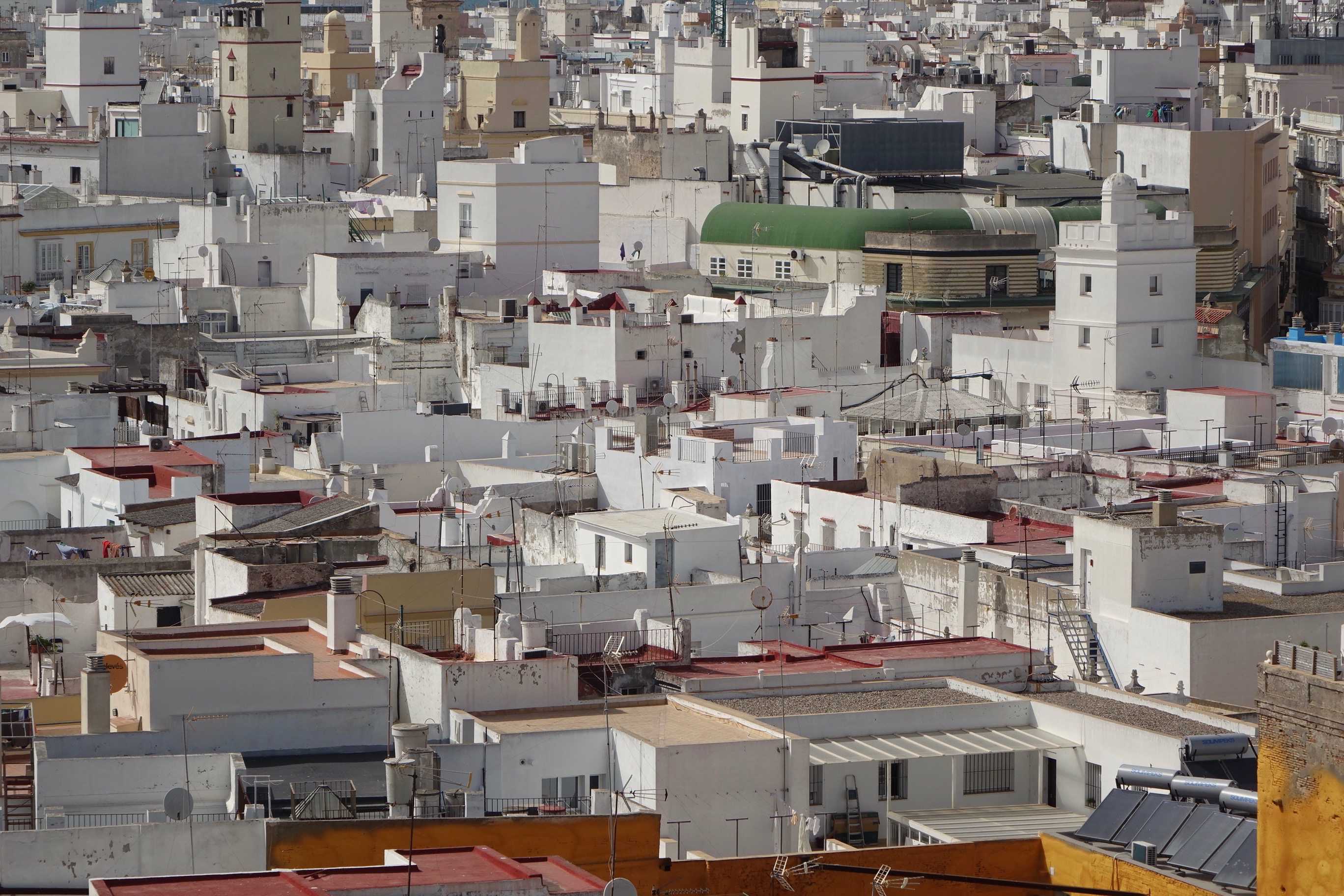
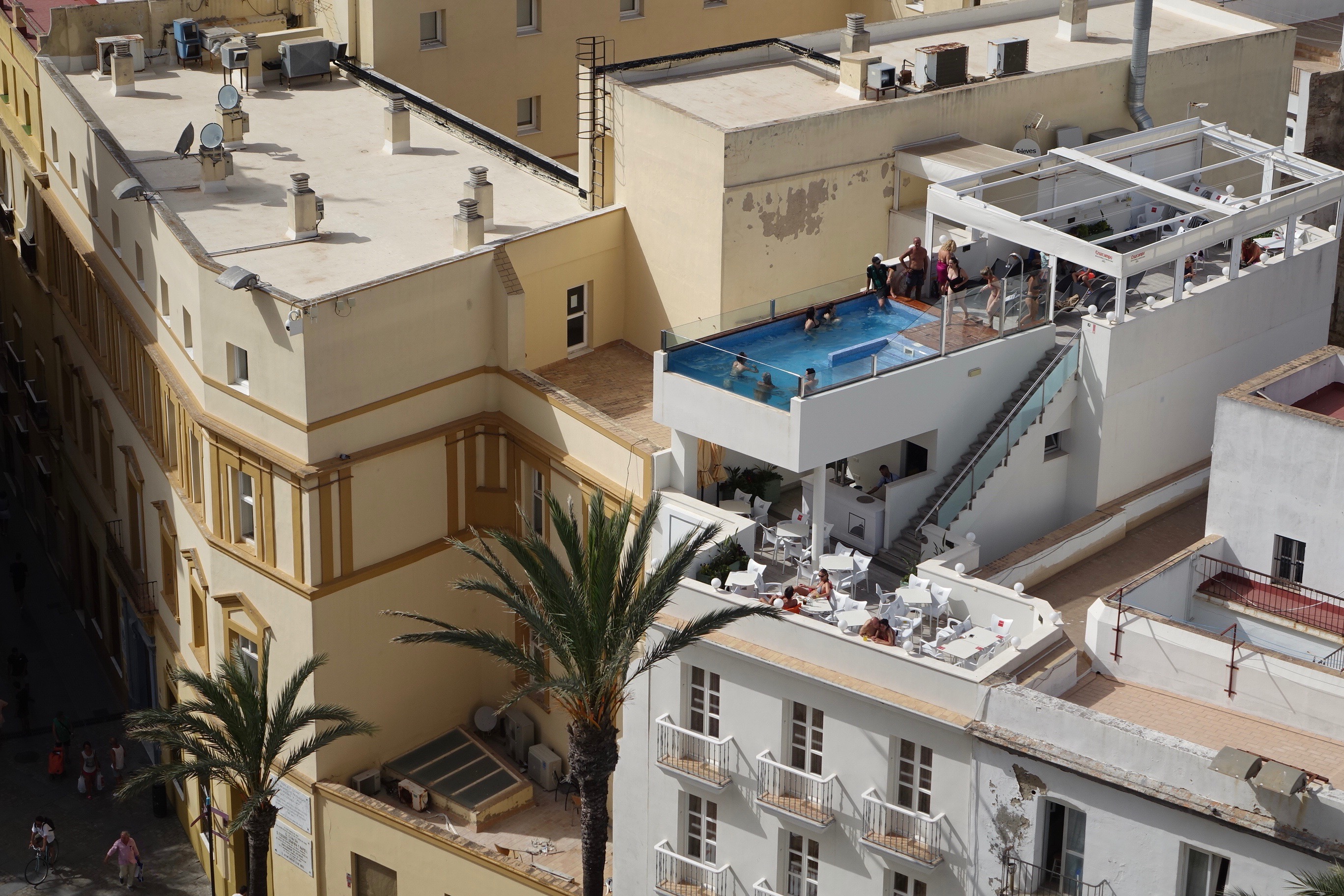
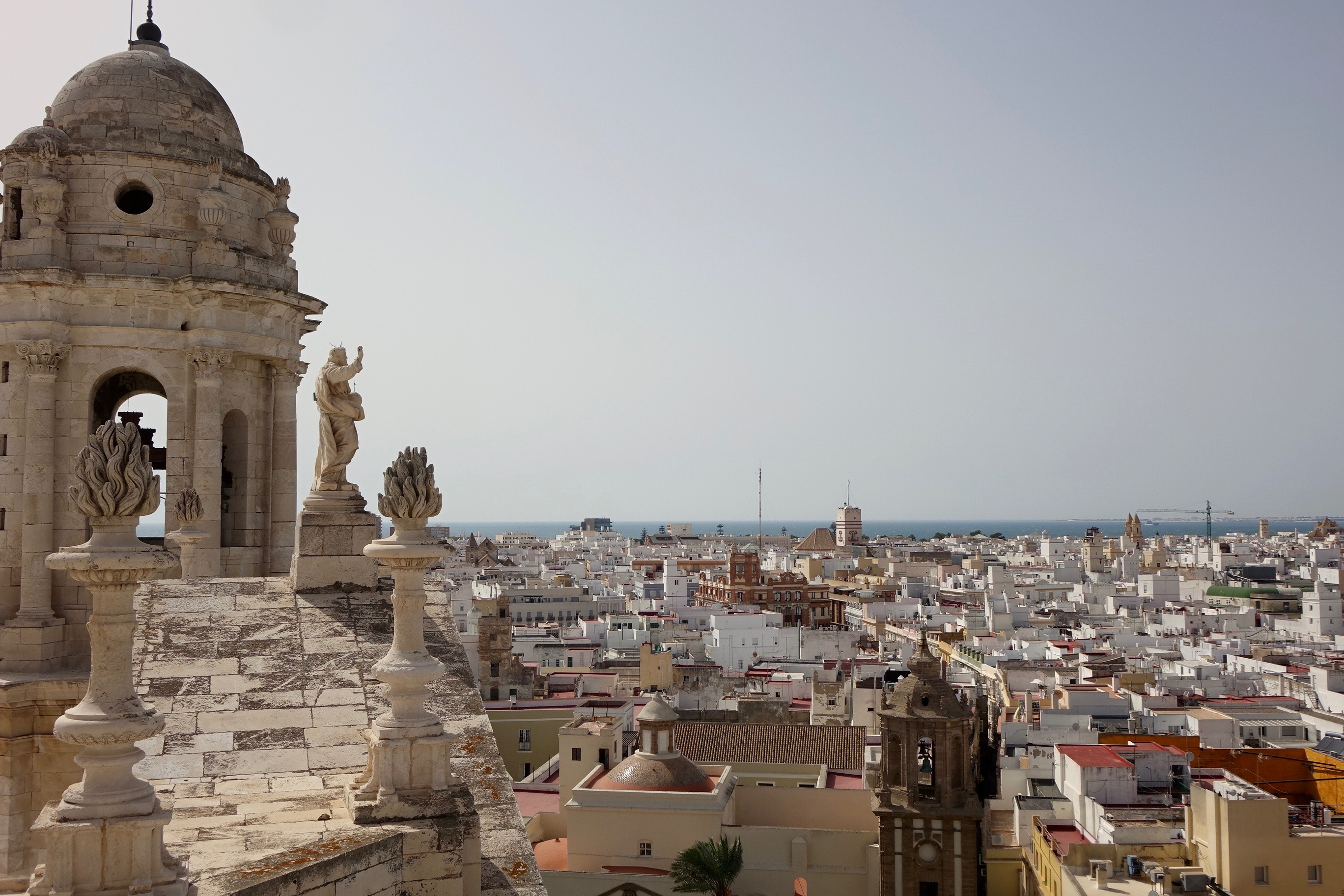
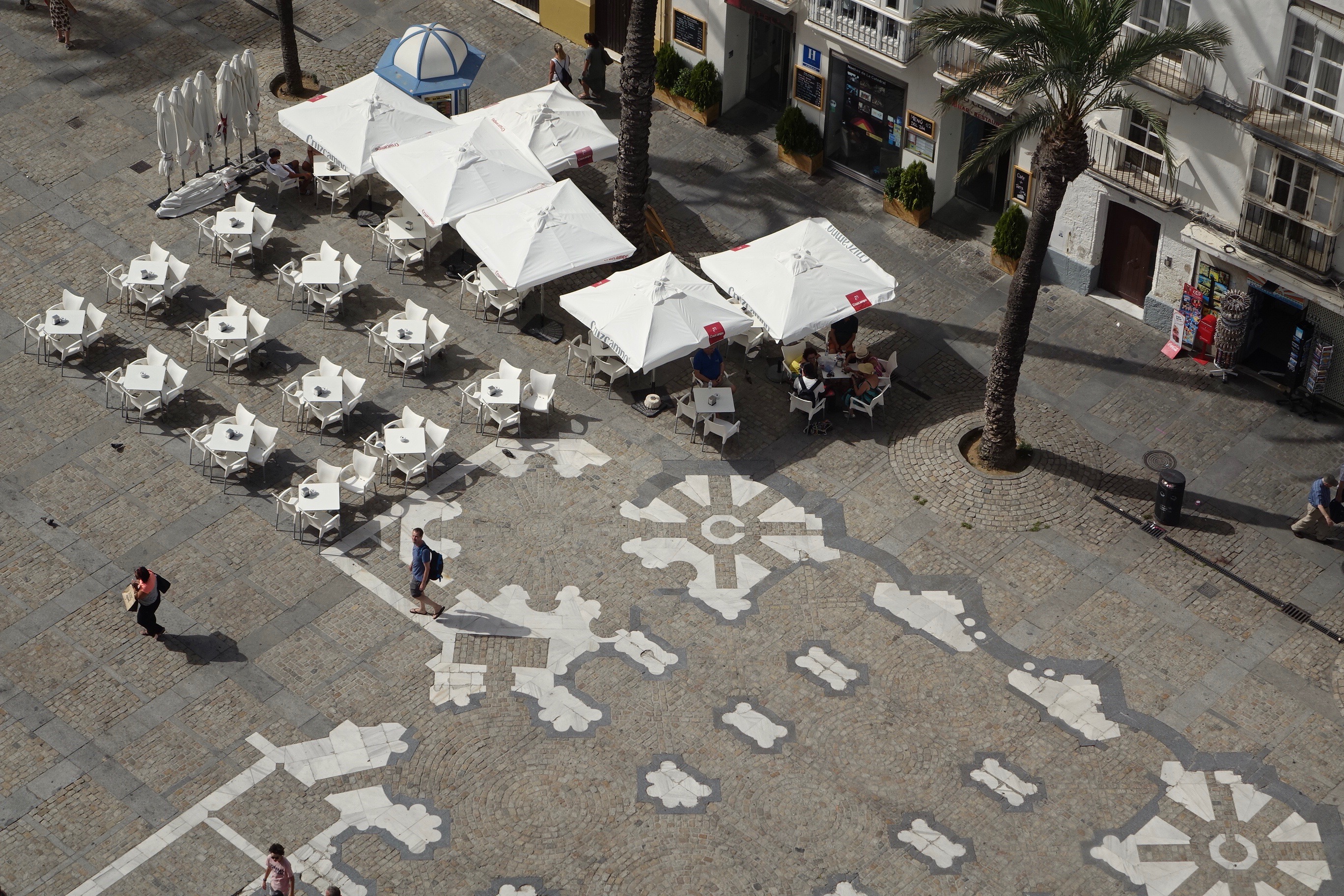
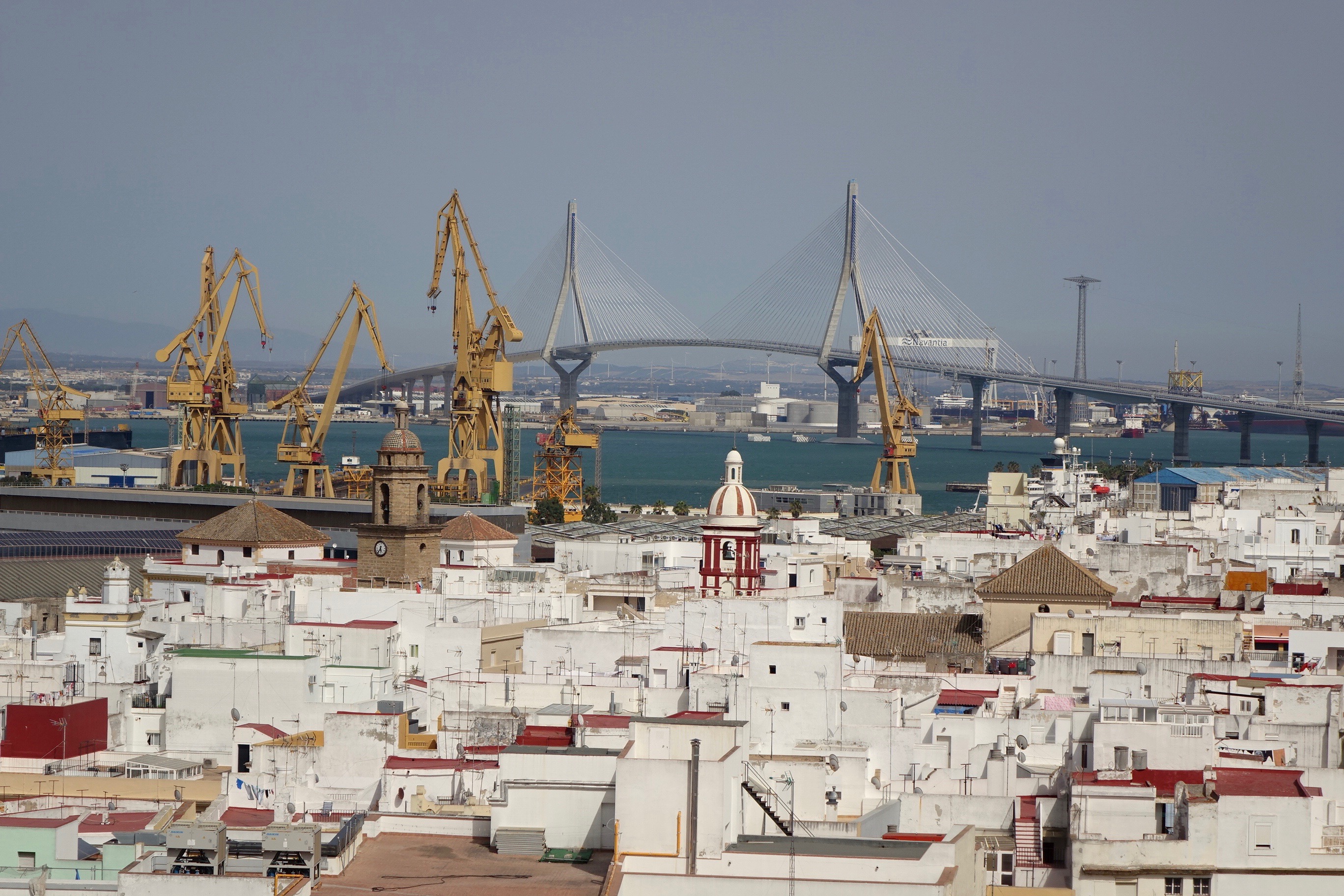
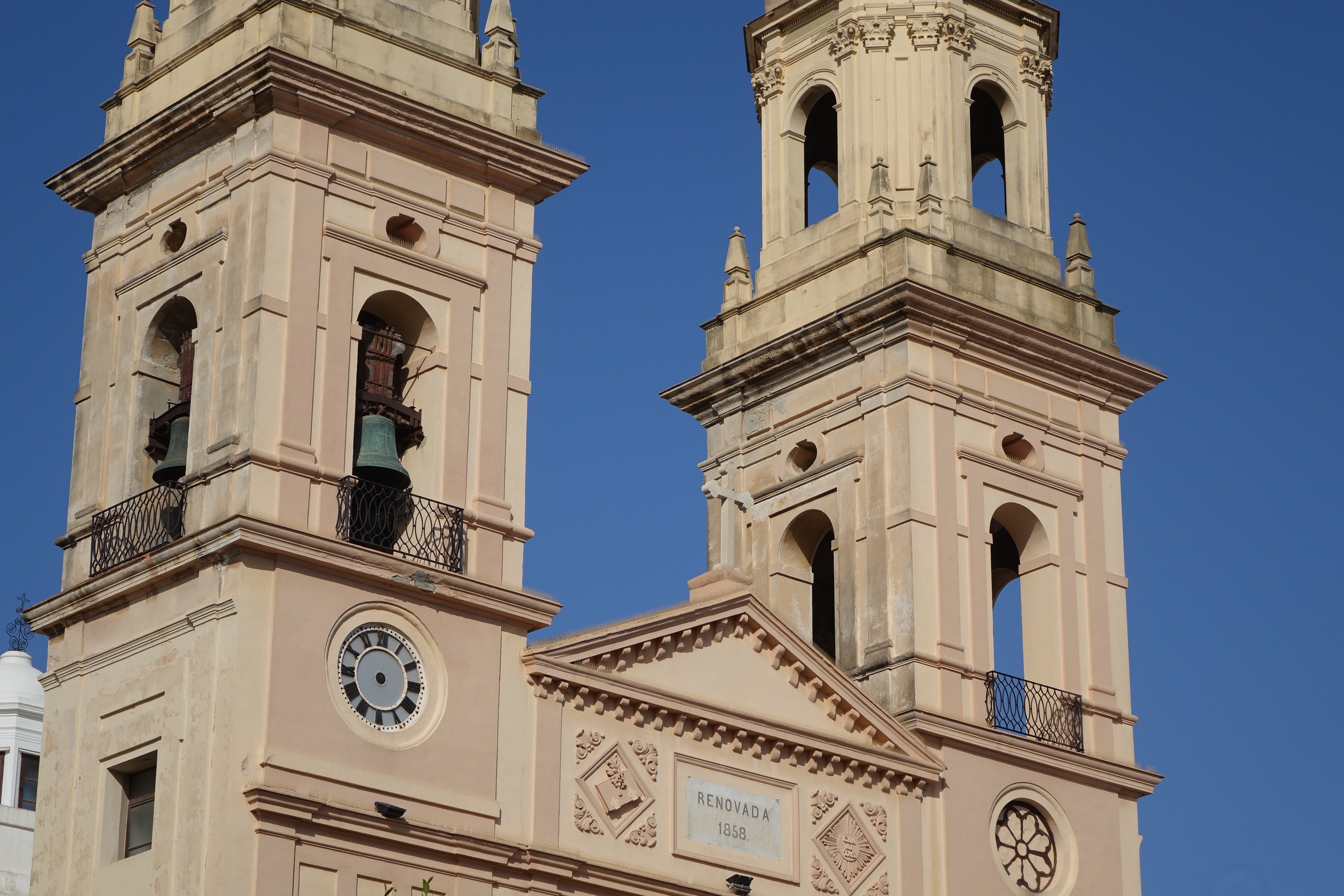
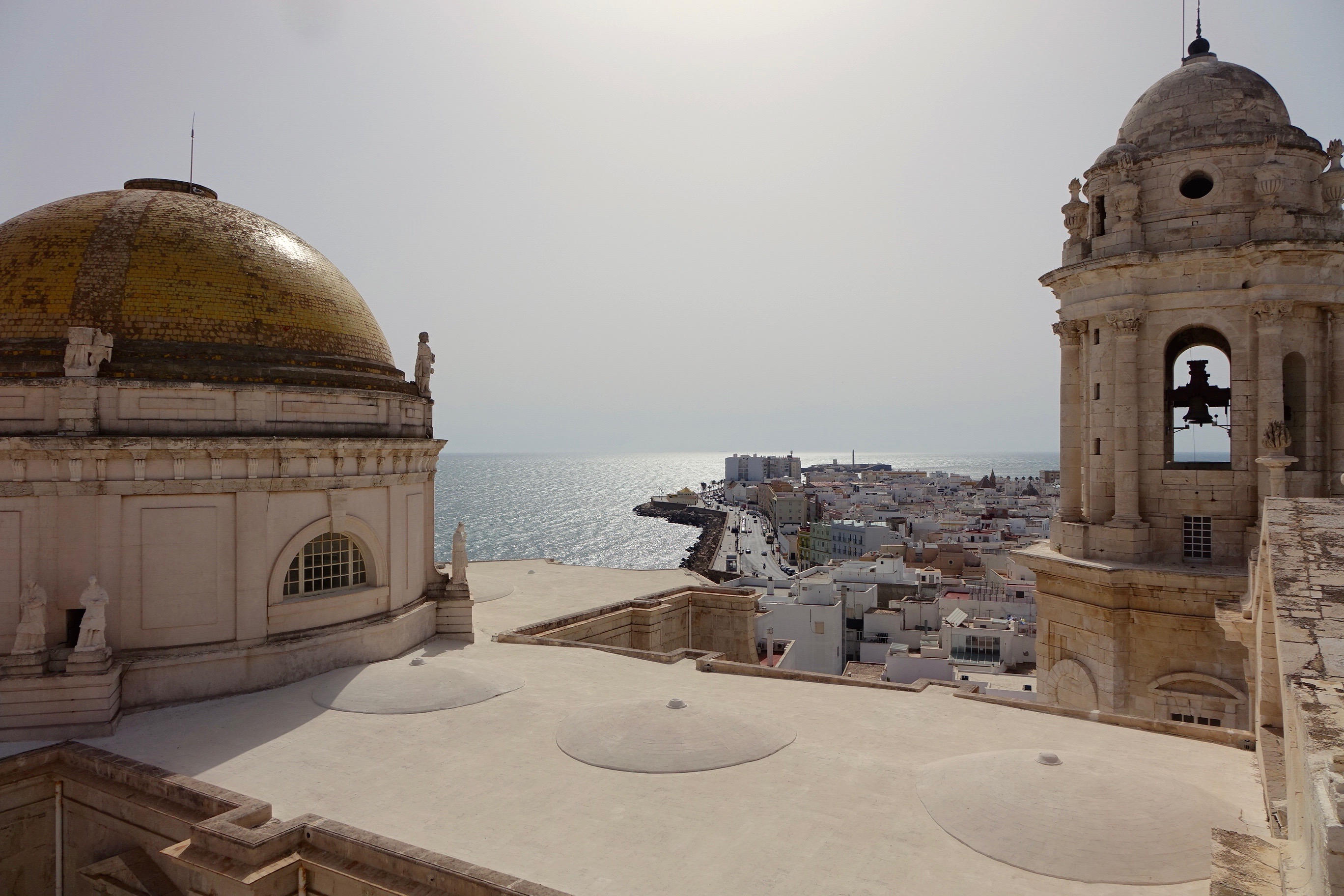
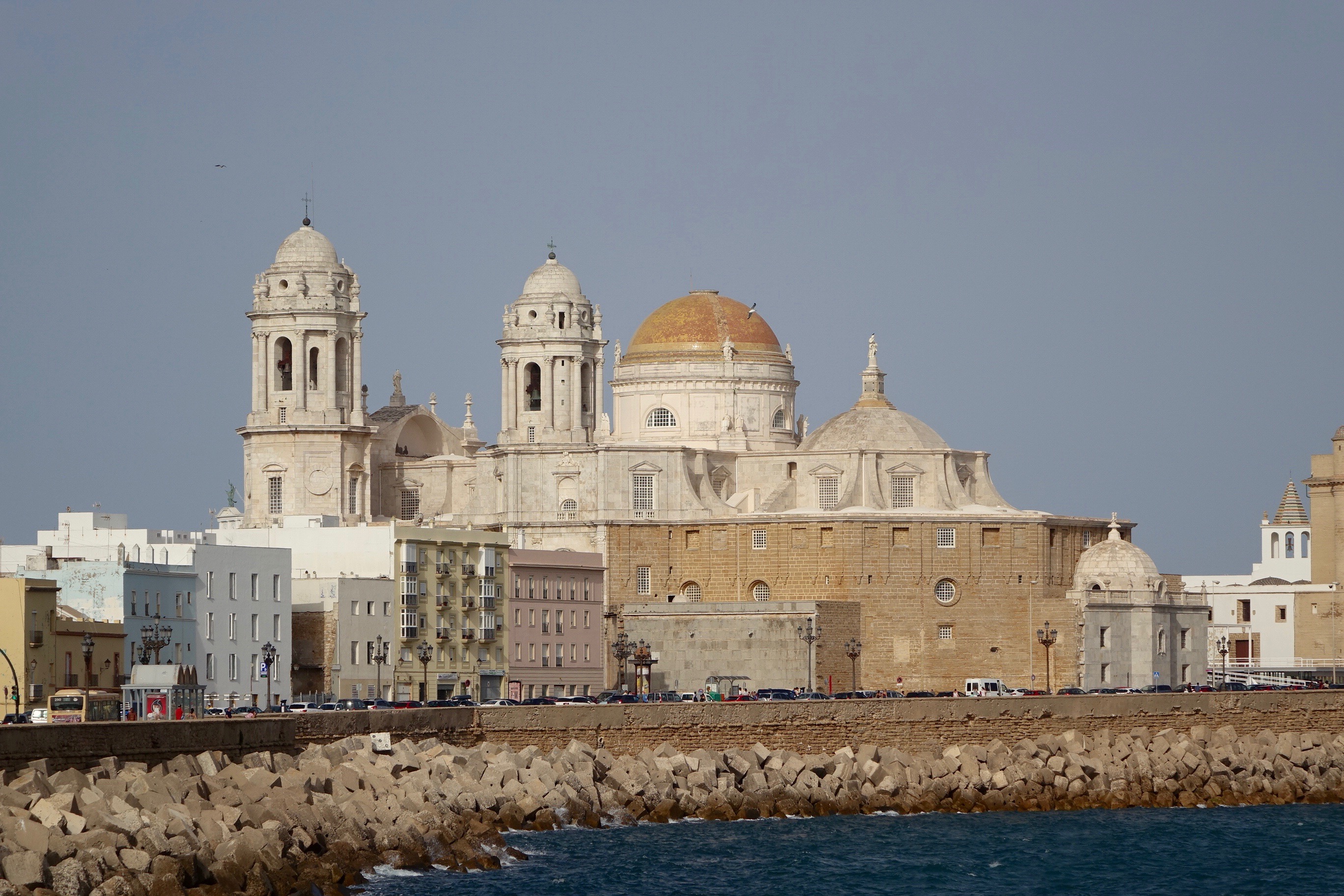
We continue our little tour of Cádiz, Spain’s maritime bastion, with something of a bird’s eye view, or as close as you can come to one in a city which, unusually for Spain, is pretty flat. This leavened geography is of course the result of the city’s seaside location, which is never more obvious than when seen from above – the deep blues of the ocean marking an omnipresent collaboration with Cádiz’s own sea of white washed houses and earthy beige rooftops. Affording us this view was one of two towers either side of the mighty facade of Cádiz’s iconic cathedral – the Catedral de Santa Cruz de Cádiz, whose ascent was happily assisted by the presence of a gently spiraling slope, rather than the usual steep staircase of hell characteristic of most bell towers.  This meant a relatively easy rise to the heady heights of the Cathedral rooftops, even in temperatures of 35c+.

DSC06168DSC06122DSC06121DSC06156DSC06133DSC06153DSC06146DSC06115DSC06119

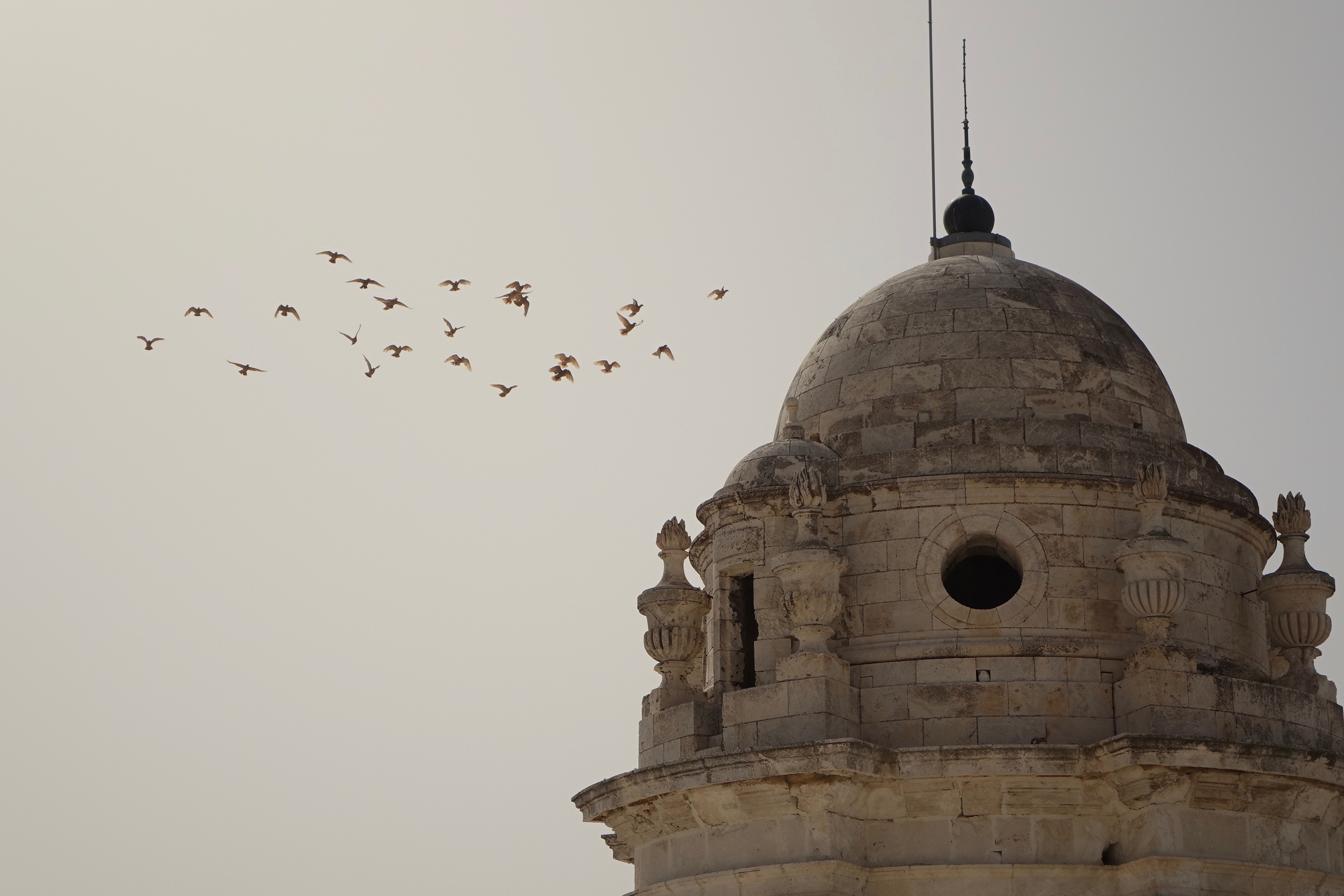
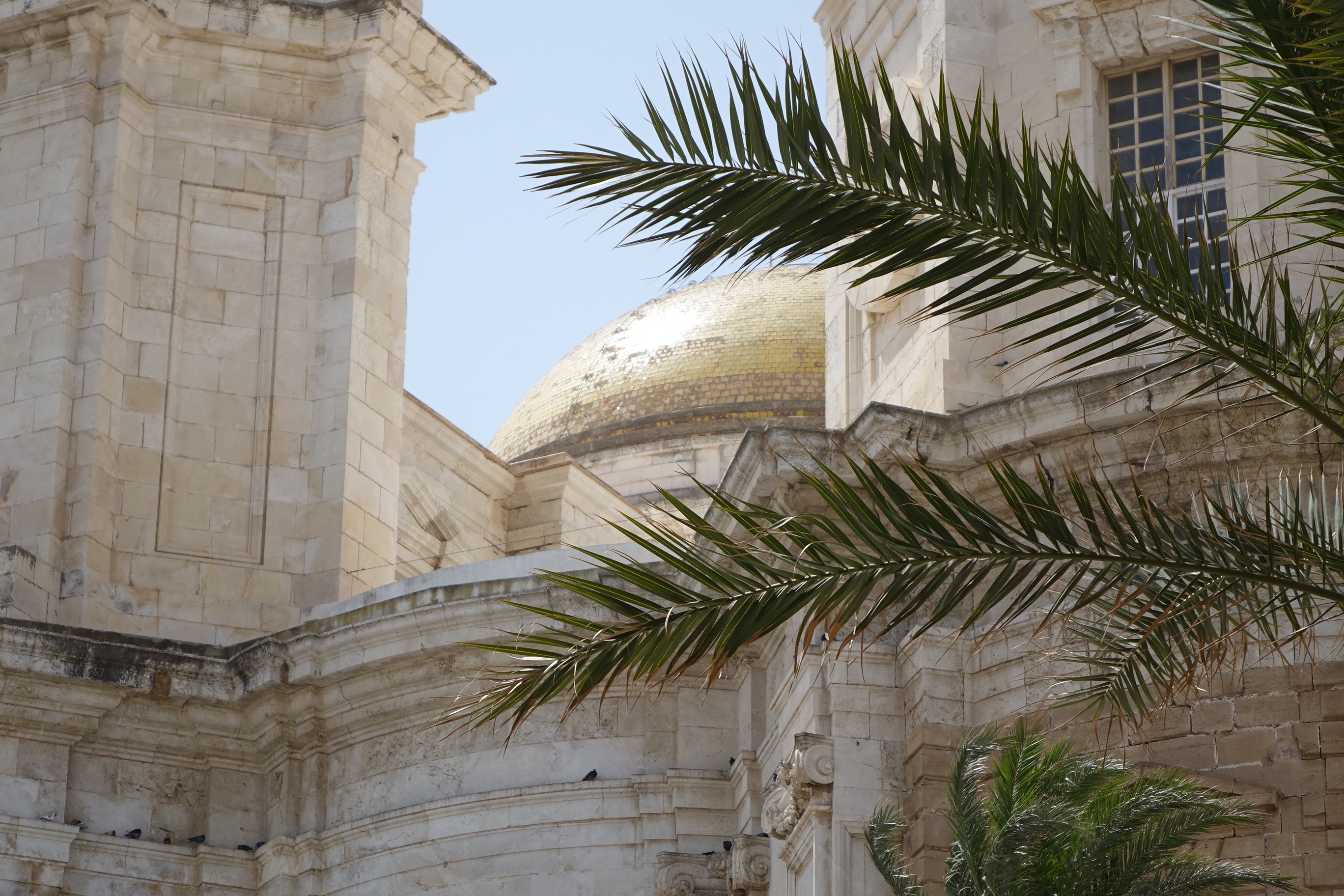
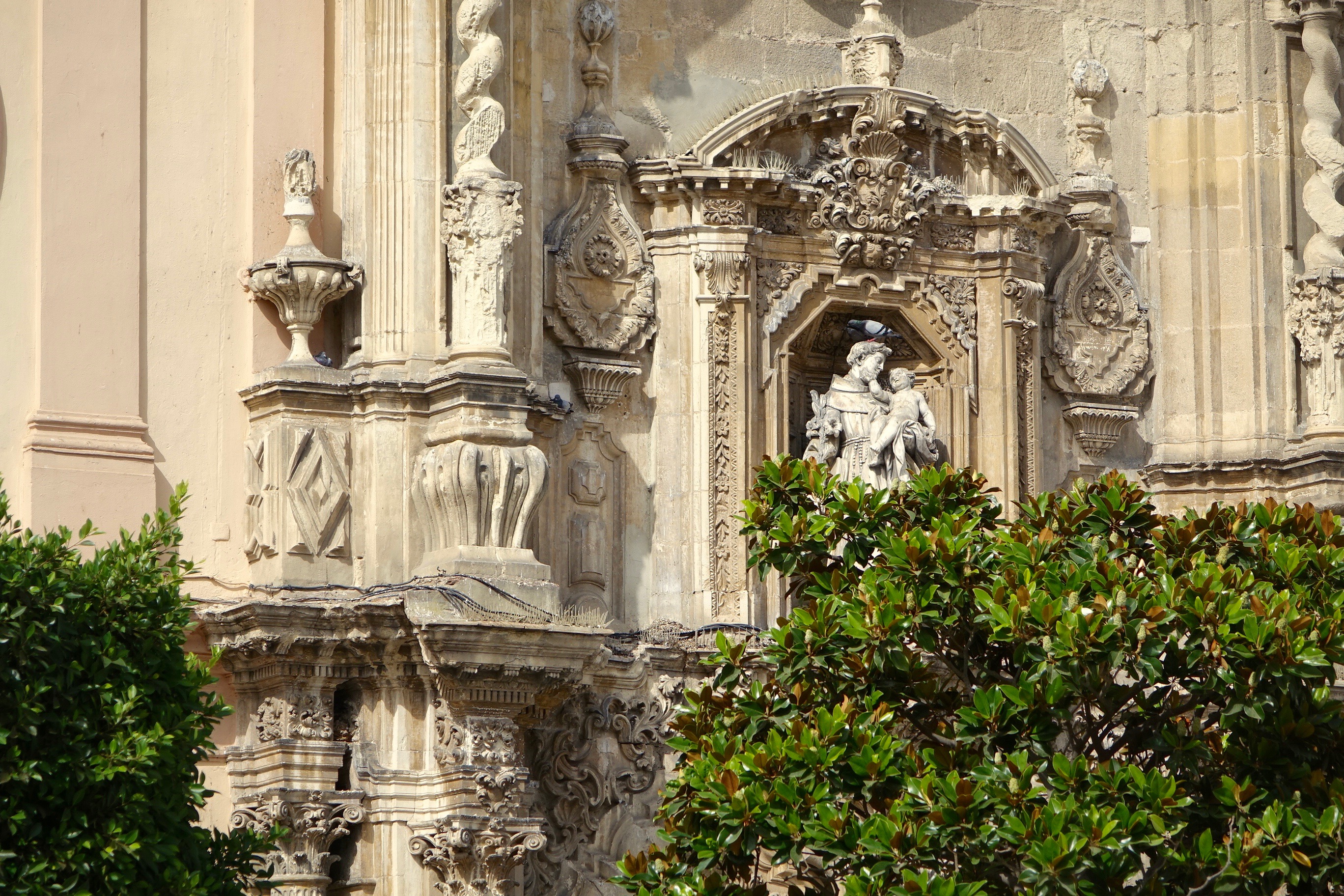
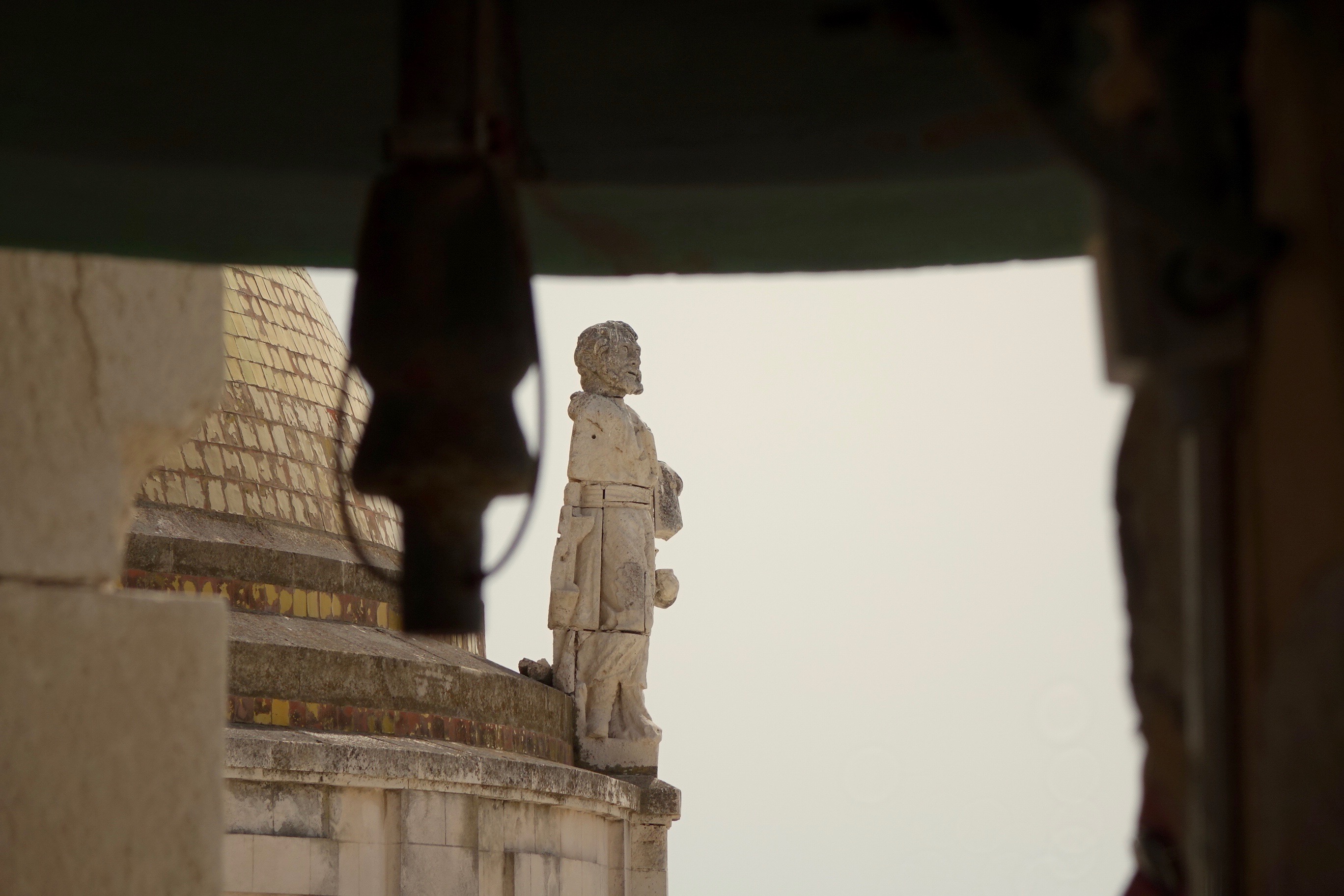
Built in the city’s golden age of the 18th century with money resulting from the thriving new trade between Spain and the Americas, the Cathedral is an impressive focal point of the city. Presenting a mix of neoclassical and baroque elements, the Cathedral is nonetheless characterised by the simpler tiled domes which complete the edifice, and which seem more attuned to a Greek Orthodox church than a magnificent Catholic Cathedral. From the top of the bell tower, those domes were more visible than ever, and the child within me was thrilled as ever to be enjoying this unique perspective of the Cathedral, cracks, moss and all, and to be up where the birds nest, and where the small details of rooftop decoration became larger than life before our very eyes.
DSC06145DSC06141DSC06137DSC06096DSC06120DSC06129DSC06135DSC06098DSC06125

Visiting the Cathedral is a must of Cádiz, but those expecting a spectacular interior may be disappointed to find much of the inside given over to a museum, and the huge vaulting ceilings slowly deteriorating, falling plaster being caught by a web of unsightly nets. My tip is therefore to stay on the outside and ascend the bell towers for the city’s most unbeatable views. It’s the best way to appreciate the scale and magnificence of this iconic building, but likewise to take in Cadiz as a unified landscape, sprawling out beneath you, a city collective bustling with people… for whom the bell tolls.

© Nicholas de Lacy-Brown and The Daily Norm, 2018. Unauthorised use and/or duplication of the material, whether written work, photography or artwork, included within The Daily Norm without express and written permission from The Daily Norm’s author and/or owner is strictly prohibited.

Folio // Cádiz > Idiosyncratic sea-ringed city

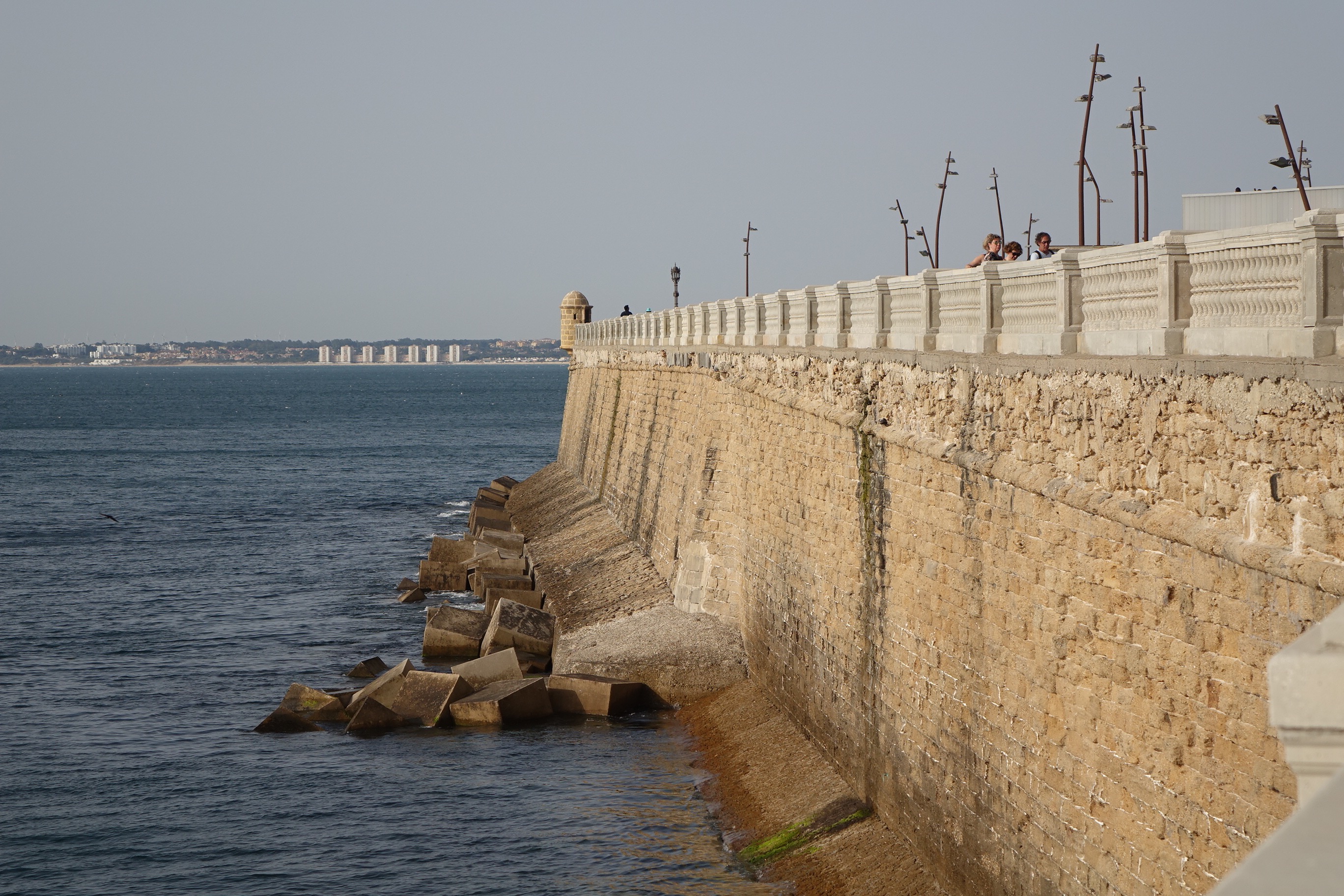
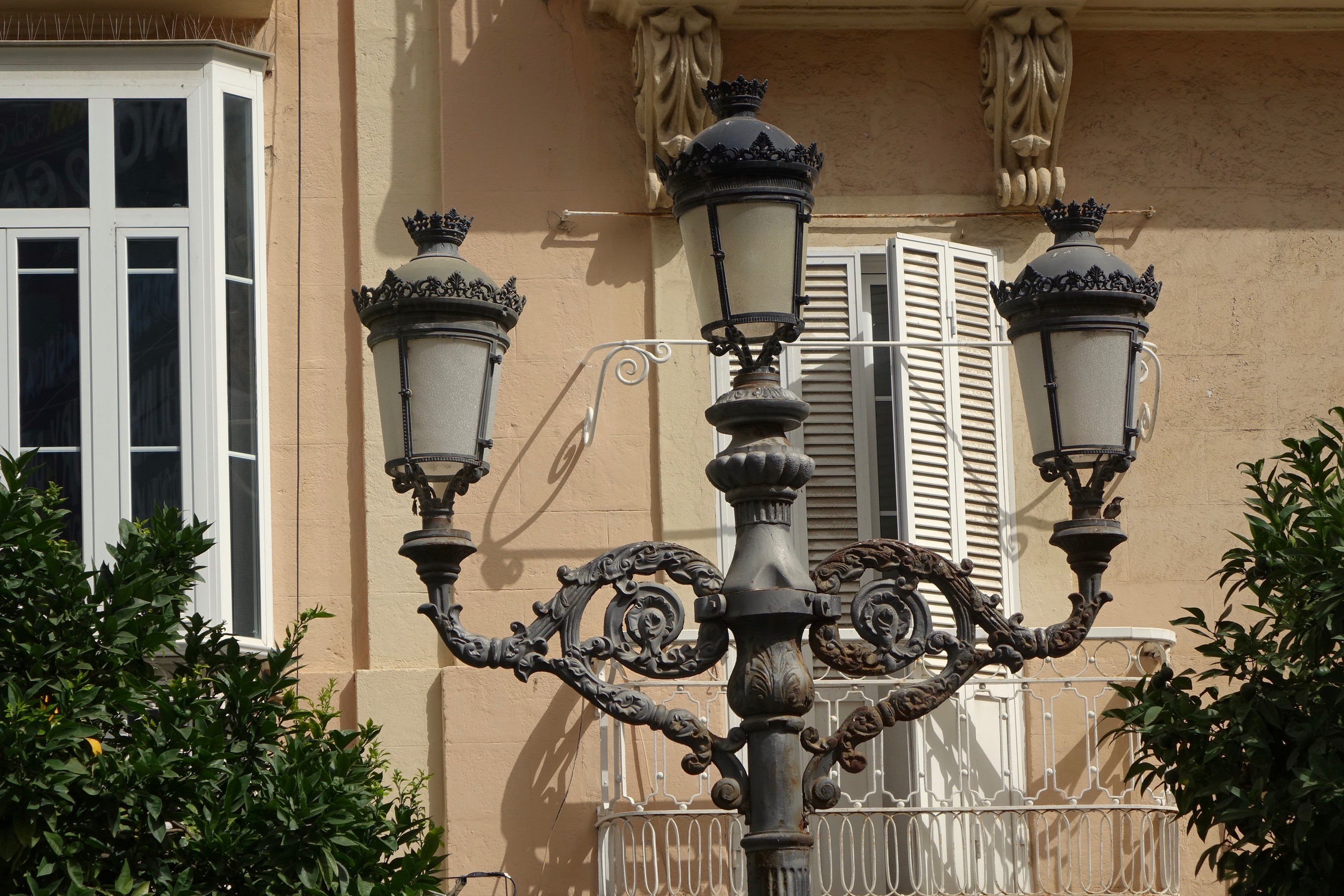
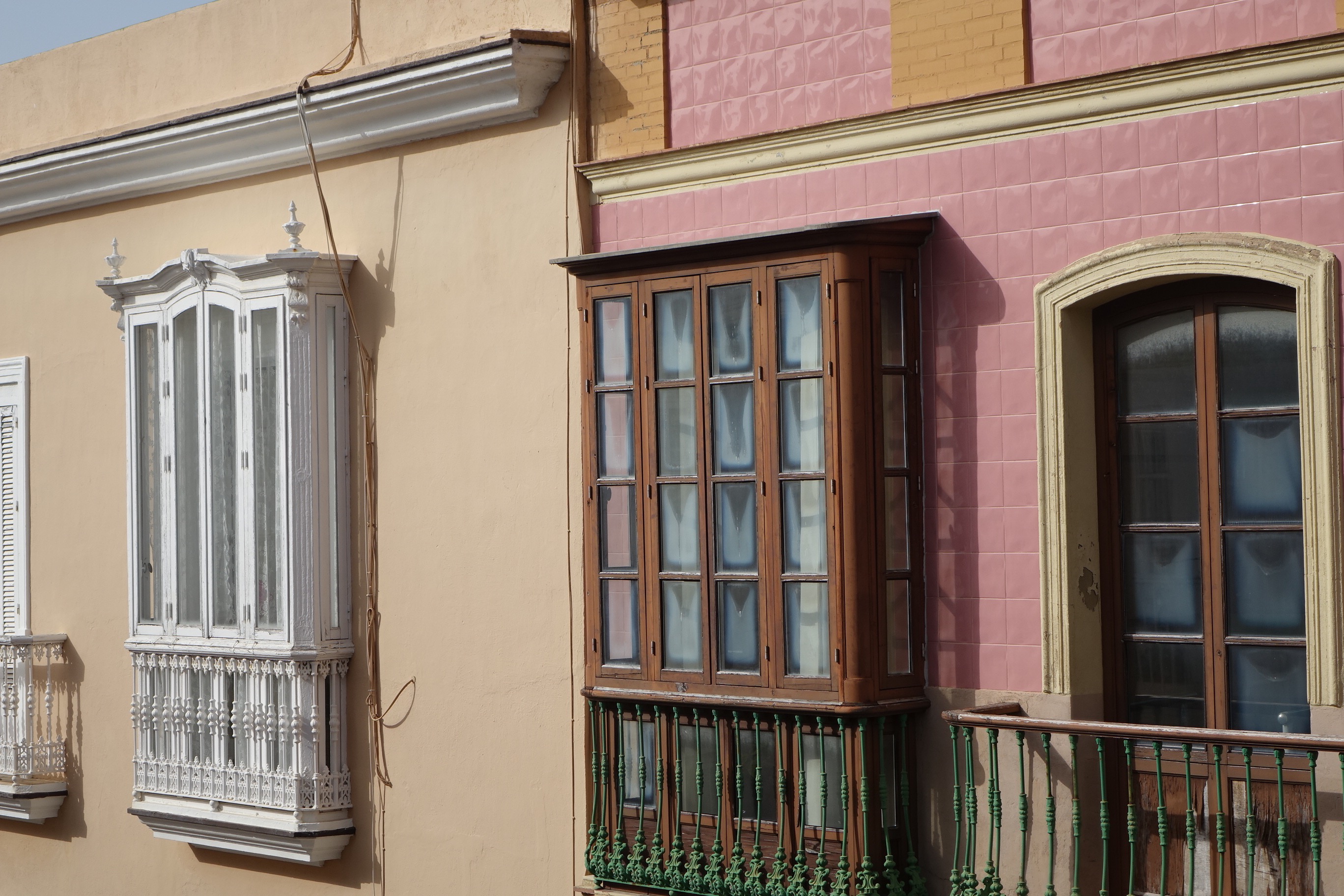
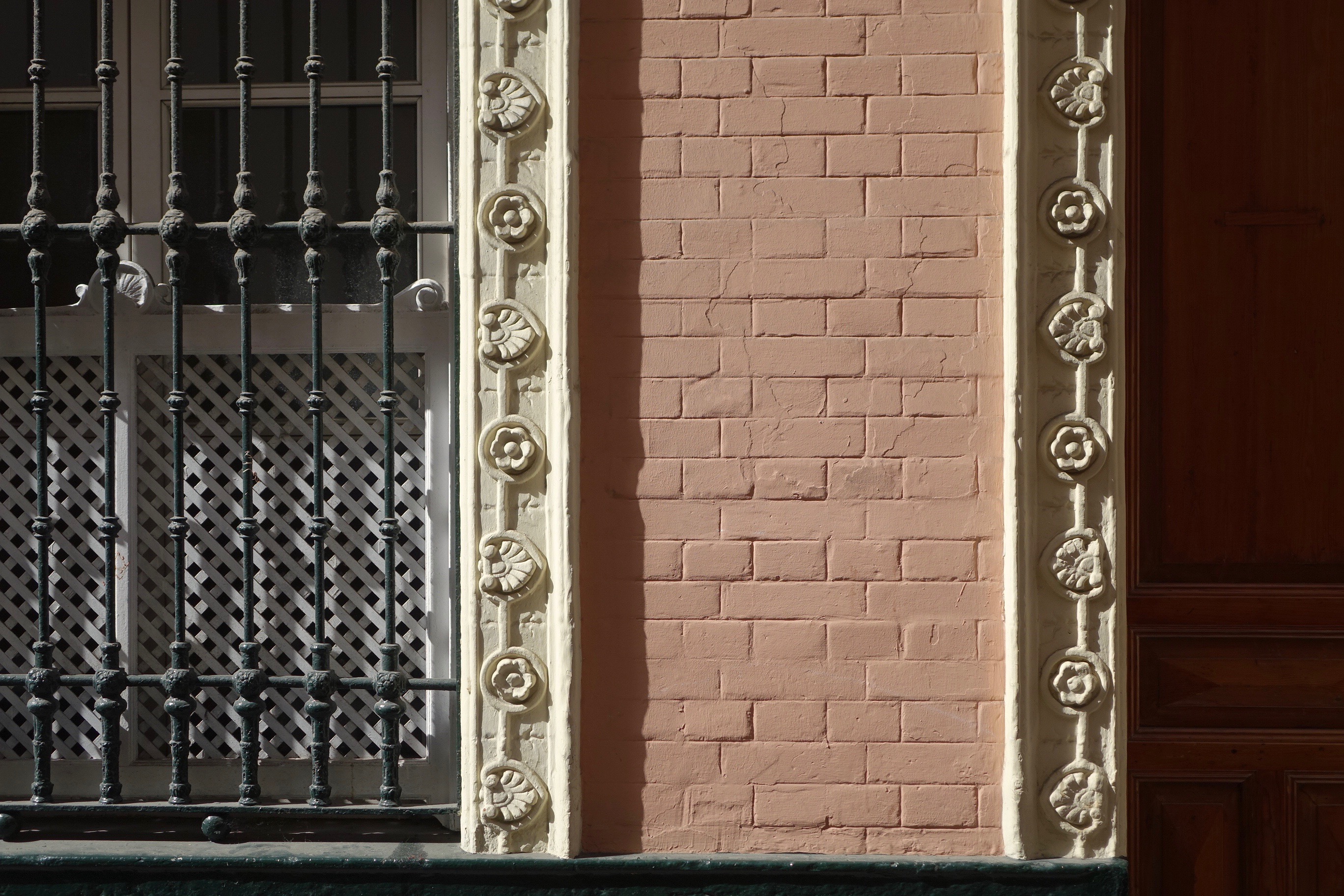
Every Spanish city has something unique in its character. In Seville, the essence of Andalucian vivacity pervades the air along with the sweet perfume of bitter oranges. In Barcelona, the hard lines of a modern city are massaged by the curves of art nouveau and the mosaics of Gaudi. Madrid is the regal, historical heart of a truly Spanish peninsula, while Bilbao feels altogether colder, more industrial but uniquely avant-garde. Cádiz is another of those highly individual urban spaces. It is at once truly Andaluz, with bursts of flamenco music sporadically enchanting the airwaves, and dry heat wafting up from pavements of hard stone and marble, but at the same time it feels different, hardened by an important maritime history, isolated by its solitary geography at the end of a narrow sand isthmus, eroded by winds, battered by foreign invasions.

DSC06184DSC05931DSC06100DSC05976DSC06236DSC06220DSC06171DSC06093DSC05988DSC05934

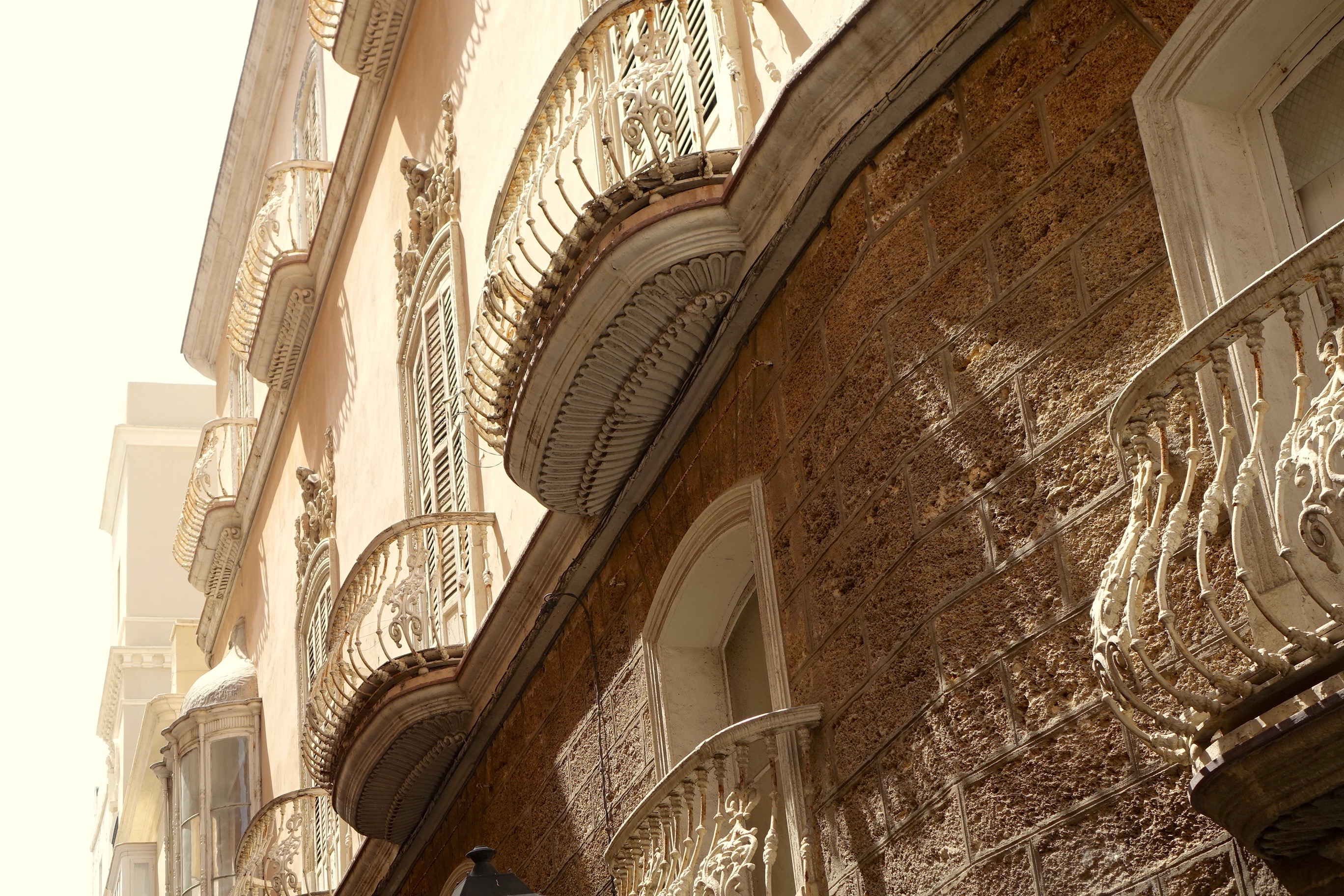
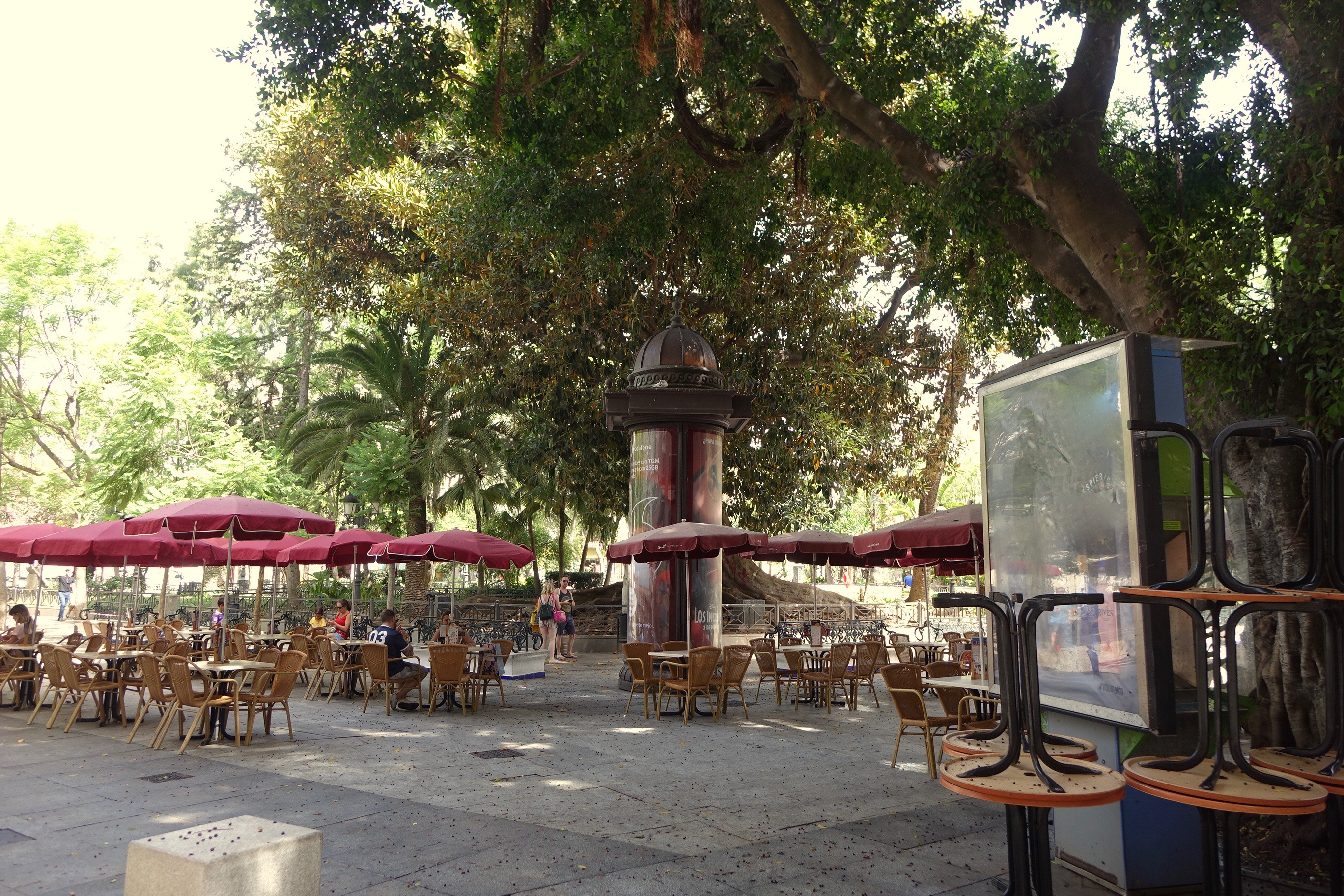
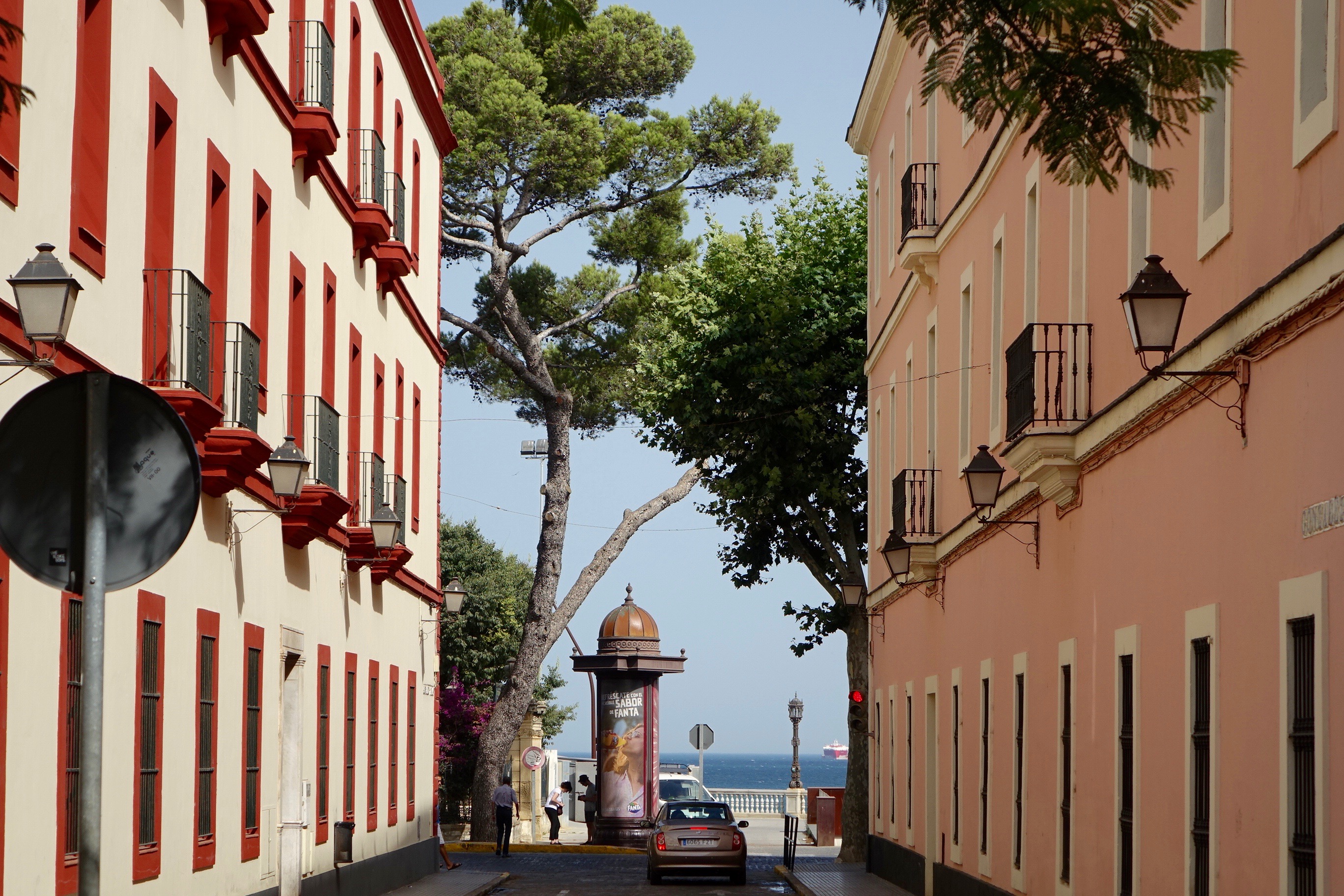
There is a definite laziness about the city, especially in the summer. Squares sheltered by trees and attracting cafes alongside fountains are vital resting places for a population baked by soaring temperatures and battered by winds meeting from the Mediterranean and the Atlantic. But there is a defiance too – long narrow streets, with houses almost touching across the road, crowd in upon one another as though protecting the population from yet another invasion. Sometimes walking there it seemed like the streets would go on, unceasingly, for hundreds of metres, before they finally broke out into a pleasant leafy square or opened up onto the impressive facade of a church or historical mansion. 

DSC06312DSC06223DSC06202DSC06112DSC06175DSC06083DSC06081DSC05936DSC05929DSC05933

Cádiz for me did not feel truly Spanish. Of course it exhibited elements of Andalucia, sharing characteristics of nearby Malaga, and other coastal towns. But Cadiz also exhibited a certain aloofness, an unwillingness to embrace, but to greet with a colder yet still welcome smile, as visitors are invited to unpeel the multiple layers of history in one of Europe’s longest occupied cities in order to find the true spirit of Cádiz beneath them all. 

DSC06239DSC05918DSC06313DSC06180DSC06233DSC06160DSC06033DSC05981DSC05967DSC05946

© Nicholas de Lacy-Brown and The Daily Norm, 2018. Unauthorised use and/or duplication of the material, whether written work, photography or artwork, included within The Daily Norm without express and written permission from The Daily Norm’s author and/or owner is strictly prohibited.

My Travel Sketchbook: The Parque Genovés

The curves, the twirls, the uninhibited wonder of the topiary of the Parque Genovés could not help but sew the seeds of creation in my head. From one creator to another, the spirit of free and unhindered artistry traversed the air like pollen flying on a Summer’s breeze. Within minutes of entering this verdant wonderland I put pen to paper, and this was the result.

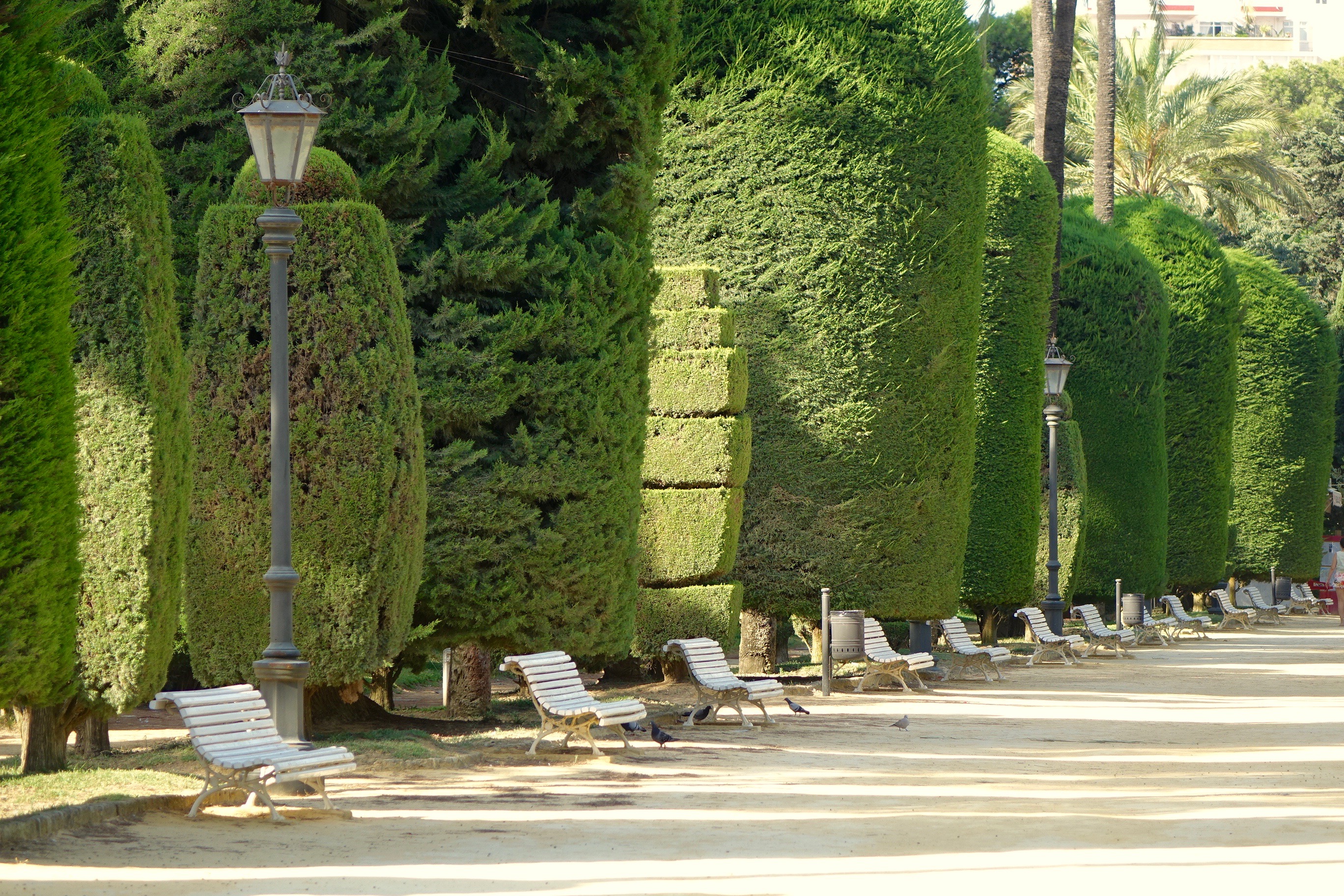
Sat on a bench in this hallway of manicured box-hedge, it was difficult to feel totally at ease. Somehow those twisted and tailored trees took on an anthropomorphic quality; like statesman gathering for a discussion of grave national import. Yet at the same time, the quality of the air, filtered through a haze of botanical layering, and the sound of nearby birds fluttering from one crafted bush to another, induced a somniferous sense of tranquility which pervaded the moment, and this sketch.

Parque Genovés

The Parque Genovés, Cadiz (©2018, Nicholas de Lacy-Brown, pen on paper)

Lucky I had my trusty travel sketchbook with me to capture this scene. As gardens go, the Parque Genovés is a true mark of humankind getting creative with nature, and nature seemingly condescending to the mark of beauty which ensnares it.

© Nicholas de Lacy-Brown and The Daily Norm, 2001-2018. Unauthorized use and/or duplication of the material, whether written work, photography or artwork, included within The Daily Norm without express and written permission from The Daily Norm’s author and/or owner is strictly prohibited. For more information on the artwork of Nicholas de Lacy-Brown, visit http://www.delacybrown.com 
Compendium // Cádiz > Bounteous Botany: Alice’s new Wonderland

What was I expecting of Cádiz, Andalucia’s strange, almost island city, set within ancient fortress walls on the Westernmost end of Spain’s Southern coast? Not this. I imagined a tough, worn-out yellow city, battered by the waves of the sea and of history; hardened edges, hardened people. I never even considered the softness that may lie within.

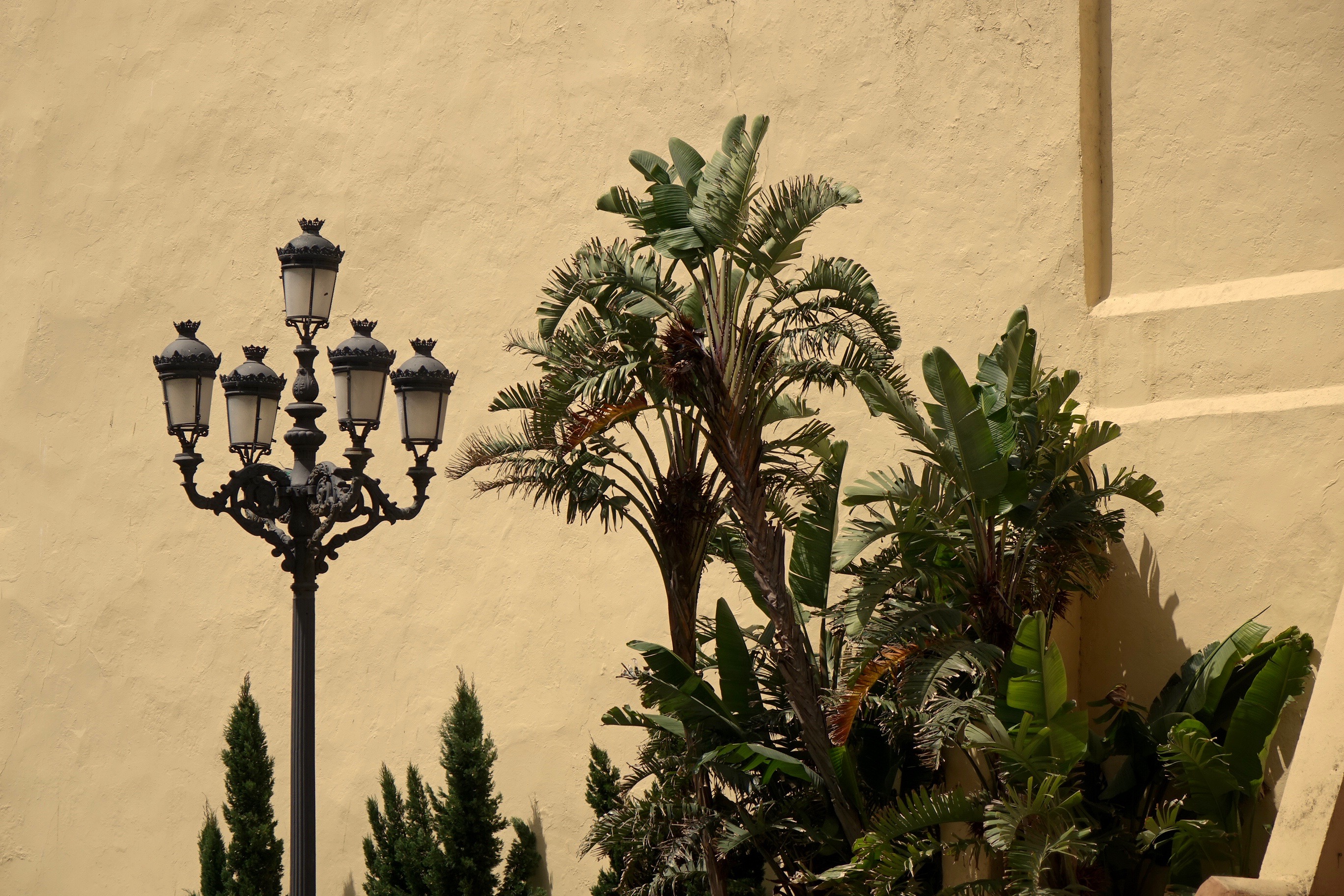
Yet  after a 3 hour bus journey, which took us through a landscape peppered with new power-generating windmills exhibiting something strangely melancholy, yet unique in the surrounding landscape, we arrived into a city which was very different from the Cádiz of my imaginings.  Yes, the city is substantially fortified, a facet of strength exhibited by its mighty domed Cathedral and tight narrow streets, large merchant palacios each built topped with solid stone towers. But what I wasn’t expecting was the greenery: the softening of those fortress edges with a bounteous outpouring of tropical botany and verdant greenery.

DSC06301DSC06224DSC06048DSC06049DSC06028DSC06056DSC06006DSC06020DSC05998

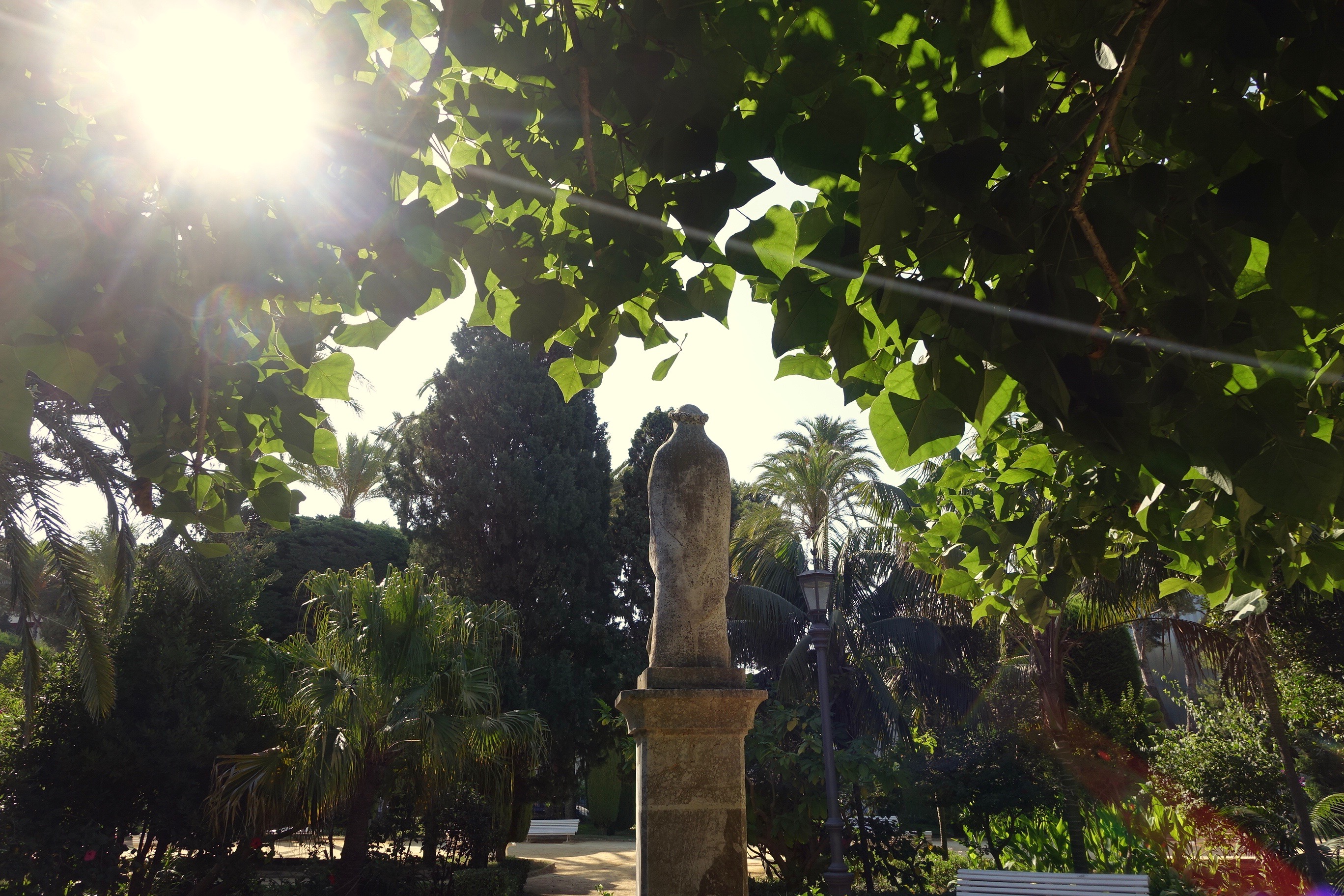
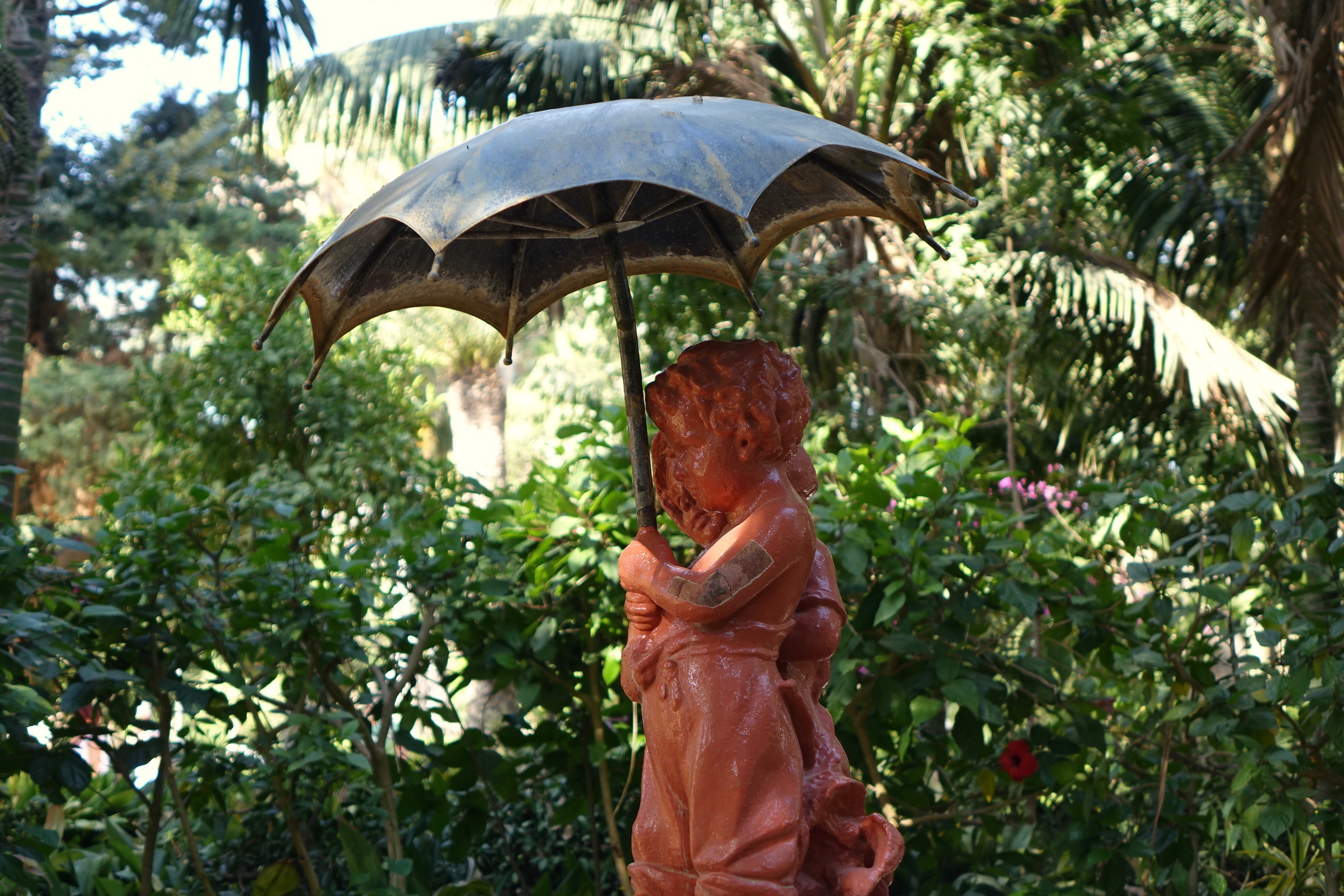
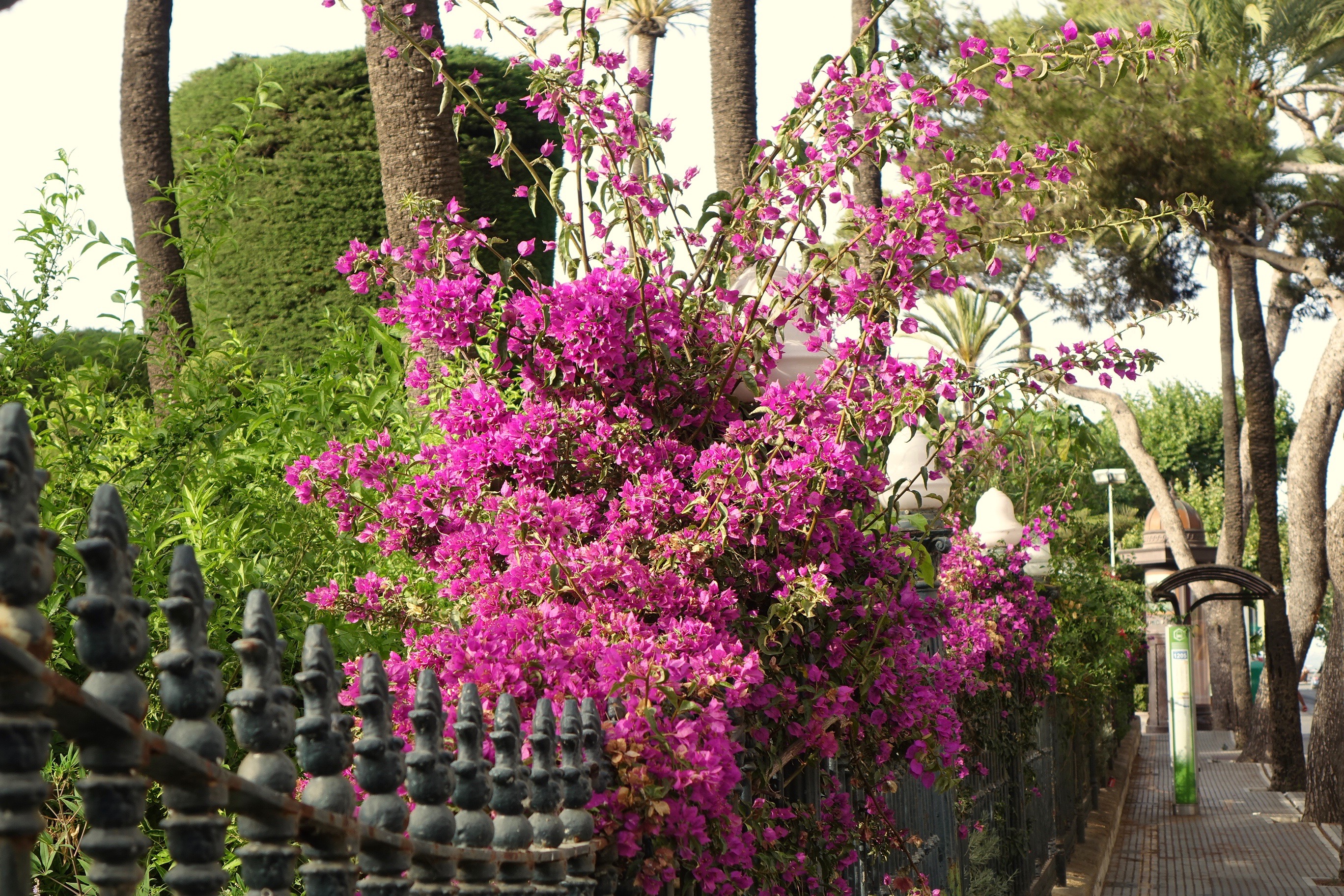
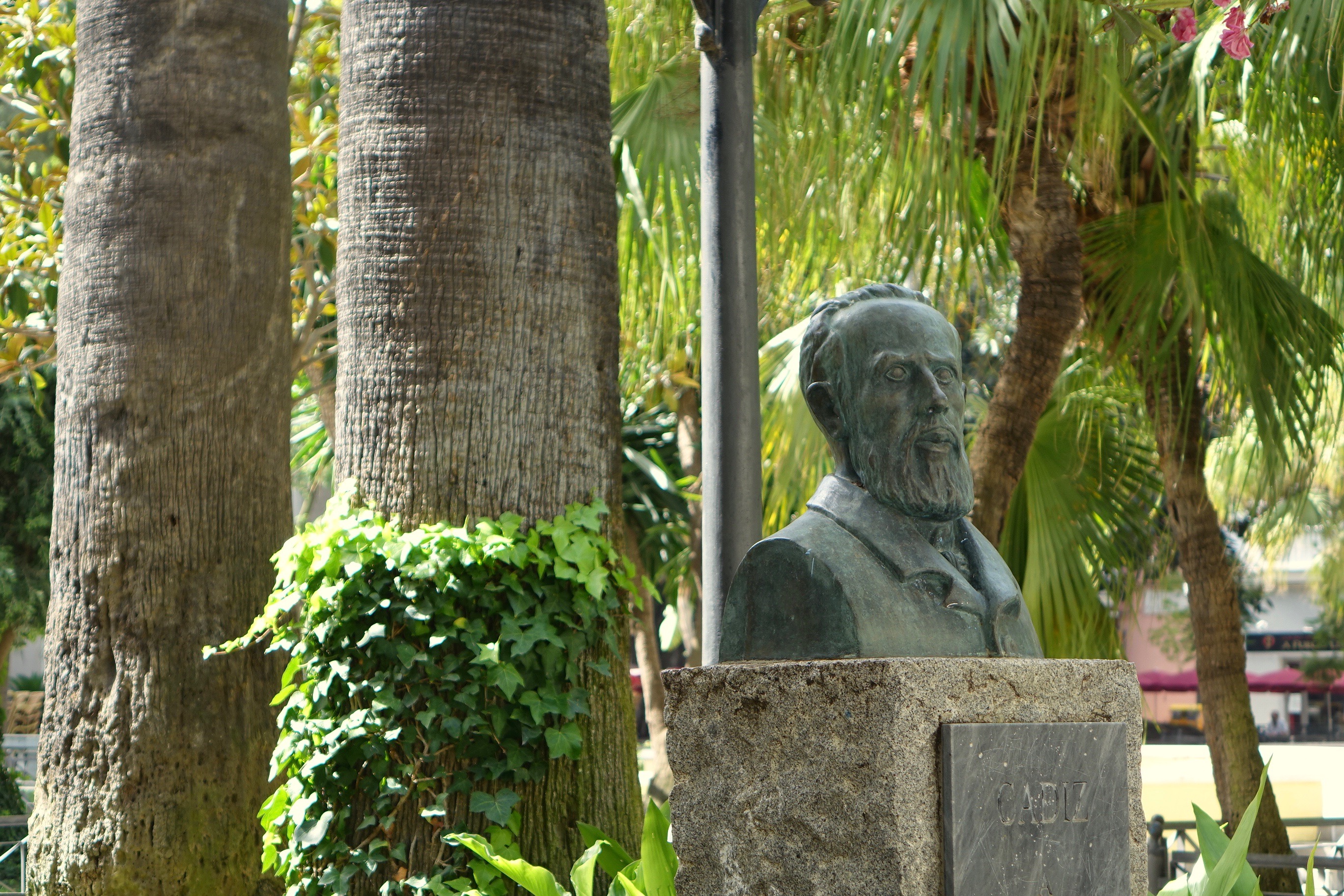
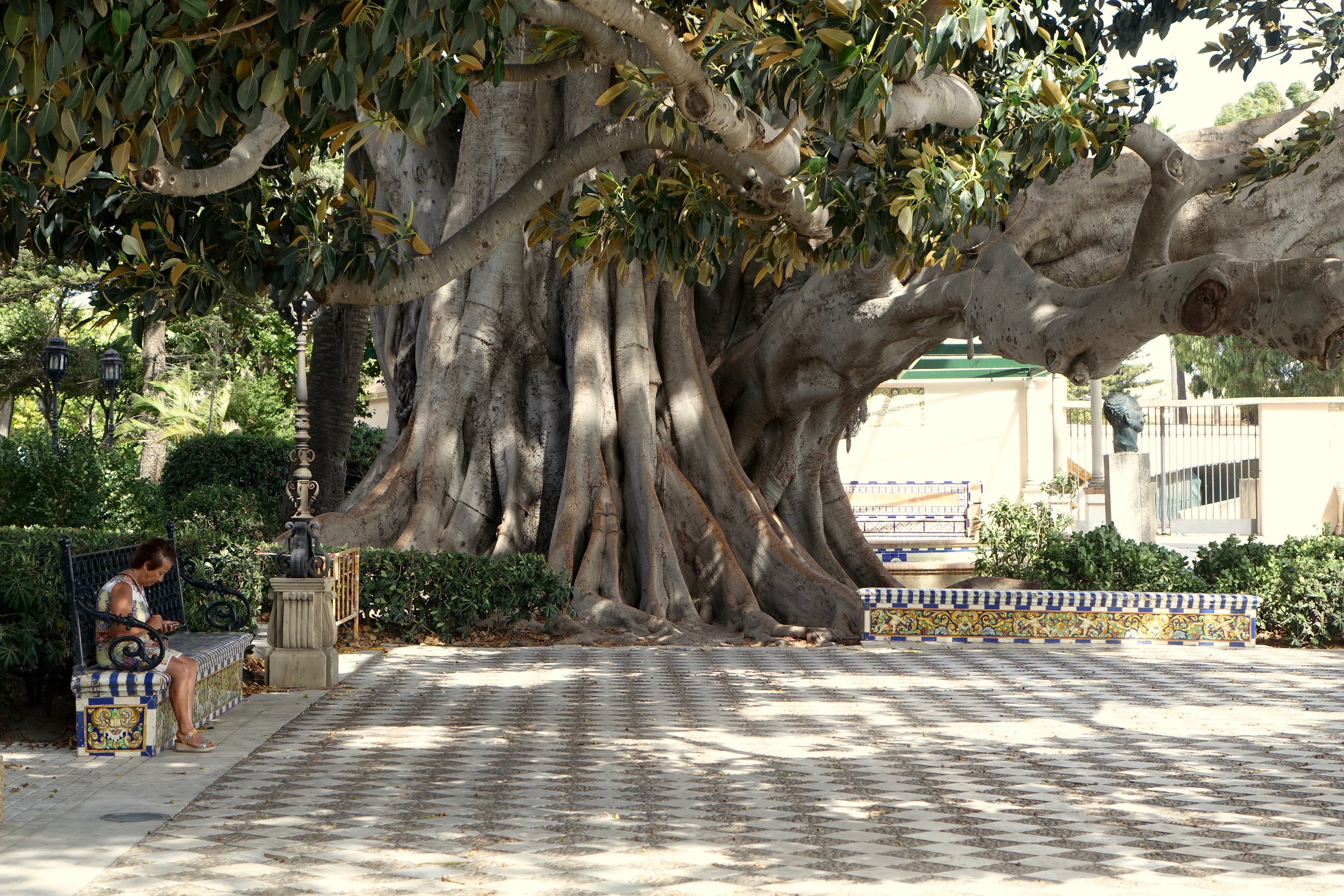
Almost all along the old fortress walls that encase the city you can stroll within the shelter and under the sun-dappled canopy of a multitude of trees set within gardens paved in a checkerboard effect of black and white. In the Jardines de Alameda Apodaca, there is a real sense of Alice’s adventures in Wonderland as you stride between the squares of black and white, pondering whether you are in fact part of an enigmatic chess game, the various sculptures and busts peppering the space providing the pieces… or are they the players? For the victor, what worthier prize than gardens abundant with flamingo pink bougainvillea, or those tree-framed views over the volatile ocean – a heady mix of blue punctuating the jungle of greens.

DSC06260DSC06273DSC06298DSC06251DSC06294DSC06279DSC06266DSC06256DSC06231DSC06259

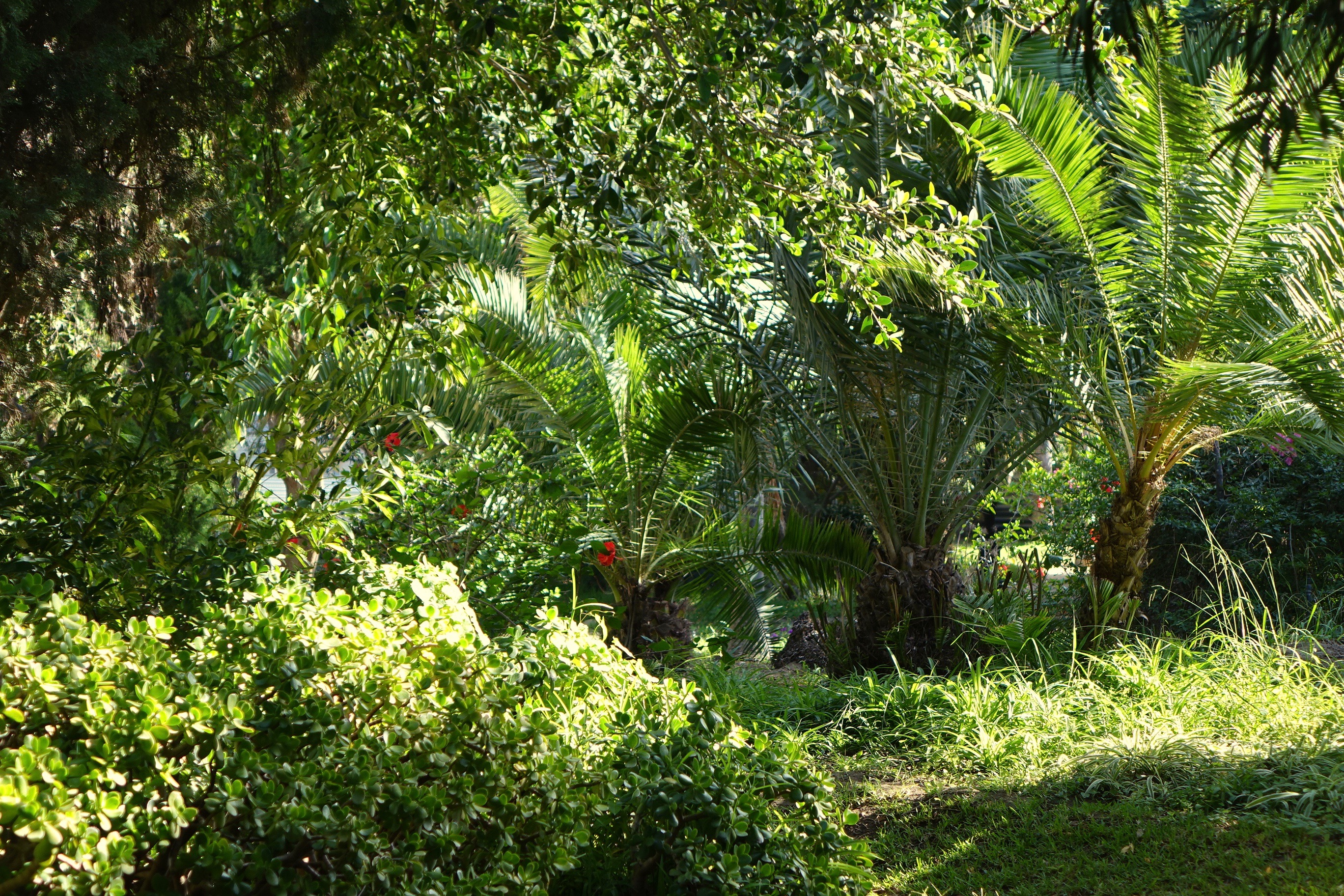
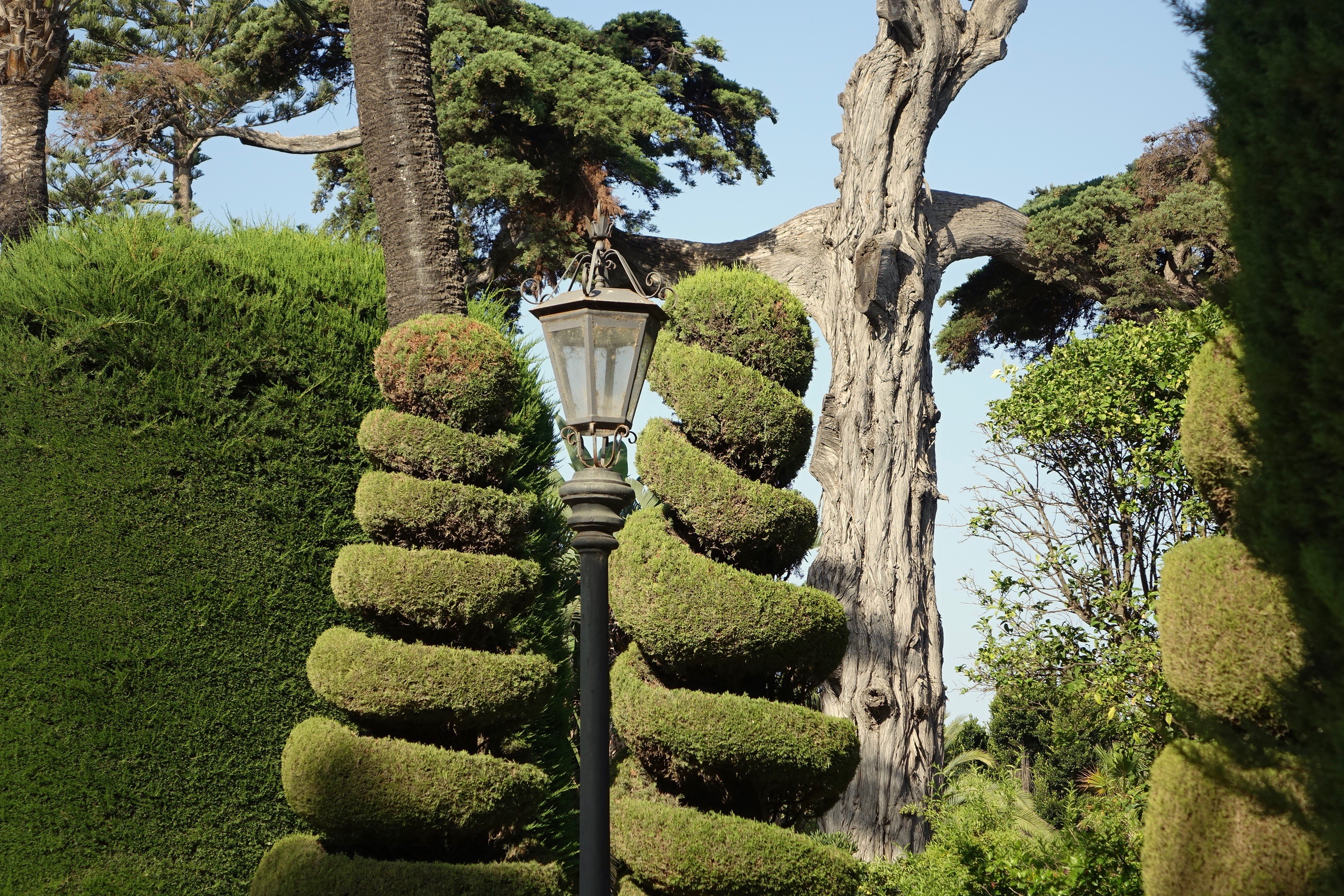
Make it safely through the garden’s game of chess, and the next space steps up the surreality of the experience one notch further. For in the Parque Genovés, you will truly start to wonder whether you have entered another Cádiz park, or into the warped imaginings of a garden genius. Possibly both. For here, a botanical garden is spruced up as though for a masquerade ball, with long pathways bordered by topiary plucked, trimmed and trained to form impressive twists, twirls and curving figures which take the ephemeral magic of this garden space to new levels. Alice had surely reached her Wonderland with this one.

DSC06228DSC06267DSC06076DSC06060DSC06025DSC06249DSC06246DSC06271DSC06297

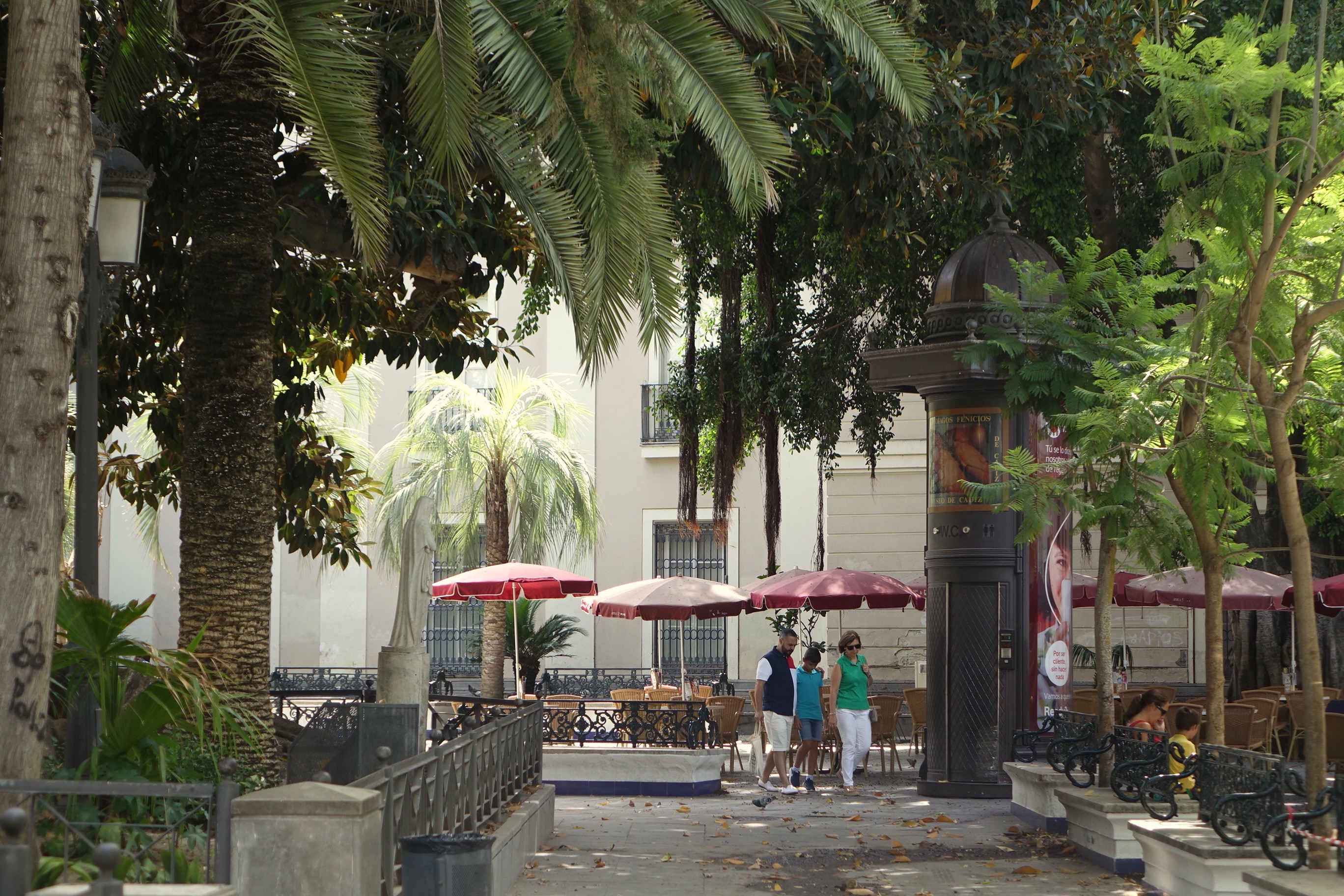
A morning or an afternoon spent strolling through Cádiz’s gardens is an utterly fulfilling experience. Cádiz does not feel like a particularly fast-paced city, but in its gardens, things grind to a somniferous halt as the surreal shapes and near-claustrophobic intensity of the planting opens up another world of the imaginings. For something a little more bustling, head for the Plaza de Mina – a delightful shady park/square lined with little cafes and containing little antique kiosks which have been transformed variously into sweet shops and bookstores. Then there’s the Plaza Candelaria – another leafy plaza, where some of the city’s best restaurants can be found. But more about that another time.

© Nicholas de Lacy-Brown and The Daily Norm, 2018. Unauthorised use and/or duplication of the material, whether written work, photography or artwork, included within The Daily Norm without express and written permission from The Daily Norm’s author and/or owner is strictly prohibited.
A Cretan Odyssey | Part 5 – Spinalonga, The Island of No Return

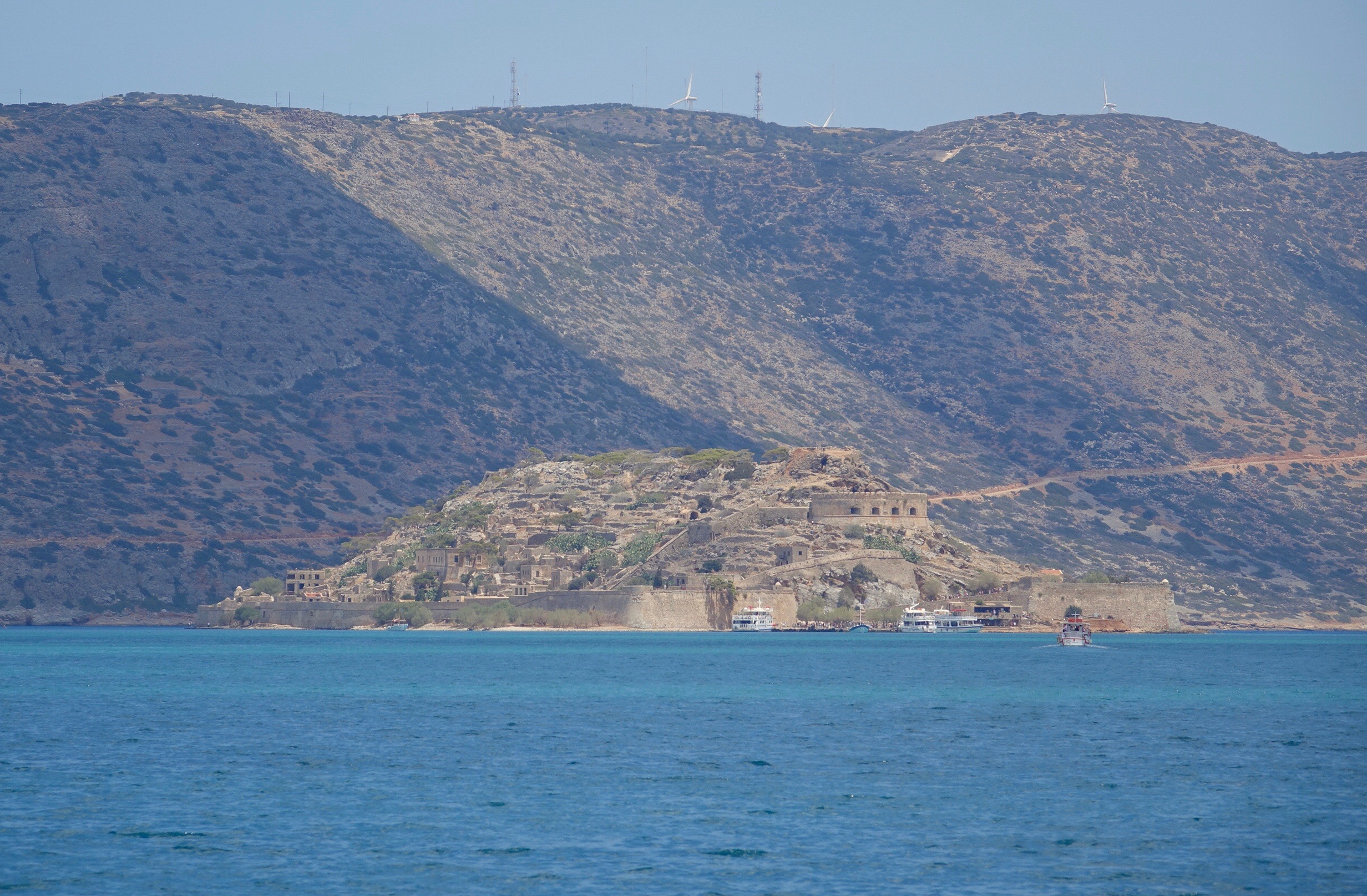
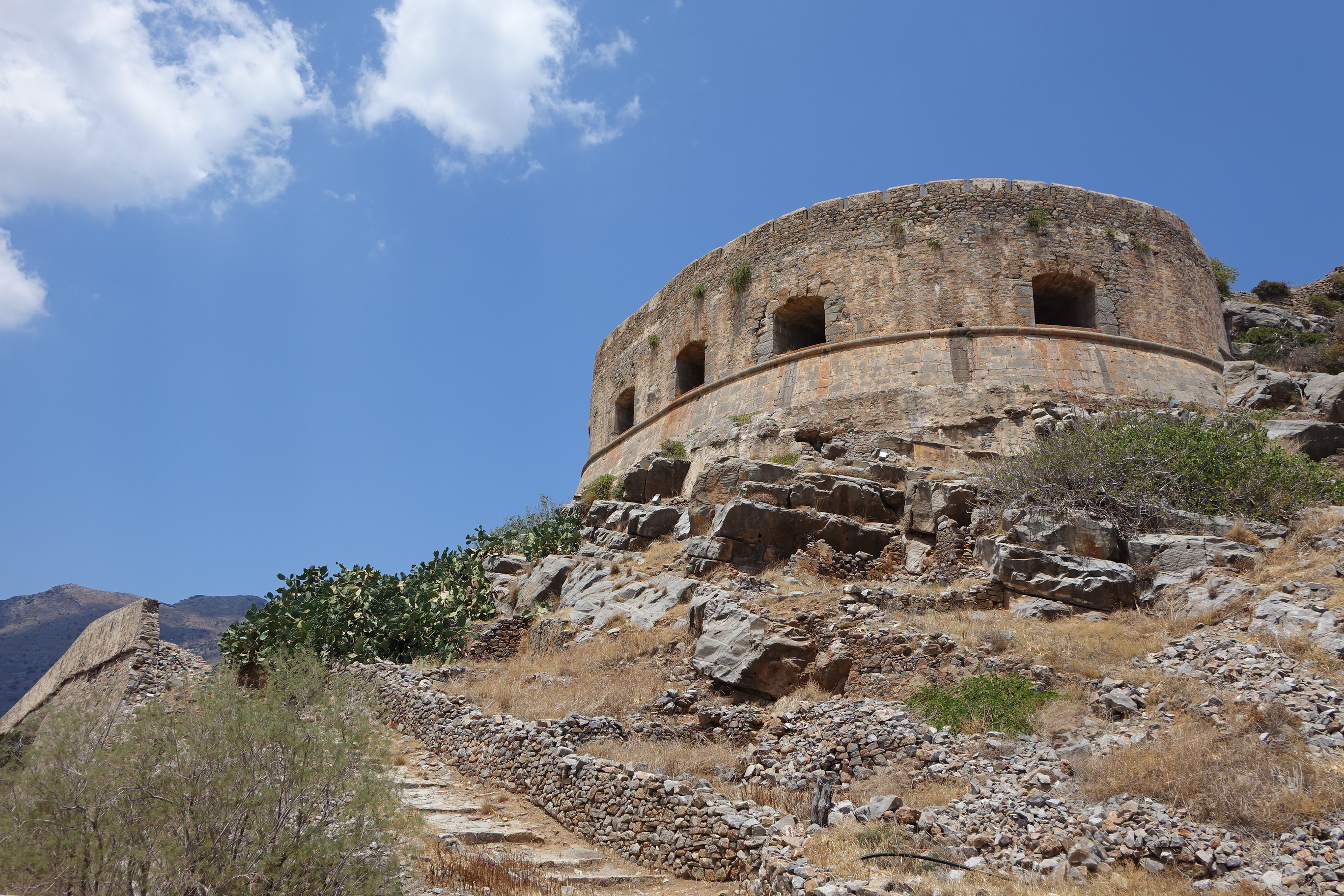
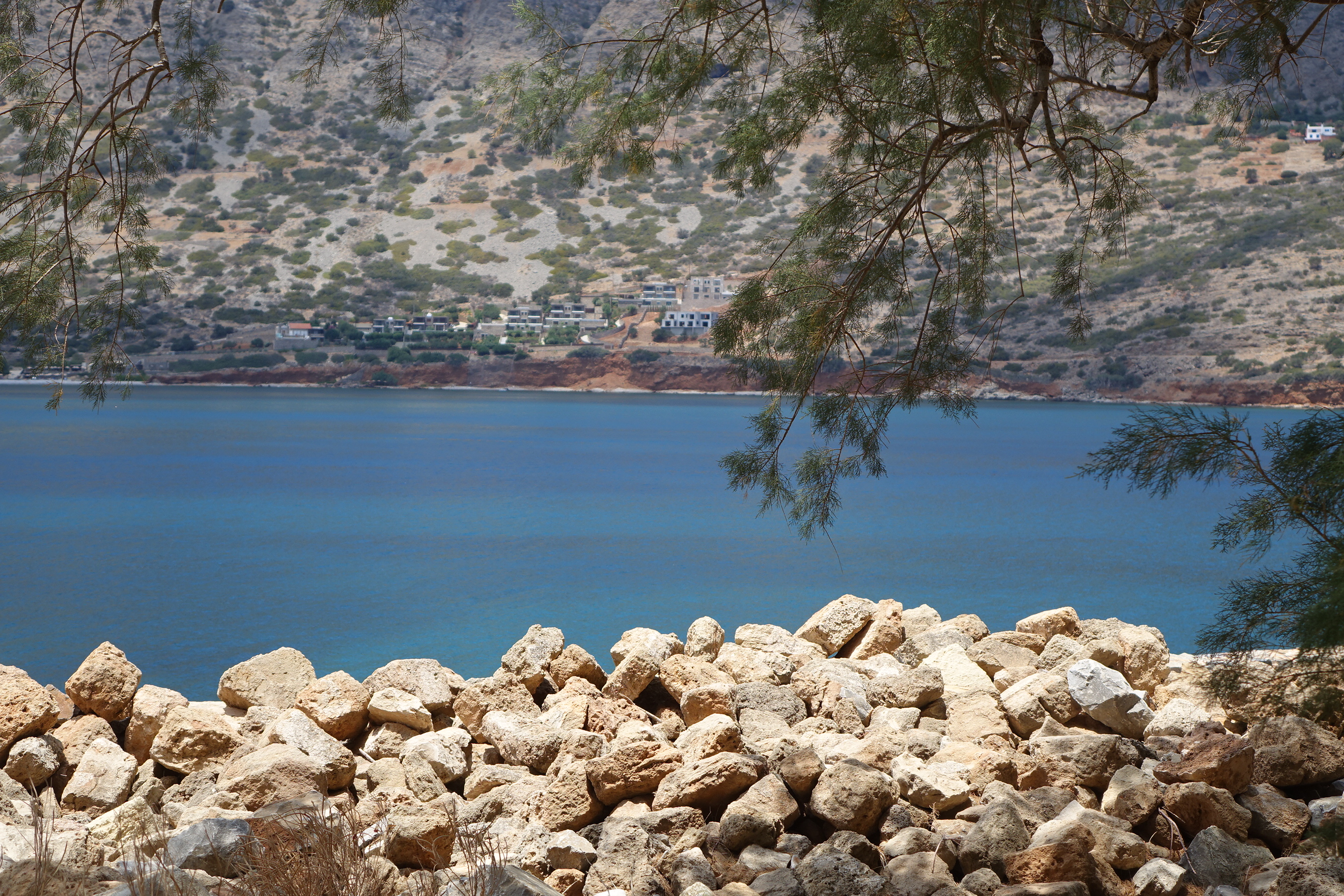
As my last few posts have hopefully demonstrated, the bay of Mirabello in Eastern Crete is every bit as beautiful as the name suggests. And yet its coastline, fractured by little spin-offs of mini mountain islands tracing the coast yet a water’s breadth apart, holds a darker, more ugly secret: Spinalonga. The name sounds like the setting for a fairy tale – a spindle perhaps, upon whose thorny point a princess pricks her finger. But this is no fairy island. It is a place which, up until as recently as 1957, was an island cut off from the mainland not just by sea but by law and stigma: it was the home of Crete’s leper colony, an exile for those afflicted with history’s most devastating illness.

DSC04650DSC04749DSC04741DSC04668DSC04745DSC04685DSC04771DSC04761DSC04679DSC04784

Those of you who have read Victoria Hislop’s bestselling novel, The Island, will already know about Spinalonga. Once a fortified stronghold created by the Venetian occupiers of Crete and later taken over by the Ottomans, it was put to use as an island on which to keep leper suffers forcibly separated from the rest of society. Once diagnosed as having the condition, suffers would be flagrantly torn from their families and shipped off to the island. Few would ever leave it.

As Hislop describes, as the decades went on, Spinalonga went from an utterly savage backwater completely devoid of civilisation to a thriving little town in its own right fit with electricity, shops, a theatre, even a hairdresser. And when the discovery of a cure for leprosy meant that the island was finally abandoned in 1957, all of that civilisation was forsaken to the elements. It was in that state of utmost dilapidation that we found Spinalonga when we took a boat from nearby Eloundia to visit this most dejected of locations.

DSC04710DSC04766DSC04634DSC04688DSC04697DSC04739DSC04734DSC04738DSC04669

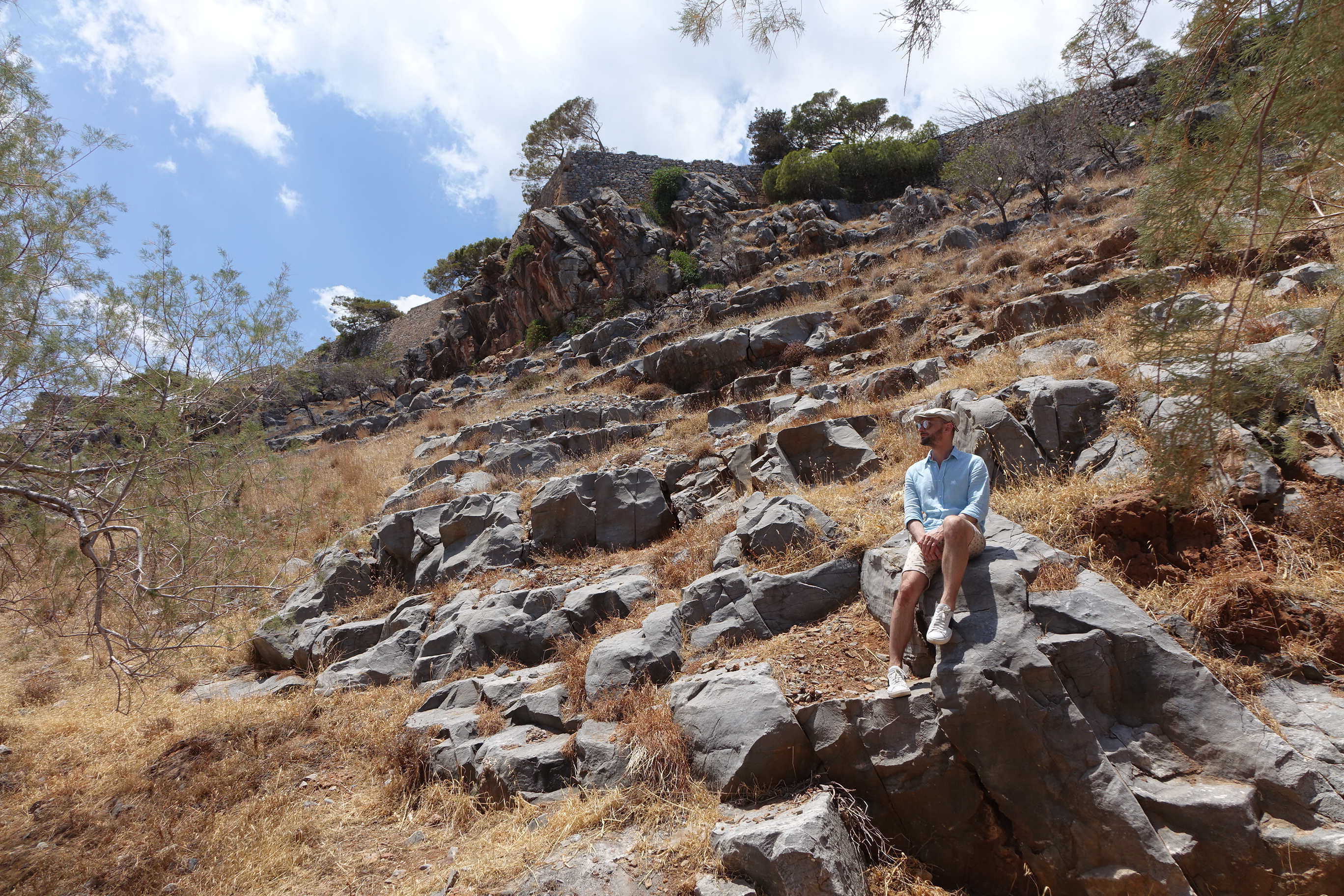
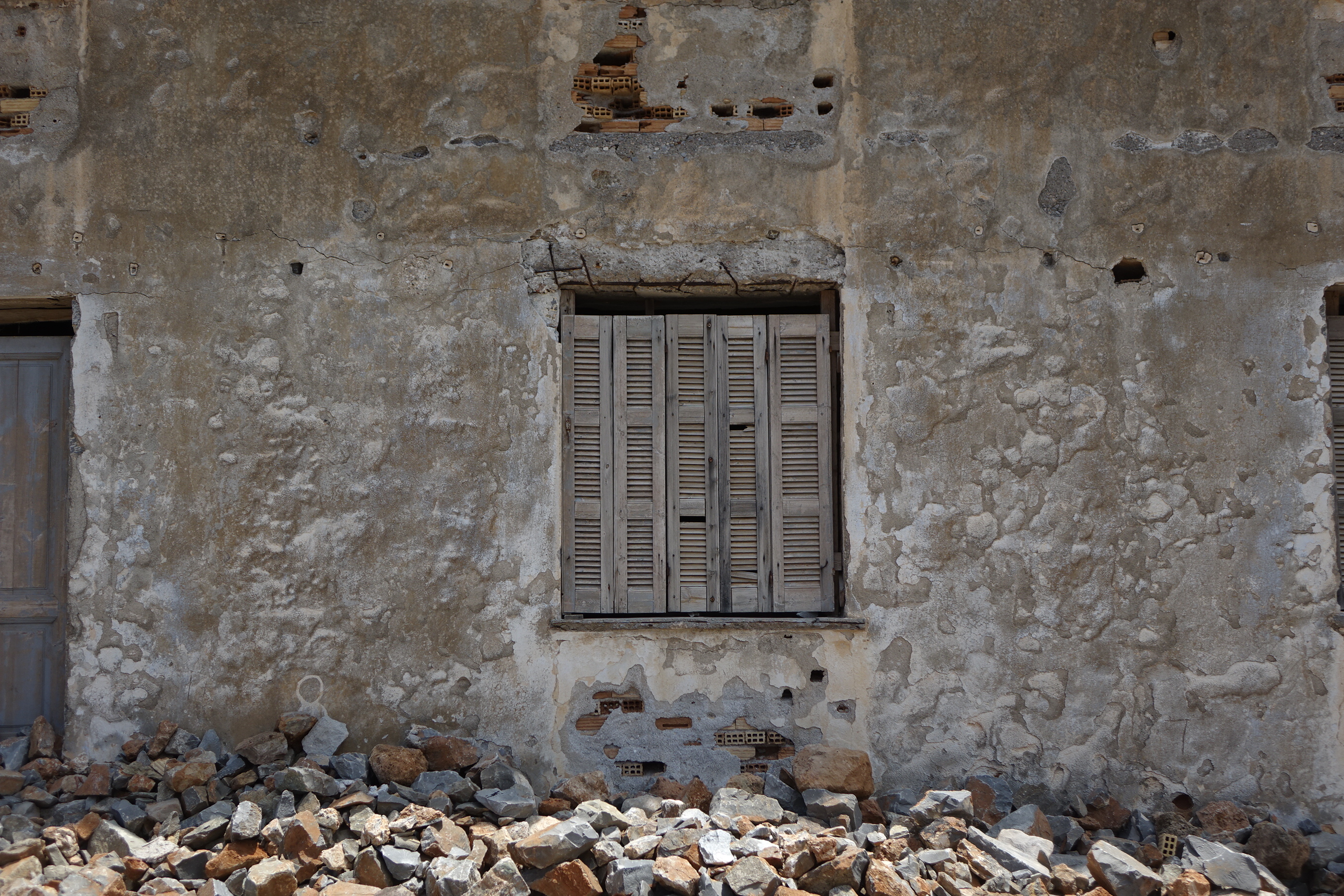
Barren, sun-roasted and rocky, the island on one side was little more than a fortified wall with stark cactus-filled cliffs. However turn landwards and amongst the rubble you could start to see the ghosts of former houses, their shutters half hanging on rusty hinges and their contents long since pillaged. Stone staircases were collapsed under the weight of fallen rubble and punctuated by weeds; the bare bones of wooden beams indicated where once a roof had stood. There is no doubting the feeling of melancholia and claustrophobia which pervades this small tumbledown space, yet few could deny the beauty which was also visible in the stark contrast between rubble and ramshackle, and the stunning turquoise seas which surround the island, and cut it off from the rest of the world.

DSC04731DSC04790DSC04776DSC04765DSC04763DSC04753DSC04746DSC04656DSC04785

We left Spinalonga utterly captivated by the historical significance and emotional impact of the leper island. You cannot escape the sadness which permeates the very fabric of this island of imprisonment and social rebuff. Yet across the Cretan winds, uplifted by the deep ultramarine blue of the island’s surroundings, there is the smallest hint of hope – for Spinalonga’s desertion indicated mankind’s dominance over a disease which had ravaged millions since the beginning of time. And that is surely a cause for celebration.

© Nicholas de Lacy-Brown and The Daily Norm, 2018. Unauthorised use and/or duplication of the material, whether written work, photography or artwork, included within The Daily Norm without express and written permission from The Daily Norm’s author and/or owner is strictly prohibited.

A Cretan Odyssey | Part 4 – Nymph Beach and other wonders

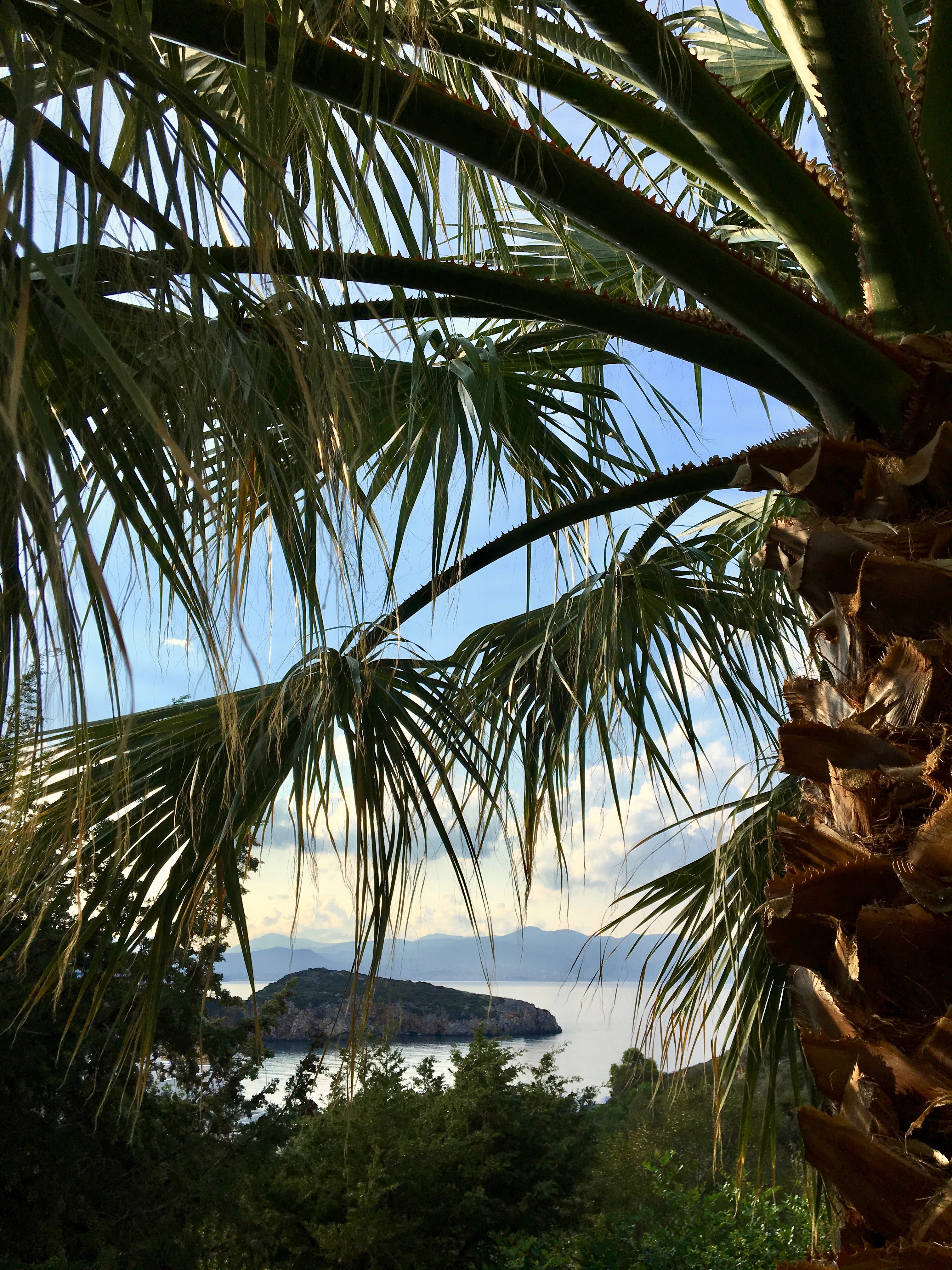
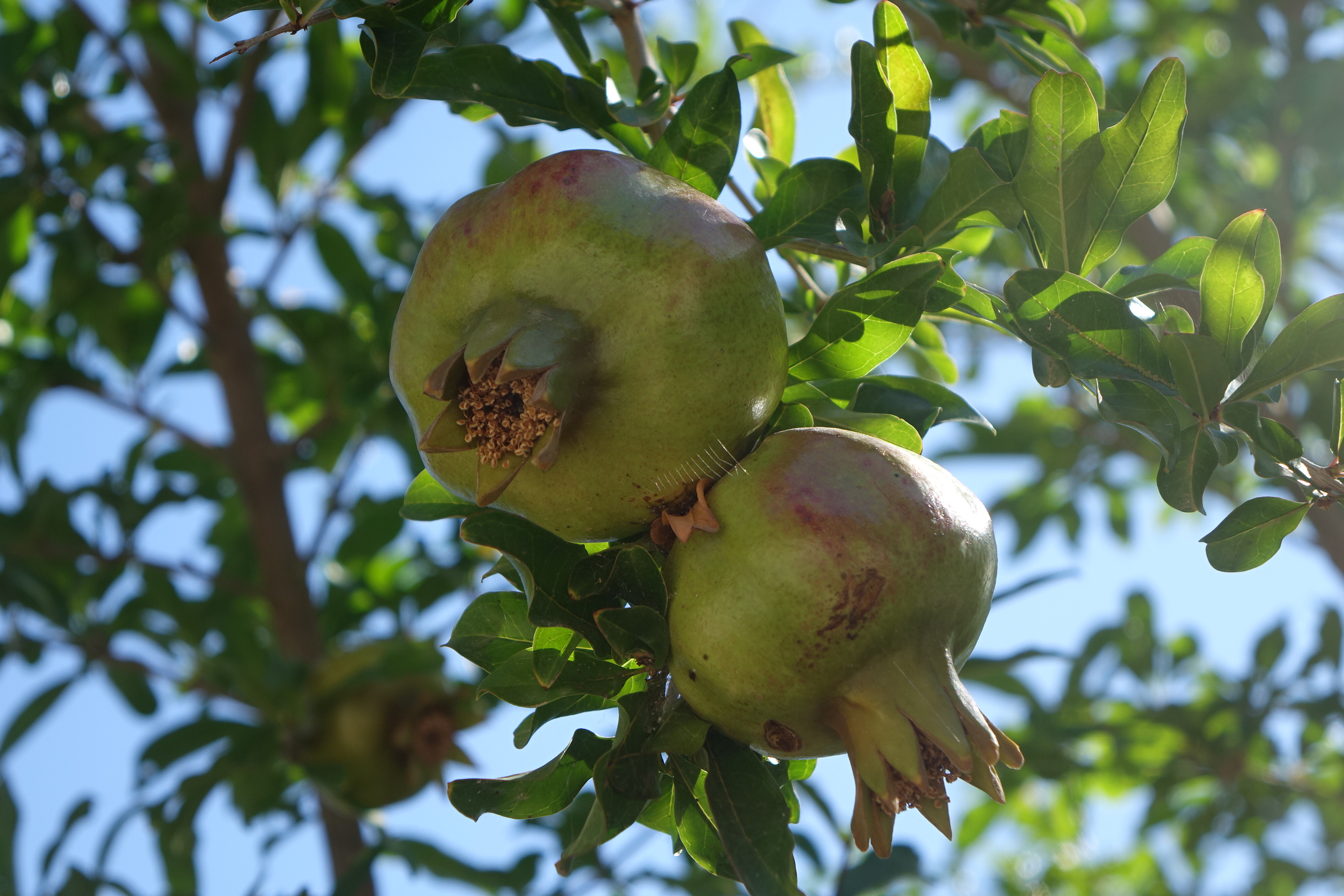
When we had had our fill of our perfectly proportioned, utterly private pool (when that was possible – it actually amounted to being dragged away by the fear that we might otherwise be addressed as the kind of philistine pool-huggers who see nothing of the countries they visit on holiday) we only had to stroll 5 minutes down a little lemon and pomegranate tree lined lane to get to the beach. And what a beach it was. Utterly secluded, populated only by the small number of guests from a nearby hotel, a walk some 10 metres along the shingle shore meant complete privacy in waters as clear as Evian. We became accustomed to visiting the beach both first thing in the morning and in the dying light of day. On both occasions there was a tangible magic to the place as the sun, either in its rise or its descent, sent golden sparkles bouncing across the mirror-like waters. It felt mystical, as though Apollo, god of music and harmony, were present.

DSC04956DSC05016DSC05080DSC04334DSC04999DSC04963DSC04347

Characterised by its rocky promontory, the beach was cosy, enclosed, a safe harbour from winds and an utterly magical place to be. But the mere presence of that promontory had our explorer’s curiosity peeked, and it wasn’t long before we started expiring the cliff tops, an entire plateau covered with olive trees and harsh stones, an ancient biblical landscape tinged with the gold of the Cretan sunshine. We trekked through the landscape, unsure what we would find as the cliffs undulated down to the sea. What we never expected to discover was another beach. This one caught between the dramatic overlap of rocky outcrops and descending hills.

DSC05039DSC04988DSC05032DSC05027DSC05010DSC04328DSC04326

The beach was perfect. It was completely private. Not a sole around, no one in sight, apart from the mystery of a lone towel abandoned on the shore. That mystery was solved a few minutes later as a lady, perfectly toned, wonderfully naked, appeared on the horizon and glided steadily towards the shore. As she approached the edge of the beach she rose from the water, the sparkling sea sliding off her perfectly tanned and silky skin, and she reclined upon that same towel, almost oblivious to our presence. This was no human. Surely this was a nymph, so perfectly was her body adjusted to the molten waters of the bay.

DSC04975DSC04993IMG_1696DSC04323DSC05026DSC05053DSC04342

We strongly felt that we had entered some kind of mystical place when we swam out away from the shore and came face to face with towering craggy cliffs backlit by the descending sun. Once again Apollo’s touch was here, and when we turned back to shore, no sign remained of the nymph, as though the apparition of her fleeting presence had dissipated into the heady evening air. But we never doubted her existence. Nor the magical moment of our visit to what we now know as Nymph Beach. I won’t tell you where it is. Only that it exists, ripe for discovery by those curious enough to find it.

© Nicholas de Lacy-Brown and The Daily Norm, 2018. Unauthorised use and/or duplication of the material, whether written work, photography or artwork, included within The Daily Norm without express and written permission from The Daily Norm’s author and/or owner is strictly prohibited.

Terracotta Collective: Poolside on Mirabello Bay

I can well imagine how Hockney must have felt, when he first left the subdued isles of the UK and arrived in Los Angeles to an explosion of colour characterised by vibrant tropical plants, uninterrupted blue skies, flashy modern architecture and of course those dazzling turquoise pools, rippling and reacting to the burning ball of sunshine overhead. No wonder those pools in their respective post-modern garden spaces inspired Hockney to commit them to canvas. What a startling sight those rectangles of electric blue are for any artist… and yet it’s funny to think that before Hockney, few had ever tried to capture the pool in a painting. Perhaps they were scared of the insuperable challenge of capturing sun on water. Not me. The moment I laid eyes on our rectangle of cerulean happiness, I knew I would paint it, ripples, reflection and all.

Terracotta Collective POOL

Poolside on Mirabello Bay (©2018, Nicholas de Lacy-Brown, acrylic on canvas)

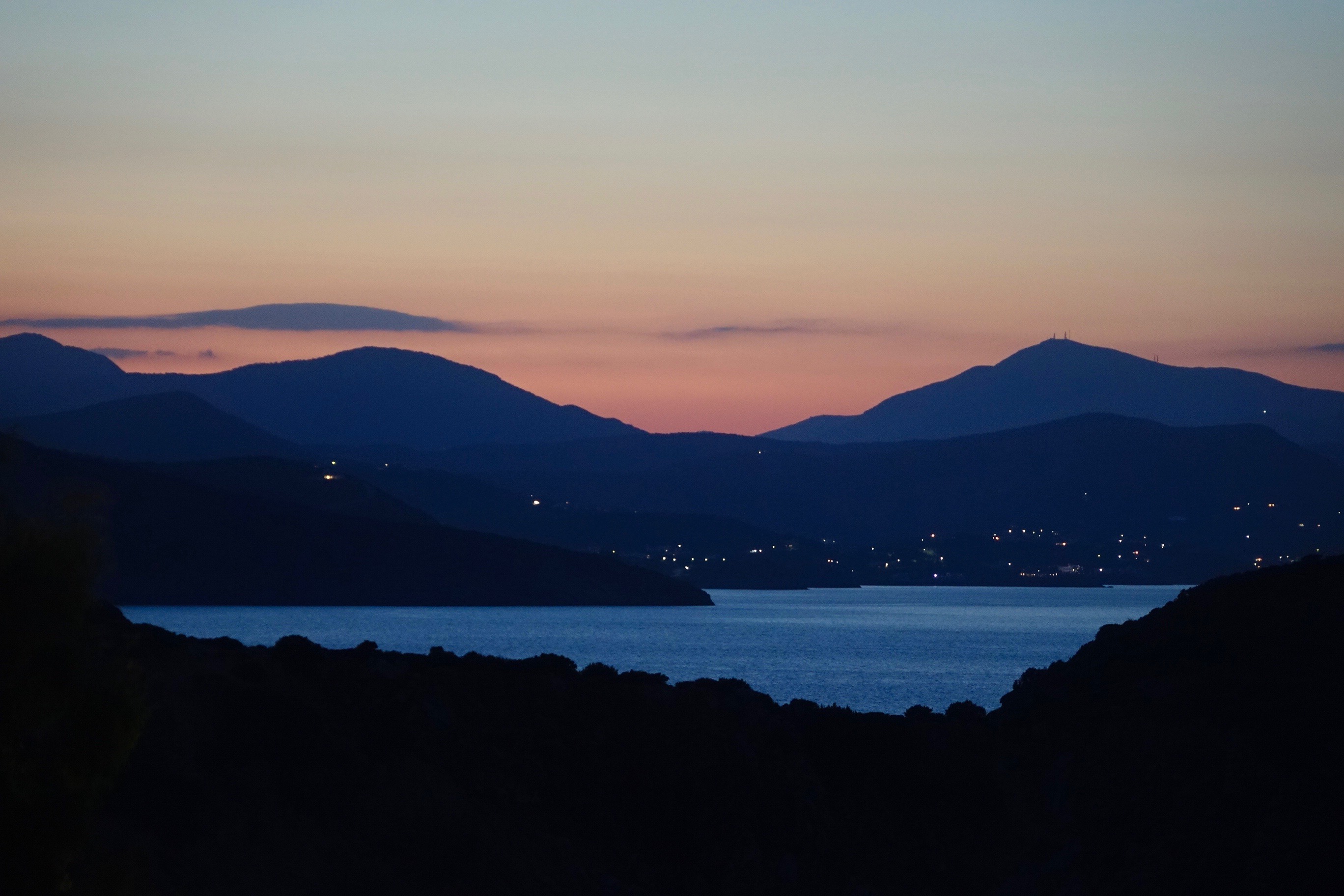
Continuing the theme of my previous Cretan artwork, working up from a painting base splashed with a terracotta undercoat, I committed myself to capturing every aspect of our marvellous villa, and the view which made it such a stunning place to stay. So having tackled the pool, which thrusts its vivacious way into the canvas like an electric eel fully charged by ultraviolet, I moved onto the mountainous landscape which so masterfully framed our view. For me, the vision of overlapping mountainous strata, in every shade of mauve and pale ultramarine, is the very archetype of Greece. And here we had the perfect specimen, to enjoy every day, and now to capture on canvas.

So with a few touches of stone surround and aspects of the lush greenery which kept our garden fresh, I finished this ode to our paradise pool. Much inspired, and as wide eyed with poolside wonder as Hockney must have been when he first arrived in LA, I decided that this pool painting would be only the first. And true to my instinct, I have already started the followup… a true homage to the pool and the beauty of Crete which surrounded it.

© Nicholas de Lacy-Brown and The Daily Norm, 2001-2018. Unauthorized use and/or duplication of the material, whether written work, photography or artwork, included within The Daily Norm without express and written permission from The Daily Norm’s author and/or owner is strictly prohibited. For more information on the artwork of Nicholas de Lacy-Brown, visit http://www.delacybrown.com 
A Cretan Odyssey | Part 3 – The Paradise Pool on Mirabello Bay

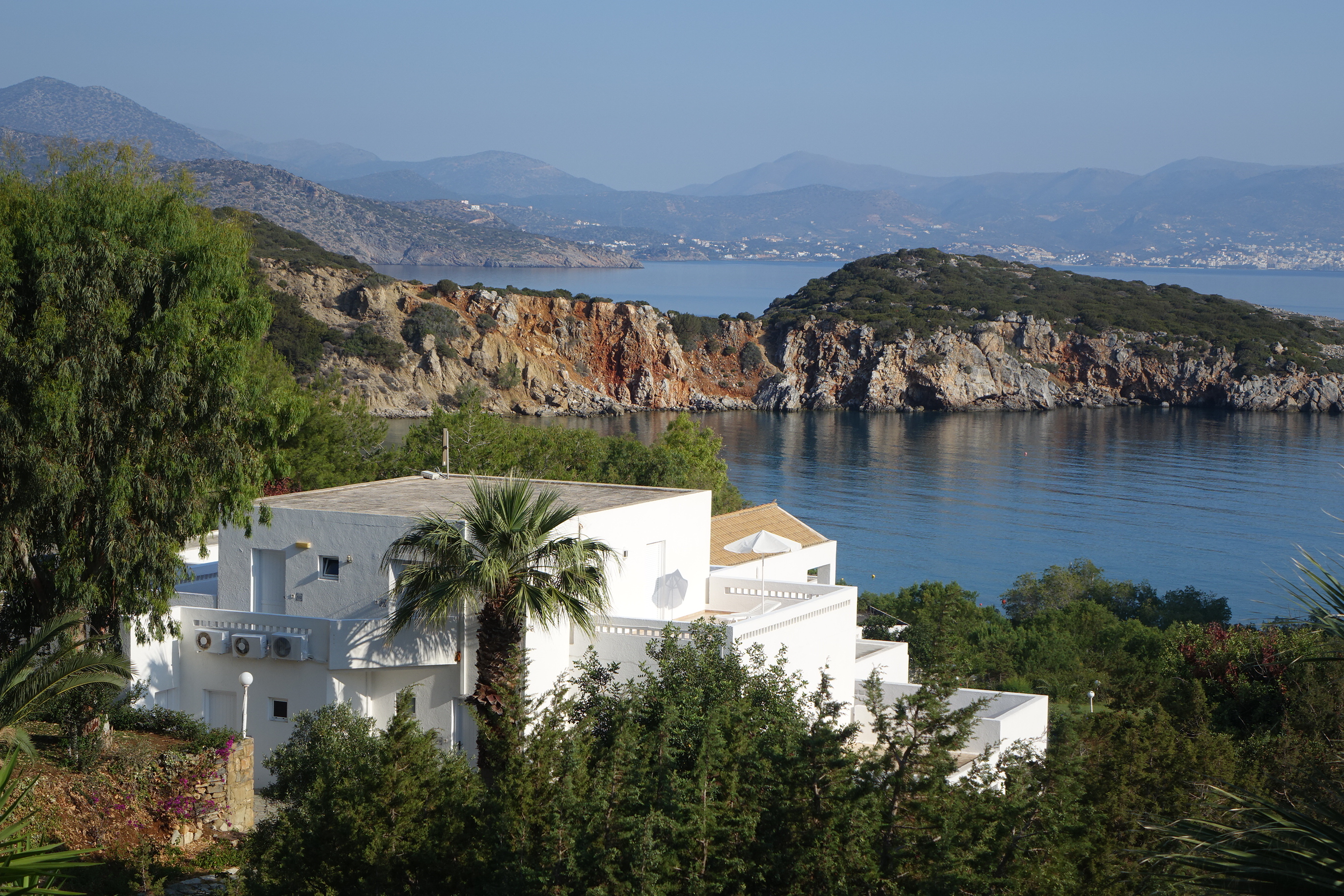
The weather in Crete was peculiar for the summertime. We basked in sunshine most of the time, but always looming close by, like the sword of Damocles threatening to unload itself on our holiday, were dark clouds foretelling of dramatic thunder. Perhaps we should not have been surprised – Crete is the birthplace of Zeus after all, so why shouldn’t he be able to throw a thunderbolt or two down on his homeland, just for reasons of pure nostalgia? Hugging Poseidon’s coast seemed to protect us from Zeus’s sport, but as we drove deeper into the mountains, our encounter with storms was guaranteed. It was under one such dramatic downpour, and having traversed the island from Chania in the West to Agios Nikolaos in the East, that we arrived into the lush, humid valley of our new location near Istron. What we found there may have been wet (but perfumed by the utterly, verdantly fresh fragrance characteristic of post summer rain), but as we arrived at our villa and home for the remainder of our holiday, we knew that we had arrived in paradise.

IMG_1409DSC05067DSC04517DSC04386DSC04363DSC04498DSC04884IMG_1541IMG_1711IMG_1231

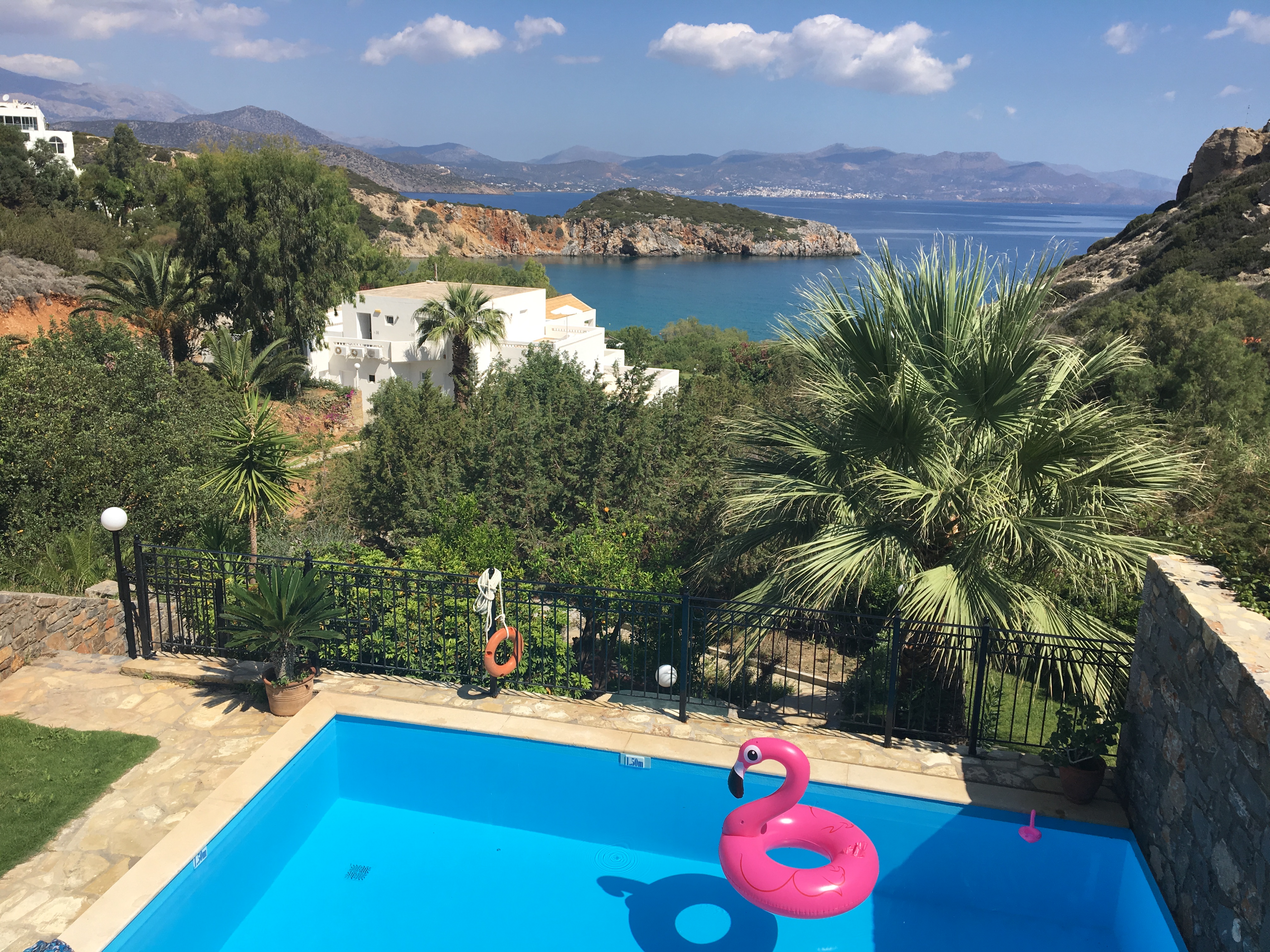
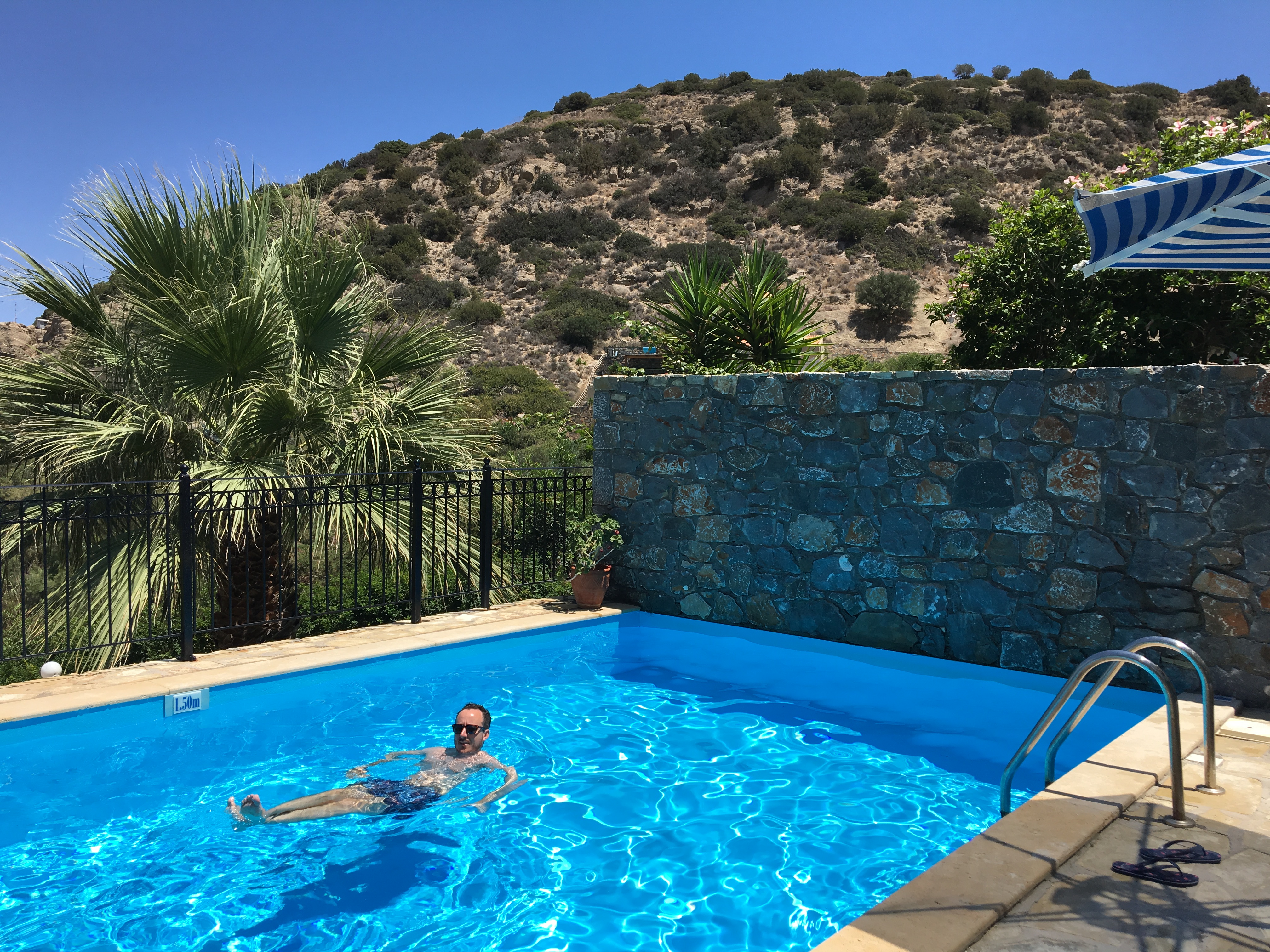
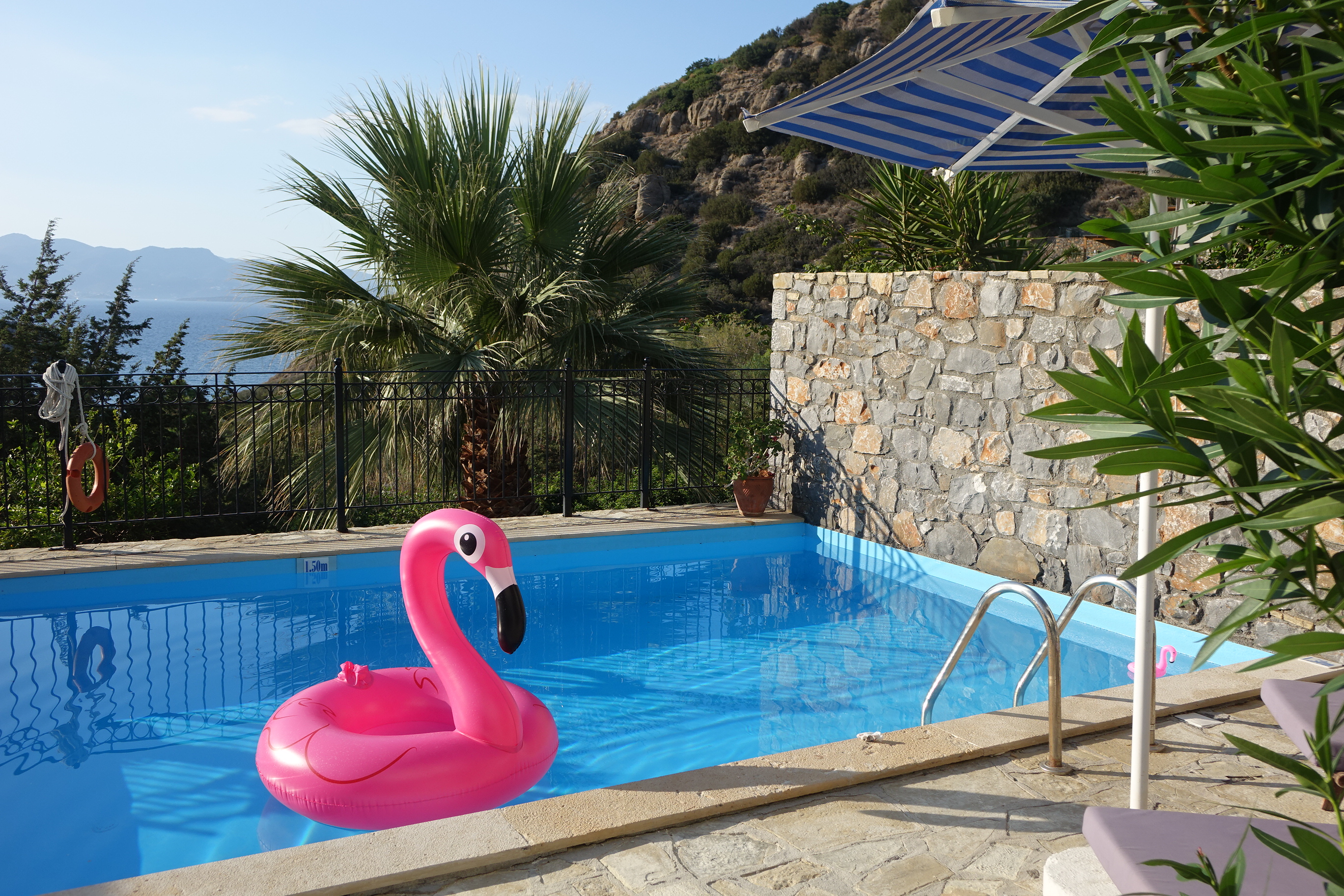
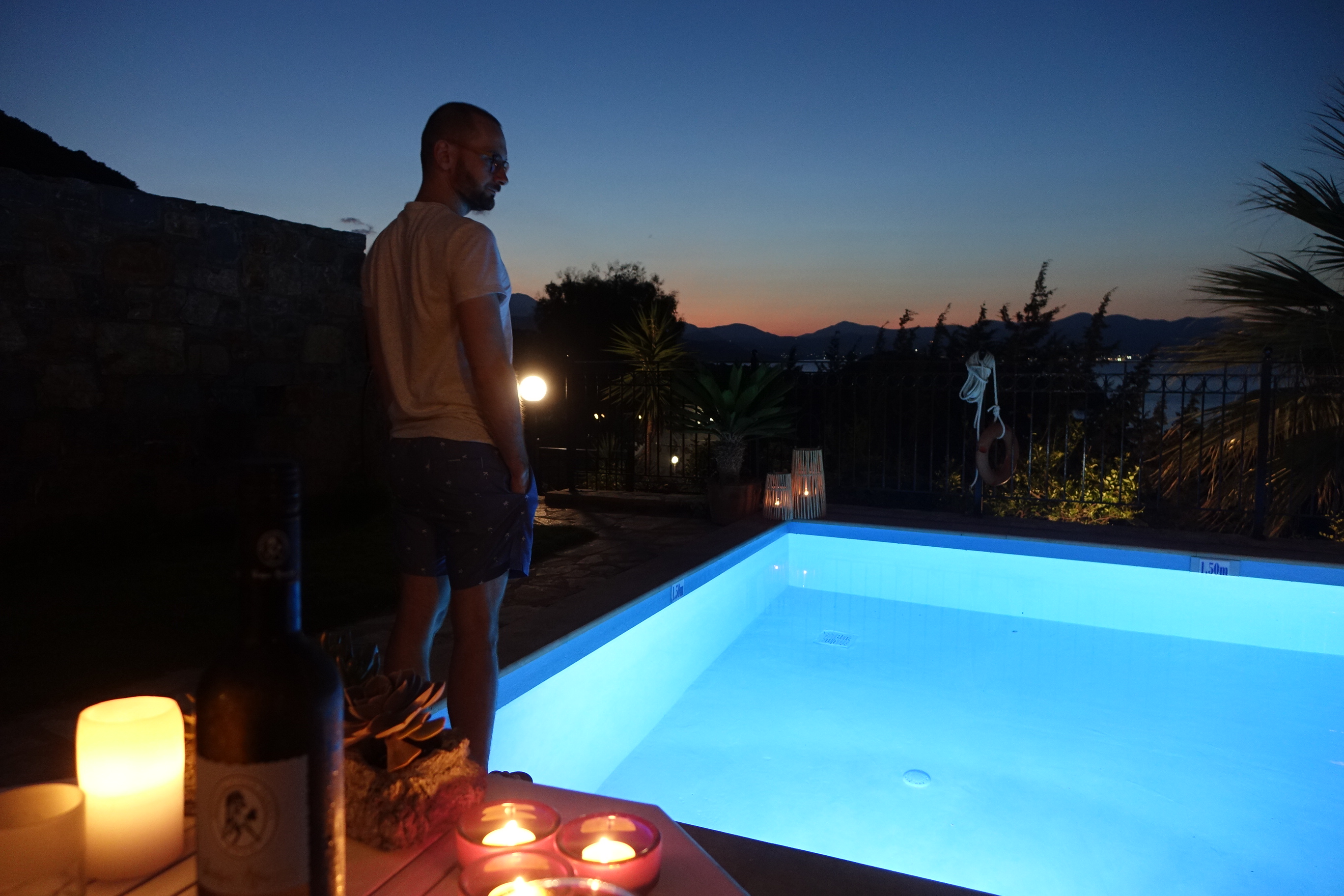
A little self-contained house on two floors with lounges upstairs and down looked onto the most incredible views over Mirabello Bay. There was an indication of other villas nearby, but the lush vegetation meant we felt utterly secluded in this mountainous Elysium… and as we were to learn, the nearby villas were sparsely occupied. But best of all was our pool. 4 by 6 metres of joyous, turquoise happiness all to ourselves. We could swim by day, we could swim by night. It was like a painting by Hockney come alive for our sole and exclusive enjoyment.

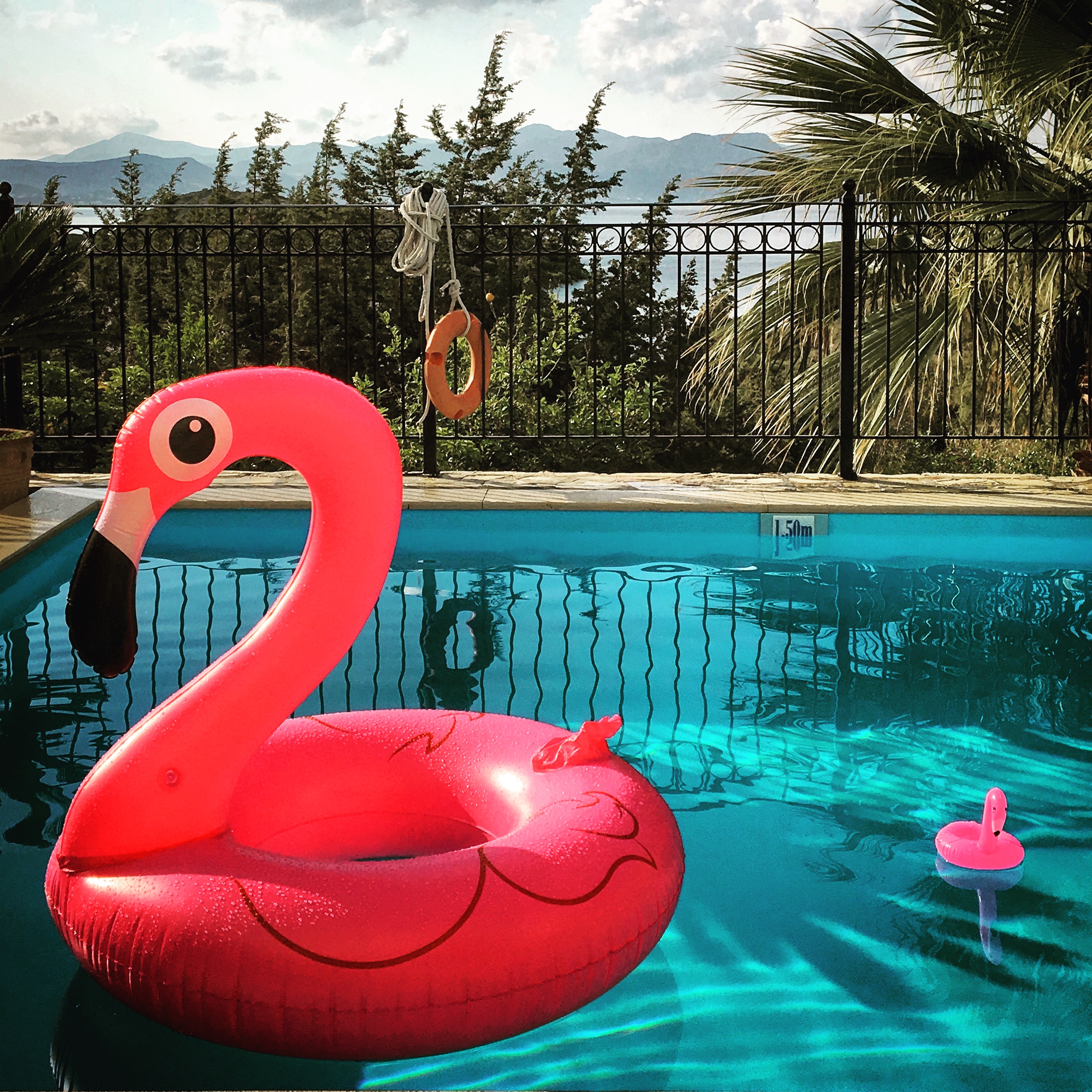
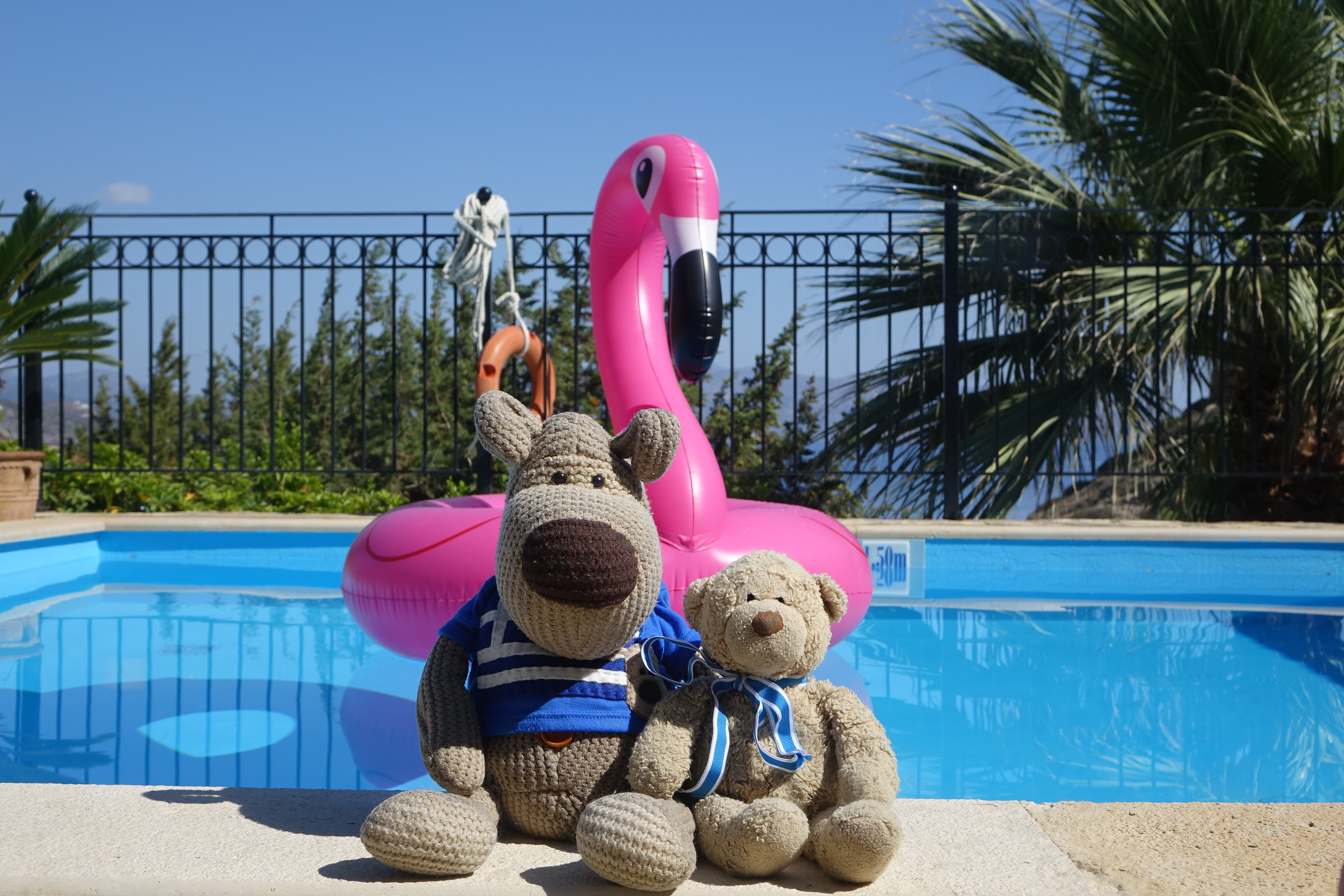
Before we could even unpack our beachwear, we inflated our must-have flamingo inflatable, as well as his baby (niftily designed to hold a drink). Ian Flemingo, as he became known, was a welcome point of additional colour in a landscape which we gazed over in awestruck wonder every morning, lunch, night, dusk and dawn during the four days that followed. And when we had had enough of our pool (not that we ever truly could), it was a mere 5 minute stroll down the lane to the private beach of the swanky hotel in whose grounds our villa was located. The beach, like the valley, was like a mythical paradise to behold…but more about that another day. 

IMG_1333DSC05071DSC04533DSC04943DSC05063DSC04931DSC04922DSC04866DSC04929

In the words of Coldplay, this was para…para…paradise, and the dazzling, sparkling cerulean rectangle of happiness that was our pool played centre-stage. 

© Nicholas de Lacy-Brown and The Daily Norm, 2018. Unauthorised use and/or duplication of the material, whether written work, photography or artwork, included within The Daily Norm without express and written permission from The Daily Norm’s author and/or owner is strictly prohibited.

My Travel Sketchbook: Chania Harbour

It’s been a long time since I took out travel sketchbook. Not since Aix-en-Provence have I set pen to paper, and yet I suppose there’s plenty of argument for London being sufficient source of sketching inspiration. Sadly, this life of ours does not provide time for everything, but our Cretan Odyssey was one such occasion which felt apt for a little sketching. So to Crete we return (after our brief sojourn in Sussex) and onto the pages of my sketchbook which had turned their sights in the direction of Chania’s stunning little Venetian harbour.

Chania Harbour

Chania’s Venetian Harbour, looking East (©2018 Nicholas de Lacy-Brown, pen on paper)

When we first arrived out our hotel in Chania, and stepped onto the balcony, light met our eyes with a dazzling intensity as the Grecian sunshine reflected off the cerulean sea and onto the glimmering whites and creams of the painted harbourside buildings. As an artist, spoilt for choice was to put it mildly. I could have painted and sketched and taken inspiration from 50 or so details of the awe-inspiring views set out before us. But sadly, time was short. With only 4 days to enjoy the vistas, I set about painting the view looking East in the evenings, when the sun from the West illuminated the mosque and the surrounding buildings, and in the mornings, I would turn Westwards, to this beautiful view of the harbour curving its way around the sea, like a mother’s embrace of the ocean – her favourite child.

© Nicholas de Lacy-Brown and The Daily Norm, 2001-2018. Unauthorized use and/or duplication of the material, whether written work, photography or artwork, included within The Daily Norm without express and written permission from The Daily Norm’s author and/or owner is strictly prohibited. For more information on the artwork of Nicholas de Lacy-Brown, visit http://www.delacybrown.com 
An Extraordinary British Summer, Part 2: Provençal luncheon, Sussex setting

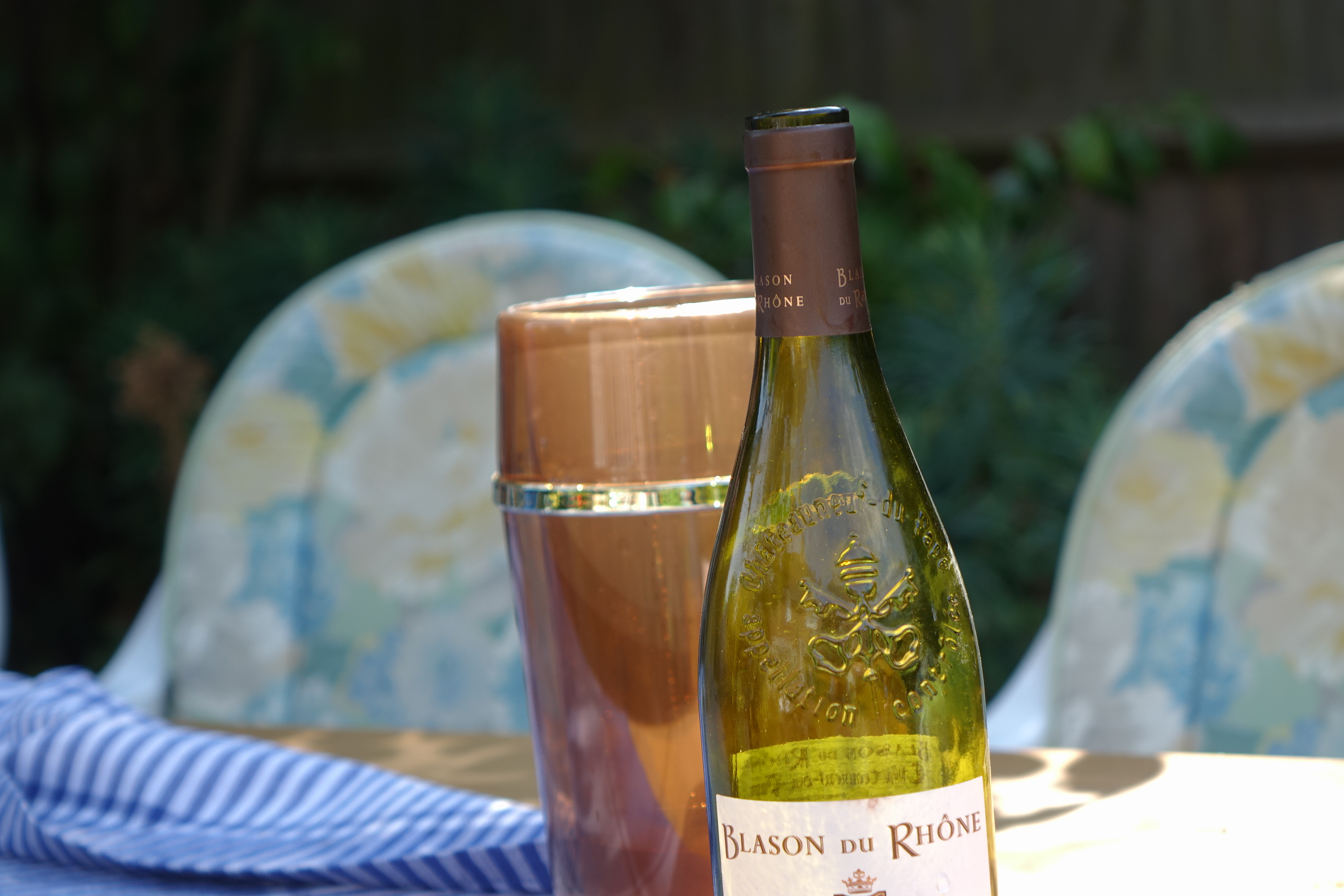
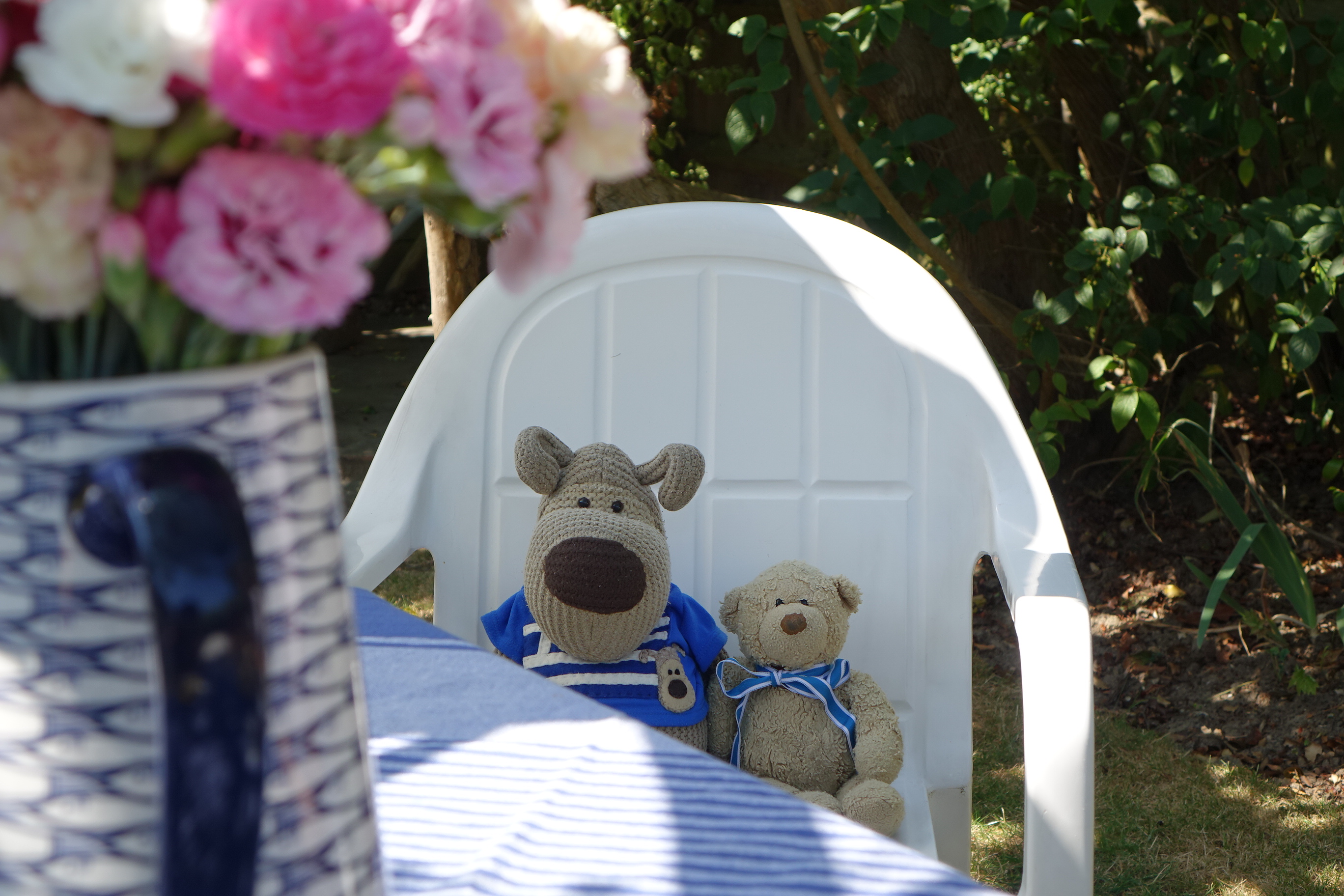
Everyone dreams of those typical Provençal scenes – the rustic wooden table, set out under the dappled shade of a bounteous fig tree, chairs collected from all over the house set around the table as a miscellaneous collective of dissonant styles, and upon the table pitchers of wine, large bowls of salads and platters loaded with fruits and meats set down in waiting for a large family gathering…Such was the idyll we created last weekend, but not in Provence. In England, where the country’s best summer in decades continues to bring smiles of sun-inspired joy across all four corners of the Kingdom.
DSC05337DSC05440DSC05314DSC05415DSC05352IMG_2021DSC05478DSC05368DSC05418DSC05360

For me, the heady mix of sunshine and a lush flower-filled English country garden, is one of the very best ways to enjoy the summer. My childhood memories are full of nostalgic reflections on summer picnics on the lawn, the feel of grass between my toes, the smell of lavender wafting in the wind, the sensation of stone paths baked by the sun (I think I must have deleted the memories of the rainfall which inevitably dogged other days – who needs to remember those?). So on those occasions when the English summer bears fruit, I head to my childhood garden where the flowers still grow abundantly, and the family can still gather despite the many years that have gone by.

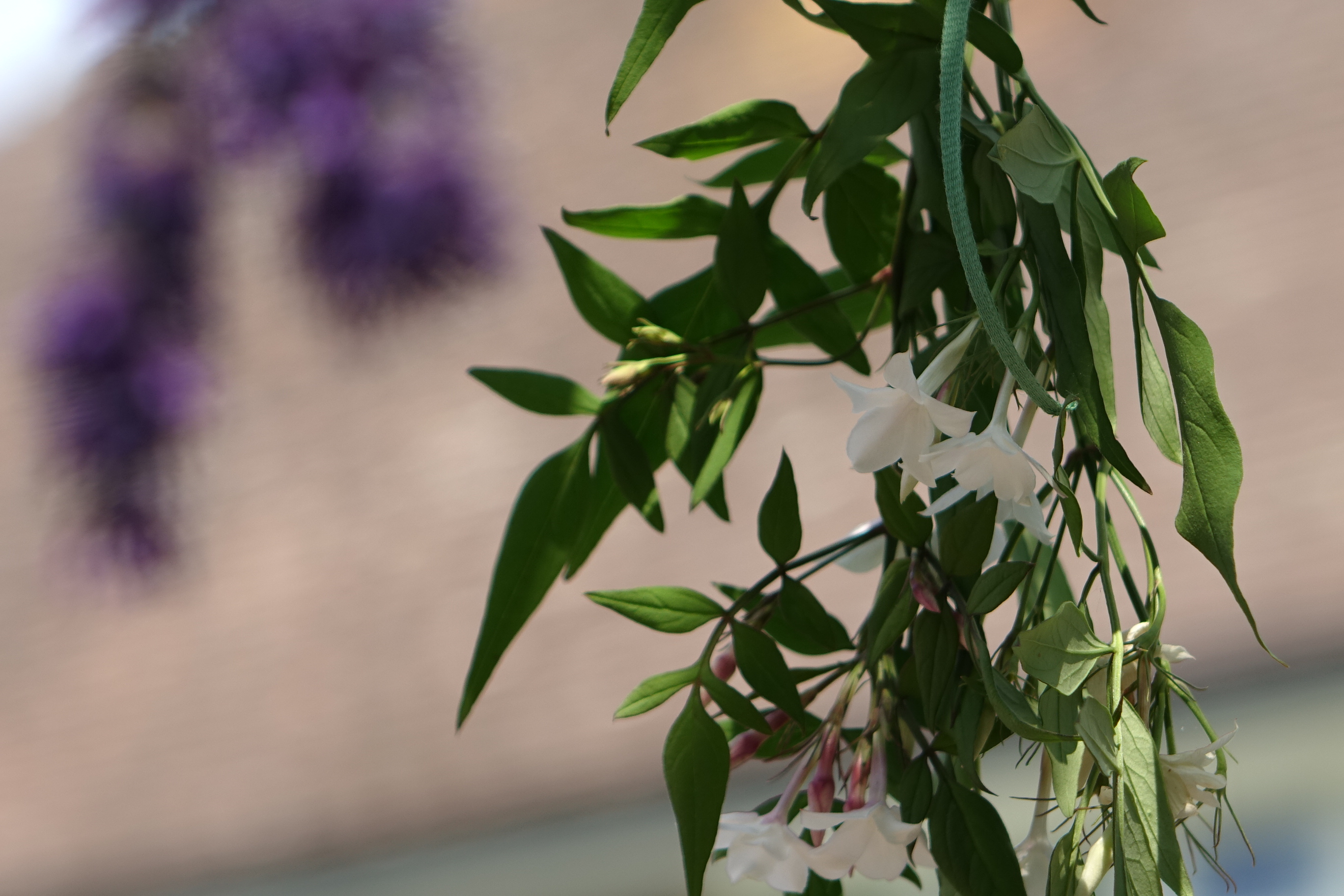
So all things combined, and with my family now double the size what it was in my childhood, my homage to the English summer was a table laid under an iris tree, freshly cut flowers hung overhead so their perfume imbued the air during a lunch of barbecued meats and elaborate Mediterranean style salads. The wine, of course, was flowing, and as my birthday fast approaches, a first cake and early presents were enjoyed to mark an occasion perfectly fitting for this fine English summer. And as befits a luncheon more Mediterranean than British, our afternoon was spent at the seaside, where the waters of the South Coast are easily as warm as Spain’s.

DSC05488DSC05312DSC05475DSC05445DSC05333DSC05308DSC05428DSC05417DSC05320

Vive the English summer! Long may it continue.

© Nicholas de Lacy-Brown and The Daily Norm, 2001-2018. Unauthorised use and/or duplication of the material, whether written work, photography or artwork, included within The Daily Norm without express and written permission from The Daily Norm’s author and/or owner is strictly prohibited.