Skip to content

Posts tagged ‘Spain’

Málaga | Part 2 – The Jungle and the Genius

It is said that Henri Rousseau, the post-impressionist famous for painting lush jungle scenes complete with hunting lions, terrified tigers and monkeys feasting off tropical fruits, never actually went to the jungle. Rather he took his inspiration from the plentiful species of tropical plants kept in greenhouses at the Jardins des Plantes in Paris. Yet had Rousseau travelled a little further south, to his neighbouring Spain and down to the Mediterranean city of Málaga, he might have stumbled there upon a jungle paradise so profuse in its verdant abundance despite being located right at the heart of the urban city, that he might truly have considered himself to have entered Amazonia.

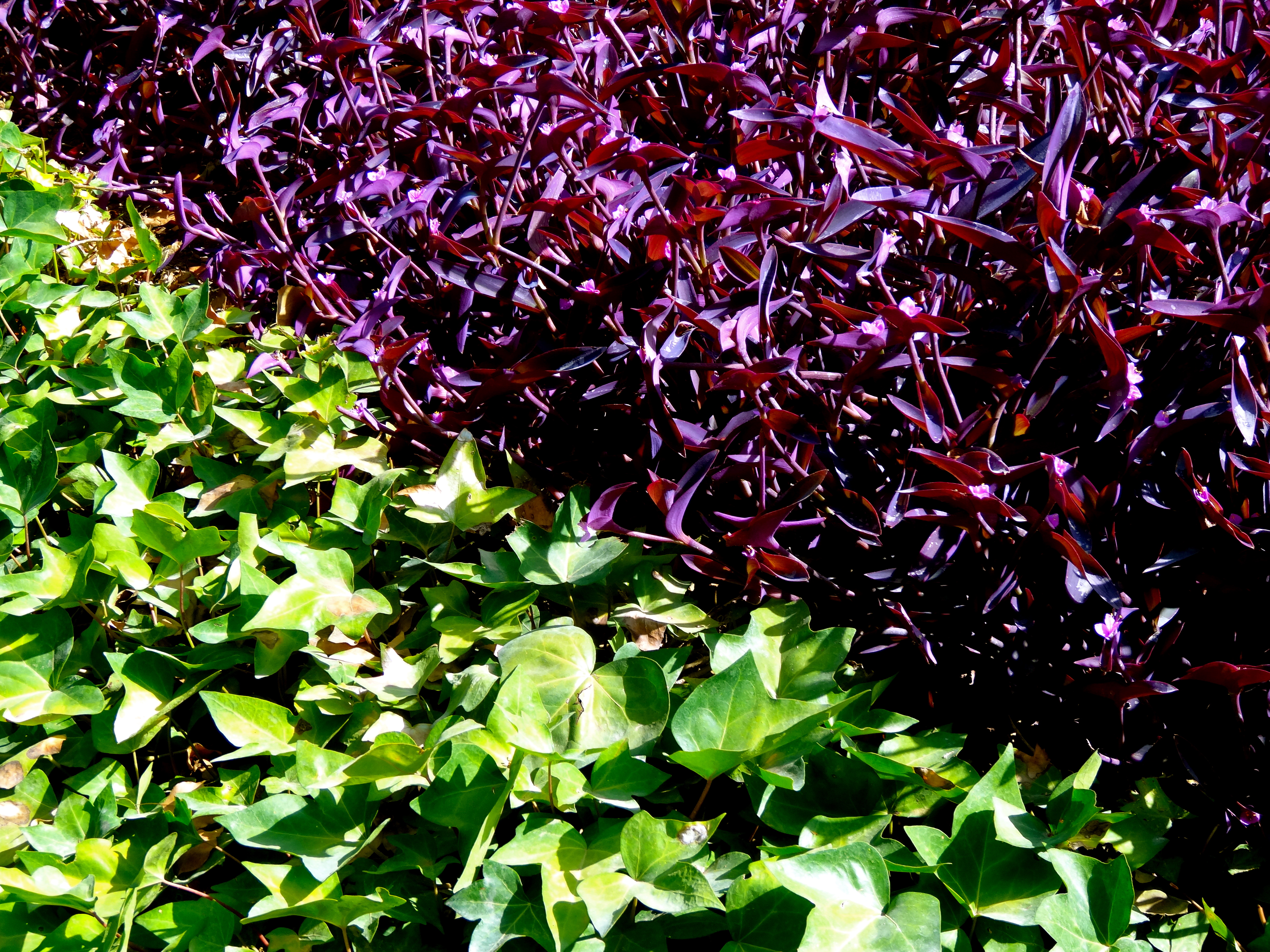
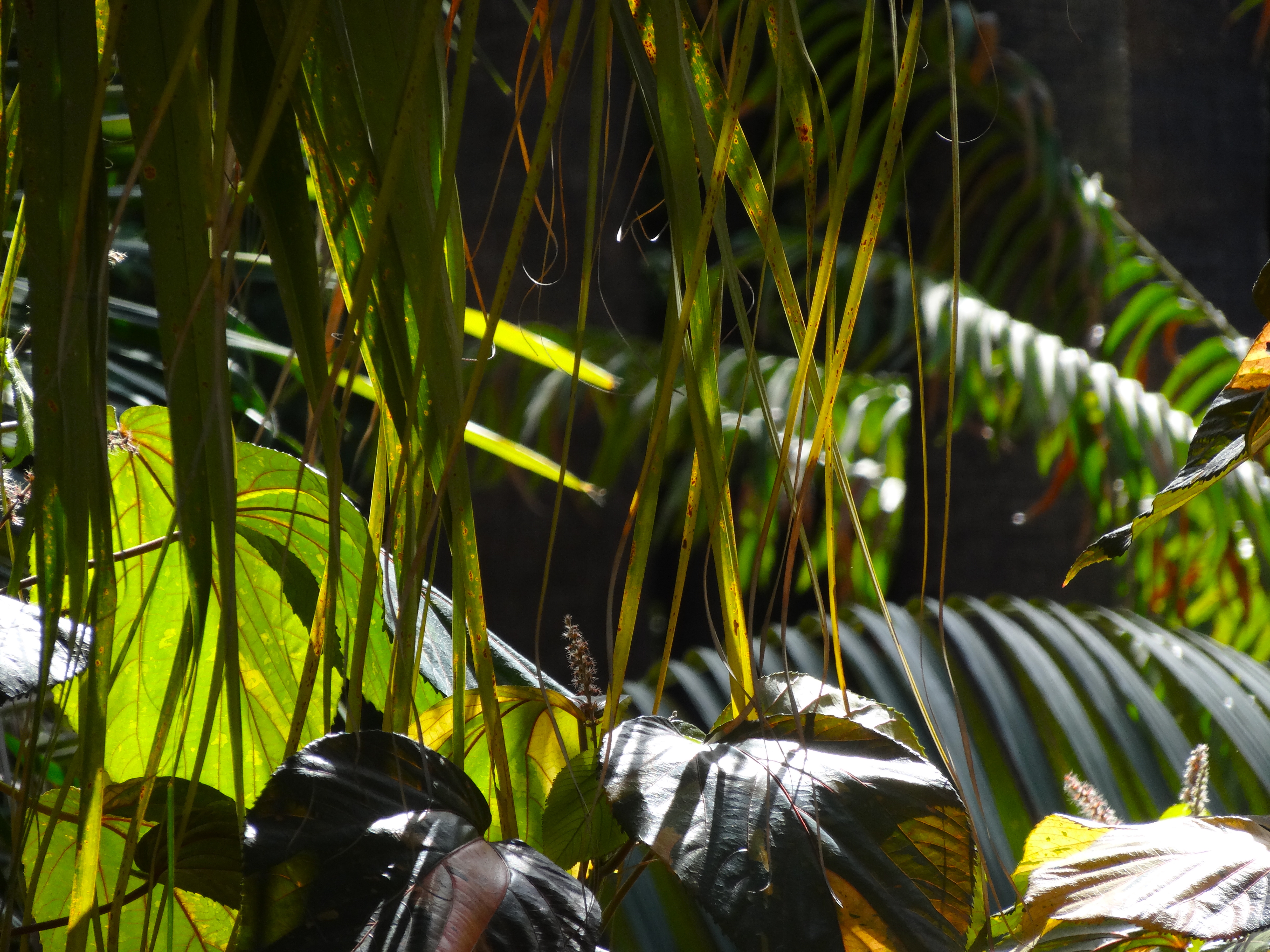
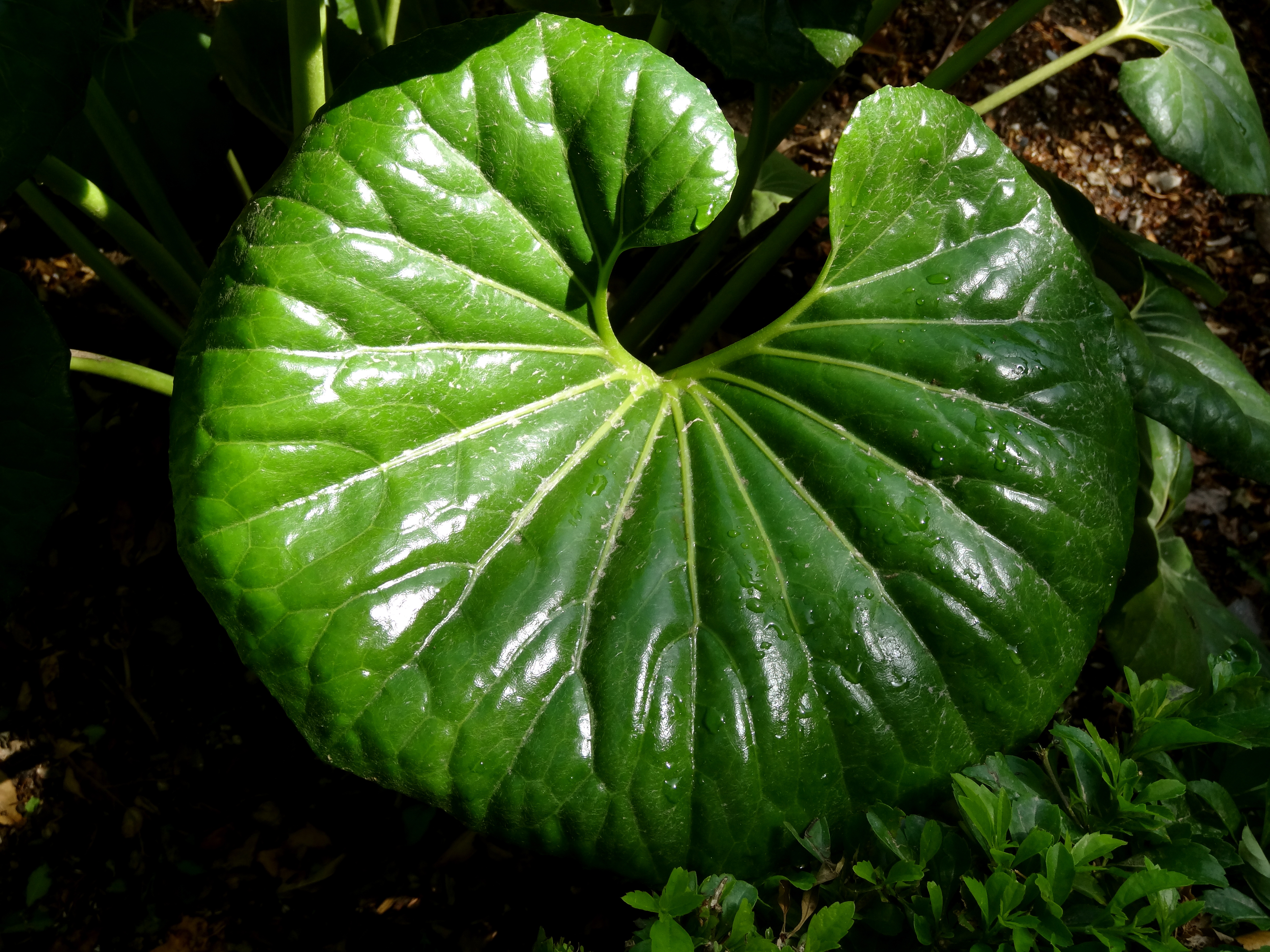
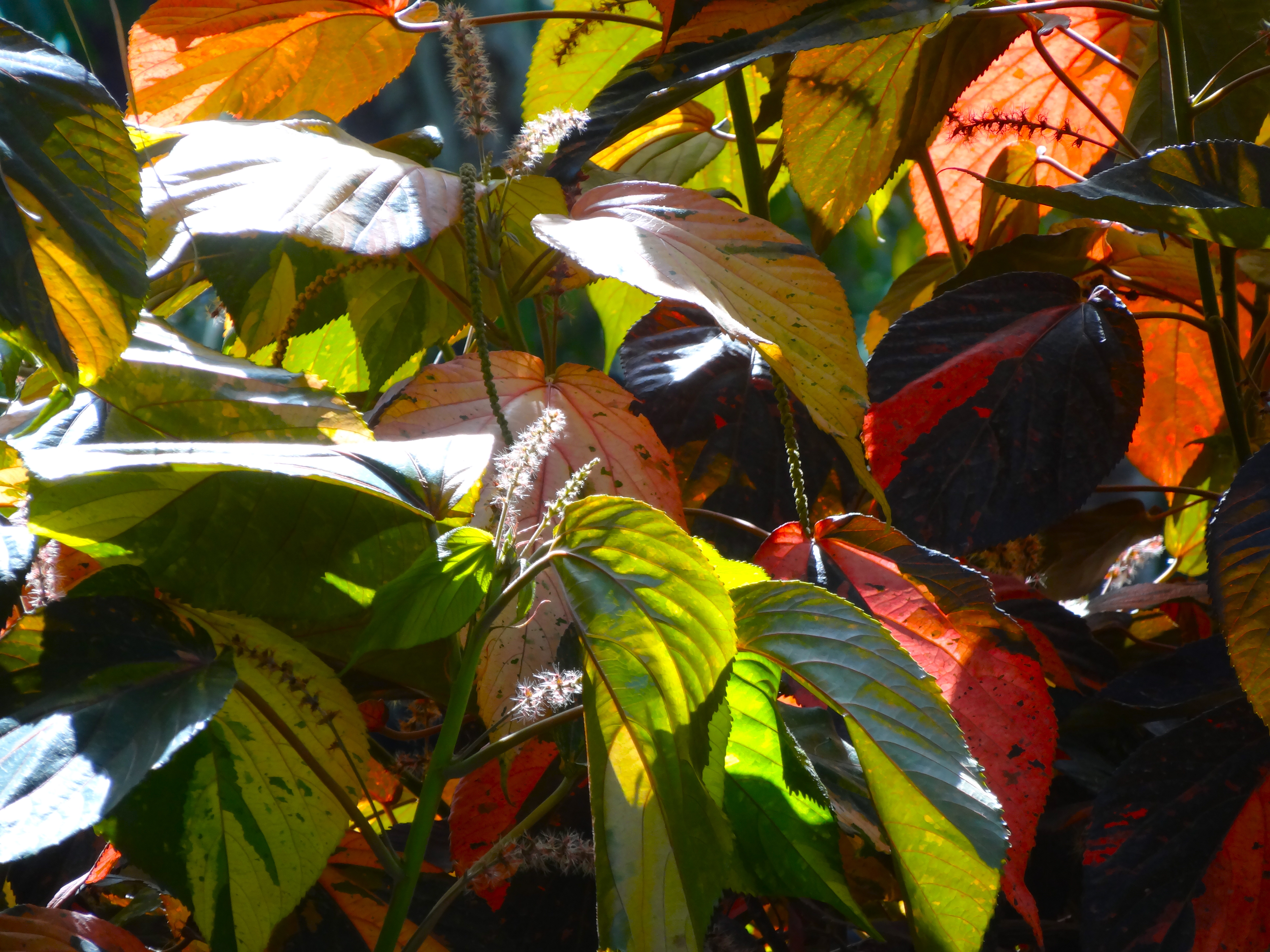
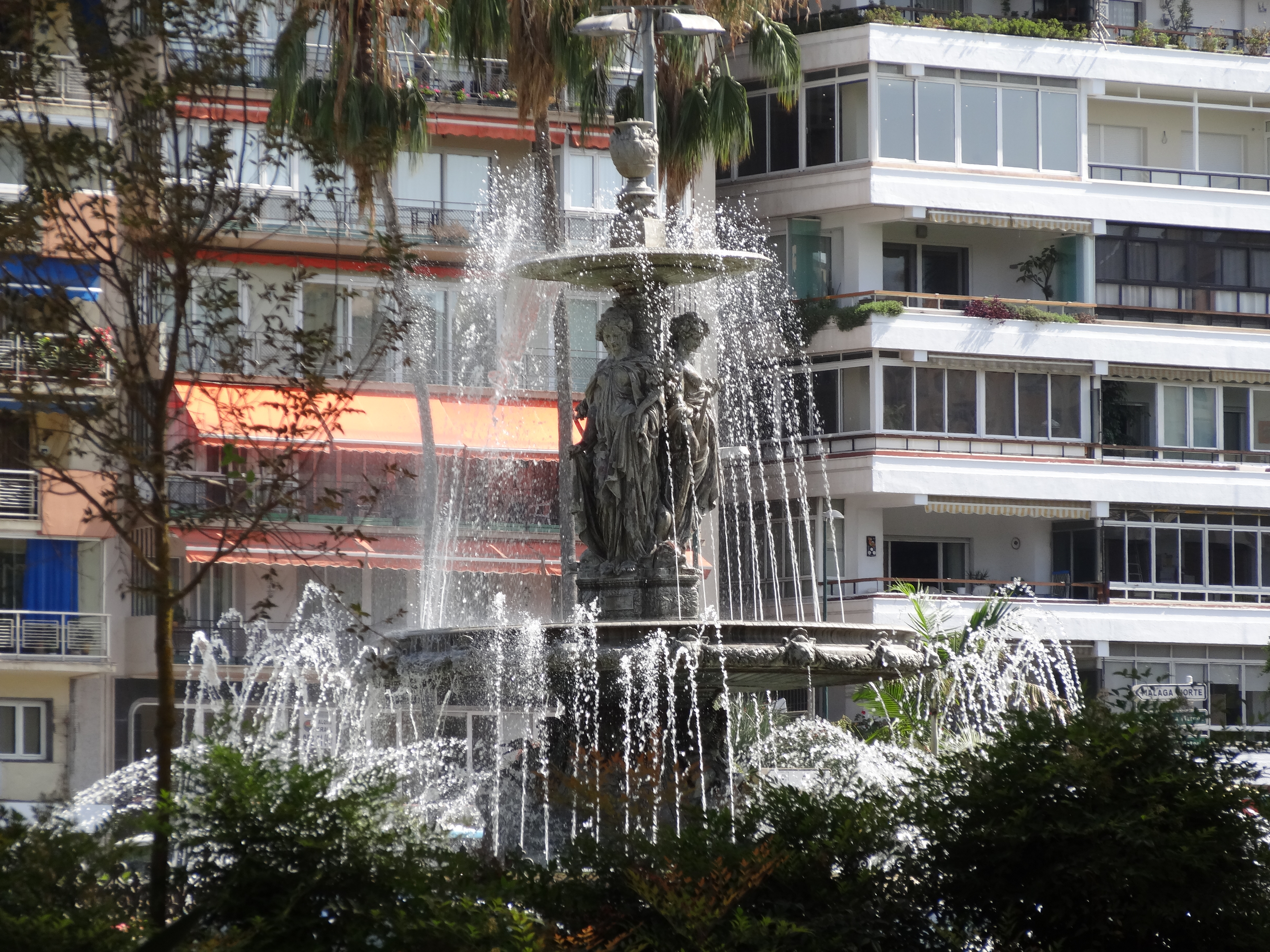
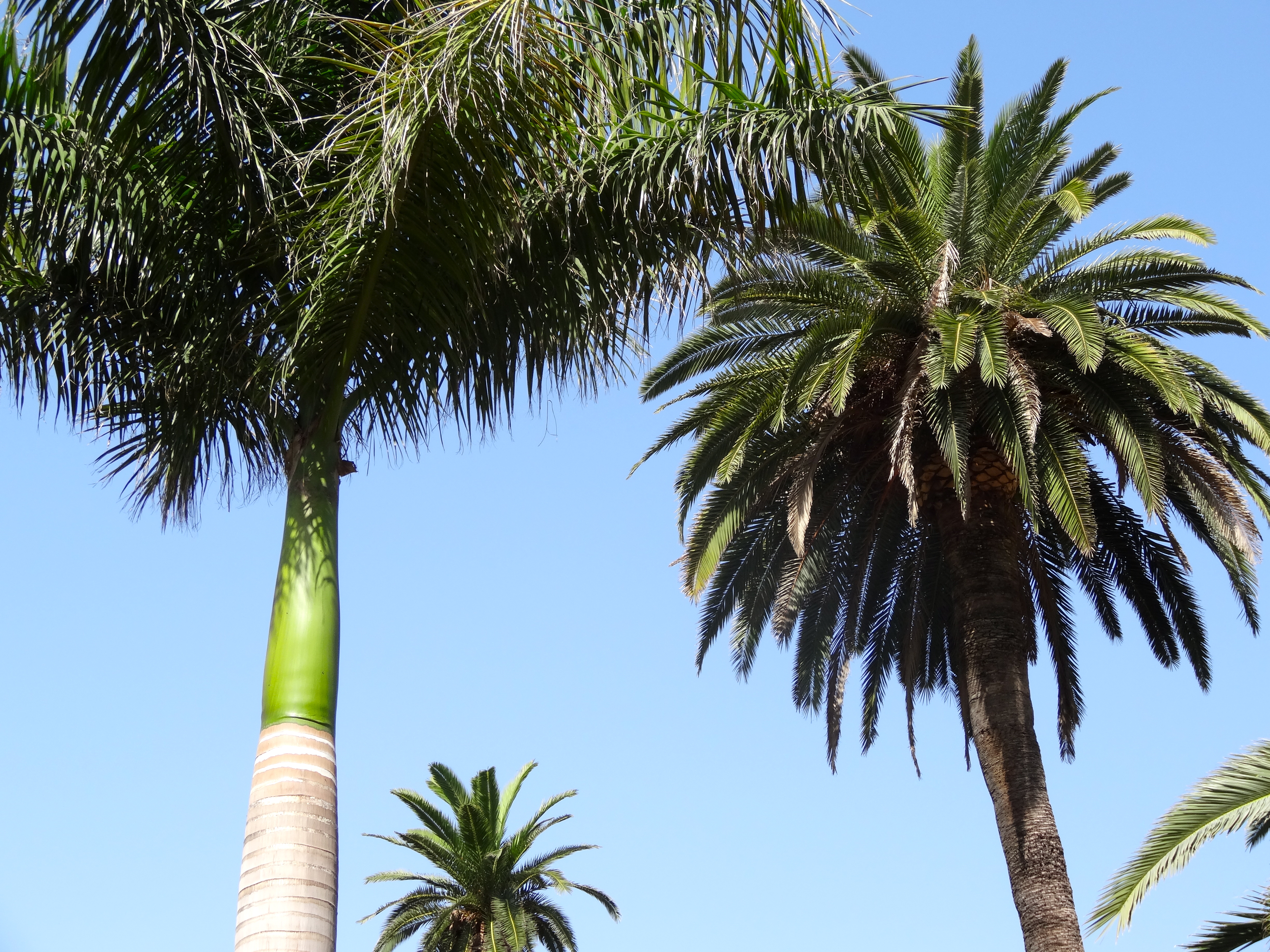
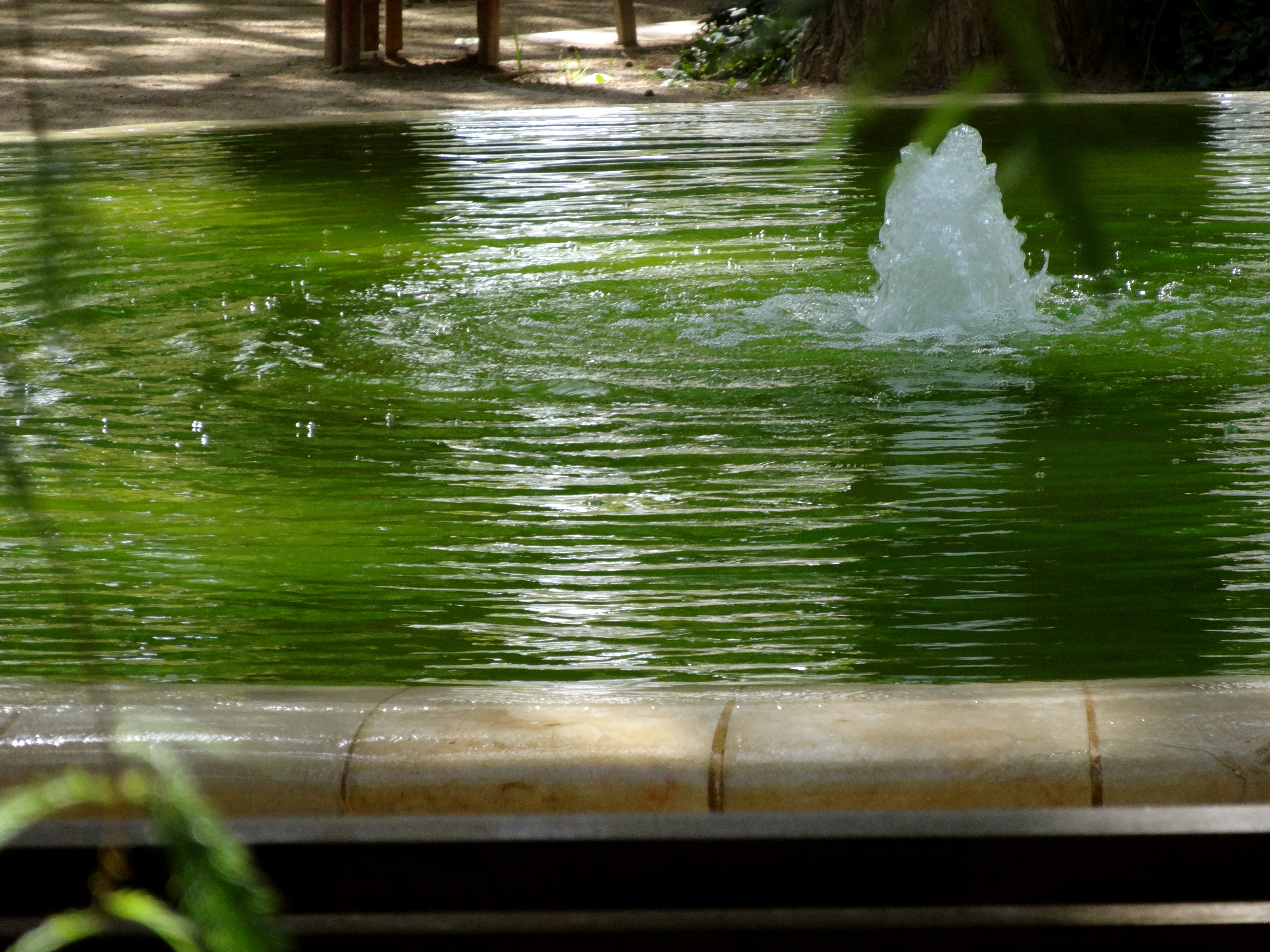
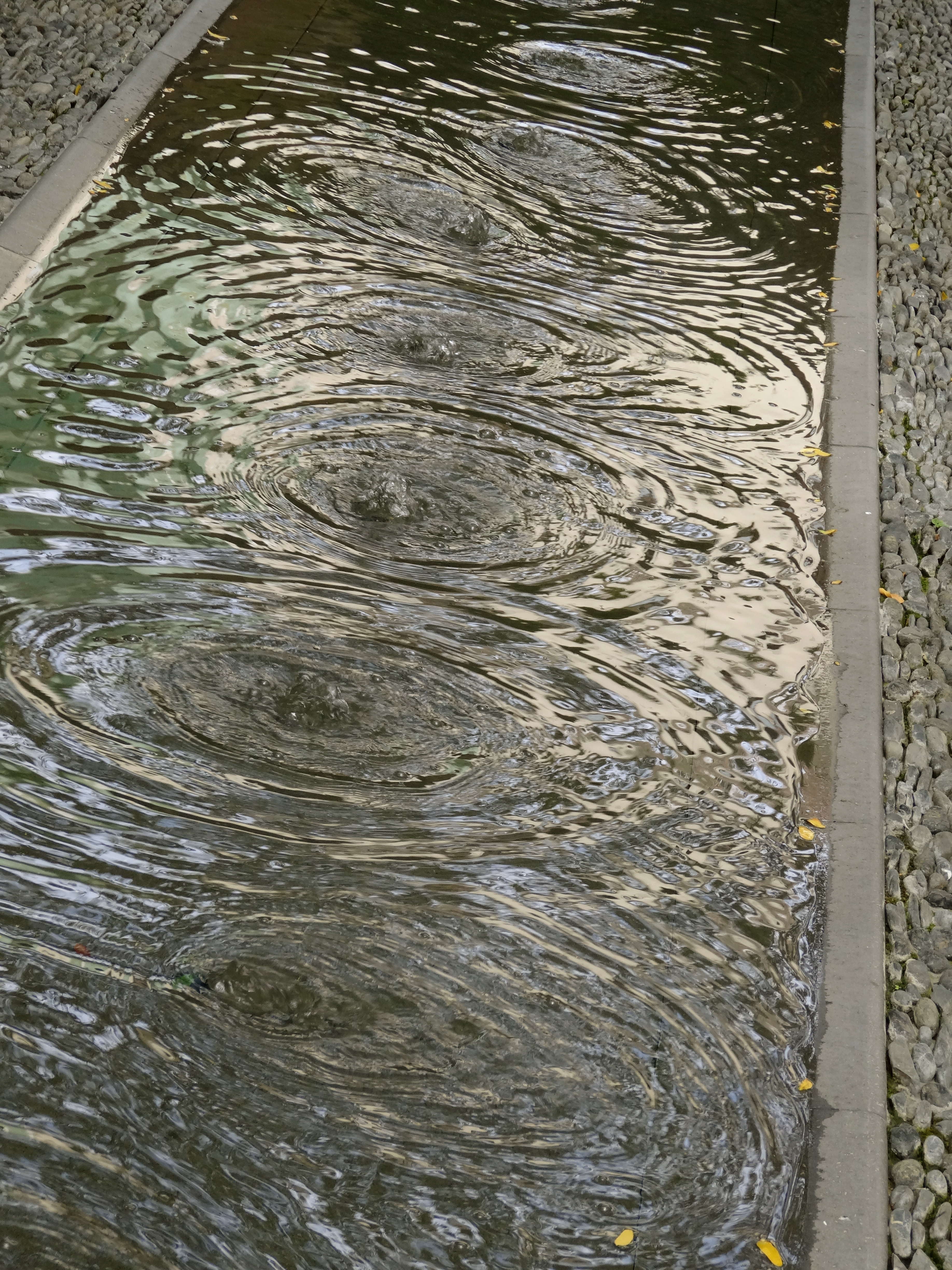
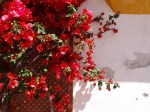
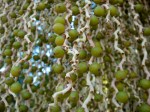
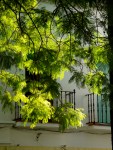
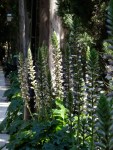
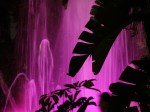
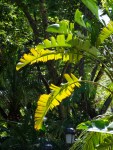
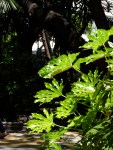
Yes, my thoughts could not help but stray to Rousseau, one of my favourite of all artists, as we strolled – my partner and I – through Málaga’s impressive centre at the start of our second day in the city, discovering there this inexhaustible cornucopia of botanical ravishment running alongside the port on one side, and the city’s main artery – the aptly named Paseo del Parque – on the other. So profuse in their scale and variety, palms and flowers, ferns and fronts burst from flower beds like an unplanned jungle paradise, with rich coloured leaves glowing red and pink and a vibrant lime green against the morning sunshine, while winding paths cutting through overhanging boughs and under a shelter of richly layered leafy canopy made for a walk which was both tranquil and invigorating.

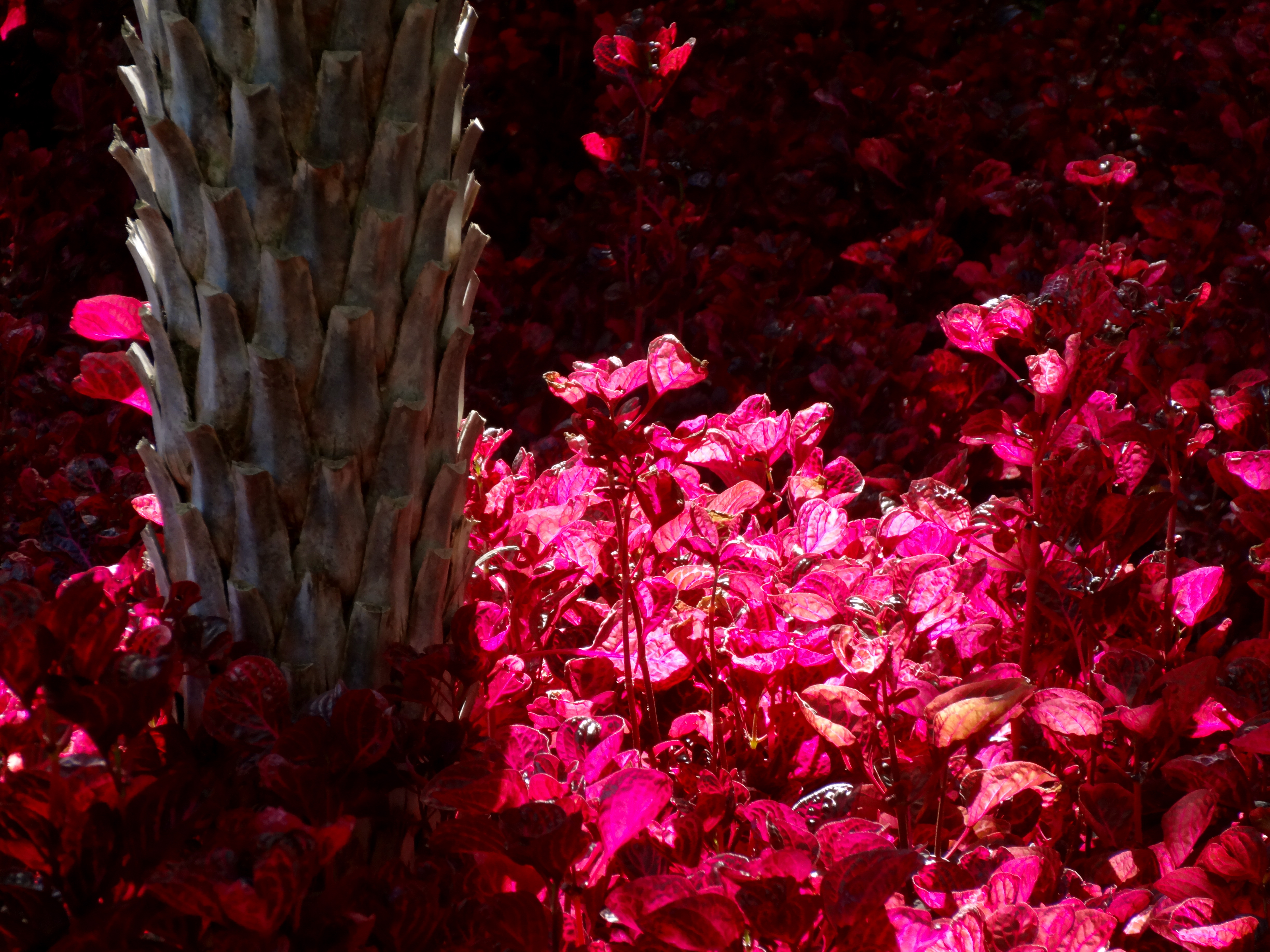
DSC06047 DSC06063 DSC06036 DSC06053 DSC06107 DSC06073 DSC06044 DSC06033 DSC06057 DSC06046 DSC06049

I could go on about that park all day, and I could show you so many more photos of the rich variety of plant life than I have featured on this page. Needless to say, the park – a free-to-access world of botanical discovery – is but one further feature which makes a visit to Málaga such a satisfying experience. For beyond the impressive galleries, the museums and the imposing cathedral lies a city whose natural landscape benefits from a glittering coastline, a wide sandy beach and a flashy new marina, as well as a backdrop of undulating mountains and a city centre bursting with plant life. And beyond the greenery, a city of elegant narrow winding streets and broad boulevards lined with shiny marble pavements has developed, with large squares and shops, cafes and restaurants to rival any of Spain’s more prominent cities.

DSC06100 DSC06088 DSC06110 DSC06077 DSC06104 DSC06076DSC06097

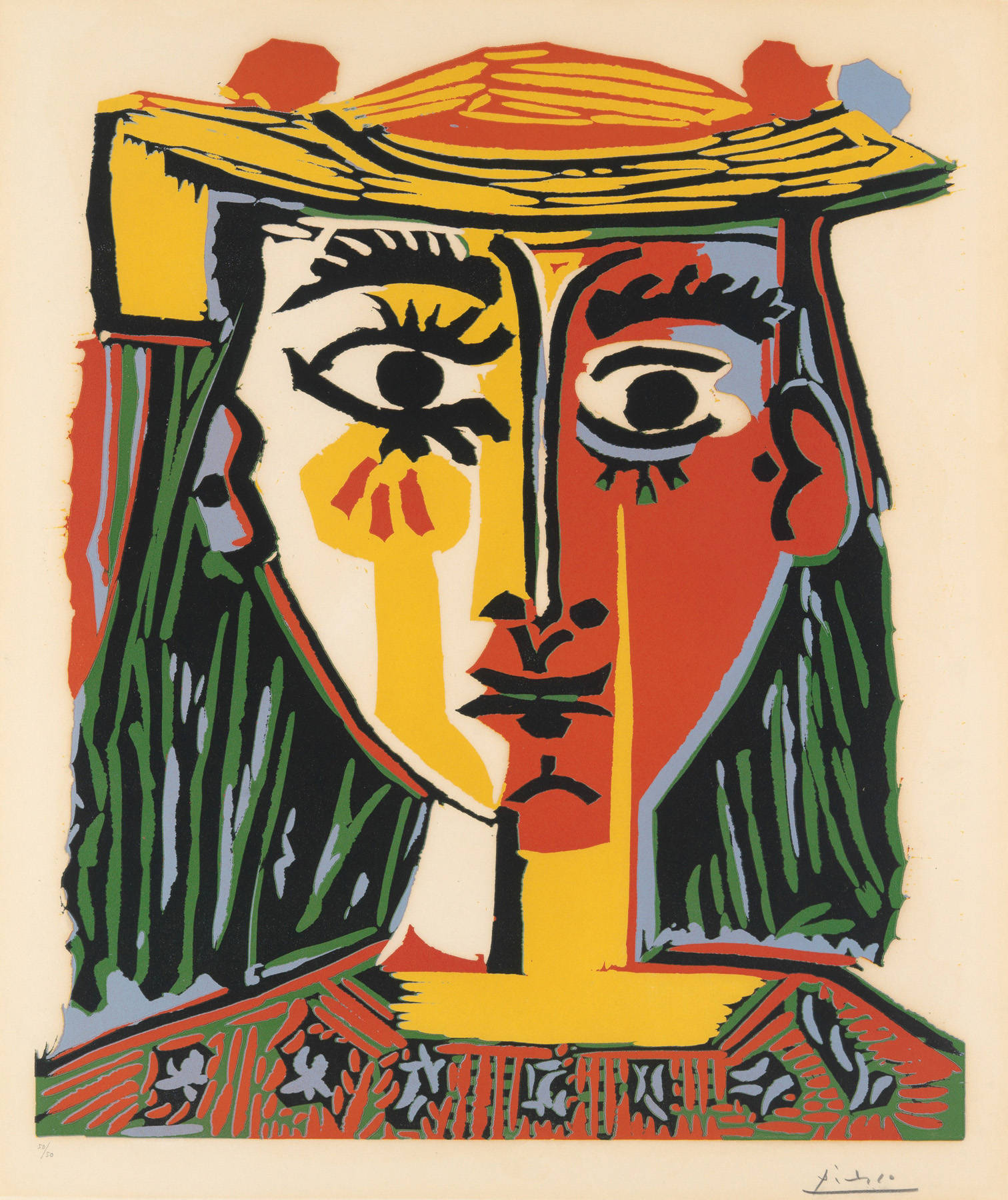
But there’s no denying that for all the history, the seaside location and the jungle which so entranced me, Málaga is perhaps best known for being the birthplace of perhaps the most famous artist of all times – the breaker of faces, father of cubism and all round genius Pablo Picasso. And unsurprisingly, the city’s superb Museo Picasso Málaga remains the number one attraction of the city. Located a mere block away from the cathedral, the museum is located in a former palace which has been so sympathetically but innovatively modernised to house the museum that I love visiting just to see the building alone. With its all white walls, preserved moorish ceilings, and groups of precisely aligned red geraniums all housed in black ceramic pots, it is the height of architectural chic, and the perfect backdrop to Picasso’s multi-coloured works.

The chic gardens of the Museo Picasso Málaga
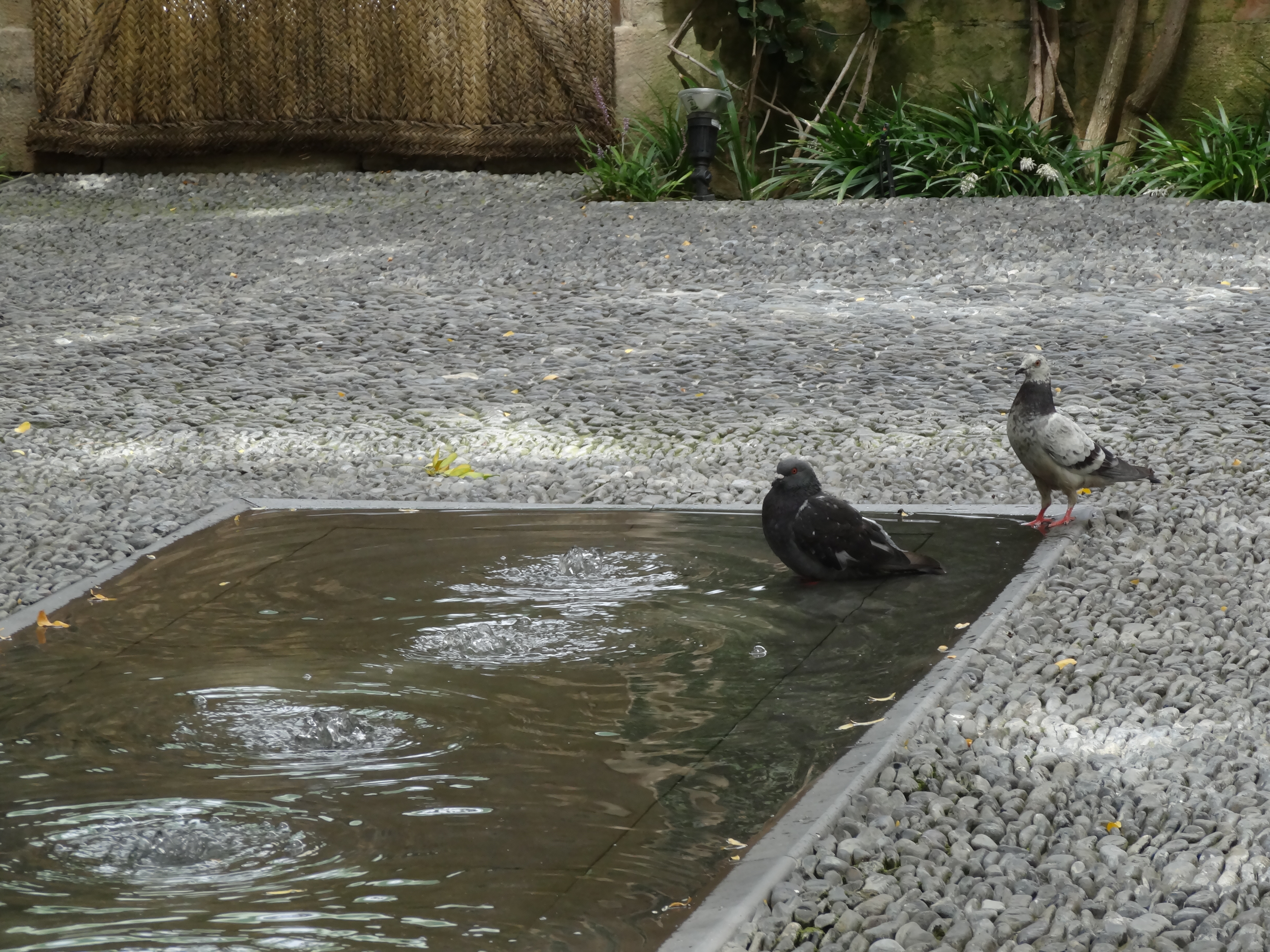
DSC06149 DSC06142 DSC06158 DSC06143

Although I must have been to the museum at least 3 times before, I could not resist returning on this trip to Málaga, not only to indulge in the beauty of the museum’s surrounds, but also to enjoy the temporary shows which have been organised in celebration of the museum’s 10th anniversary. The first was an exhibition dedicated to Picasso’s depiction of family – a show which proved to be comprehensive in scale and offered an expansive view across the whole of Picasso’s career, as his depictions of family and friends remained a consistently prominent theme running throughout his art, but one which became subjected to his ever changing styles, from fine art figuration, to cubism, from blue period to pink, and finally to the fragmented faces and naive representation for which Picasso is now most famous.

media-fotos-Maternidad sobre fondo blanco ampliada 20120819picasso-60 picasso-met-2010-32

The second temporary exhibition had very little to do with Picasso at all – rather concentrating on the actor come photographer come artist come director Dennis Hopper, who made for a superbly curated, dynamic show which explored not just the persona of Hopper but also the time in which he lived through photographs of 60s America, through his association with revolutionary artists such as Andy Warhol and David Hockney, and through his collection and contribution to the pop art movement. A brilliant show and demonstration that the Picasso museum is not just a one-trick pony, but an important contributor to Málaga’s dynamic cultural landscape.

Dennis Hopper by Andy Warhol

Dennis Hopper by Andy Warhol

But what with the culture, the ever beckoning elegant streets, the vast parks and the long seaside paseos, the Picasso Museum pretty much marked the end of the road for us, as our feet throbbed and our energies became exhausted in the hot August heat. For only 40 minutes away by bus, Marbella again awaited, amid promises of lazy beach days, of mint tea in the garden under the perfumed jasmine tree, of painting in the afternoons and long seaside coffees in the morning, and of a little old town house which, for its proximity to the stunning city of Málaga alone, I feel very lucky to call home.

Málaga | Part 1 – Capital of Culture

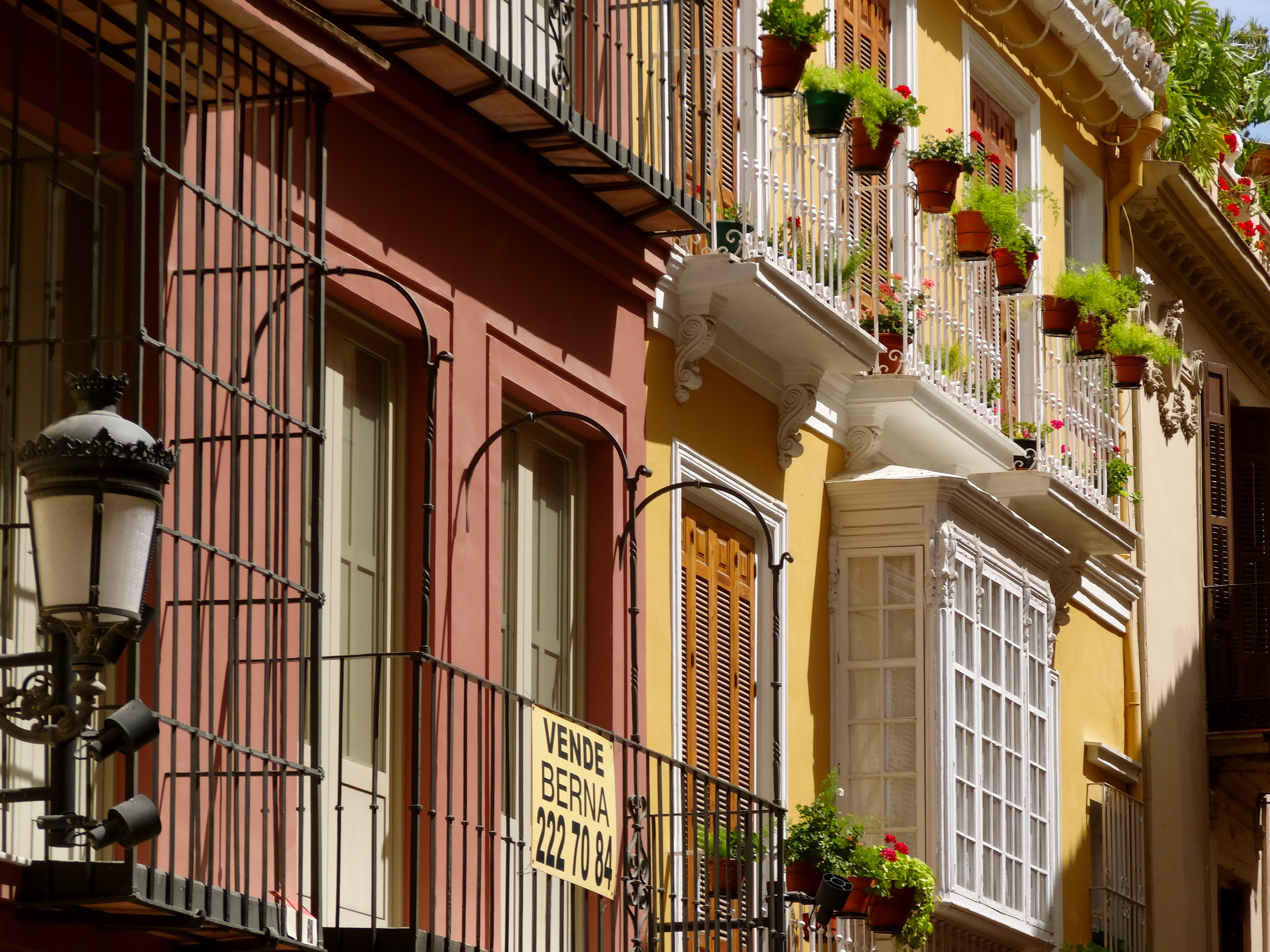
Whether it’s because the city was recently working towards a bid for European Capital of Culture (which disappointingly, was won instead by San Sebastian in Spain’s North – not entirely sure why), or just because it was sick of being forever overshadowed by the glitz and glamour of Marbella to the West, and the popularity of tourist spots such as Nerja and Granada to the East, Málaga – the 6th biggest city in Spain and the most southern large city in Europe – has certainly upped its game of late. Following on from the introduction of the phenomenal Picasso museum a decade ago (Málaga is the artist’s birth-town), the city has gone on leaps and bounds to develop its cultural and leisure landscape, making it easily one of the most enriching and enjoyable places to visit in Southern Spain.

Asides from the Picasso Museum and a host of other novel museums dedicated to the likes of Flamenco, bull fighting and Semana Santa, Málaga also boasts two major archaeological treasures – the Moorish Alcazaba, whose walls crown one of the prominent hills encircling the city, and an excavated Roman Theatre. Its wide sandy beach is now accompanied by a brand new leisure port, following a huge reconstruction of the area in which an industrial marina has been transformed into a glitzy promenade boasting glass fronted boutiques and restaurants and a palm-lined avenue. And as for its art scene – well it’s alive and kicking, with the CAC Contemporary Art Museum showing some of the most prominent artists of the contemporary art world, and the latest and most exciting addition of all: the new Carmen Thyssen museum, an outpost of the world-famous Thyssen-Bornemisza Museum which is one of the “big three” art galleries (together with the Prado and the Reina Sofia) drawing art lovers in their millions to Madrid.
The elegant streets of Málaga

DSC06190 DSC05825 DSC05832 DSC06137 DSC06130

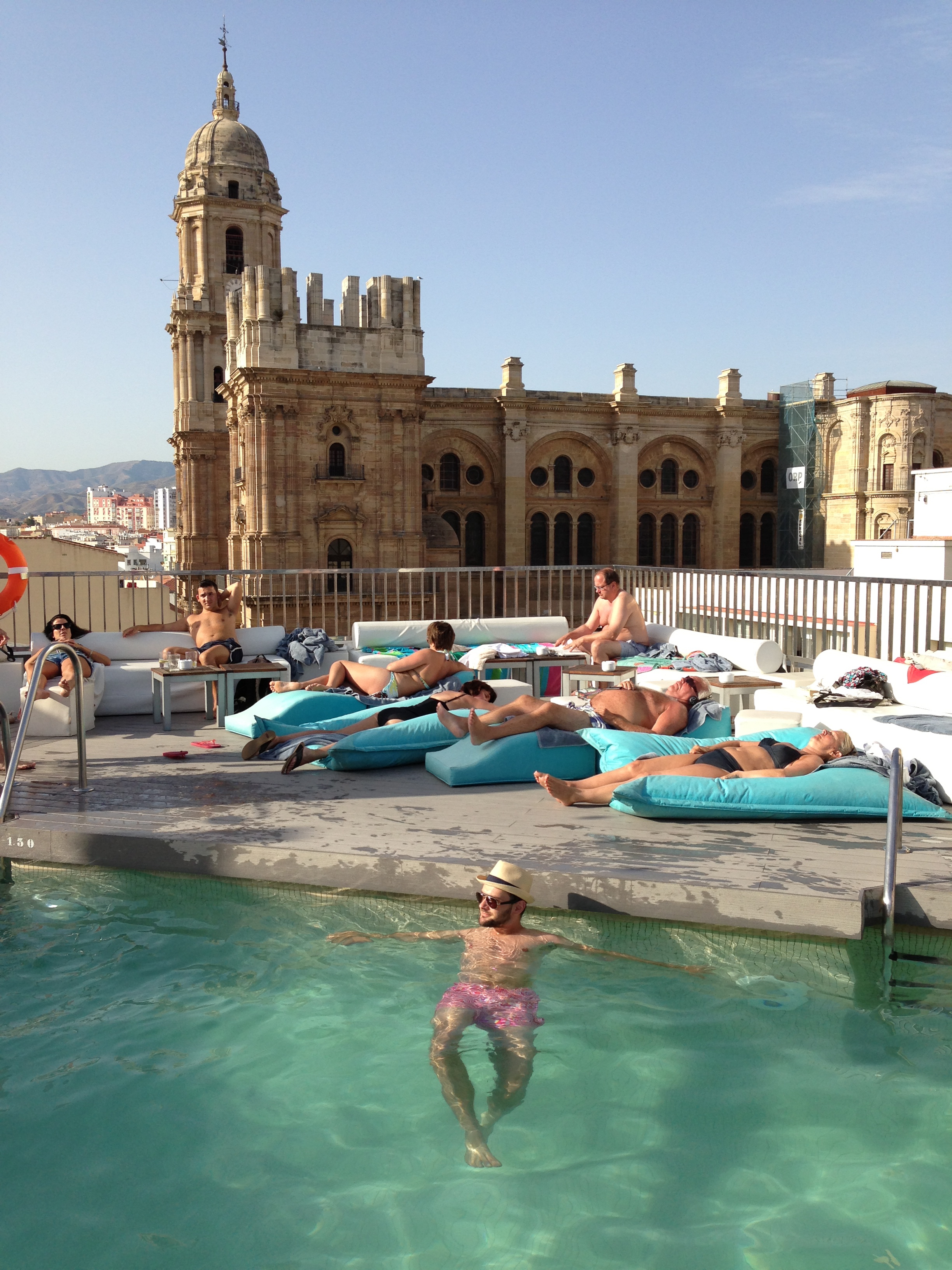
Having learnt that the Carmen Thyssen museum had now opened (it actually opened in 2011, but I was a bit slow in picking up on this), my partner and I were quick to arrange ourselves a little trip from Marbella to Málaga, leaving behind the beaches for a short immersion within Málaga’s cultural offerings. But what with the opening of the new port, and the attraction of Málaga’s elegant Modernista streets beckoning, we felt it only reasonable to turn our initial plans of a day trip into a one-night stay. And so it was that our trip to the city was enriched by the silky lining that only the comfort of a night in a splendid hotel can offer, comfort which comes no more so that at the hands of the Molina Lario Hotel which we made our home for the night, a newish hotel based in a hybrid renovation of modernist palace and brand new building, and which boasts a stunning rooftop pool with unbeatable views over Málaga’s “one-armed lady”: the Cathedral whose second bell tower was never finished owing to a lack of funds, and which today is the most famous icon of the city.

Now how about this for a pool with a view…

IMG_3705 DSC05953 DSC05890 DSC05956

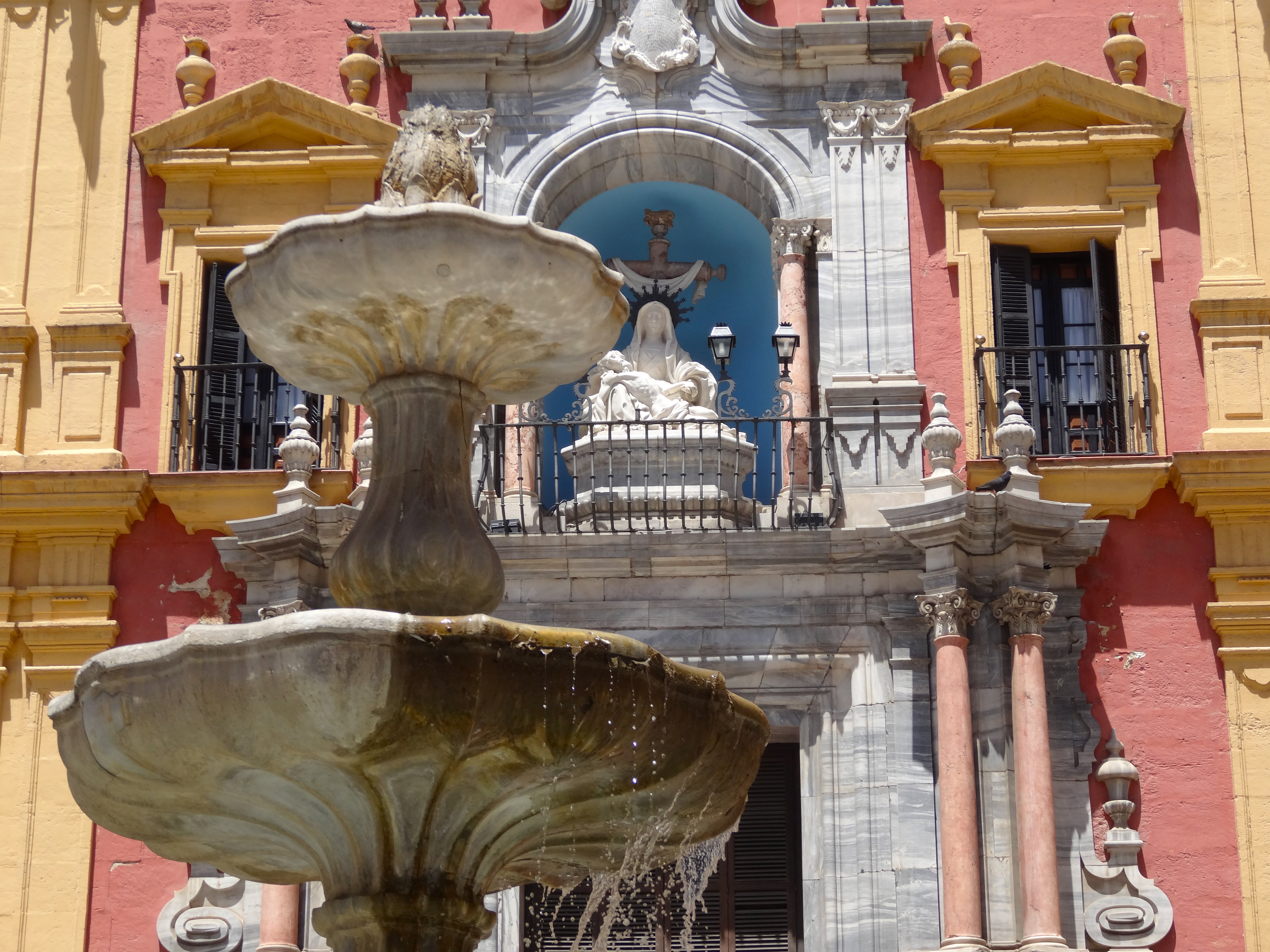
As the photos above will more than demonstrate, we certainly made the most of all that the hotel had to offer, and sipping wine on the pool side terrace overlooking a vast panorama of the city in the dying light of the day has to have been one of my highlights of the whole Spanish holiday. But what about that museum? Well once we had managed to pull ourselves away from the plentiful distractions which our hotel provided, we headed straight for the Thyssen, our passage being interrupted only once or twice by the pull of the beautiful Plaza del Obispo, whose iconic red and yellow Episcopal Palace and its viewpoint straight onto the façade of Málaga’s imposing Cathedral made a stop in the idyllic square for a glass of something ice cold and thirst quenching a practical prerequisite. But thanks to the Thyssen’s superb location, just west of the main Plaza de la Constitucion, we soon made it to this impressive new museum, whose architecture, based around the old Palacio de Vaillalon but benefiting from innovative new extensions is, in itself something to be admired before the collection is even surveyed.

The Plaza del Obispo

IMG_3653 DSC05758 DSC05757 DSC05766 DSC05853 DSC05762 IMG_3840

…and the Carmen Thyssen Museum

DSC05788 DSC05793 DSC05803 DSC05805

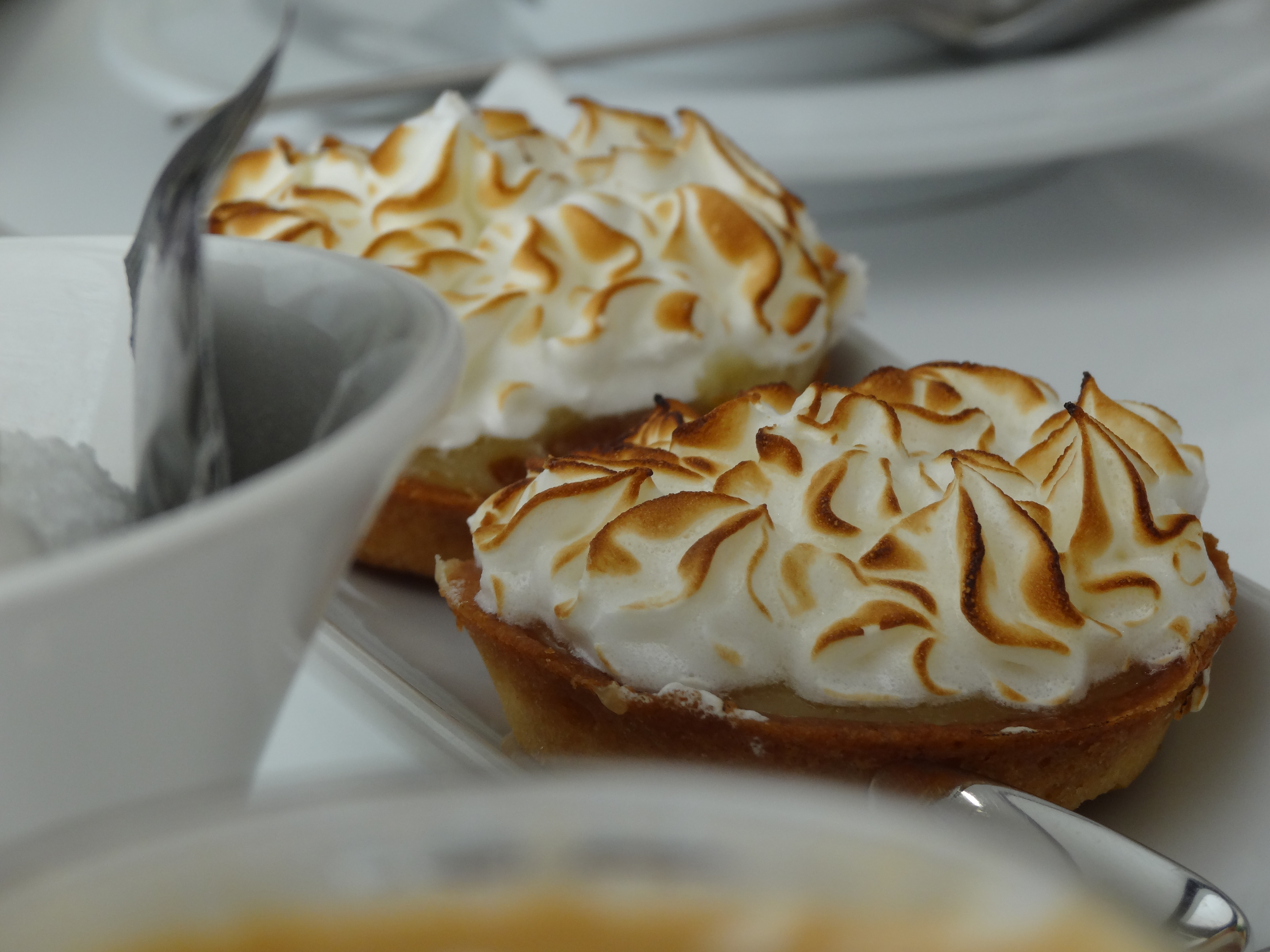
Having entered through the museum’s sun drenched traditional courtyard, and helped ourselves to a small cortado coffee and a miniature lemon meringue pie in the café, we slowly made our way around the museum’s four floors of Andalucía-based art, largely emanating from the 19th century. I have often heard this period of Spanish art, between the golden age greats of Velazquez and El Greco, the traumatic masterpieces of Goya, and the 20th century brilliance of Picasso and Dali, to be dismissed as insipid; even boring. But for those who love the rich history-rich culture of Southern Spain, this collection is a treat. From street scenes showing the Easter Semana Santa parades in all their lavish details, and almost impressionistic depictions of the Spanish coast, to stunningly detailed paintings of traditional Andaluz patios, and crowds bursting into local bull rings, there really is something for everyone in this perfectly located collection which really does beat to the rhythm of Andalucía’s heart.

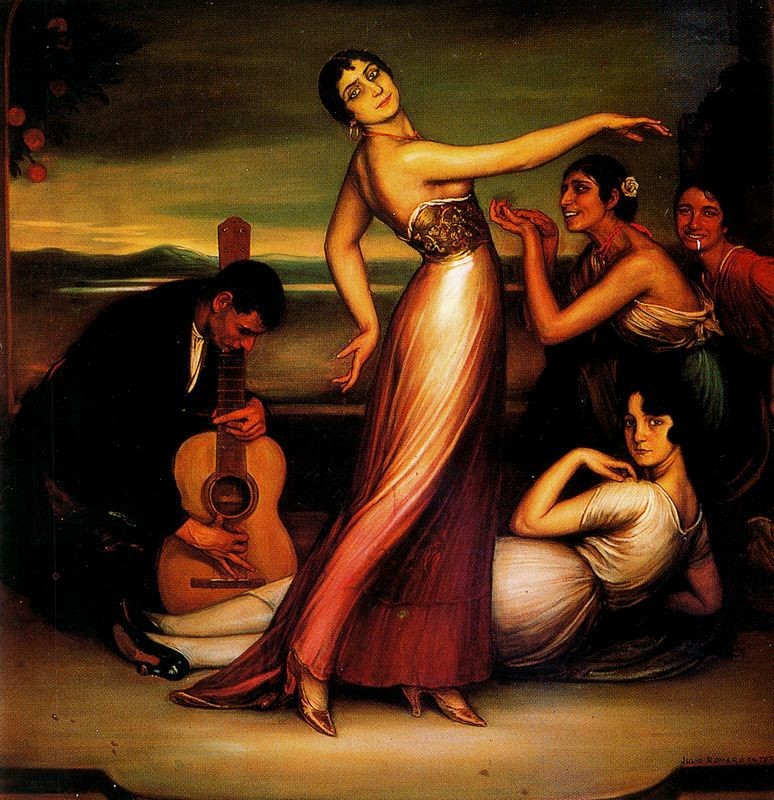
Our visit also coincided with a temporary exhibition of Cordoba based Julio Romero de Torres (1874-1930), a master of  Andalucían symbolism, with an oeuvre associated with popular and folk trends, interspersed with the wide-eyed females who languish so prominently and poetically across his canvases against strangely surreal, often looming skies.

A selection of Romero de Torres’ work

La_Buenaventura_by_Julio_Romero_de_Torres Julio_Romero_de_Torres_-_Venus_of_Poetry_-_Google_Art_Project Alegrías_by_Julio_Romero_de_Torres

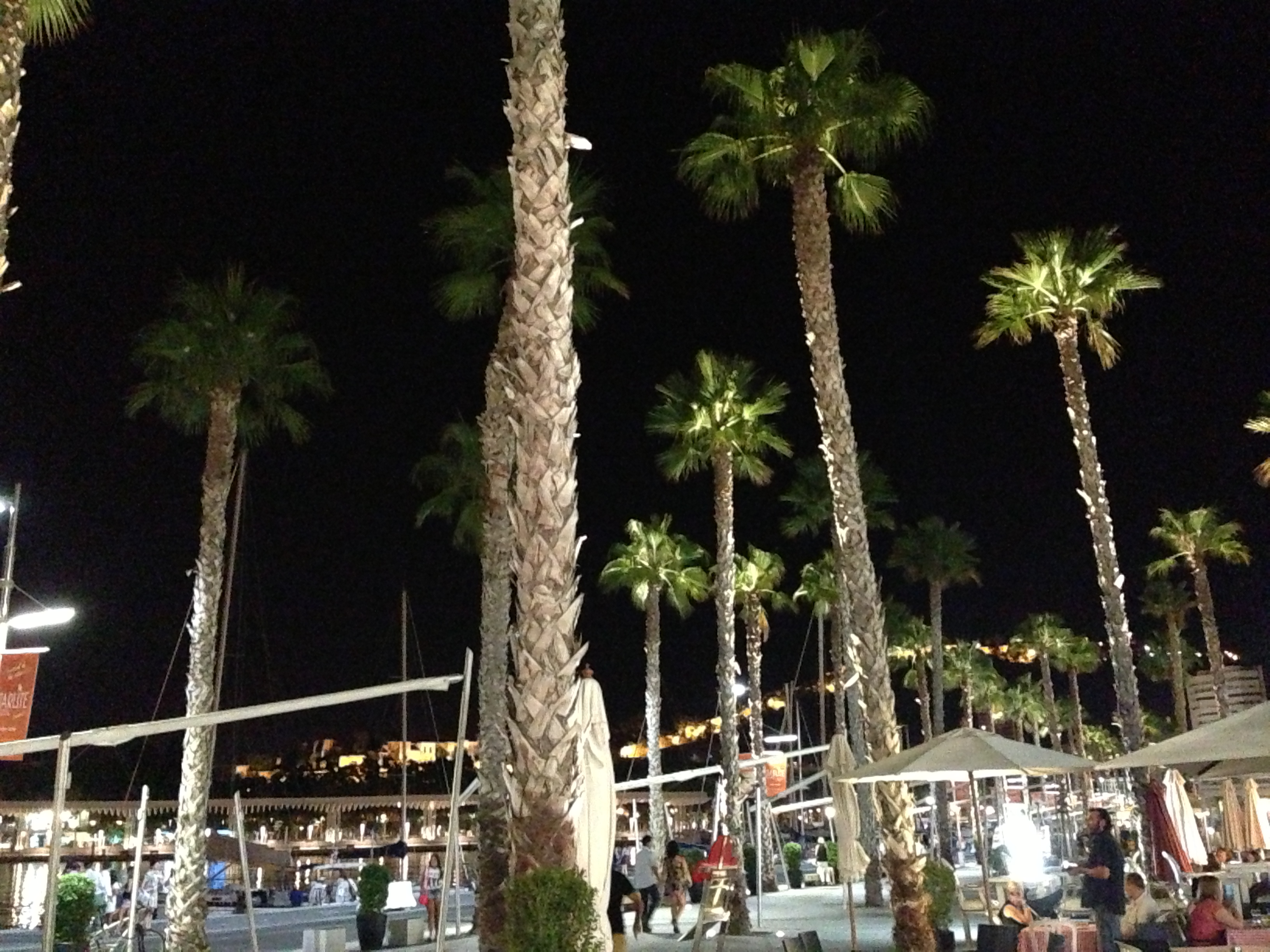
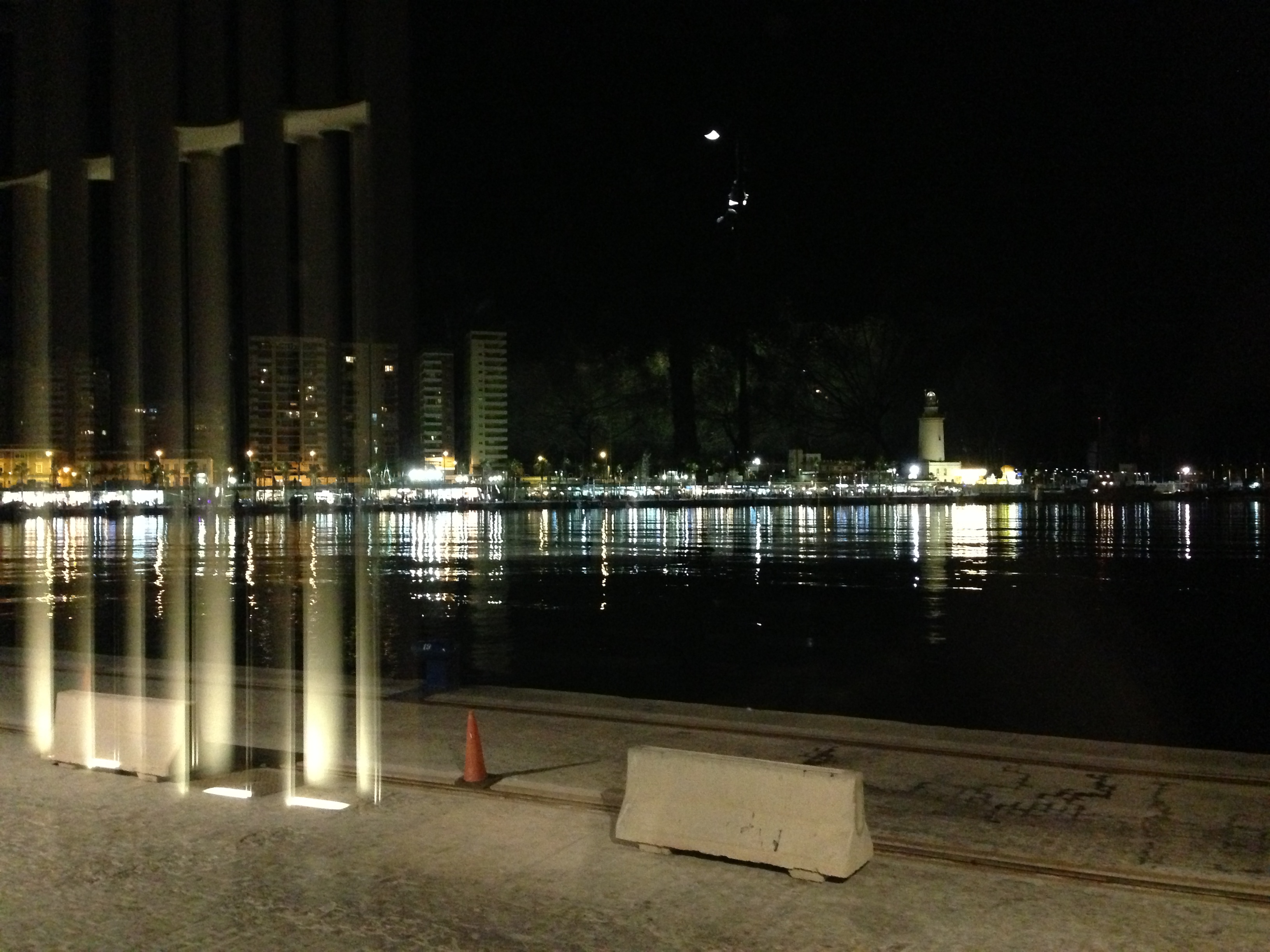
Back at the hotel, our feet pulsating after an afternoon exploring both the Thyssen and the elegant streets and Plazas surrounding it, all that remained was to enjoy that incredible view from the comfort of our hotel’s rooftop swimming pool, and later to dine in the city’s bustling tapas-bar lined streets, with a stroll along the glittering new port before bed. The perfect end to a day as rich as Málaga is abundant – in culture, in architecture, in beauty, and in progress: No longer just the gateway to the Costa del Sol, Málaga has surely earned its place as one of Spain’s must-visit cultural centres.

Málaga’s glittering new port

IMG_3746IMG_3740 IMG_3764 IMG_3760

Details of the Carmen Thyssen Museum, including temporary exhibitions and future shows can be found here.

Marbella Twenty-Thirteen | Life’s a Beach

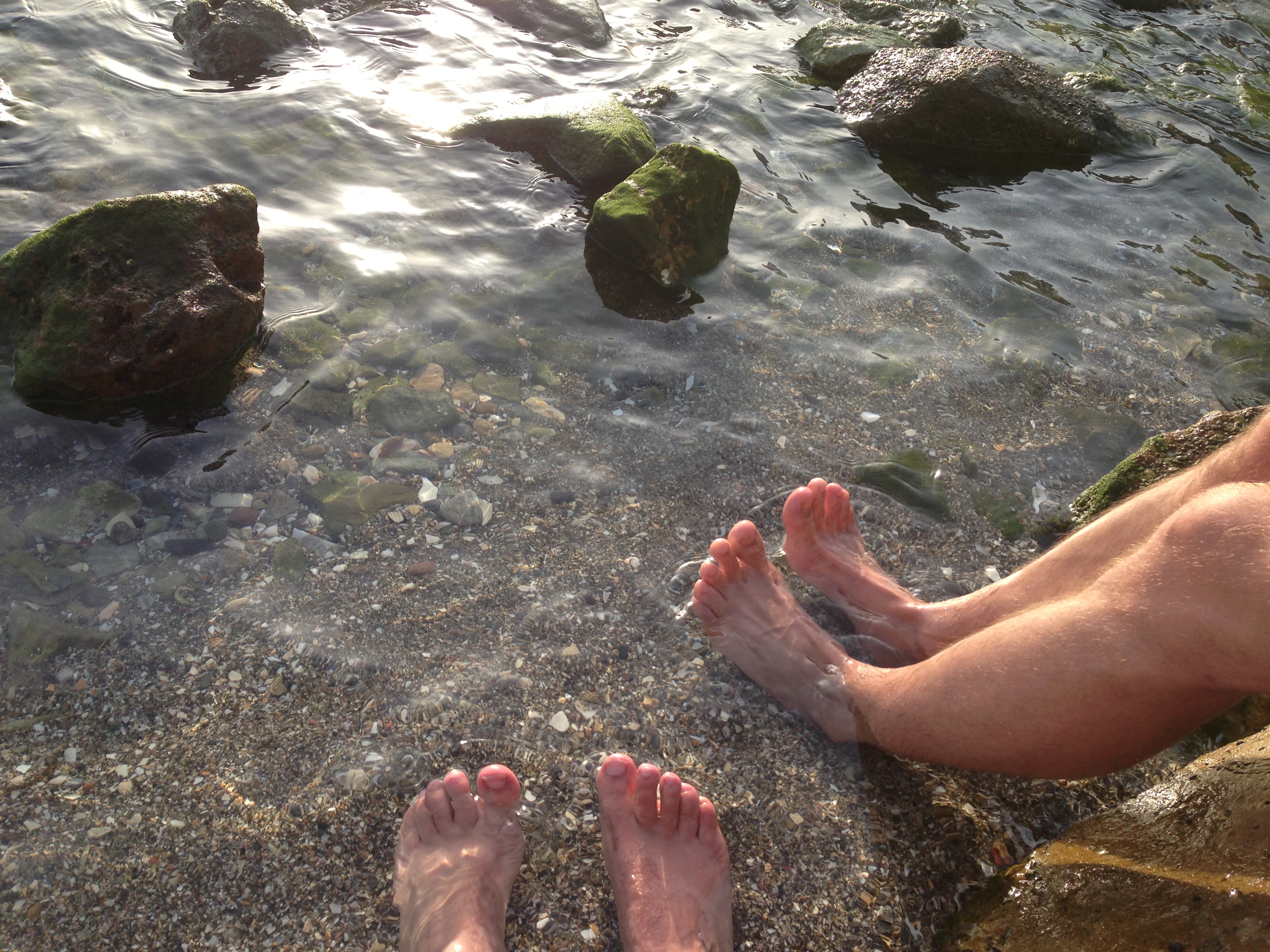
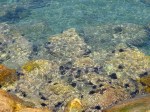
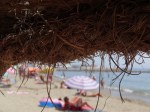
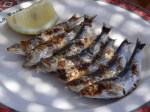
My second selection of photographs from my two week rendezvous in Spain’s Marbella is, for a town named after the beautiful sea which laps up along its sandy shores, rather appropriately collected around a beach theme. For without long days languishing along the plentiful sandy stretches, dipping in and out of the warm Mediterranean sea, and breathing in the mixed smells of sun tan cream, the salty sea breeze, and the acrid fishy smoke from barbequed sardines roasting upon one of the many beach chiringitos, a holiday in Marbella would lose its soul.

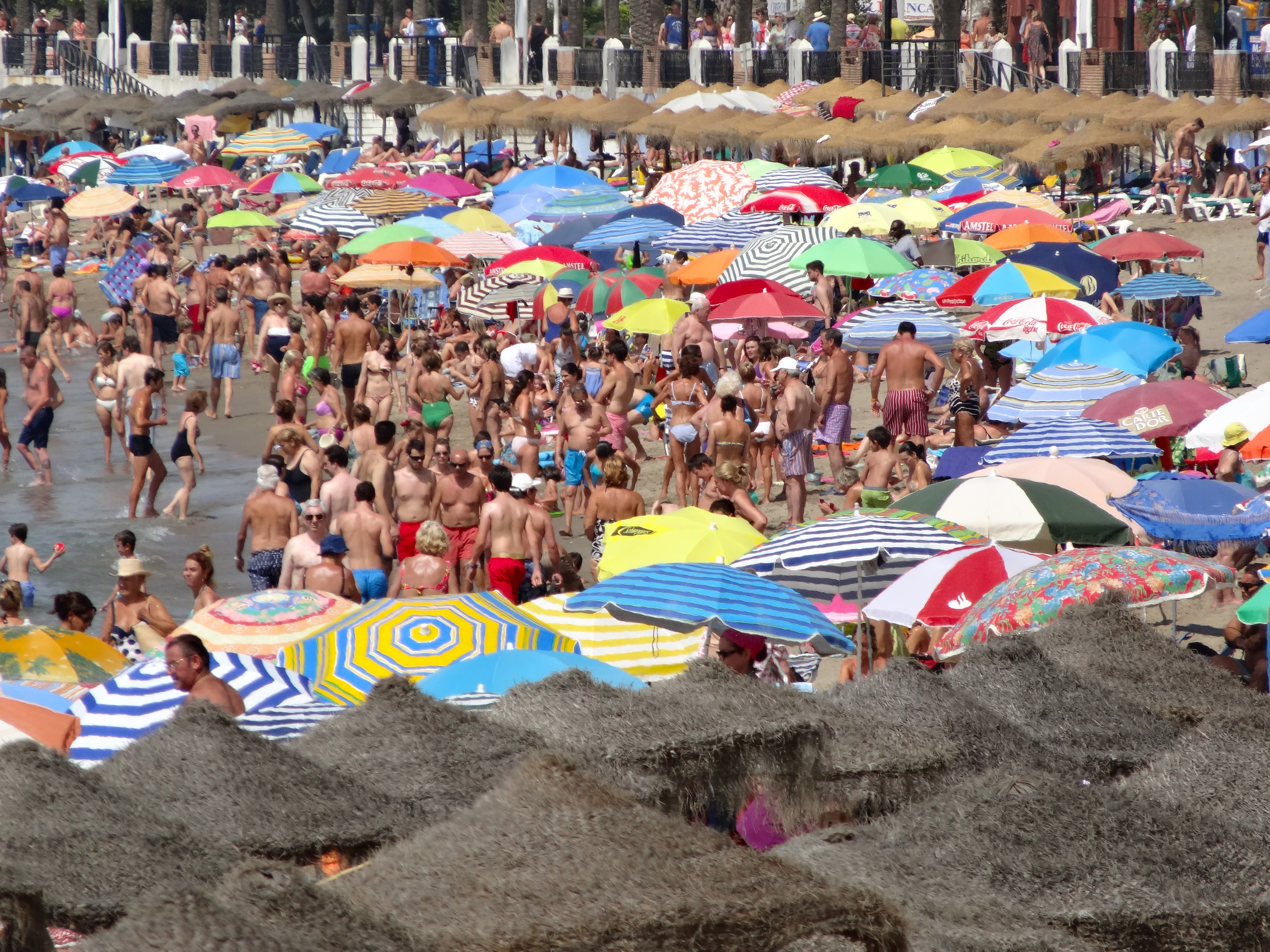
I didn’t take my camera to the beach nearly as much as we took ourselves along – after all, those pesky grains of sand tend to get everywhere, and a rogue sandy particle imbedding itself within the internal mechanisms of my camera is one holiday souvenir I can easily do without. However, those few occasions when my camera remained at my side were pretty active in the photography stakes. One feature of the beach which never failed to inspire me was the kaleidoscope of colours on offer.

DSC06453 DSC06298 IMG_4041

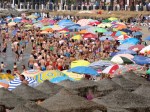
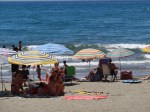
Under the bluest of blue skies, the sea took on a welcoming turquoise creaminess, while the sand glowed yellow and beige. Against that backdrop the hundreds of beach umbrellas brought along by the daily beach masses provided the finishing touches to what were an entire rainbow of vivid tones. One of my favourite photos just has to be the beach viewed from the paseo above, tanned crowds packing onto the sands and the swathe of multi-coloured umbrellas extending for as far as the eye can see – a vast snaking swirl of beach activity, and the very epitome of the Spanish summer season.

All photos and written content are strictly the copyright of Nicholas de Lacy-Brown © 2013 and The Daily Norm. All rights are reserved. Unauthorized use and/or duplication of the material, whether written work, photography or artwork, included within The Daily Norm without express and written permission from The Daily Norm’s author and/or owner is strictly prohibited. 

Marbella Twenty-Thirteen | Double-Starred Calima for the Big 3-0

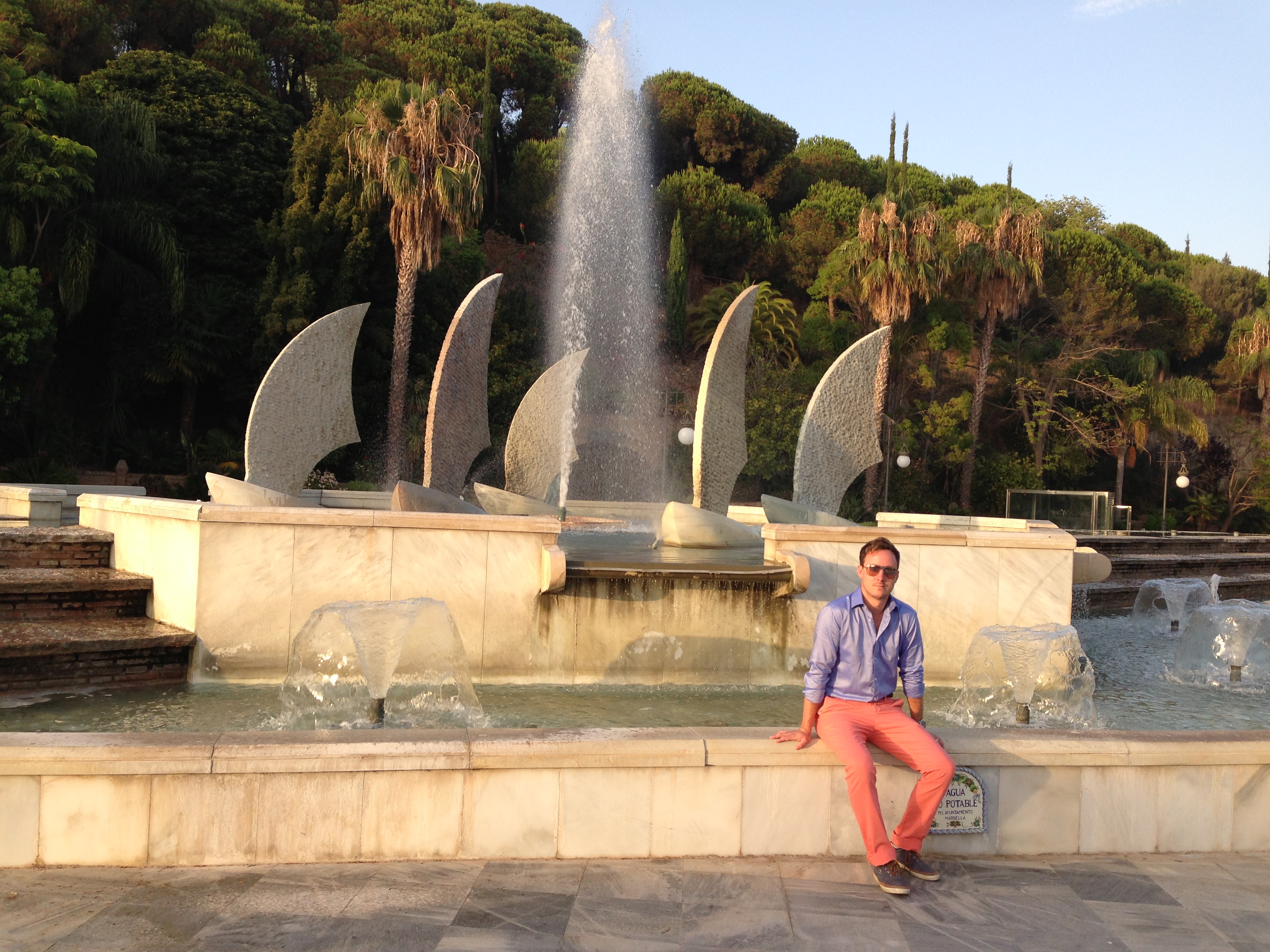
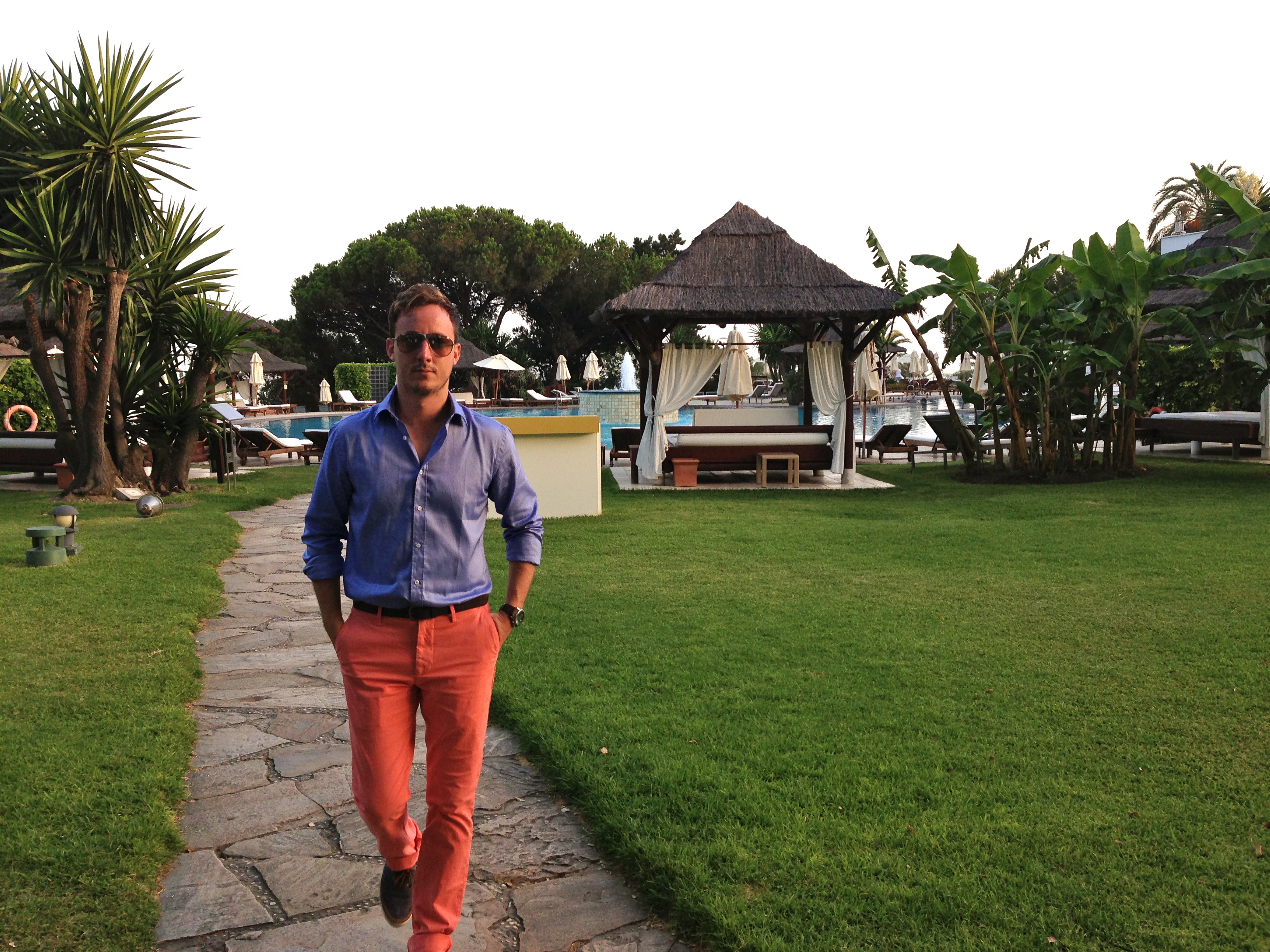
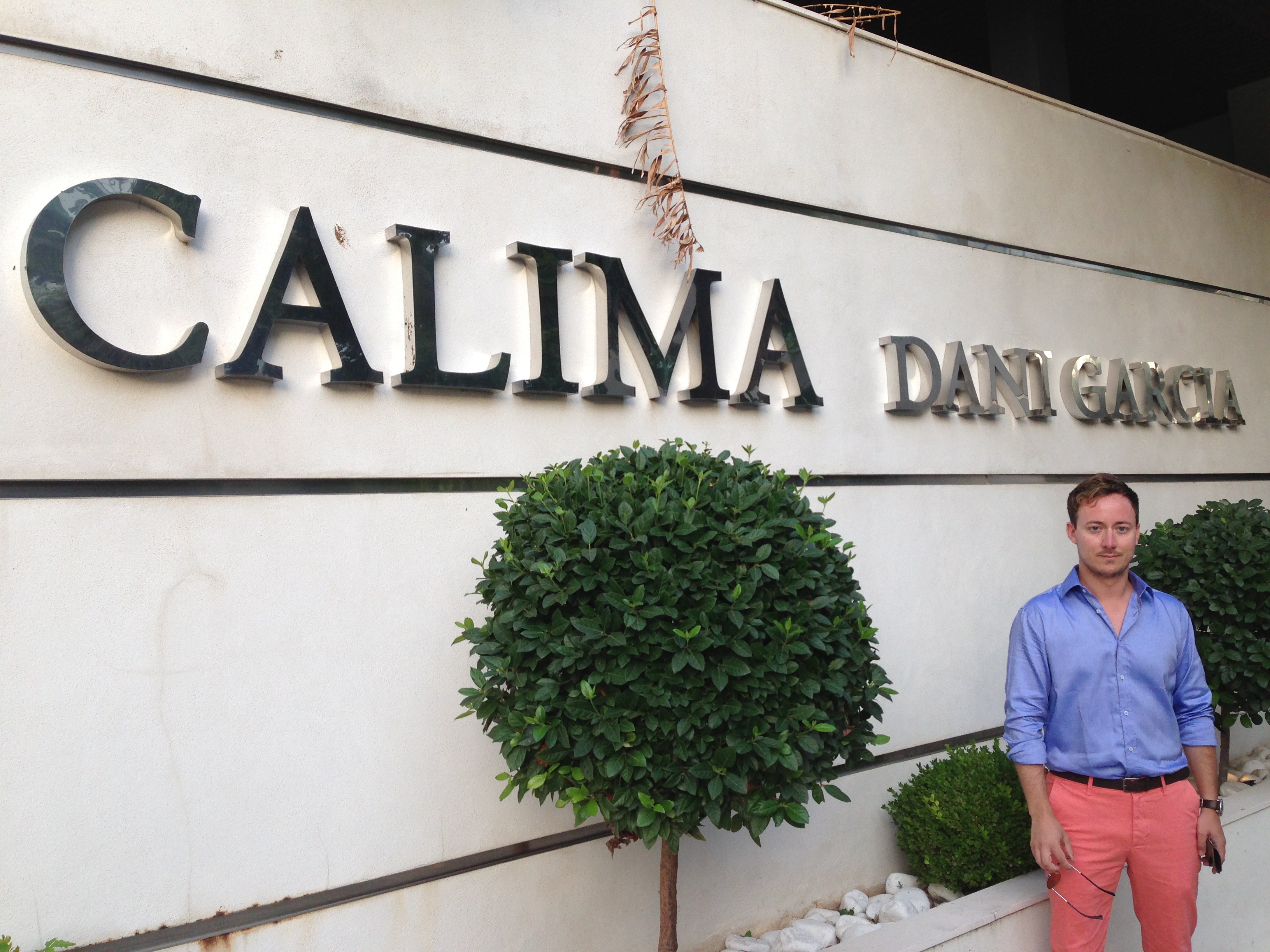
For a relatively small town sitting in the shadows of the larger cities of Malaga and Seville either side of it, Marbella has an astonishing number of restaurants to suit every taste, and of those a large proportion find themselves glowing at the higher end of the gastronomic echelons. Yet only one restaurant in the whole of Andalucia can boast the glittering accolade of two Michelin stars, and that sparkling temple to gastronomy is to be found tucked away in the pine-tree sheltered gardens of Marbella’s Gran Melia Don Pepe hotel, with its large open veranda facing straight onto the Mediterranean Sea. I am talking about Calima by Spanish extrovert chef Dani Garcia, a restaurant which many have called “Fat Duck by the Sea” in homage to Heston Blumenthal’s innovative cooking style, a testimony with which the judges at Michelin would surely agree. And having read rave reviews about the place in the UK press way back in the Spring, I knew that this glittering gem in Marbella’s foodie crown had to be sampled – and when better than on the evening of the biggest birthday in my life so far!

En route to Calima

IMG_3904 IMG_3913 IMG_3921

Working under the tag line “Cocina Contradicion” Dani Garcia promises to bring to the table cusine embracing multiple contrasts, while savouring traditional Andalucian flavours and exciting the senses. A quote on his website pretty much says it all:

“Into a tradition-based sauce, pour opposing and unique flavours, add a tablespoon of intense nuances, a pinch of talent and a sprig of innovation. Add a mixture of disconcerting textures and sprinkle with thrill.”

He promised food theatre, flavour sensation and gastronomic thrill, but would Dani Garcia’s cooking live up to the mark? Well as we sat down at our sumptuous table, one of only four enjoying the stunning Mediterranean view (that’s what booking 3 months in advance gets you!) and saw the 22 course tasting menu with its €139 price tag, we certainly hoped that we were in for a treat. And, on the whole, we were not disappointed.

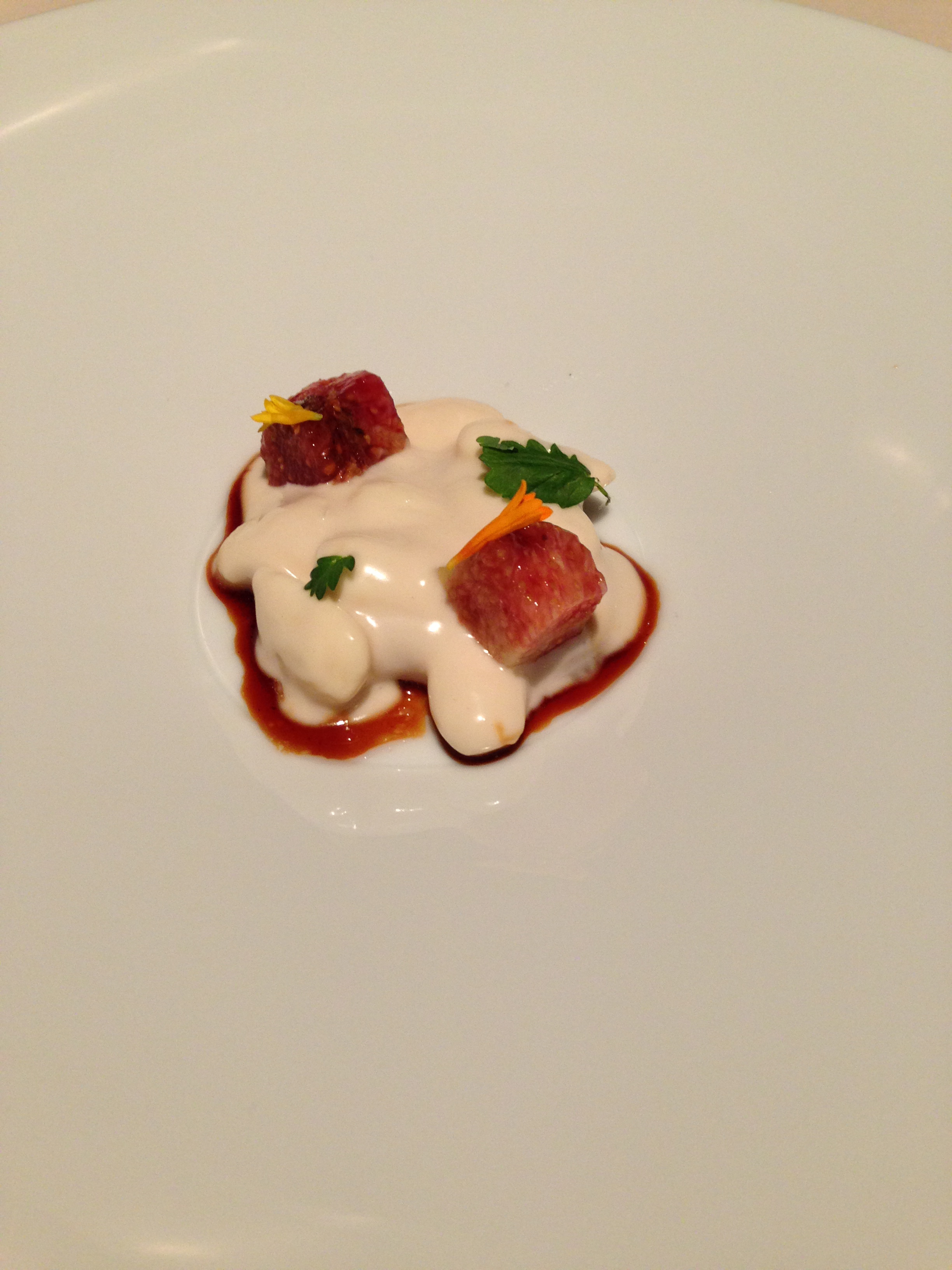
The prospect of eating 22 courses is somewhat alarming, until your realise that really, these courses can be called nothing really more than bitesize samplings. Consequently, by the end of the meal, it’s highly unlikely that you will feel full up. At Calima, it’s also highly likely that you would have forgotten much of what you have eaten. For while we were given a copy of the menu, we did at time feel as though we had a conveyor belt of food before us. No sooner had one course come, than it was whisked away by the very attentive waiting staff and another introduced. The overall result of this was that, first and foremost, we felt that the dining experience was too rushed to properly appreciate the complex flavours of each dish, and indeed to revel in the beautiful appearance of every course, but secondly, it means that in writing this review, my memory of the dishes consumed is scant to say the least. Luckily I took photos of each course, so that you can see, if not read about each tantalising sampling.

IMG_3932 IMG_3933 IMG_3935

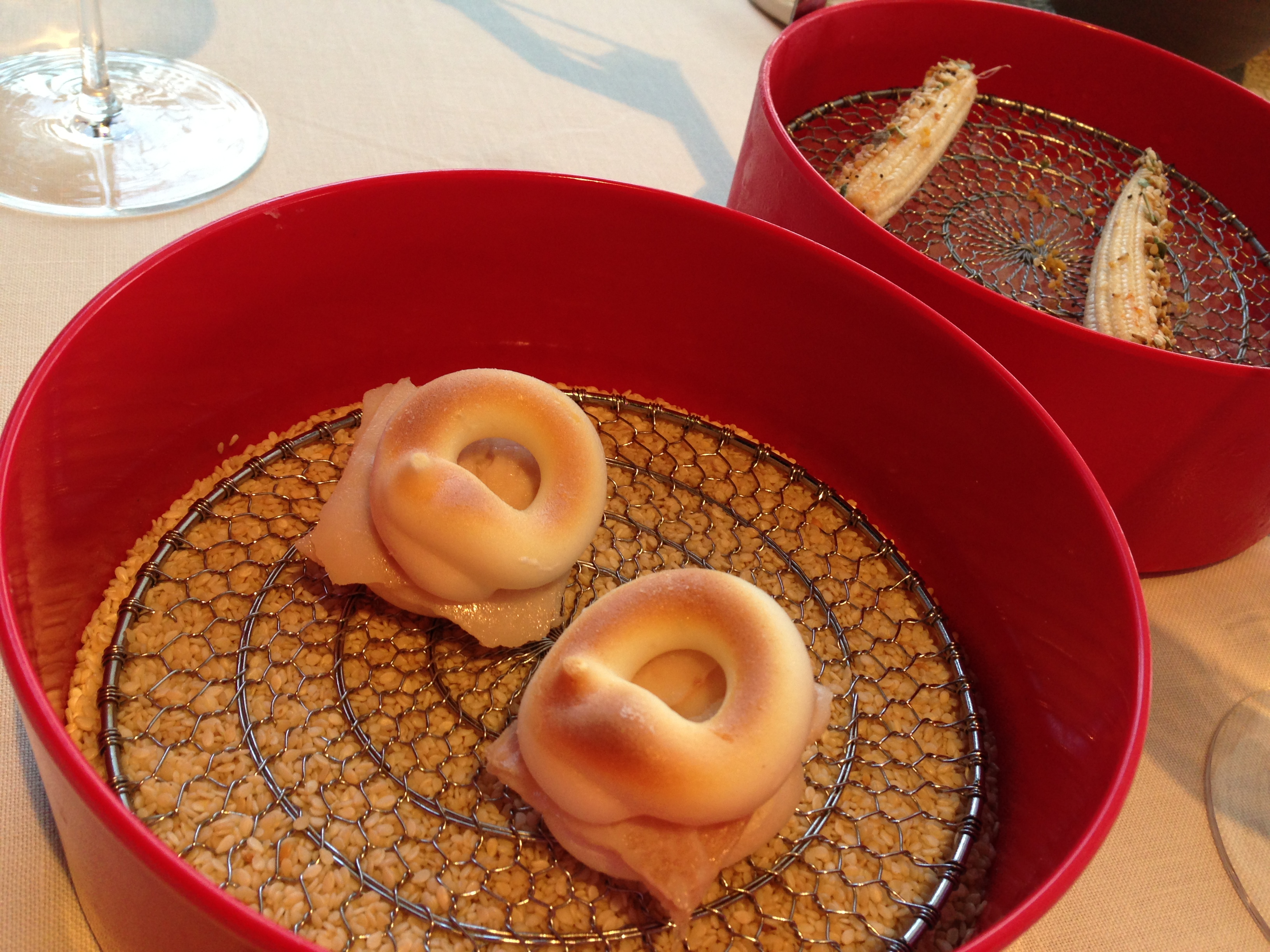
So the tasting menu began with three little “snacks” – I felt a little disappointed that three courses had been served at once, but then that very much set the tenet for the evening: efficiency and speed. I wasn’t disappointed by the flavours however, starting with crunchy baby sweet corns layered with a “kimchi” seasoning which, much like Garcia had promised at the outset, popped and crackled on the palate with sweet and sour contradictions. Alongside that, a kind of aerated bagel seemed to melt in the mouth before I had properly appreciated what was inside, and a clustering of what can only be described as rice crispies enveloped deceptive flavours in their recreation of the traditional patatas bravas tapas dish.

IMG_3936 IMG_3938 IMG_3940

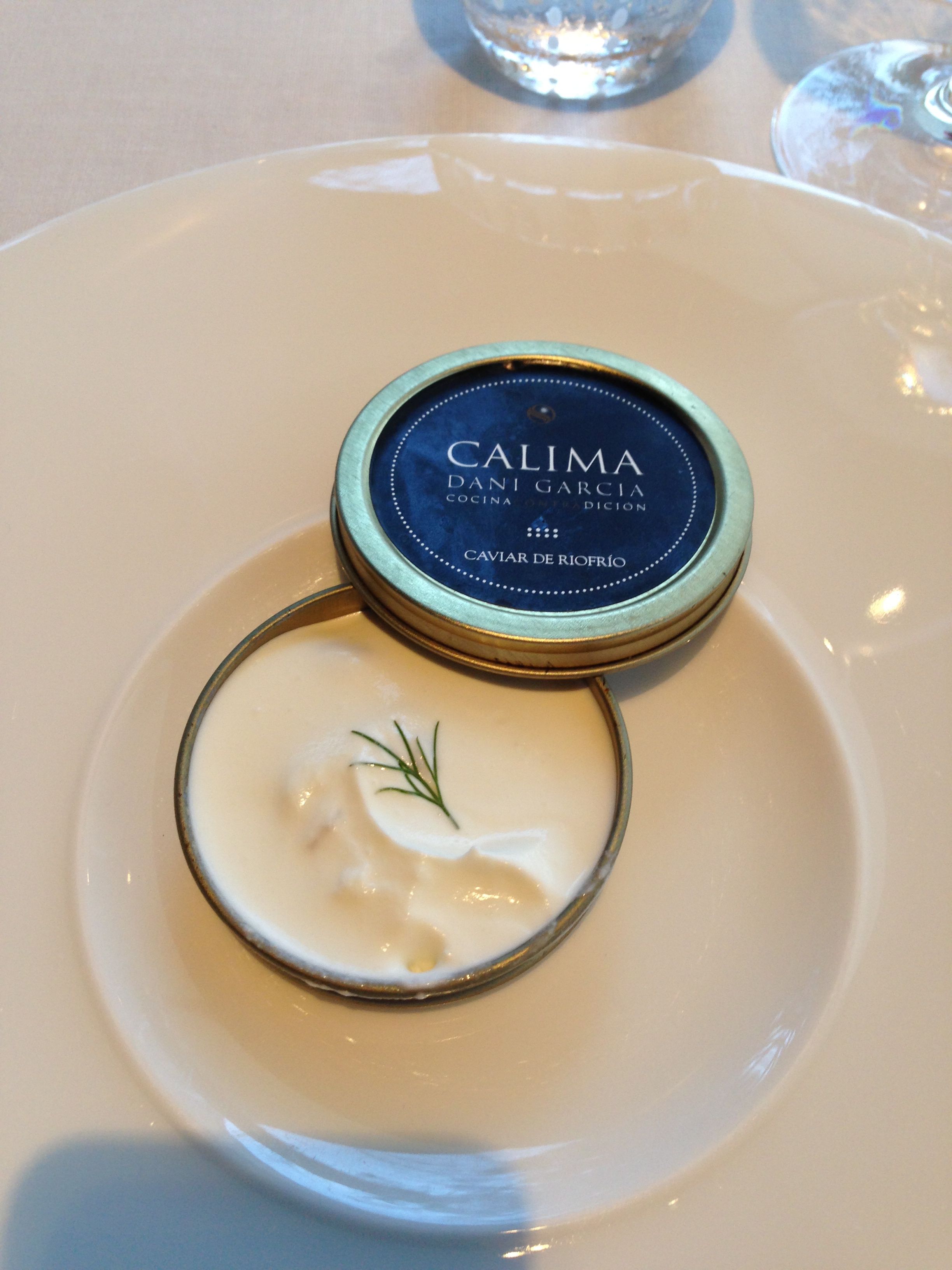
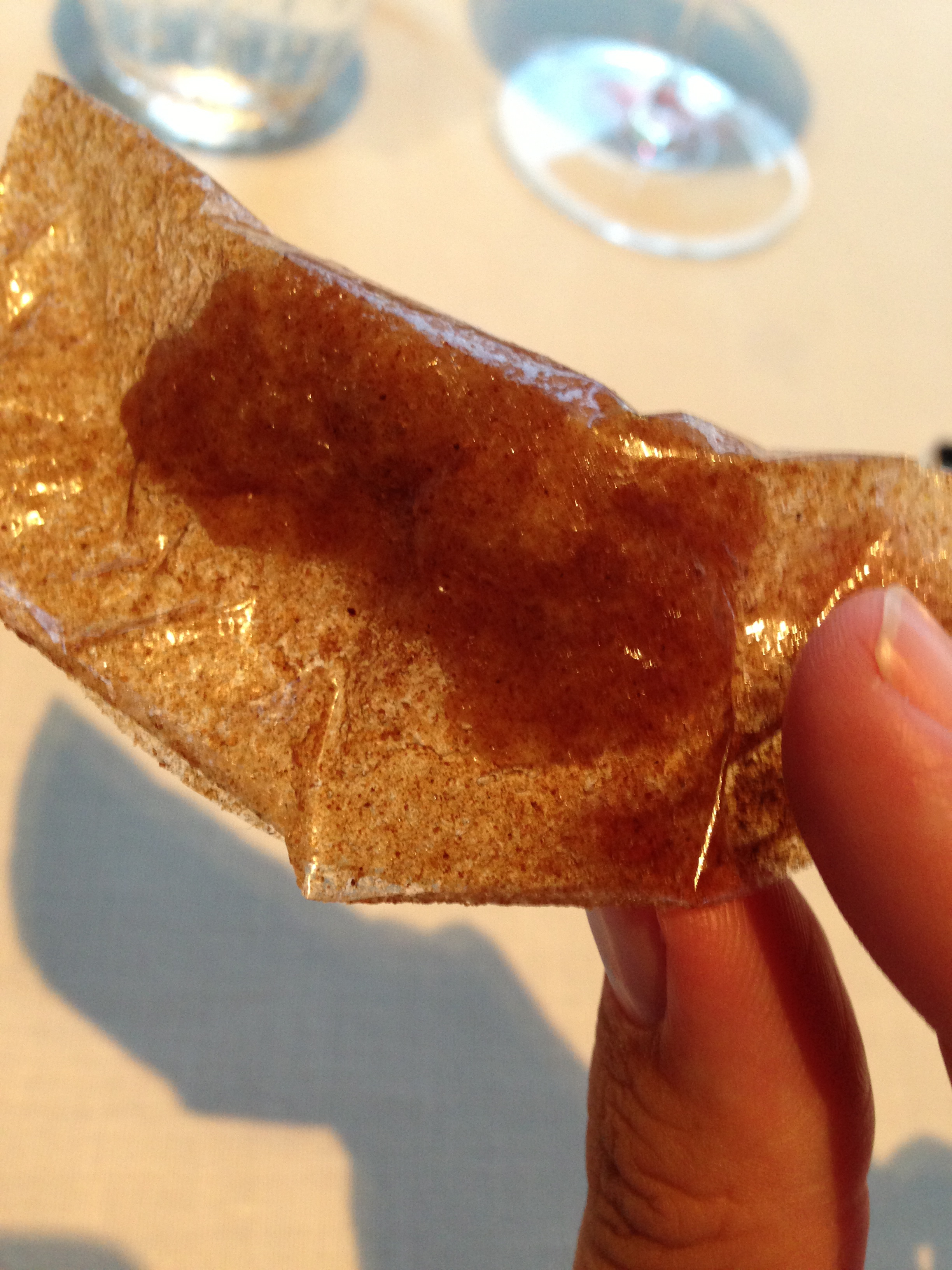
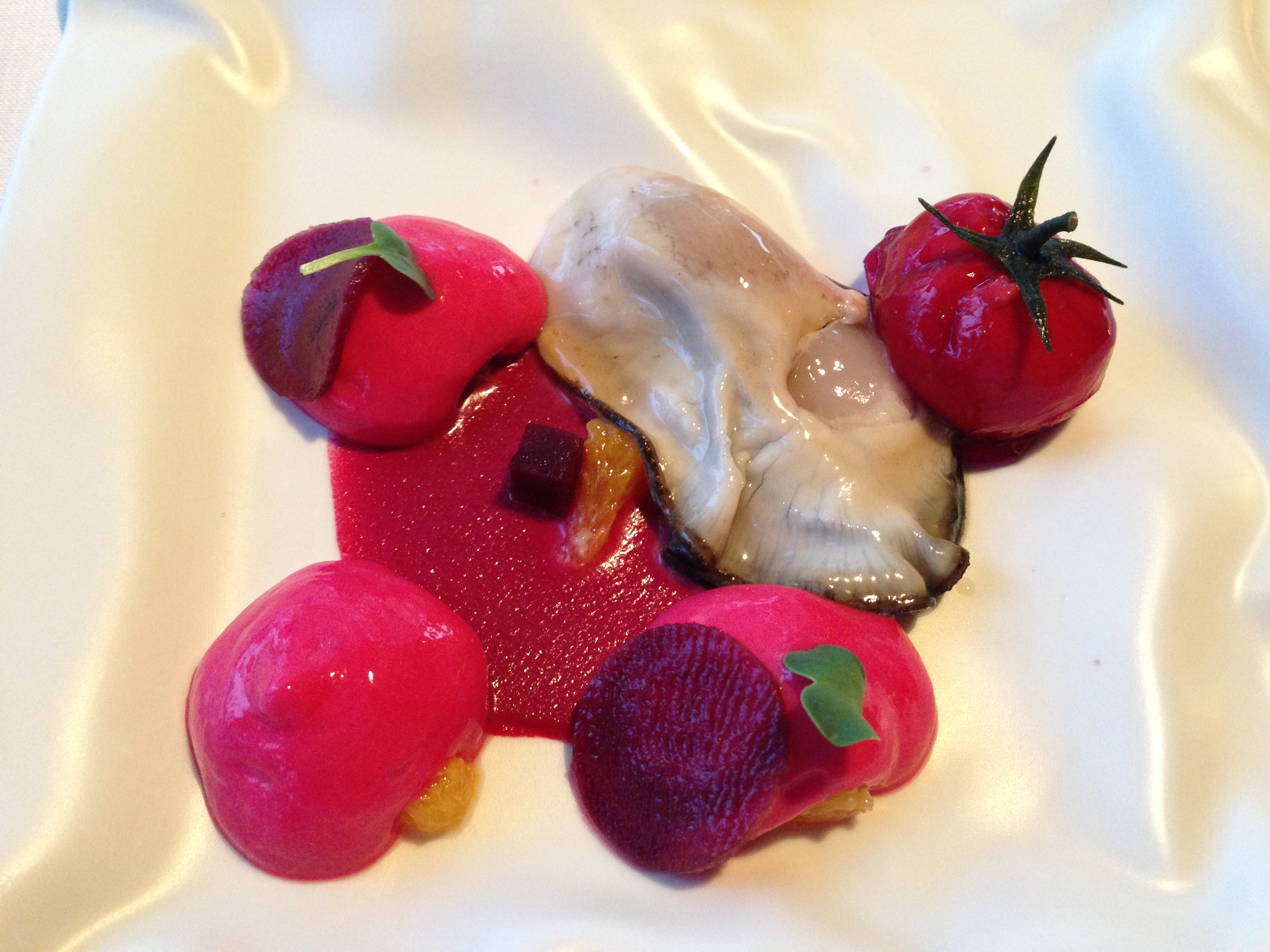
We moved onto a sensational reinvention of the typical caviar tin – this one filled with an unctuous cream combined with dates and caviar making for an incredible flavour balance, and something which should surely be tried at home. Following on, a little “empanadilla” again melted in the mouth owing to its “pastry” of sweet rice paper (contrasting deliciously with its smokey meaty interior). Next, the kind of theatre to be expected of a Michelin star eatery: “egg with no egg” – an apparently goey soft boiled egg which actually contained a foamy, fruity smoked fish concoction. Further theatre followed with a box full of almonds, two of which were frozen droplets of foie masquerading as almonds, but exploding in the mouth like a foie gras ice cream truffle. Serious yum. Such a beautifully multi-coloured fusion followed, as the vivid purples and sunshine yellows of tomatoes, and beetroot and oranges contrasted fantastically with the plumpest oyster of my acquaintance; while further theatre was presented in the form of a tomato which was actually a jelly-skinned fake containing a rich moussey interior.

IMG_3941 IMG_3943

Probably the most beautiful dish of all followed on: entitled simply “Rocky Seabed”, it appeared to be a rock clustering of sea life served on a decorative box of shells and sea salt. It was in fact entirely edible – the rock collapsed and melted in the mouth like a wafer-thin rice cake, while the treats on top, including Marbella-fished baby shrimps were an exquisite cocktail of jellies and seasonings. My favourite dish of the lot. Then came the “muffins” which contained a yellow smoked fish cream and whose paper cases were also edible. This was followed by a sensationally presented scallop dish, in which thinly sliced scallops were presented like a rose, surrounded by tiny edible flowers and served with a sharp and sweet citrus cream.

IMG_3945 IMG_3951 IMG_3954 IMG_3959

Up next, a partridge foie dish – two explorations on the foie theme, one like a round truffle, the other a soft mousse in between two crispy wafers, both presented elegantly on a block of real wood. Then another of my favourite dishes: wafer thin potato pillows scented with lemon flavourings and dipped into an exquisitely rich, salty meat gravy. Eel followed: tender slices of eel buried in an avalanche of garlic cream, balance with blood red orange and again decorated with edible flowers.

IMG_3965 IMG_3968 IMG_3971

Read more

Composition No. 7: Andalucía

As regular readers of The Daily Norm will know, over the past few months, my own art work has become dominated by a simplified use of flat tones, overlapping forms, and abstract compositions using as my newly preferred medium gouache paint on paper. What has resulted is a series of what I have loosely called “compositions” but which are progressively becoming more figurative rather than compositional, as these quasi abstract images are used more and more to provide a narrative of a scene, essence or depiction.

Following on from a series of compositions inspired by my holiday in Provence, and a single piece (Composition No.6) depicting a day at the seaside in Sussex, I had a feeling that once out in Marbella in Spain, I would again become inspired to pick up my fine-tipped paint brush and start producing another gouache piece. In fact so sure was I that inspiration would hit me that a box of gouache paints was one of the first things to make it into my suitcase.

And of course as soon as I reacquainted myself with the charming historic centre of Marbella, with its white washed houses basking in the sunshine, with the terracotta floor tiles and with the polka dots of flamenco whose rich chromatic melodies can be heard wafting in and out of households around the old town, I felt the urge to take out those very same paints and get to work.

Composition No. 7: Andalucía (2013 © Nicholas de Lacy-Brown, gouache on paper)

Composition No. 7: Andalucía (2013 © Nicholas de Lacy-Brown, gouache on paper)

The result is this piece: Composition No. 7: Andalucía – a simple title for what is a simple attempt to capture the essence of Andalucía, and the iconic symbols which have come to represent the region around the world – the Spanish fan, a necessary antidote to the searing summer heat; the polka dots and guitar of the flamenco passion which stirs the region’s hearts; the windows, always open to capture whatever breeze they can, the richly decorated iron bars providing both security and decoration while facilitating this necessary ventilation;  and pots of geraniums scattered across walls forming in themselves a kind of polka dot pattern of floral colour across a blank white canvas.

I really hope you like this latest addition to my Compositions series.

© Nicholas de Lacy-Brown and The Daily Norm, 2001-2013. Unauthorized use and/or duplication of the material, whether written work, photography or artwork, included within The Daily Norm without express and written permission from The Daily Norm’s author and/or owner is strictly prohibited. Excerpts and links may be used, provided that full and clear credit is given to Nicholas de Lacy-Brown and The Daily Norm with appropriate and specific direction to the original content.

Marbella Twenty-Thirteen | Andalucía’s Gem

While Anglo-Spanish relations may have soured of late over that small little lump of rock Gibraltar which, like many such British overseas territories, remains rather bizarrely a part of the British Empire despite being actually attached to Southern Spain, the sun-baked Iberian Peninsula and in particular the Costa del Sol, remains the number one destination for sun-seeking Brits every summer. Now ordinarily, I would find the concept of coach-loads of drunken sunburnt Britons to be one so sufficiently abhorrent that it should be avoided at all costs. And indeed, along much of Spain’s coast, you wouldn’t see me amongst the larger louts and the empty fish and chips cartons for toffee. But happily there remains one bastion, in amongst this coast of over-developed tourist tat, where champagne, rather than San Miguel is the preferred tipple, and whose old town is so exquisite as to be a gem of Andalucía.

IMG_4185 DSC06497 DSC06240

I am of course talking about Marbella, which despite being more popularly labelled “Marbs” these days owing to the minor polluting influence of visits from the tack-happy residents of Essex, has remained a city synonymous with quality, with the good life, and with the beauty of its streets, its harbours, its beaches and its people. Marbella is undoubtedly one of my favourite cities in all the world, but not for its beaches and gold-plated yacht-filled marinas – rather I am seduced because with its Andalucían flavours, its embrace of Spanish heritage, its collections of art and clusters of small private galleries, and its offerings of some of the most charming plazas and cobbled streets in all of Spain, it is simply a paradise on earth.

Luckily for me, my family have a small old house right in the heart of the winding maze of streets which make up Marbella’s Casco Antiguo (old town), and as a result, over the 11 years in which we have owned the house, I have come to call Marbella my second home. Consequently, there could be no question that I would return to my sunny homeland when I turned the big 3-0 this summer – for two weeks of celebrations which would help to dilute the somewhat daunting horror felt at turning such a ripe old age.

DSC06522 DSC06542 DSC06517

What will follow, therefore, is a series of posts devoted to those two weeks of sea, sun and Spanish seduction, from several collections of photos and a visit to nearby Malaga, to the art works I painted, and the dinners I enjoyed. I start the series with my first set of snaps, these exploring the unhampered charm of Marbella’s old town.

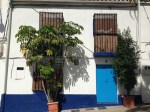
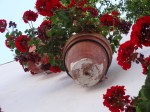
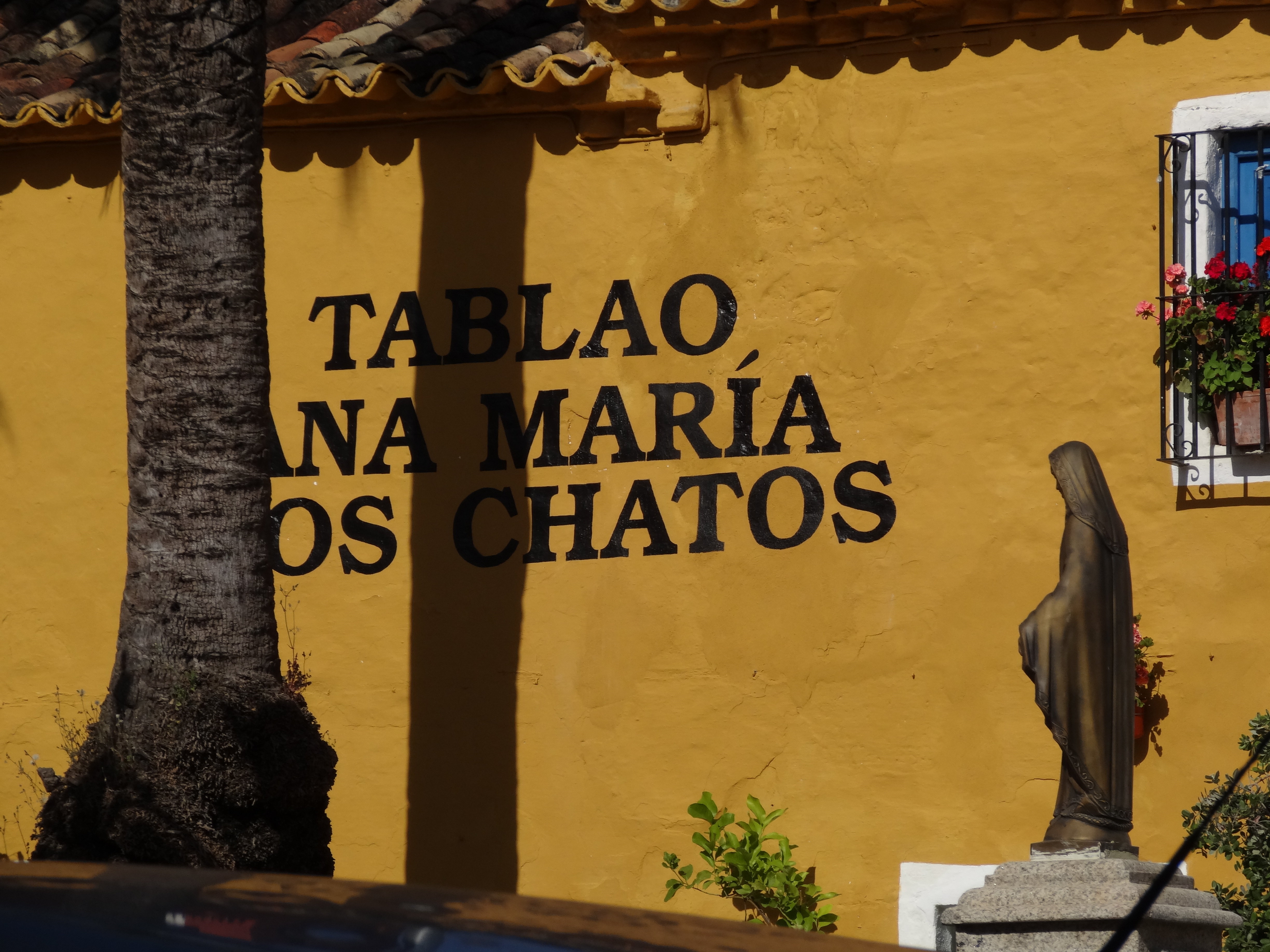
Sometimes, when I walk out of my own front door straight onto the white washed streets of Andalucía, dazzling in their white simplicity against the bluest of skies, and contrasting against the vivid pinks of the abundant floral sprays climbing up the old cracking walls, I have to pinch myself. For living inside of a postcard world always makes you feel a bit like you’re dreaming. Yet in this very knowledge, I cannot help but act like a tourist on every walk around Marbella, for even though I have seen these streets and sights several hundred times before, I cannot help but feel that in my own small way, I must pay homage to their stunning beauty.

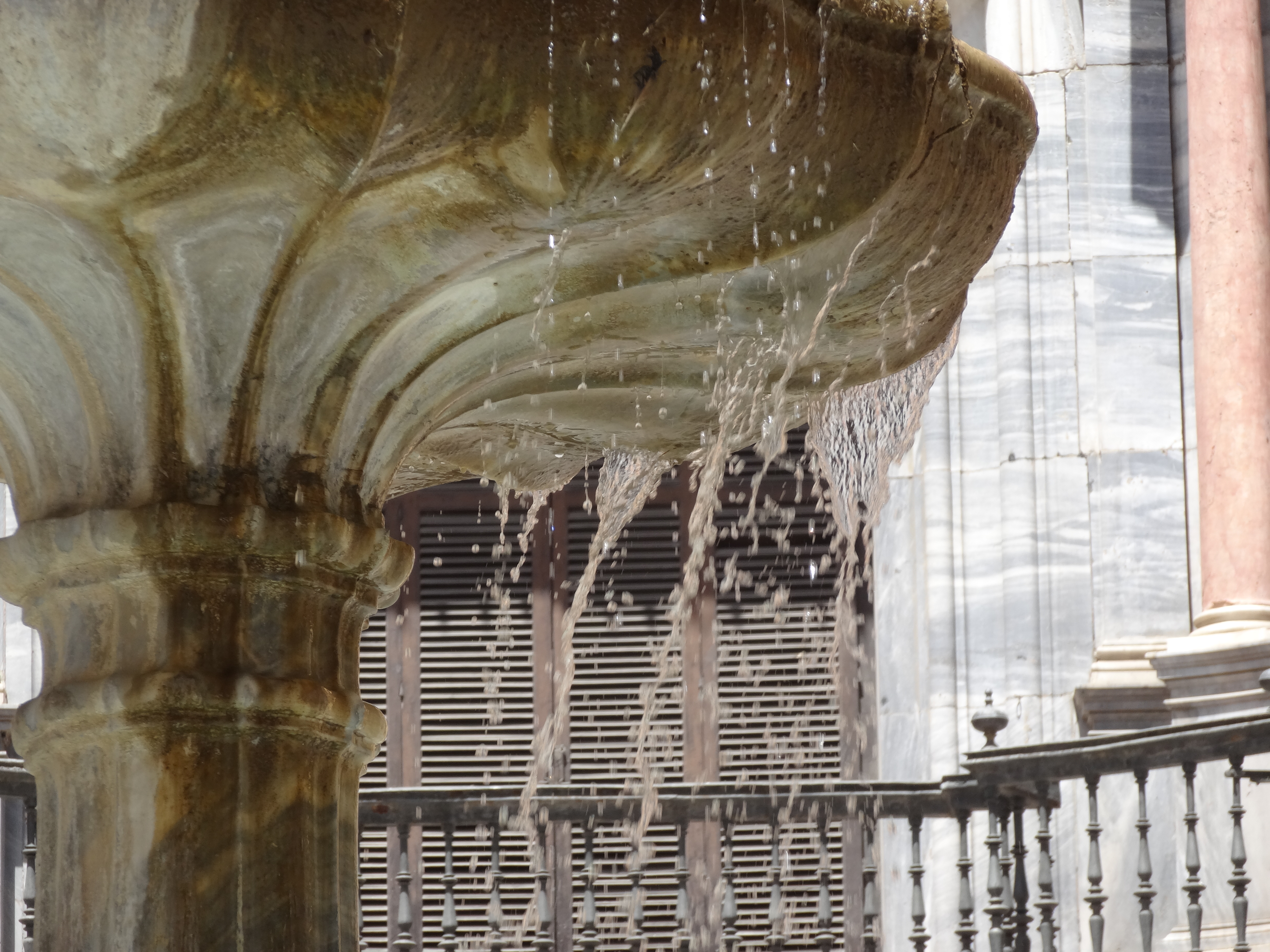
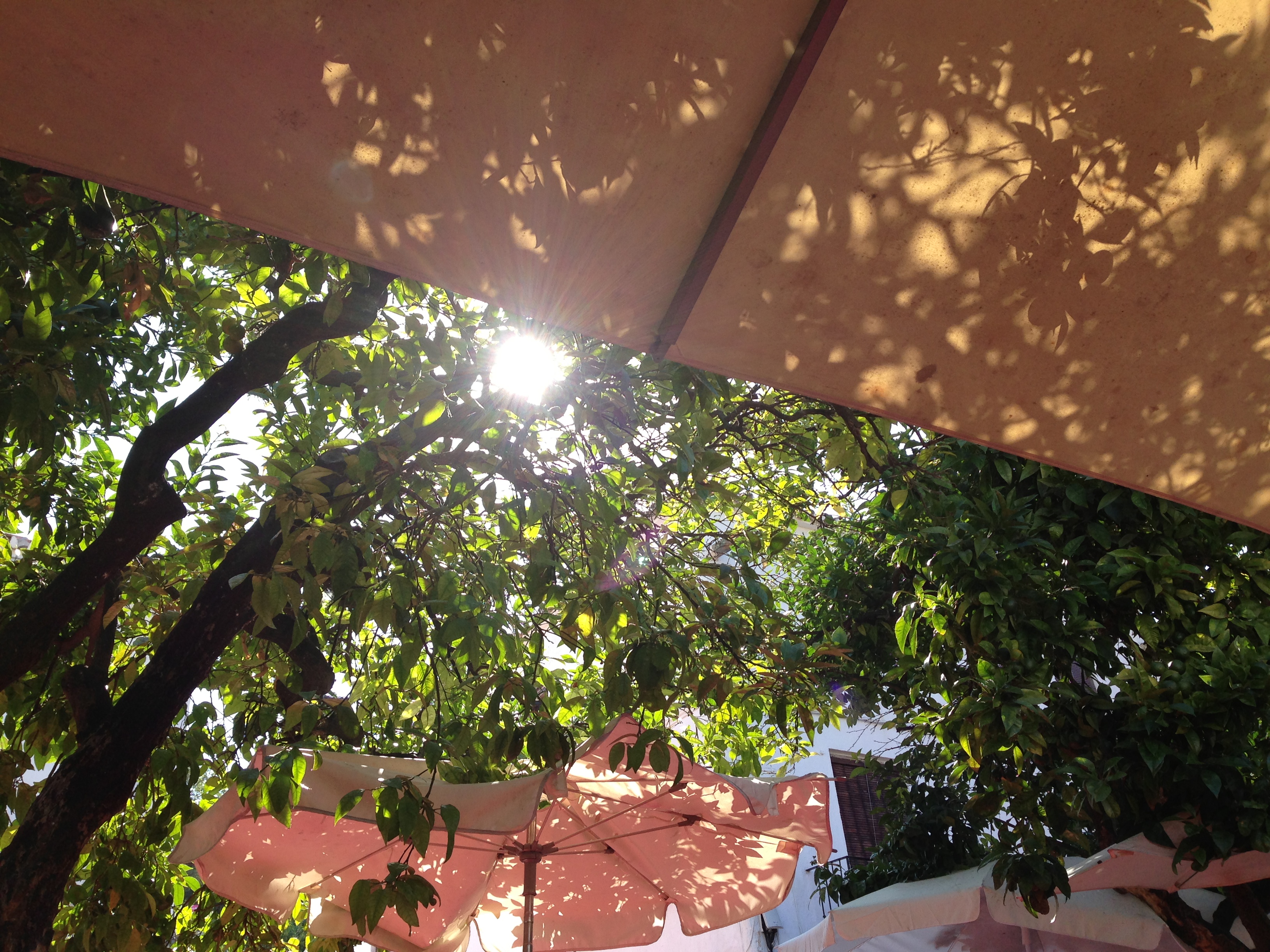
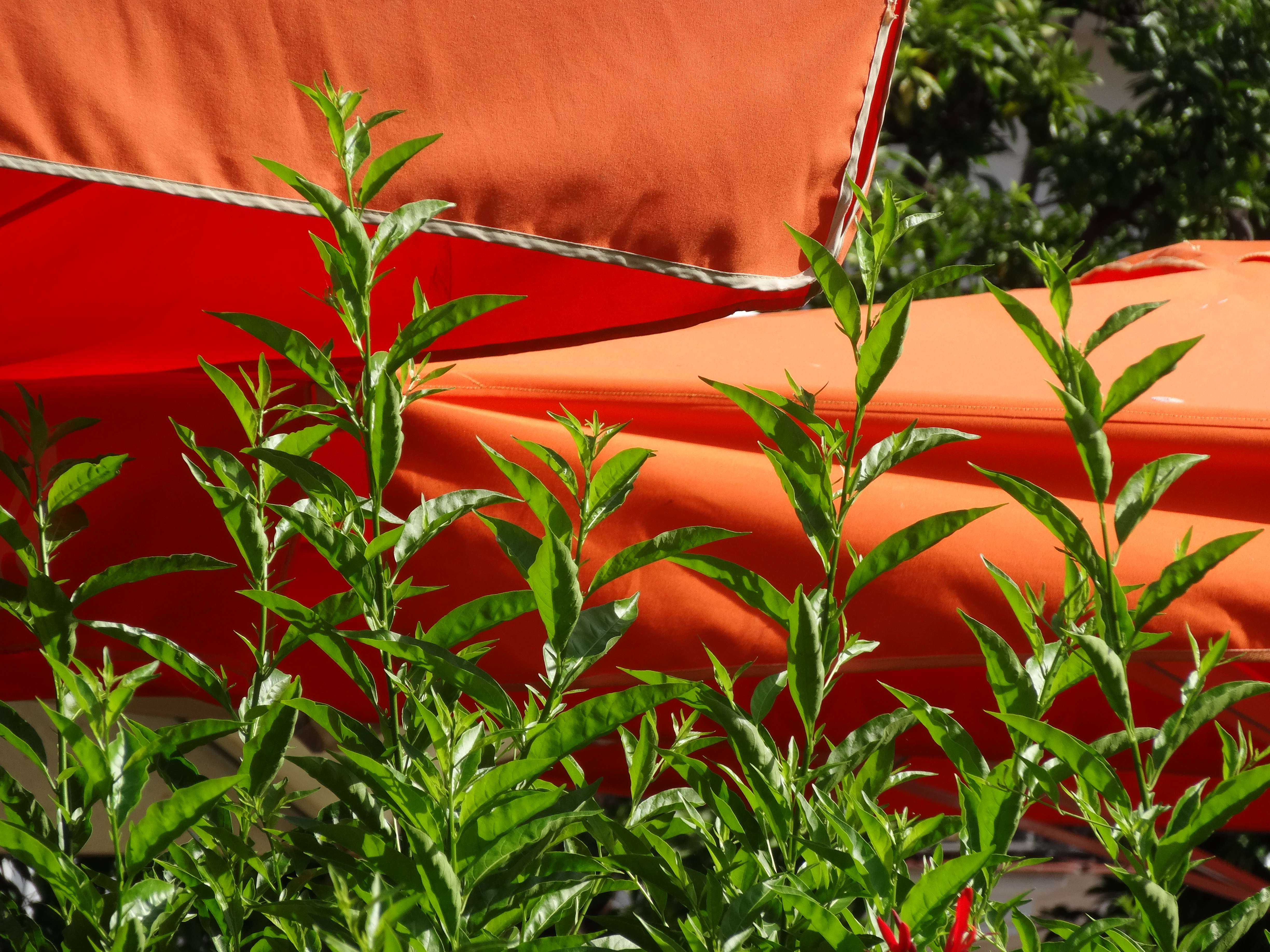
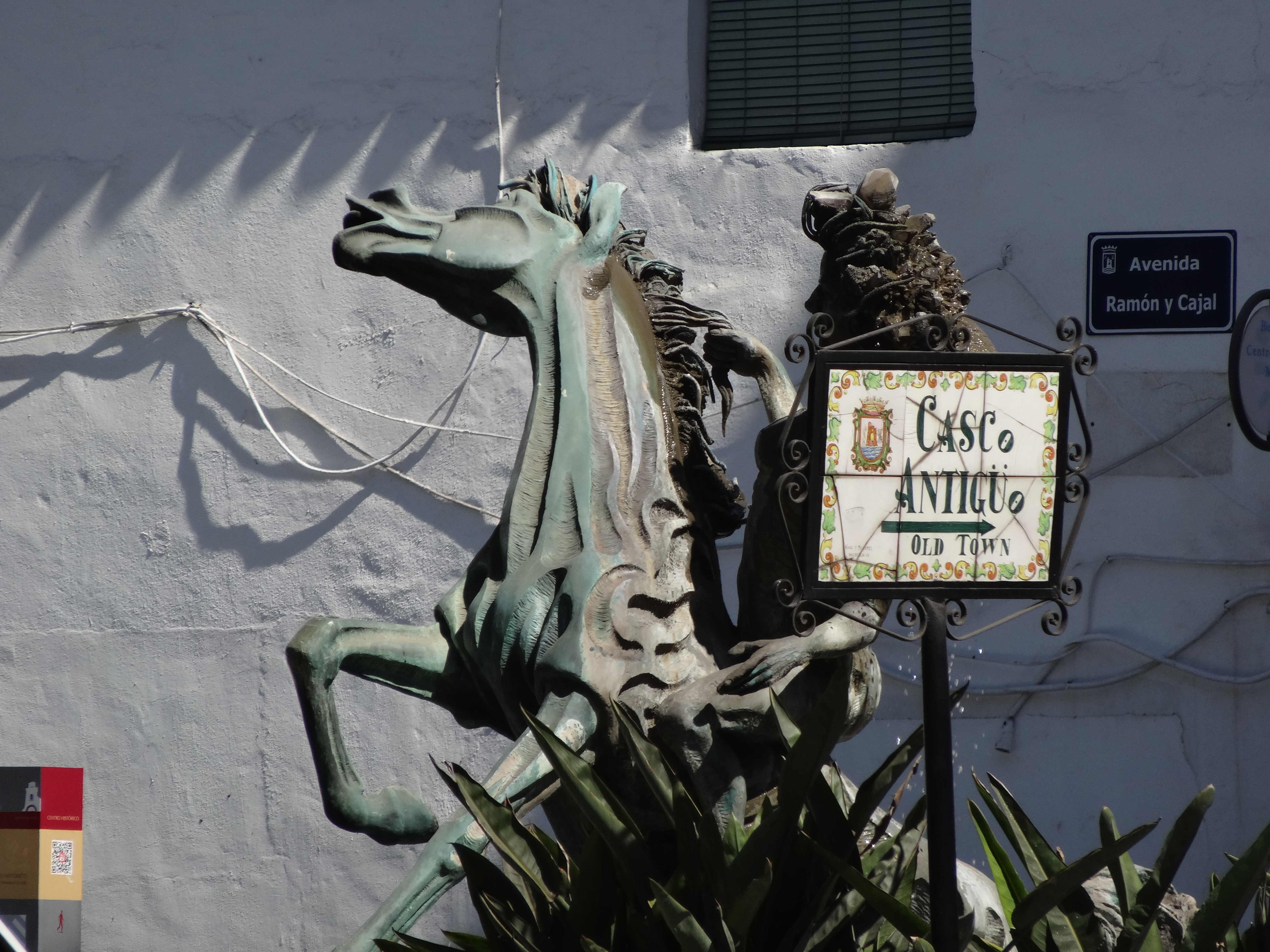
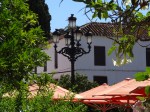
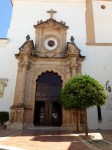
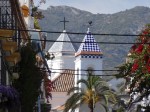
The photos on this post are a part of that homage, a dedication to the charming narrow streets, the squares bustling with parasol-covered restaurants and refreshed by the trickle and splatter of the old town’s many stone fountains, to the vivid colours of the richly painted facades, and to the simple glory of old churches, ancient stone walls, and neatly cobbled streets.

All photos and written content are strictly the copyright of Nicholas de Lacy-Brown © 2013 and The Daily Norm. All rights are reserved. Unauthorized use and/or duplication of the material, whether written work, photography or artwork, included within The Daily Norm without express and written permission from The Daily Norm’s author and/or owner is strictly prohibited. 

Marbella in May: a photography experiment (iv) – a Marbellan Miscellany

Marbella has very sadly become synonymous in the British vernacular with the orange Essex tans, hedonistic lifestyle and flashy gaudy inhabitants of its brash z-list celeb-stuffed suburb, Puerto Banus. Yet Marbella the town, which is a good 10km along the coast from that rather vulgar port, is one of the true gems of Andalucia.

It’s picturesque positioning between the sparkling blue sea and the prominent mountain landscape behind it provides the setting, while a charming little old town full of quaint narrow white washed alleys, impressive ancient churches and grand old squares is the ultimate in authentic Spanish attractiveness.

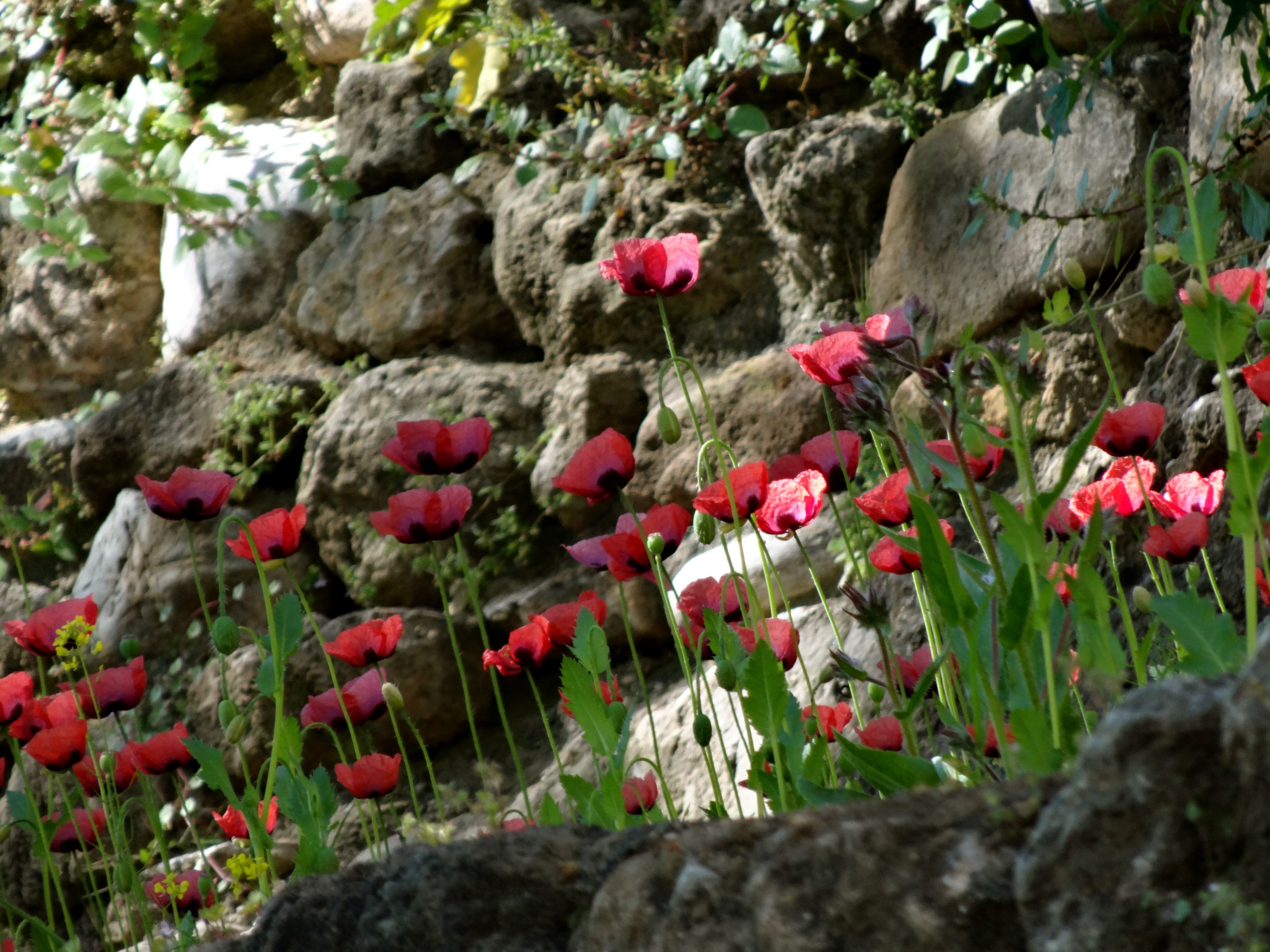
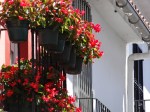
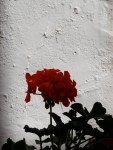
Being lucky enough to benefit from a family home just north of the old town’s central orange-tree lined square, I get to stroll around Marbella’s postcard-perfect old town on a daily basis but never tire of its scenic charms, from old cracked stone fountains to crumbling white washed walls, elegant wrought iron window grills hung with ceramic pots and bright red geraniums. I must have photographed it a thousands of times, but it never stops inspiring me to take a few more.

DSC00216 DSC00336 DSC00344 DSC00146

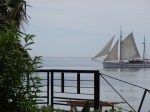
So here, in the final post of photos from the recent Marbella test run of my new Song Cybershot HX20V, here are some of my favourite shots of the town, from historic centre to the beach beyond. Once again, the camera’s 20x optical zoom proved a real treat when capturing far off details such as the little dog looking like it was about to dip into a glass of beer, and an impressive sailing ship, passing by while I was munching upon those delectable fried aubergines.

The camera’s test run is complete. I can confirm my purchase has been a success. And now I look forward to bombarding you with new photos throughout the summer taken with the camera which will never be far from my side.

© Nicholas de Lacy-Brown and The Daily Norm, 2001-2013. Unauthorized use and/or duplication of the material, whether written work, photography or artwork, included within The Daily Norm without express and written permission from The Daily Norm’s author and/or owner is strictly prohibited. Excerpts and links may be used, provided that full and clear credit is given to Nicholas de Lacy-Brown and The Daily Norm with appropriate and specific direction to the original content.

Marbella in May: a photography experiment (iii) – Park Life

Like many Spanish cities, Marbella is not short on shady spaces, a necessity for surviving the savagery of the searing Spanish sun. But thanks largely to the efforts of a corrupt former mayor, who paved much of the town in marble, Marbella’s parks are as grand as they are green, the many voluptuous tropical plants reflected double in the shiny polished pavements below, and curving elegantly over large ceramic-decorated fountains from which water arcs and spouts and dances whimsically all day long.

The central Alameda park is the gemstone in a series of green sprawling spaces, and has become an appropriate meeting place for Marbella’s locals and tourists alike. It’s various parallel avenues provide plenty of space for a refreshing perambulation, all paths leading to one of the parks two large fountains, while alongside the plants many a bench invites sitters to rest and imagine themselves sat in a richly verdant jungle.

DSC00300 DSC00446 DSC00272 DSC00225 DSC06602

Second only to the Alameda, the Parque de la Constitucion hosts at its centre a semi-circular open air theatre characteristic of those popular in Ancient Greece, while in the park surrounding it, a distinctly moorish feel envelops the fountains, paving and layout. I adore these gardens which, being slightly off centre, exude calm and lack crowds. Strolling between the tall shady cypress trees and besides lawns and flower beds, one could almost be in an English country garden – except for the key addition of sun.

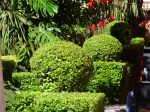
I love Marbella’s park spaces, and more particularly the rich plump tropical and Mediterranean plant species which flourish there. Sitting beneath them I am reminded of an Henry Rousseau paintings albeit only metres from Marbella’s beach on one side and historic centre on the other.

Beyond the park, Marbella is a festival of floral colour and richly leafed greenery. I was struck by the sheer abundance of colourful flowers planted alongside roads and pavements, as well as the sheer volume of newly born leaves upon the trees (no doubt the result of an especially wet winter). I don’t think I’ve ever seen the town look prettier – and luckily my new camera was there to capture it all.

© Nicholas de Lacy-Brown and The Daily Norm, 2001-2013. Unauthorized use and/or duplication of the material, whether written work, photography or artwork, included within The Daily Norm without express and written permission from The Daily Norm’s author and/or owner is strictly prohibited. Excerpts and links may be used, provided that full and clear credit is given to Nicholas de Lacy-Brown and The Daily Norm with appropriate and specific direction to the original content.

Marbella in May: a photography experiment (ii) – Cappuccino Cocktails

You join me on the second post sharing my photos from a little weekend’s experimenting with my new Sony Cybershot DSC-HX20V camera in Marbella, Southern Spain. By lunchtime on day one of our stay, I was already at ease operating this simple to use camera, and taking full advantage of its excellent 20x optical zoom facilities.

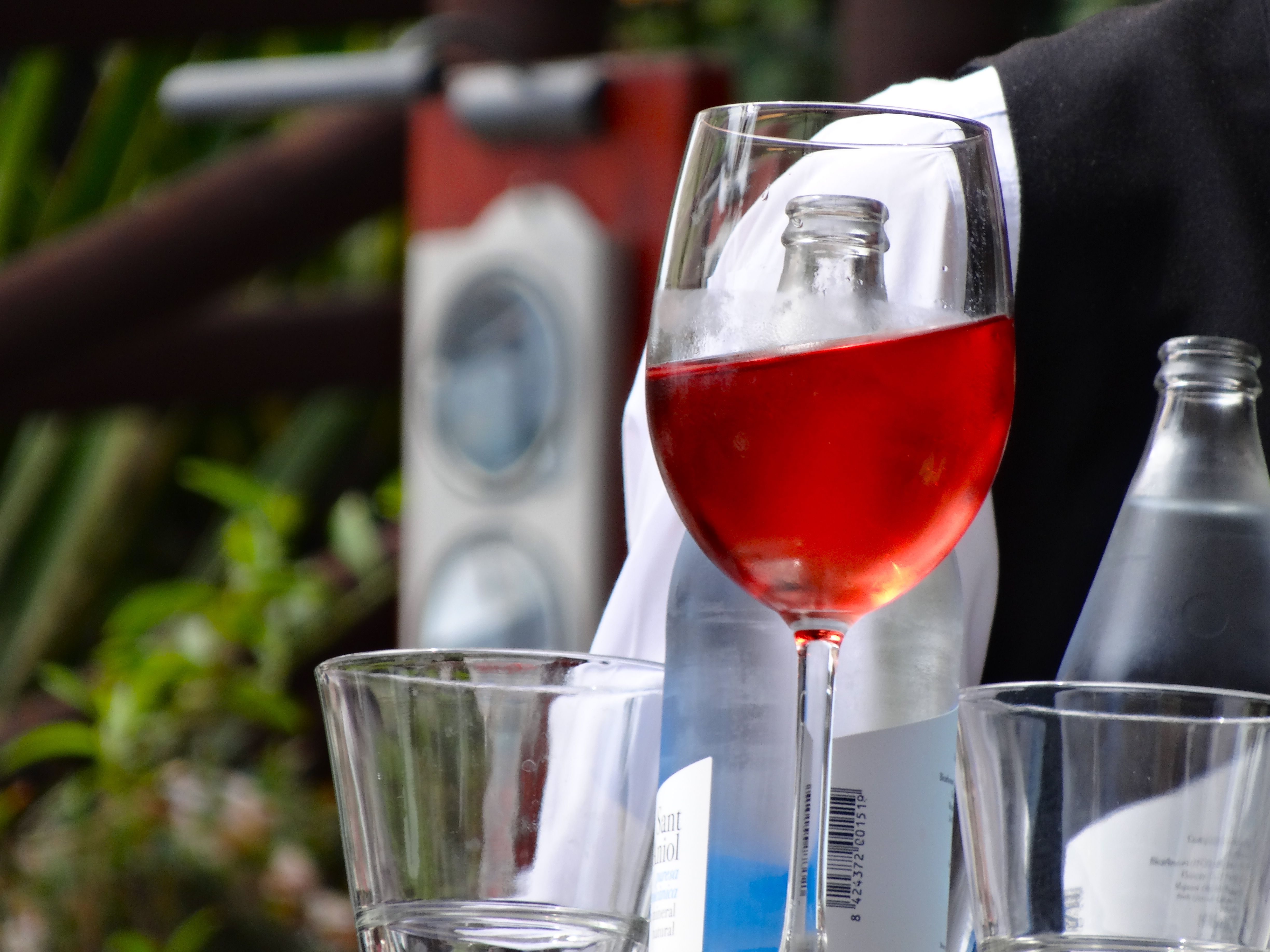
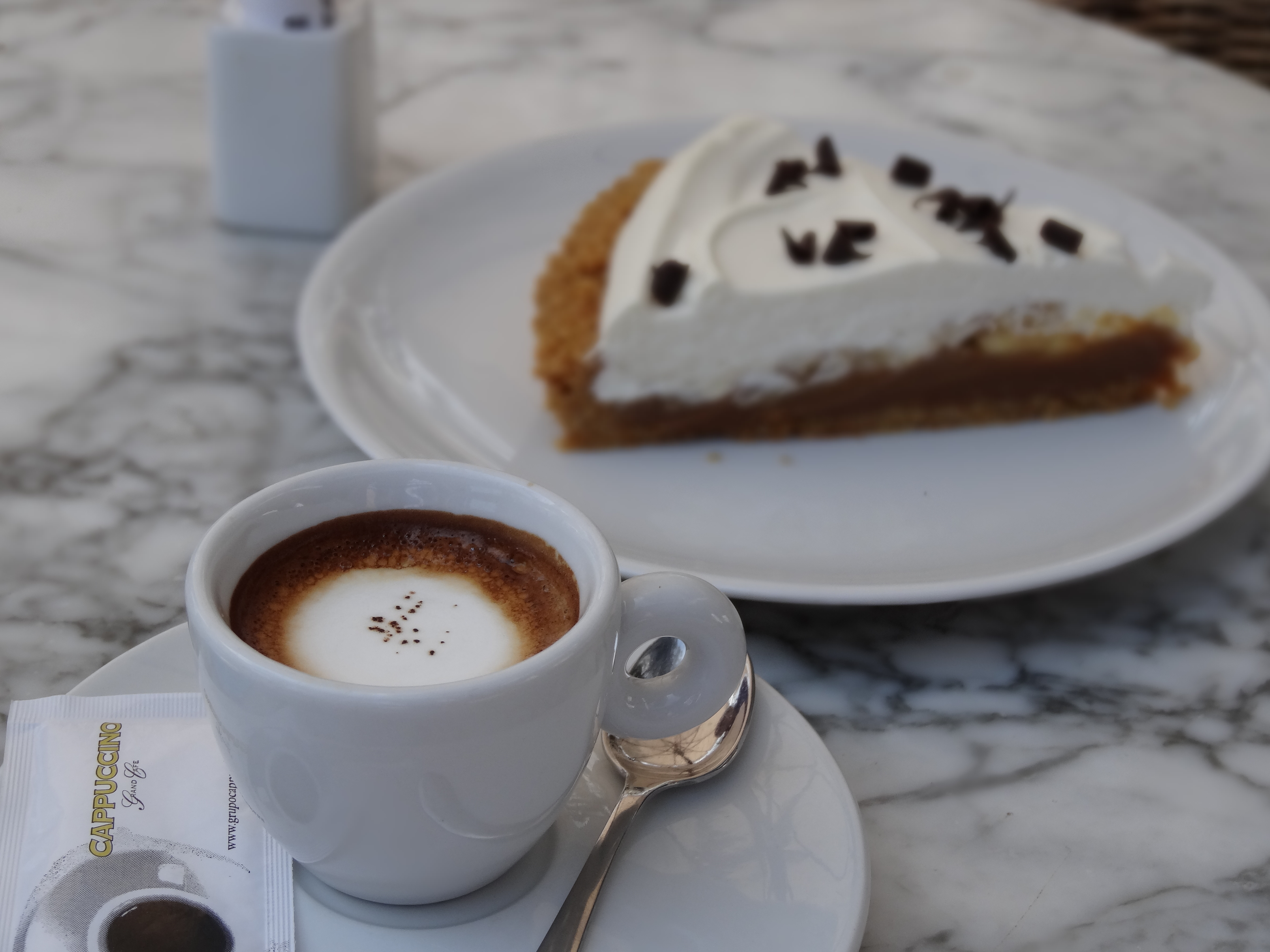
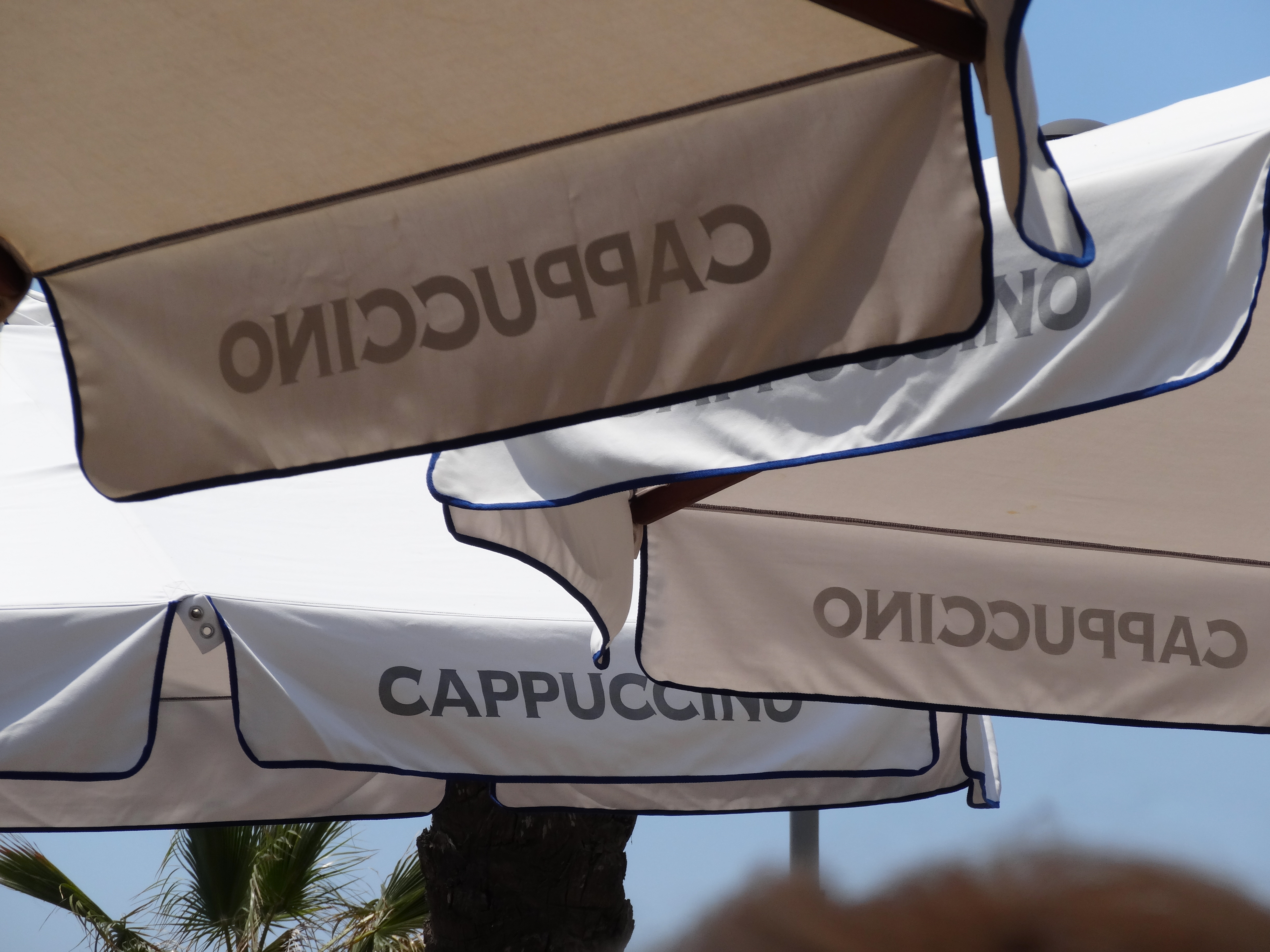
Today’s photos see me catching the mellow halcyonic lunchtime atmosphere in the sun drenched pine tree sheltered garden patio of my favourite of all cafe-bars, Cappuccino Grand Cafe Marbella, which is situated in the beach side grounds of the plush Gran Melia Don Pepe hotel.

DSC00202 DSC00195 DSC00191 DSC00171 DSC00189

Sitting in the sunshine sipping upon a cool glass of Albariño wine and indulging in that always satisfying past time of people watching, I became captivated by the vividly colourful cocktails, green bottles and fruity rose wines being carried around by the crisp model-like waiters.  With a long zoom at my disposal, I was able to capture the kaleidoscope of colourful thirst-quenchers, their jem like glow augmented when shimmering against the potent midday Marbellan sun.

I love the ability of the camera to focus out the surrounding diners, concentrating on the vivid colours and the clarity of light. And of course I have to thank Cappuccino for providing the most chic of all surroundings as inspiration for these simply satisfying images.

© Nicholas de Lacy-Brown and The Daily Norm, 2001-2013. Unauthorized use and/or duplication of the material, whether written work, photography or artwork, included within The Daily Norm without express and written permission from The Daily Norm’s author and/or owner is strictly prohibited. Excerpts and links may be used, provided that full and clear credit is given to Nicholas de Lacy-Brown and The Daily Norm with appropriate and specific direction to the original content.

Marbella in May: a photography experiment (i) – my patio garden

For me, a travel camera needs to be three things. It needs to be small enough that it can be hidden away in my pocket, ensuring that I exhibit none of the tell-tale signs of being a tourist that a camera strung around the neck shouts out like no other. It must have a good zoom – sometimes the best photos are details seen from a distance so that you can benefit from “framing” the detail with some far off backdrop. Finally it must be capable of exceptional close-ups, as nothing thrills me more than an almost microscopic photo of an insect or flower, exhibiting more exciting detail than can easily been seen through the naked eye.

So when my small pocket camera decided to take early retirement, a tough research trail ensued as I set about trying to find a camera with the triumvirate capabilities I demanded.

Eventually I settled on the Sony Cybershot DSC-HX20V. It’s not exactly pretty to look out, but what it promises to do ticks all of the boxes. For a pocket camera it has an incredibly large 20x optical zoom with a further 20x digital zoom capability. It’s easily pocket size although a little bulkier than my former model (which admittedly only had a 5x zoom). And the real winner is its ability to take incredible micro shots from only 1cm away from the subject (see the lizard below!)

Sold, I bought the camera for a snitch at £229 (from John Lewis) and took it with me, the very next day, when I headed to my second home of Marbella in southern Spain. Notorious for its vivid blue skies, beautiful sea views, consecutive days of sunshine (allegedly) and an old town which is truly a gem of Andalucia, what better place to experiment with my new camera?

DSC00057 DSC00238 DSC00034 DSC00250

What follows are a series of posts which share my first photos using my new camera. I’m so pleased with the results. The details captured at the end of the 20x zoom are really impressive, as are the microshots at the other end of the spectrum.

Up first are photos of my family’s little patio garden out in Marbella. A small plot behind our cosy little old house, it’s a very petite but pleasing garden – our own small slice of paradise.

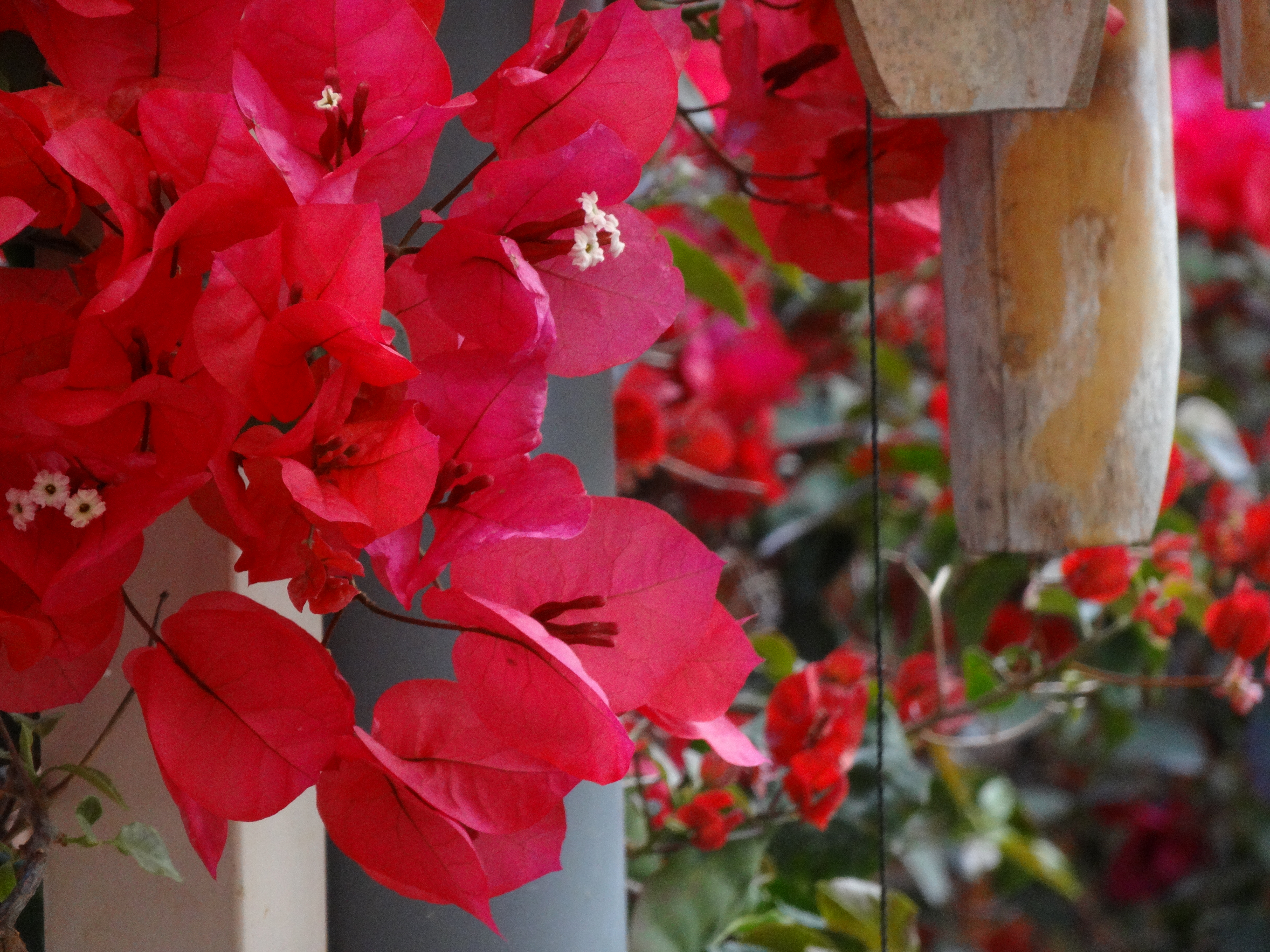
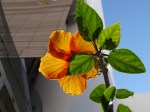
While it looks at its best in the summer, even at this time of year it’s flourishing, as milky white lilies poke up between a large-leafed bird of paradise, the jasmine springs back to life and brightly coloured hibiscus and bourganvilla inject the garden with a panoply of colour.

© Nicholas de Lacy-Brown and The Daily Norm, 2001-2013. Unauthorized use and/or duplication of the material, whether written work, photography or artwork, included within The Daily Norm without express and written permission from The Daily Norm’s author and/or owner is strictly prohibited. Excerpts and links may be used, provided that full and clear credit is given to Nicholas de Lacy-Brown and The Daily Norm with appropriate and specific direction to the original content.