Skip to content

Posts from the ‘Travel’ Category

Valencia (iv) – Day 2: Sea, Sanctuary and Semana Santa

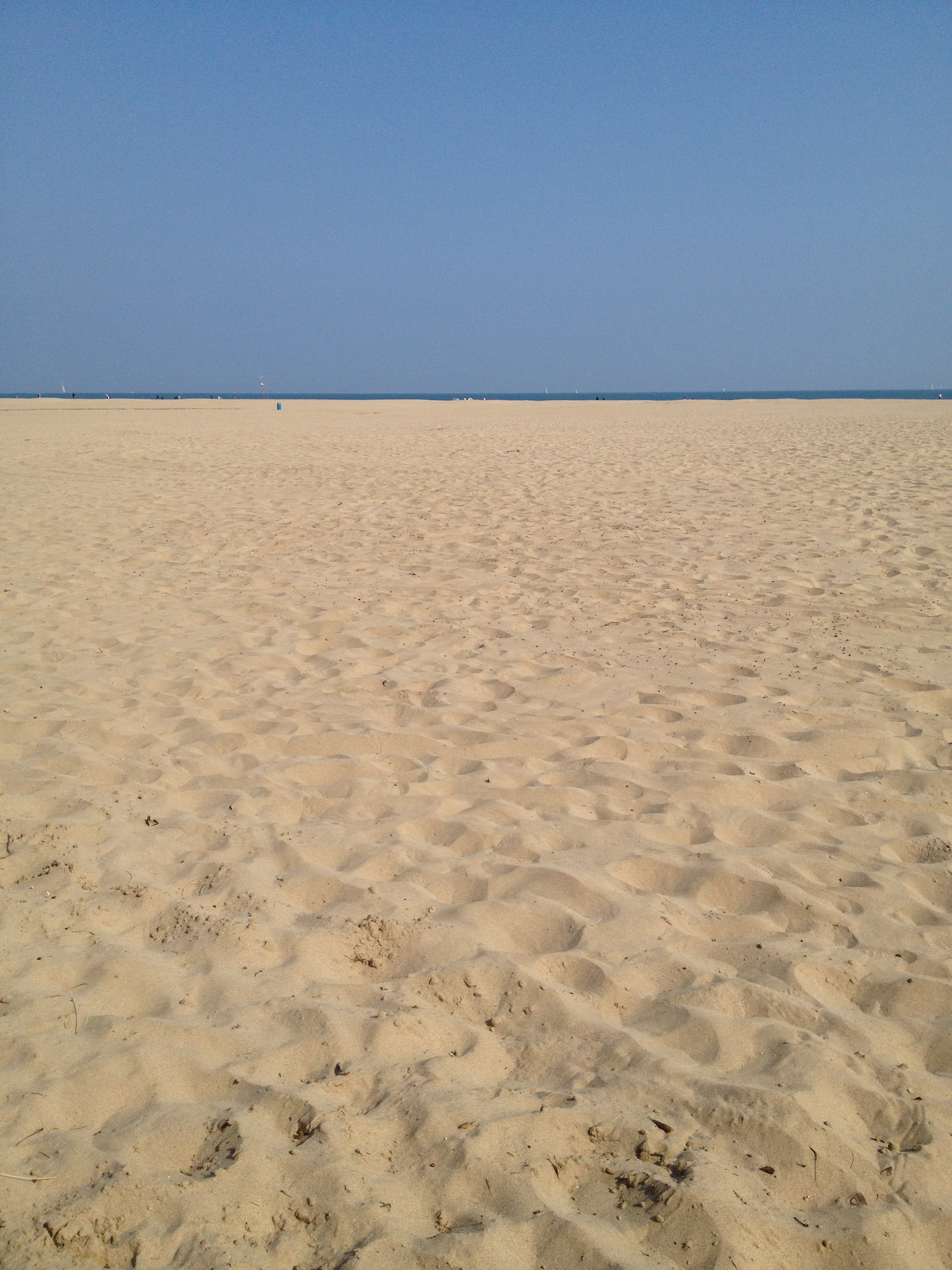
It’s easy to forget that Valencia is by the sea. With its centre some distance inland, you can barely make out the horizon of the Mediterranean, even from the city’s highest point atop the Miguelete bell tower. You can’t smell the sea, nor see boats, and I suppose it doesn’t help that the old river Turia is now dried out, diverted, and turned to gardens. And yet a ten minute journey away on Valencia’s tram will take you swiftly coastwards, where the Mediterranean sea stretches out like a swathe of azure blue above a foreground of softly undulating white sand.

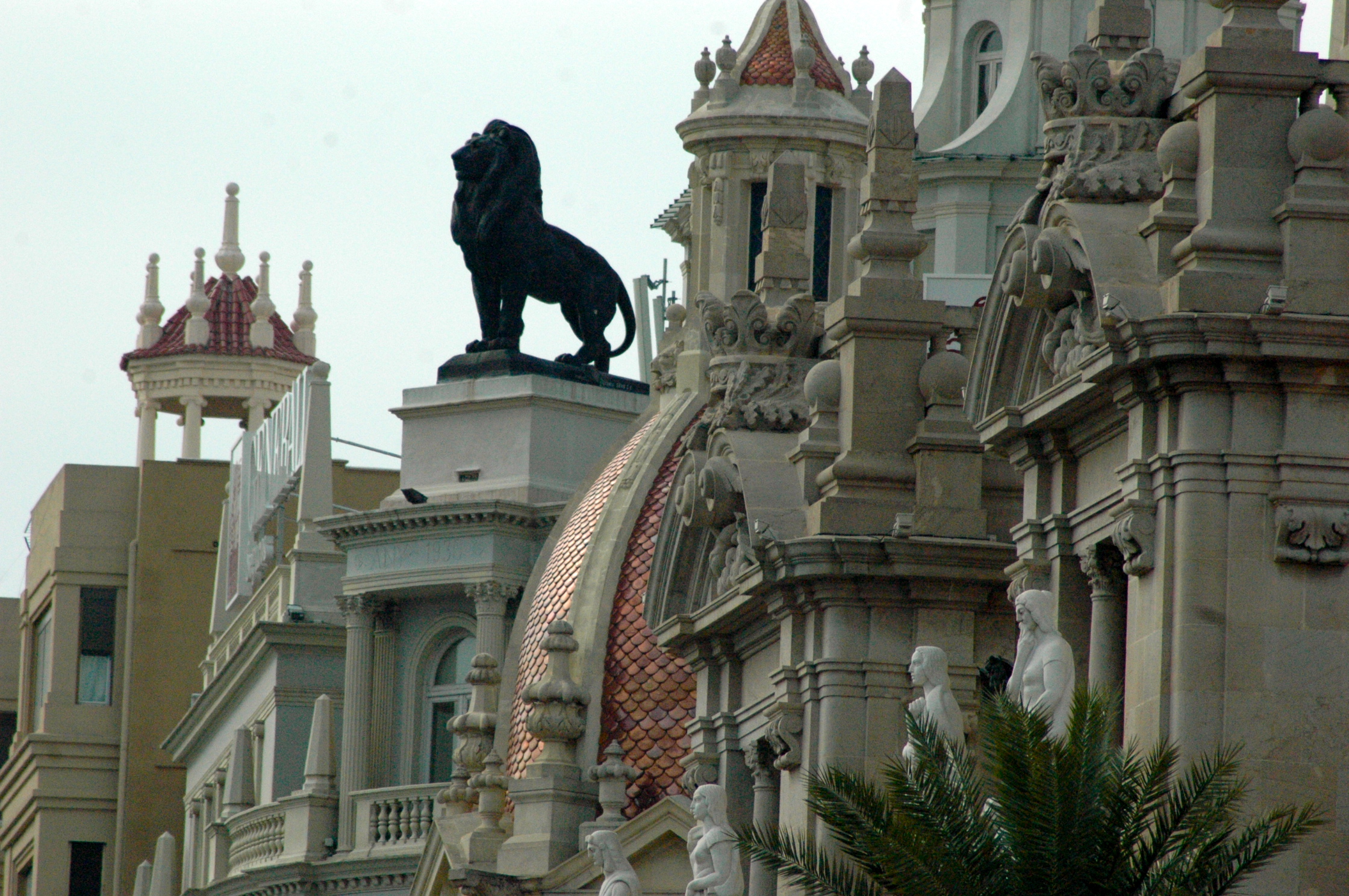
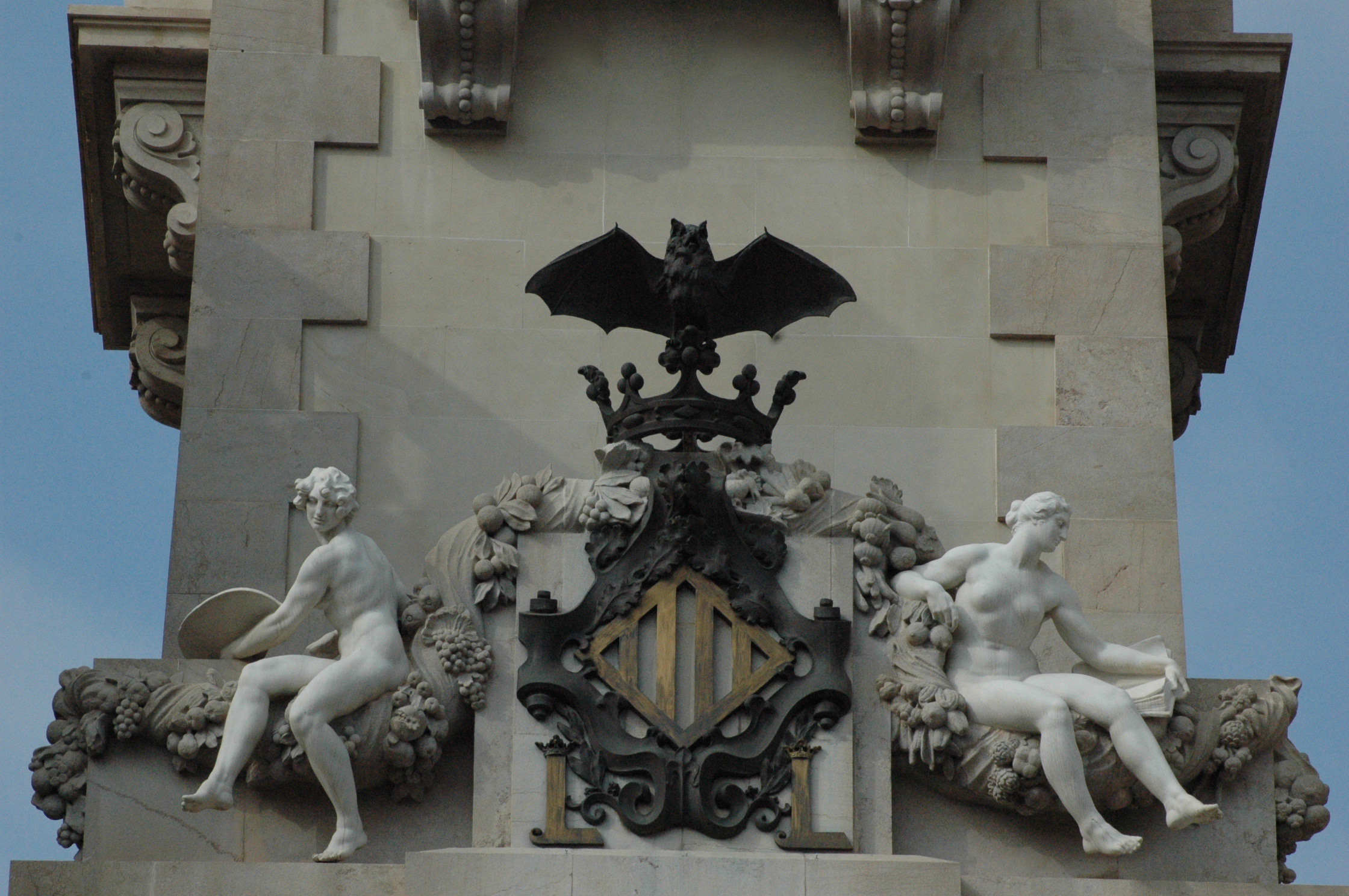
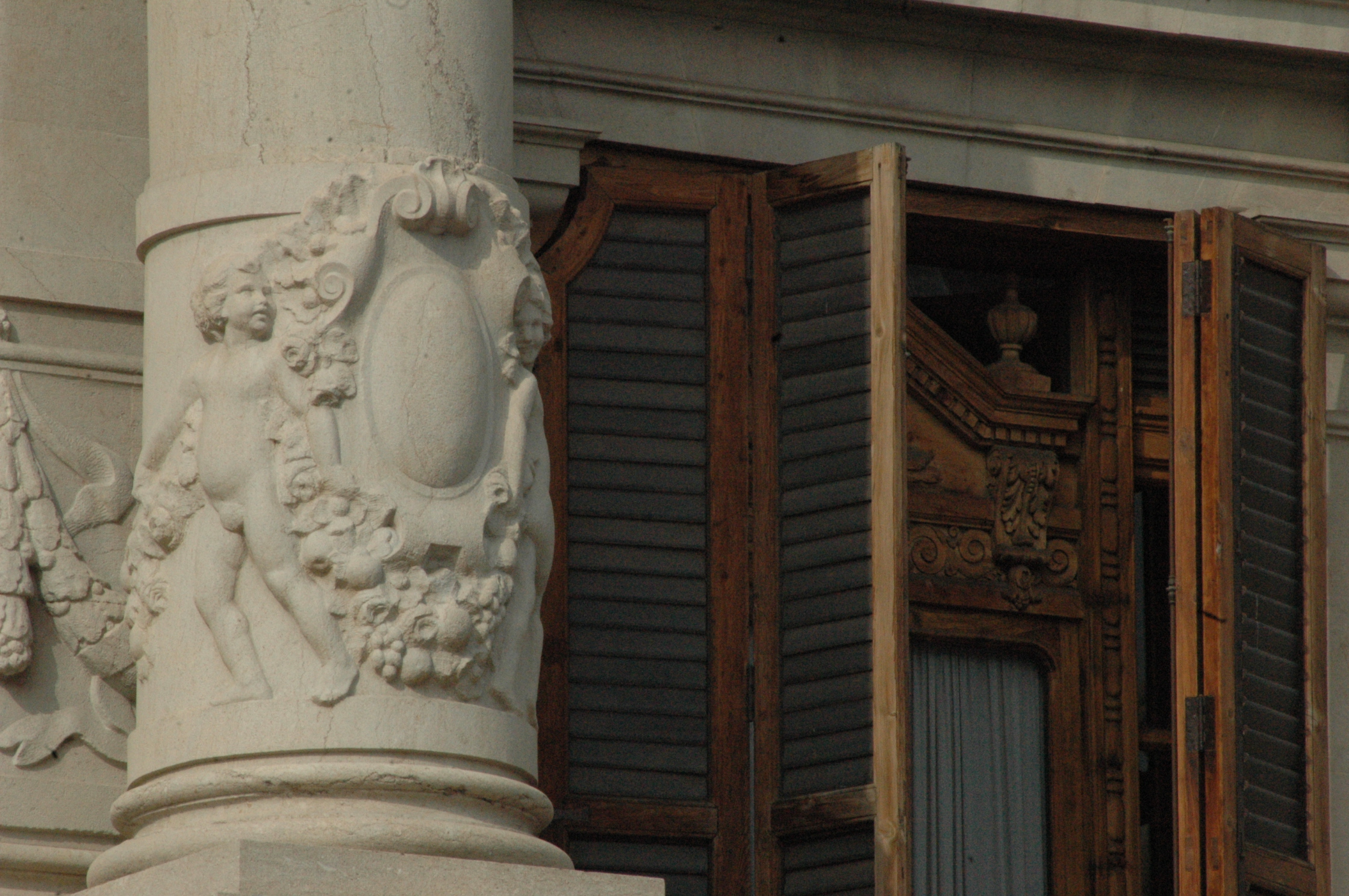
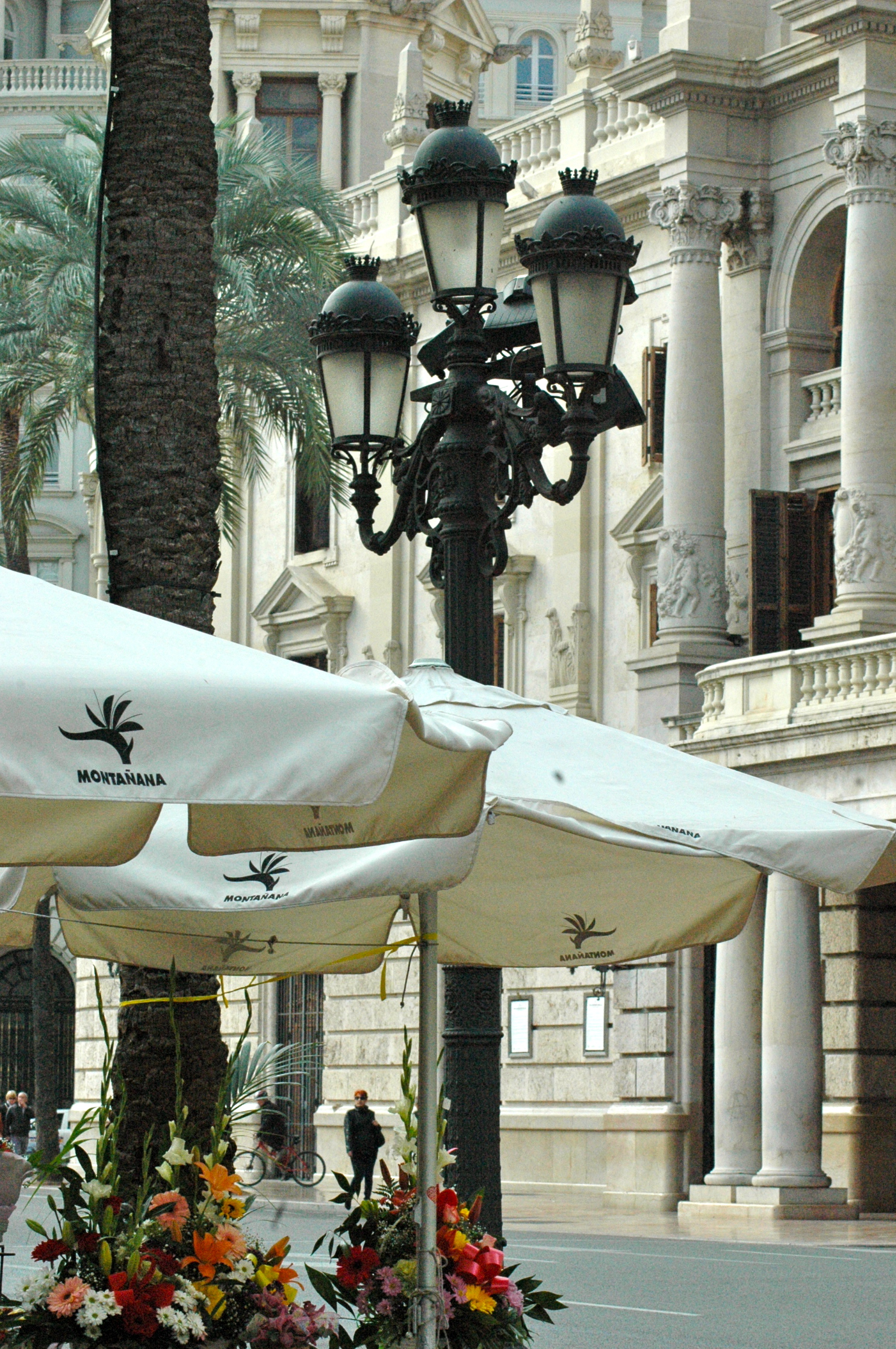
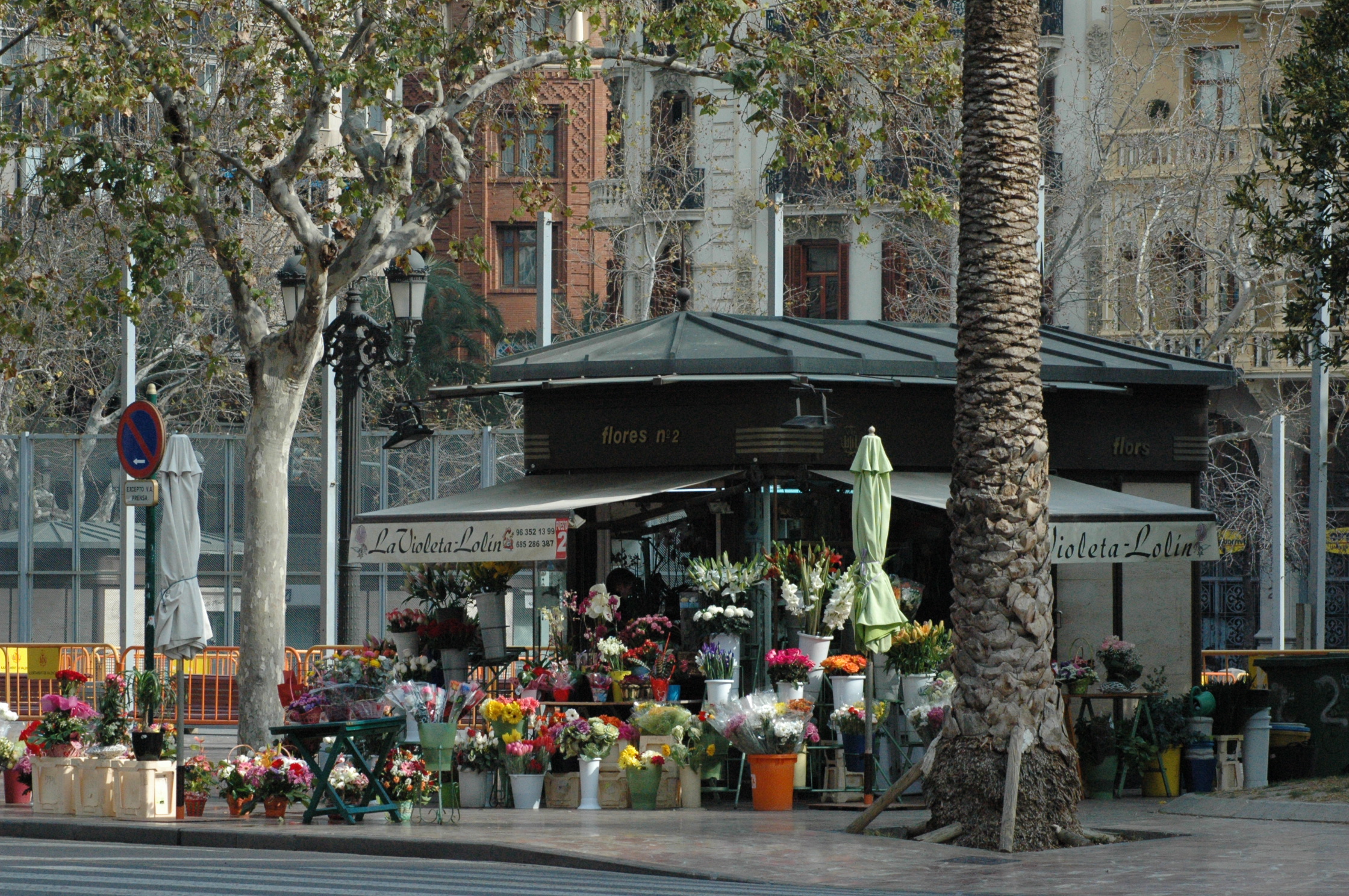
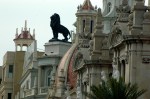
And it was to the coast that we headed on this, second day of our Valencia Odyssey, taking the tube from Xativa out to the old Marina. But before we could even leave the historic centre, our walk took us into the Southern stretch of the city, below the Plaza de la Reina, and into the far bigger, much grander Plaza del Ayuntamiento. If the Catedral and the Plaza de la Virgen behind it is the beating heart of the city, then the Plaza del Ayuntamiento is its administrative brain and spinal cord. The Plaza, and the Ayuntamiento (town hall) sitting at its centre, resembles something closer to New York than old town Valencia. It’s highrises are not glass skyscrapers, but they are tall and magnificent, straight out of the art deco and Modernista era of architecture. At one corner of the square, a whole series of domed and turreted multi-storey business blocks come together like a meeting of the giants, and the effect is magnificent and altogether imposing. In the square’s centre, a vast plaza is broken up with a suitably impressive fountain surrounded by flowerbeds and flower sellers, while numerous benches enable visitors to sit and gaze up at the many elaborate buildings, and the stucco, wrought iron, and sculptures which decorate their facades, sending out a message of the grandeur and supremacy of the administrative heart of this city.

Features of the Plaza del Ayuntamiento

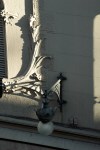
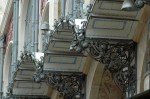
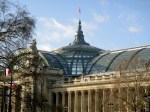
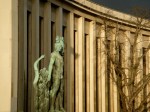
DSC05104Roof decoration aplenty in the Plaza del AyuntamientoDSC_0801 DSC_0806 DSC_0789 DSC_0766 DSC_0815 DSC_0822

Walking through this impressive plaza, and onto the main shopping street lined, amongst others, with the beautiful Modernista Estacion del Norte, and the vast colonnaded bullring (this has to be one of Spain’s most impressive) we made our way down into the fairly modern and efficient (if a little slow) tube and journeyed outwards towards the coast. There, we alighted a few stops before the sea, just as the metro makes its seamless transition into an overland tram, so that we could make a visit to one of Valencia’s more unusual museums – the Museum of the Semana Santa Marinera de Valencia.

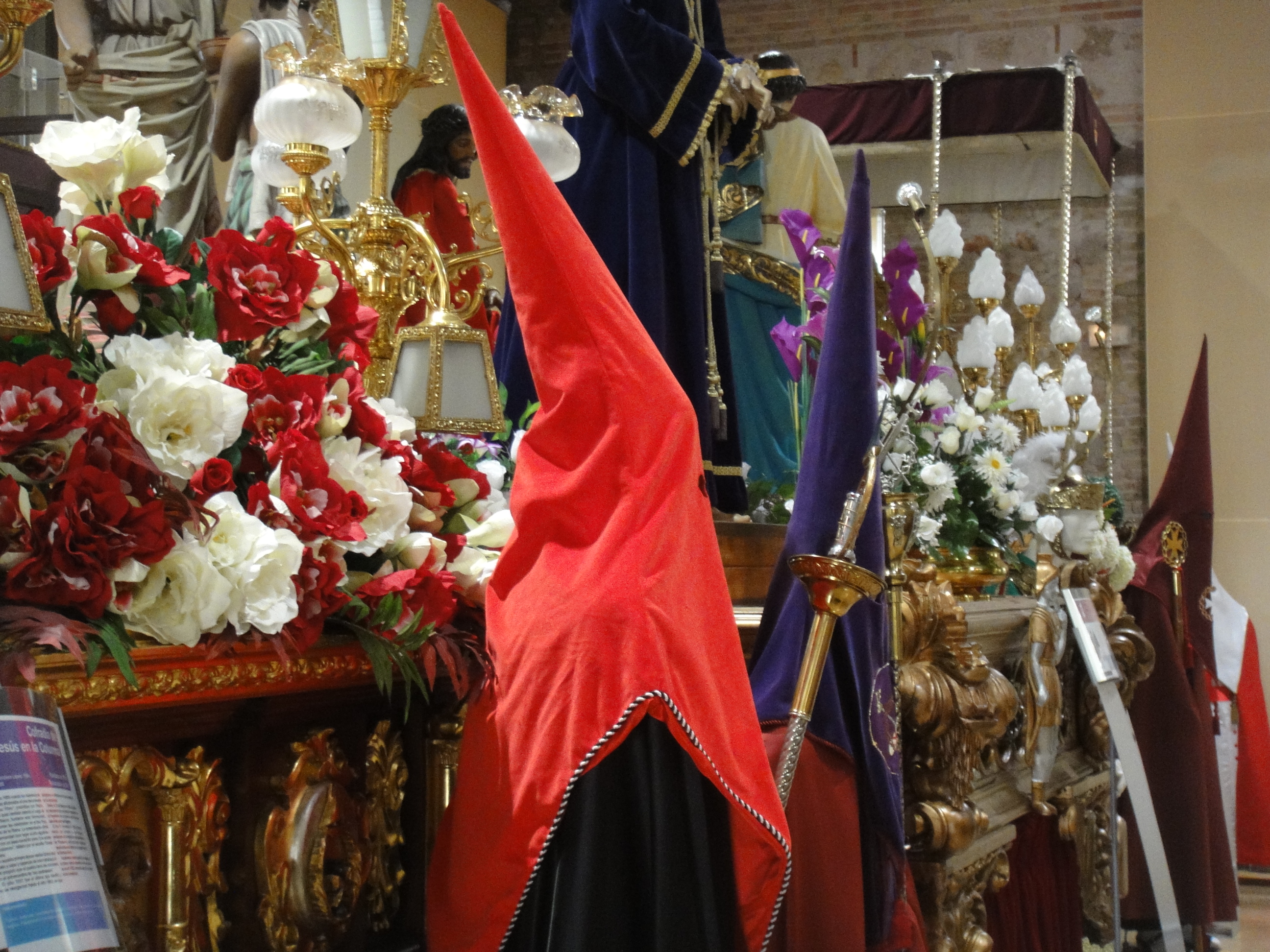
For those unaccustomed to Semana Santa, Spain’s Holy Week celebrations, they are generally mistaken into believing that the sinister hooded figures with eye-holes cut into pointed hoods, marching en masse by candlelight and accompanying religious paraphernalia, are none other than the infamous KKK. This is an unfortunate confusion which comes more of the KKK’s widespread infamy than any ignorance of spiritual and sacred tradition closer to home. For in Spain, long before the 3 K’s surfaced with their abominable practices, the churches of Spain’s towns and cities parade their holy statues out of the churches and around the streets on each of the nights of Holy Week. The men with the hoods are nazareños, Christian faithful who cover their faces as an act of penitence before unveiling their faces again when Christ is risen from the dead. These parades make for powerful spectacles – I know, having seen many in Andalucia, and having been inspired to paint many representations of the same.
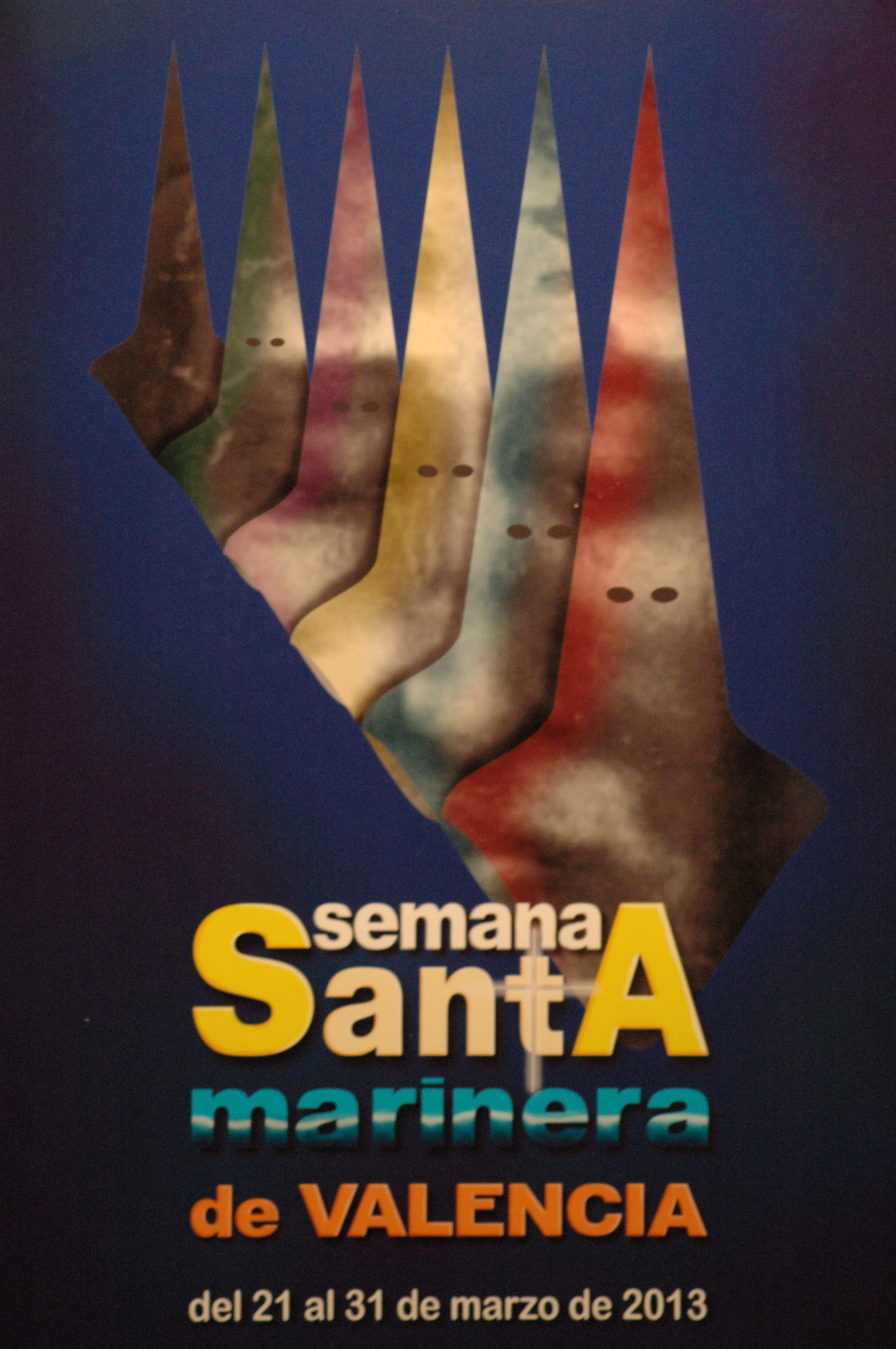
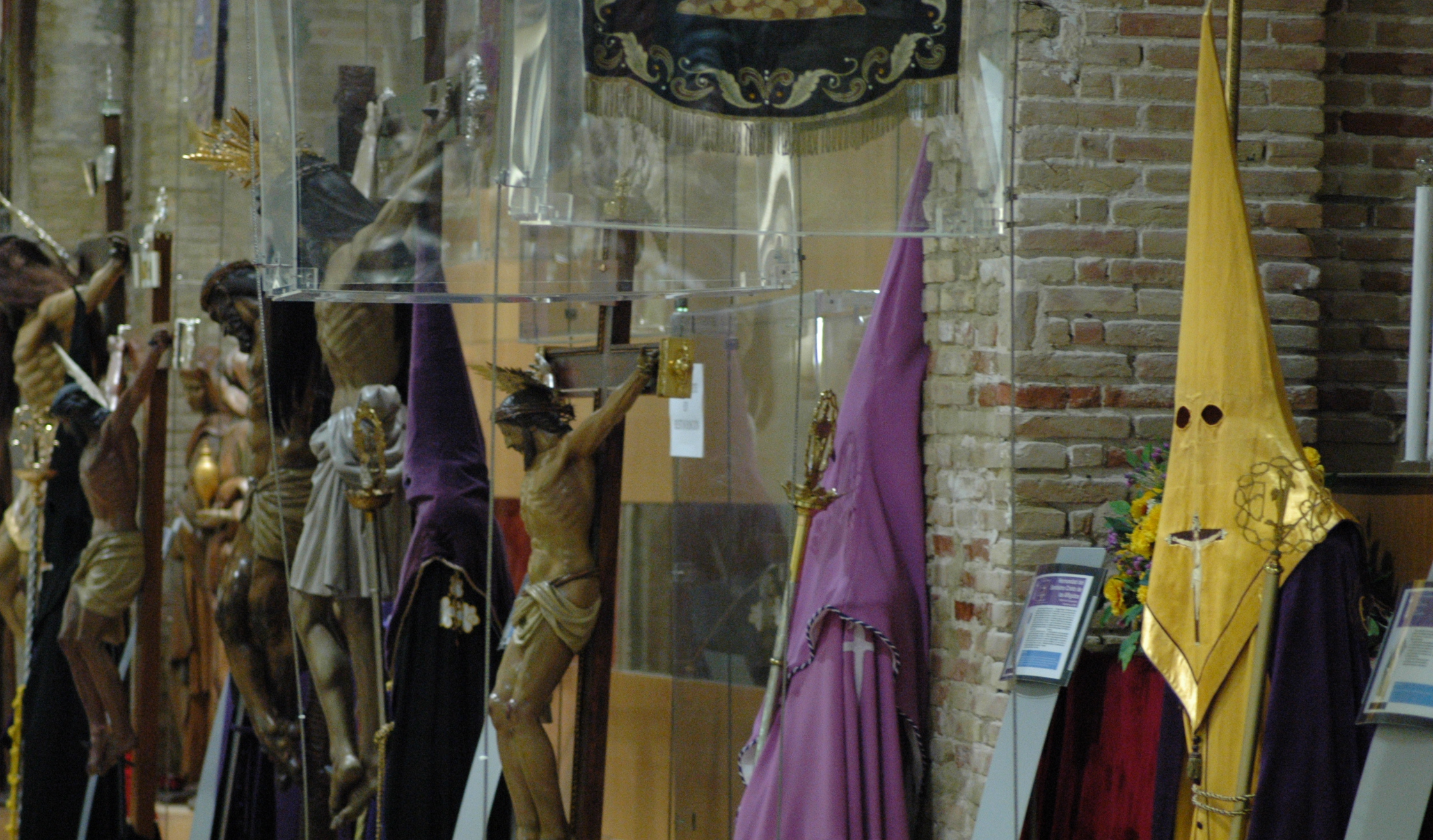
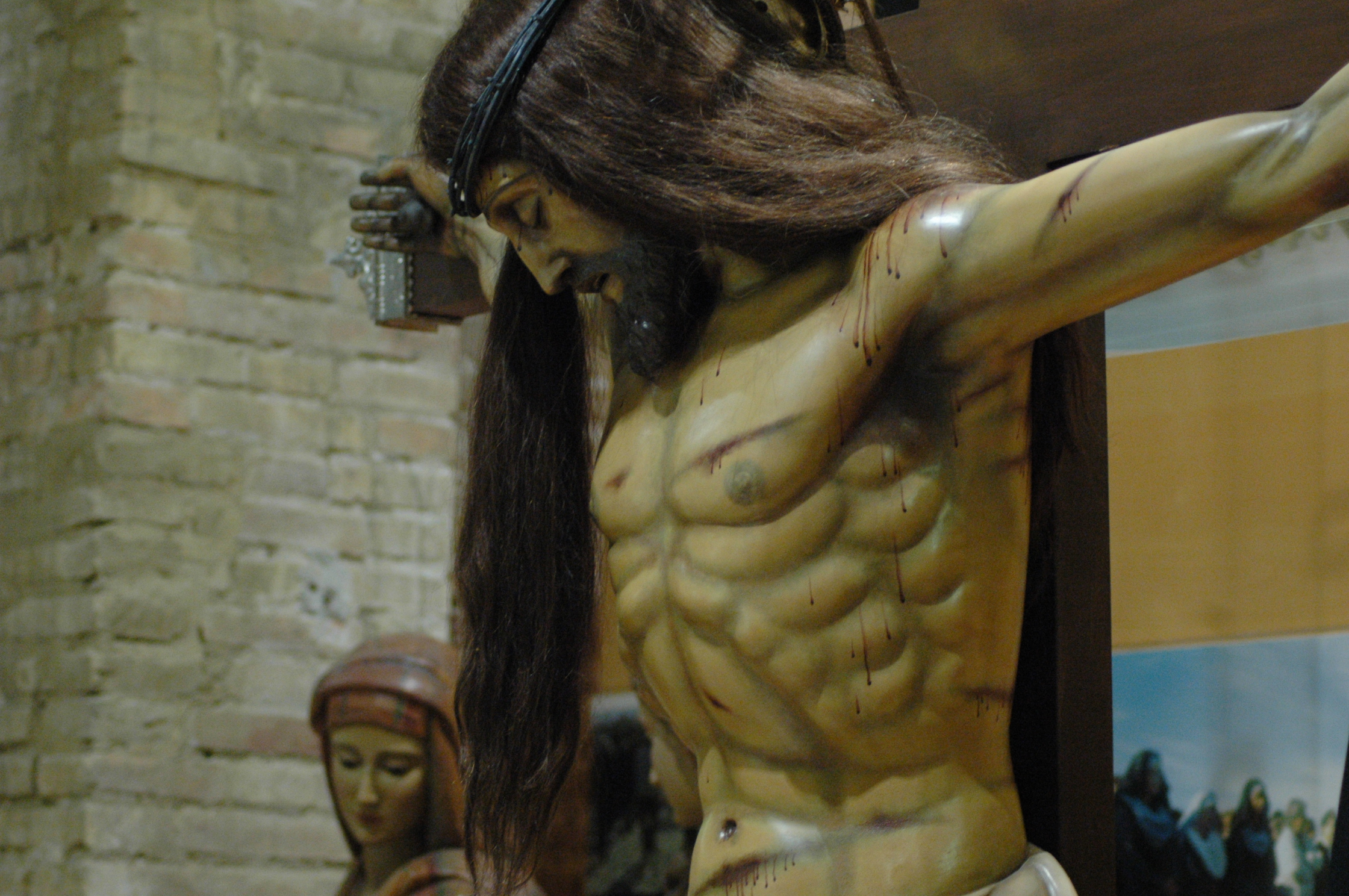
DSC_0863Anyway, here in Valencia, it seems they do things a little different. For one thing their statues are built more as freezes, depictions of the Passion story, tailor made for being paraded rather than living in the side-chapels of churches. Secondly, these larger sculptures are paraded around on wheels, rather than carried by hundreds of men in unison, as is the practice in the South of Spain. Thirdly, and perhaps the reason for the second of these differences, the Semana Santa in Valencia is called the Semana Santa Marinera because the parades actually take place, at least in part, along the beach, hence the location of this museum. This must make for quite a sight. Sadly, owing to the time of year, we had to make do with the museum itself, which is more of a holding place for the floats and costumes during the year. I must say, it made for something of a creepy and solemn spectacle to see all of the statues lined up, the crucifixes with their realistic depictions of bleeding Christ, and the hooded figures set out as mannequins. As interesting as I found it, I’m glad I was not there alone.
DSC_0833 DSC_0848 DSC_0838 DSC05112 DSC_0845 DSC_0858 DSC_0854

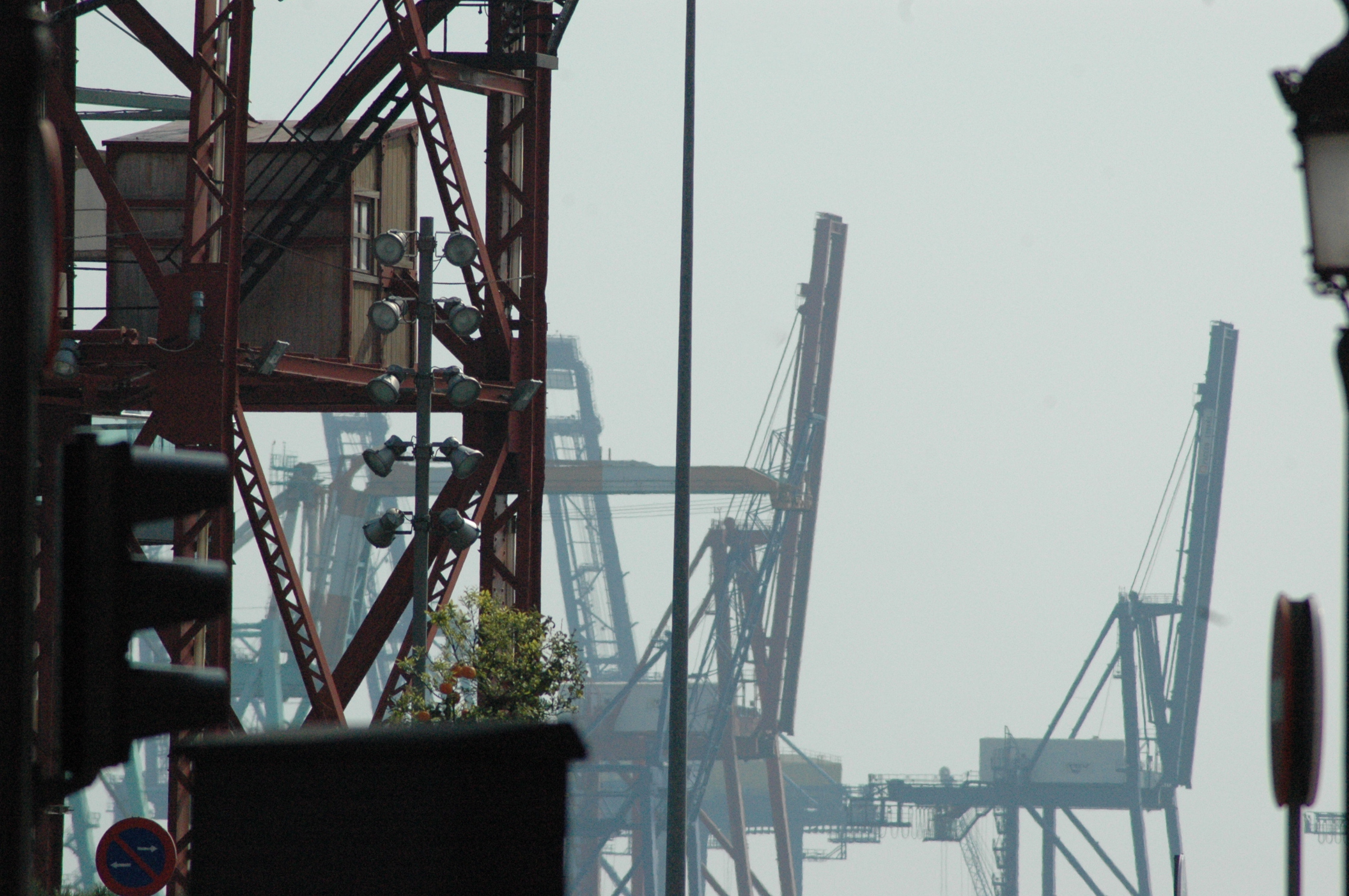
After that slightly macabre visit, it felt good to be out in the sun again and walking towards the sea, not that it was terribly straightforward. It’s obvious that Valencia was not built as a seaside resort. For one thing, the city centre is far from the coast, with the result that the approaching areas are very suburban, and, to be honest, a little scary. Amongst all the tightly packed tower blocks, I felt very conspicuous – the two lone tourists with large cameras in hand walking along slightly lost in this very untouristy area. Eventually, via several main roads and diversions, we made it to the sea, but again the approach was far from obvious (luckily I speak enough Spanish to ask bemused locals where we were going). Valencia is known for having one of the biggest commercial ports on the Med – it is not known for its beaches, and while a rather pleasant paseo maritimo has now been forged along the coast, it is one strip of civility in amongst a whole hotbed of industrialised landscape. The golden sands, presumably imported, look a little out of place in this vast industrial centre, and even the pleasure port, itself a creation of recent decades, still has a very urbanised, working feel to it.

DSC05131 DSC_0876 DSC05118 DSC_0889 DSC_0865

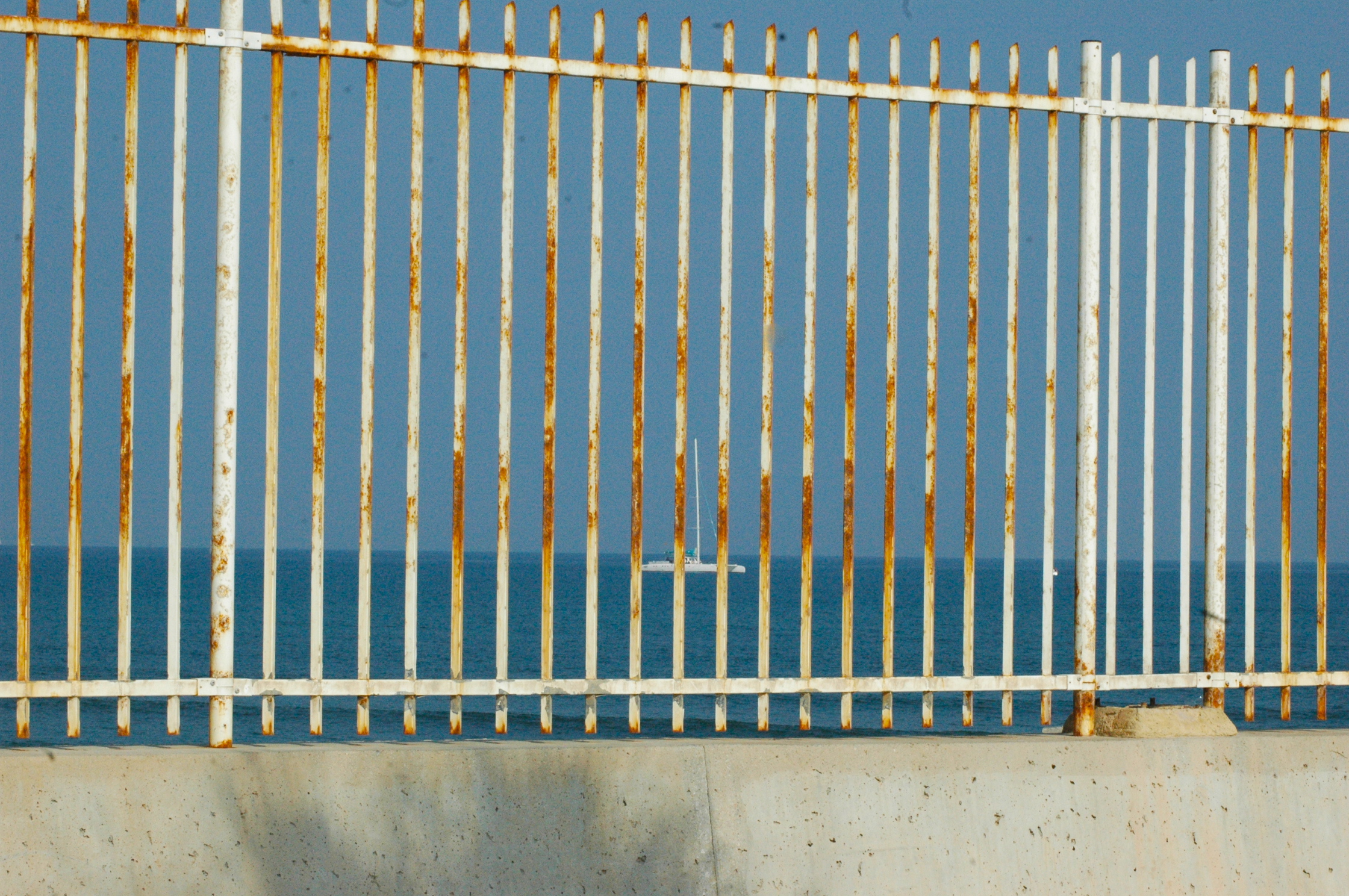
The restaurants along the paseo are clearly tourist-centric however, and as we walked along, I made a point of avoiding every restaurant which had posted a waiter outside, touting for business. As this left no options open to us, we opted instead for the arm of the Marian Real Juan Carlos I. There a rather tatty looking cafe, 39o 27N, appeared nevertheless inviting, offering us a prime position in the sun, next to the sea. Too good to resist in fact, and despite a rather unfortunate incident when I sat on a man’s coat for some 5 minutes believing it to be a complimentary blanket (thus inadvertently stealing his table causing him to walk off in a huff) we relaxed into a good hour’s worth of sun worship next to the blues of the Med and the sparkling white of the shore. From out on the harbour arm, the industrialised landscape beyond almost looked romantic.

DSC05126

Croquetas for lunch…

DSC_0894 IMG_3201 DSC05121

After a few croquetas and a small cerveza, we headed back in land, preferring the pull of the old town to this recently fabricated coastline. Heading up again to the north of the old centre as we had the previous day, we were aiming towards the second of Valencia’s two main artistic attractions: the Institute of Modern Art (IVAM). IVAM is said to be one of Europe’s finest museums of contemporary art. Set within a vast spacious building (as contemporary art museums often are) and close to the old Turia riverbank, it is a building full of fragmented exhibitions, but somewhat lacking in a consistent display. When we turned up, I was a little confused to be handed around 6 leaflets, each in turn providing information about different temporary exhibitions being held at the site. Very little of the museum’s permanent collection, which I understand to be large, was on display – there was an exhibition of the metal abstract sculptures of Julio Gonzalez, and an exhibition of the paintings of Valencian painter, Ignacio Pinazo, another exponent of the Impressionist mood in Spain. Otherwise all offerings were temporary, not that this made them any less interesting.

Jeff Koons jewellery

Jeff Koons jewellery

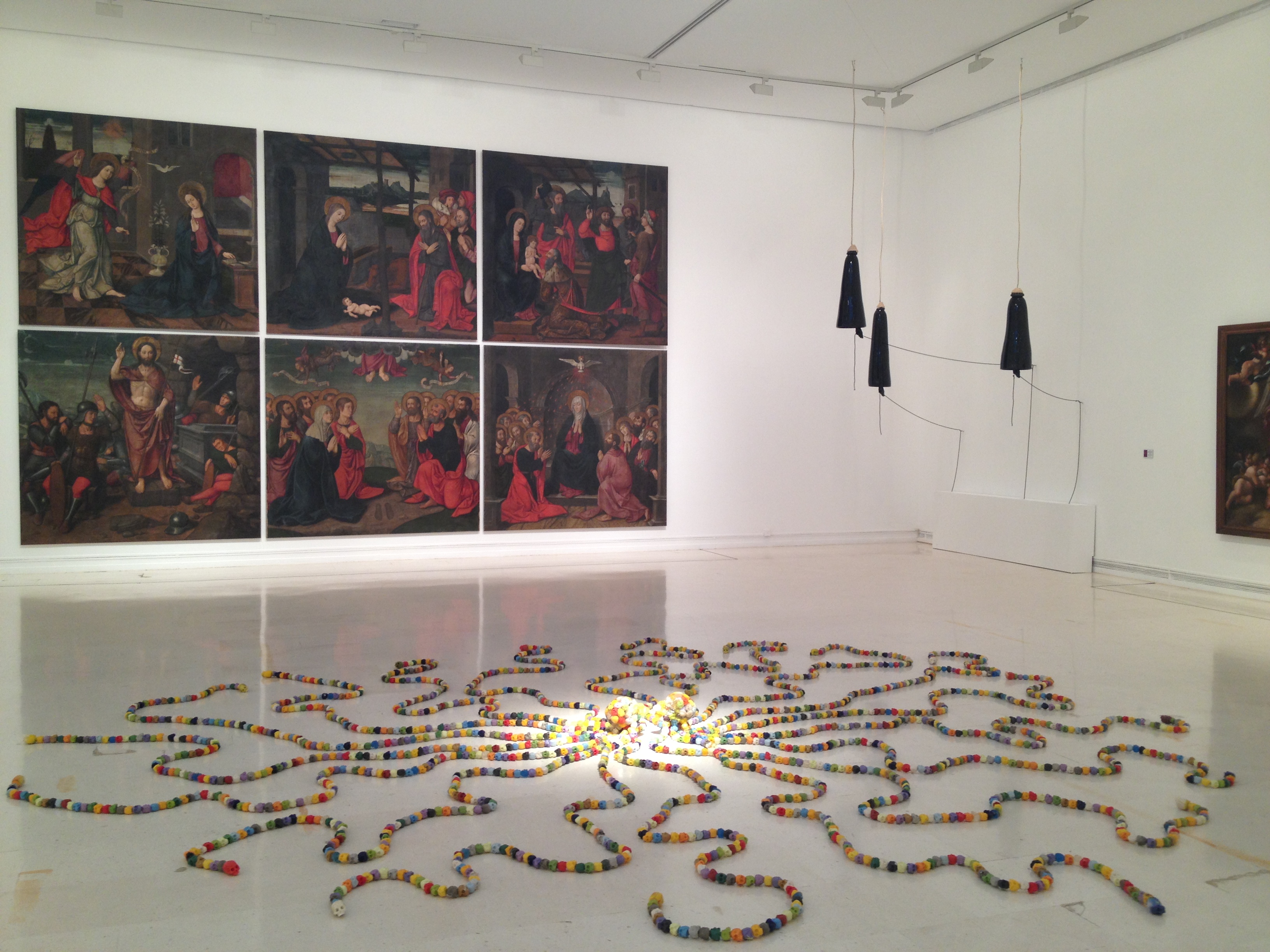
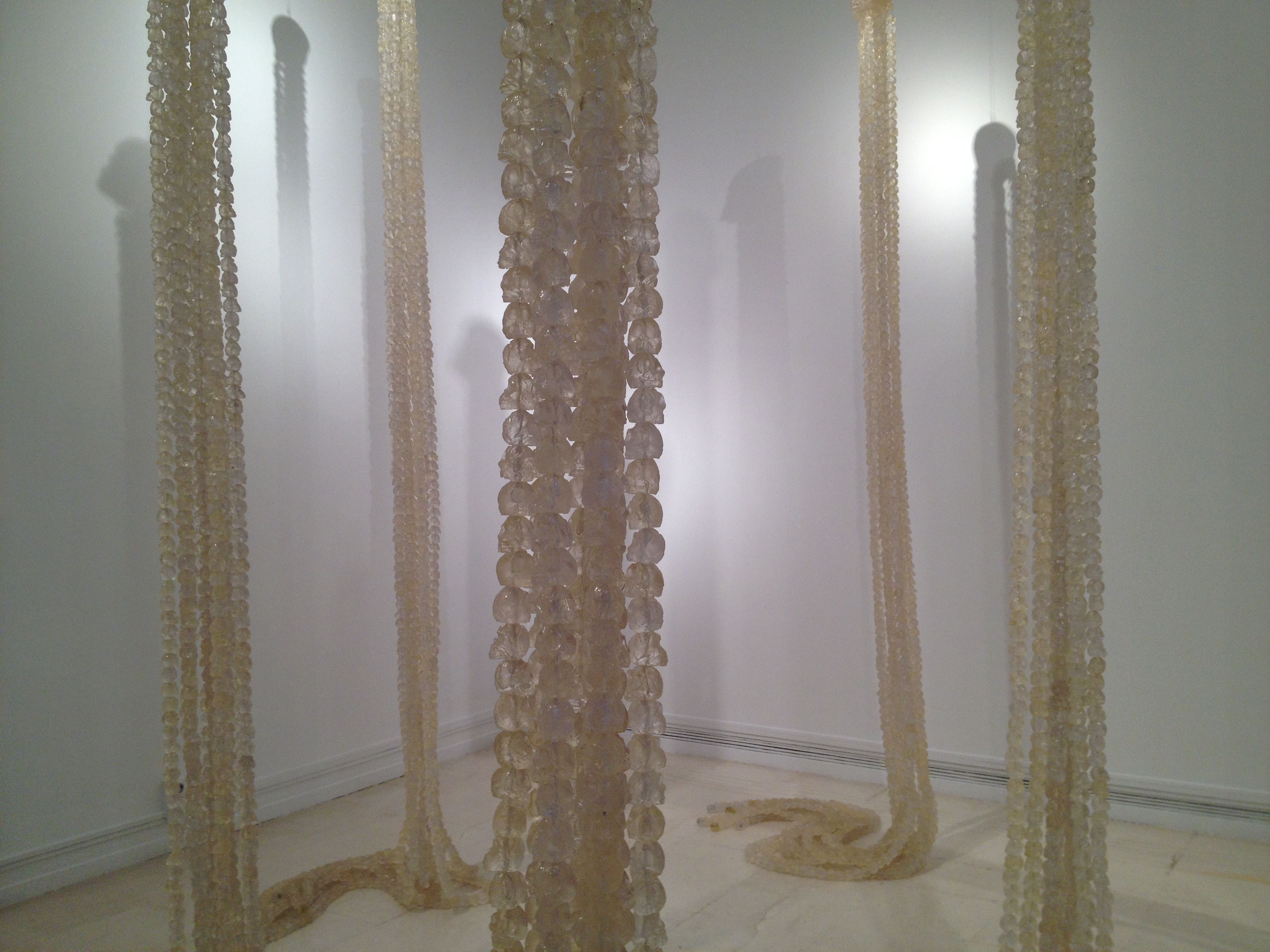
Of particular interest was the exhibition From Picasso to Jeff Koons, an exhibition not of the artists’ ordinary works, but of their creations in jewellery. Thus we were treated to a wide range of artistic jewellery, arranged in various artistic genres, from minimalism to surrealism, and included, as the name suggests, creations from the likes of Koons (his inflated rabbit was made into a rather fetching silver necklace) and Dali (though sadly not his Mae West lips which I have seen recreated as a ruby broach in another exhibition). We also enjoyed a show entitled Arte y Espiritualidad, in which the relationship between art and spirituality was examined. I particularly enjoyed the various installations made from multiple skulls in plastic and pastel coloured material (they looked a bit like sherbet), as well as the interplay between old religious works and very modern creations. I also loved the work of Equipo Cronica, a brilliant Spanish artist who takes works of popular Spanish culture (Picasso, Valezquez, Goya) and reinvents them for the modern age. Below is his work, El Patio de las Tentaciones (1972) which to my mind appears to be based on Velazquez’s Mother Jerónima de la Fuente

Equipo Cronica, El Patio de las Tentaciones (1972)

Equipo Cronica, El Patio de las Tentaciones (1972)
DSC_0941 IMG_3212 IMG_3213

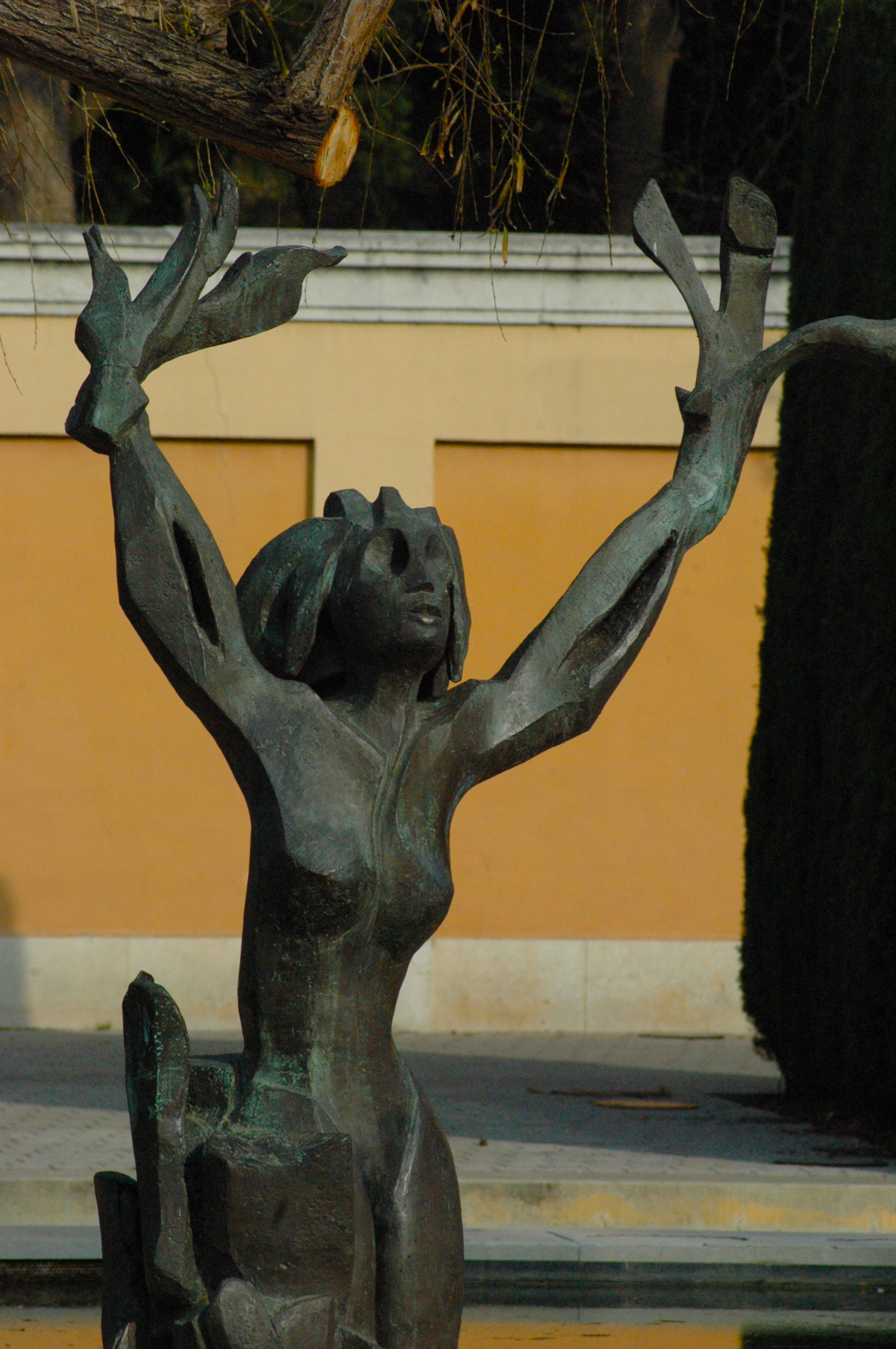
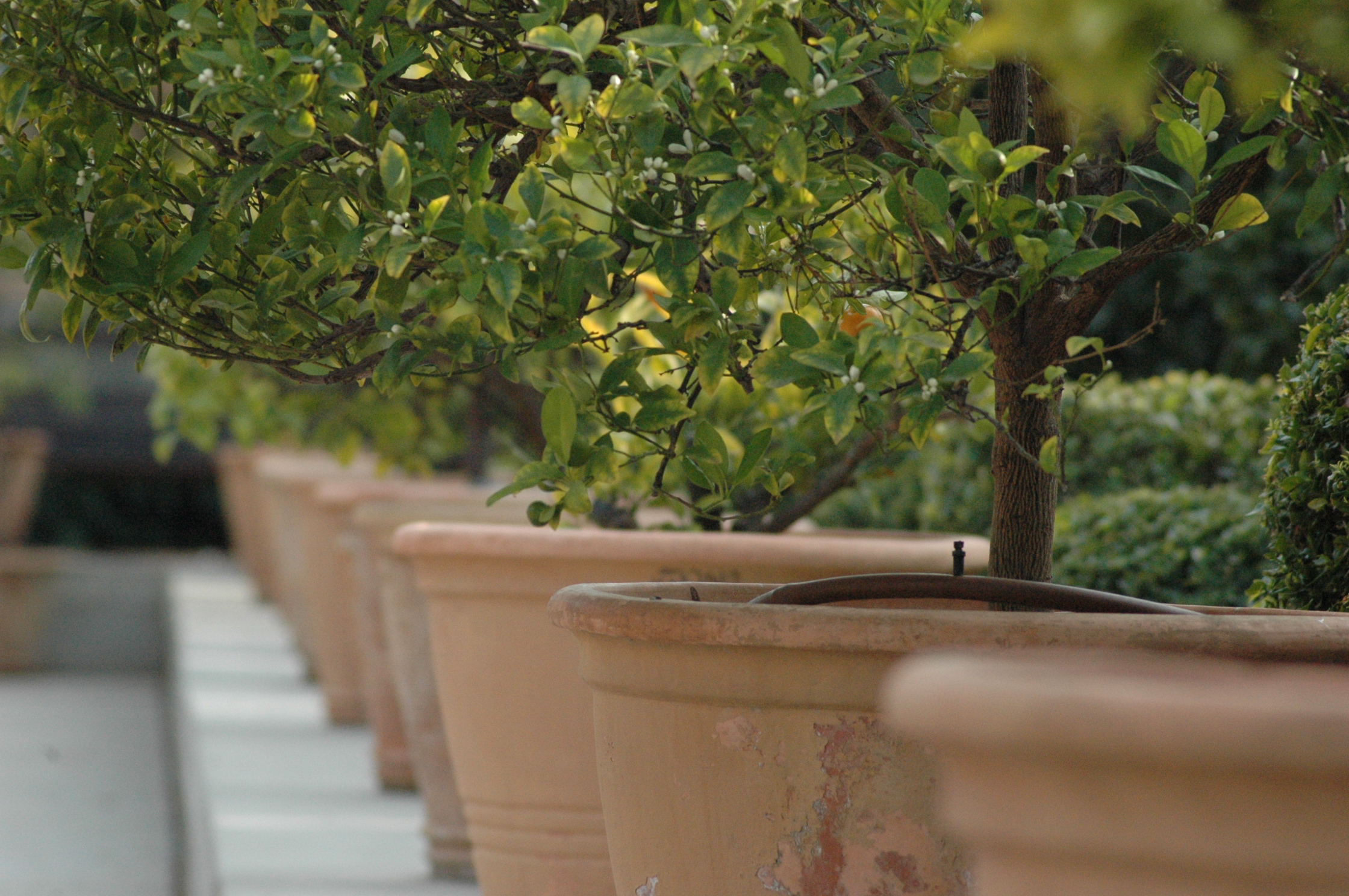
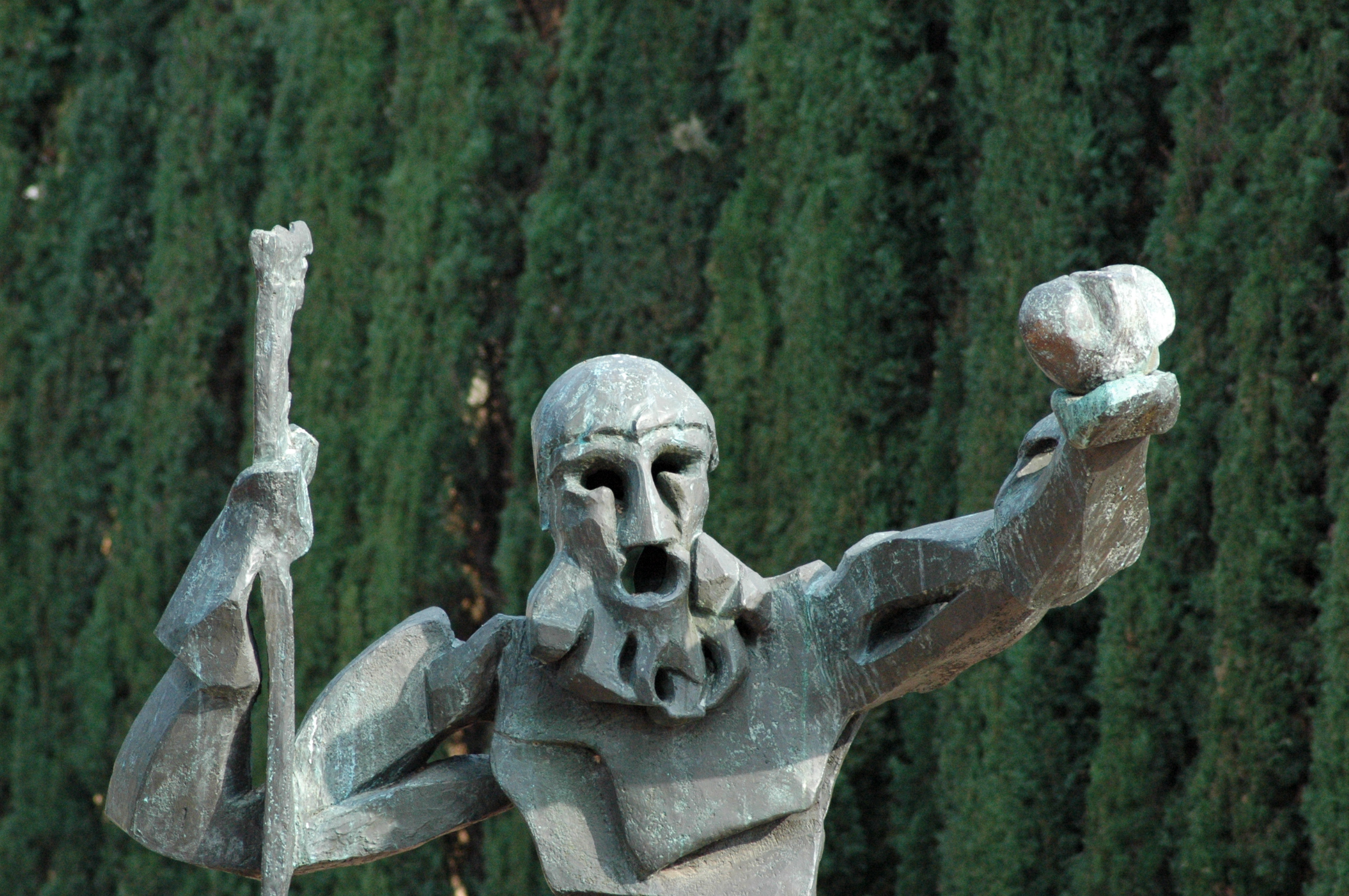
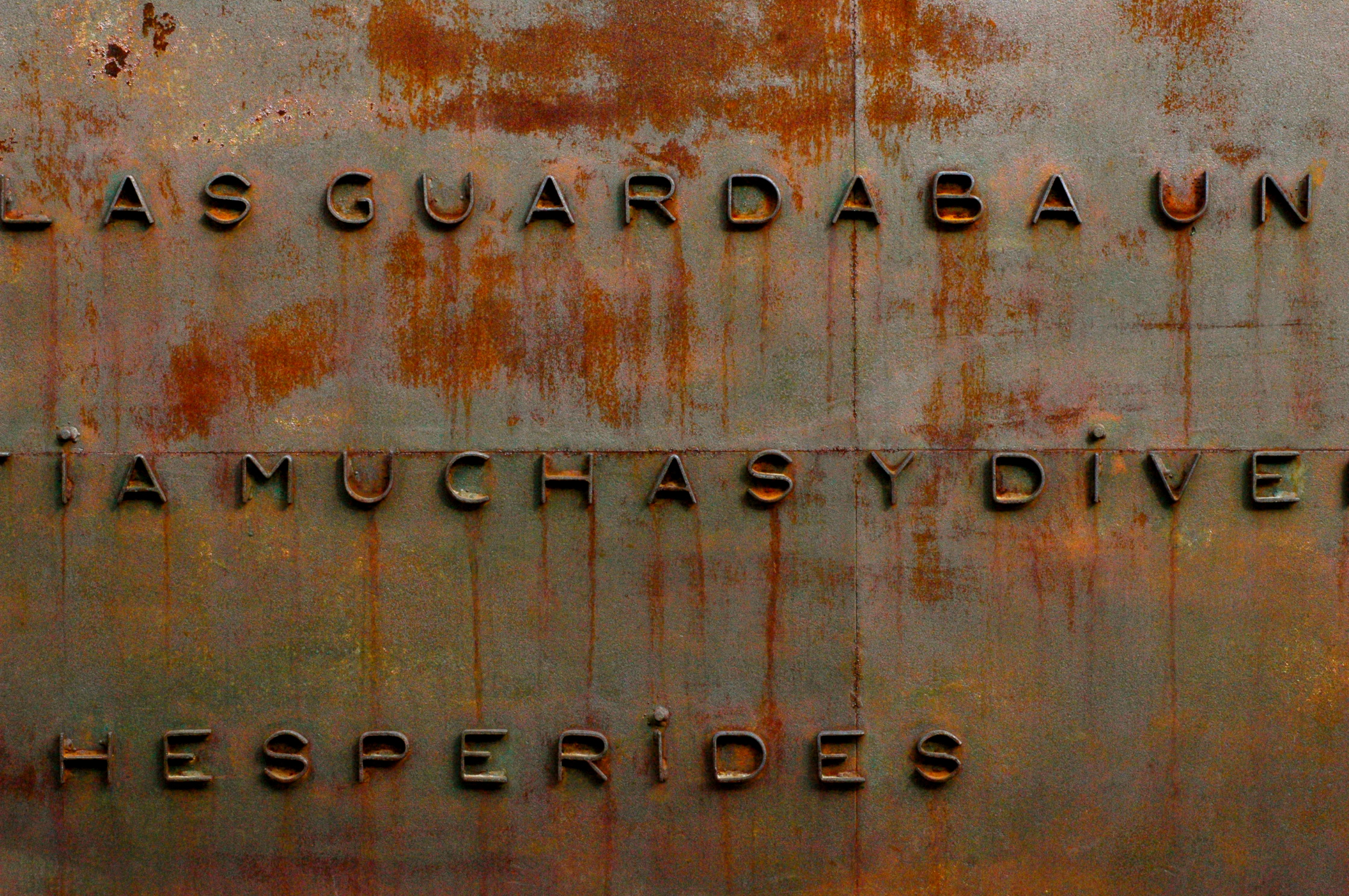
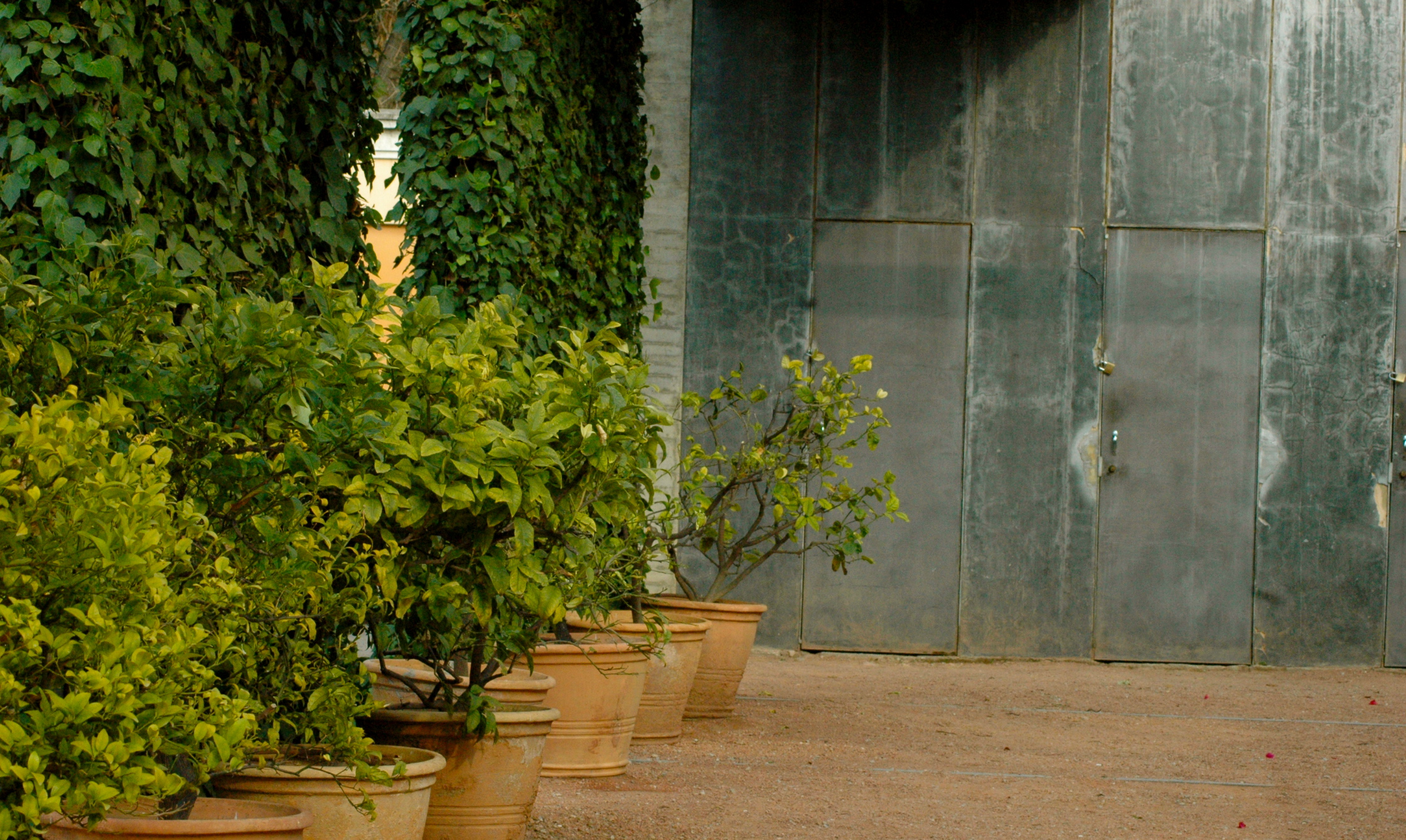
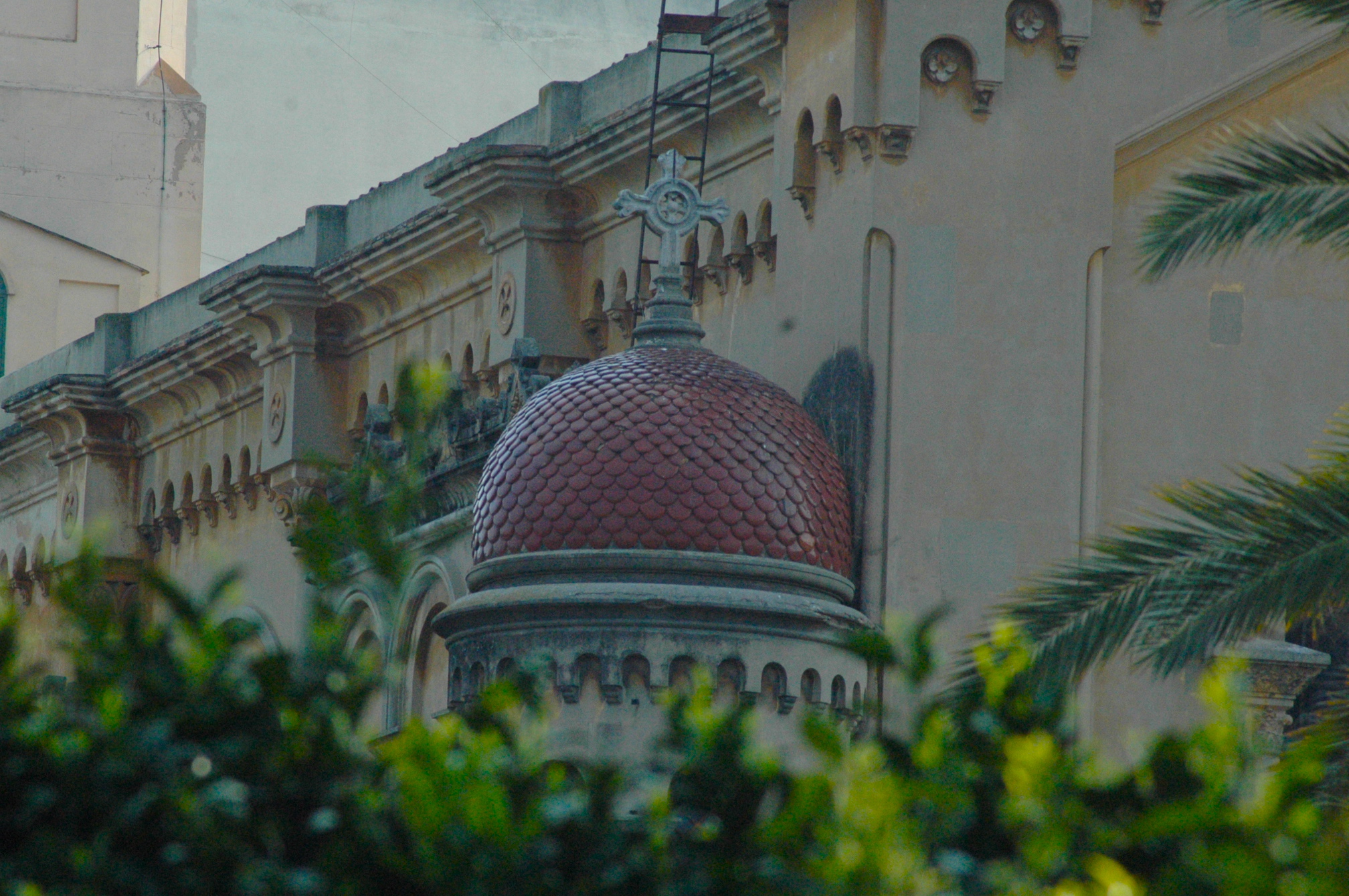
Leaving IVAM, we had one more treat in store before the day’s end. Passing again by chance, we stumbled upon the Jardin de los Hespérides, a stunning contemporary garden space which, I learn subsequently, has been awarded prizes aplenty for its modern garden design. Simple in its layout, and uniform in its alignment of fragrant cypress trees, citruses and low banks of herbs, the garden is a place of calm sanctuary from the bustling city beyond. In the background, the rear of a beautifully ornate church contrasts wonderfully with the abrasive metals and harsh lines which make up the garden. Meanwhile, in the foreground, wonderfully expressive sculptures are like cubist creations come to life.

DSC_0900 DSC_0899 DSC_0918 DSC_0914 DSC_0908 DSC_0934 DSC_0929 DSC_0907 DSC_0937

From Sea and Semana Santa, to a contemporary sanctuary in the midsts of the Valencian city centre, this day has once again introduced us to yet further facets of this diverse and variable city. And yet tomorrow there will be greater variance still – for we’re heading down river, to the City of Arts and Sciences, the modern architectural creation which has propelled Valencia forward as one of the world’s leading exponents of architectural innovation and, perhaps inevitably, the less comfortable epithet of one of Spain’s most extravagant spenders…

All photos and wording are strictly the copyright of Nicholas de Lacy-Brown © 2013 and The Daily Norm. All rights are reserved. 

Valencia (iii) – Photography Focus 1: Modernista architecture

Regulars to my blog will not be at all surprised to know that I was never far from my camera(s) as I traversed the quaint streets, wide esplanades and picturesque squares of Valencia. Photography, like art, is like an inseparable part of my inner personality, almost like an extra limb by which I can capture the compositions which line up and freeze into photo form in my mind’s eye as I look around me. Valencia was, unsurprisingly, ripe fodder for my photographic expressionism, and so many photos have resulted, that I thought it would be prudent to post my body of work thematically.
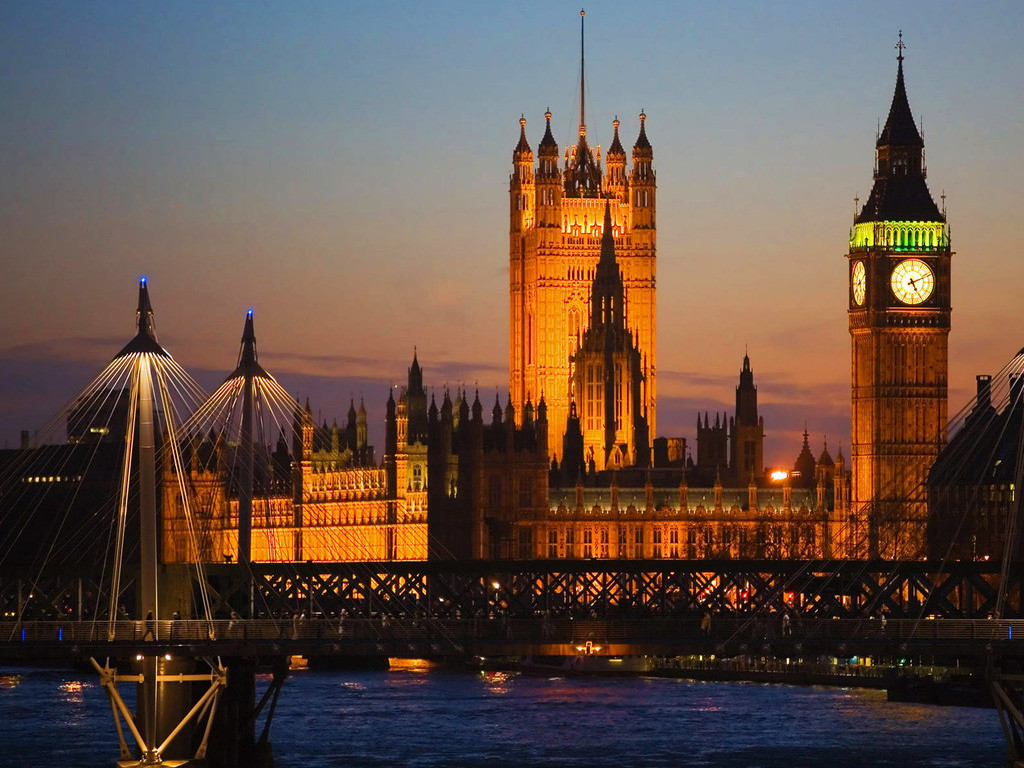
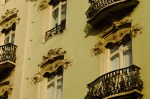
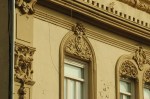
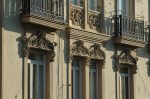
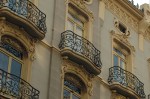
First up is a concentration on Modernista architecture, the movement of architecture which paralleled, and to some extent expanded our own art nouveau style, an artistic drive which embellished buildings with floral, leafy detail, replaced straight lines with daring curves and undulations, and generally rewrote the rules of conservative architectural standards.

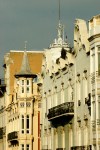
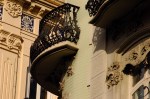
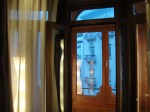
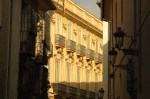
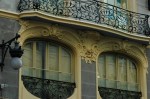
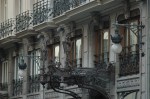
Valencia’s offerings of Modernismo are not as abundant or over the top as the prized examples of Barcelona’s Gaudi-led architecture, but there are nonetheless plenty of buildings to rave about. As a starting point, I was delighted to learn, upon arriving out our hotel, the Vincci Palace, that the hotel itself is set within one of Valencia’s most admired Modernista offerings, complete with elaborate miradores (corner balconies) of which (I was even more excited to discover) our room boasted one of two. In the same street (the Calle de la Paz), various other buildings overflow in Modernista detailing, from plaster rendering which looks almost alive with curving creeping plant details, to equally elaborate ironwork, but all combined with something of a Valencian focus as plaster and stone combines with softly-toned ceramic tiles.

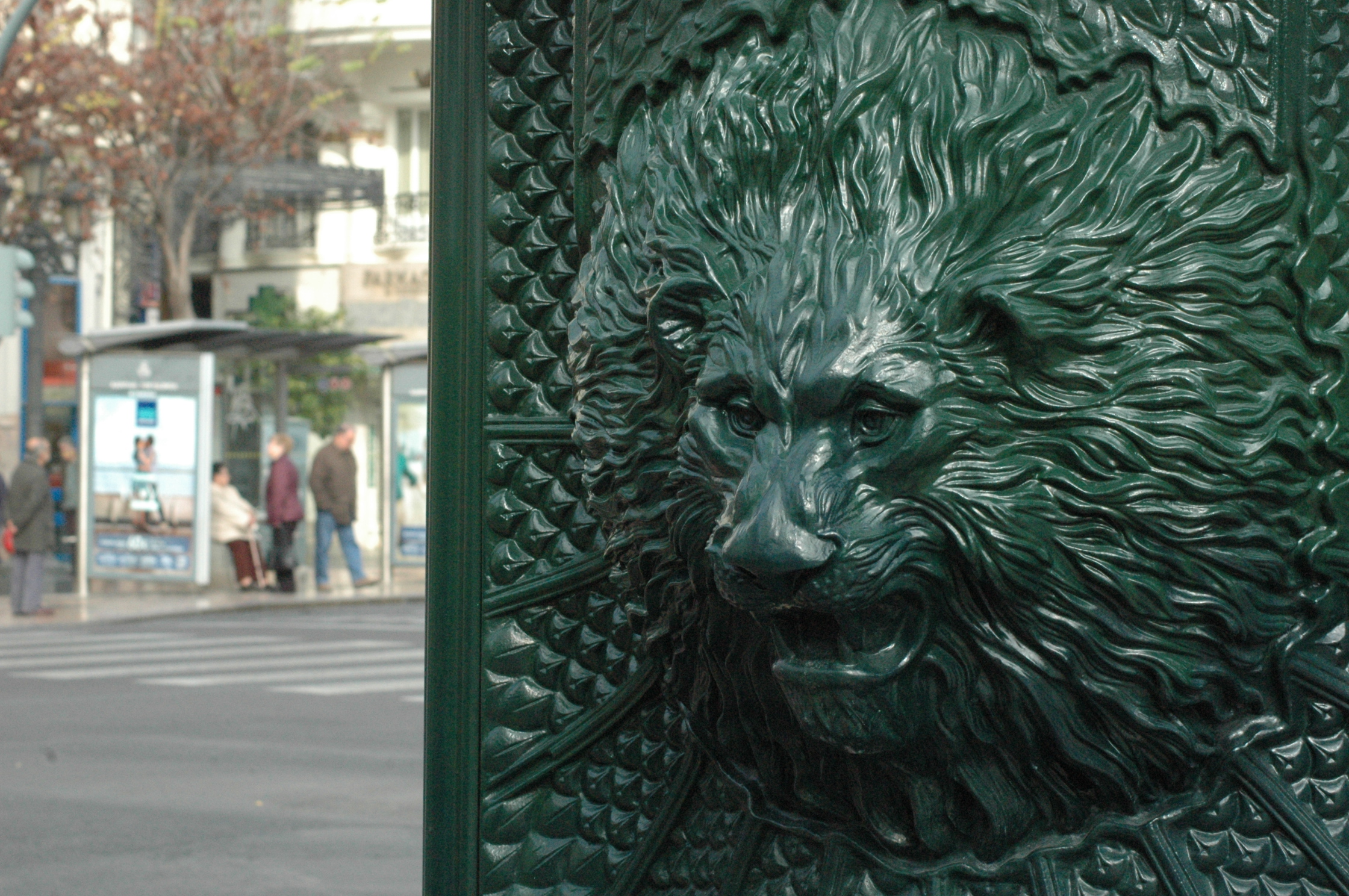
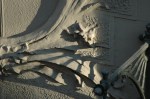
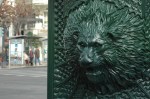
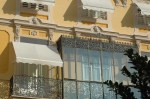
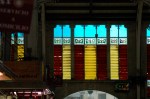
Green ceramic tiling with modernista stonework overlappingLion detailing on an advertising postPlant detailing appearing to emerge from the renderingCeramic detailing on the modernista mercadoDSC_0812

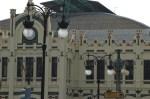
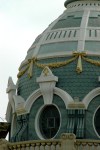
Beyond the Calle de la Paz, examples of Modernismo are sprinkled across the city’s historic quarter, as wooden miradores, rounded windows, and examples aplenty of differing building shapes and styles standout from the more conventional linear architecture all around. In the impressive Plaza  del Ayuntamiento, a plethora of decorated domes, statues and curving, meandering details are scattered across the architecturally diverse central square, while beyond, the Modernista facade of the grand central station, the Estacion del Norte, makes for an impressive entrance to the city’s main transport hub. Also in the centre, the grand Mercado Central is built in the Modernista tradition, with elaborate ironwork, coloured stained glass and more ceramic detailing proclaiming a central food market place for the people built in the Modernismo style.

It is without further ado that I share a gallery of the garlanded, stucco-covered, elaborately decorated buildings and street furnishings which make Valencia’s historic quarter a must-see centre of the Modernista movement.

All photos are strictly the copyright of Nicholas de Lacy-Brown © 2013 and The Daily Norm. All rights are reserved. 

Valencia (ii) – Food Focus 1: Palo Alto

Review websites such as tripadvisor have easily become the best friend of the tourist, but often the enemy of the hospitality industry, which so easily falls victim to the foul mouths of internet trolls who would never complain to a restaurant’s face (so to speak), but unleash their cowardly fury online to the detriment of the business’s future trade. And yet, when a restaurant knows its stuff and presents a brilliant service, this is more often than not reflected on the said review websites. It is for this reason that before visiting a new city, I tend to check out the top 10 or 20 restaurants as reviewed by visitors on tripadvisor, and more often than not make a few reservations as a result. For Valencia however, I had insufficient time to scan through the various Valencian offerings, and decided to take Valencia like a bull by its horns, and leave my restaurant reservations to chance.

Imagine my surprise then when, after stumbling upon this little neighbourhood gem, Palo Alto C/ Conde de Montornes 30, and enjoying every little expectation-exceeded detail, that I should find said restaurant is only at number 406 of 1266 tripadvisor reviewed restaurants in Valencia! To be fair to them, they only have one review, and that review is a full 5 out of 5 which, while not surprising, should be replicated many times over. I hope therefore that in writing this review, I will play a small part in lifting Palo Alto far up the tripadvisor rankings and into the hearts of Valencia visitors henceforward.

file205_Restaurante_Palo_Alto_08_resize file201_Restaurante_Palo_Alto_03_resize

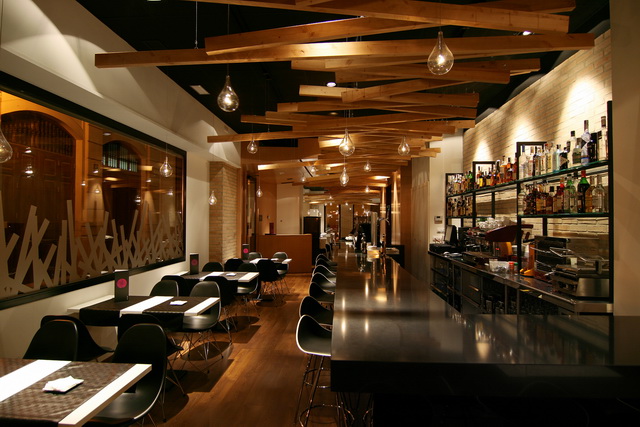
We were quite lucky to chance upon this restaurant. Always on the lookout for something quirky (and always ensuring that I avoid any restaurant which 1. has waiters/ maitre d’s standing outside beckoning/ forcing tourists inside or 2. those whose menu comprises 80s-style yellowing photographs of ideal dishes, to which the actual presentation bears very little resemblance) and heading back to the hotel after our traipse around Valencia’s fine art museum followed by another around the Jardines del Real, I was attracted to this place by the unique interiors (special admiration went for the variously angled wood suspended from the ceiling like a continuous wave rushing along the shore, complete with oversized lightbulbs hanging at differing heights) and the very reasonable menu. For only 44.25 € each, we would get 5 courses, bread, a bottle of wine, water and coffee. Bargain.

Delicious wine, all included

Delicious wine, all included

So turning up later at the allotted time, we found ourselves attentively looked after from the start. Pleasant waitresses asked us whether we would like white or red wine, and on choosing the latter were given an excellent tempranillo rioja “Valdemar, 2011” which far exceeds the normal plonk one may be given as a house wine or as part of a set menu. Smooth and perfectly chilled at the recommended mid-teens centigrade, this wine flowed like liquid velvet upon the tongue, slipping down the throat in perfect unison with the food.

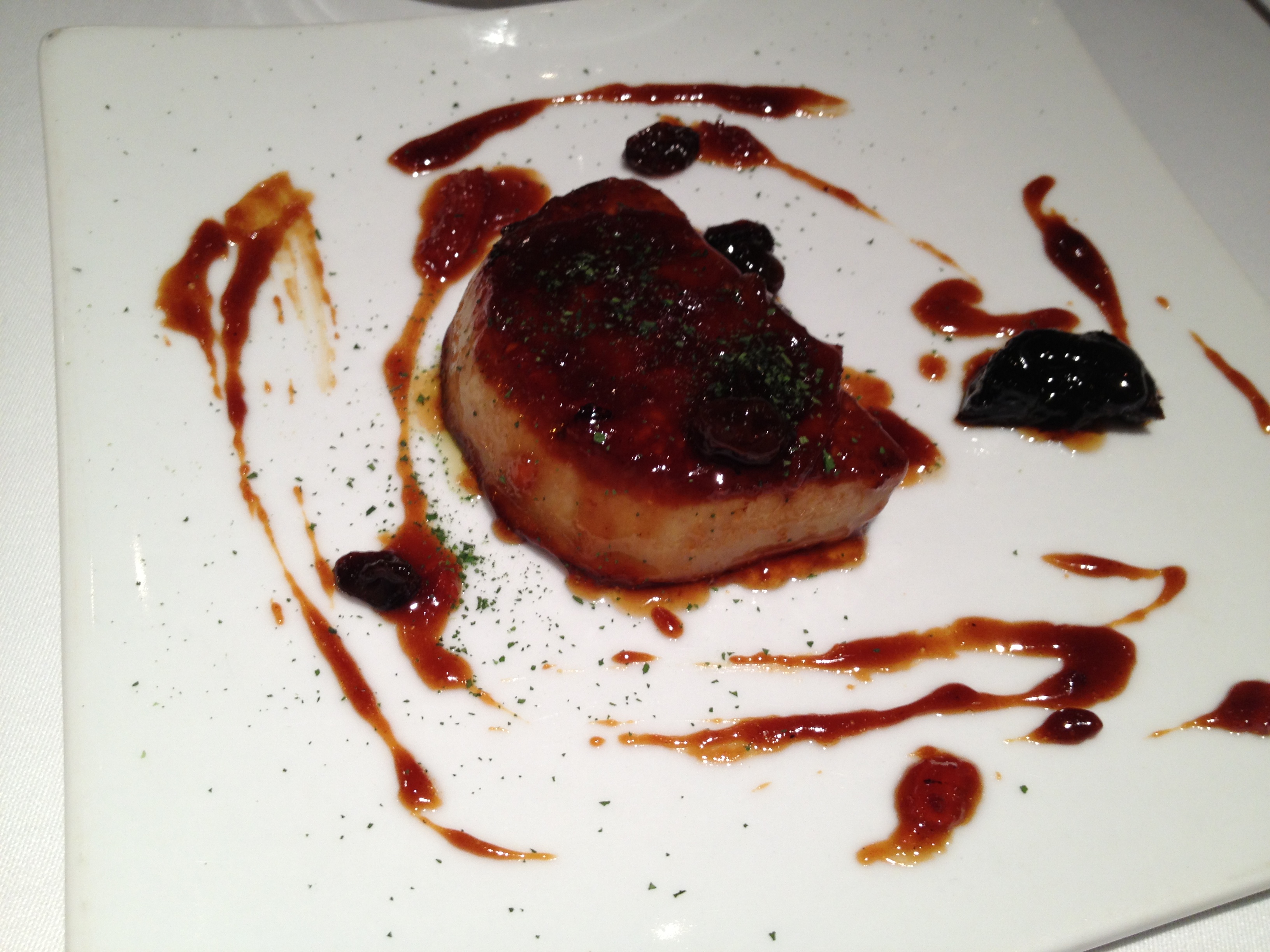
Speaking of which, each and every course of our sampling was delicious, flavourful and each uniquely different. The first, a panfried foie gras with a reduction of pedro ximenez sherry, honey and raisins was a perfectly balanced dish. The reduction had been taken a little too far, with the result that it was a tad sticky in between the teeth, but the sharp sweetness was a beautiful accompaniment to the rich creamy saltiness of the foie.

Foie with a sherry reduction

Foie with a sherry reduction

Onto dish two, a beautifully presented salad of super-fresh scallops, sitting in their little mermaid bikini shells surfing the waves of a verdant salad, dressed in a citrus vinaigrette and topped with that much needed “crunch” supplied by crushed pistachios and crispy iberico ham.

Salade of Scallops with iberico ham and crushed pistachios

Salade of Scallops with iberico ham and crushed pistachios

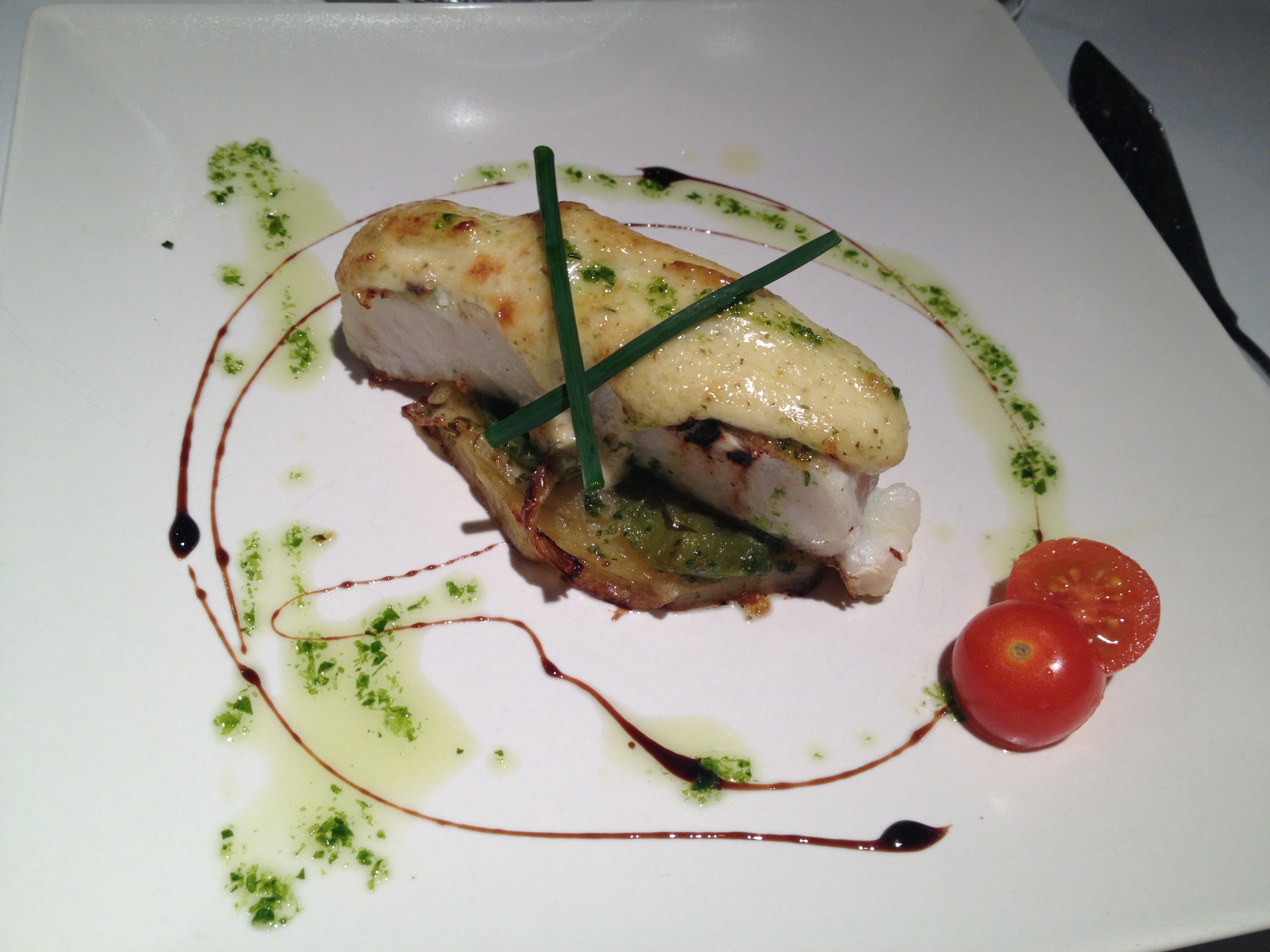
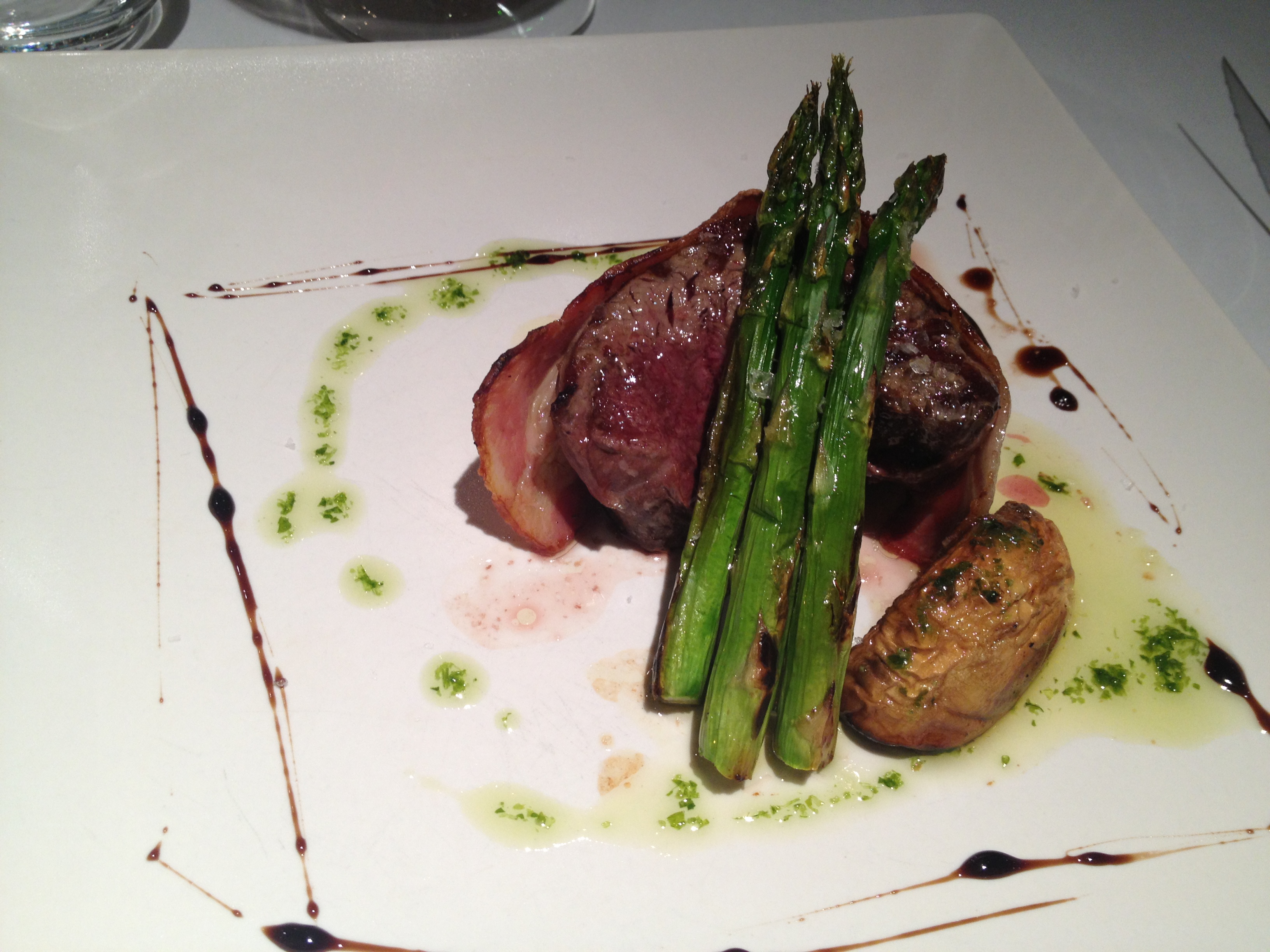
There were two mains, the first a dish of hake  (or “merluza” in Español), served on potatoes with a basil and garlic purée. I could smell the pungent garlic as the dish wafted over from the kitchen (or rather the garlic vapours did) and relished the potent mediterranean flavour. My mother found the garlic a little strong for her more refined anglicised palate and perhaps wisely left a little of the sauce to the side – had I done the same, I may have better appreciated the more delicate flavours of the subsequent main, a tornado of beef wrapped in bacon and served with mushrooms and asparagus. What can I say other than it was delicious, tender and perfectly cooked?

Hake with a garlic and basil sauce

Hake with a garlic and basil sauce

Tournado of beef with bacon

Tournado of beef with bacon

Ok, it's meat juices I know, but the marbling is beautiful

Ok, it’s meat juices I know, but the marbling is beautiful

Finally, onto the unctuous spongey chocolate cake with a strawberry reduction – perfect for the Valentines weekend, although for obvious reasons this was not at the forefront of my mother’s or my mind (!). I can barely remember quite how delicious this cake was, such was my unapologetic embrace of over half of that delicious tempranillo, and my undeniable intoxication by a meal which was, in every detail, on point. Having almost forgotten how reasonably priced this set menu was, the final bill of 88 € came as something of a shock, but was worth every centimos. Palo Alto – may you rise to the altos of tripadvisor. You deserve it.

Chocolate cake with strawberries

Chocolate cake with strawberries

Palo Alto in on the C/ Conde de Montornes 30 which is a few minutes east of the Cathedral and close to the bed of the old Turia River.

Valencia (i) – Day 1: Beauty and the Bell Tower

As I stood listening to the huge iron bell strike atop the Miguelete tower at 1pm, I was caused to reflect on where I had been just two weeks ago. Having climbed the 330-odd steps to the top of London’s Elizabeth Tower, to view the gigantic bell famous throughout the world as “Big Ben”, my ascendance up this latest bell tower marked my second climb up the steep spiralling steps of a campanile in as many weeks. Yet the differences in the visits were all too visible. In Elizabeth tower, the 330 steps were fairly gentle and wide; here the 207 steps were steep and arduous, narrowing as they got higher. In London, we were the only visitors on the stairs, whereas in the Miguelete tower high numbers of tourists meant crossing each other’s paths going up and down these narrow spirals was perilous to say the least. Up here, our ears only suffered one single bong, whereas up Big Ben at 12pm, 12 huge dongs reverberated around our bodies causing us near deafness and a strong case of jellylegs.

The city, viewed from above

DSC_0578 DSC_0583 DSC_0587

But the biggest differences between these two bell towers were twofold: First, temperature – in London I perished in freezing cold winds, desperate to get inside behind the relative shelter of the clock’s huge stained-glass faces; whereas atop the Miguelete tower, I was in a pleasant 20 degrees. Secondly, the view: From Big Ben the city of London spread out beneath my feet, famous landmarks were one to the dozen, but they were basked in cold and grey and ice; here, another city spread before me – golden browns and auburn hues toped with elegant ceramic tiled domes of blues and greys, eau de nil and white, while towards the sea beyond, the eccentric discordant architectural forms of Santiago Calatrava’s revolutionary arts and science park rose from the now empty basin of the old river Turia. So what was the city I was viewing from this bell tower with such felicitous awe and inspiration? None other than Valencia.

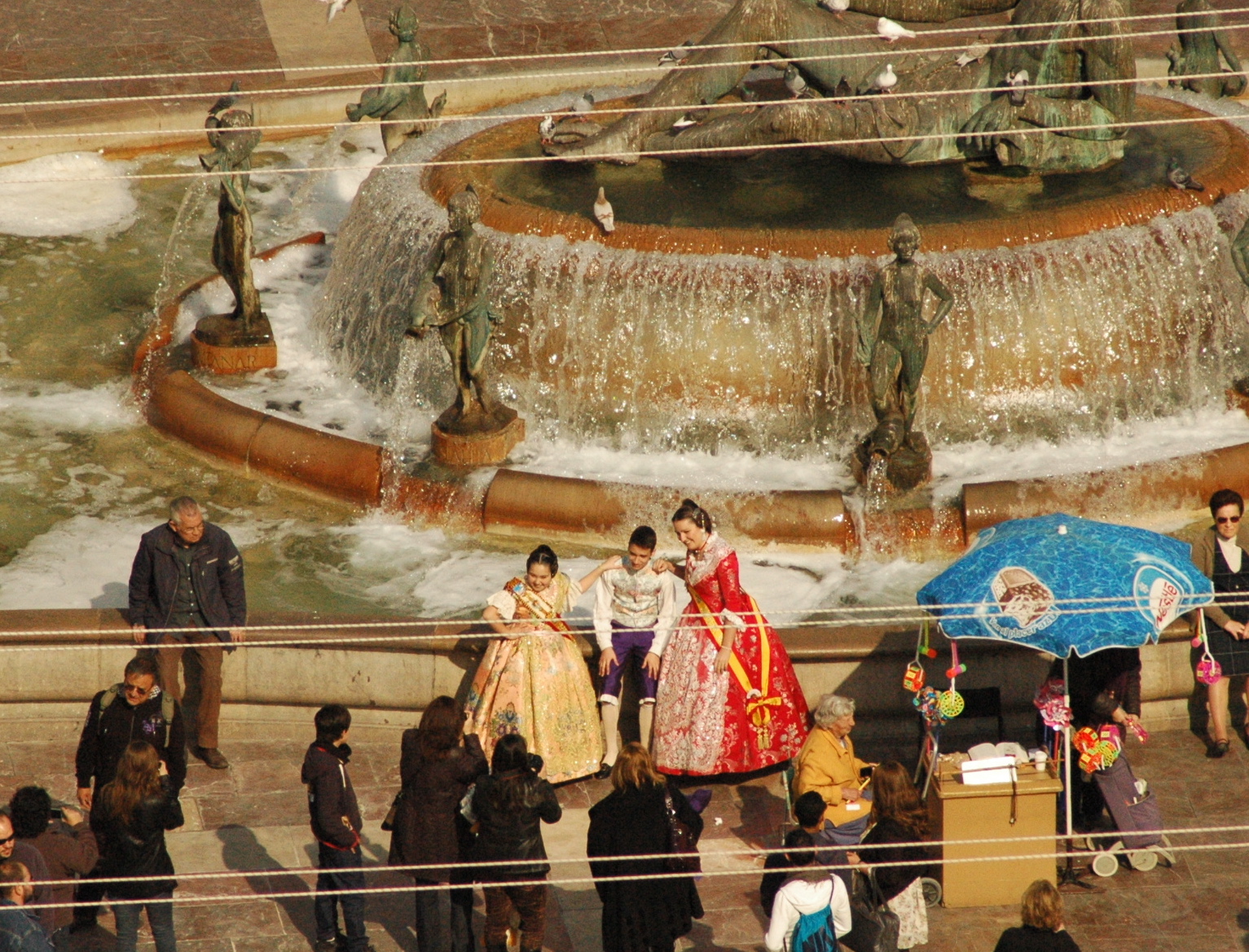
Traditionally dressed Valencians cause a stir in the Plaza de la Virgen

Traditionally dressed Valencians cause a stir in the Plaza de la Virgen

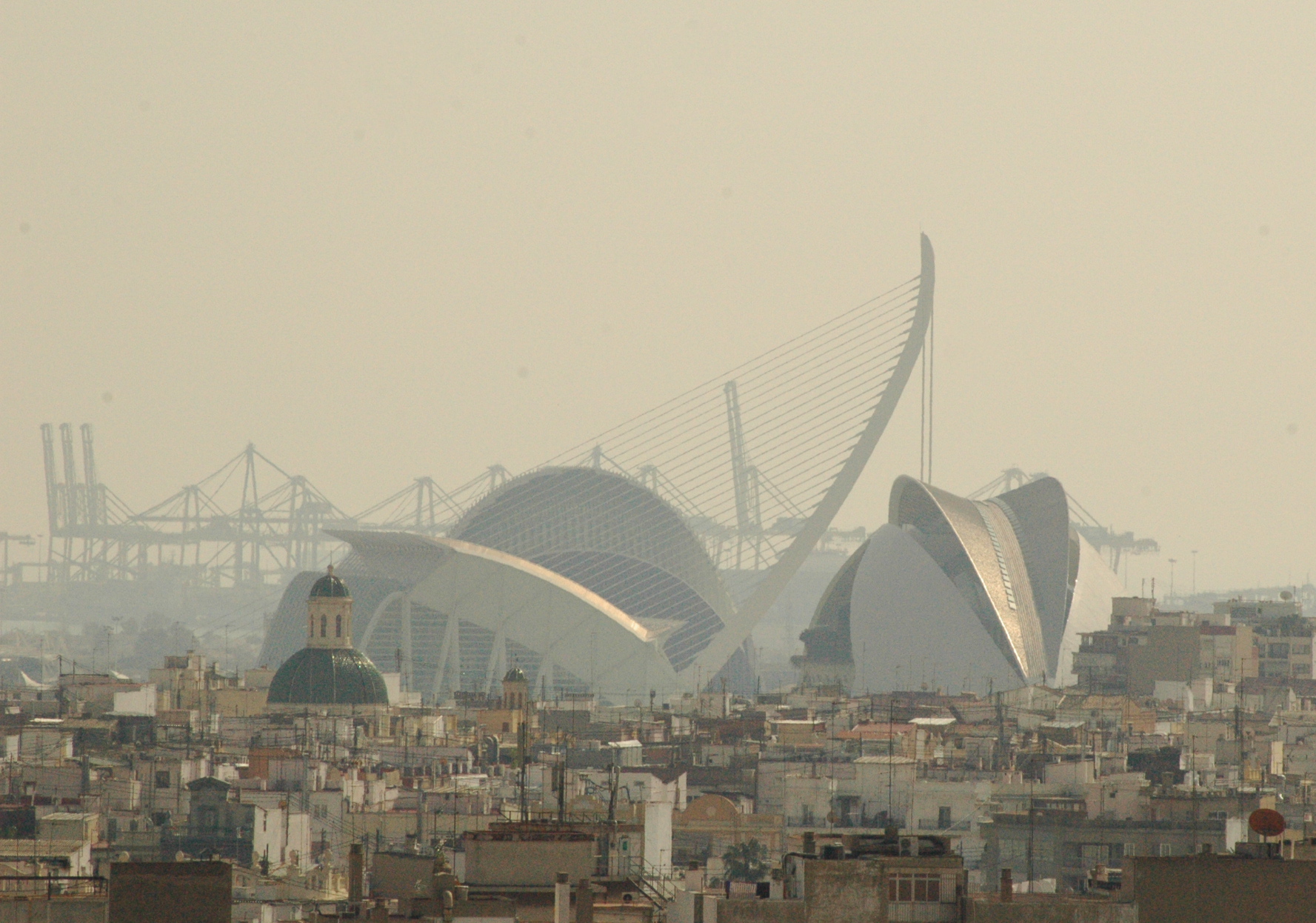
The City of Arts and Sciences in the distance

The City of Arts and Sciences in the distance

Valencia, capital of its own eponymously self-named region and located on the Eastern Mediterranean coast of the Iberian Peninsular, is Spain’s third largest city and one of the most visited in the country. Famous for Las Fallas, its March festival in which huge models are paraded down the city streets in a carnival of colour and festivity, as well as the rather oddly traditional mass human tomato fight (La Tomatina) which is held each August in the nearby town of Buñol, Valencia is a city with many facets, from its charming old centre, to its super modern Ciudad de las artes y las ciencias which boasts such startlingly innovative architecture as to have put Valencia on the architectural map of the world.

It seemed appropriate that having explored so much of my beloved Spain, I would eventually make it to this bustling Spanish centre, and all the more so at Valentines, a festival which shares so much of the city’s name. Romance wasn’t exactly my priority however – I was visiting with my Mother, with whom I have a shared love for Spanish culture – although it was certainly not lacking in the picturesque streets, charming street cafes, and large open squares of this iconic Spanish heartland.

Views of Valencia’s historic quarter

DSC_0473 DSC_0375 DSC_0356 DSC_0439 DSC_0462 DSC_0511

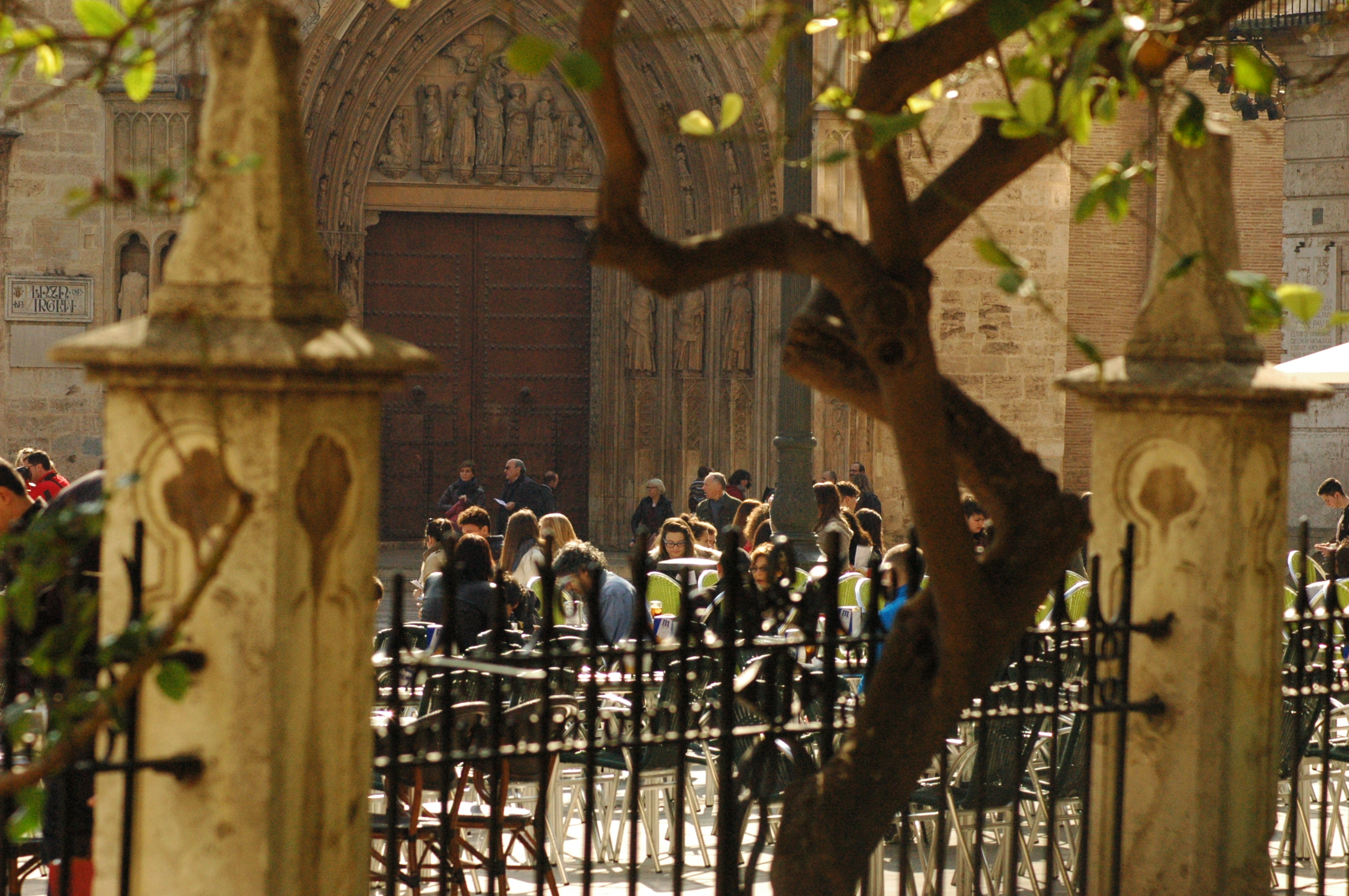
Staying in the heart of Valencia’s historic centre, in the conveniently located, wonderfully modernista Vincci Palace Hotel, we were only a short stroll away from the Plaza de la Virgen and next door, the Plaza de la Reina, in between which the city’s principle cathedral and it’s Miguelete bell tower mark the city’s centre-point. And what a place to begin what has surely followed as a love affair with this diverse and inviting city (although the steep spiralling stairs down from the tower did perhaps make sightseeing for the remainder of the day a little more tiresome). The cathedral’s tower is however only one aspect of this architecturally multi-faceted building. From austere gothic nave, to elaborate renaissance altar, and classical colonnaded rear to a front entrance dripping in baroque details, the cathedral is, to a degree, a perfect representation of this city. Not only is it situated at the beating heart of the city’s historical centre, but it demonstrates the plethora of influences and historical changes which have helped to shape and expand Valencia into the sprawling and diverse city it is today.

The Cathedral's gothic interior

The Cathedral’s gothic interior

and its baroque facade

and its baroque facade

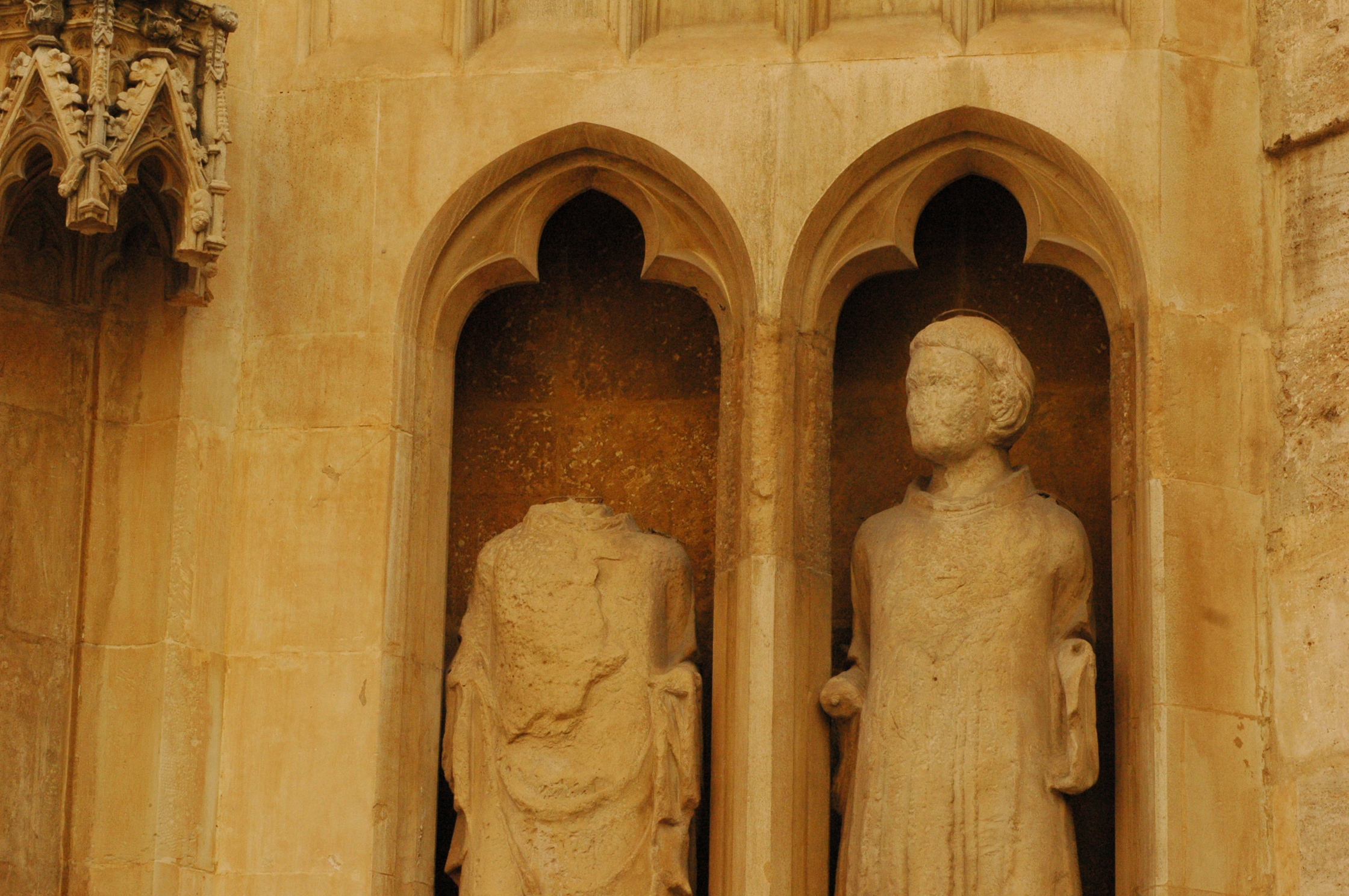
And a poor headless saint

And a poor headless saint

So with a taste for the city’s multi-faceted personality, we spent our morning ambling contentedly from one square to another, down narrow little streets full of souvenir shops and cafes, photographing fountains and statues of (sometimes headless) saints and sinners, and noting the details of human gargoyles and colonnaded arches, heavily decorated churches and shady orange-tree lined courtyards which fill the old quarter.

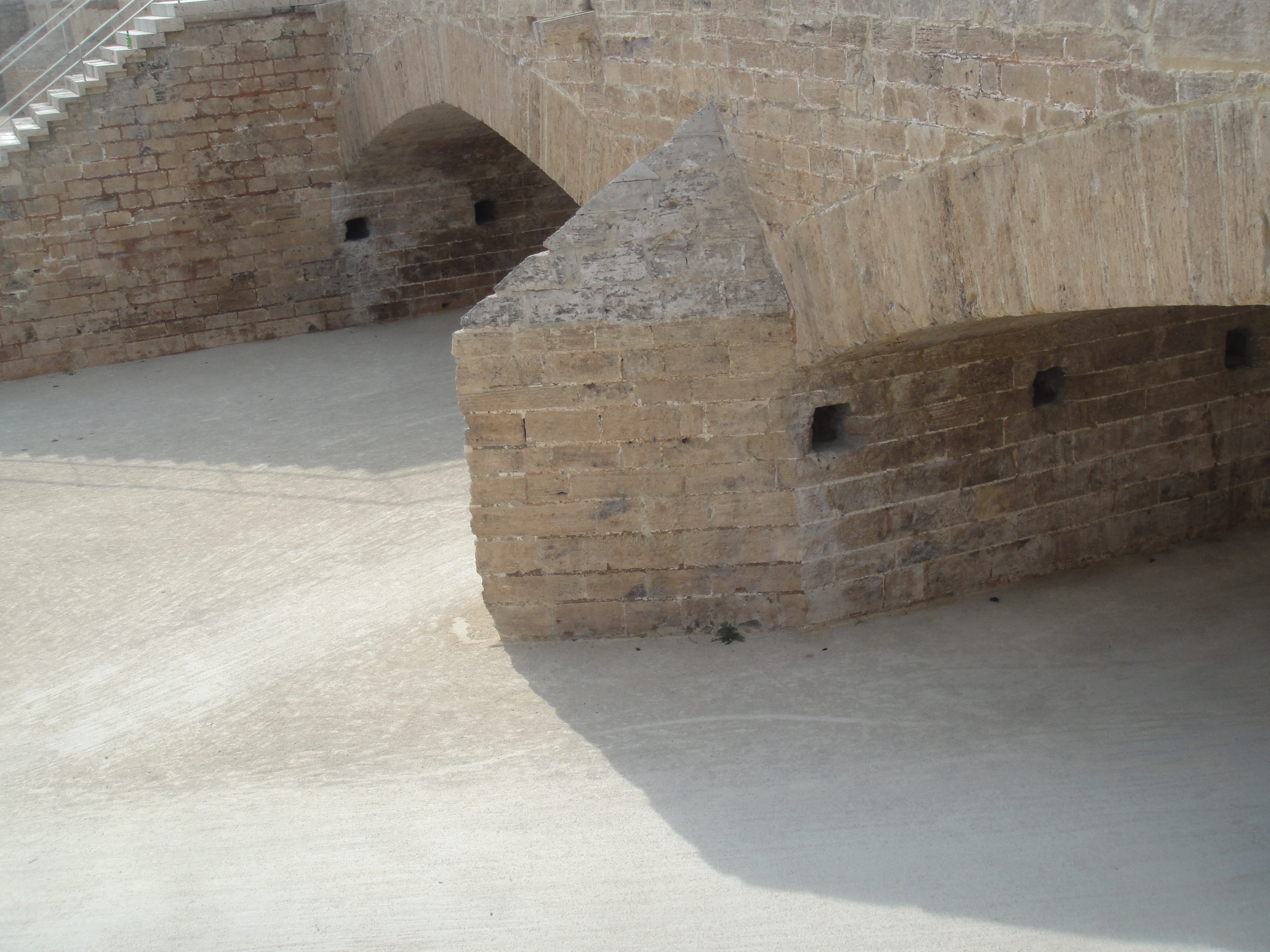
After lunch, and having reached the northern extent of the old town, we crossed what was once the River Turia in pursuit of the city’s fine art collection. The old River Turia is perhaps one of the oddest elements of the city. Once a thriving great river which ran around the city’s historic centre like the caressing arm of a lover, the river caused such devastating floods in 1957 that the decision was taken to divert the river away from the city and out to the Mediterranean via a different course. The result is a strange ghost of what was once – still the river bed runs around the city, and still the bridges which once crossed water cross this large basin. However instead of water, along the old river bed runs extensive gardens for some 9km. The effect is to inject a huge swathe of greenery running through the heart of the city’s modern expanse, but it’s also an odd one – the base of bridges, normally plunging into water, plunge straight into concrete and flower beds instead – a ghost of what once was.

The Museum of fine arts with the gardens now in the old river bed in front

The Museum of fine arts with the gardens now in the old river bed in front

A bridge plunges into concrete on the old river

A bridge plunges into concrete on the old river

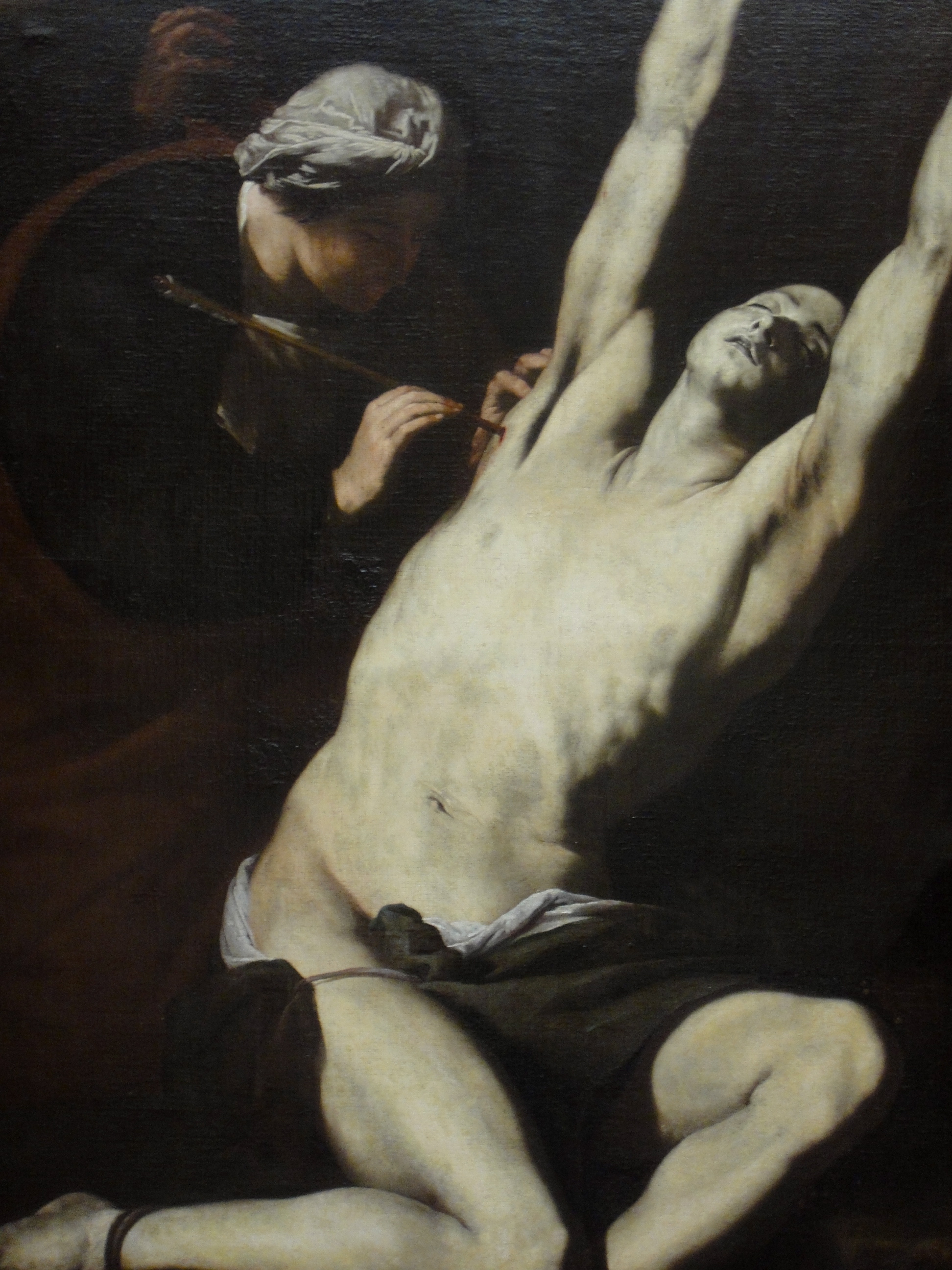
So crossing the ghost of the Turia, we arrived at the aptly named Museo de Bellas Artes. Said to have a collection second only in size to Madrid’s Prado (although I’m not sure how – the Reina Sofia in Madrid seems much bigger, although perhaps Valencia’s complete collection is not out on display) the museum is a cornucopia of paintings from Spain’s golden age of painting, including a self-portrait by Velazquez, several works by Goya, and an incredibly beautiful painting of Saint Sebastian by de Ribera (see below). The purity of his skin, pierced by arrows and tended to by the Saint Irene, against the beauty of his face, almost ecstatic with the extent of his martyrdom, made for an incredible painting to behold.

St Sebastian tended by St Irene, by Jose de Ribera (1591-1652)

St Sebastian tended by St Irene, by Jose de Ribera (1591-1652)

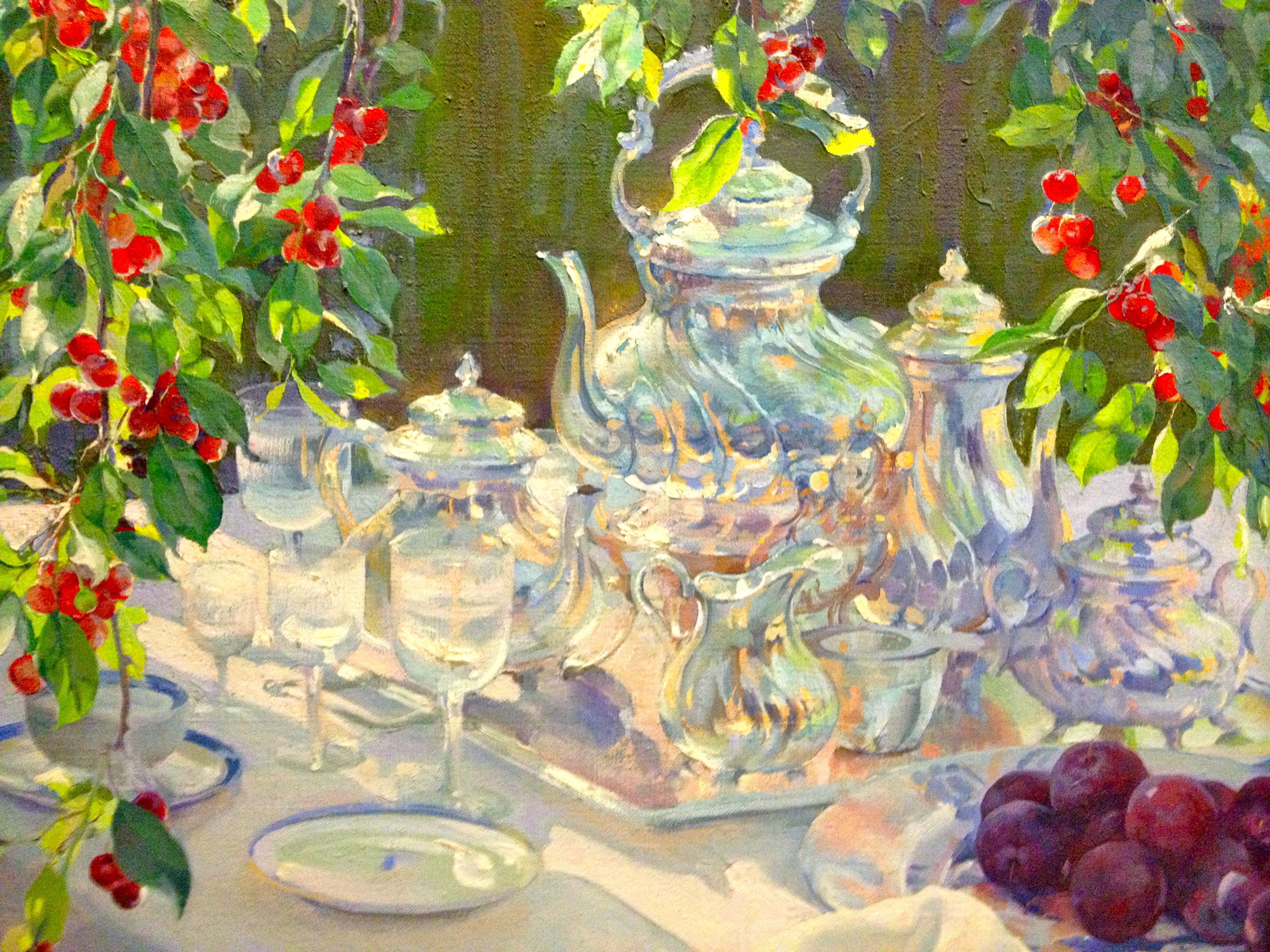
Also at the gallery are the works of leading Spanish exponent of the impressionist school, Joaquin Sorolla. Valencian born, and bequeathing his works to his home city on the condition that they would be collected together in a gallery such as this, the museum boasts a fine collection of mainly portraits which provide an evocative, very personal view of the city and its residents. Of particular attraction, for me, were his nudes and human studies, such as this academic study of a male, below. Also at the more modern end of the collection was this beautiful study of Cherries by Pons Amau, who perfectly captures the effect of sun shining through the leaves of this cherry tree.

Joaquin Sorolla, Academic Study from Life (Man) (1887)

Joaquin Sorolla, Academic Study from Life (Man) (1887)

Francisco Pons Amau, Cherries (1886-1953)

Francisco Pons Amau, Cherries (1886-1953)

Oh and beyond the paintings, I should also mention the museum’s two palatial courtyards, one red and one blue, both bursting with busts and relics from antiquity, the perfect places of calm to explore towards the end of our first Valencian day.

Other highlights from the Museo Bellas Artes

DSC_0700 DSC_0676 DSC_0672 DSC05067DSC_0677

So from the 207 steps of the Miguelete bell tower, across the historic quarter of Valencia, over the old Turia river and around the Belles Artes museum, our first day in Valencia presented a complex opening in this urban tale, a tale in which we were presented with the undeniable beauty of Valencia’s belles arts, as well as the clamouring melodies of its bells, ringing out in recognition that the central heart of this vast city bursts full of vigour for all to see, hear and explore. And that’s just what we intend to do tomorrow.

© Nicholas de Lacy-Brown and The Daily Norm, 2001-2012. Unauthorized use and/or duplication of the material, whether written work, photography or artwork, included within The Daily Norm without express and written permission from The Daily Norm’s author and/or owner is strictly prohibited. Excerpts and links may be used, provided that full and clear credit is given to Nicholas de Lacy-Brown and The Daily Norm with appropriate and specific direction to the original content.

Valentine’s in Paris – Normy love upon Dali’s Mae West Lips

We last met with Normy and Normette on the 6th January. After a month of somewhat turbulent relations, when poor Normy did his level-best to present Normette with a series of 12 magnificent presents each representing one of the 12 days of Christmas (only to result in a catalogue of disasters from the demands of 3 pretentious french hens, a frozen-up swan lake, and an immoral dance show culminating in Normette running away to the Moulin Rouge for good), Normy and Normette finally patched things up. Having reunited and reaffirmed their love, they were invited to celebrate their union before cheering crowds of the Three Kings festival in Spain.

It’s now a little over a month later, and things have really moved on. Normy asked Normette to move in with him (this went smoothly on the whole, except for when Normette’s Louis XVI style dressing table got stuck in the narrow doorway of Normy’s bedroom, and when Normette’s little kitten, quite traumatised by the upheaval of the move, wet itself all over Normy’s prize Persian rug) and the two have been getting closer every day. So it didn’t come as a huge surprise when Normy made the ultimate in romantic gestures and whisked Normette off for a short break to Paris, the city of love, to celebrate Valentine’s.

Normy and Normette ponder the meaning of Dali's Mae West Lips (2013 © Nicholas de Lacy-Brown, pen on paper)

Normy and Normette ponder the meaning of Dali’s Mae West Lips (2013 © Nicholas de Lacy-Brown, pen on paper)

Here we see the loved-up twosome at one of their first Parisian stop-offs. Being of a cultured disposition, Normy and Normette couldn’t resist dropping into the Pompidou Centre to take a look at the work of renowned Norm artist, Dali-Norm. There, they were able to experience first hand his recreation of the famed Normy actress, Mae West. What after all could be more romantic than lounging in the recreated face of such a famously beautiful Normy actress? No wonder then that Normy chose this moment to give his Normette a Valentine’s rose.

There was only one slightly disconcerting feature about this room that Normy and Normette couldn’t quite understand. Just what was that red sofa they were sat on supposed to represent? Everyone knows that Dali Norm was a master of surrealism, but that strange rather voluptuous red shape the Norms had never seen before. Yes, they had seen Mae West’s luscious golden hair, and yes her two beautifully made up eyes? But those red things further down her face? According to Normy’s guide book, Dali Norm called them “lips”. Surreal indeed…

© Nicholas de Lacy-Brown and The Daily Norm, 2001-2012. Unauthorized use and/or duplication of the material, whether written work, photography or artwork, included within The Daily Norm without express and written permission from The Daily Norm’s author and/or owner is strictly prohibited. Excerpts and links may be used, provided that full and clear credit is given to Nicholas de Lacy-Brown and The Daily Norm with appropriate and specific direction to the original content.

Big Ben at close Quarters – the Elizabeth Tower Tour

It’s almost certainly one of the perks of the job of working for the British Government that occasionally you get to peek behind the scenes of the nation’s famous landmarks, monuments and buildings – icons which have made Britain and in particular the city of London famous throughout the world. And without a doubt one such perk, in which I have most recently indulged, is getting a tour up London’s most famous landmark of all: Big Ben.

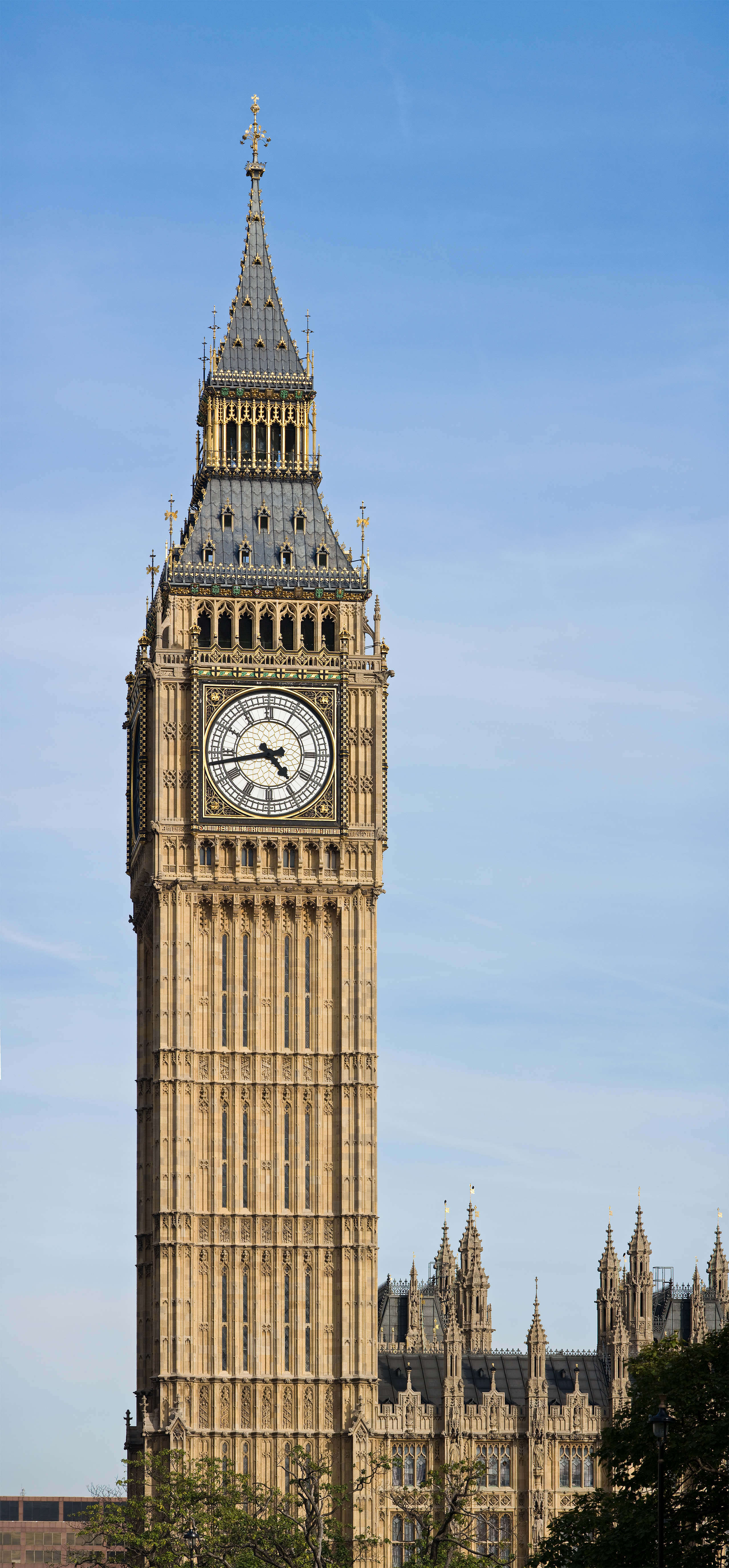
Of course I didn’t actually go up Big Ben. For as we Londoners are so fond of telling everyone who mentions the BB words, “Big Ben” is not actually the name of the bell tower at all – rather the tower is now officially titled “Elizabeth Tower”, a title bestowed upon it only last year in celebration of HRH Queen Elizabeth II’s Diamond Jubilee. “Big Ben”, meanwhile, is the name of the massive bell which sits atop the tower and rings out across Westminster at every quarter past, to, on and half past the hour. And having stood right next to it today as it bonged out the hour at midday, I can confirm that it is both very big and very, VERY loud!

big ben cropped

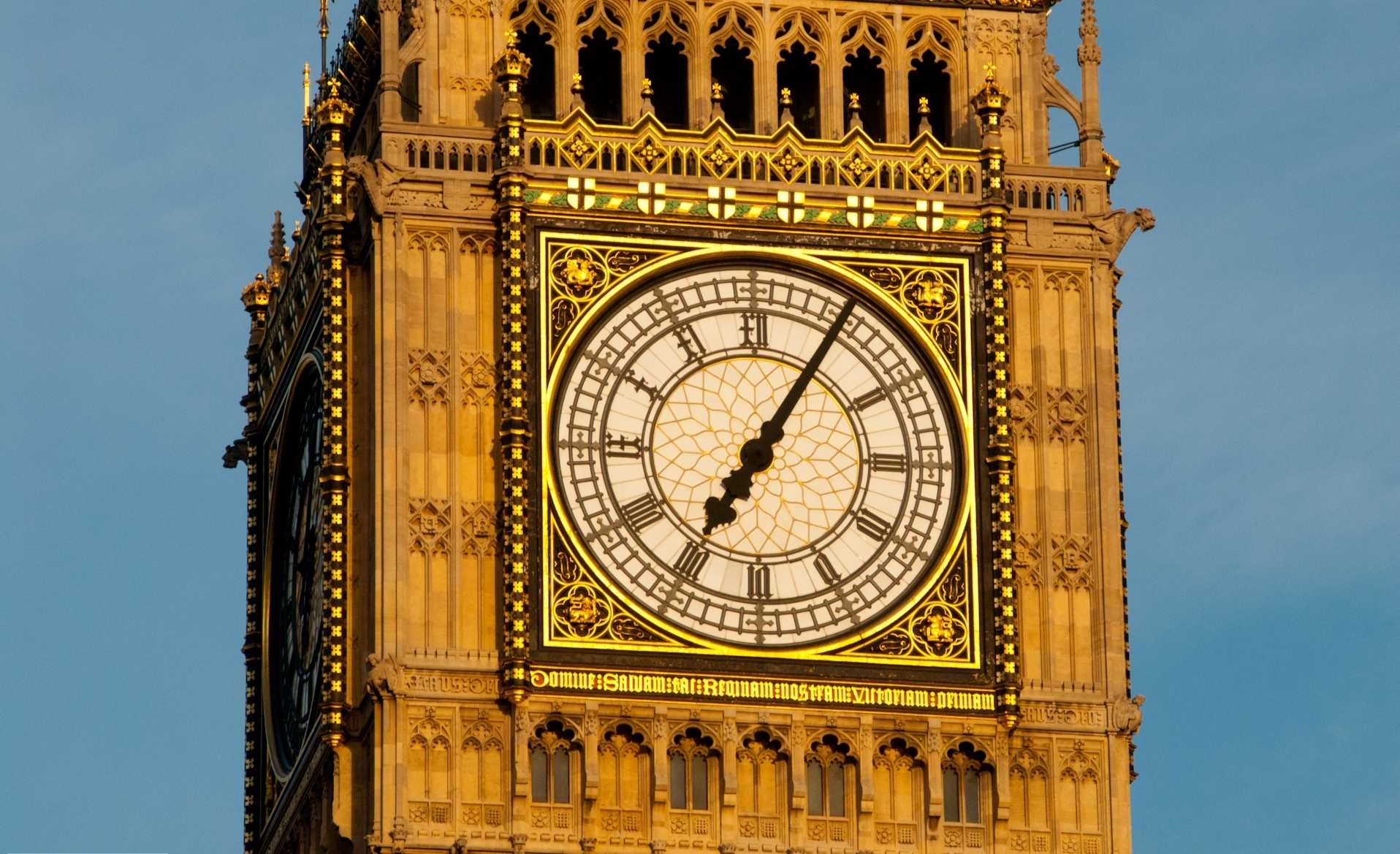
Clock_Tower_-_Palace_of_Westminster,_London_-_September_2006-2The Tower itself was an innovative new feature of the Palace of Westminster when it was redesigned by architect Charles Barry (who also designed Highclere Castle, none other than the real Downton Abbey for those Downton fans amongst you) following a great fire which destroyed the original Parliament building in 1834. For the tower itself, Barry looked to Augustus Pugin for assistance, an expert on the Gothic revival style of architecture, the likes of which has become characteristic of the Palace of Westminster and makes the finished complex look far older than it actually is. The tower went up slowly – it took some 16 years to build to its full 315 feet before finally being completed in 1859.

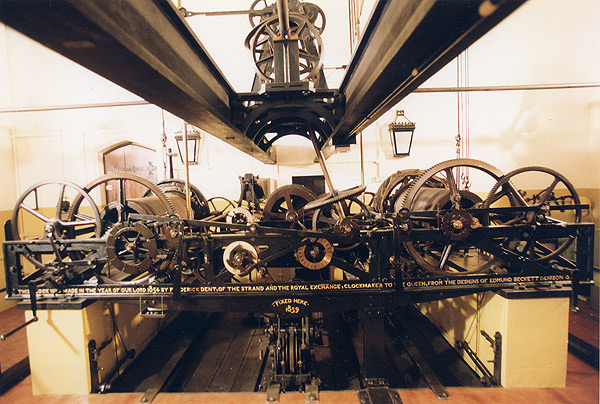
As for Big Ben and the clock itself, when this was designed it was fashioned to be the best of its kind and surpass all clocks like it around the world. And for a time, it did so (it’s still the 3rd tallest free-standing clock tower in the world, and probably the most famous). Designed by a barrister, no less, Edmund Beckett Denison, together with George Airy, Astronomer Royal, and constructed by Edward John Dent, the clock was a feat of engineering for the time, not least because it was designed to be within a second’s accuracy at all times, despite the fact that up in the tower, the clock faces are exposed to such a battering from the elements. Without getting too techy (largely because I don’t understand the technology all that well) the clock consists of various counterweights which move up and down the full height of the tower, which in turn power the clock faces and the various hammers which create the clock’s characteristic bong every 15 minutes. The clock needs to be wound up 3 times a week, and various clock winders are always on hand for the job, although electricity today does much of what it once took an army of men to achieve through brute strength alone.

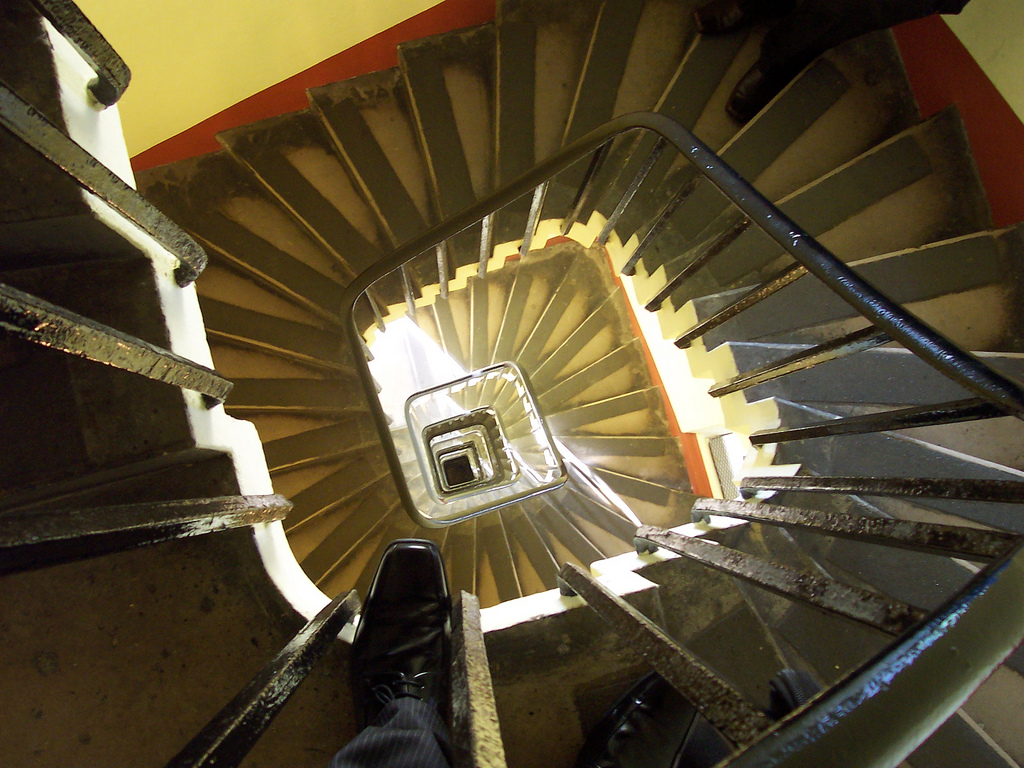
The stairs looking up (a little daunting) (Parliamentary copyright images are reproduced with the permission of Parliament)

The stairs looking up (a little daunting) (Parliamentary copyright images are reproduced with the permission of Parliament)

Stairs looking down (not good for those with vertigo) (Parliamentary copyright images are reproduced with the permission of Parliament)

Stairs looking down (not good for those with vertigo) (Parliamentary copyright images are reproduced with the permission of Parliament)

The machinery of the clock (Parliamentary copyright images are reproduced with the permission of Parliament)

The machinery of the clock (Parliamentary copyright images are reproduced with the permission of Parliament)

The clock is an incredible marvel to bestow, and all the more so from up close. Getting there wasn’t exactly easy. Entering Portcullis House, the new modern entrance to Parliament, we had to go through airport style security before being taken down stylish escalators, descending into the earth which in turn led us to a passage taking us directly beneath Parliament Square and into the grounds of Parliament itself. From there, the starkly modern architecture of Portcullis house metamorphosed rapidly back in time to the iconic gothic decoration of the Palace of Westminster. Soon reaching the small door of the tower, our descent began up all 334 stone spiral steps to the top of the tower.

View from the Tower

View from the Tower

This wasn’t as bad as it sounded. Luckily we were allowed to stop roughly one third of the way up for a very informative talk about the tower’s history from tour guide Catherine Moss, before making the final trek, first up to watch the machinery of the clock itself before continuing to see the infamous bells. Well timed as ever, our visit to see the huge cogs and wires of the clock coincided with a quarter to midday, enabling us to see all of the still-original machinery in action, but missing none of the action on the hour itself. This great joy was reserved for the upper platform, above the clock-face, where we emerged just before 12 to stand by the incredibly large Big Ben bell as the clock struck 12.

A quarter bell (Parliamentary copyright images are reproduced with the permission of Parliament)

A quarter bell (Parliamentary copyright images are reproduced with the permission of Parliament)

Big Ben from above (Parliamentary copyright images are reproduced with the permission of Parliament)

Big Ben from above (Parliamentary copyright images are reproduced with the permission of Parliament)

Big Ben on the right (Parliamentary copyright images are reproduced with the permission of Parliament)

Big Ben on the right (Parliamentary copyright images are reproduced with the permission of Parliament)

The chime of the tower, with its melodic 20-chime sequence played by the four Quarter bells, followed by the deep bong of Big Ben itself, is a sound which is well known to us Londoners, and has particular significance every 31 December as it heralds in the new year to the accompaniment of a spectacular firework display. But being up close to the bells as they played out this celebrated tune was nothing short of incredible. The vibration which went through our bodies made for a totally immersive experience (we were given ear plugs I should note), and I must admit to being ever so slightly emotional as I saw, and felt, the familiar chime of Big Ben in action but centimetres away (luckily the wind was so strong that if I had been caused to shed a tear or two – and I’m not saying I did! – the wind disguised it). The chime, by the way, is apparently a variation on a phrase from Handel’s Messiah – the part shortly after the Alleluia chorus.

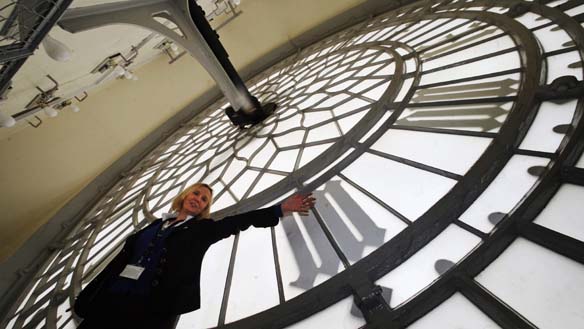
Our tour guide, Catherine Moss (AP Photo)

Our tour guide, Catherine Moss (AP Photo)

The famous clock face (Parliamentary copyright images are reproduced with the permission of Parliament)

The famous clock face (Parliamentary copyright images are reproduced with the permission of Parliament)

The clock face (Parliamentary copyright images are reproduced with the permission of Parliament)

The clock face (Parliamentary copyright images are reproduced with the permission of Parliament)

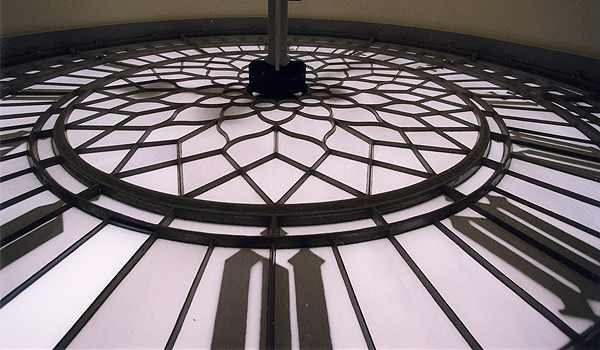
After embracing the great bong of Big Ben and the various Quarter bells in all their mighty fortitude, the final stop of the tour was to head down a level to the most prominent feature of the tower – the four sided clock face. We were able to stand just behind the world-famous clock faces, and see the now fantastically environmentally friendly long-life bulbs, especially designed to light up the huge clock faces with maximum efficiency by Philips, which are placed evenly behind the huge stained glass clock faces. Yet again, this was quite a marvel to behold, not least being able to appreciate just how huge these clock faces really are.

So heading back down the tower, perhaps a little more deaf than when we came up, I descended feeling extraordinarily lucky – access to Big Ben isn’t easy – you need to organise a tour through your local MP, although once organised, the trip is free. But that aside, I would have paid good money to enjoy this exposure to one of the country’s most loved national icons at close quarters, not least to learn the fascinating history of the tower, and gain an understanding of just how that all important national timekeeper keeps ticking onwards day after day.

Big Ben and the House of Parliament

Details on how to visit Big Ben can be found on the Parliament website.

Paris: la visite d’art – Les Photos

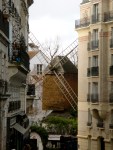
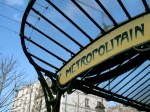
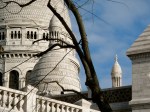
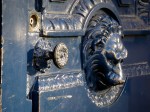
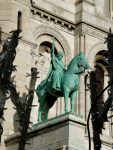
I’ve already mentioned that my recent trip to Paris had been justified on the basis that there were at least 3 tremendous exhibitions on show which I was bursting to see. But likewise, while I always try to rationalise my extravagance in visiting Paris as often as possible, for those who really appreciate the aesthetic beauty, the artistic perfection of life, I need justify this visit no further, nor indeed any other foray into this undeniably beguiling city. Just one look at my recent set of Paris photos is justification in itself. For where else on earth could a heaving, busy, pulsating capital city exhibit such indisputably captivating elegance? From its broad Haussmann boulevards and narrow cobbled streets, to the blue lacquered doorways and red wings of the Moulin Rouge Windmill, Paris is a paradise of unparalleled artistic ravishment, seducing every species of the creative collective within its fold.

DSC04858 DSC04656 DSC04595 DSC04612

I have taken so many photographs of Paris, and every time I visit, I think there cannot possibly be anything left for me to capture. And yet with each new visit, Paris proves that I was wrong to doubt, bounteous as it is with fodder for even the most seasoned photographer, constant inspiration to those who like me, cannot resist the temptation to immortalise this city in a thousand new shots at every turn of the corner.

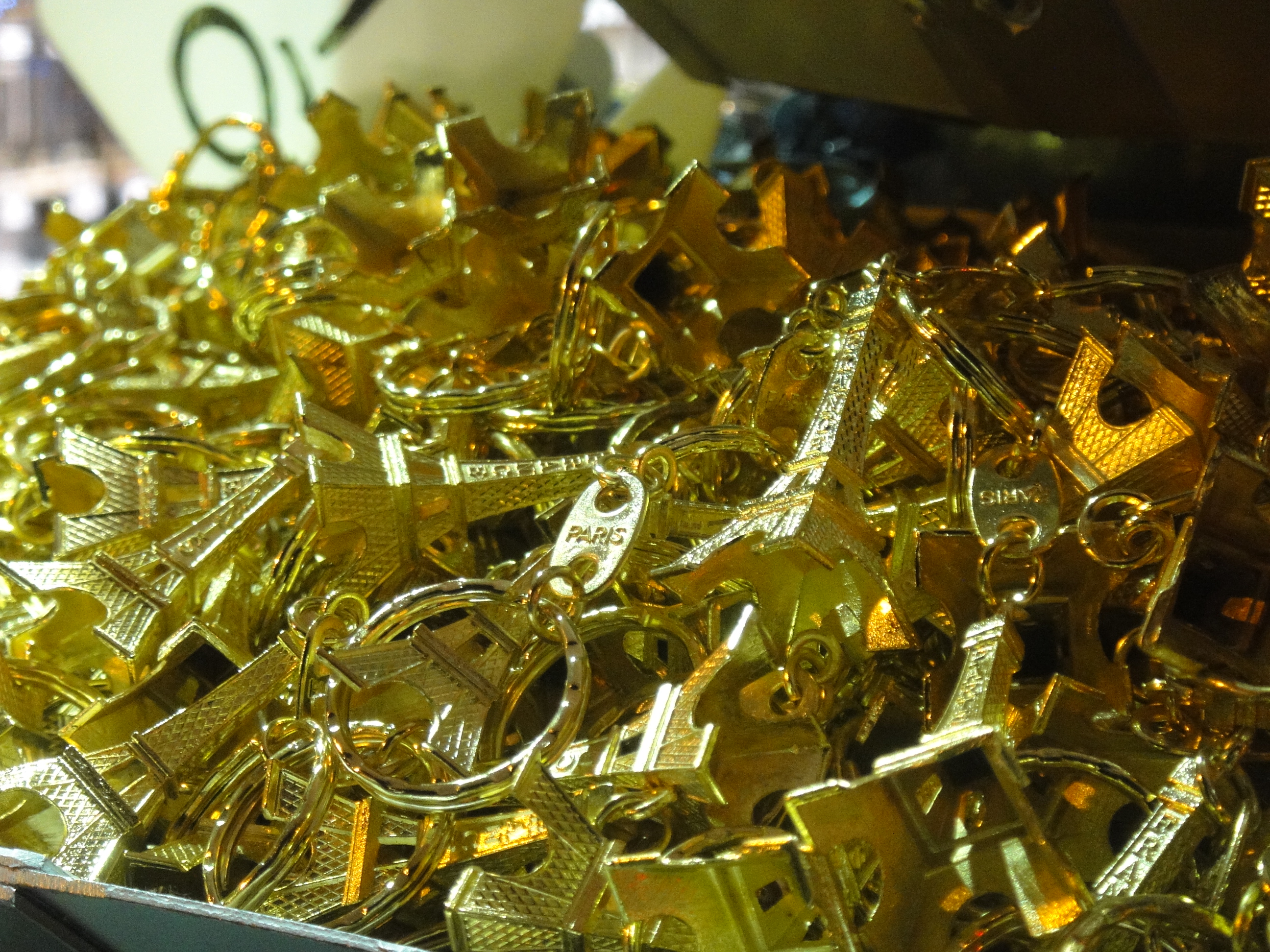
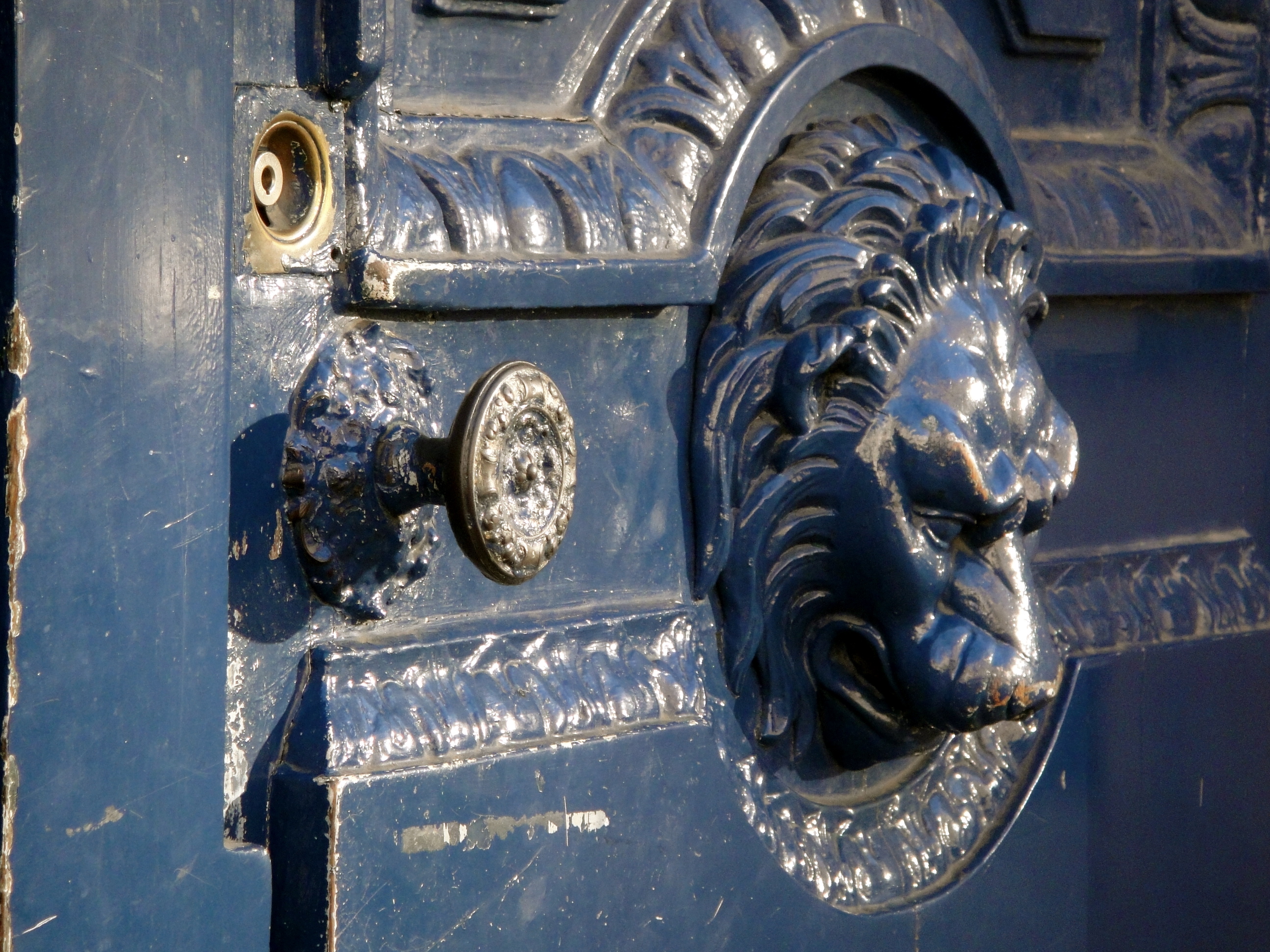
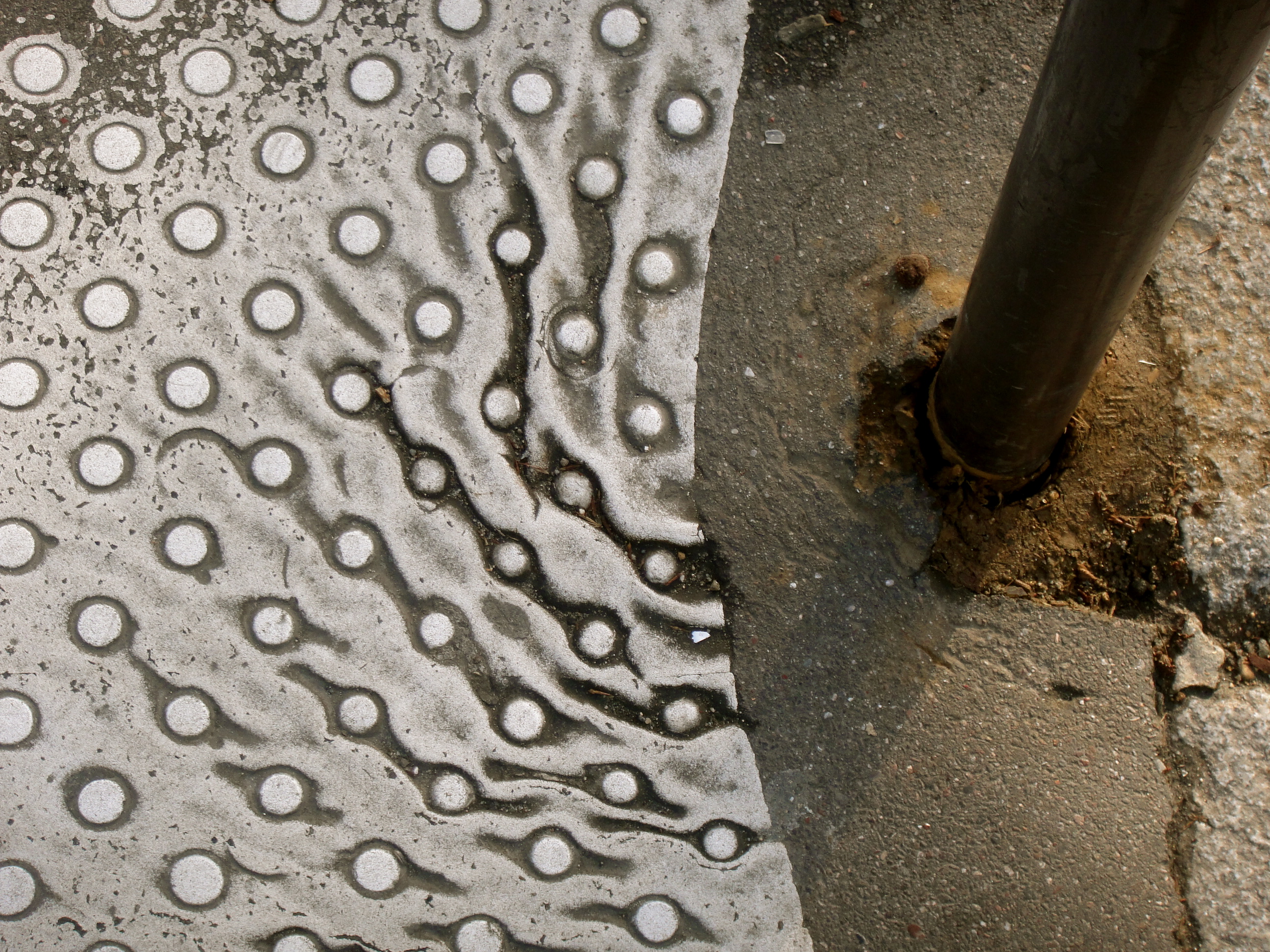
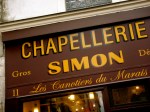
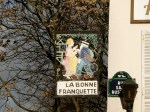
This time round I became freshly inspired by the quaint streets of Montmartre, and the rubicund red of the Moulin Rouge. I was enchanted by some of the smaller details such as the glossy blue lions on the doors of official government buildings, and by contrast, captivated by the creative graffiti art lining the stairs leading up to the infamous Butte de Montmartre, and the oddities of the urban landscape such as this almost melted pavement, above. So from shots of shop signs and garlic filled snails, to souvenirs aplenty and cityscapes which are like poetry on the eyes, I leave you now with just a few of my recent photos – my ode to the true art of Paris: Paris itself.

© Nicholas de Lacy-Brown and The Daily Norm, 2001-2012. Unauthorized use and/or duplication of the material, whether written work, photography or artwork, included within The Daily Norm without express and written permission from The Daily Norm’s author and/or owner is strictly prohibited. Excerpts and links may be used, provided that full and clear credit is given to Nicholas de Lacy-Brown and The Daily Norm with appropriate and specific direction to the original content.

On the Twelfth day of Christmas, my Normy gave to me…

…twelve drummers drumming

It’s 6 January, the 12th day of Christmas, and the crowds are out in force in Spain. Huge parades fill the streets, floats covered with flowers and Norms dressed as kings. Sweets are being thrown from the floats, littering the air like edible confetti, and on the roadside, little Norm children are scrambling to have their fill. This is not just any day, in the Christian world it’s the Epiphany, and in Spain and across South America, it’s “El Dia de los Reyes – the 3 Kings Festival! However this year, in one Spanish town, it’s not the floats containing the 3 kings which are getting all of the attention, but one particular float, upon which sits closely bound a Norm-man and a Norm-woman, happily in love, surrounded by 12 drummers celebrating their love-filled reunion…

…it’s Normy and Normette!

On the Twelfth day of Christmas, my Normy gave to me, 12 drummers drumming (© Nicholas de Lacy-Brown, pen on paper)

On the Twelfth day of Christmas, my Normy gave to me, 12 drummers drumming (© Nicholas de Lacy-Brown, pen on paper)

Yes, Normette is back! How could she possibly have resisted? Just one thought of those 11 pipers piping with their little tartan kilts, and what could possibly lay beneath (underwear or, as tradition dictates, au naturel) had her bouncing back to the UK as fast as the Eurostar to London could carry her (and to be fair, it does go quite fast). Why did she ever leave the fair rolling green pastures of the English lands, the verdant landscapes, the tartan fabrics, tea at 5 and of course Downton Abbey? But most of all, she had missed someone irreplaceable in her life, who had travelled up and down the UK just in an attempt to lure her back to him – why Normy of course.

In fact once they were reunited, Normette realised that it wasn’t really the UK she had missed at all, but dear Normy, and having taken one look at the rainy weather, she booked them both on a trip to Sunny Spain. And once there, what should they find, but the 3 Kings Festival itself. What better way to give Normette one final gift on the 12th day of Christmas, thought Normy, than to jump up on a float and celebrate their love surrounded by 12 drummers and a crowd of cheering admirers (Normette did miss her Moulin Rouge celebrity after all).

And so it is upon this moment of celebration and jubilation that on the 12th day of Christmas, we leave our lovers to it, back together, adoring, and ready to face the New Year as one. Here’s to a great 2013!!!

© Nicholas de Lacy-Brown and The Daily Norm, 2001-2012. Unauthorized use and/or duplication of the material, whether written work, photography or artwork, included within The Daily Norm without express and written permission from The Daily Norm’s author and/or owner is strictly prohibited. Excerpts and links may be used, provided that full and clear credit is given to Nicholas de Lacy-Brown and The Daily Norm with appropriate and specific direction to the original content.

It’s beginning to feel a lot like Christmas – Part II

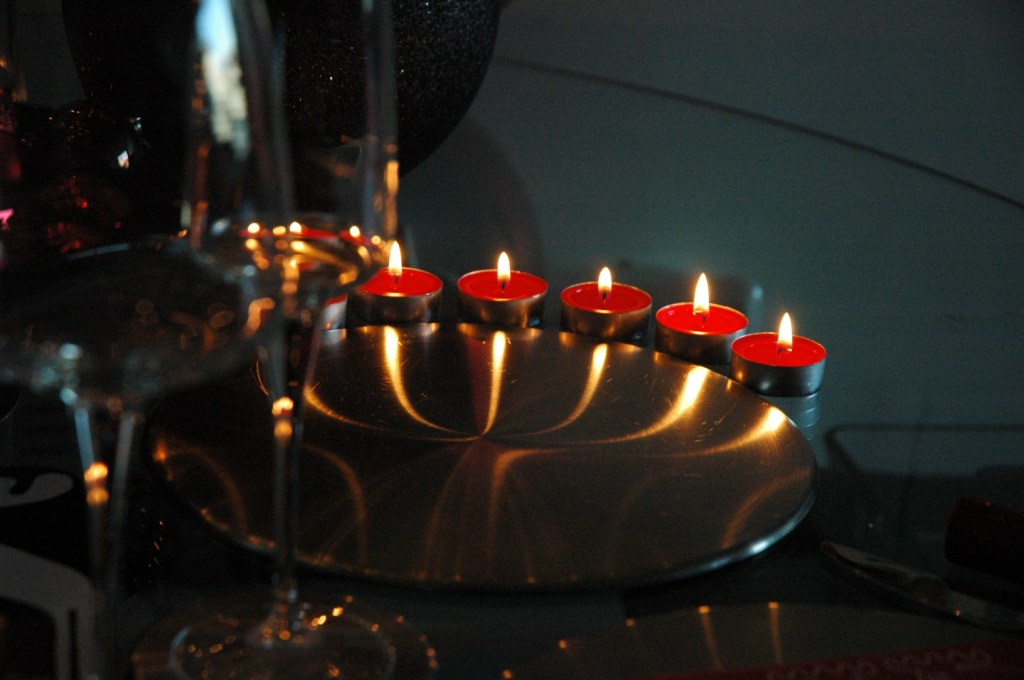
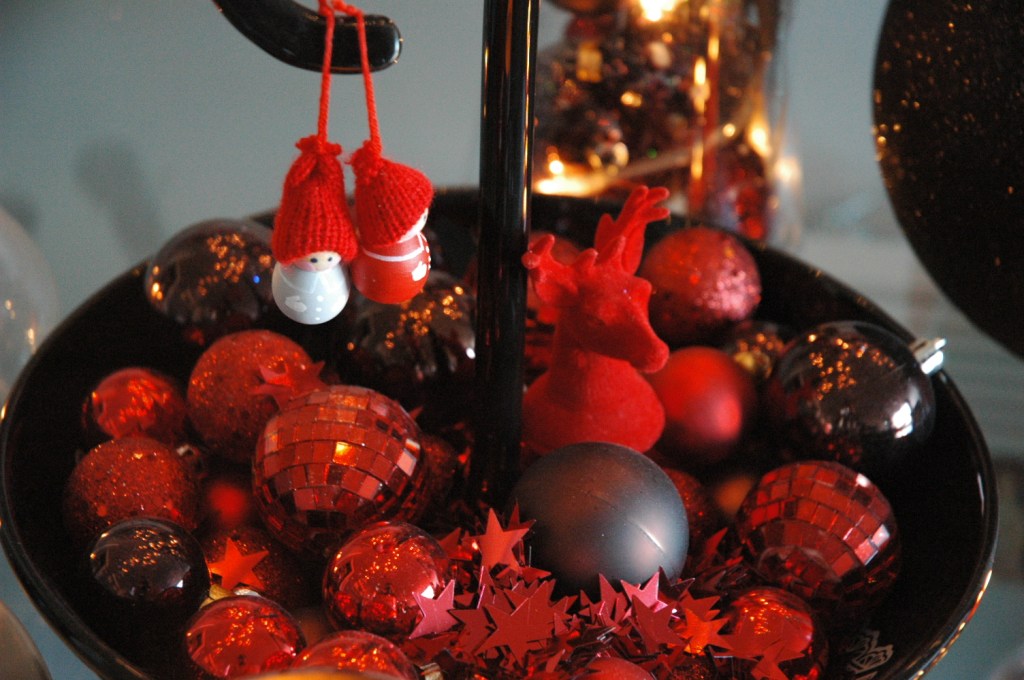
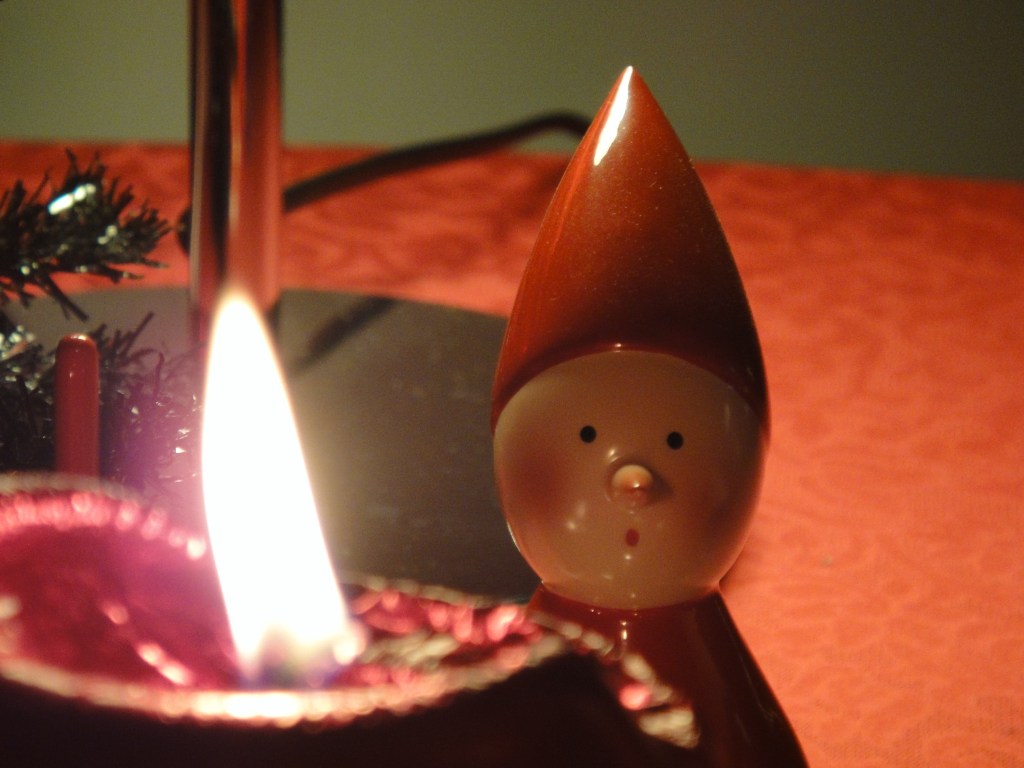
Christmas isn’t just about the festive spirit outside of doors, although as I demonstrated yesterday, in London, the tangible celebration of Christmas evident all around certainly helps to get one in the mood. But it’s indoors, in the home, that the real heart of Christmas beats a unified rhythm with the yuletide spirit, and personally, I cannot get enough of the constant reinvention of my home in its Christmas guise, from the comforting glow of my Christmas trees at the break of a still dark winter’s morning, and the spirited twinkling dance of fairy lights to the jig of Christmas pop playing on the radio, to the reflective flicker of candlelight as the day draws to a close, and my home is lit exclusively by the staccato movement of my tree lights and the red warming glow of my candles lit in almost every room.

DSC_0028DSC_0009

In fact so fervent is our love for the ambience given off within our Christmas-decked home that my partner and I have a moment, just before going to bed, when we play some choral carols or, even better, monastery chants, emulating a Christmas straight from medieval times, and with that soothing soundtrack, set about sitting, calmly in the subdued light of our Christmas trees, watching the lights and sparkle dance and flicker around the room. It’s almost epiphanaic to meditate amongst such warm Christmas tranquillity, and is almost certainly my favourite time of the day.

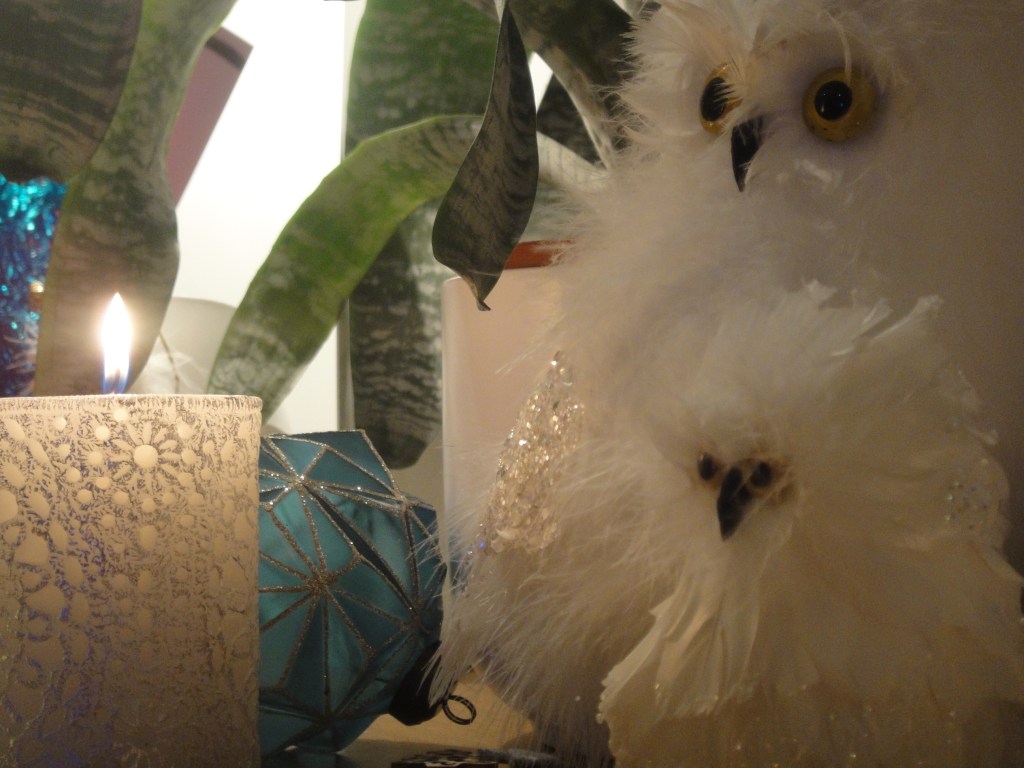
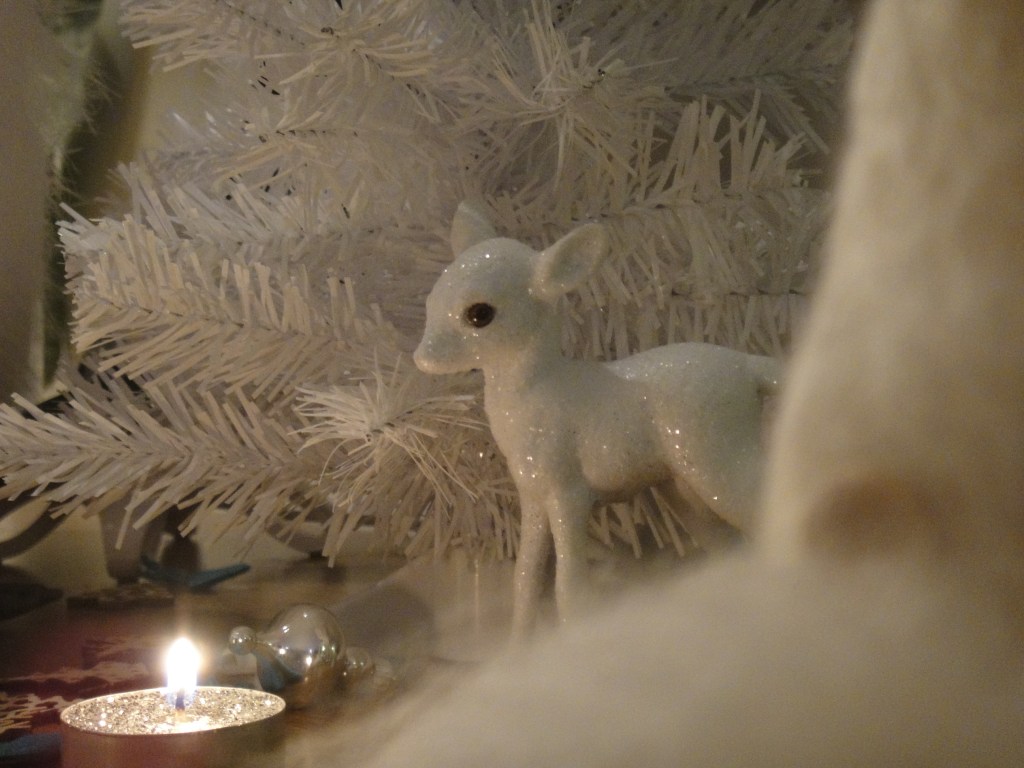
Now I’ve already shown you my Christmas decorations in two posts a few weeks back (links below), but this post is, I suppose, further reflections on a theme – my almost poetic interaction with the yuletide spirit manifesting all around me both in words and pictures. Moving to the latter, posted here are some further glimpses of my Christmas expression around my home. I start with my Scandinavian forest, an oasis of calm, an installation of little small Christmas trees intermingled with cute forest animals – I’ve noticed that this simple, white Scandinavian style has really hit it off in London this year with all its woods, and whites and an emphasis on nature. I love nothing more than lighting these beautiful sparkling silver tealights amidst my forest, creating in so doing something akin to a magical Narnia-like wonderland which comes alive under the candles’ gentle flickering.

DSC04468 DSC04471 DSC04460 DSC04465

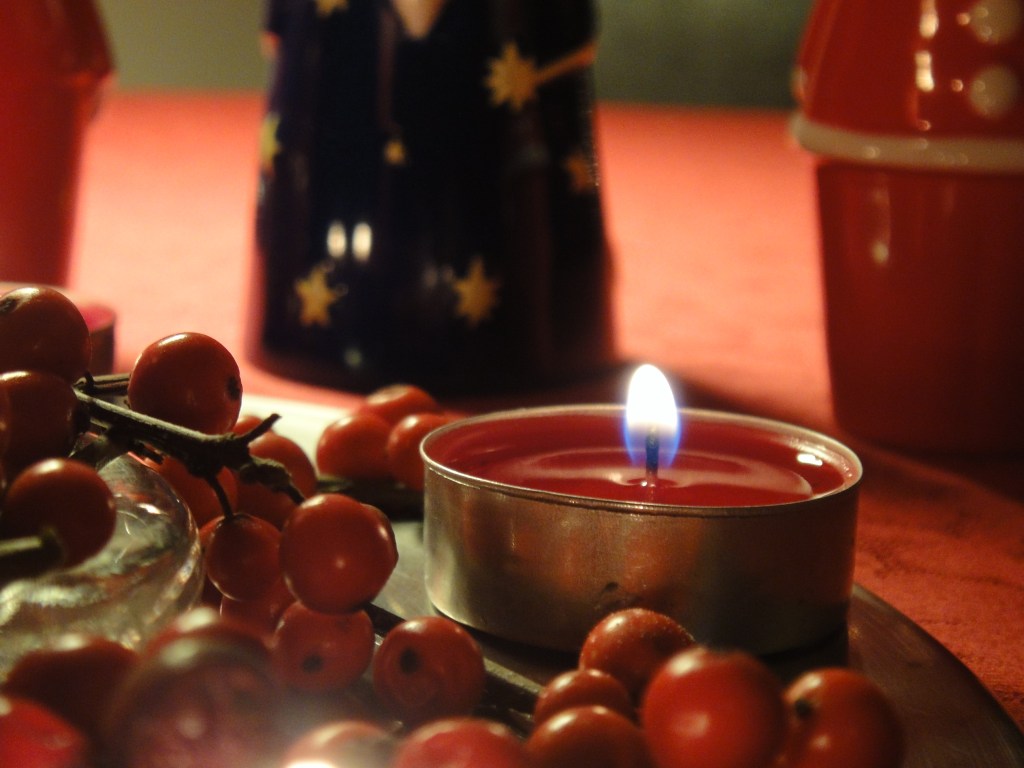
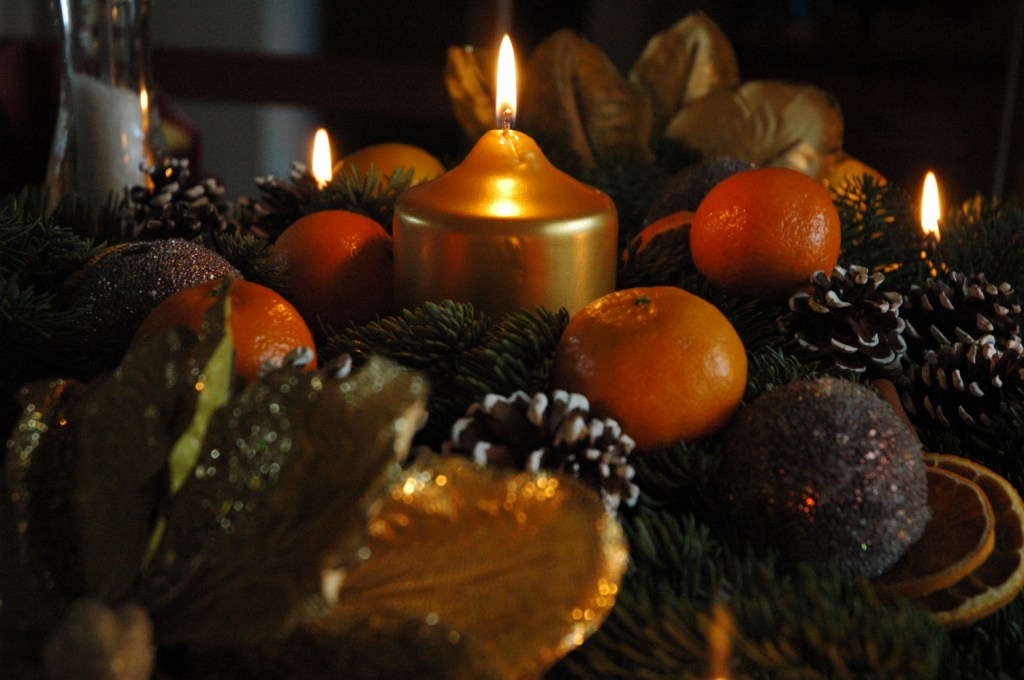
Talking of candles, one of my favourite parts of Christmas has to be decorating the table, whether it be for the big event on Christmas day, or for a small meal in the run up to the 25th. I usually incorporate as much foliage as I can, including oranges and pine trees, red berries and fir cones, and then set amongst the foliage many candles of different shapes and sizes. Then I like to leave the candles to burn gradually down, lighting up the foliage around them with a warming winter glow.

DSC05978 DSC_0003 DSC_0010 DSC_0038 DSC_0013 DSC05974

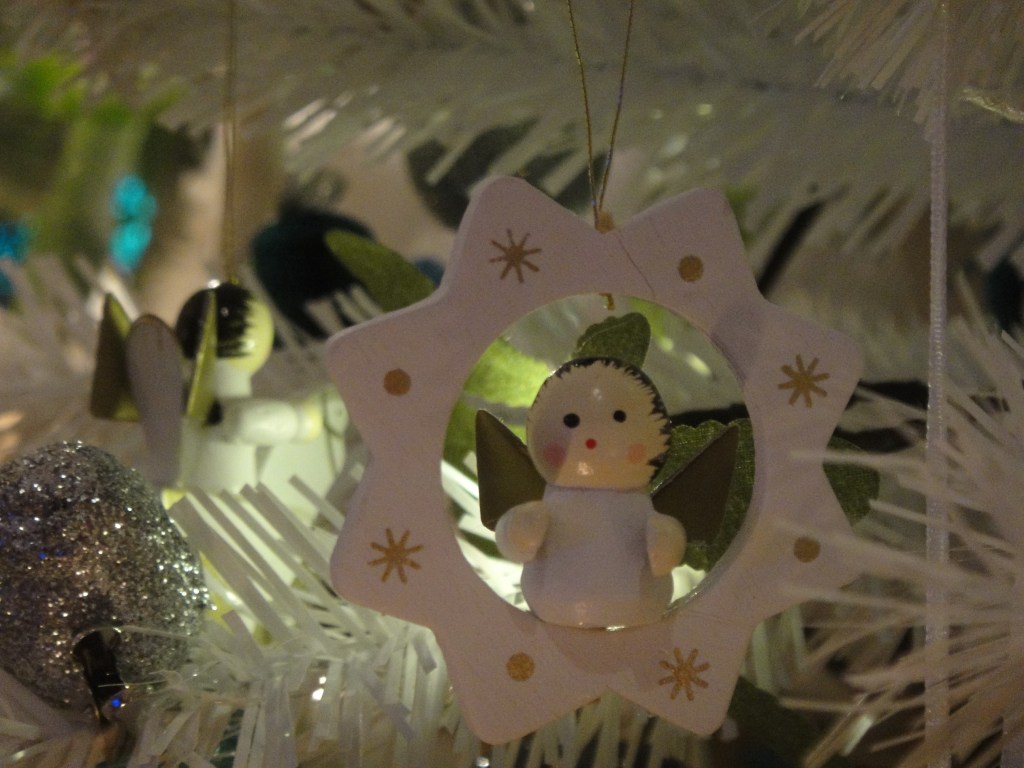
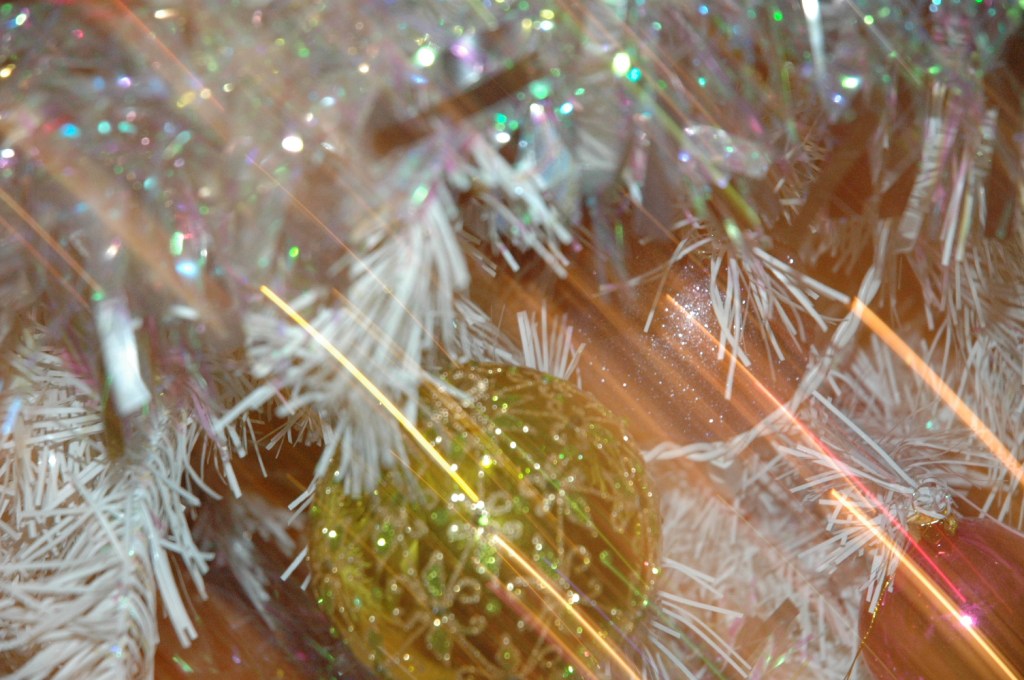
Moving on to more of my decorations, here is another homage to the Scandinavian Christmas, where the fusion of a glitter covered tree hung with delicate glass baubles appears to emulate droplets of ice hanging in a snow-covered forest.

DSC_0006 DSC_0007 DSC_0008 DSC_0004

I also love these photos of my Christmas lights out of focus. One of the great advantages, to my mind, of being dreadfully short sighted (and there aren’t many) is that if you look at a tree having taken off your glasses, the lights blur and intermingle with the sparkle from the nearby tinsel and glittery baubles – it creates a blur of light which is sensational to the eyes, and these photos almost replicate the effect.

DSC_0005 Blur DSC_0011

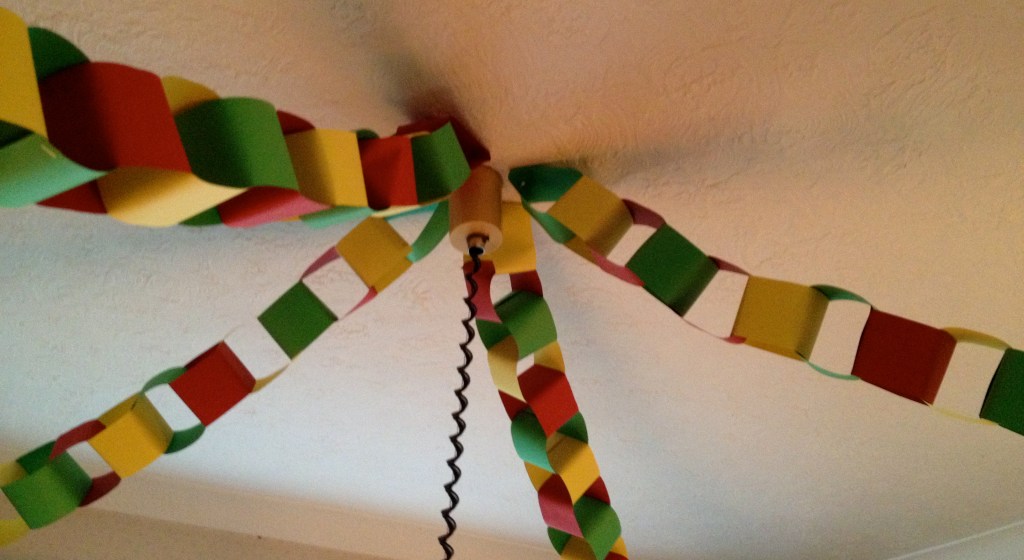
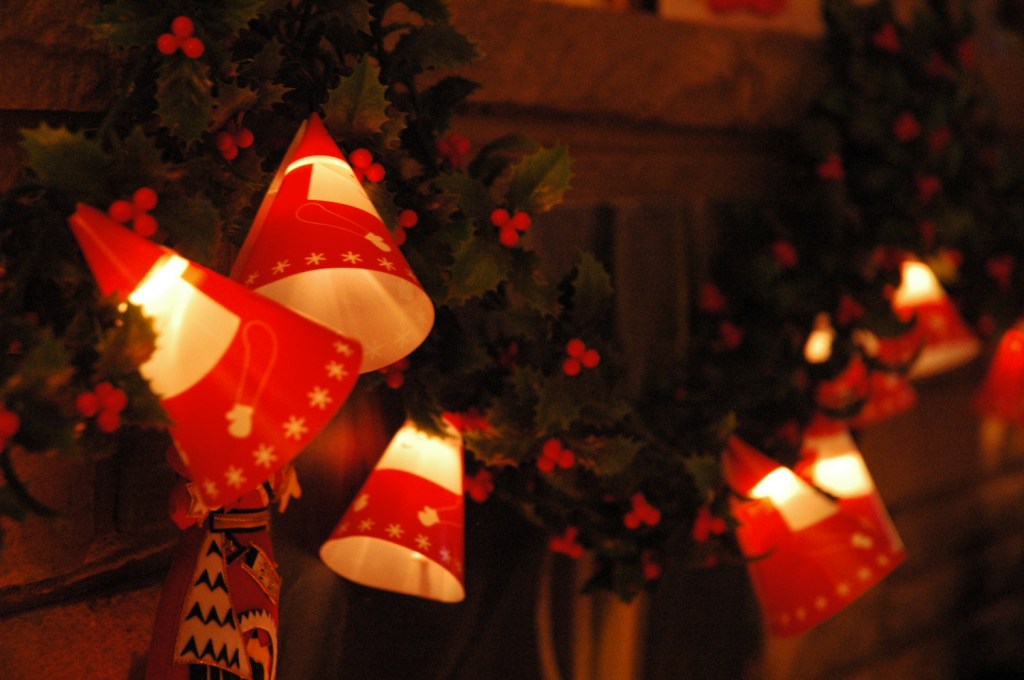
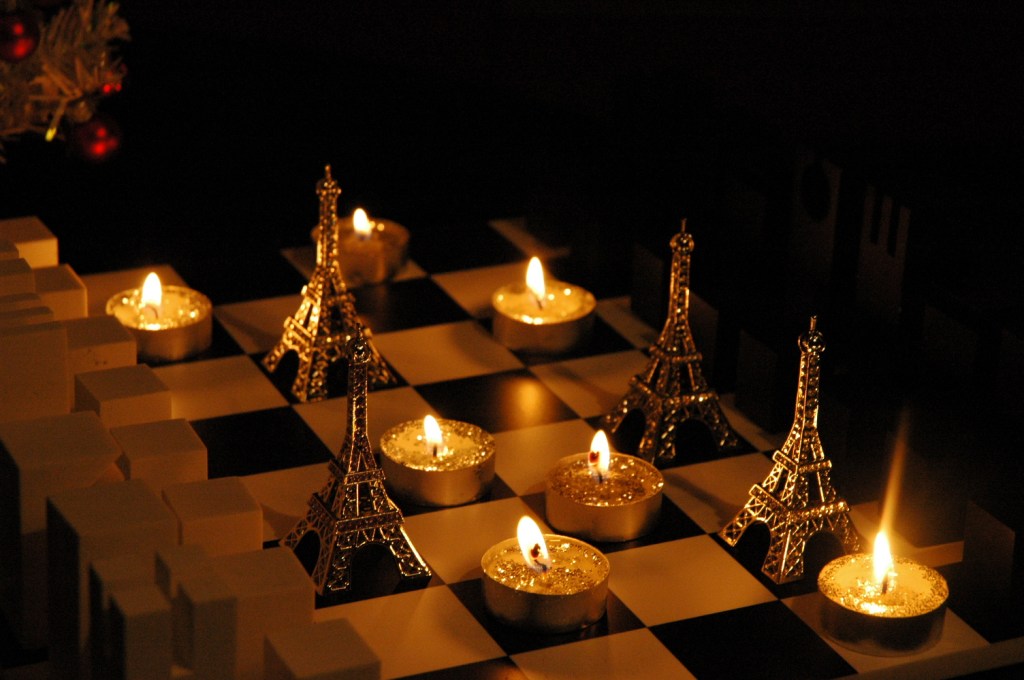
Finally, I close my post with a selection of miscellaneous shots, from the lights upon the fireplace of my family home where I will be spending Christmas this year, to the oversized paperchains which my partner, mother and I were making over the weekend (they’re uber fashionable this year, we hear). Check out too the understated extravagance of my little diamond-covered Eiffel towers (fake diamonds, sadly). London may arguably be the capital of Christmas, but there’s always room for a little Parisian glamour to compliment the excesses of the festive season.

IMG_2610 DSC_0037 DSC_0001 DSC_0101 DSC02399Righto, I’m off to share a moment with my Christmas trees now… until the next time, hope you’re enjoying the run up to Christmas!

It’s beginning to feel a lot like Christmas – Part I

It’s beginning to feel a lot like Christmas in London, which, as cities go, surely springs to mind as one of the most festive locations in which to spend the Christmas season. It is, after all, the city that brought us A Christmas Carol, and whose foggy streets, holly-trimmed Georgian town houses and fairy-light filled shopping streets fill Christmas cards across the globe, images which are synonymous with the festive season everywhere.

True, we don’t have many cinnamon-scented, mulled-wine quenched Christmas markets, gingerbread houses or ski slopes, and when we get snow, it does generally turn to grey mush within the hour, but what we do have is a series of super-festive ice rinks set amongst backdrops of picture-perfect architectural grandeur, huge trees filling our squares and besides our most important buildings, an almost guaranteed cold wintery climate, and shopping streets crammed full of shoppers from all over the world. It’s the very image of a contemporary Christmas. 

For we Londoners, 2012 has been an incredible year, for obvious reasons, but nothing quite tops the icing on the cake than a great festive season. I’m a working man, and my blog, as with my art, takes second place, sadly, in my day to day activities, and therefore I have been unable to go skating, to traipse around the shops for hours on end, nor to meander around the allegedly popular winter wonderland in Hyde Park. However, with what hours I have spared, I have noticed a tangible sparkle of festive feeling laying upon every facet of London like a sprinkle of freshly laid snow. And I’m loving it. So, I decided to share a few of my haphazardly shot photos and Christmassy experiences so that you too can share in the festive spirit which is cursing through the city.

The lights on Regent Street

The lights on Regent Street

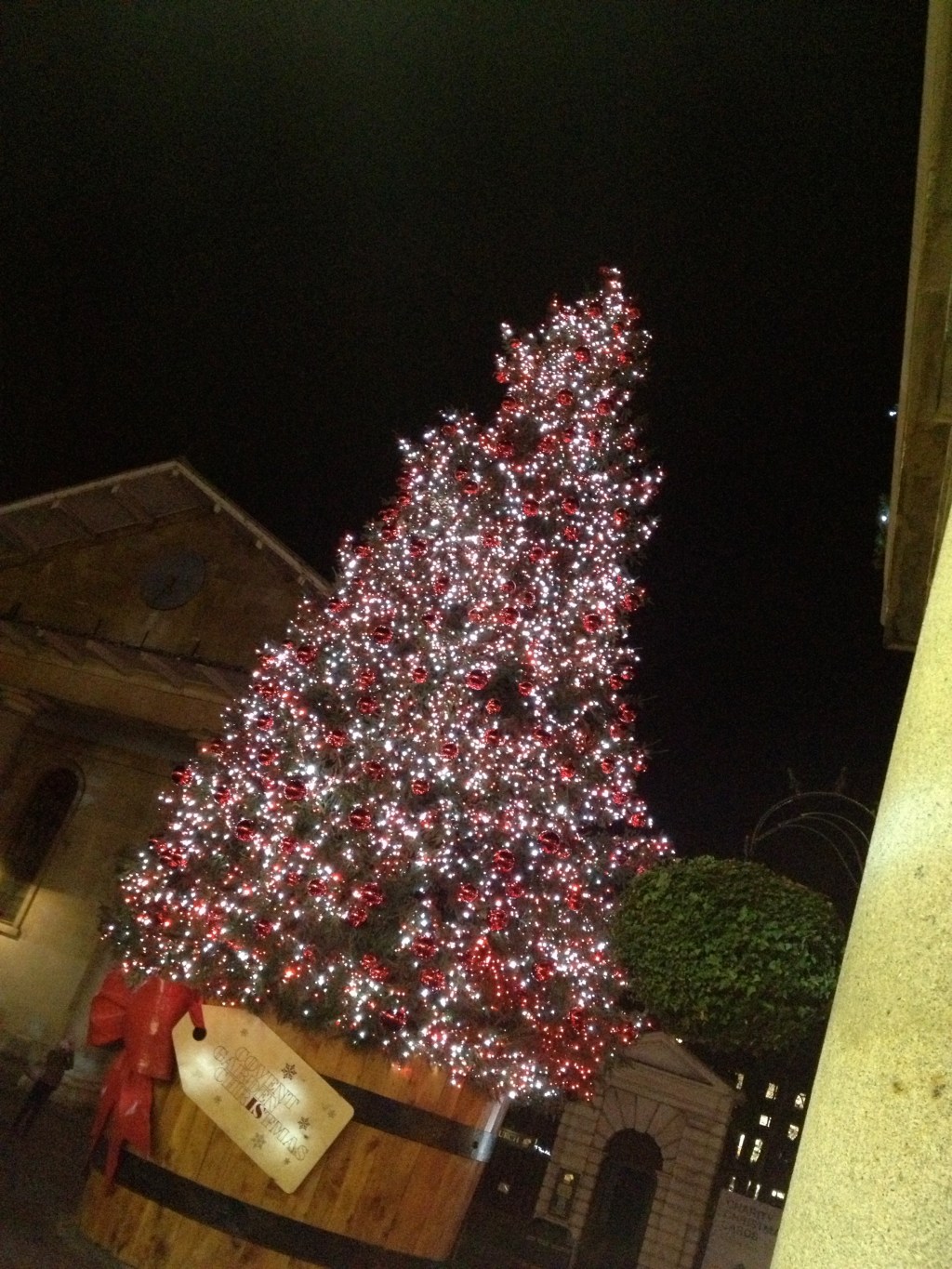
In its shopping, London is practically unrivalled, and for Christmas splendour, the shopping districts and large department stores know how to lay on a show. The other night I headed to Covent Garden market which, despite being almost paralysed by cold, sparkled like a finely polished diamond. Inside the giant market, huge oversized baubles hang intermittently between giant disco balls and the permanent elegant iron lighting. Meanwhile, in the market square is a huge tree in an even bigger pot, while besides it, mulled wine stalls and hoards of shoppers help to make this one of the most festive areas of London.

Covent Garden market

Covent Garden market

Covent Garden's tree

Covent Garden’s tree

IMG_2593

As for me, well I met my dear friend Celia for dinner not far from the market – we headed to the Green Man and French Horn in St Martins Lane – an intimate french affair in the setting of an old pub, with low cosy lighting and some pretty hearty food – I had a feather-blade beef which almost melted away on my tongue when washed down with its rich wine sauce and our accompanying bottle of vin.

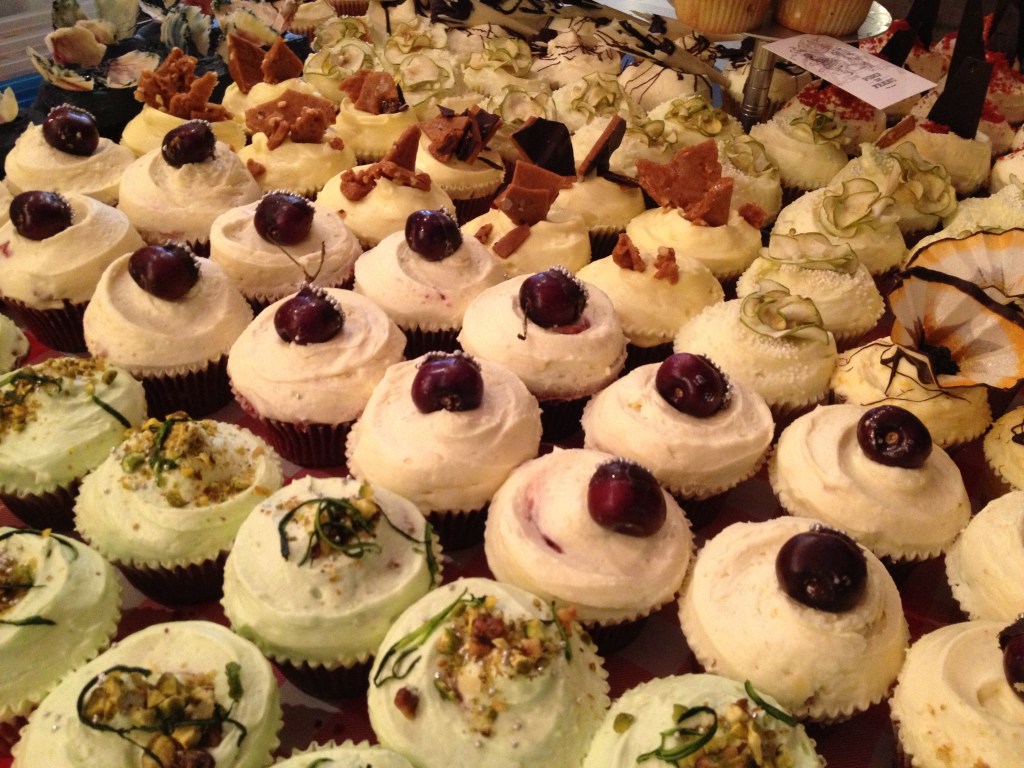
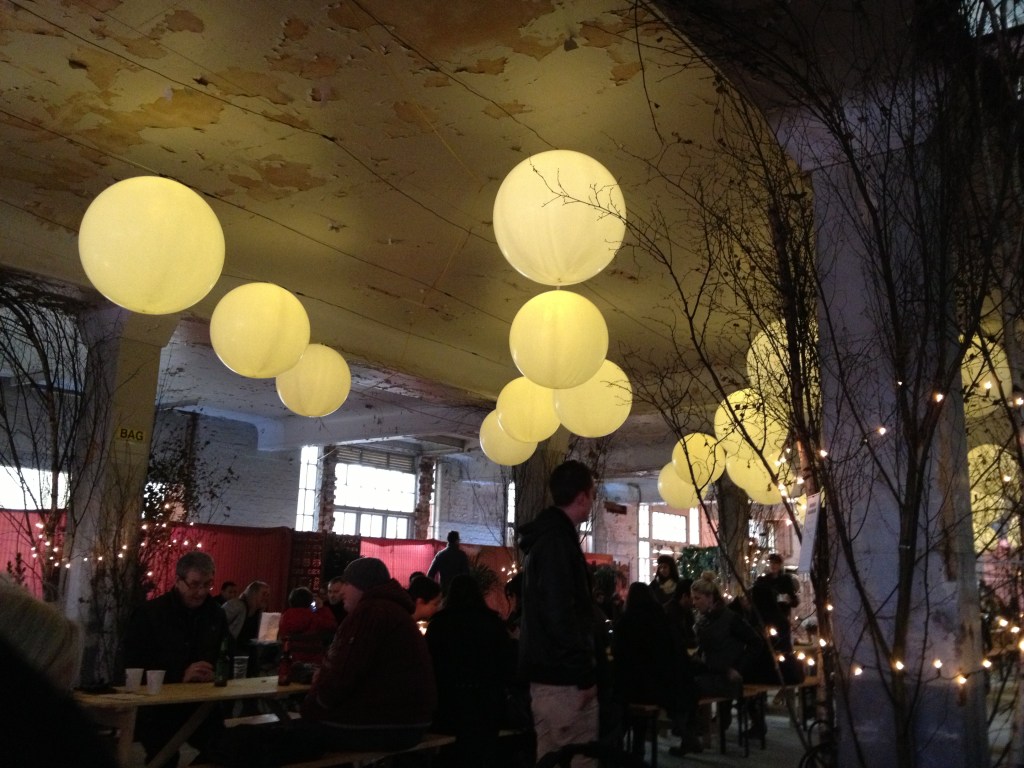
Talking of food, a few days before, my friends Cassandra, Jeremy and I headed off to trendy Islington in the North of the city, again an area of London giving boast to some excellent shopping, as well as the slightly more niche antiques and interiors market. However, it wasn’t our homes we went to indulge – rather, we were headed for Feast, a large undercover Christmas food festival, set within the very ramshackled surroundings of the old post office sorting offices, which made for quite the industrial contrast with the very popular festive spectacle below, as stalls from many a local restaurant offered a rich variety of culinary oblation, from glorious cupcakes (pictured), spicy asian cuisine, seared thai beef and mexican enchilladas, to gourmet burgers, Spanish chorizo sandwiches and fluffy pork buns. As for us, well, apart from and perhaps instead of the aforesaid, we managed to gorge more upon the liquid libations provided, from mulled wine, to mulled cider, to mulled wine again. Nothing makes one merry and festive quicker, particularly at 1 in the afternoon.

IMG_2582IMG_2569IMG_2567IMG_2571

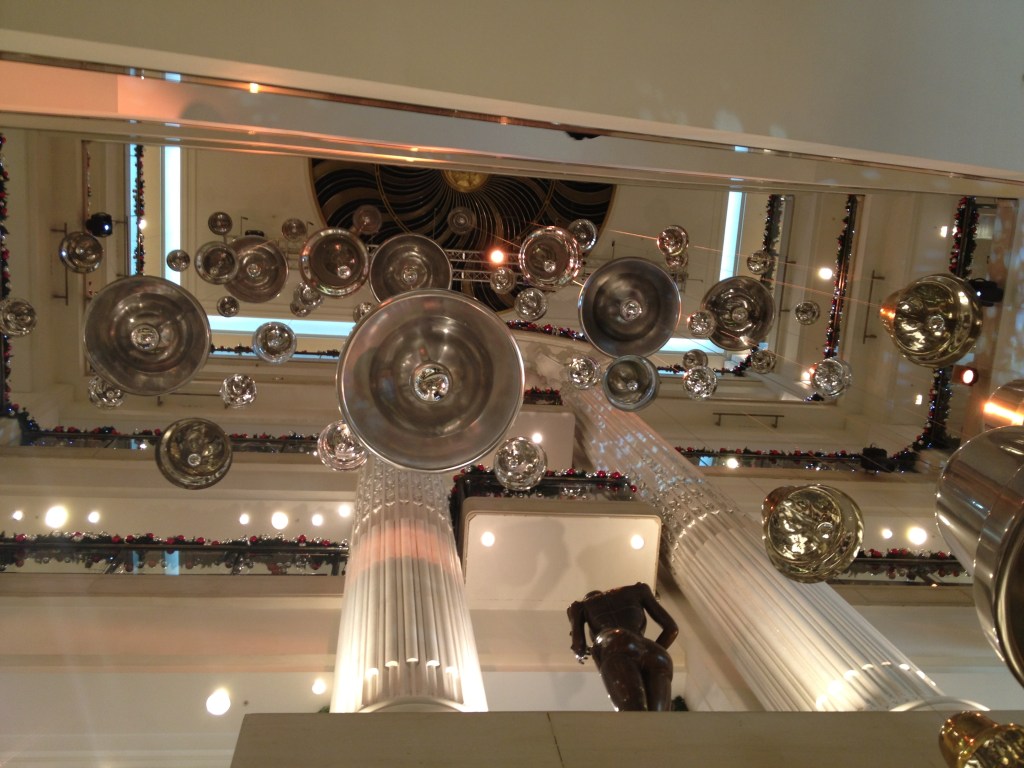
IMG_2317Back to the shops, and none can doubt the breadth and variety of Christmas shopping on offer in this great city, not to mention the decorative supremacy of the city’s most established shops. In Selfridges, one of my favourite department stores, the 5-floor high galleries are hung with huge dinging bells, which move up and down all day long, bonging a gentle, almost hallucinogenic Christmas tune. In both Harrods and Liberty, Christmas decorations fill a generous proportion of the shop floor space, and queues for the latest quirky bauble wind around the stores. However, for the best decorations, Fortnum and Mason, my favourite of all London shops, does simply the best in my view. Pictured are some of the white decorations they had this year, but just look at their lavish tree and old fashioned staircase. What I would give to import this entire set up into my sadly staircase-less flat! Meanwhile, with the decorations bought and wrapped, head around the corner to Regent street, where a lightshow worthy of the 3 Kings themselves awaits, strung across the busy shopping streets below.

Selfridges bells

Selfridges bells

and Fortnums decorations

and Fortnums decorations

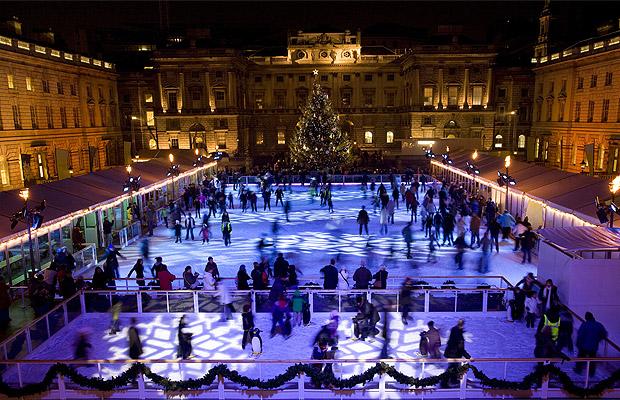
No overview of London’s Christmas would be complete without a quick mention of those wonderful ice rinks. My favourite has to be the rink set within the glorious confines of Somerset House on the banks of the Thames. With flame torches flickering around the blue glowing ice and the imposing facades of the Somerset House quadrant standing majestically all around, this has to be the picture perfect Christmas scene. It’s so good in fact that when studying at King’s College London next door some 10 years ago, I painted my very own homage to the ice rink (below). See also the rink outside the spectacular gothic palace that houses the Natural History Museum in South Kensington. This again creates a remarkable backdrop to an intrinsically festive scene.

somerset-house_1531292i

Natural_History_Museum_Ice_Rink_jpg_633x289_crop_q85

Ice Skating at Somerset House (acrylic on canvas, 2002 © Nicholas de Lacy-Brown)

Ice Skating at Somerset House (acrylic on canvas, 2002 © Nicholas de Lacy-Brown)

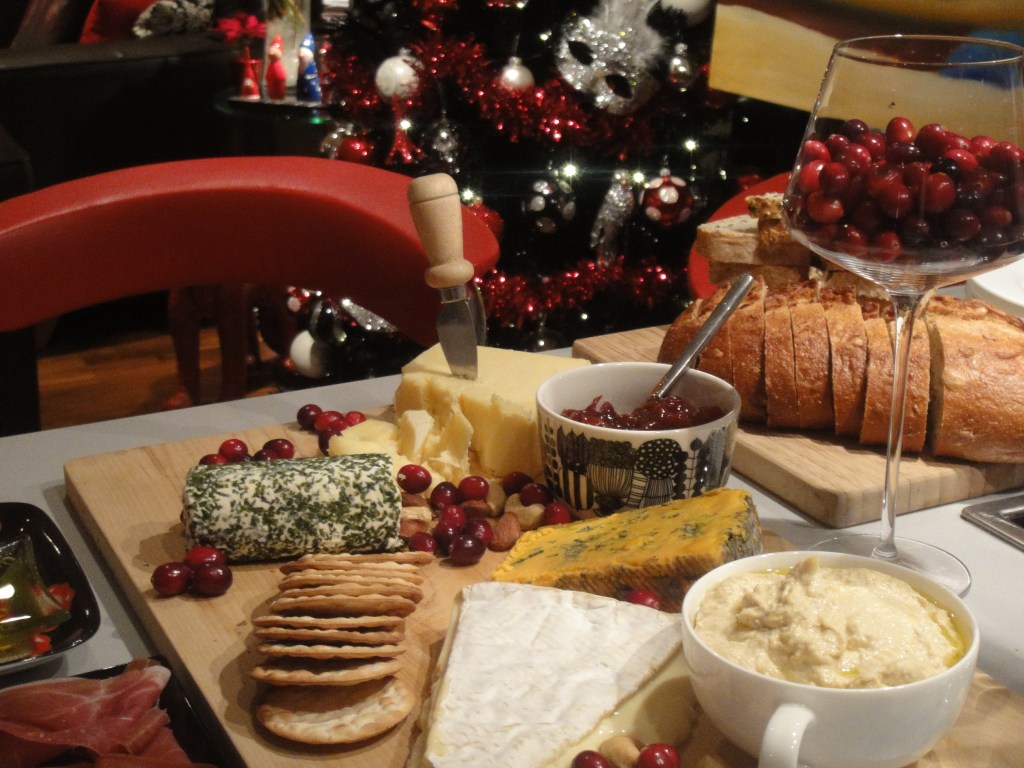
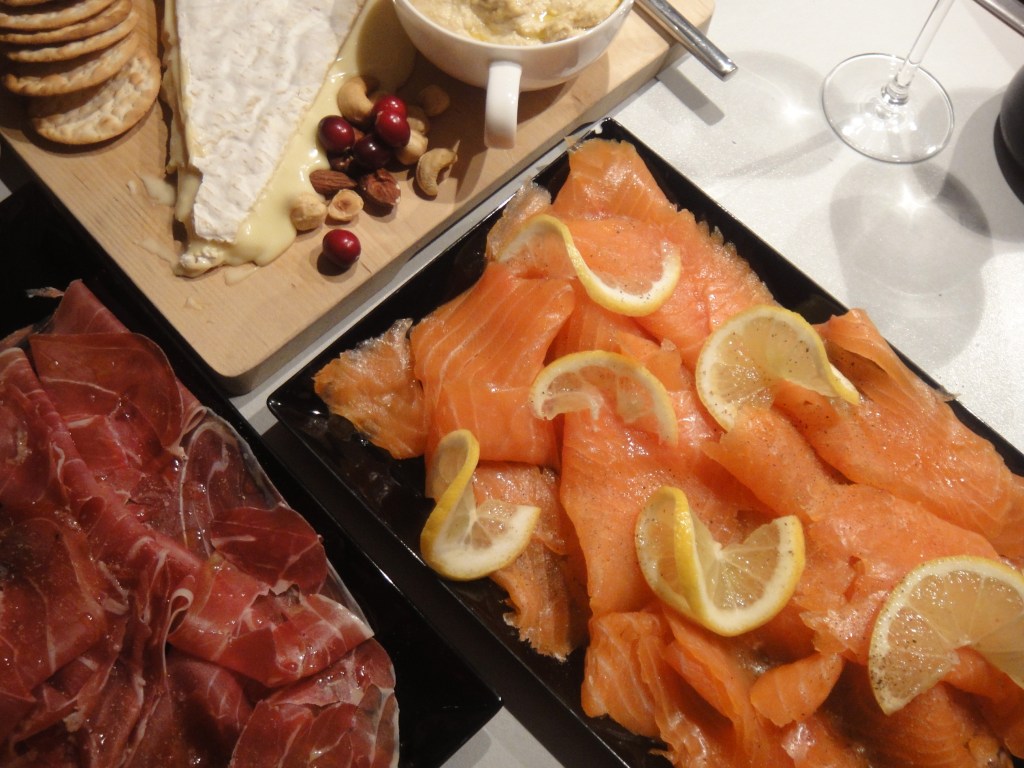
But while being out in the frosty busy streets of London is all very well, at the end of it all, there’s nothing quite like home. This very evening I have just finished gorging upon wooden platters loaded with fresh cheeses, festive chutneys, smoked salmon and ham, while with friends round for the evening, we toasted christmas with champagne in one hand and mulled wine in the other. For Christmas in the city is the jolliest place to be, but share it with friends and loved ones, and Christmas will truly have come home.

DSC04488DSC04493DSC04496

Tomorrow, as if you haven’t had enough already, I just have to share more photos of my Christmas decorations, candles, installations and more. See you then.